Loading subject page…

- Microeconomics
- Producer Behavior
- Marginal Product I
Micro-course: Producer Behavior
6,666 views
Learn key concepts and earn your certificate.








Marginal Product I


00:00
01:19
Video Summary: What Is Marginal Product I
Ever wonder why adding more workers to a McDonald's kitchen doesn't always mean faster service? The concept of marginal product explains this economic puzzle by measuring the additional output generated when one more unit of input (like labor) is added while keeping other inputs constant. Consider a Starbucks with fixed espresso machines-the first few baristas dramatically boost coffee production, but eventually, too many workers create bottlenecks and reduce efficiency per person. Watch the full video on JoVE Coach to master this concept with expert-led visuals and step-by-step explanations.
- Understand What is Marginal Product I as the foundation for analyzing production efficiency in business and economics
- Identify the mathematical relationship between input changes and output changes using the marginal product formula
- Analyze the three distinct stages of marginal product behavior as additional workers are added to a production process
- Compare marginal product patterns across different industries and recognize when diminishing returns begin
- Evaluate real-world scenarios where businesses must optimize labor allocation given fixed capital constraints
- Apply the law of diminishing marginal returns to predict production outcomes in various economic situations
- Recognize how marginal product analysis influences hiring decisions and resource allocation in American companies
- Explore the connection between marginal product concepts and broader microeconomic principles like cost minimization
Understanding What is Marginal Product I: The Foundation
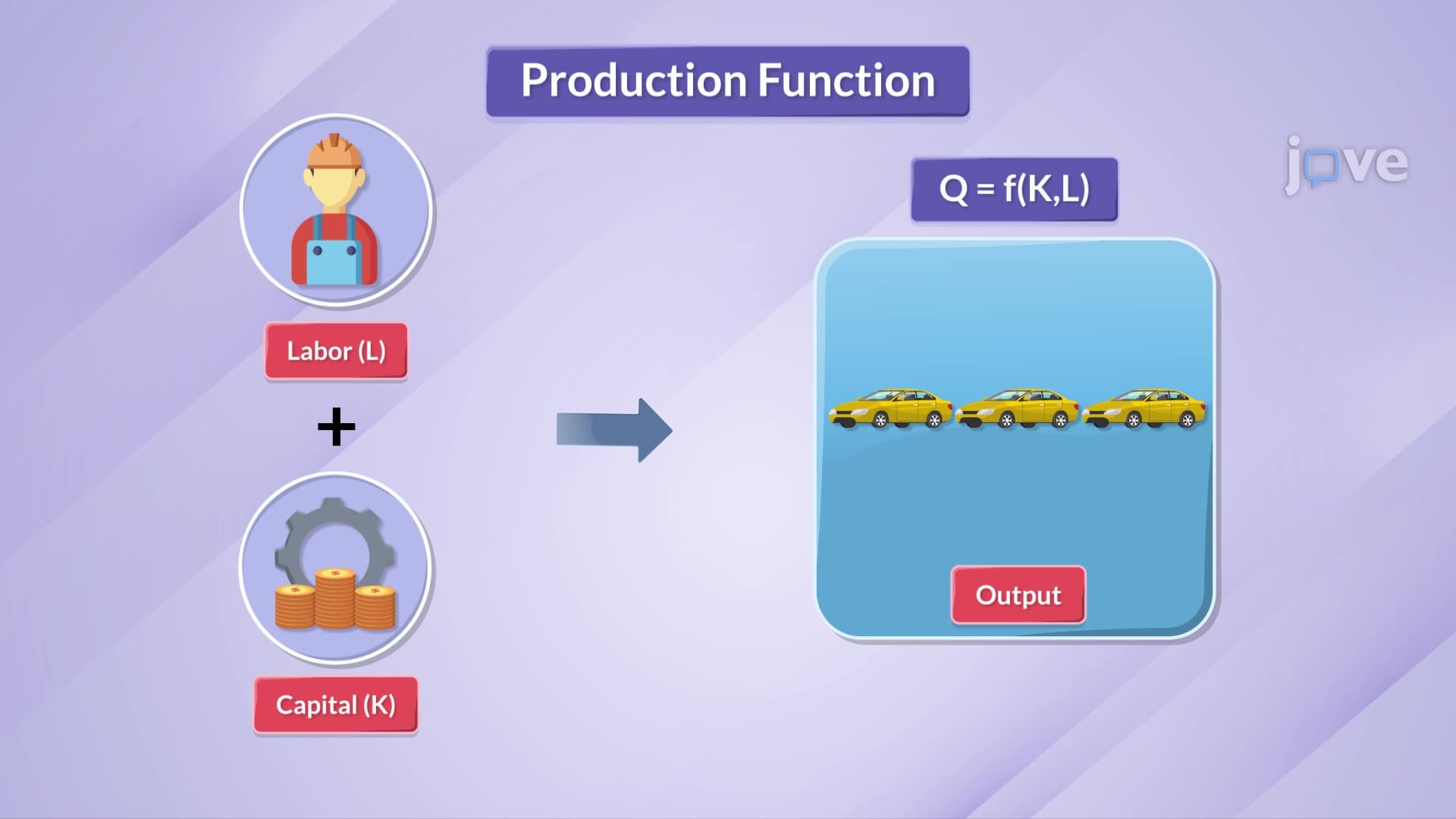
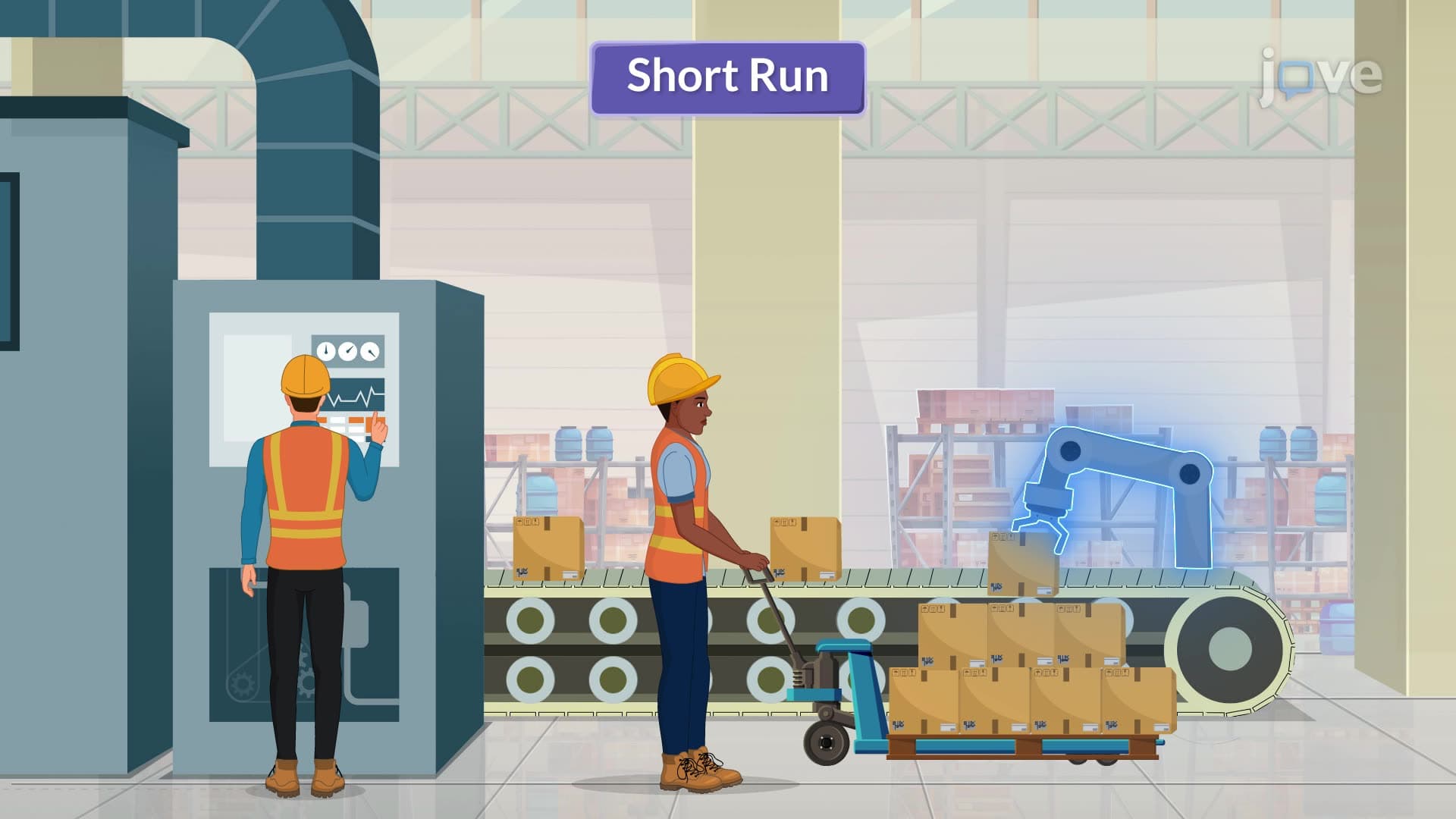
Marginal product represents one of the most fundamental concepts in microeconomics and production theory. At its core, marginal product measures the additional output produced when a firm adds one more unit of a variable input while holding all other inputs constant. This concept becomes particularly relevant in short-run production scenarios where businesses cannot easily adjust their capital stock-think fixed factory equipment, restaurant seating, or retail floor space.
The mathematical formula for marginal product is elegantly simple: Marginal Product = Change in Total Output ÷ Change in Input Quantity. For labor specifically, this becomes Marginal Product of Labor (MPL) = Change in Total Product ÷ Change in Labor Units. This calculation proves essential for AP Economics students and appears frequently on college microeconomics exams.
Real-World Applications in American Business
Consider Amazon's fulfillment centers during peak holiday seasons. With fixed warehouse space and sorting equipment, managers must determine the optimal number of workers to maximize efficiency. Initially, adding workers dramatically increases package processing-each new employee can focus on specific tasks, improving overall productivity through specialization. However, as more workers are added, the marginal product of each additional employee begins declining due to workspace constraints and coordination challenges.
This pattern emerges across countless American industries. At a Chipotle restaurant with fixed grills and prep stations, the first few employees create significant value through task specialization. But adding too many workers leads to crowding, slower service, and reduced marginal productivity per employee.
The Three Stages of Marginal Product
Production economists identify three distinct stages of marginal product behavior. Stage 1 features increasing marginal product, where additional workers create synergistic effects and specialization benefits. Stage 2 shows decreasing marginal product but positive values-output still increases, just at a slower rate. Stage 3 demonstrates negative marginal product, where additional workers actually reduce total output due to severe overcrowding and coordination problems.
Understanding these stages proves crucial for MCAT economics sections and college business courses. Rational firms operate exclusively in Stage 2, where marginal product remains positive but declining-the sweet spot of production efficiency.
Strategic Implications for Modern Economics
The marginal product concept directly influences hiring decisions, wage negotiations, and production planning across American corporations. Technology companies like Google use similar principles when determining optimal team sizes for software development projects. Manufacturing giants like General Motors apply marginal product analysis to assembly line staffing decisions.
For students preparing for AP Economics exams or college coursework, mastering marginal product analysis provides the foundation for understanding more advanced topics like profit maximization, cost curves, and market efficiency. This concept frequently appears in multiple-choice questions and free-response sections, making it essential for academic success.
Frequently Asked Questions
Marginal product measures the additional output from one more unit of input, while total product represents cumulative output from all inputs combined. Think of marginal product as the "extra slice" added to the total pizza production when you hire one more baker in a pizzeria with fixed ovens.
Marginal product definition explained simply means understanding how much extra output you get when adding one more worker (or input unit) while keeping everything else the same. It's like asking: "If I hire one more cashier at Target, how many more customers can we serve per hour?"
AP Economics frequently tests marginal product through calculation problems, graph analysis, and free-response questions about production optimization. College microeconomics courses emphasize the mathematical relationship between marginal product and cost curves. Expect to analyze scenarios involving diminishing returns and optimal input combinations.
Yes, GMAT quantitative sections often include marginal product scenarios within data interpretation and problem-solving questions. These typically involve analyzing production efficiency, resource allocation, or business optimization cases. Understanding marginal product principles helps with both mathematical calculations and logical reasoning sections.
Apple uses marginal product concepts when determining optimal staffing for iPhone assembly lines-balancing worker productivity with production costs. Walmart applies these principles to checkout lane staffing, analyzing how additional cashiers affect customer throughput during peak shopping periods while controlling labor expenses.
Not at all-marginal product requires only basic arithmetic and division skills accessible to high school students. The concept focuses more on logical thinking and economic reasoning than complex calculations. Most problems involve simple fraction work and interpreting numerical relationships rather than advanced mathematical techniques.
Create practice scenarios using familiar businesses like your local movie theater or restaurant, calculating marginal product as workers are added. Draw graphs showing the three stages of production, and work through past AP Economics free-response questions. Focus on connecting mathematical calculations to real-world business decision-making.
After understanding marginal product, explore marginal cost, marginal revenue, and profit maximization strategies. These concepts build directly on marginal product foundations and appear together in advanced microeconomics courses. Consider studying production possibility frontiers and market efficiency theories as natural progressions.
Related Micro-courses