Loading subject page…

- Microeconomics
- Producer Behavior
- Returns to Scale I
Micro-course: Producer Behavior
6,666 views
Learn key concepts and earn your certificate.









Returns to Scale I


00:00
01:29
Video Summary: What Is Returns to Scale I
Ever wonder why tech giants like Apple can produce millions of iPhones more efficiently than a small startup? Returns scale explains this phenomenon perfectly. Returns to scale definition centers on how output changes when all production inputs increase proportionally-a fundamental concept in understanding business efficiency. For instance, when Amazon doubles its warehouse space, workers, and delivery trucks, it often more than doubles its shipping capacity due to operational synergies. What is Returns To Scale I reveals the three distinct patterns firms experience: increasing, constant, or decreasing returns. Watch the full video on JoVE Coach to master this concept with expert-led visuals and step-by-step explanations.
- Understand What is Returns To Scale I as a long-run economic concept measuring output changes relative to proportional input increases
- Identify the three types of returns to scale: increasing, constant, and decreasing returns based on output-to-input ratios
- Analyze why specialization of labor leads to increasing returns to scale in manufacturing environments
- Compare how different industries experience varying returns to scale based on their operational characteristics
- Evaluate the role of indivisible inputs like infrastructure in creating increasing returns to scale
- Apply returns to scale concepts to real-world business scenarios and production decisions
- Recognize the mathematical relationship between input scaling factors and output multipliers
- Explore how returns to scale affects long-term business strategy and competitive advantages
Understanding What is Returns To Scale I: The Foundation
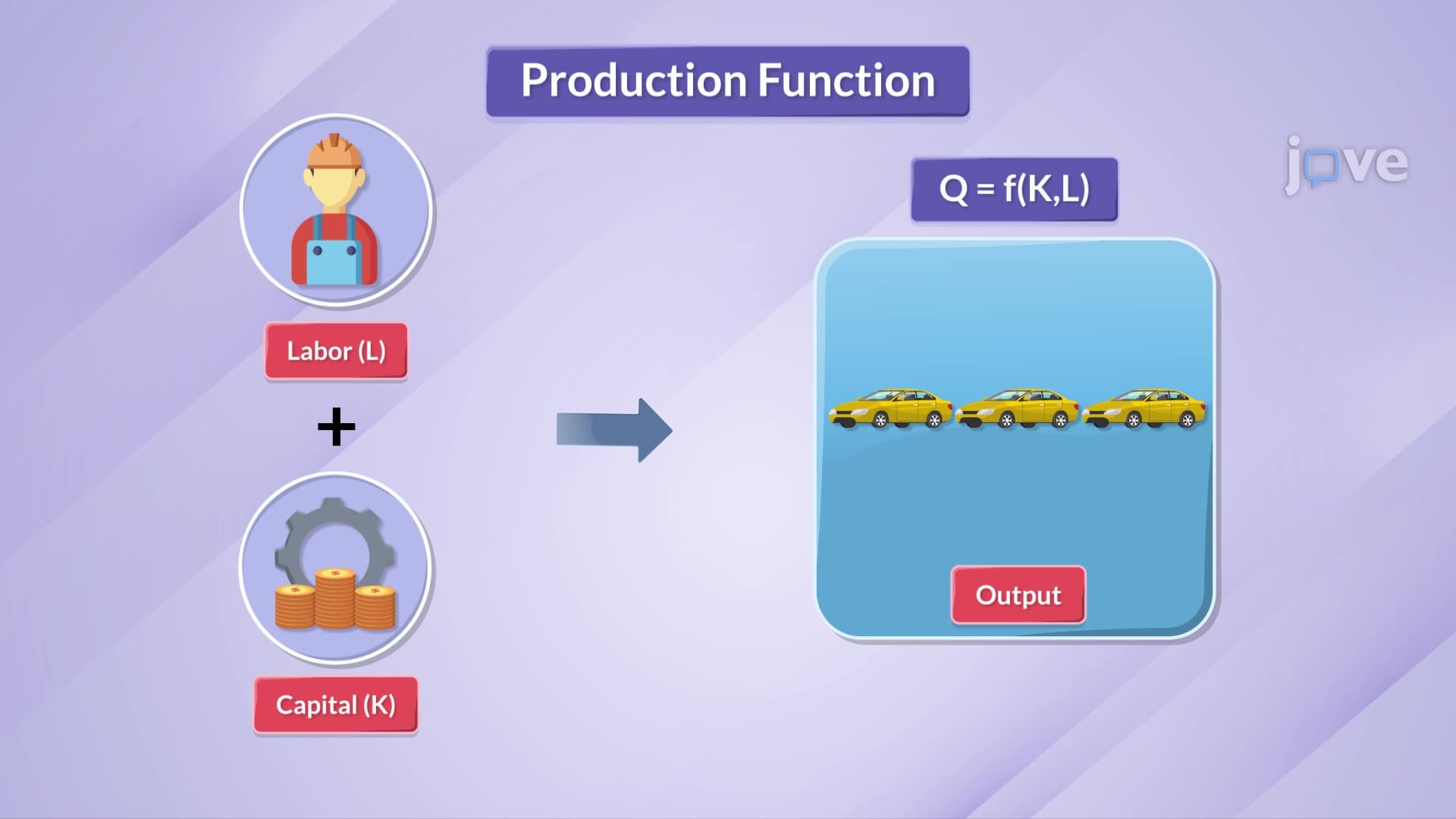
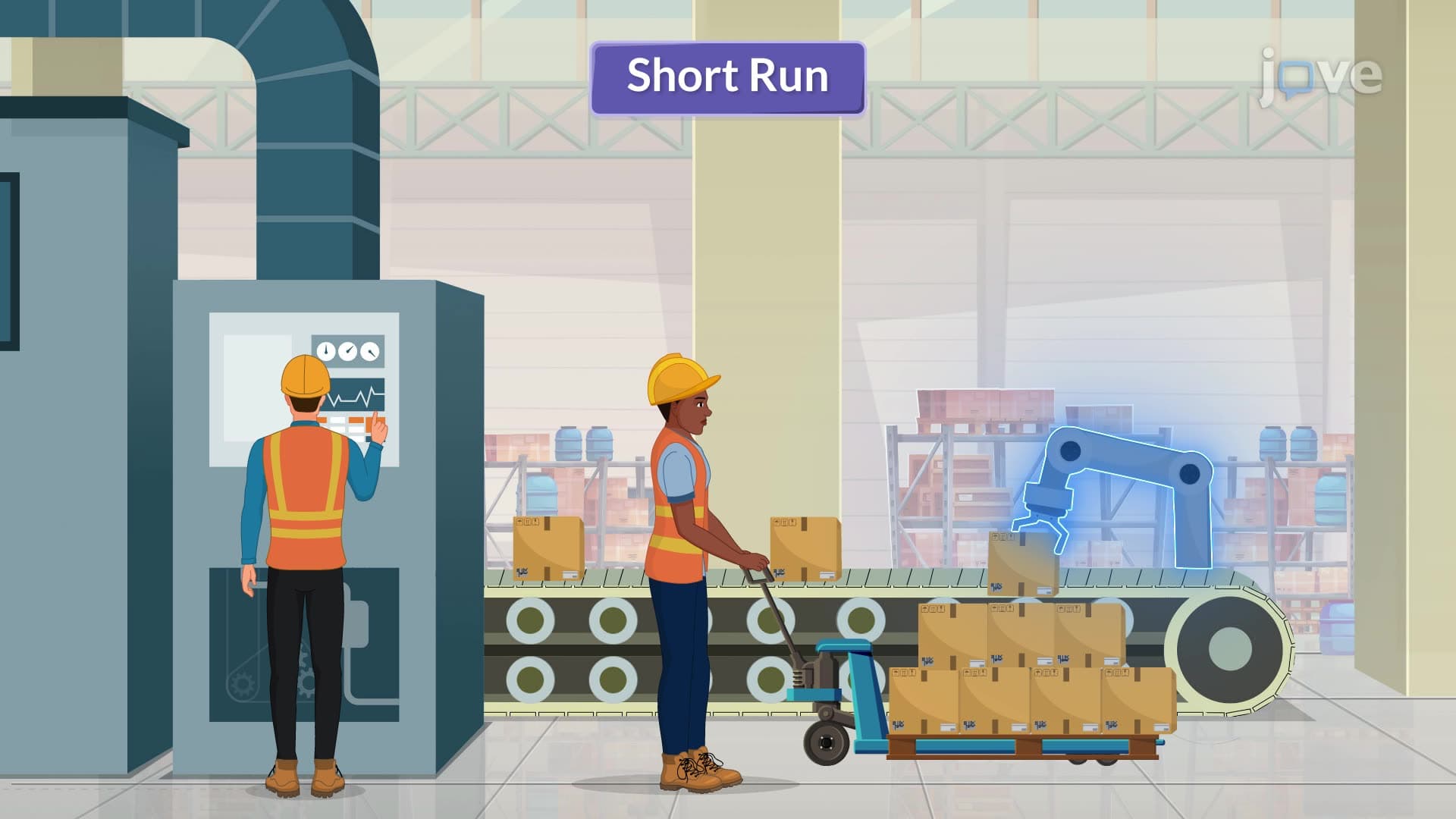
Returns to scale represents one of microeconomics' most practical concepts, directly applicable to business strategy and production management. Unlike short-run production analysis that holds some inputs constant, returns to scale examines what happens when firms scale all inputs simultaneously-labor, capital, raw materials, and technology. This long-run perspective proves essential for understanding corporate growth patterns, from Silicon Valley startups scaling to tech giants to manufacturing companies expanding production capacity.
The concept becomes particularly relevant in AP Economics courses and college-level microeconomics, where students analyze firm behavior and market structures. On standardized tests like the AP Microeconomics exam, returns to scale questions often appear in free-response sections, requiring students to graph production functions and calculate output ratios.
The Three Types: Increasing, Constant, and Decreasing Returns
Increasing returns to scale occurs when output grows faster than input increases. If a company doubles all inputs and output more than doubles, it experiences increasing returns. Consider Netflix's streaming infrastructure: doubling servers, content licensing, and engineering staff often more than doubles subscriber capacity due to network effects and technological synergies. Specialization drives this phenomenon-as organizations grow, workers develop expertise in narrow functions, boosting overall productivity.
Constant returns to scale means output increases proportionally with inputs. A landscaping company that doubles its crew size, equipment, and service area typically doubles its completed projects. This linear relationship often characterizes service industries where scaling doesn't create significant operational advantages.
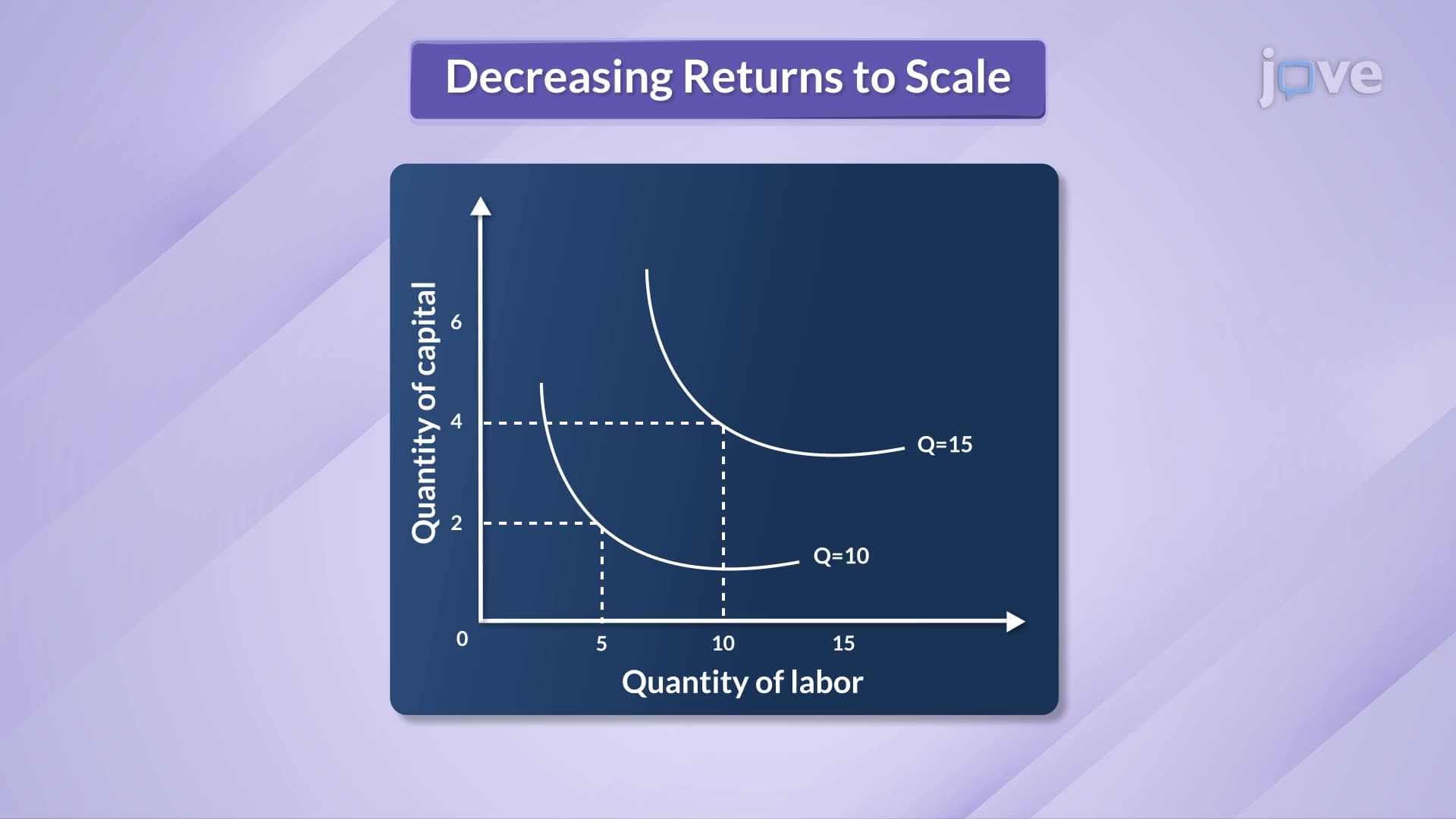
Decreasing returns to scale happens when output grows slower than input increases. Large corporations sometimes face this challenge when coordination costs, bureaucratic inefficiencies, and communication barriers offset expansion benefits. General Motors historically experienced this during periods of excessive vertical integration.
Real-World Applications and Industry Examples
Manufacturing industries frequently demonstrate increasing returns to scale through specialization benefits. Ford's assembly line revolutionized automobile production by assigning workers specific, repetitive tasks. Modern examples include semiconductor fabrication plants, where massive initial investments in clean rooms and precision equipment only become cost-effective at enormous production volumes.
The indivisibility of inputs creates another pathway to increasing returns. Consider data centers: Google's server farms require substantial upfront infrastructure investments that only generate returns at massive scale. A small server room serves hundreds of users inefficiently, while Google's hyperscale facilities serve millions cost-effectively per user.
For college students preparing for economics exams, understanding these real-world connections proves crucial. Exam questions often present scenarios requiring students to identify returns to scale types and explain underlying economic mechanisms.
Frequently Asked Questions
Returns to scale measures how a company's output changes when it increases all production inputs by the same percentage. If a bakery doubles its ovens, workers, flour, and space, returns to scale tells us whether bread production doubles, more than doubles, or less than doubles. It's a fundamental concept in economics that helps explain why some businesses grow more efficiently than others.
AP Microeconomics frequently tests returns to scale through graphing exercises and calculation problems. Students might analyze production functions, calculate output ratios when inputs change, or explain why certain industries experience specific return types. The concept often connects to long-run cost curves and market structure analysis in free-response questions.
Returns to scale focuses on the input-output relationship in production, while economies of scale examines cost advantages from increased production volume. Returns to scale asks "how much more can we produce?" while economies of scale asks "how much cheaper per unit?" Both concepts are related but measure different aspects of business growth and efficiency.
McDonald's demonstrates classic increasing returns to scale through its franchise model and supply chain efficiencies. When McDonald's doubles its restaurant count, employee training systems, and supply contracts, it often achieves more than double the revenue due to brand recognition, bulk purchasing power, and operational standardization across locations.
No advanced mathematics is required to grasp returns to scale concepts. Basic arithmetic and ratio calculations suffice for most applications. High school algebra helps with graphing production functions, but the core idea-comparing output changes to input changes-relies on simple percentage calculations and logical reasoning about business operations.
Focus on real-world examples and practice identifying return types in different scenarios. Create flashcards linking industries to their typical returns to scale patterns. Work through numerical problems calculating output ratios, and practice explaining the economic reasoning behind each return type using concrete business examples.
Large organizations often face coordination challenges, communication bottlenecks, and bureaucratic inefficiencies that offset growth benefits. As companies expand, management layers multiply, decision-making slows, and maintaining quality standards becomes more difficult. These organizational costs can cause output to grow slower than input increases, resulting in decreasing returns to scale.
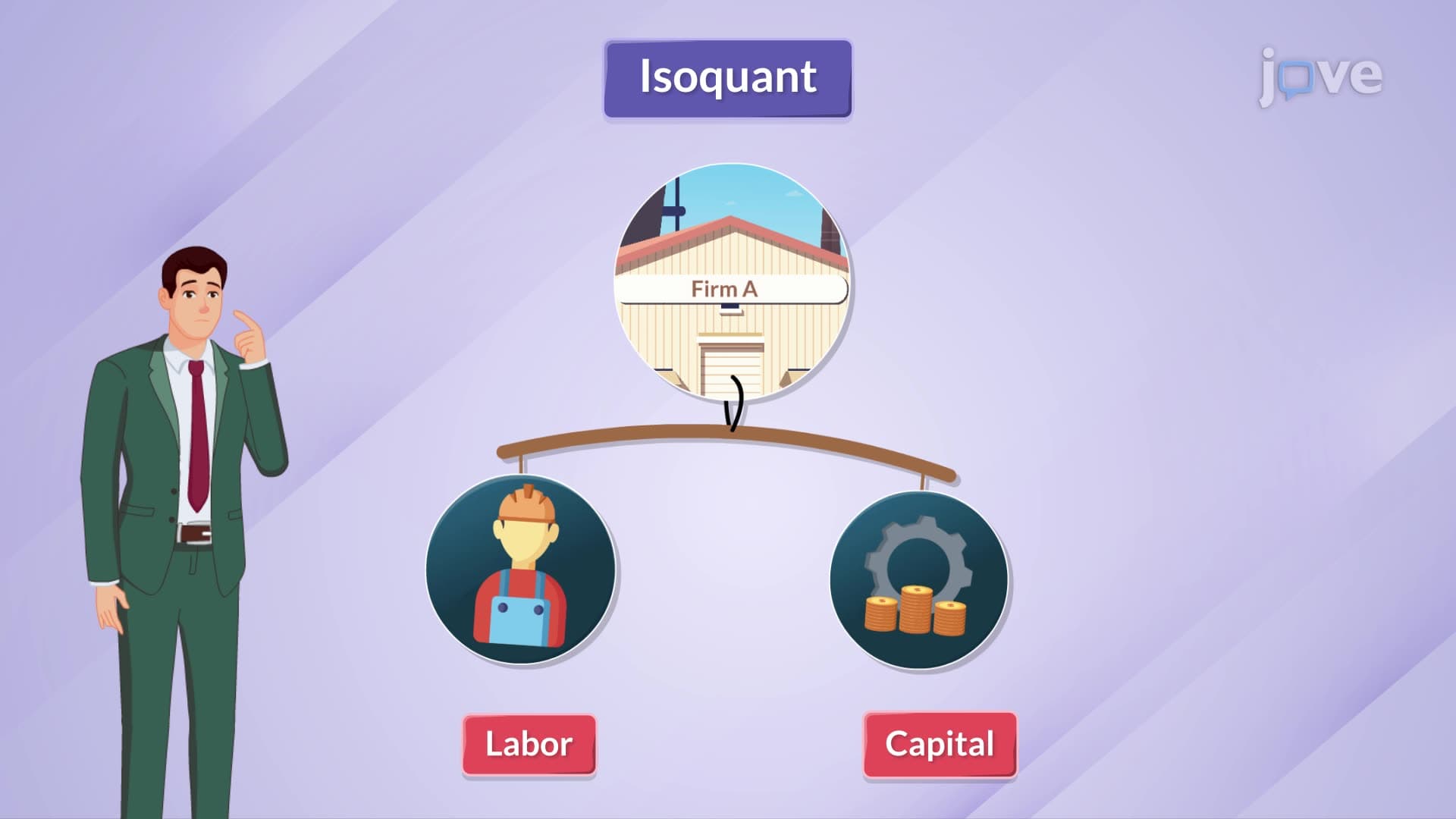
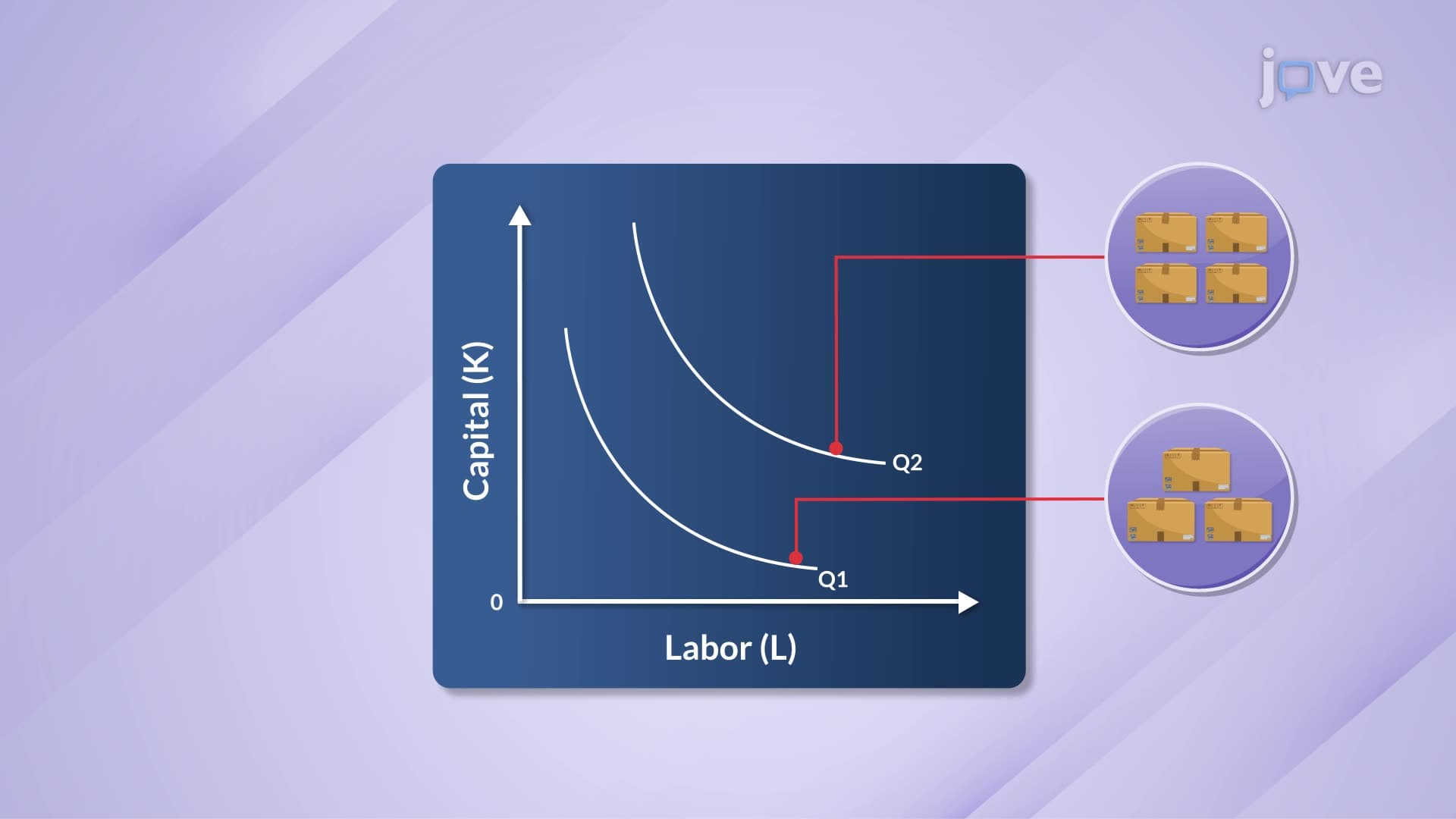
Build on returns to scale by exploring long-run average cost curves, which show how per-unit costs change with production scale. Then study market structures like perfect competition and monopoly, where returns to scale influence firm behavior and industry characteristics. Production function analysis and isoquant/isocost diagrams provide deeper mathematical insights into these relationships.
Related Micro-courses