Loading subject page…
- Microeconomics
- Producer Behavior
- Returns to Scale II
Micro-course: Producer Behavior
6,666 views
Learn key concepts and earn your certificate.







Returns to Scale II

00:00
01:29
Video Summary: What Is Returns to Scale Ii
Why do some industries like tech startups thrive with rapid scaling while manufacturing giants like General Motors face challenges when expanding too quickly? Returns scale dynamics explain this phenomenon perfectly. When companies double their inputs but get less than double the output, they're experiencing decreasing returns to scale-a critical concept in What is Returns To Scale II. Consider how Amazon initially struggled with warehouse coordination as it expanded rapidly across multiple states, leading to temporary efficiency losses. Watch the full video on JoVE Coach to master this concept with expert-led visuals and step-by-step explanations.
- Understand the fundamental principles behind What is Returns To Scale II, particularly decreasing and constant returns to scale in production economics
- Identify the key factors that cause decreasing returns to scale, including management challenges, communication breakdowns, and difficulty replicating corporate culture
- Analyze real-world scenarios where firms experience proportionally lower output growth compared to input increases
- Compare decreasing returns to scale with constant returns to scale and their different impacts on firm productivity
- Evaluate how managerial limitations and coordination problems contribute to reduced efficiency in large-scale operations
- Apply returns to scale concepts to explain industry structure and why some sectors favor smaller firms over larger enterprises
- Recognize the relationship between firm size, input scaling, and productivity outcomes in various business contexts
- Explore how communication barriers and monitoring difficulties affect production efficiency in multi-location operations
Understanding What is Returns To Scale II: Decreasing Returns Fundamentals
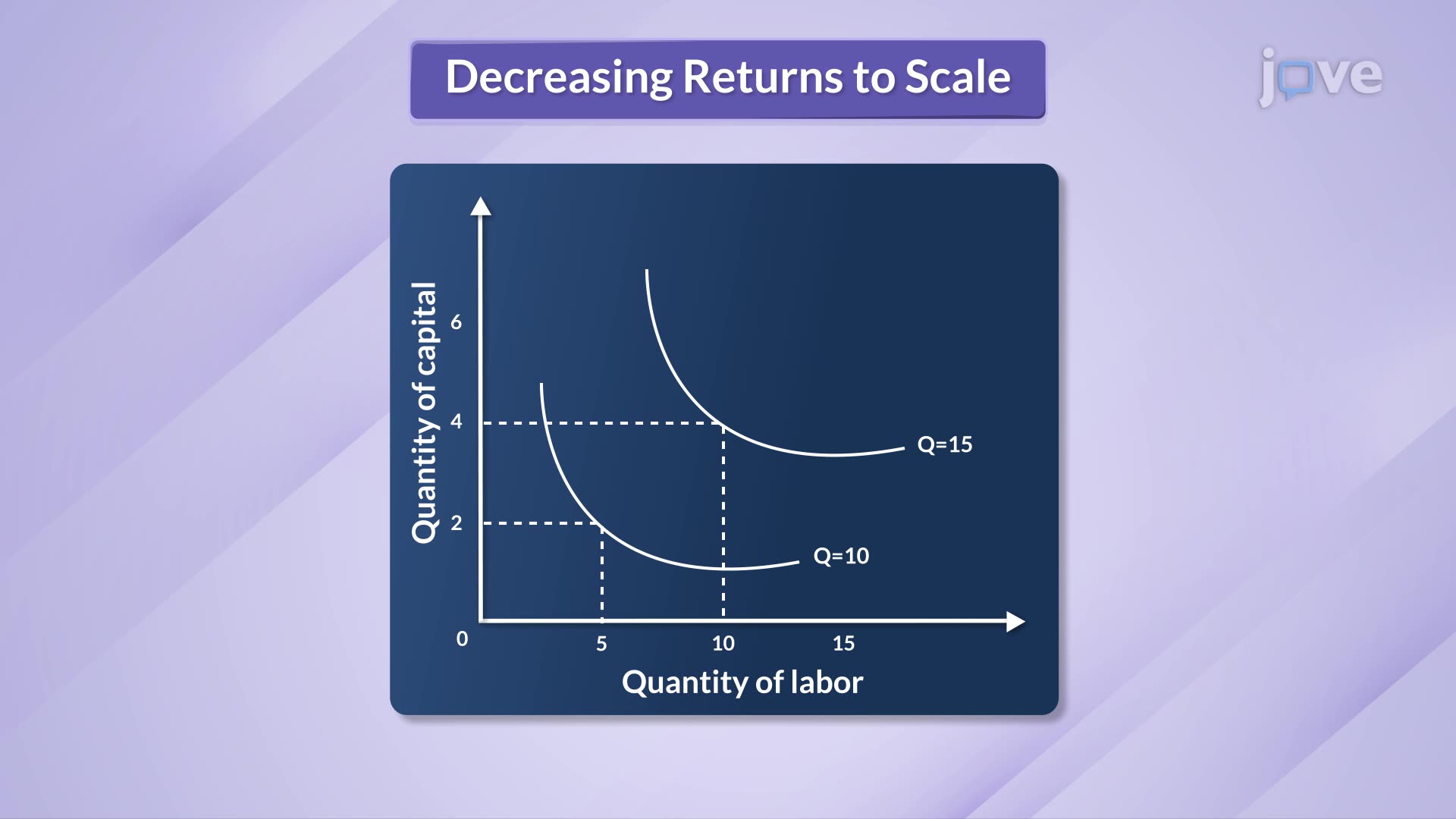
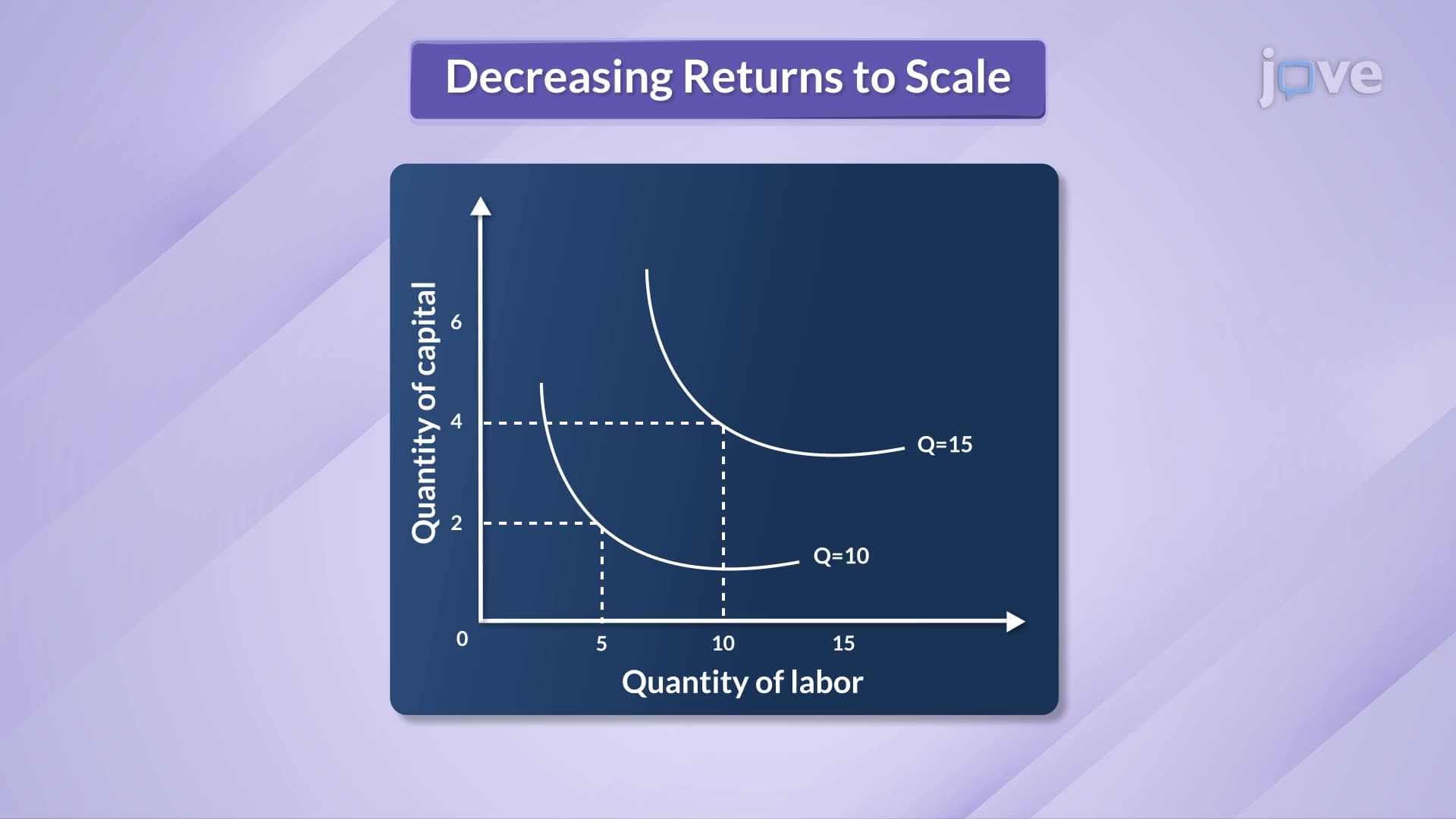
What is Returns To Scale II focuses on a crucial economic phenomenon where firms experience diminishing efficiency as they scale up operations. Unlike increasing returns to scale where bigger is better, decreasing returns to scale occurs when doubling all inputs results in less than double the output. This concept is fundamental to understanding why not all industries can support massive corporations and why some sectors naturally fragment into smaller, more manageable firms.
The mathematical relationship is straightforward: if inputs increase by a factor of k, output increases by less than k. For instance, if a company doubles its labor, capital, and materials (k=2) but production increases by only 1.8 times, it's experiencing decreasing returns to scale. This concept frequently appears on AP Economics exams and college microeconomics courses, making it essential for students pursuing business or economics degrees.
Management Coordination Challenges in Large-Scale Operations
The primary driver of decreasing returns to scale lies in management and coordination difficulties. As firms expand, they face what economists call "span of control" problems. Consider Walmart's early expansion challenges in the 1980s when rapid growth across multiple states created communication bottlenecks and inconsistent store operations. The company had to invest heavily in information systems and management training to overcome these coordination issues.
Managerial talent represents a particularly scarce resource that's difficult to replicate. A successful CEO or department head cannot simultaneously manage operations in New York, Texas, and California with the same effectiveness. This scarcity becomes more pronounced as firms grow, leading to delegation to less experienced managers and potential decision-making delays. Students studying for the MCAT or preparing for business school admissions should understand how these human resource constraints affect organizational efficiency.
Communication Breakdown and Cultural Dilution Effects
Large-scale operations often suffer from communication inefficiencies that smaller firms avoid. When Ford Motor Company expanded its operations globally, it initially struggled with coordinating design and production decisions across continents, leading to duplicated efforts and conflicting priorities. The informal communication networks that make small companies agile become formal, bureaucratic processes in larger organizations, slowing decision-making and reducing responsiveness.
Corporate culture, another critical input, becomes increasingly difficult to maintain across multiple locations. Southwest Airlines famously attributes its success to maintaining a consistent culture across all locations, but this requires significant investment in training, communication, and oversight. Many companies find that their unique competitive advantages-whether innovative thinking, customer service excellence, or operational efficiency-dilute as they expand beyond optimal size.
Real-World Applications and Industry Structure Implications
Understanding decreasing returns to scale helps explain why certain industries maintain fragmented structures. The restaurant industry, for example, often experiences decreasing returns as chains expand because food quality, service standards, and local market adaptation become harder to control. This explains why successful restaurant entrepreneurs often franchise rather than operate company-owned locations exclusively.
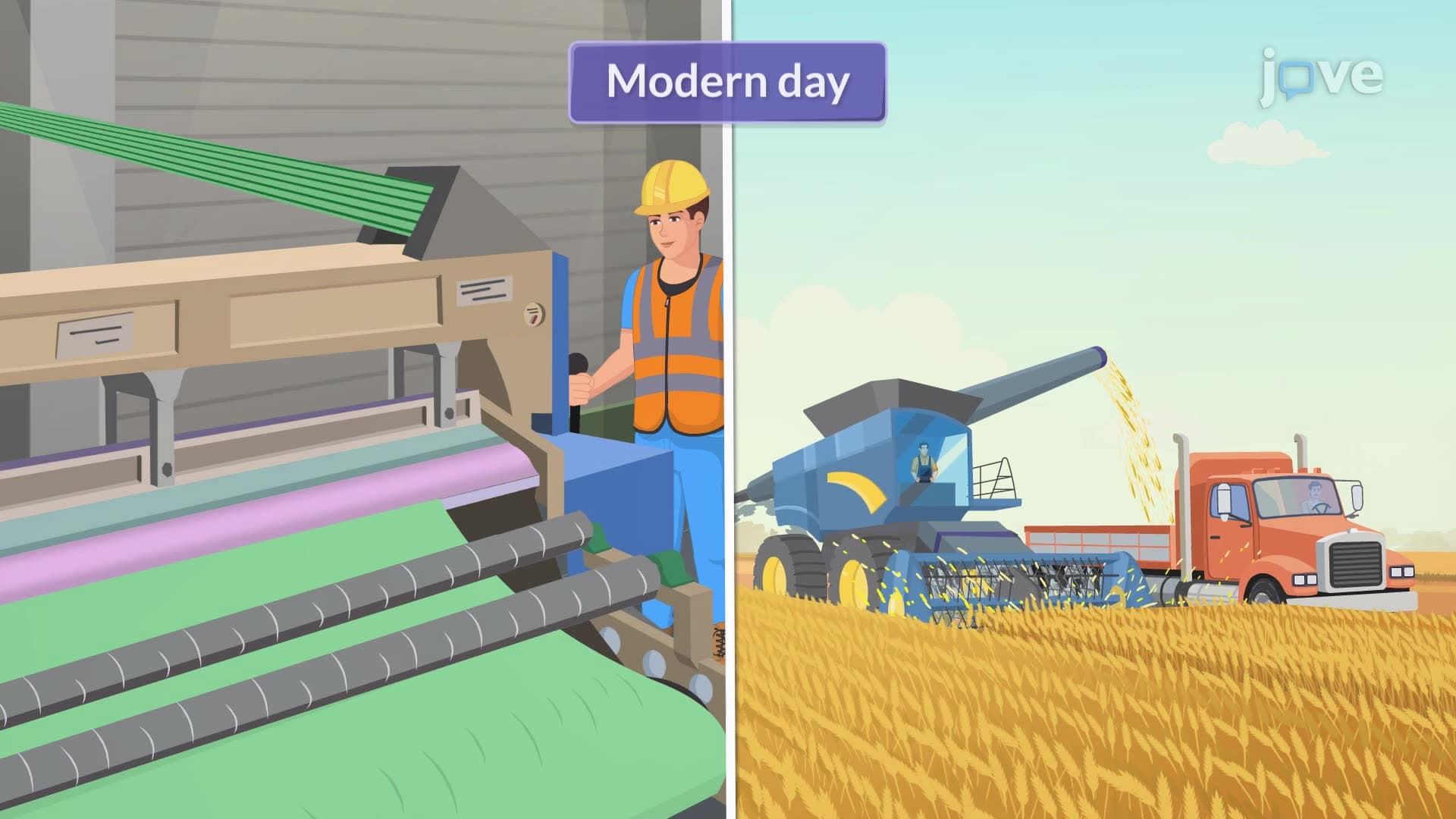
In contrast, industries with constant returns to scale, where doubling inputs doubles output, can support larger firms more easily. Manufacturing industries with standardized processes, like automobile assembly, can often achieve constant returns through careful process design and technology implementation. Students preparing for economics exams should practice identifying which industries are likely to experience different types of returns to scale based on their operational characteristics.
Frequently Asked Questions
Returns To Scale II specifically examines decreasing and constant returns to scale, building on basic increasing returns concepts. It focuses on why firms face efficiency challenges when scaling up operations. This advanced topic helps explain real-world business limitations and industry structures that students encounter in AP Economics and college microeconomics courses.
AP Economics exams typically test this concept through graph analysis, calculation problems, and free-response questions about firm behavior. Students must identify decreasing returns scenarios, calculate output changes relative to input increases, and explain why certain industries experience these patterns. Practice with past AP exam questions helps master both mathematical and conceptual applications.
While not directly tested on the MCAT, understanding economic principles like returns to scale appears in social sciences passages and data interpretation questions. Business school admission tests (GMAT) may include these concepts in quantitative reasoning sections. The analytical thinking skills developed studying returns to scale transfer to many standardized test contexts.
McDonald's experienced decreasing returns in the 1990s when rapid expansion led to inconsistent food quality and service across locations. Despite doubling restaurant count and inputs, customer satisfaction and per-location profitability grew more slowly. The company had to restructure operations, improve training systems, and slow expansion to restore efficiency, demonstrating classic decreasing returns challenges.
This concept is very manageable for high school students with basic algebra skills and economic thinking. The mathematical relationships are straightforward ratios, and real-world examples make the concepts intuitive. Students who understand fractions and percentages can master the calculations, while the business examples help clarify practical applications.
Focus on three key areas: mathematical calculations (input-output ratios), identifying causes (management challenges, communication problems), and real-world applications (industry examples). Create flashcards with different scenarios, practice graphing returns to scale relationships, and work through practice problems that combine quantitative analysis with conceptual explanations.
Build on this foundation by exploring economies and diseconomies of scale, cost curves (especially long-run average cost), market structure analysis, and firm optimization strategies. These related concepts frequently appear together on exams and provide deeper insight into business decision-making and industry analysis.
Constant returns to scale mean doubling inputs exactly doubles output, indicating perfect scalability like many manufacturing processes. Decreasing returns mean doubling inputs produces less than double output due to coordination challenges. Industries with constant returns can support larger firms more easily, while decreasing returns industries tend toward smaller, more nimble companies.
Related Micro-courses