Loading…
Loading video…

93,900 views

Did you know that 93% of communication effectiveness comes from non-verbal cues, yet most barriers effective communication stem from factors we rarely consider? From a student struggling to focus during a college lecture due to construction noise outside to a job interview candidate whose anxiety prevents clear responses, barriers to effective communication explained reveals the hidden obstacles that derail our daily interactions. Understanding these communication roadblocks is essential for academic success, workplace effectiveness, and personal relationships. Watch the full video on JoVE Coach to master this concept with expert-led visuals and step-by-step explanations.
Communication barriers represent any factor that distorts, interrupts, or prevents the successful transmission of a message between sender and receiver. These obstacles can transform a simple exchange into a source of confusion, frustration, or conflict. For students preparing for AP Psychology exams or college communication courses, understanding these barriers is crucial for both academic success and real-world application.
Physiological barriers stem from physical health conditions that impair communication ability. A college student with hearing loss may miss crucial lecture information, while someone experiencing illness might struggle to concentrate during important conversations. These barriers highlight the importance of accessibility accommodations in educational settings.
Psychological barriers prove equally disruptive. Consider a high school student presenting a project while experiencing test anxiety—stress hormones can impair memory retrieval and verbal fluency. Similarly, preoccupation with personal problems can prevent active listening during classroom discussions. For MCAT preparation, understanding how stress impacts communication becomes particularly relevant when considering patient-doctor interactions.
Attitudinal barriers emerge from conflicts between communicators or resistant mindsets. A student who disagrees with their professor's teaching methods might unconsciously block information absorption. Low motivation can similarly impede effective communication—students who see no relevance in course material often fail to engage meaningfully with content.
Perceptual barriers involve how personal experiences and beliefs filter incoming messages. Two students might interpret the same feedback differently based on their academic backgrounds. This concept frequently appears on college midterm exams, particularly in psychology and communication courses.
Language barriers extend beyond speaking different languages. Regional dialects, professional jargon, and speech disorders can all impede understanding. A nursing student studying for the NCLEX must learn medical terminology while also developing skills to communicate complex concepts in patient-friendly language.
Physical and environmental barriers include external factors that disrupt communication. Poor acoustics in lecture halls, inadequate lighting for reading body language, or distracting noise can all interfere with message transmission. These factors become particularly important for students with learning differences who require optimal environmental conditions for academic success.
Frequently Asked Questions
Barriers to effective communication are obstacles that prevent clear message transmission between people, including physical, psychological, and environmental factors. Understanding these barriers helps students improve academic performance, excel in group projects, succeed in job interviews, and build stronger personal relationships throughout their educational journey.
AP Psychology exams often test barrier identification through scenario-based questions, while college communication courses assess understanding through case study analysis. Students typically encounter questions asking them to categorize barriers, explain their impact on relationships, and propose solutions for overcoming specific obstacles in various contexts.
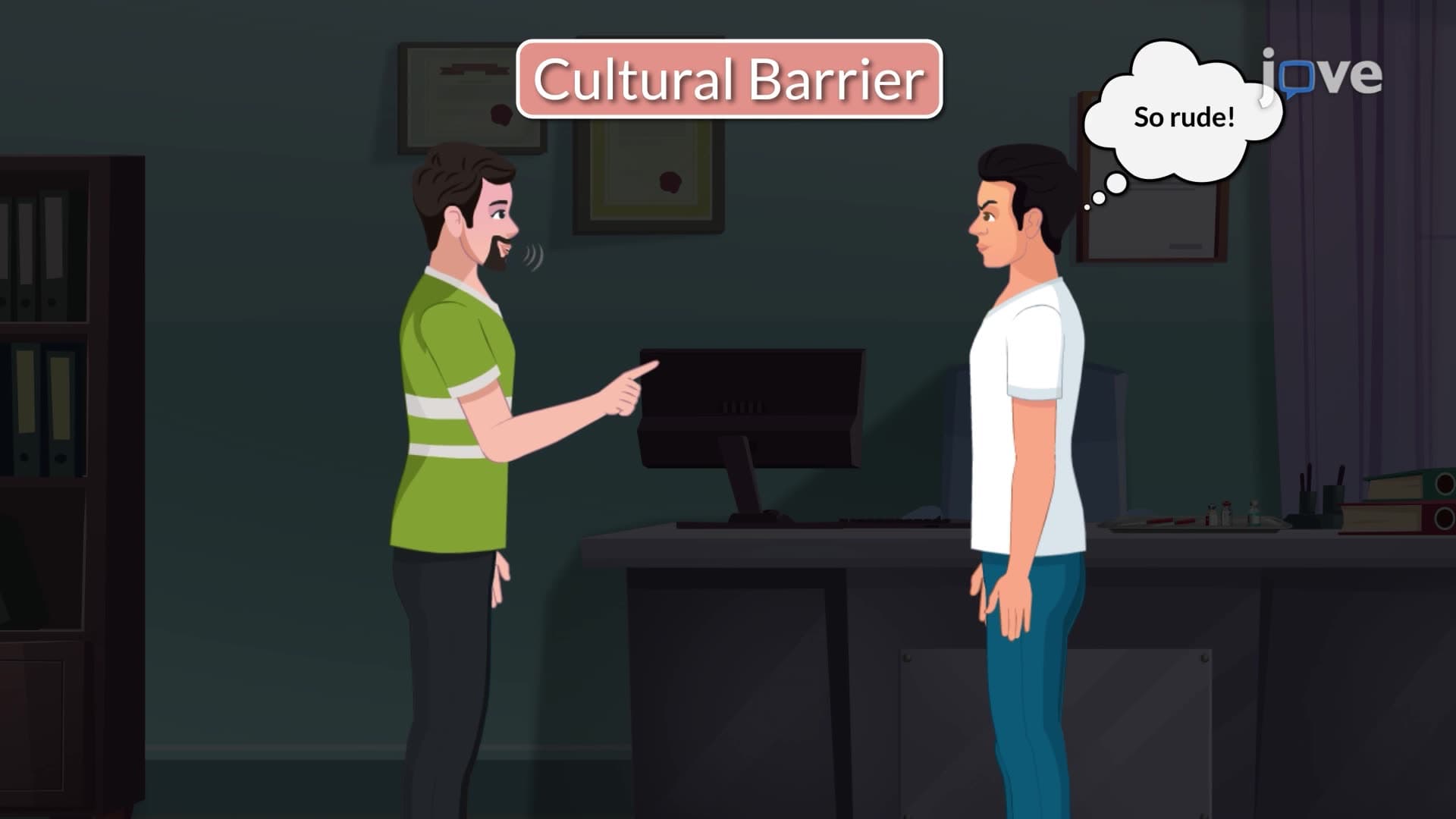
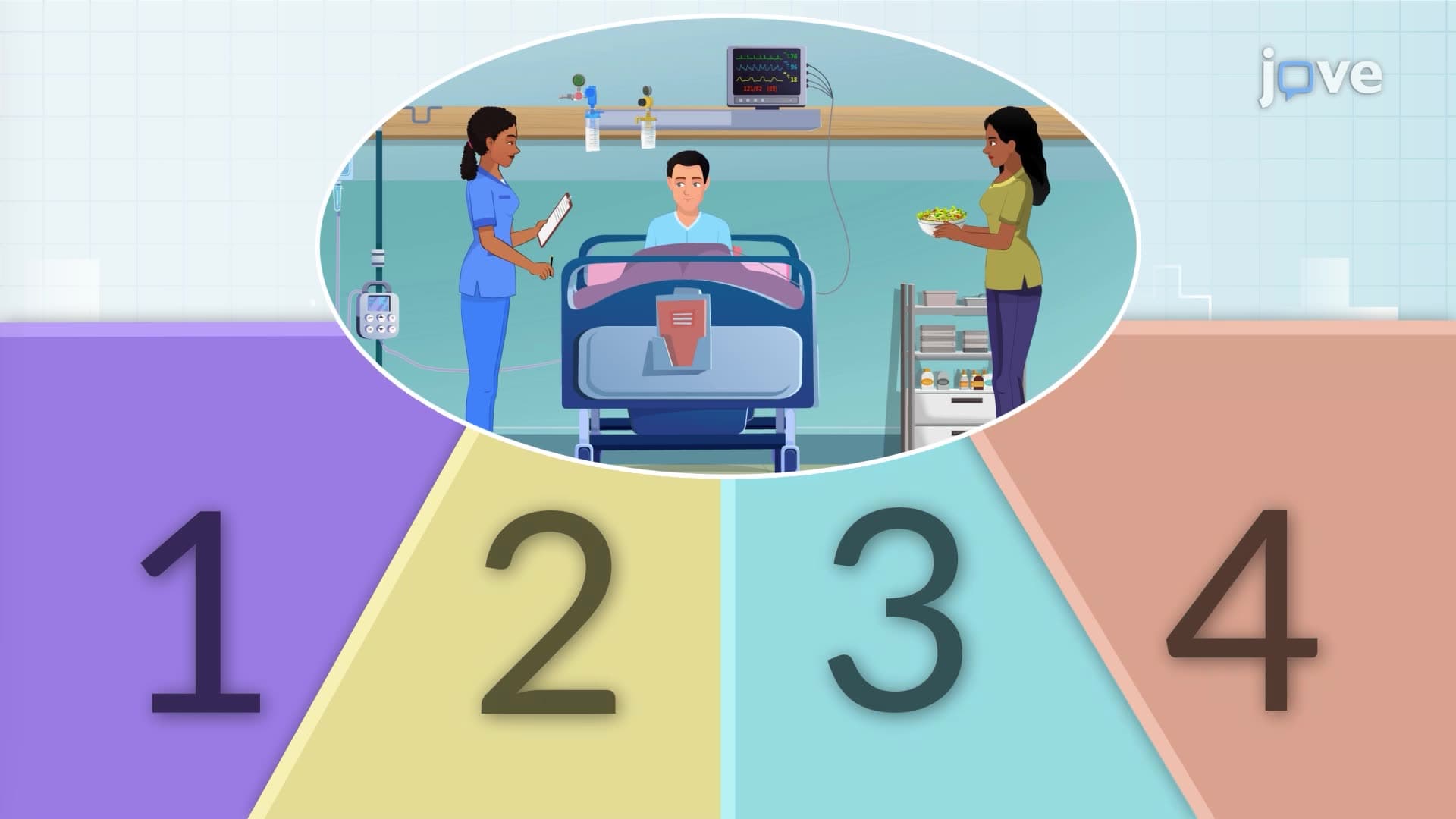
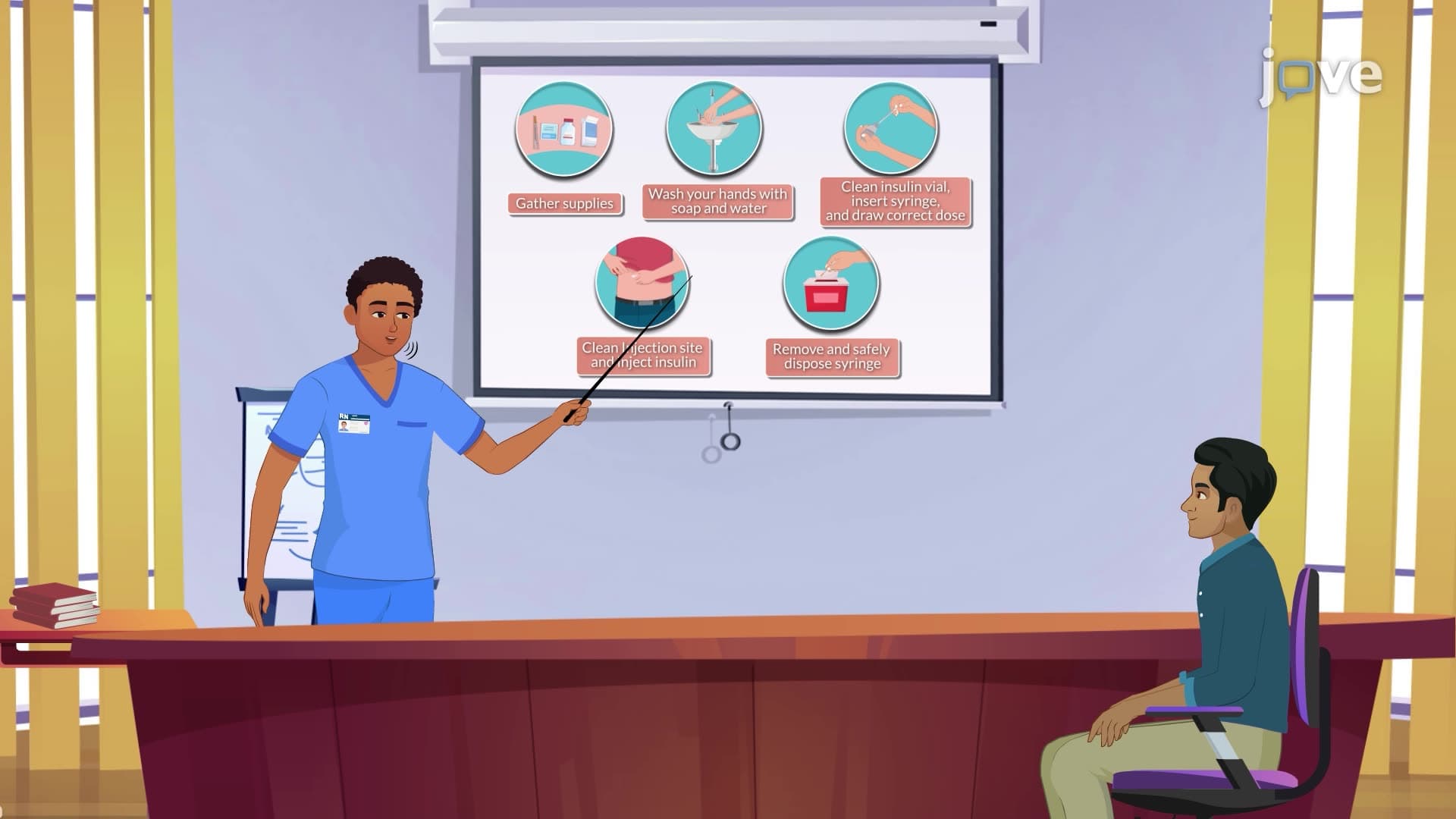
Medical entrance exams like the MCAT and nursing exams (NCLEX, HESI A2, TEAS) focus heavily on psychological and cultural barriers affecting patient care. Test questions often examine how stress, anxiety, language differences, and health literacy impact healthcare communication, requiring students to identify appropriate intervention strategies.
During group presentations at universities like UCLA or NYU, students often encounter multiple barriers simultaneously: one member might experience presentation anxiety (psychological), another might have a strong regional accent (language), while poor classroom acoustics (environmental) compound the challenges. Successful teams learn to identify and address these barriers proactively.
Communication barriers are highly accessible concepts that students encounter daily in classrooms, sports teams, and social situations. The framework provides practical tools for improving interactions, making it both relevant and manageable for students at any level, from freshman orientation to senior capstone projects.
Create scenario flashcards pairing real-world situations with specific barrier types, then practice categorizing barriers and proposing solutions. Focus on healthcare, educational, and workplace contexts since these appear most frequently on standardized tests and provide practical application for future academic and career success.
Communication barriers naturally lead to studying active listening techniques, conflict resolution strategies, and cultural competency skills. Students should also explore nonverbal communication, emotional intelligence, and group dynamics to build a comprehensive understanding of effective interpersonal communication for advanced coursework and professional development.
Related Micro-courses


Related Subjects
 Anatomy and Physiology 31 micro-courses›
 Medical-Surgical Nursing 28 micro-courses›