Loading…
Loading video…

93,900 views
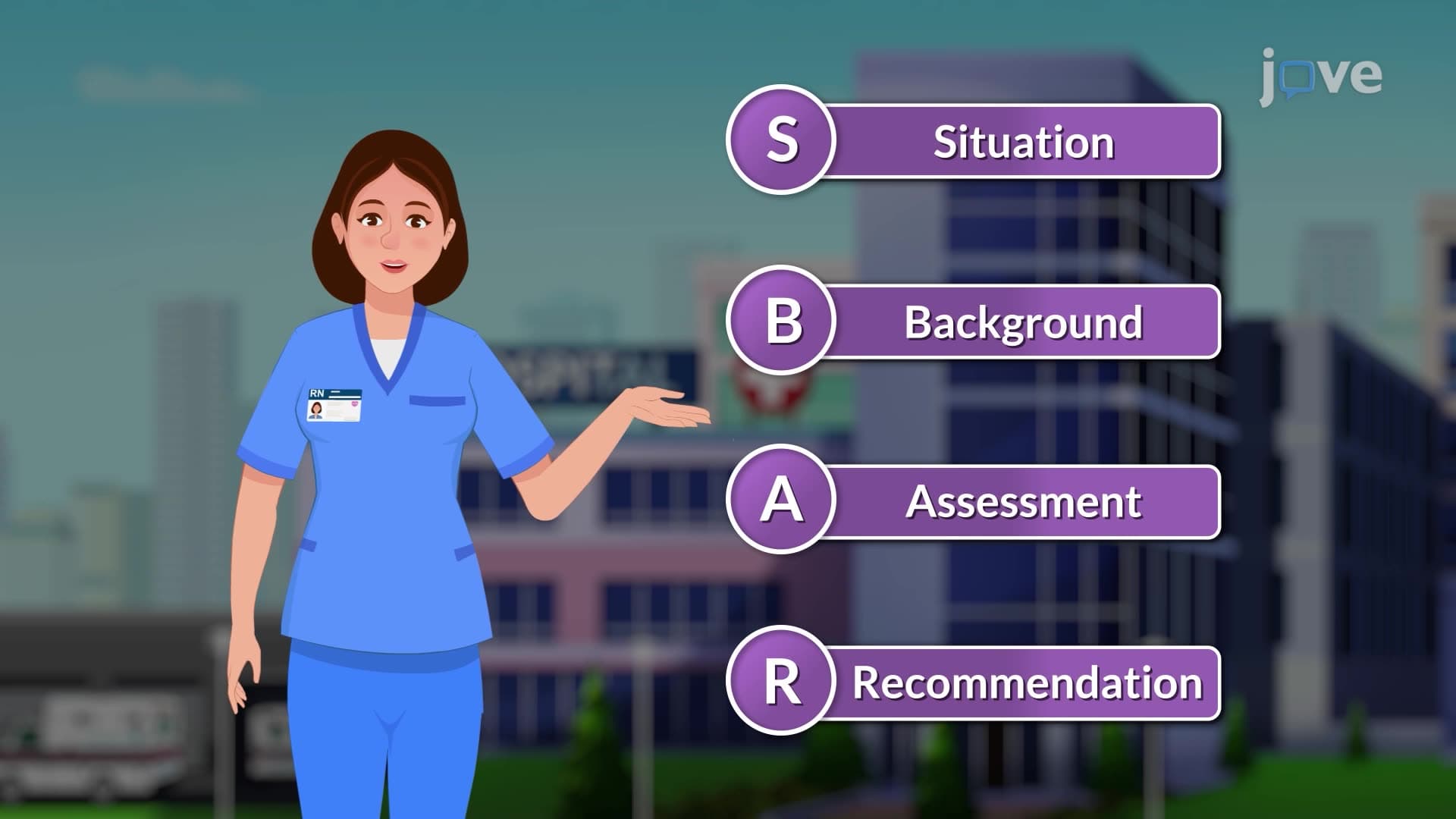
Did you know that poor communication during nursing shift changes contributes to 80% of serious medical errors in US hospitals? SBAR I Understanding The Concept Explained provides a structured framework that transforms chaotic patient handoffs into clear, systematic exchanges. For instance, when a nurse at Johns Hopkins transfers a cardiac patient from the ICU to the medical floor, SBAR ensures critical details like medication changes and vital sign trends aren't lost in translation. Watch the full video on JoVE Coach to master this concept with expert-led visuals and step-by-step explanations.
SBAR I Understanding The Concept Explained represents a critical communication methodology that addresses one of healthcare's most persistent challenges: ensuring accurate information transfer between providers. Developed initially for high-stakes aviation environments, SBAR was adapted for healthcare by the Institute for Healthcare Improvement to create a standardized approach that reduces ambiguity and prevents critical information loss.
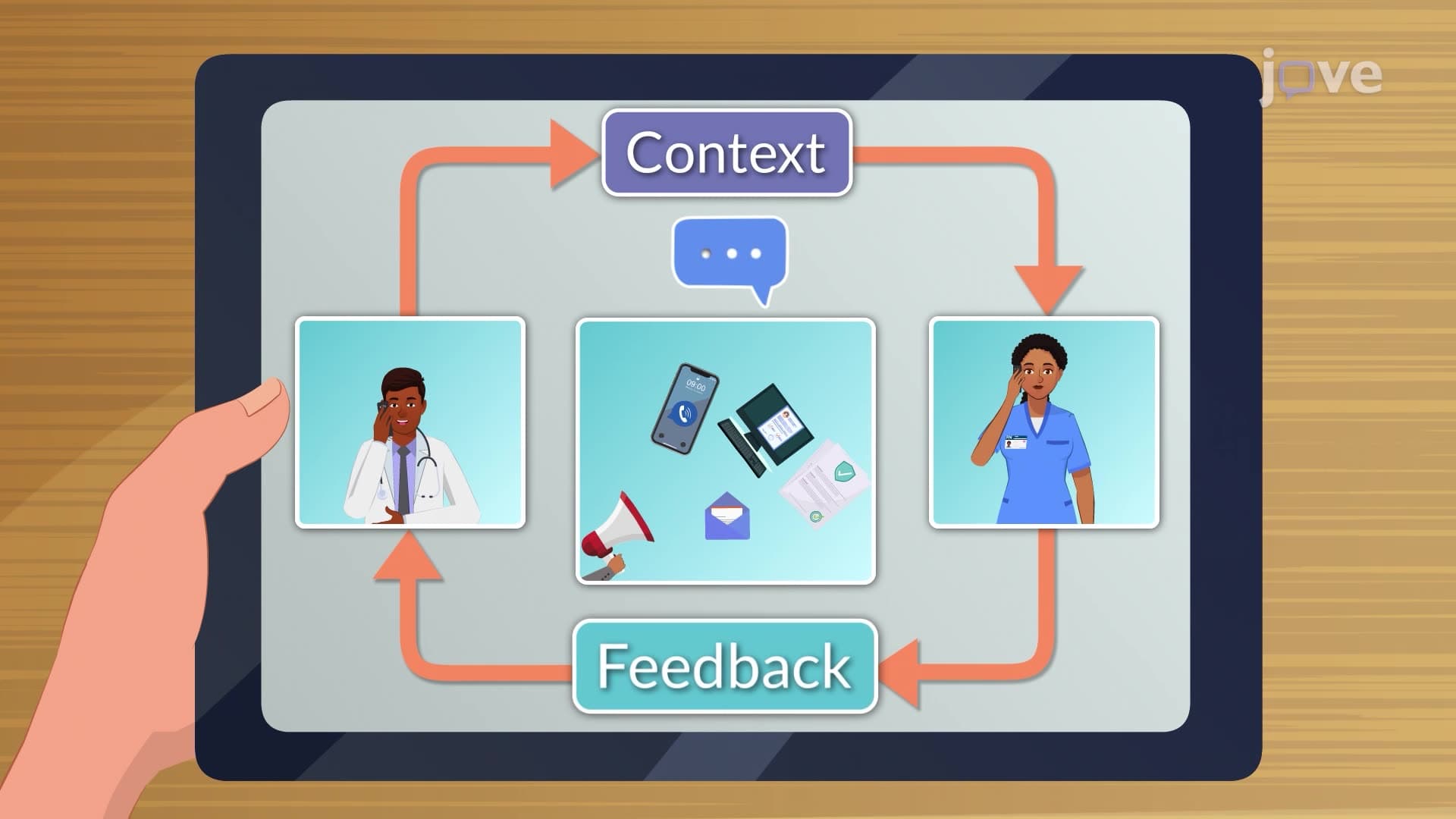
The SBAR framework operates through four distinct phases, each serving a specific purpose in comprehensive patient information transfer. The Situation phase establishes context by requiring caregivers to identify themselves, provide patient demographics, and clearly describe the current issue's location, timing, and severity. This initial step prevents the confusion that often occurs when multiple patients with similar conditions are discussed simultaneously.
The Background section delves into historical context, encompassing admission diagnoses, relevant medical history, and recent laboratory or diagnostic results. This component proves particularly valuable in academic medical centers like Mayo Clinic, where residents and attending physicians must quickly understand complex patient histories during rounds.
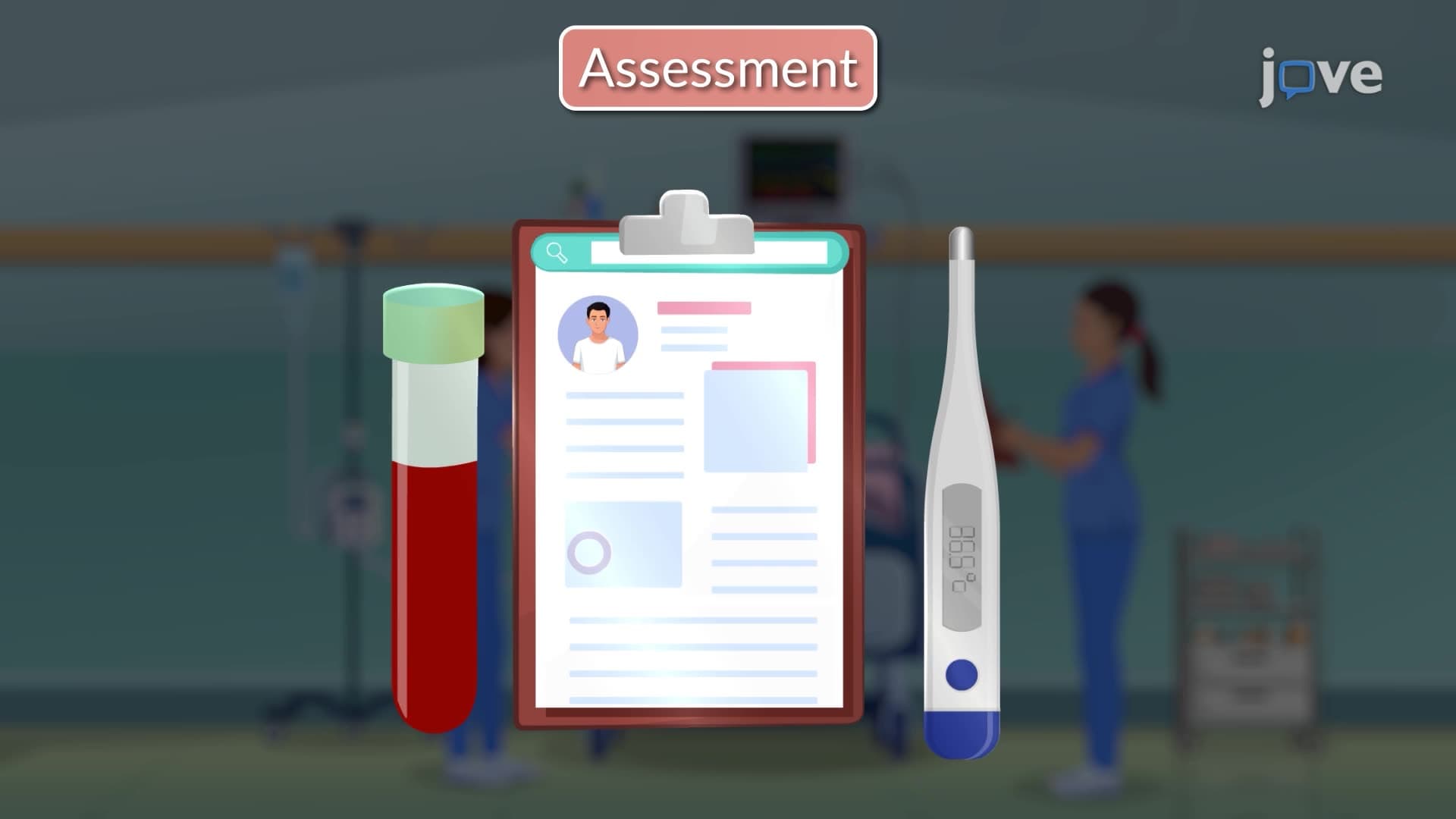
The Assessment phase requires healthcare providers to synthesize current patient data, including vital signs, physical examination findings, and recent interventions. This critical thinking component aligns closely with nursing education standards tested on NCLEX examinations and reinforced throughout BSN programs at institutions like Duke University School of Nursing.
The final Recommendation phase transforms passive reporting into active problem-solving, requiring caregivers to propose specific interventions, request necessary tests, or suggest treatment modifications. This element directly correlates with competencies assessed in MCAT scenarios and advanced practice nursing examinations.
SBAR implementation extends far beyond basic patient handoffs, finding application in emergency department triage communications, surgical team briefings, and interprofessional consultations. Pre-med students encounter SBAR principles in healthcare communication courses, while nursing students practice these frameworks extensively during clinical rotations at teaching hospitals like Cleveland Clinic and Massachusetts General Hospital.
Frequently Asked Questions
SBAR I Understanding The Concept Explained is a standardized communication framework consisting of Situation, Background, Assessment, and Recommendation phases. It dramatically reduces medical errors by ensuring consistent, complete information transfer between healthcare providers. This structured approach has been shown to decrease communication-related patient safety incidents by up to 30% in US hospitals.
NCLEX frequently tests SBAR through scenario-based questions requiring students to prioritize information or identify missing components in patient communications. HESI A2 exams may include SBAR principles in critical thinking sections. Students should practice organizing patient information systematically and identifying when additional clarification is needed.
While MCAT doesn't directly test SBAR, the framework reinforces critical thinking skills essential for behavioral sciences passages. SBAR's systematic approach to information organization mirrors the analytical thinking required for MCAT's psychology and sociology sections. Many medical schools also incorporate SBAR training into first-year communication curricula.
Nurses use SBAR during every shift change, patient transfer, and physician communication at major medical centers. For example, an ICU nurse at Johns Hopkins transferring a post-surgical patient would systematically communicate current pain levels, medication administration times, surgical site assessment, and recommendations for continued monitoring using the SBAR framework.
SBAR is actually quite accessible for high school students since it follows logical, sequential thinking patterns. No advanced medical knowledge is required to understand the framework itself. Students can practice SBAR using everyday scenarios before applying it to healthcare contexts, making it an excellent introduction to professional communication standards.
Create practice scenarios using actual patient cases and work through each SBAR component systematically. Focus on distinguishing between objective assessment data and subjective recommendations. Many students find success using acronym memory devices and practicing with study partners to simulate real communication exchanges.
SBAR serves as a foundation for advanced communication frameworks like ISBAR (which adds Introduction) and AIDET (Acknowledge, Introduce, Duration, Explanation, Thank You). Understanding SBAR principles prepares students for more complex interprofessional communication models taught in healthcare administration and nursing leadership courses.
Consider exploring interprofessional collaboration models, patient safety frameworks like TeamSTEPPS, and advanced clinical reasoning methodologies. These concepts build naturally on SBAR foundations and are increasingly emphasized in healthcare education programs and professional certification requirements.
Related Micro-courses


Related Subjects
 Anatomy and Physiology 31 micro-courses›
 Medical-Surgical Nursing 28 micro-courses›