Loading…
Loading video…

93,900 views
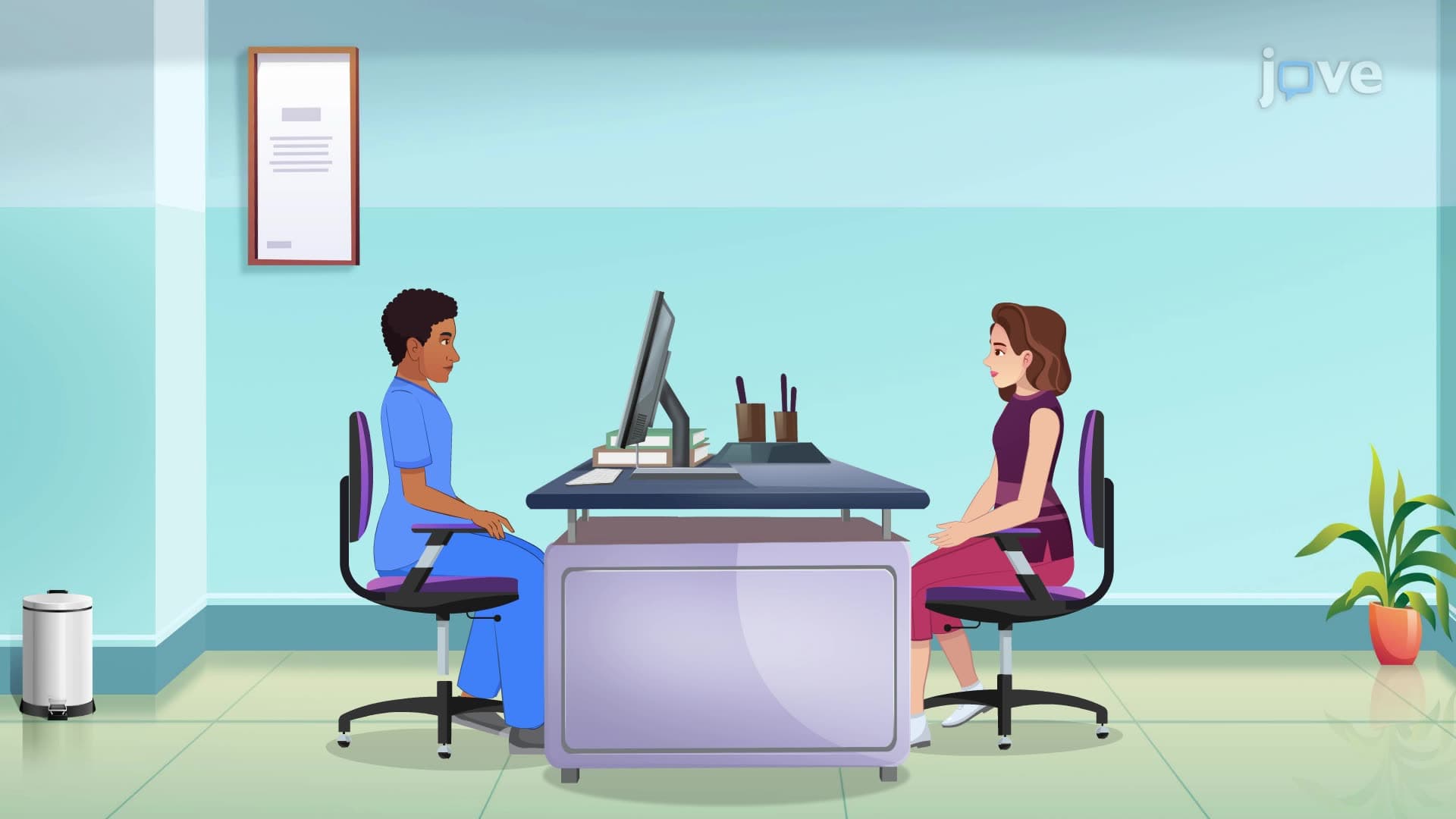
Did you know that up to 80% of medical errors in US hospitals stem from communication breakdowns rather than technical incompetence? Barriers to effective communication create dangerous gaps in understanding, especially in healthcare settings where a misunderstood medication instruction could be life-threatening. Consider how a nurse saying "take a purgative HS" instead of "take a laxative at bedtime" could confuse patients and compromise care. Barriers To Effective Communication II Explained reveals the critical obstacles that prevent clear information exchange in professional environments. Watch the full video on JoVE Coach to master this concept with expert-led visuals and step-by-step explanations.
Communication barriers represent systematic obstacles that prevent accurate information transfer between individuals or groups. These barriers operate at multiple levels—cultural, linguistic, social, and environmental—creating complex challenges in professional settings. In US healthcare systems, where diverse populations interact with medical professionals daily, understanding these barriers becomes essential for patient safety and care quality.
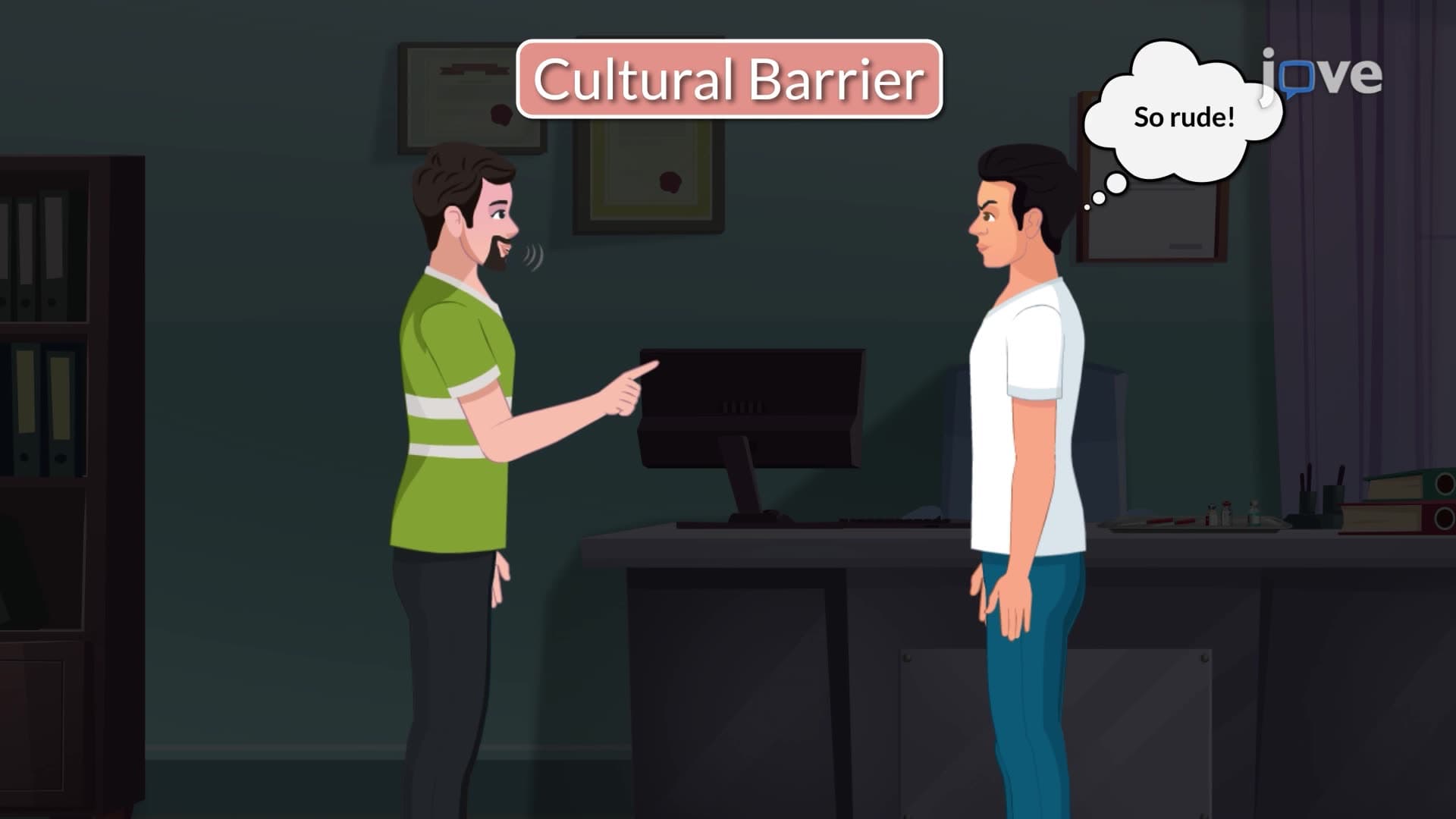
Cultural barriers emerge from fundamental differences in worldviews, communication styles, and behavioral expectations. In US hospitals serving immigrant populations, nonverbal communication differences create significant challenges. For example, direct eye contact signals respect and attention in mainstream American culture, but many Asian and Latino cultures view sustained eye contact with authority figures as disrespectful. Healthcare professionals must recognize these cultural nuances to avoid misinterpretation.
Religious beliefs also create communication barriers. Muslim patients may prefer same-gender healthcare providers for certain procedures, while some Christian denominations have specific beliefs about medical interventions. Understanding these cultural contexts helps professionals adapt their communication approaches effectively. The Joint Commission, which accredits US healthcare organizations, specifically addresses cultural competency requirements in their standards.
Medical professionals frequently create semantic barriers through excessive use of technical terminology. When a cardiologist tells a patient they have "myocardial infarction with ST-elevation requiring percutaneous coronary intervention," the patient likely understands none of these terms. Effective communication requires translation: "You've had a heart attack affecting a major artery, and we need to open the blocked vessel using a small balloon procedure."
This concept extends beyond healthcare. In legal settings, attorneys must translate complex legal language for clients. Business professionals face similar challenges when explaining technical processes to stakeholders. The key principle remains consistent: match language complexity to audience understanding level.
Gender barriers reflect both biological communication differences and social conditioning. Research shows women tend to use more collaborative language patterns, while men often employ more direct, hierarchical communication styles. In US emergency departments, these differences can impact patient care when male physicians dismiss symptoms described by female patients as less serious than identical symptoms reported by males.
Time constraints represent perhaps the most pervasive barrier in modern healthcare. The average primary care physician visit in the US lasts only 20 minutes, forcing rapid information exchange. During medical emergencies, time pressure intensifies, increasing the likelihood of communication errors. These barriers frequently appear in MCAT passages and NCLEX questions, testing students' ability to recognize and address communication challenges.
Frequently Asked Questions
Barriers to effective communication are obstacles that prevent clear, accurate information exchange between people. In healthcare, these barriers can lead to medical errors, patient dissatisfaction, and poor health outcomes. The Joint Commission estimates that communication failures contribute to over 1,900 patient deaths annually in US hospitals.
NCLEX questions frequently test communication barrier recognition through patient scenarios. You might encounter questions about culturally appropriate communication, therapeutic communication techniques, or identifying when professional jargon creates patient confusion. Focus on patient-centered communication principles and cultural sensitivity.
MCAT Psychology/Sociology sections include communication barrier concepts within social interaction passages. Expect questions about cultural competency, nonverbal communication differences, and how social determinants affect patient-provider relationships. These concepts connect to broader health disparities topics.
US emergency departments serve incredibly diverse populations, creating multiple cultural communication challenges. Language barriers require professional interpreters, not family members who might filter information. Cultural beliefs about pain expression, gender roles, and medical authority can all impact care quality and patient satisfaction scores.
No advanced psychology background is required. Communication barriers build on basic human interaction principles most students understand intuitively. Focus on recognizing different barrier types and developing practical strategies for overcoming them in professional settings.
Create scenario-based practice questions linking barrier types to specific patient situations. Practice identifying cultural, semantic, gender, and time-related barriers in clinical vignettes. Use NCLEX-style questions focusing on therapeutic communication and cultural competency to reinforce key concepts.
When healthcare providers use medical jargon without explanation, patients often misunderstand medication instructions, leading to poor compliance rates. Studies show that patients understand only 50% of medical terms commonly used by providers, directly impacting treatment effectiveness and health outcomes.
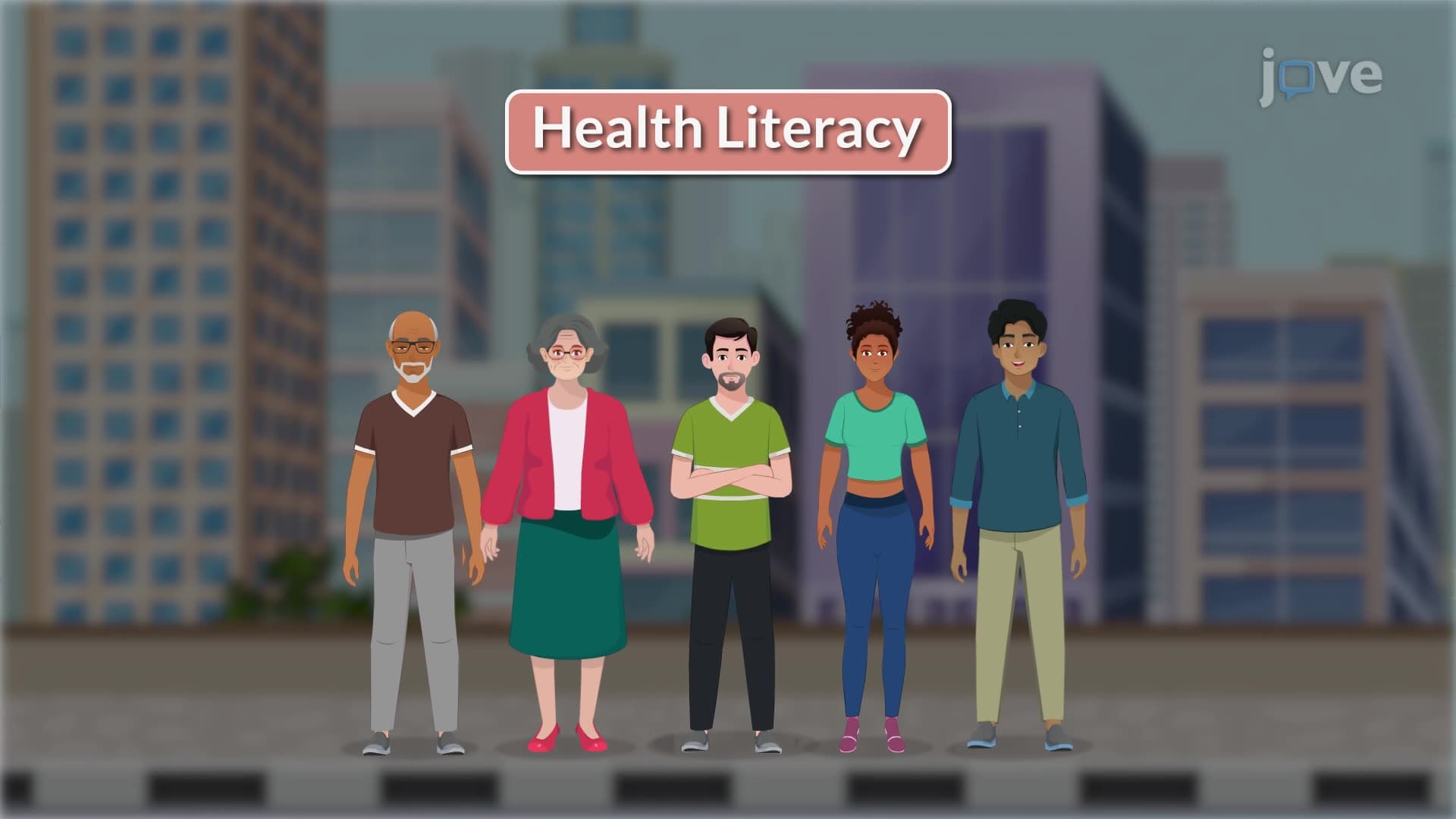
Explore therapeutic communication techniques, active listening skills, and cultural competency frameworks. Study nonverbal communication patterns, conflict resolution strategies, and health literacy concepts. These advanced topics build naturally on barrier recognition skills.
Related Micro-courses


Related Subjects
 Anatomy and Physiology 31 micro-courses›
 Medical-Surgical Nursing 28 micro-courses›