Loading…
Loading video…

93,900 views
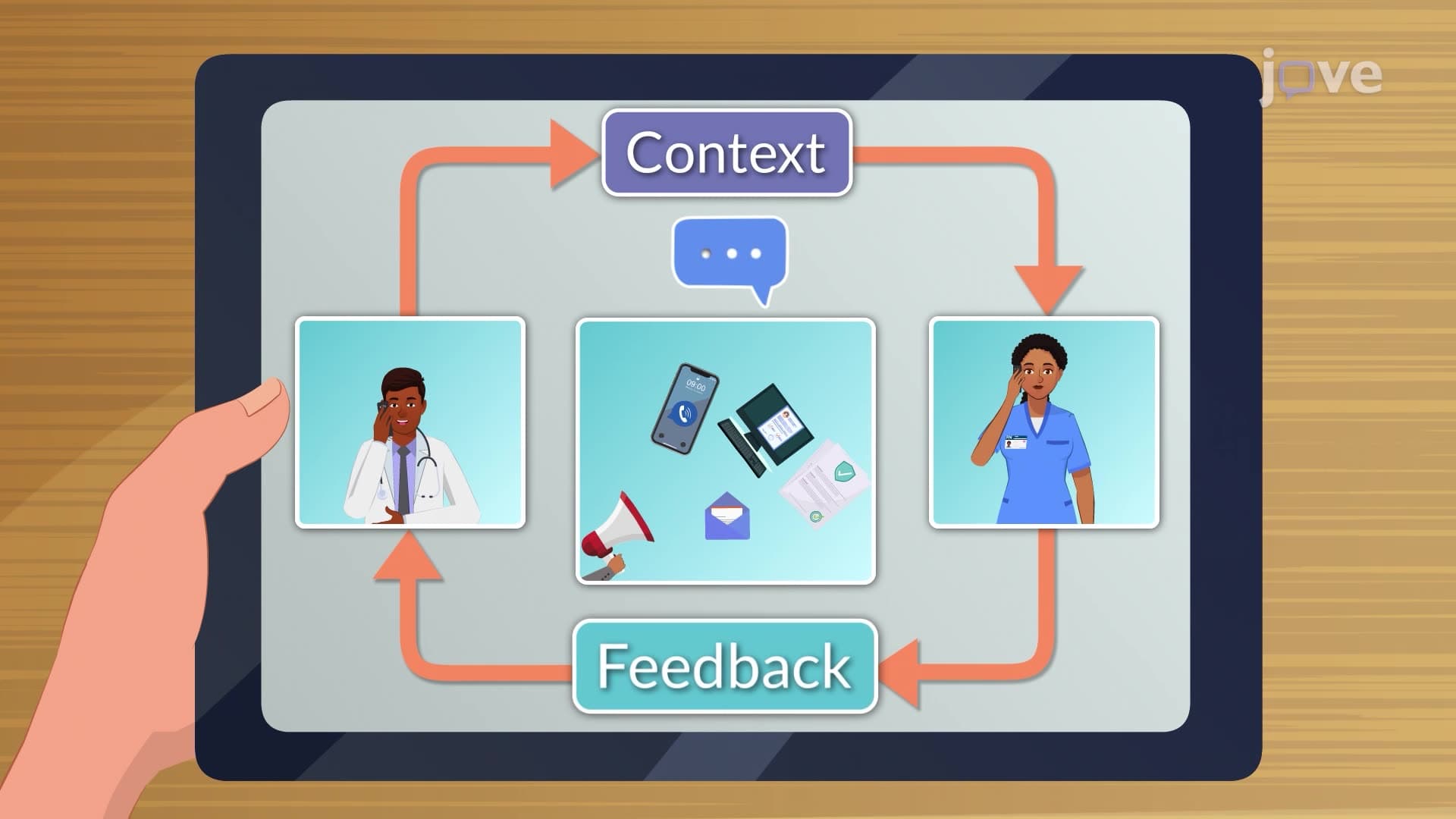
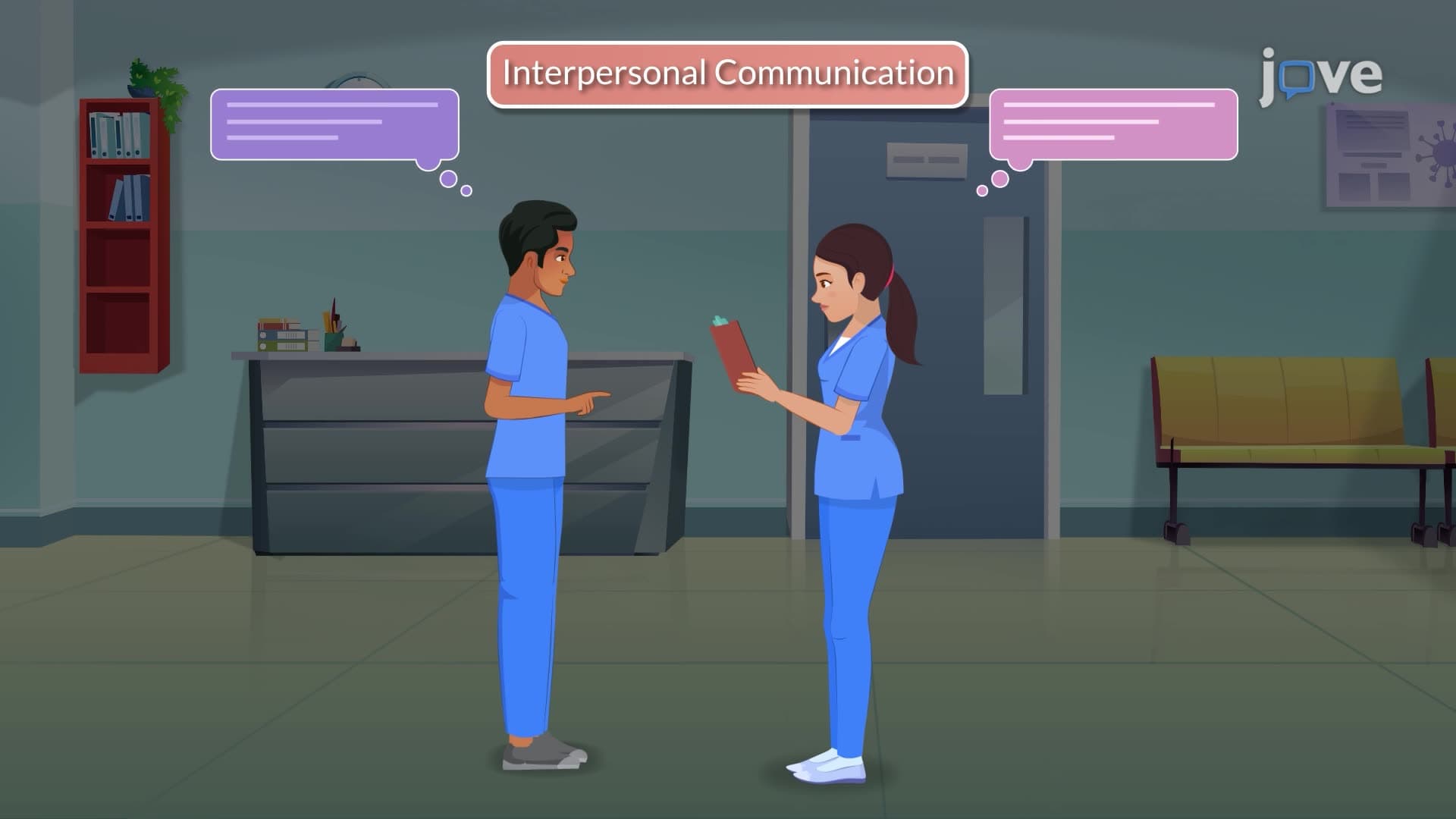
Did you know that miscommunication causes over 1,700 deaths annually in US hospitals? Communication forms the foundation of all human interaction, from a student asking for help in calculus class to life-saving exchanges between nurses and patients at Johns Hopkins Hospital. What is communication becomes crucial when we realize it involves six key components: context, sender, message, channel, receiver, and feedback working together to transfer information effectively. Watch the full video on JoVE Coach to master this concept with expert-led visuals and step-by-step explanations.
Communication represents far more than simple information exchange—it's a complex, dynamic process that shapes every aspect of human interaction. At its foundation, communication involves the deliberate sharing of ideas, emotions, and information through various mediums, whether you're presenting a science project at your high school or a nurse explaining medication instructions to a patient at Cleveland Clinic.
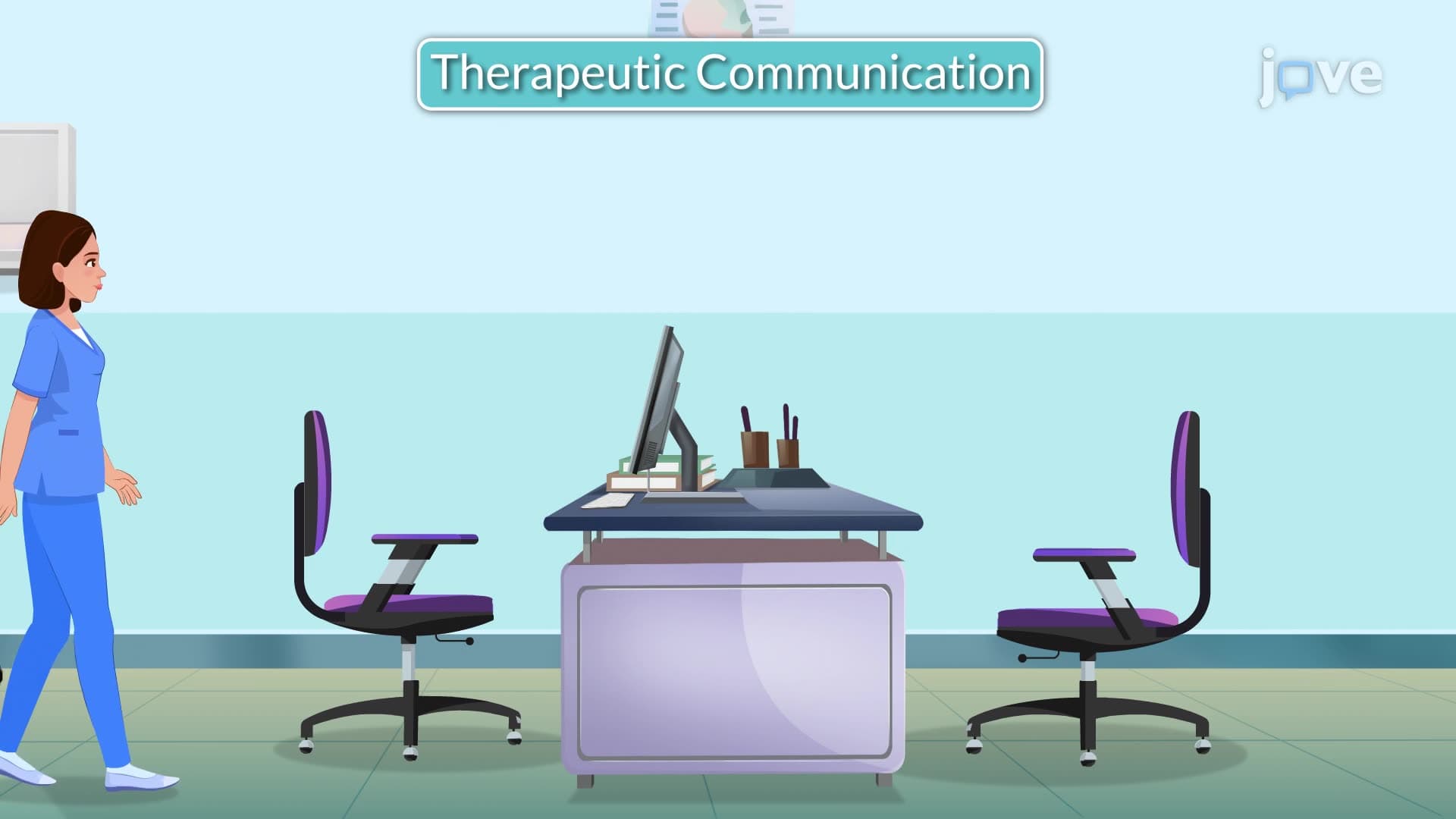
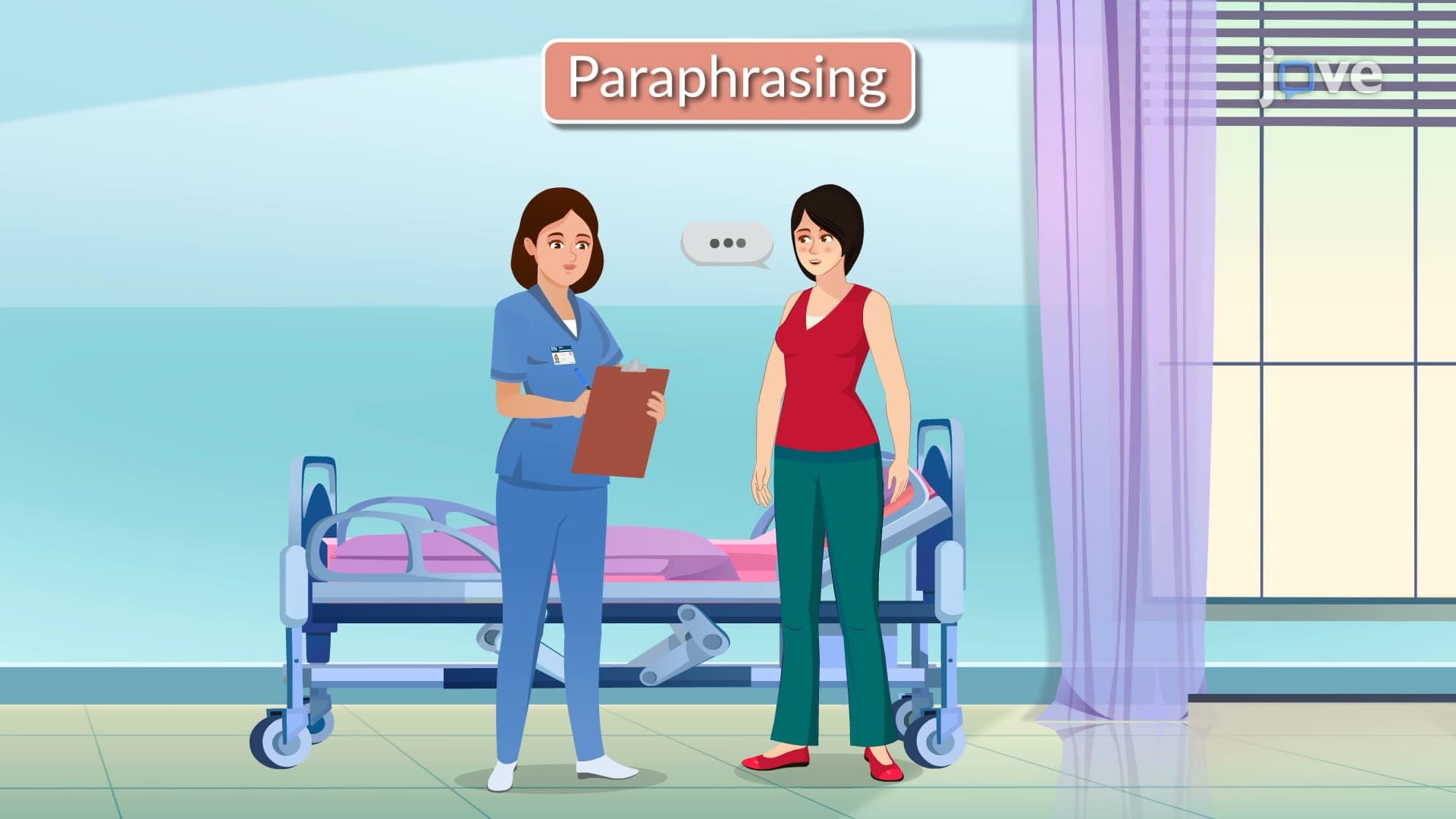
The communication definition encompasses both everyday interactions and specialized professional exchanges. In healthcare settings, therapeutic communication takes on heightened significance, representing conscious, purposeful interactions designed to promote patient comfort, safety, and healing outcomes.
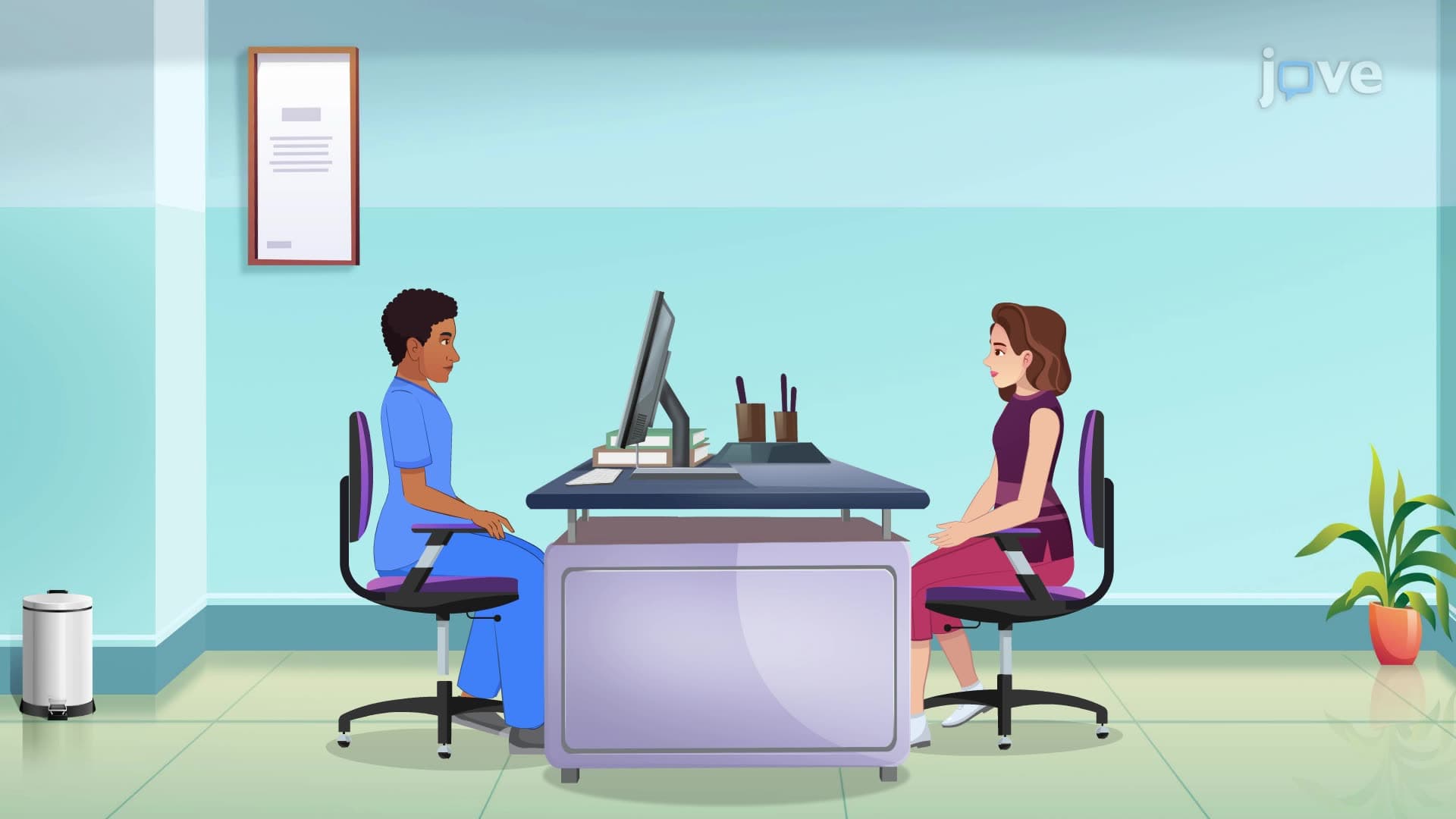
Every successful communication event relies on six interconnected elements that work systematically together. The context establishes the situational framework—whether you're taking the SAT, participating in a college seminar, or working as a medical professional during a patient consultation.
The sender (or encoder) initiates the communication process, transforming thoughts and ideas into transmittable information. This could be your AP Biology teacher explaining cellular respiration or a physician discussing treatment options. The message contains the actual information being conveyed, while the channel represents the transmission method—spoken words during a lecture, written instructions on an exam, or visual aids in a presentation.
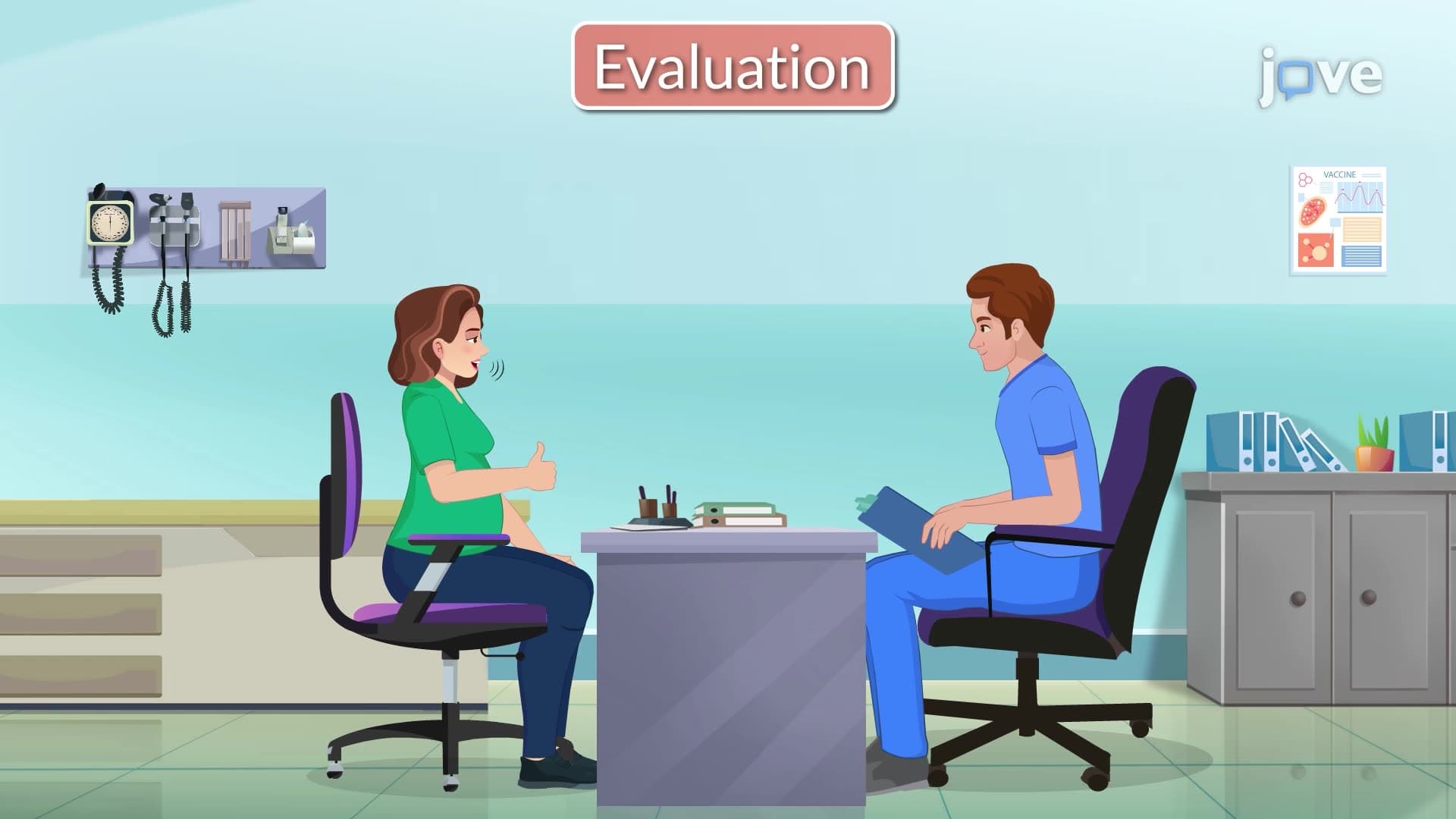
The receiver interprets and processes the incoming message, bringing their own experiences, knowledge, and cultural background to the interaction. Finally, feedback completes the communication loop, allowing the sender to gauge message effectiveness and adjust accordingly.
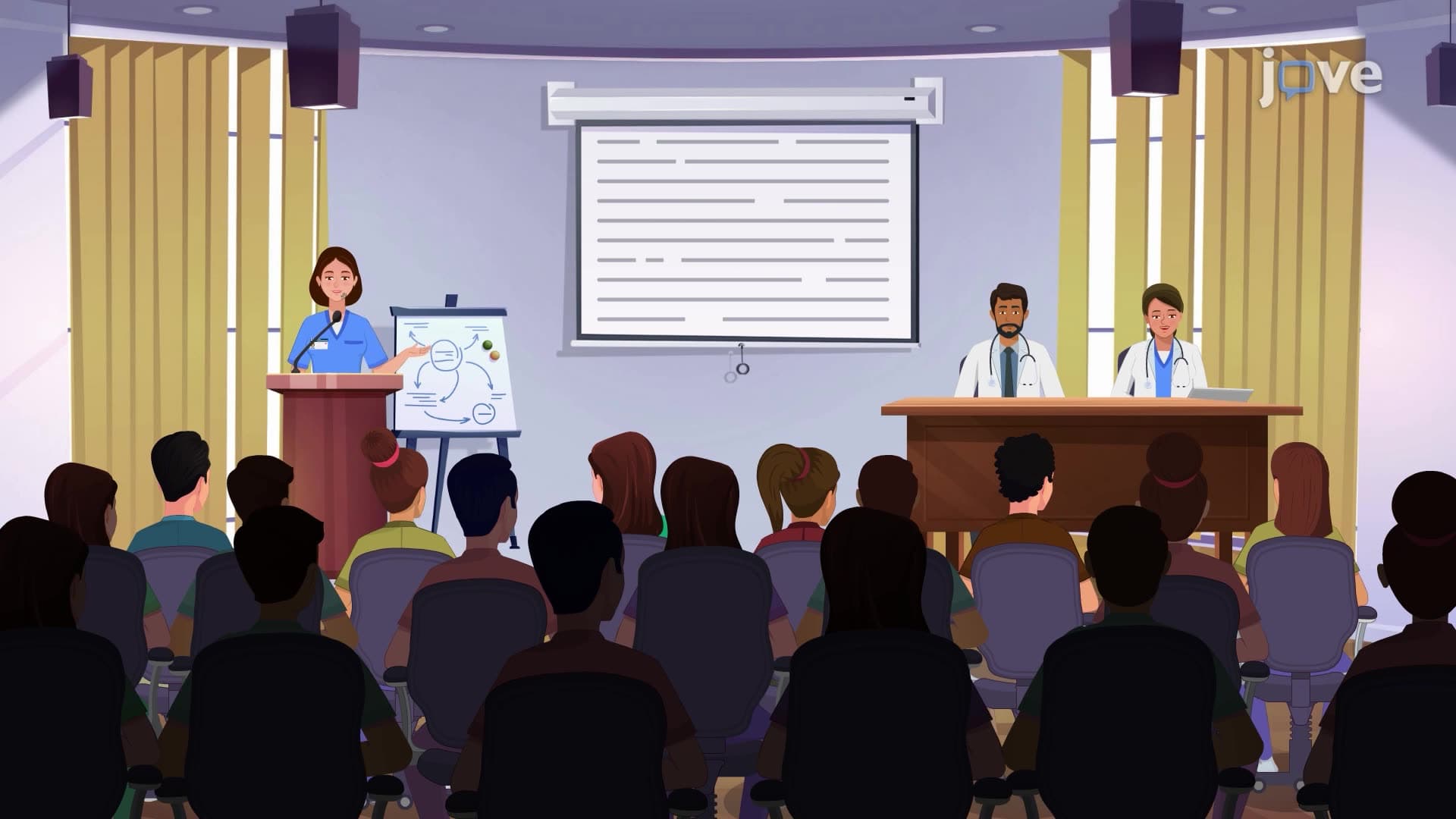
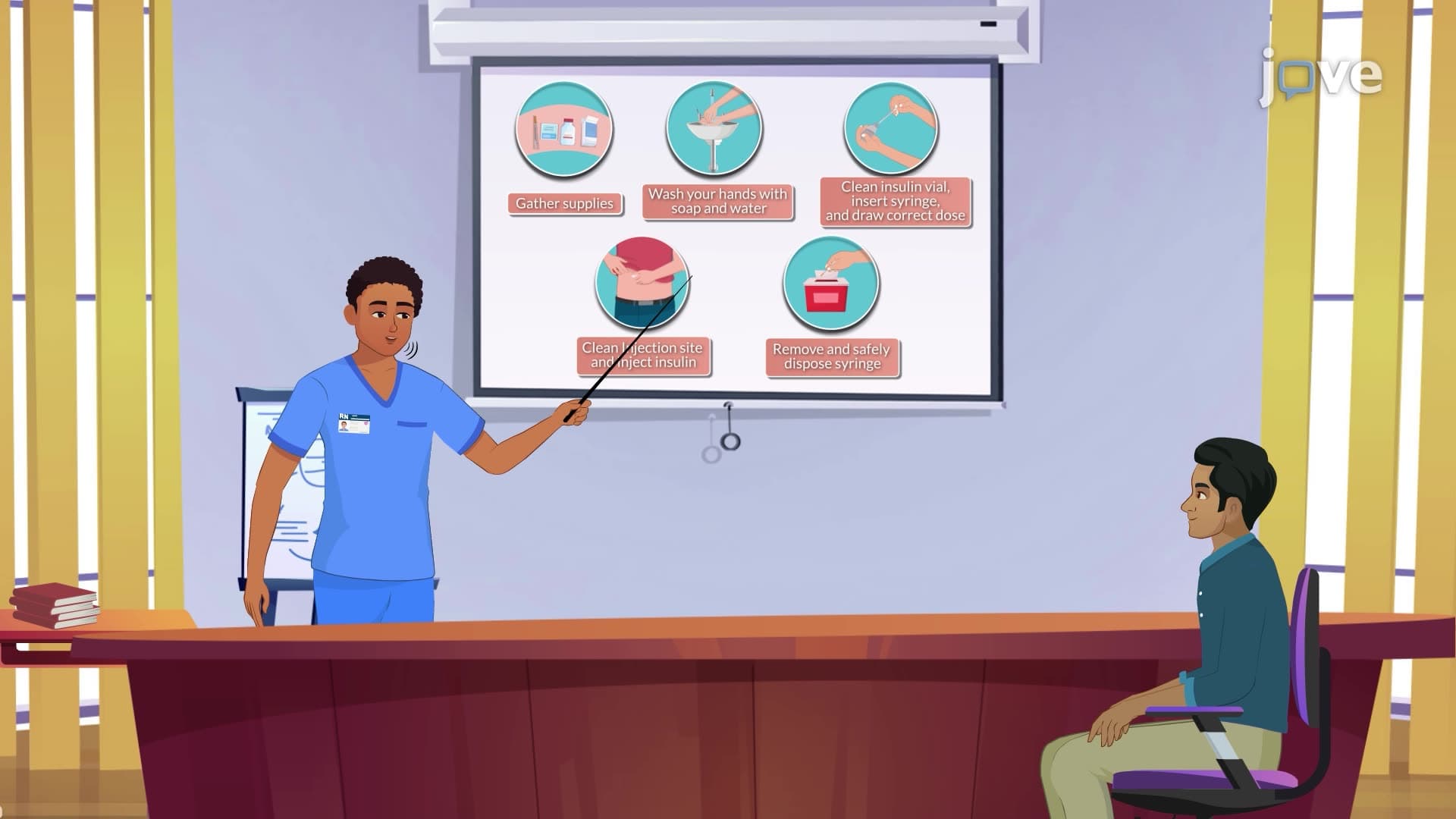
Healthcare professionals, educators, and business leaders strategically employ multiple communication channels to maximize effectiveness. Auditory channels include verbal explanations, such as when nursing students practice patient interviews during NCLEX preparation. Visual channels encompass charts, diagrams, and written materials—essential tools for subjects like anatomy and physiology that appear on MCAT and USMLE examinations.
Kinesthetic channels involve physical demonstrations and hands-on learning, particularly valuable in clinical skills training and laboratory courses. Understanding these channel variations proves crucial for students preparing for healthcare entrance exams like HESI A2 and TEAS, where communication competency directly impacts patient care quality.
Communication principles appear consistently across standardized tests and professional certifications. The NCLEX extensively tests therapeutic communication scenarios, while the MCAT includes communication passages in its psychology and sociology sections. College courses in business, psychology, and health sciences regularly examine communication theory applications, making this foundational knowledge essential for academic success and professional development.
Frequently Asked Questions
Communication is the process of exchanging ideas, information, and feelings between people using various methods like speaking, writing, or gestures. It involves six key components working together: context, sender, message, channel, receiver, and feedback. This process enables everything from classroom discussions to professional healthcare interactions.
Nursing exams heavily emphasize therapeutic communication scenarios where you'll identify appropriate responses to patient concerns, recognize effective communication techniques, and understand cultural sensitivity. NCLEX questions often present patient interactions requiring you to select the most therapeutic response. HESI A2 includes communication passages testing reading comprehension and professional interaction principles.
Yes, the MCAT's psychology and sociology sections frequently include communication theory, nonverbal communication, and healthcare provider-patient relationships. You'll encounter passages about communication barriers, cultural competency, and therapeutic communication effectiveness. Understanding these concepts helps with both exam success and future medical school coursework.
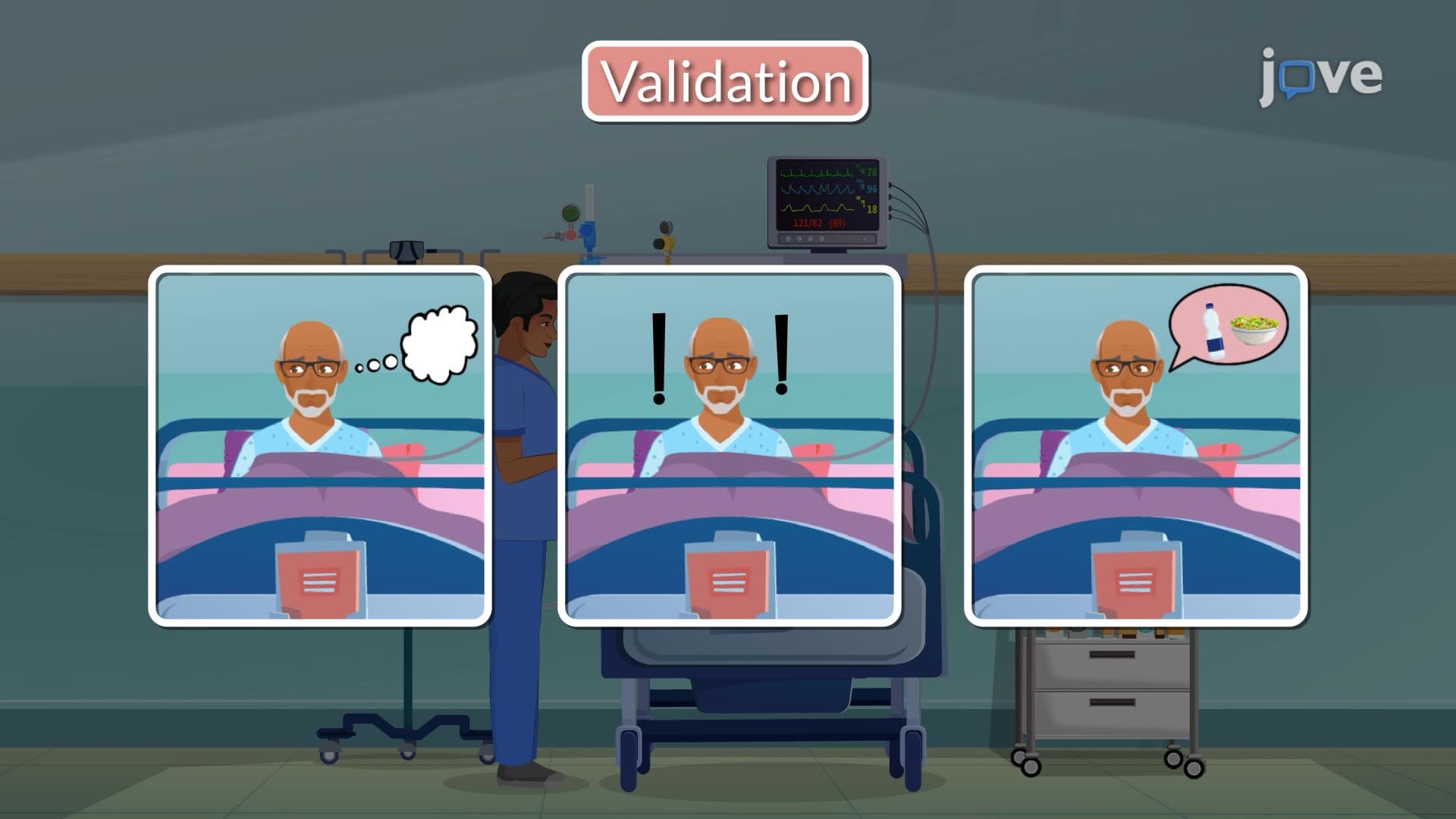
At hospitals like Mayo Clinic and Mass General, effective communication directly impacts patient safety and satisfaction scores. Nurses use therapeutic communication to build trust, reduce anxiety, and ensure patients understand treatment plans. Poor communication contributes to medical errors, making these skills essential for healthcare professionals.
Communication concepts are highly accessible because you already practice them daily. The theoretical framework simply provides vocabulary and structure for interactions you naturally understand. Starting with familiar examples like classroom presentations or texting friends makes the academic components much more manageable.
Create scenario-based flashcards pairing communication situations with appropriate responses, practice identifying the six components in real conversations, and review therapeutic vs. non-therapeutic communication examples. Focus on understanding context and feedback loops, as these frequently appear in multiple-choice questions.
Explore nonverbal communication, cultural competency, conflict resolution, and interpersonal communication theories. These advanced topics frequently appear in college psychology courses, business communication classes, and healthcare professional programs, providing valuable preparation for future academic and career success.
Related Micro-courses


Related Subjects
 Anatomy and Physiology 31 micro-courses›
 Medical-Surgical Nursing 28 micro-courses›