Loading subject page…


174,403 views
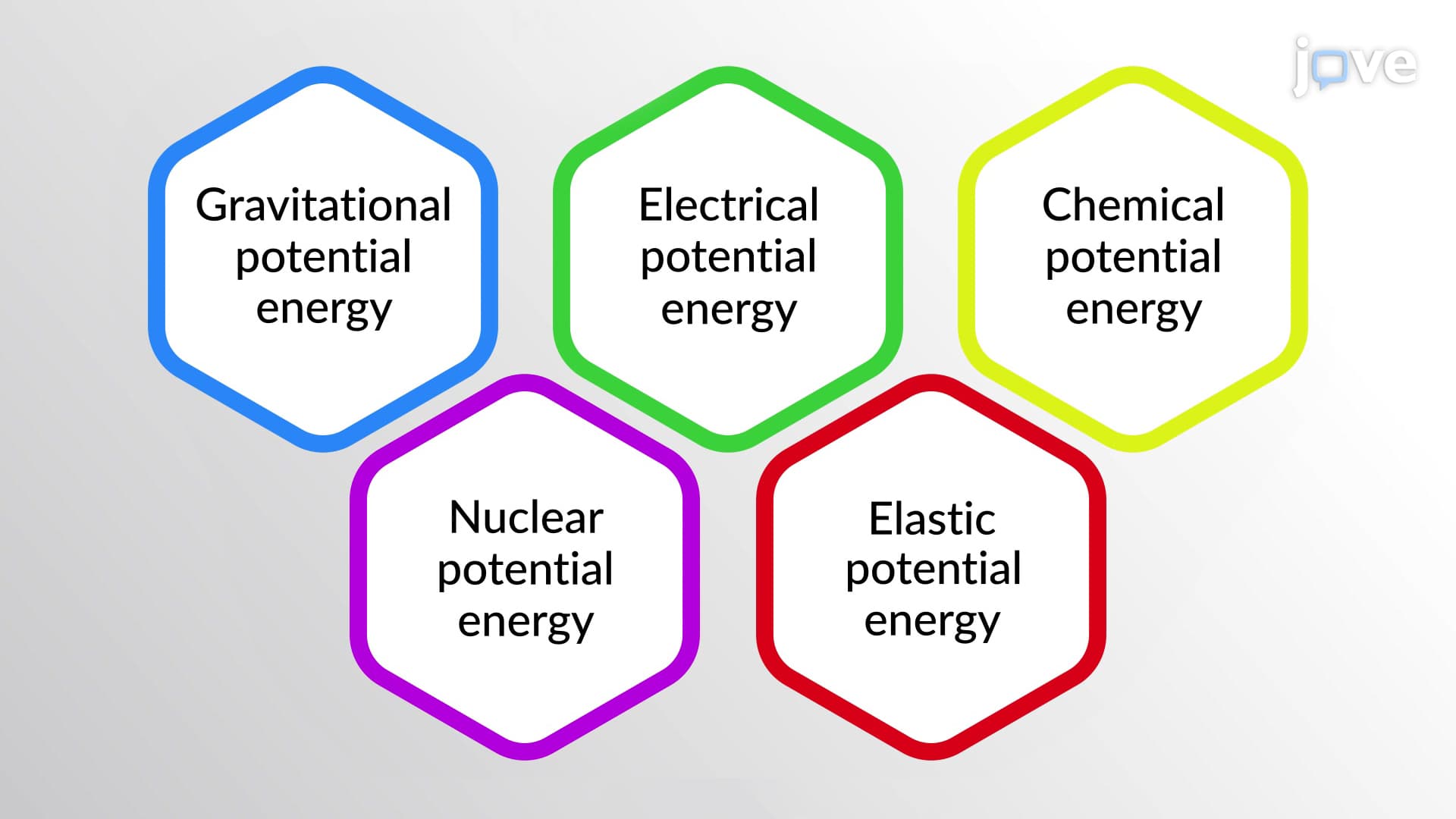

Video Summary: What are Types of Potential Energy
Did you know that a simple rubber band stretched between your fingers contains the same fundamental energy principle that powers nuclear reactors? Understanding types of potential energy reveals how energy storage works everywhere-from the chemical bonds in your smartphone battery to the gravitational pull on a roller coaster at Cedar Point. These energy forms include gravitational, electrical, chemical, nuclear, and elastic potential energy, each storing energy differently based on position or configuration. Watch the full video on JoVE Coach to master this concept with expert-led visuals and step-by-step explanations.
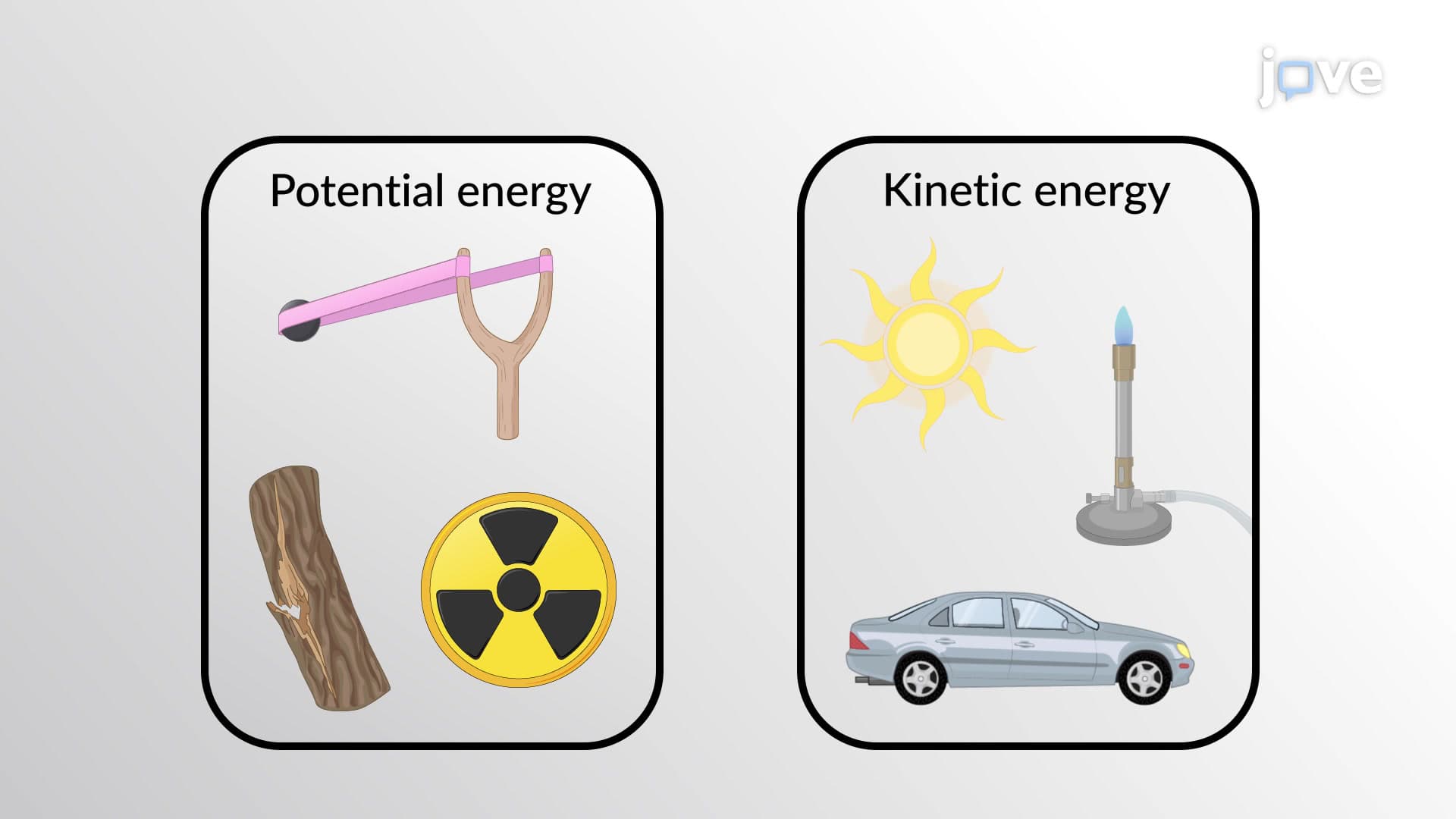
Types of potential energy represent stored energy that objects possess due to their position, configuration, or internal structure. Unlike kinetic energy, which involves motion, potential energy exists in stationary systems waiting to be released. This fundamental physics concept appears throughout AP Physics courses and forms the foundation for understanding energy conservation in mechanical systems.
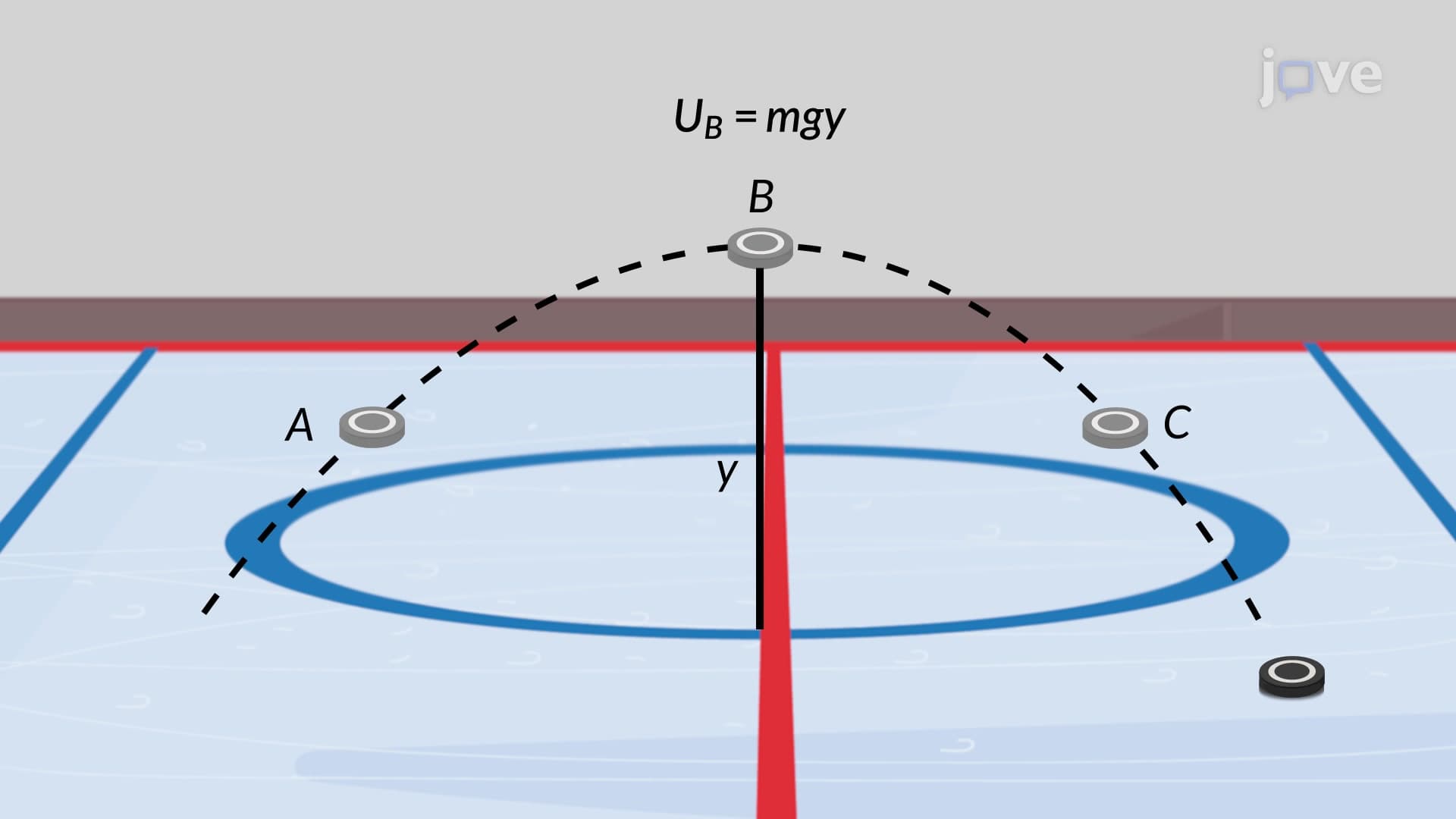
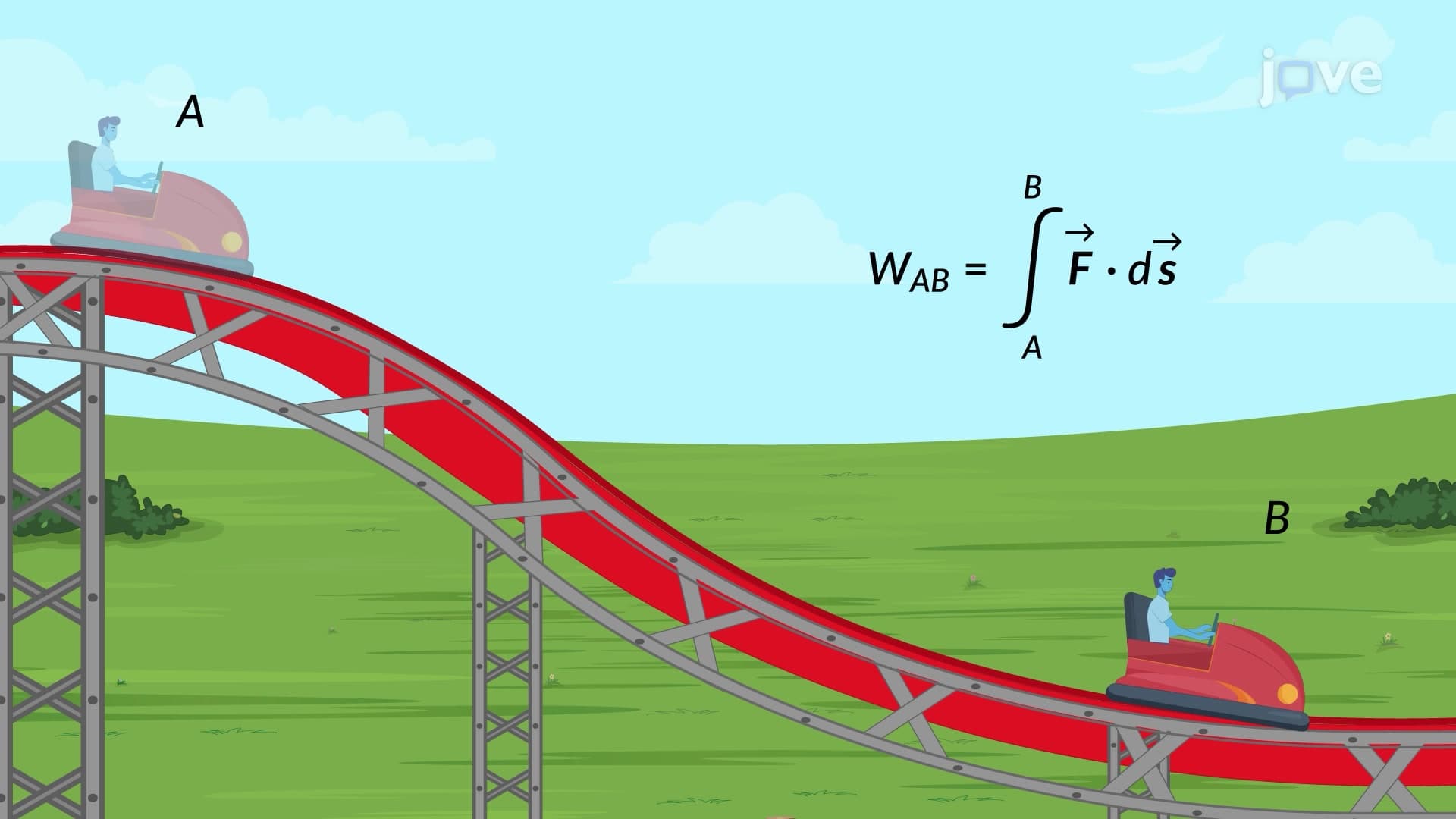
Gravitational potential energy (PE = mgh) represents the most familiar type students encounter. When you climb the stairs in the Empire State Building, you gain gravitational potential energy with each step upward. This energy converts to kinetic energy if you drop an object from that height. The mathematics become crucial for AP Physics exams, where students calculate energy transformations in pendulum swings or roller coaster loops.
Elastic potential energy appears in deformed materials like compressed springs or stretched rubber bands. The energy stored (PE = ½kx²) depends on the spring constant and displacement distance. NASA uses massive springs in satellite deployment mechanisms, storing elastic potential energy that unfolds solar panels in space. Students often encounter spring problems on SAT Subject Tests and college physics midterms, making this concept essential for exam success.
Electrical potential energy results from charge separation, commonly seen in capacitors that power camera flashes or defibrillators in American hospitals. The energy stored between charged plates (PE = ½CV²) provides instantaneous power release when needed. This principle underlies supercapacitor technology in electric vehicles and renewable energy storage systems.
Chemical potential energy exists within molecular bonds, powering everything from car engines burning gasoline to cellular respiration in your muscles. When wood burns in a fireplace, chemical bonds break and release stored energy as heat and light. Understanding these energy transformations helps students grasp biochemistry concepts for MCAT preparation and explains how batteries store electrical energy through chemical reactions.
Nuclear potential energy, stored in atomic nuclei, represents the most concentrated energy form. Nuclear power plants like those operated by the Tennessee Valley Authority convert nuclear potential energy into electricity through controlled fusion reactions. This topic frequently appears in AP Chemistry and college physics courses, connecting atomic structure to large-scale energy production. Students learn how Einstein's mass-energy equivalence (E=mc²) explains the enormous energy release from tiny amounts of nuclear material.
Related Micro-courses