Loading video…


 15 Concepts
 174.4K views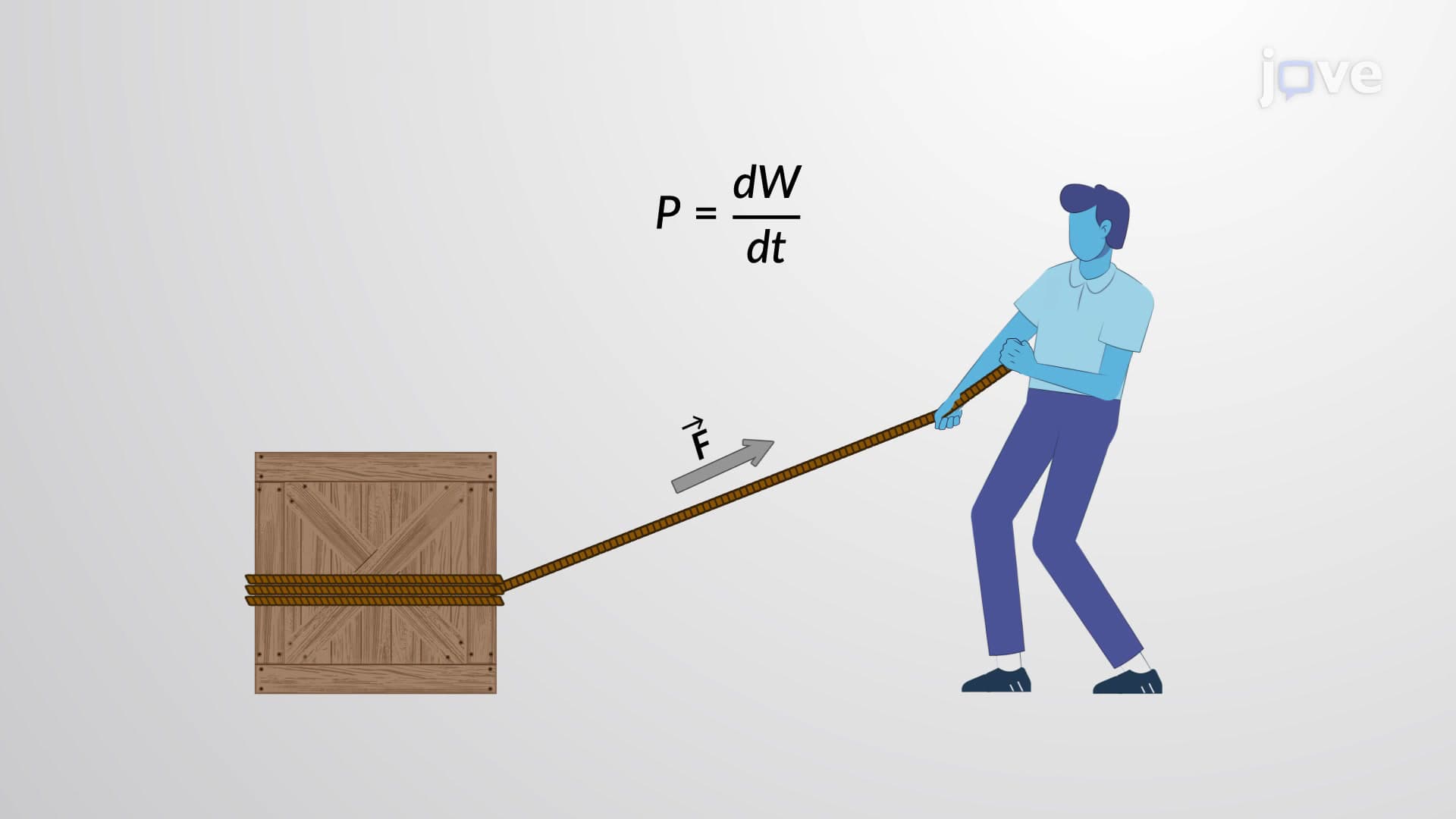

Video Summary: Power Expended by a Constant Force Explained
Ever wonder why a NASCAR engine produces maximum power at specific speeds rather than maximum torque? The power expended by a constant force reveals this fascinating relationship between force, velocity, and energy transfer rates. When a Ford F-150's engine applies constant force to accelerate from rest, the power output actually increases with speed, explaining why vehicles need multiple gears for optimal performance. This fundamental physics principle governs everything from electric motors in Tesla vehicles to hydraulic systems in construction equipment. Watch the full video on JoVE Coach to master this concept with expert-led visuals and step-by-step explanations.
Power expended by a constant force represents one of the most practical applications of energy transfer in mechanical systems. Unlike the basic definition of power as work divided by time (P = W/t), this concept focuses specifically on scenarios where force magnitude remains constant while other variables change.
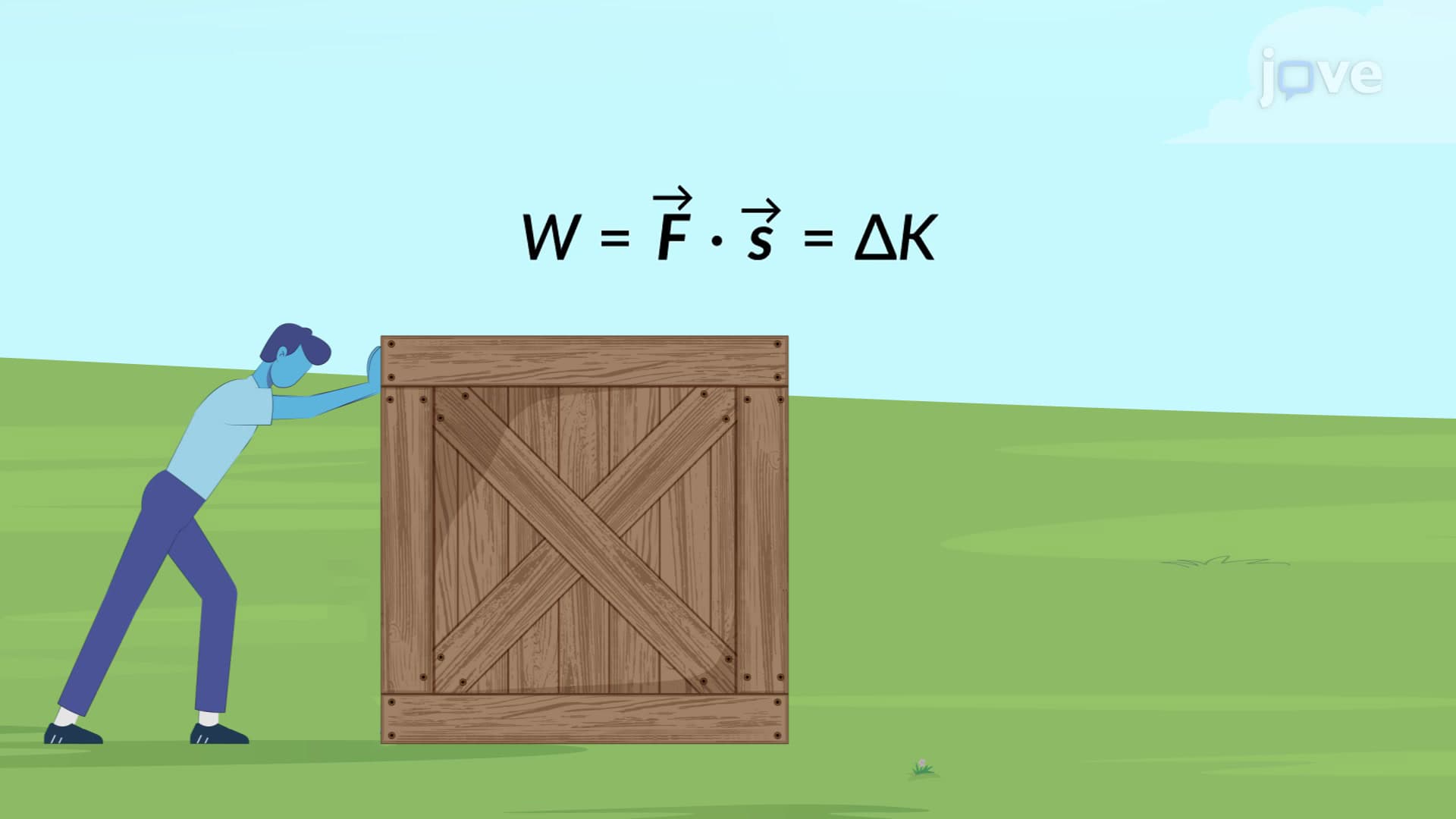
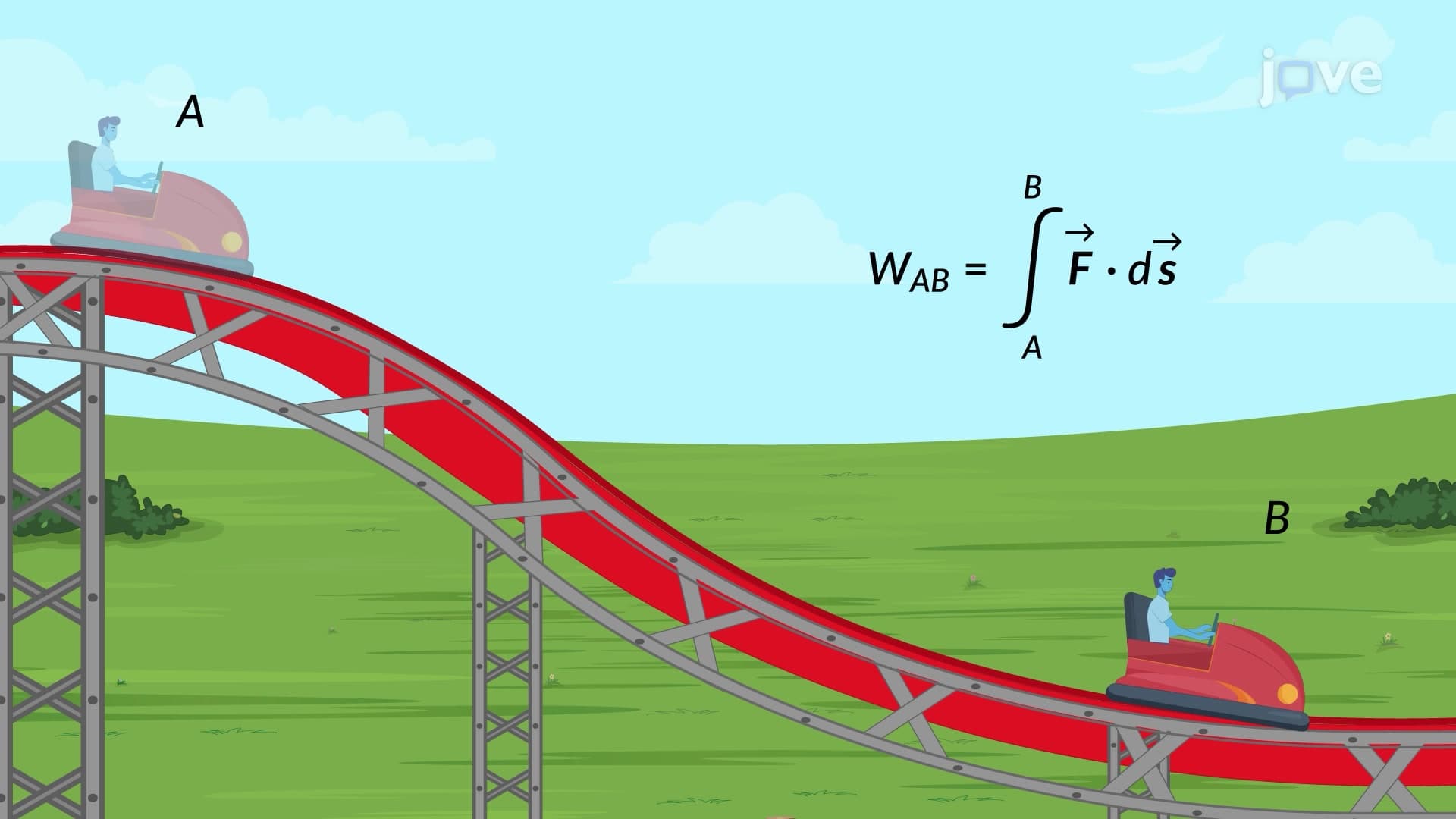
The fundamental equation P = F × v × cos(θ) emerges from combining the work-energy theorem with calculus. Since work equals force times displacement (W = F × d), and velocity represents the rate of displacement change (v = dd/dt), power becomes the instantaneous rate of energy transfer. This relationship explains why a John Deere tractor pulling a plow maintains constant engine force but varies power output based on ground speed.
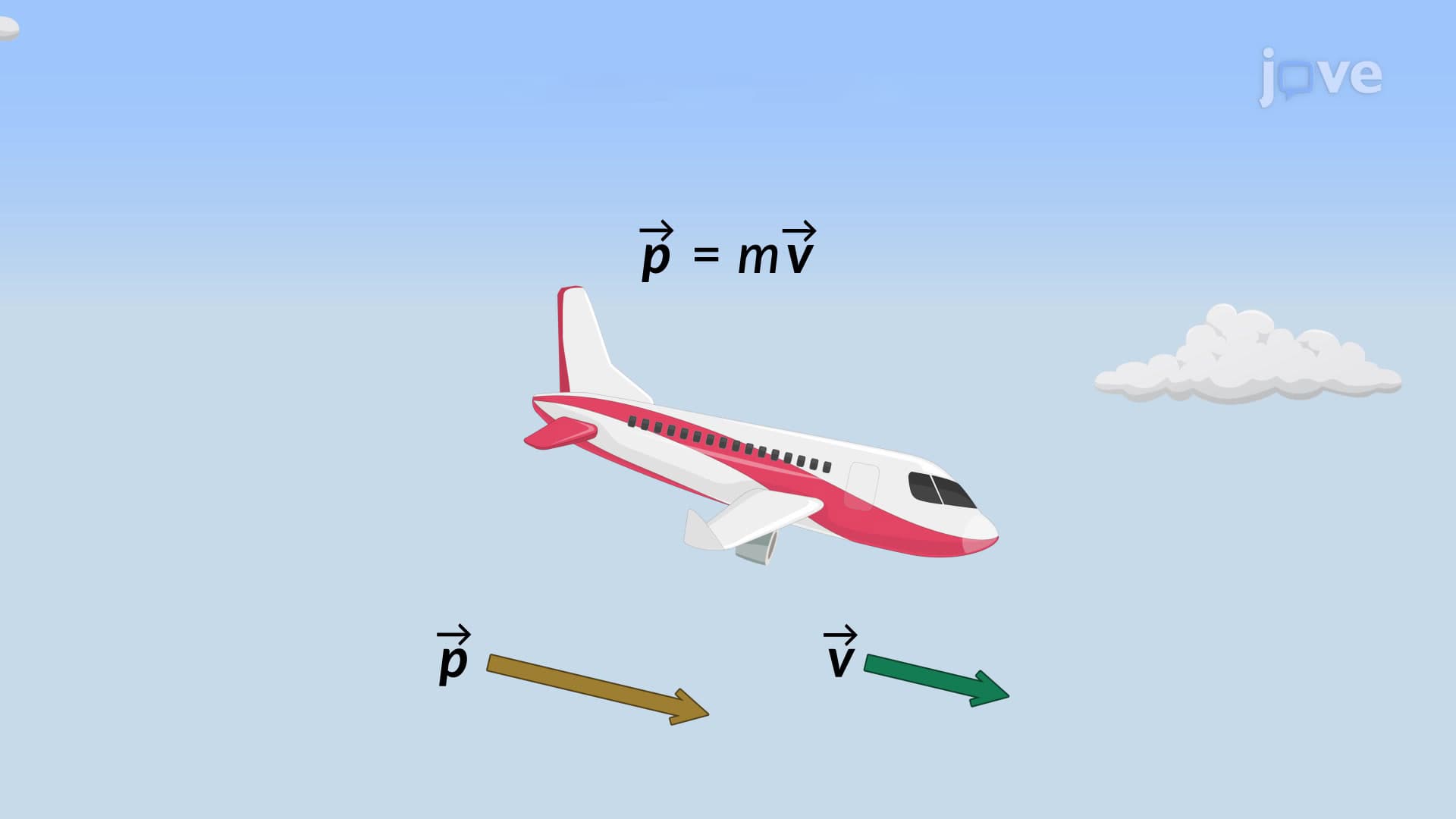
The angle θ between force and velocity vectors determines power direction and magnitude. When force and velocity align (θ = 0°), cos(θ) = 1, producing maximum positive power-energy flows into the object. This occurs when a Boeing 737's engines accelerate the aircraft down a runway. Conversely, when force opposes motion (θ = 180°), cos(θ) = -1, creating negative power where energy flows out of the system, like automotive brakes converting kinetic energy to heat.
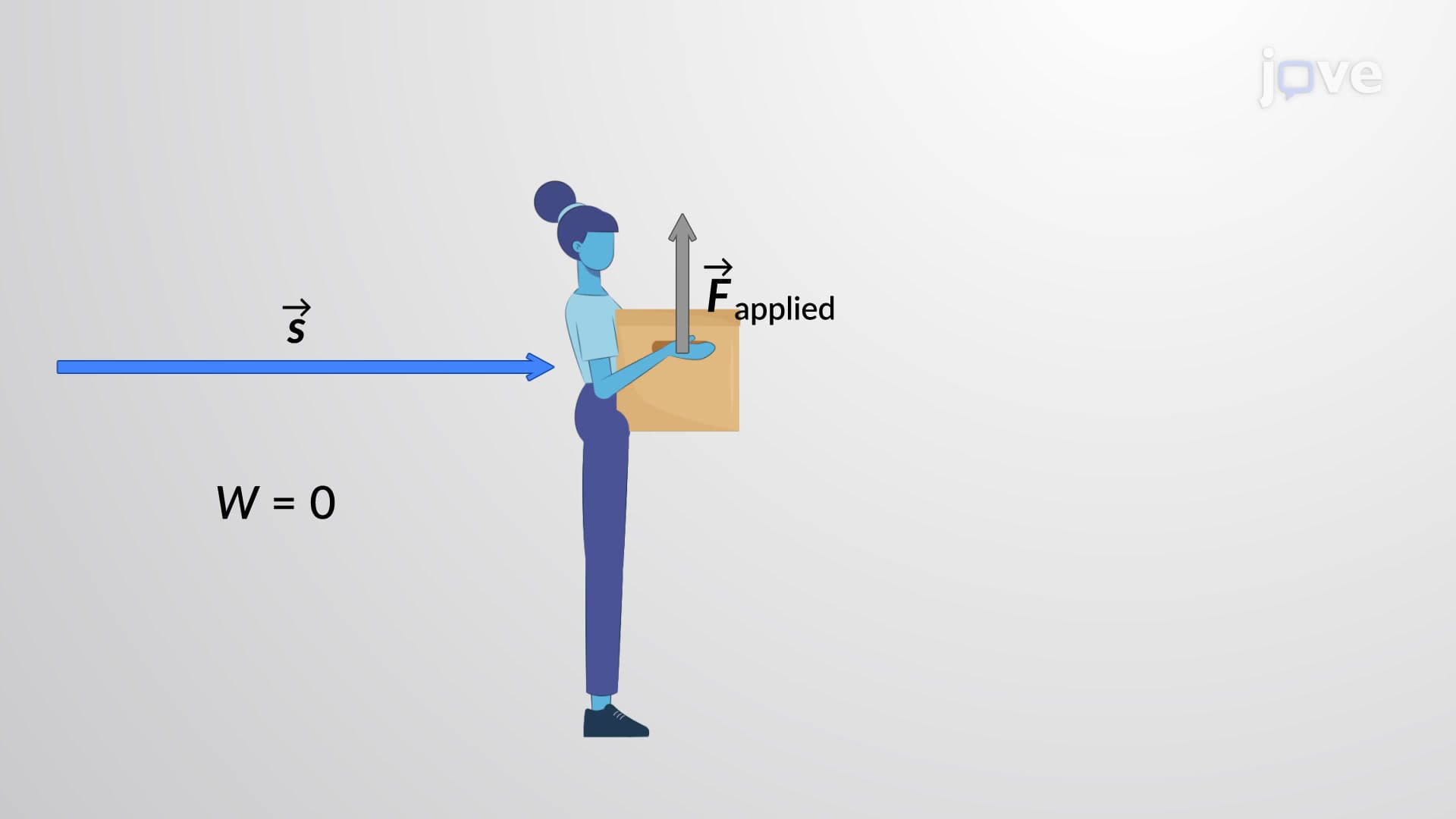
Zero power occurs when force acts perpendicular to velocity (θ = 90°), such as centripetal force in circular motion. A satellite orbiting Earth experiences constant gravitational force, but since this force remains perpendicular to orbital velocity, no work is done on the satellite's kinetic energy.
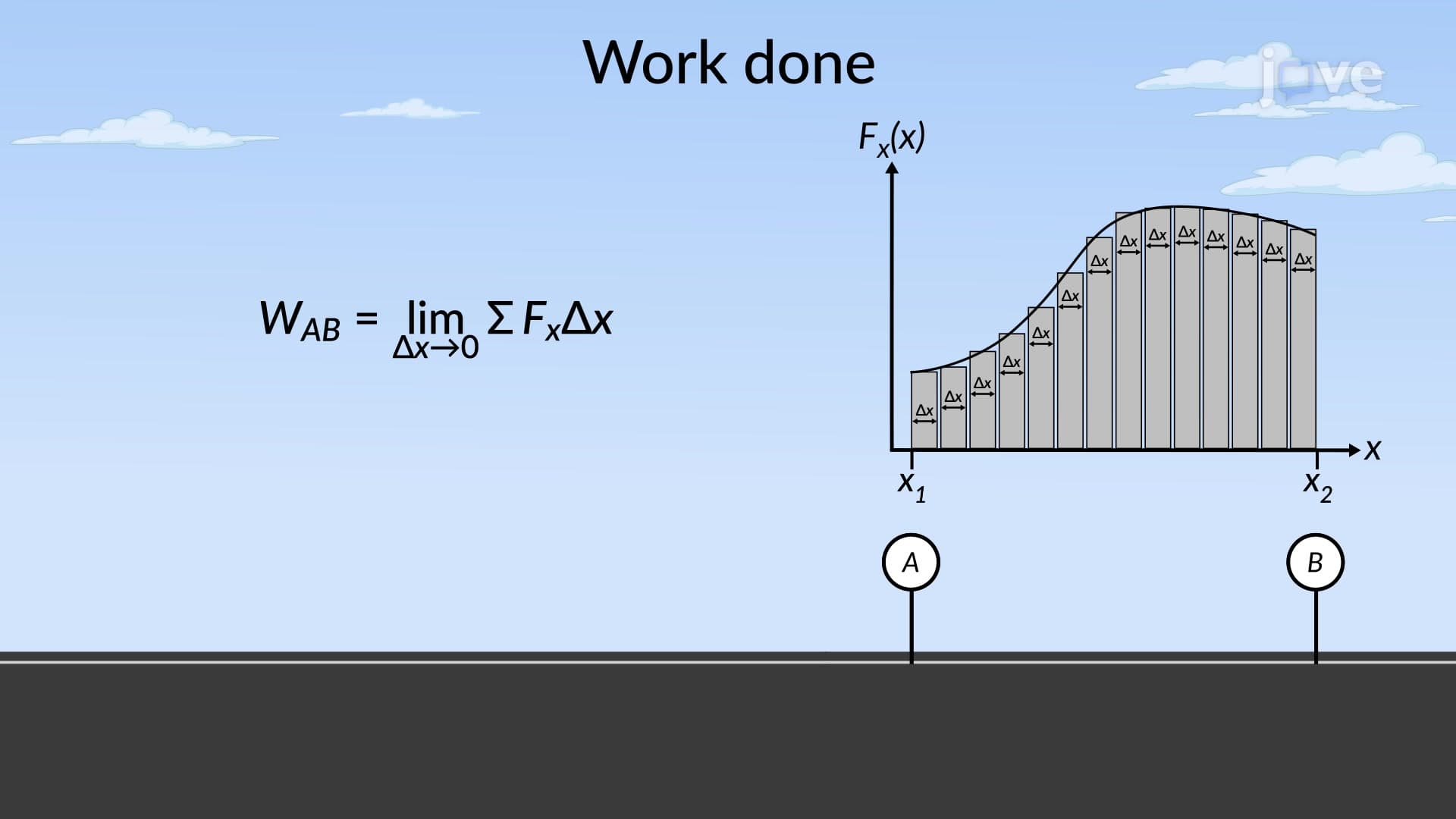
When analyzing non-uniform motion under constant force, power varies with velocity changes. The work-energy theorem requires integrating power over time: W = ∫P dt. This integration appears frequently in AP Physics C mechanics problems and college physics coursework.
Consider a General Motors assembly line robot applying constant force to move components. As the robot accelerates from rest, its power output increases linearly with velocity until reaching maximum speed. The area under the power-versus-time curve equals total work performed, demonstrating the geometric interpretation of calculus in mechanical systems.
Power expended by constant force principles govern numerous engineering applications. Hydraulic systems in Caterpillar construction equipment maintain constant force through pressure regulation while power varies with actuator speed. Electric motors in Tesla vehicles apply approximately constant torque (rotational force) across specific RPM ranges, with power increasing proportionally to rotational speed.
Understanding these relationships proves essential for MCAT physics sections, where test-takers encounter problems involving muscle contraction, cardiovascular work, and biomechanical energy transfer. The concept also appears in college-level thermodynamics and mechanical engineering coursework.
Related Micro-courses