Loading subject page…


174,403 views


Video Summary: What Is Work Done by Gravity
Ever wonder why a basketball requires more effort to throw upward than to catch when it falls back down? Work done by gravity explains this everyday physics phenomenon that affects everything from NASA rocket launches to a simple game of catch at your local park. When objects move vertically, gravitational force either opposes or assists motion, creating negative or positive work respectively. This fundamental concept determines energy transformations between kinetic and potential states. Watch the full video on JoVE Coach to master this concept with expert-led visuals and step-by-step explanations.
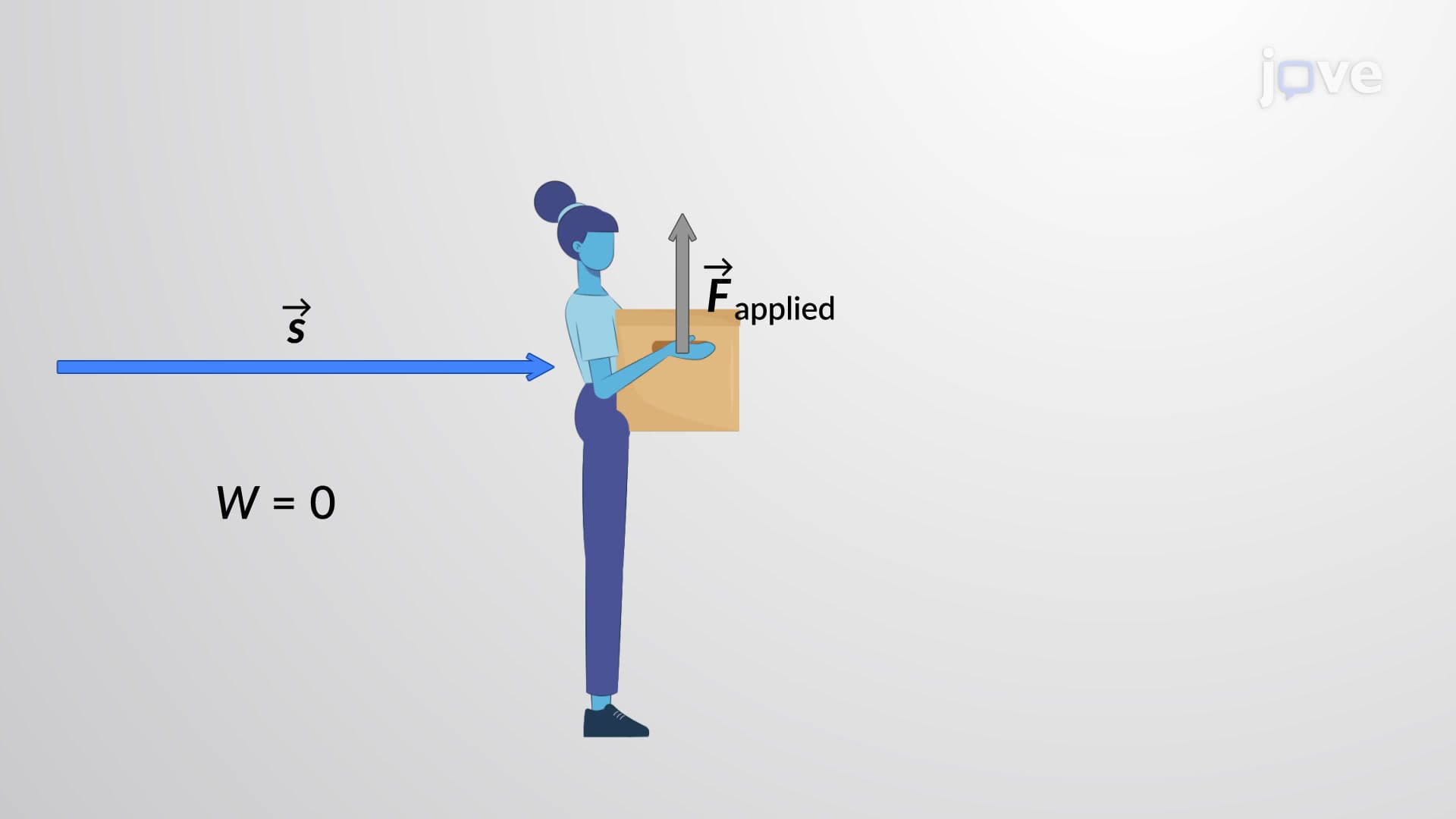
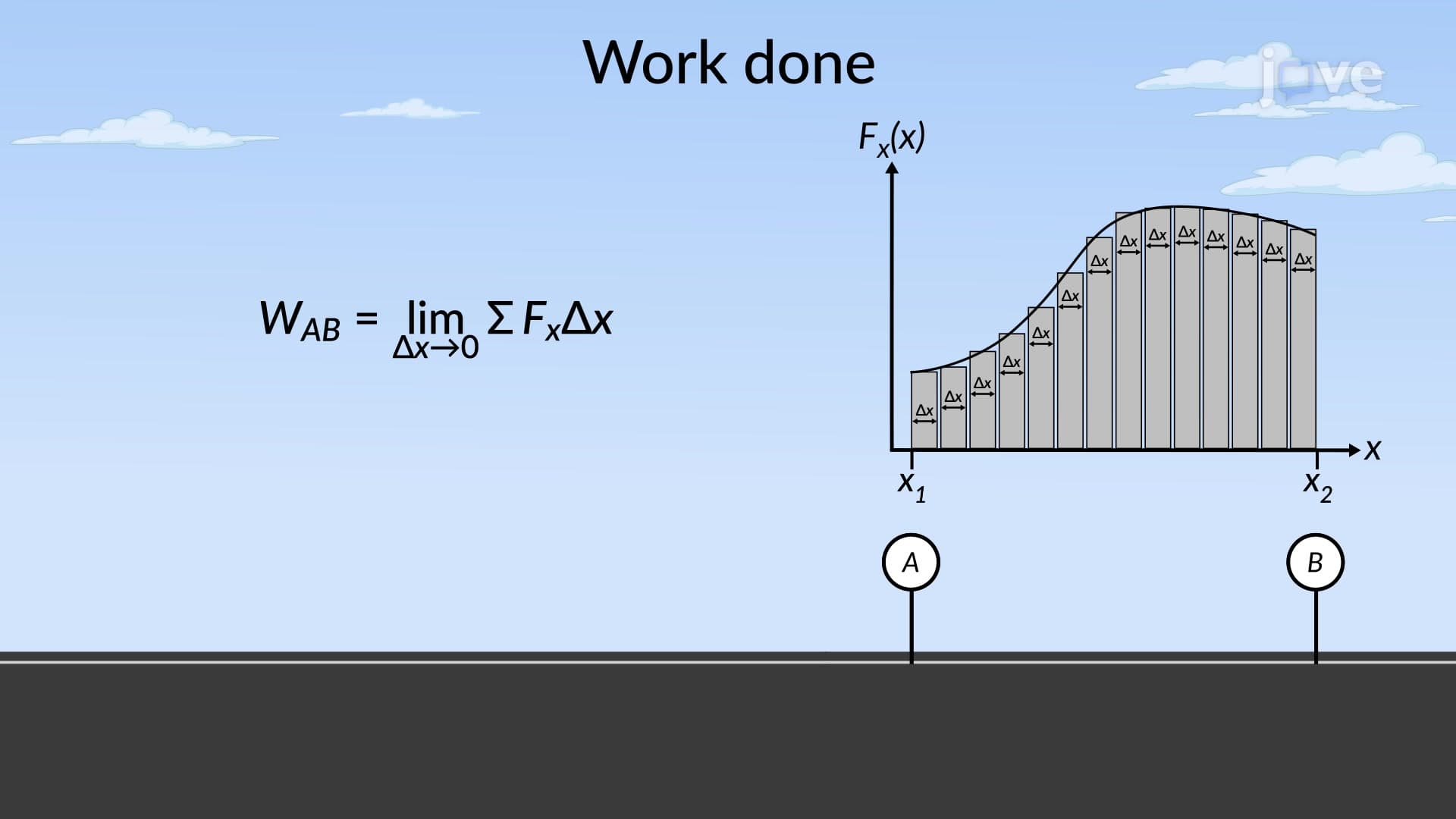
What is work done by gravity fundamentally describes how Earth's gravitational pull performs work on objects moving vertically. Work occurs when a force acts on an object through a displacement, calculated as the dot product W = F · d = Fd cos(θ), where θ represents the angle between force and displacement vectors.
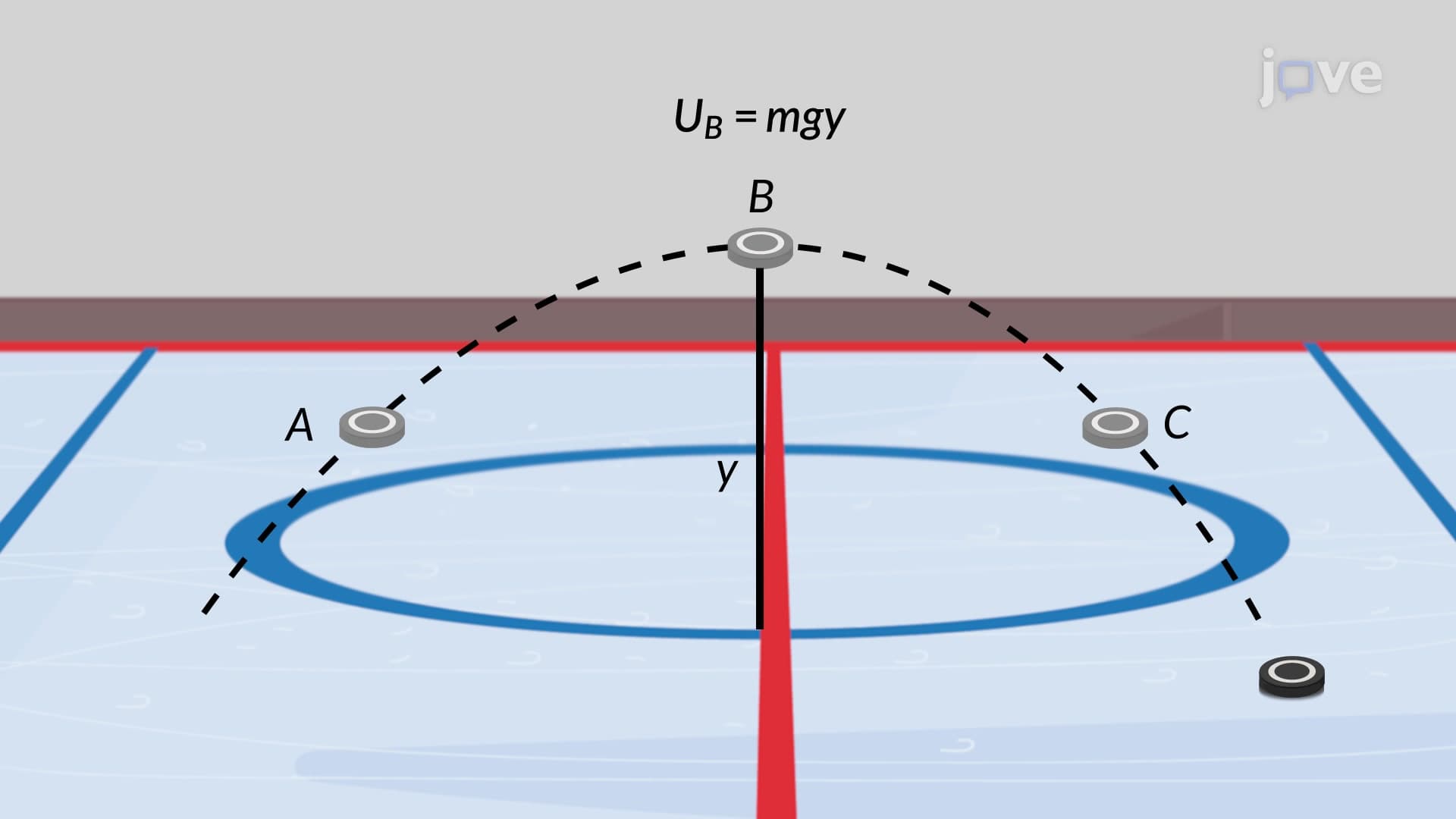
When you throw a football upward during a game at MetLife Stadium, gravity performs negative work. The gravitational force (mg) points downward while displacement moves upward, creating a 180-degree angle between vectors. This results in W = mg × d × cos(180°) = -mgd. The negative value indicates gravity removes kinetic energy from the ball, converting it to gravitational potential energy. This explains why the ball slows down as it rises, eventually stopping at maximum height.
During the ball's descent, gravity performs positive work. Now both gravitational force and displacement point downward, making θ = 0°. The calculation becomes W = mg × d × cos(0°) = +mgd. This positive work converts potential energy back to kinetic energy, accelerating the falling object. Students preparing for AP Physics exams frequently encounter this concept in projectile motion problems.
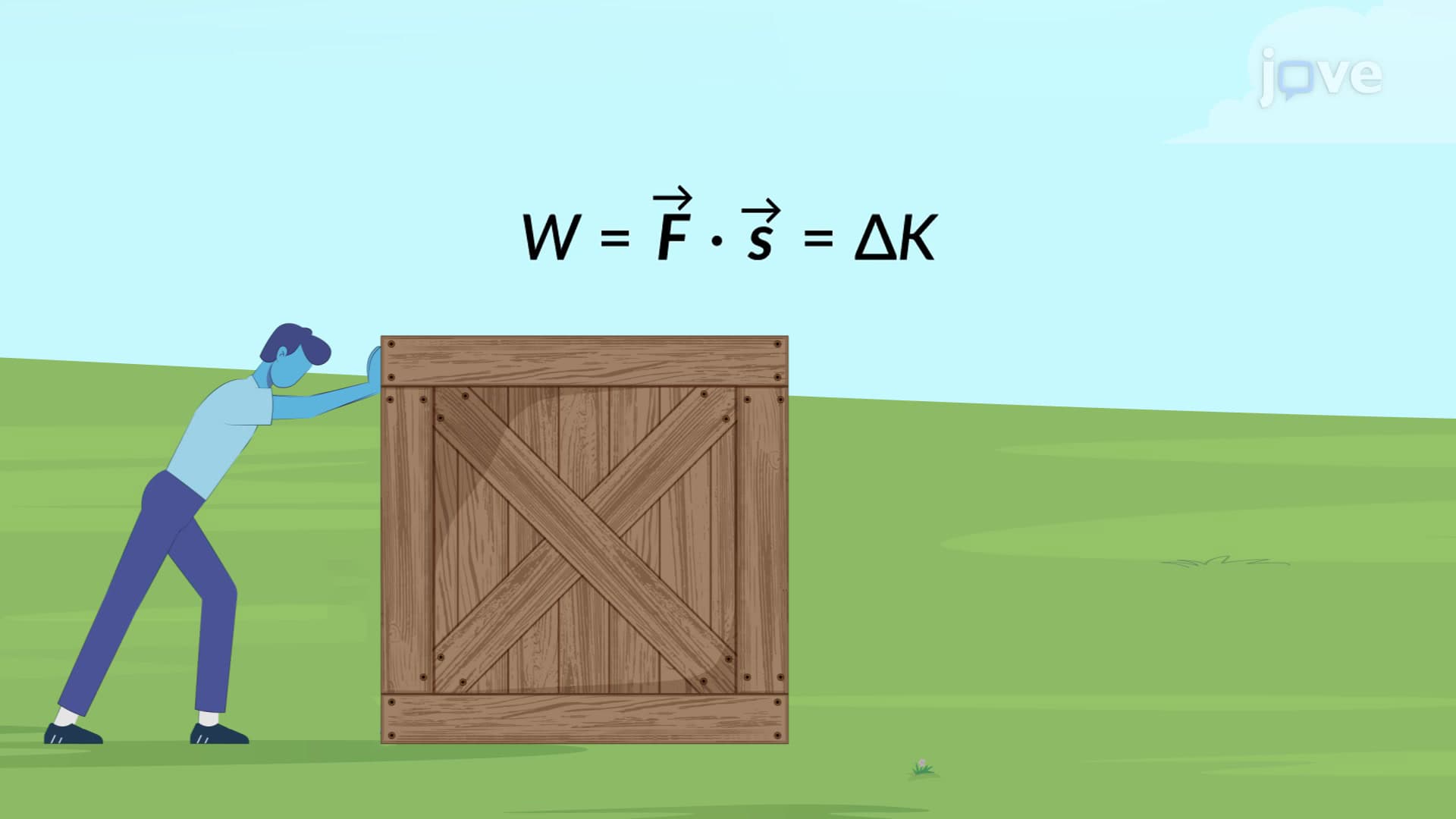
Consider lifting a textbook from your desk to a bookshelf. Two forces act simultaneously: your upward applied force and downward gravitational force. If the book starts and ends at rest, the net kinetic energy change equals zero. By the work-energy theorem, net work must also equal zero. Therefore, the positive work you perform exactly cancels the negative work done by gravity: W(applied) + W(gravity) = 0.
This principle appears in MCAT physics sections and college mechanics courses, particularly when analyzing elevator problems or construction scenarios. Understanding these energy relationships helps engineering students at institutions like MIT or Stanford solve complex structural problems involving gravitational loads.
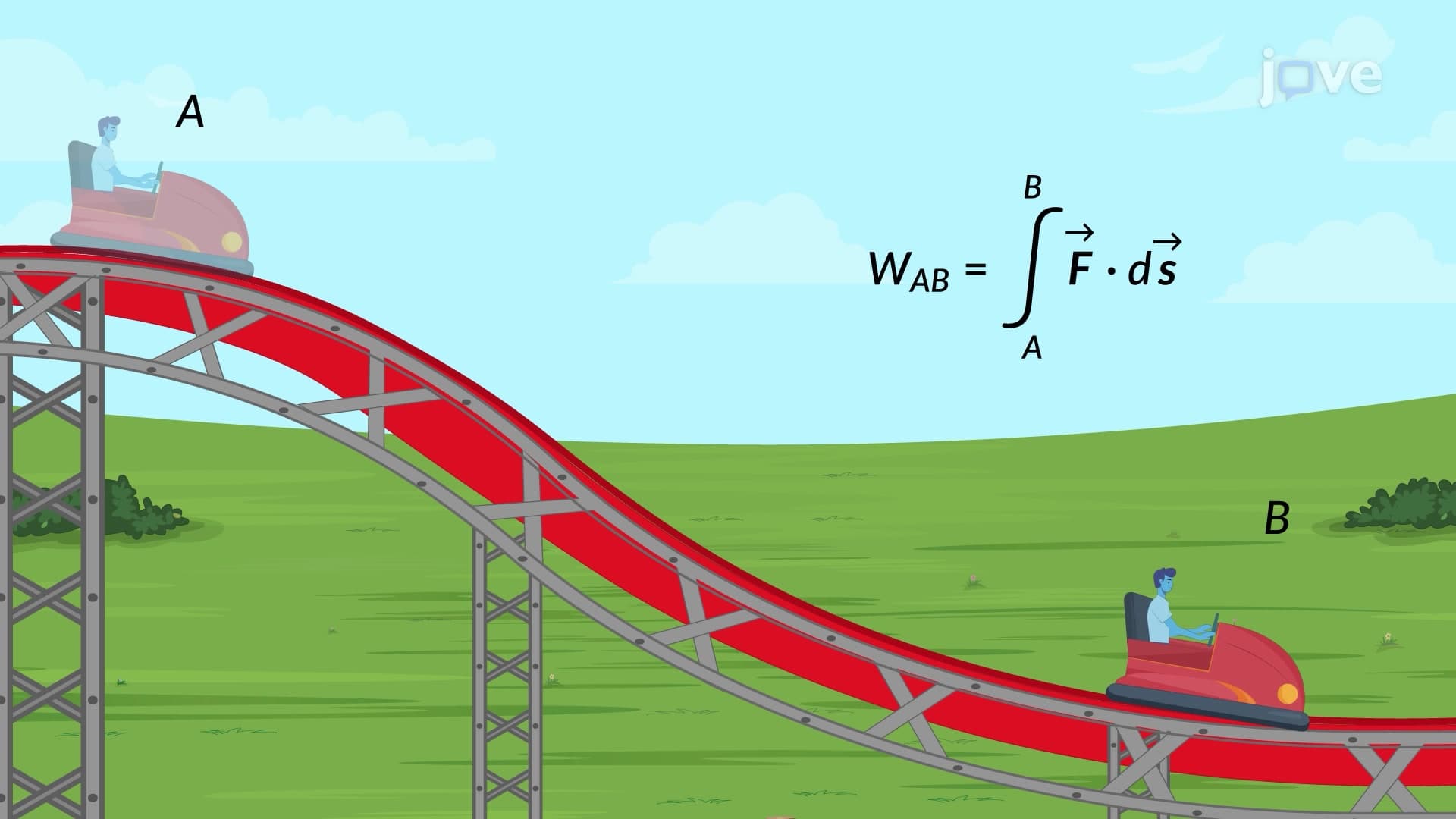
The concept extends beyond simple vertical motion to inclined planes, pendulums, and roller coasters, making it essential for students pursuing STEM careers in aerospace, civil engineering, or physics research.
Related Micro-courses