Loading video…


 15 Concepts
 174.4K views

Video Summary: What Is Power
Why does a Tesla Model S accelerate faster than a Honda Civic, even though both engines can eventually reach highway speeds? The answer lies in power, the rate at which work is performed or energy is transferred. Power definition centers on this fundamental relationship between energy and time, measured in watts where one watt equals one joule per second. Consider how a 1,500-watt microwave heats food much faster than a 700-watt model, demonstrating power's practical importance in everyday American households. Watch the full video on JoVE Coach to master this concept with expert-led visuals and step-by-step explanations.
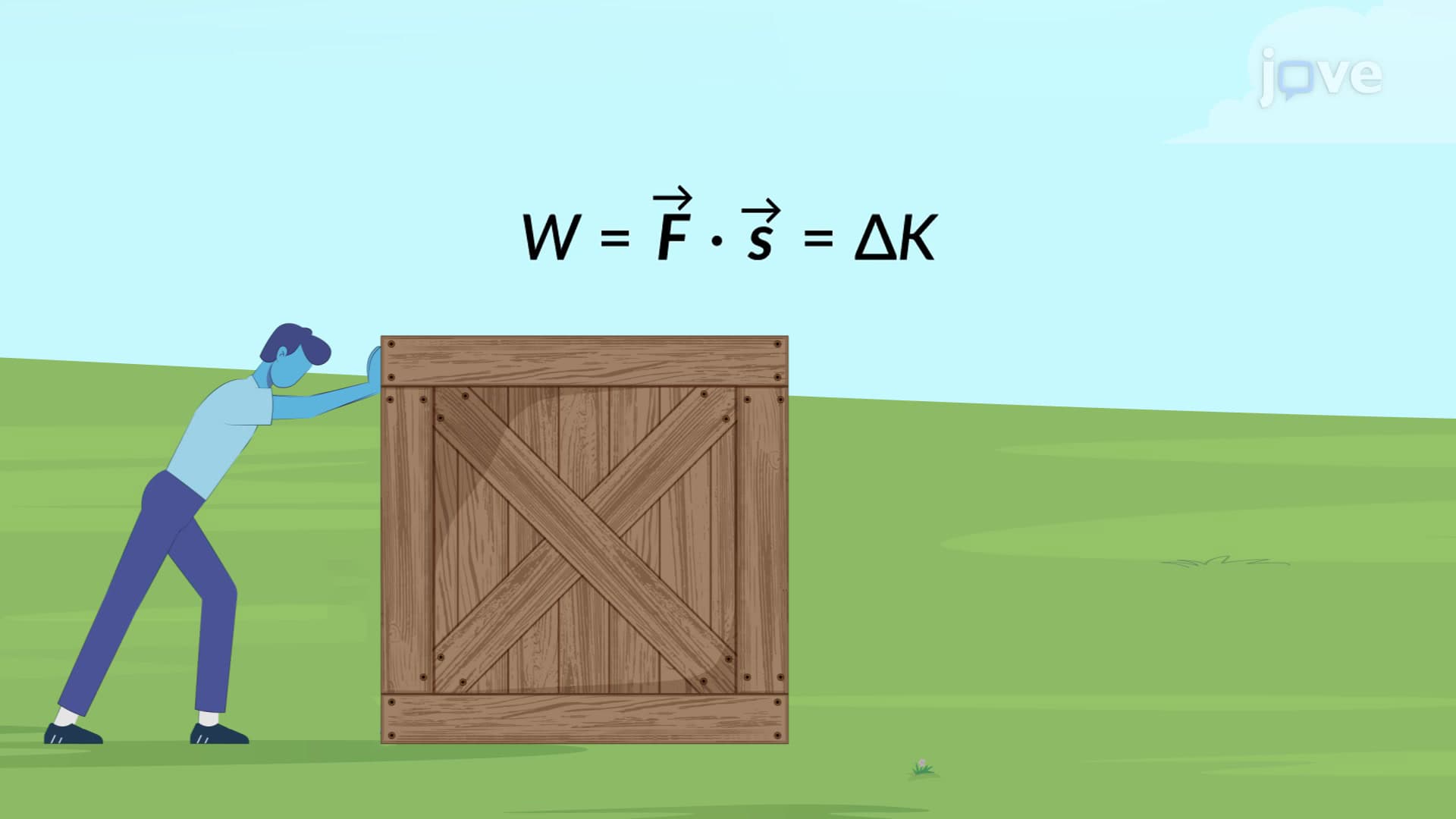
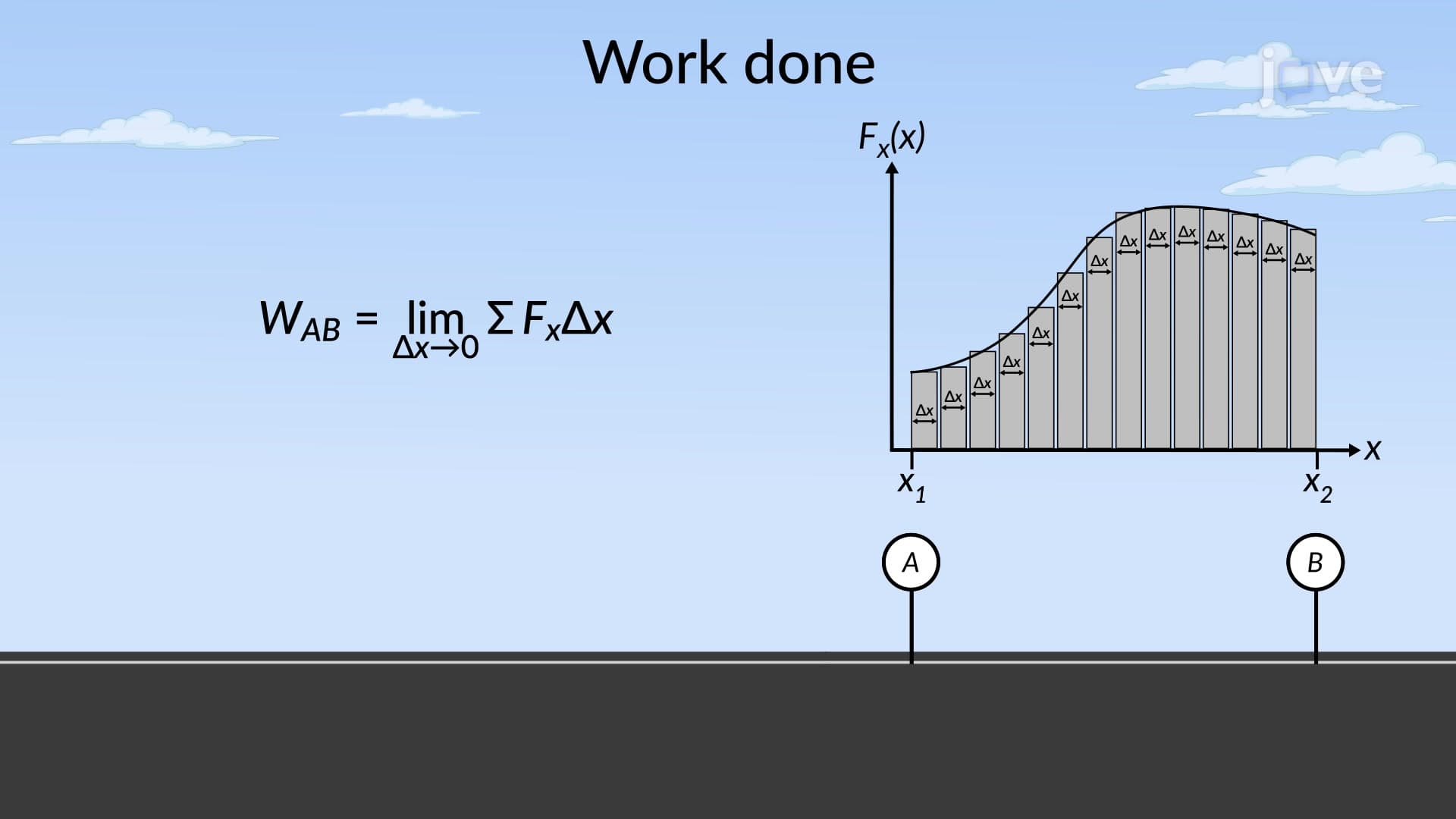
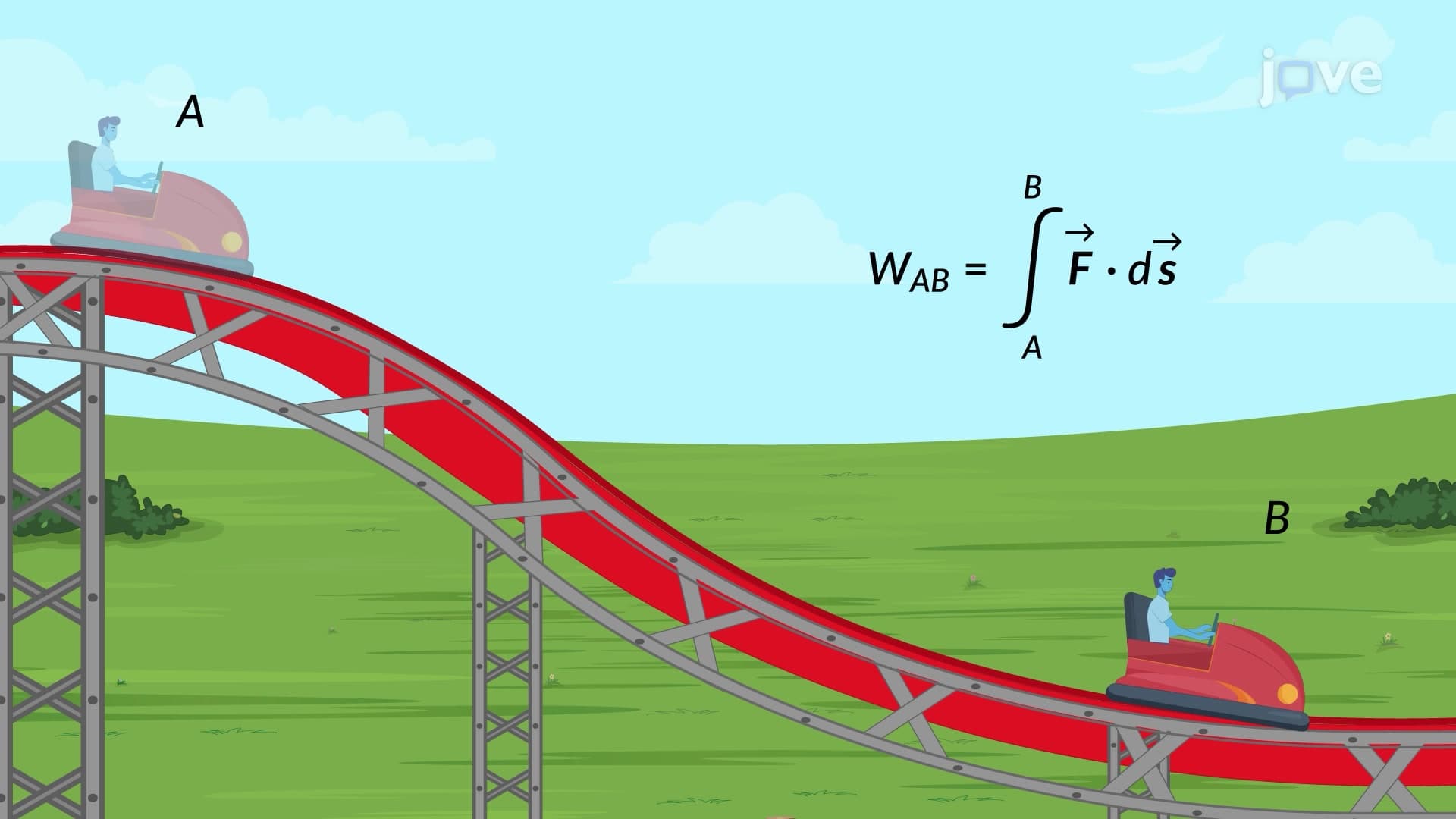
What is power fundamentally describes how quickly work gets accomplished or energy gets transferred. Unlike work, which measures the total energy transfer regardless of time, power specifically quantifies the rate of this process. This distinction proves crucial for understanding why a NASCAR engine and a lawn mower engine might perform the same total work moving an object up a ramp, but the NASCAR engine completes this task dramatically faster due to its higher power output.
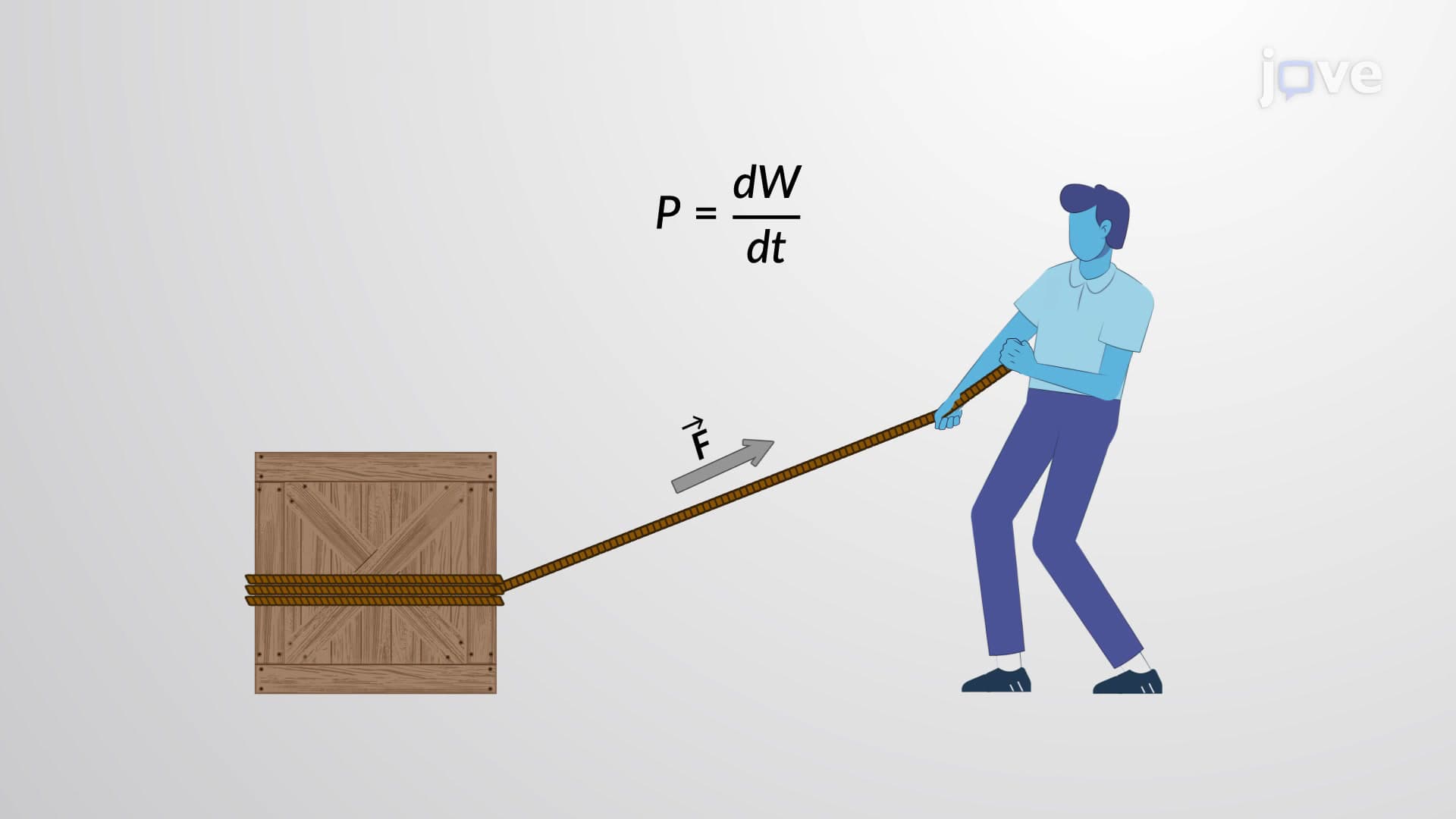
The power definition mathematically expresses as P = W/t, where P represents power, W denotes work done, and t indicates time elapsed. The SI unit, the watt (W), honors Scottish inventor James Watt and equals one joule per second. American students frequently encounter kilowatts (1,000 watts) on electric bills and horsepower (746 watts) in automotive specifications. This power overview becomes essential for AP Physics courses and SAT Subject Tests, where unit conversions and dimensional analysis appear regularly.
Power basics distinguish between average and instantaneous measurements. Average power divides total work by total time, useful for calculating energy consumption over extended periods like monthly electricity usage. Instantaneous power measures power at specific moments, critical for understanding peak performance demands. For example, when analyzing electric vehicle acceleration, instantaneous power determines maximum acceleration capability, while average power affects driving range calculations.
This power concept manifests throughout American technology and industry. Household appliances display power ratings helping consumers estimate energy costs, a 1,200-watt hair dryer consumes electricity twelve times faster than a 100-watt light bulb. In healthcare, defibrillators deliver precise power levels for cardiac resuscitation. Military applications include radar systems requiring specific power outputs for effective range detection. Understanding these connections helps students excel in college physics courses and professional engineering programs.
Related Micro-courses