Loading subject page…


174,403 views


Video Summary: Work Done Over an Inclined Plane Explained
Why does a snowboarder at Vail accelerate down steep slopes but struggle on gentle inclines? The concept of work done over an inclined plane explains how gravitational forces interact with angled surfaces to create motion. When analyzing forces on inclined planes like ski slopes in Colorado, only the force component parallel to the surface contributes to work, while perpendicular forces remain irrelevant to displacement. Watch the full video on JoVE Coach to master this concept with expert-led visuals and step-by-step explanations.
Work done over an inclined plane represents one of physics' most practical applications, appearing everywhere from wheelchair ramps at hospitals to loading docks at FedEx facilities. When objects move along angled surfaces, only specific force components contribute to actual work, making this concept essential for AP Physics students and engineering undergraduates.
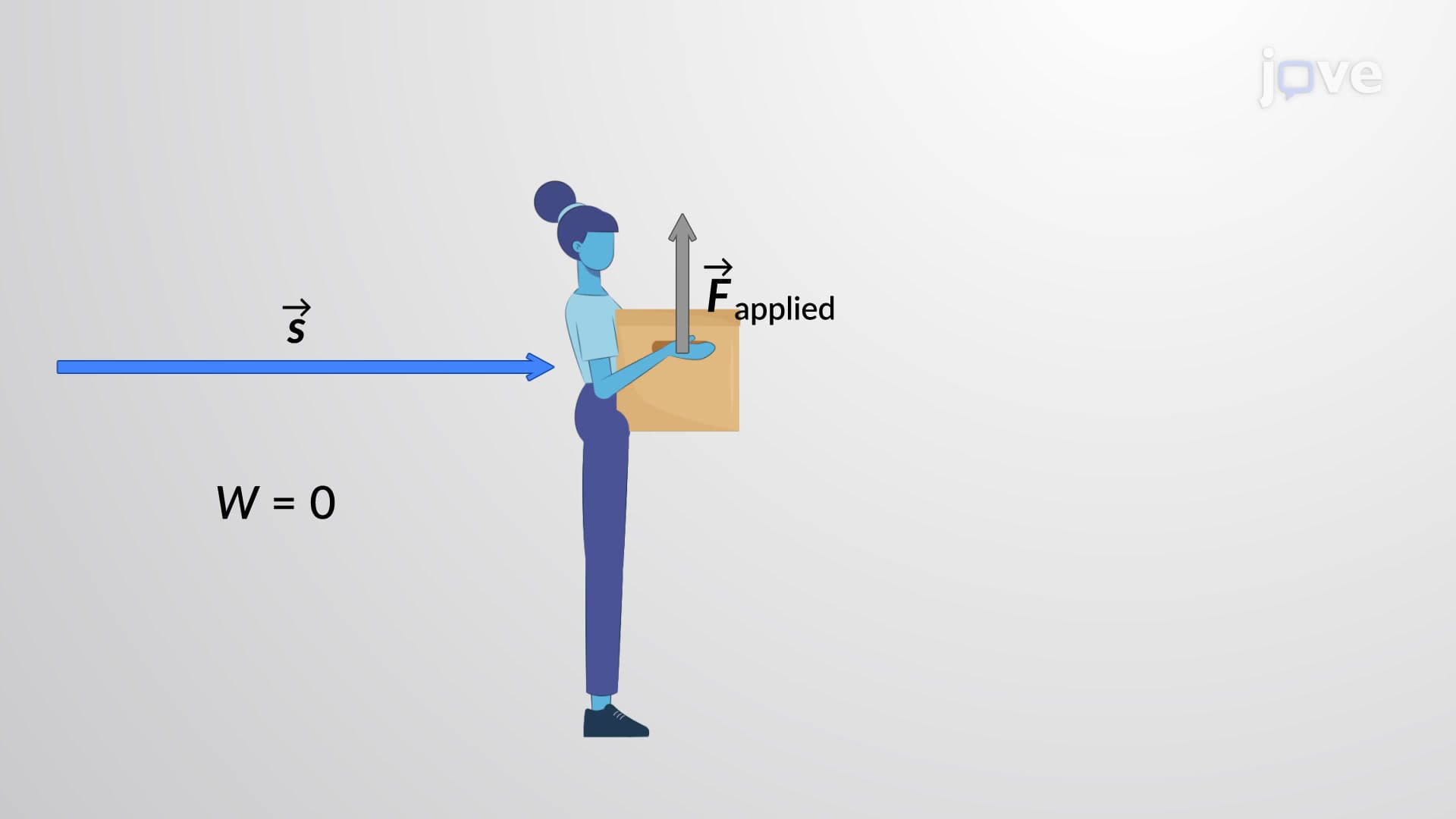
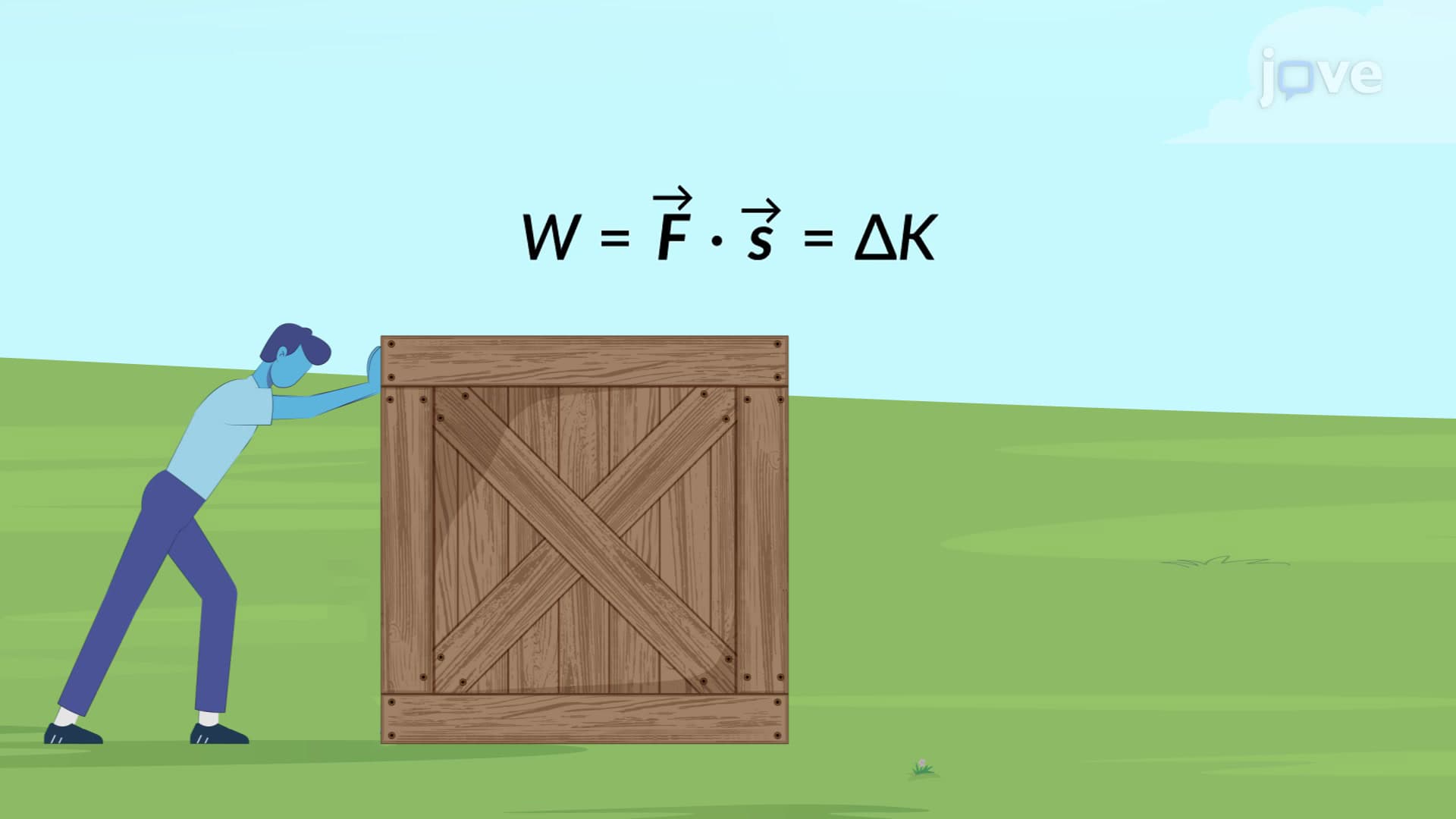
The fundamental principle involves decomposing gravitational force into two components: one parallel to the inclined surface and one perpendicular. Only the parallel component performs work since work requires force in the direction of displacement. This explains why a 200-pound person sliding down a 30-degree water slide at Six Flags experiences different acceleration than on a 45-degree slide.
Two primary approaches exist for calculating work on inclined planes. The component method involves finding the parallel force component (F_parallel = mg sin θ) and multiplying by displacement distance. Alternatively, the vector method uses the full gravitational force with the angle between force and displacement vectors, applying W = F × d × cos(θ).
Both methods yield identical results, but the component approach often proves more intuitive for students tackling SAT Subject Test problems or college physics midterms. Understanding both techniques becomes crucial when solving complex problems involving multiple forces or varying incline angles.
Inclined plane work calculations appear frequently in engineering contexts, from California's steep Lombard Street to construction site ramps. When objects move upward against gravitational force, work becomes negative, representing energy storage rather than release. This concept explains why pushing wheelbarrows up loading ramps requires external energy input.
The angle relationship proves particularly important: steeper inclines produce more parallel force component, increasing work magnitude. At θ = 90 degrees (vertical cliff), all gravitational force becomes parallel, maximizing work. At θ = 0 degrees (horizontal surface), gravitational force becomes entirely perpendicular, producing zero work-explaining why objects don't spontaneously slide across level parking lots.
MCAT physics sections frequently test inclined plane work concepts through multi-step problems involving energy conservation. Students should master identifying force components, calculating work with varying angles, and recognizing when negative work indicates energy absorption. Practice problems often involve scenarios like sledding hills, conveyor belts, or medical equipment ramps, requiring both conceptual understanding and mathematical precision.
Related Micro-courses