Loading video…


 15 Concepts
 174.4K views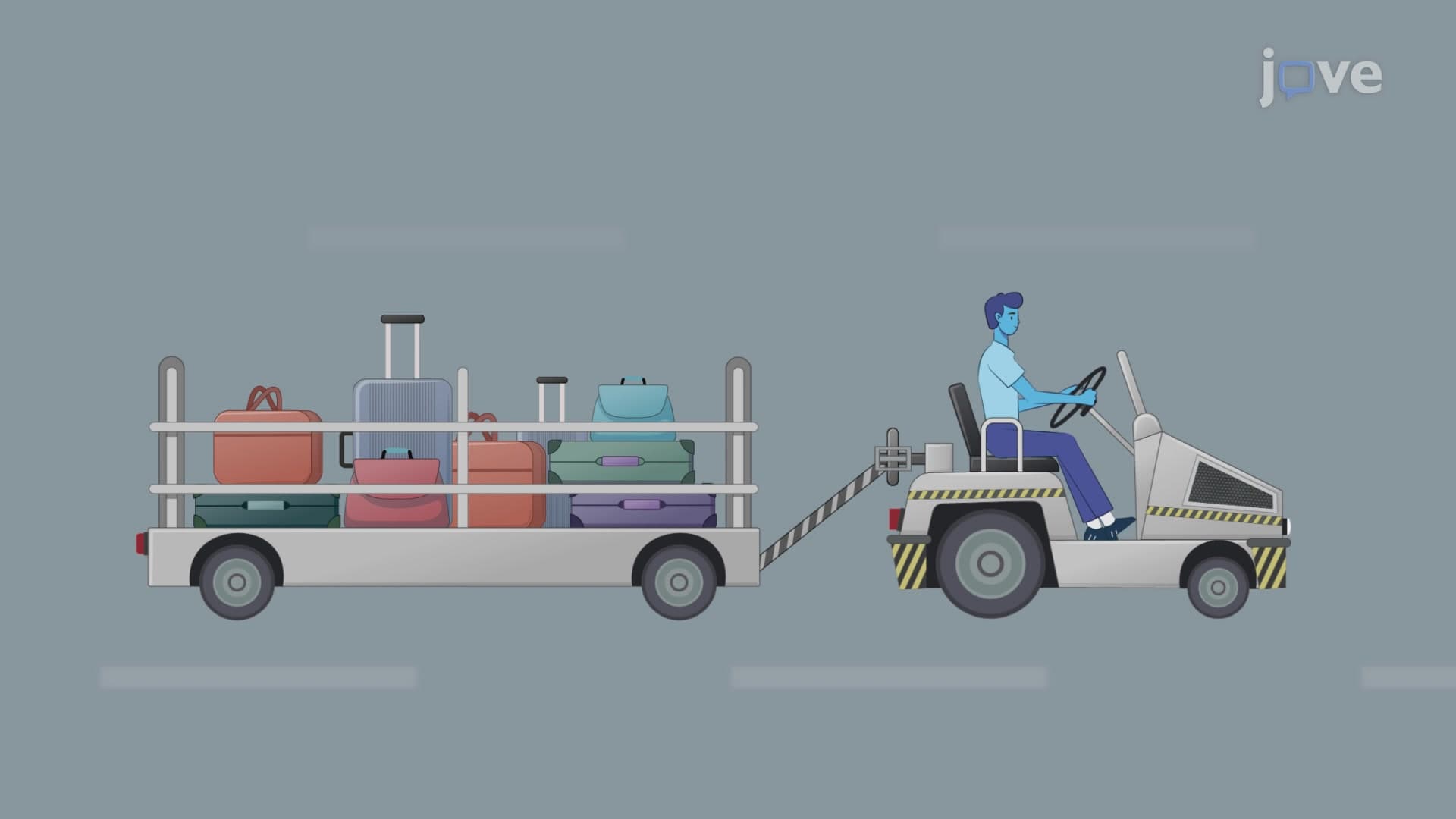

Video Summary: Work Done by Many Forces Explained
Ever wonder why airport baggage tractors need such powerful engines to pull multiple carts? The work done by many forces determines how much energy is required when multiple forces act simultaneously on an object. Consider a Boeing 737 baggage tractor at Denver International Airport pulling luggage carts against friction-calculating the total work requires analyzing each force's contribution to displacement. Understanding Work Done By Many Forces Explained helps solve complex real-world motion problems involving multiple simultaneous forces. Watch the full video on JoVE Coach to master this concept with expert-led visuals and step-by-step explanations.
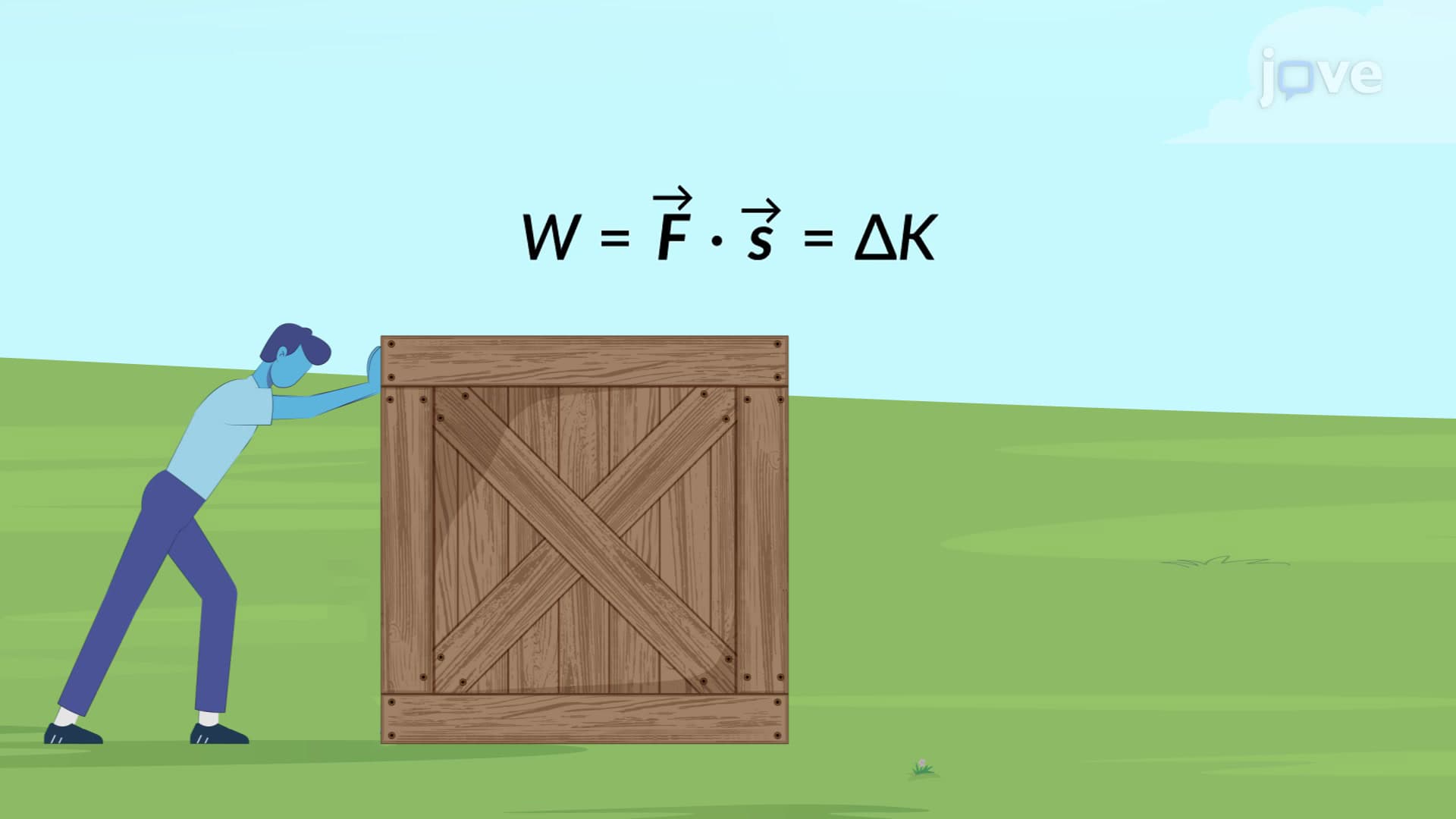
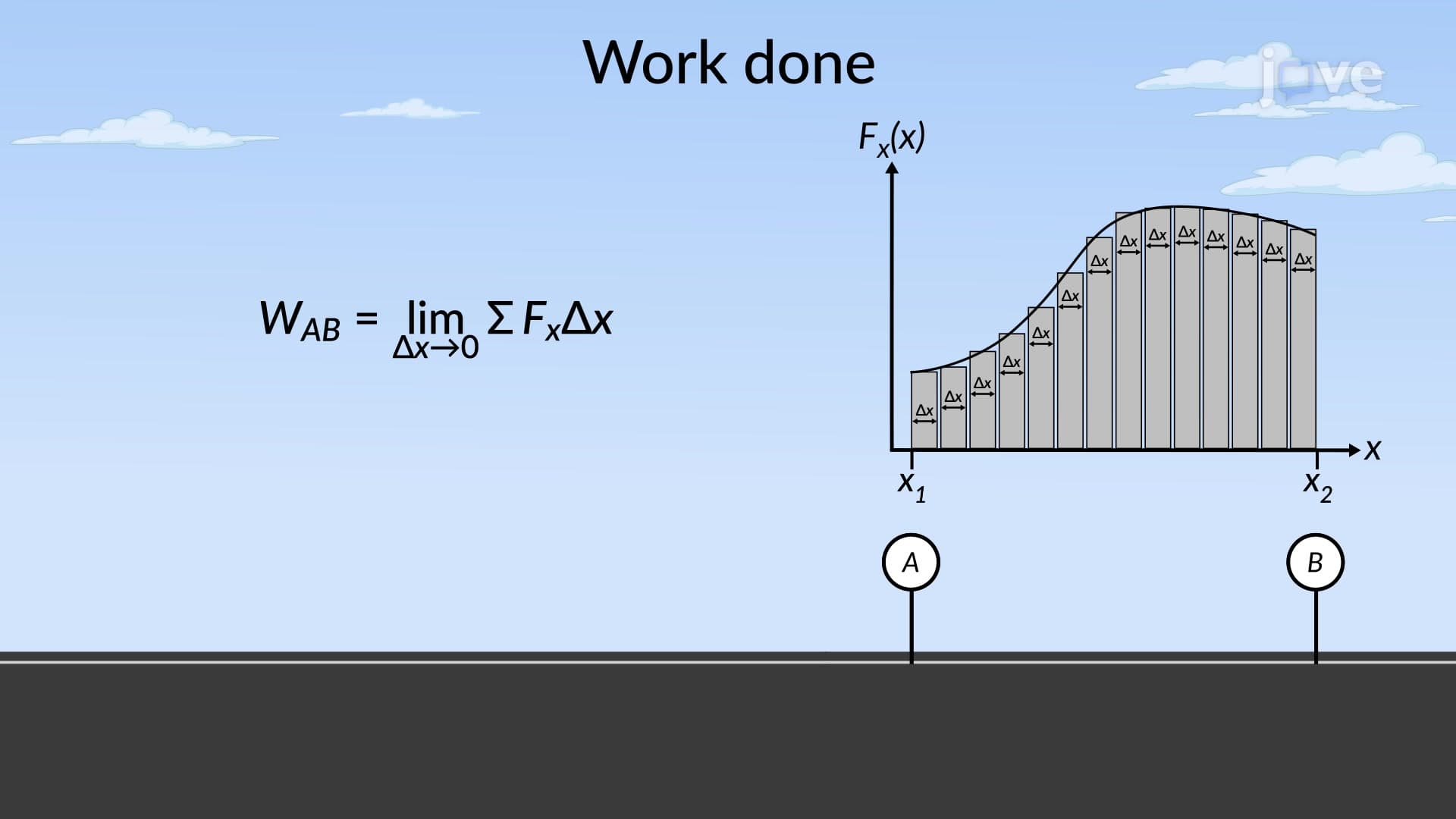
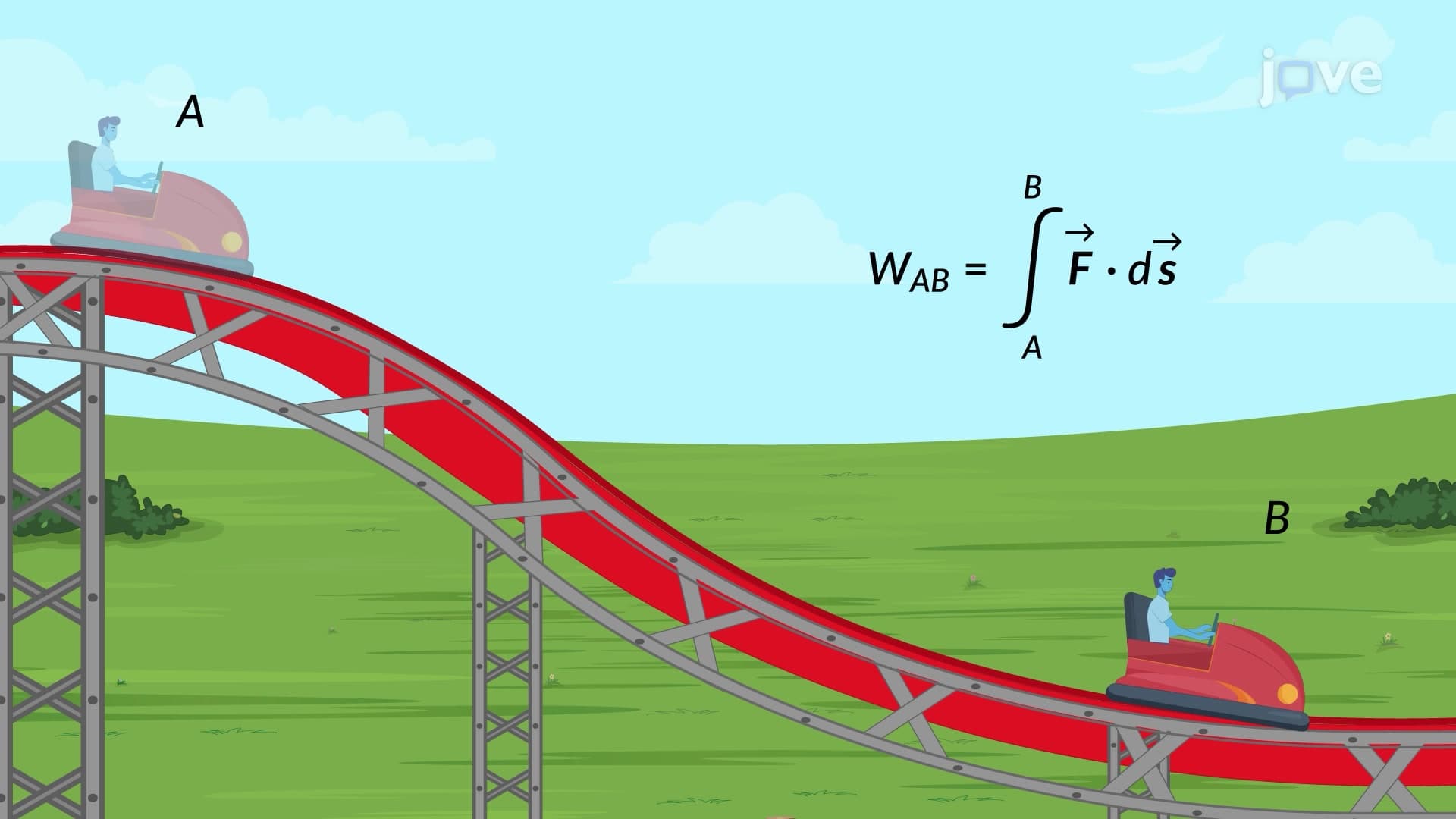
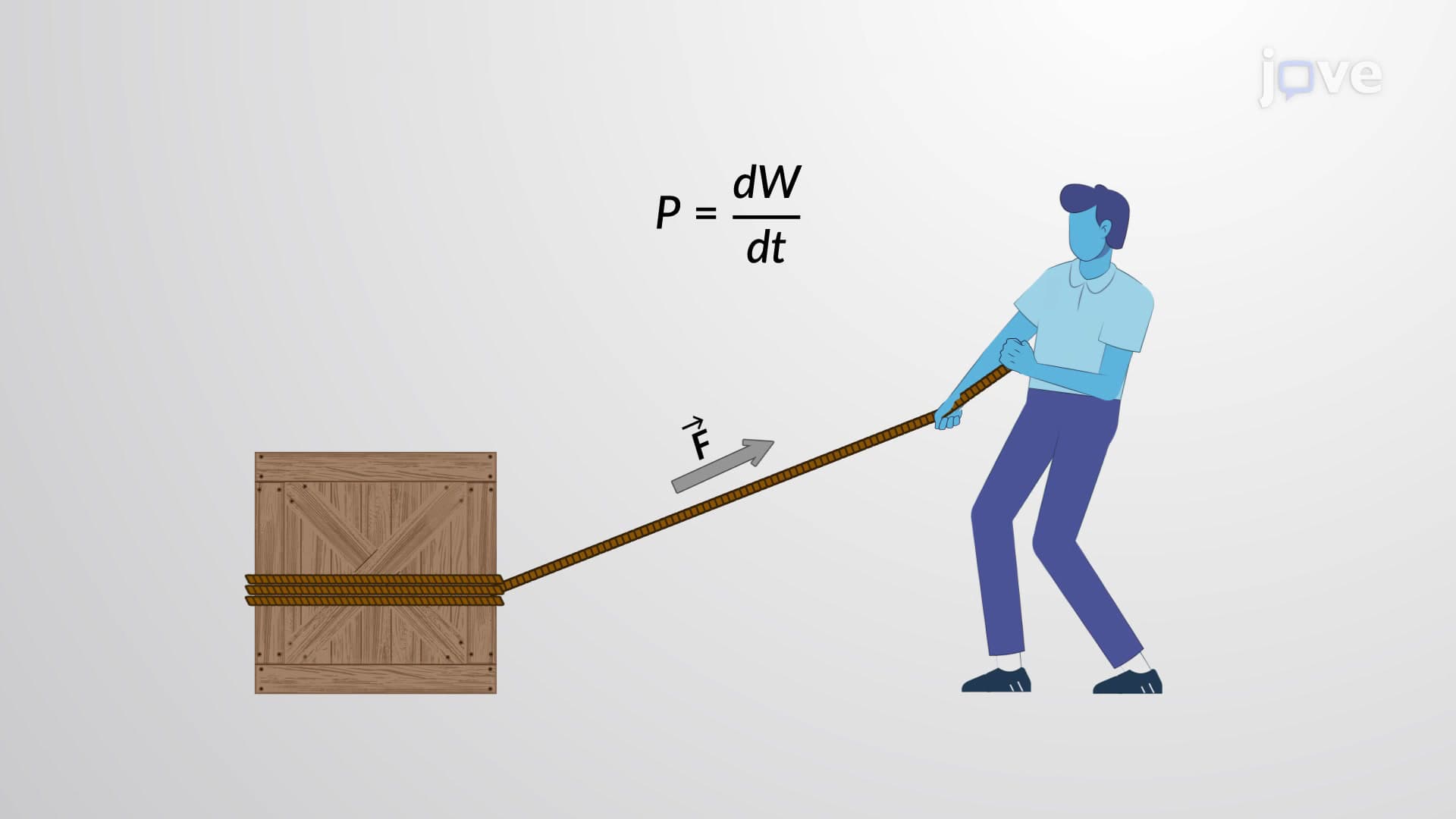
When multiple forces act on an object simultaneously, calculating the total work requires careful analysis of each force's relationship to the displacement. Work is defined as the dot product of force and displacement: W = F × d × cos(θ), where θ represents the angle between force and displacement vectors. This fundamental relationship becomes more complex when several forces influence an object's motion simultaneously.
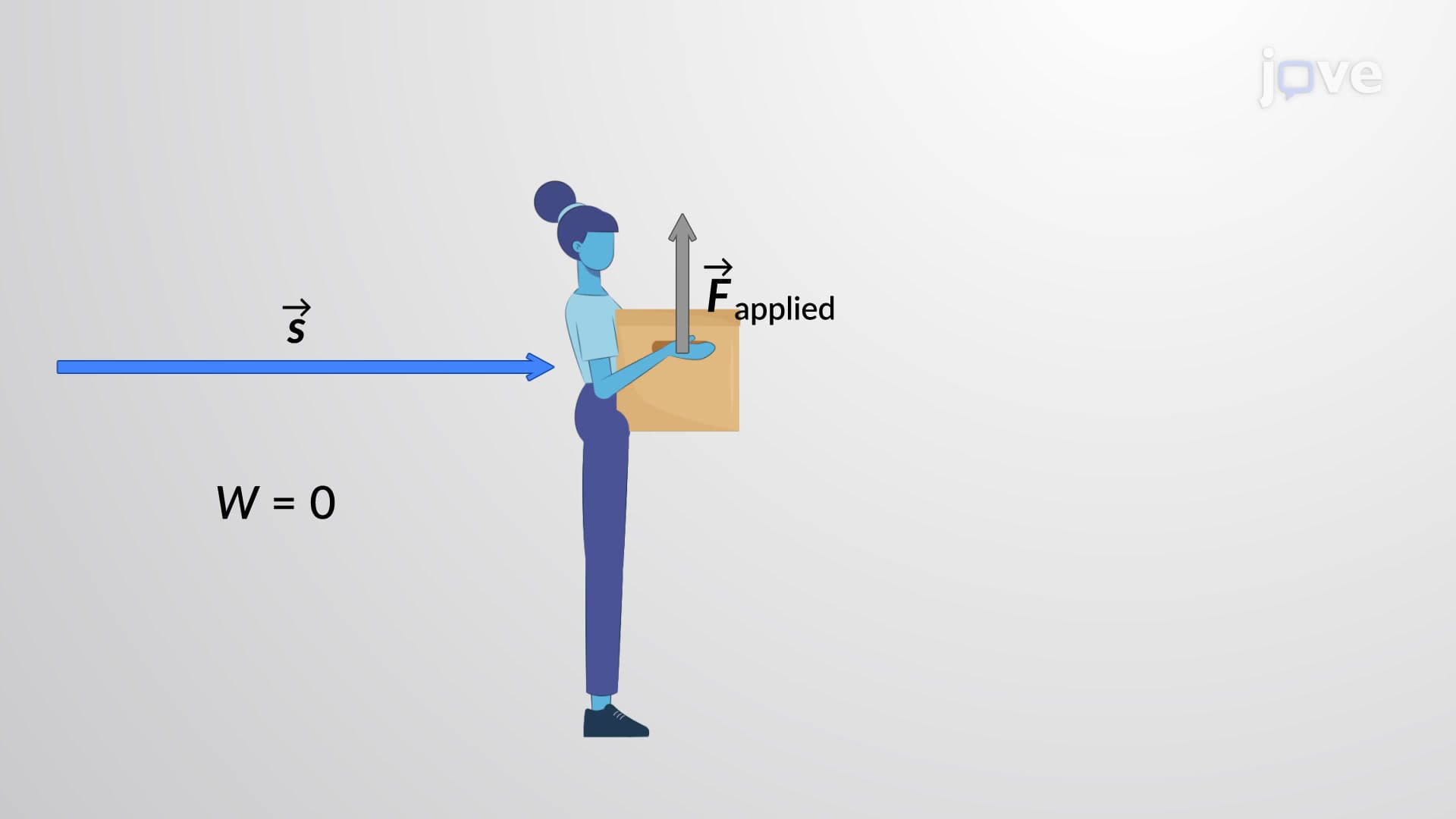
The key to solving work done by many forces tutorial problems lies in proper vector decomposition. Consider forces acting at angles to the displacement direction-only the components parallel to motion contribute to work. Perpendicular components may affect normal forces or cause rotation but perform zero work on translational motion. For example, when analyzing a delivery truck being pushed up a loading ramp, the applied force, gravitational component along the ramp, and friction must all be considered separately.
Students can solve how work done by many forces works using two equivalent methods. The first approach involves finding the net force by vector addition, then calculating work using the resultant force. The second method calculates work done by each individual force separately, then sums these values algebraically. Both approaches yield identical results when applied correctly, providing valuable cross-checking opportunities during problem-solving.
This concept appears frequently in AP Physics 1 examinations and college-level mechanics courses. Common scenarios include vehicles accelerating against air resistance, objects sliding down inclined planes with friction, and multi-stage rocket propulsion systems. Understanding these principles proves essential for engineering students analyzing complex mechanical systems, where multiple forces interact to produce desired motion outcomes.
Massachusetts Institute of Technology's introductory physics curriculum emphasizes these concepts through laboratory experiments involving pulleys, inclined planes, and spring systems. Students often encounter similar problems on SAT Subject Tests in Physics, where conceptual understanding matters more than complex calculations.
Related Micro-courses