Loading subject page…

Micro-course: Work and Kinetic Energy
174,400 views
Learn key concepts and earn your certificate.








Energy

00:00
00:58
Video Summary: What Is Energy
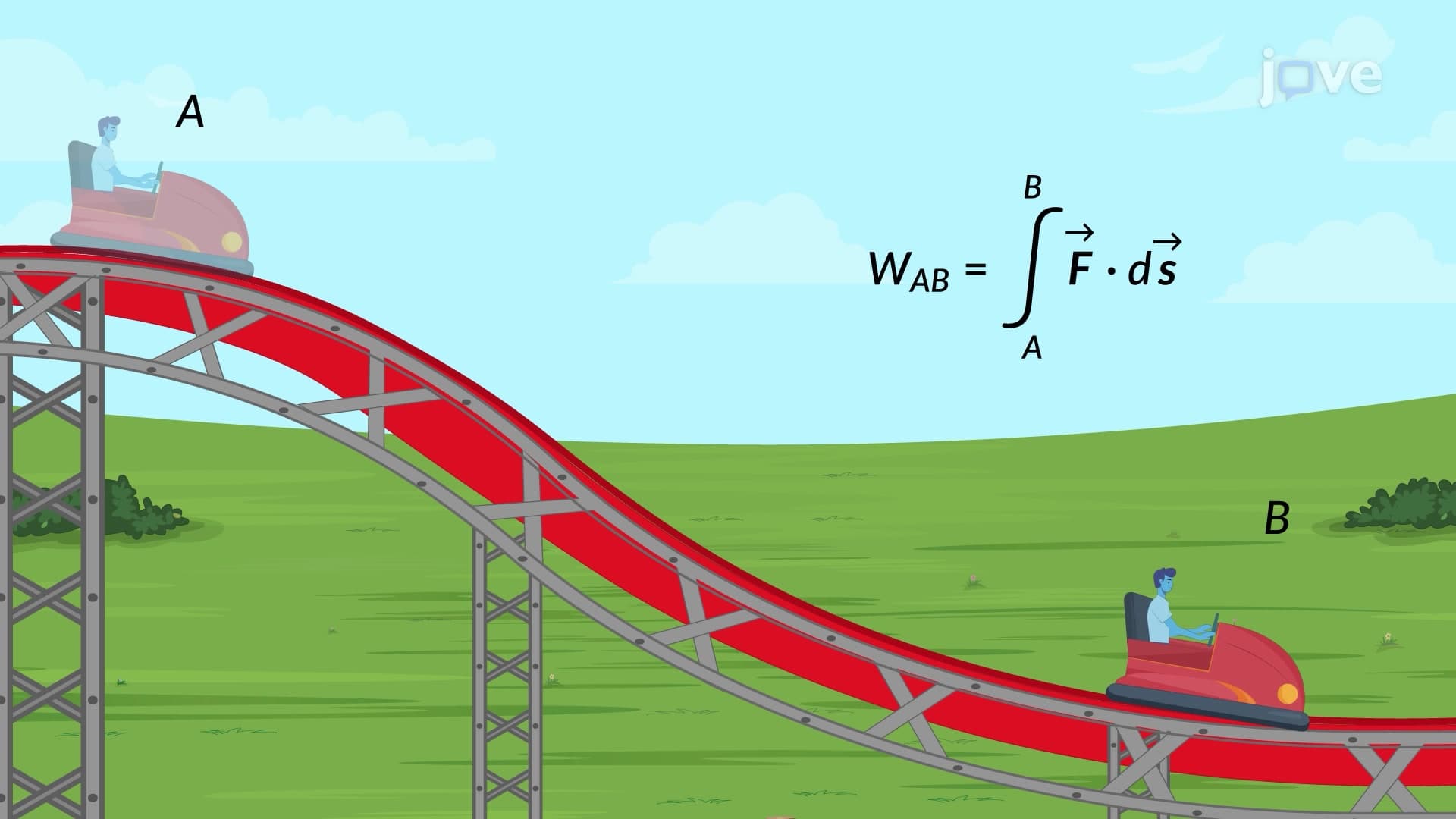
Did you know that every time you lift your smartphone, you're demonstrating the same fundamental physics principle that powers NASA rockets? Energy is the ability to do work and exists in two primary forms: potential and kinetic energy. Consider a roller coaster at Six Flags-at the peak, it stores potential energy, which transforms into kinetic energy as it races downward. Understanding what is energy reveals the invisible force behind every motion and reaction in our universe. Watch the full video on JoVE Coach to master this concept with expert-led visuals and step-by-step explanations.
- Understand what is energy and its fundamental definition as the ability to do work
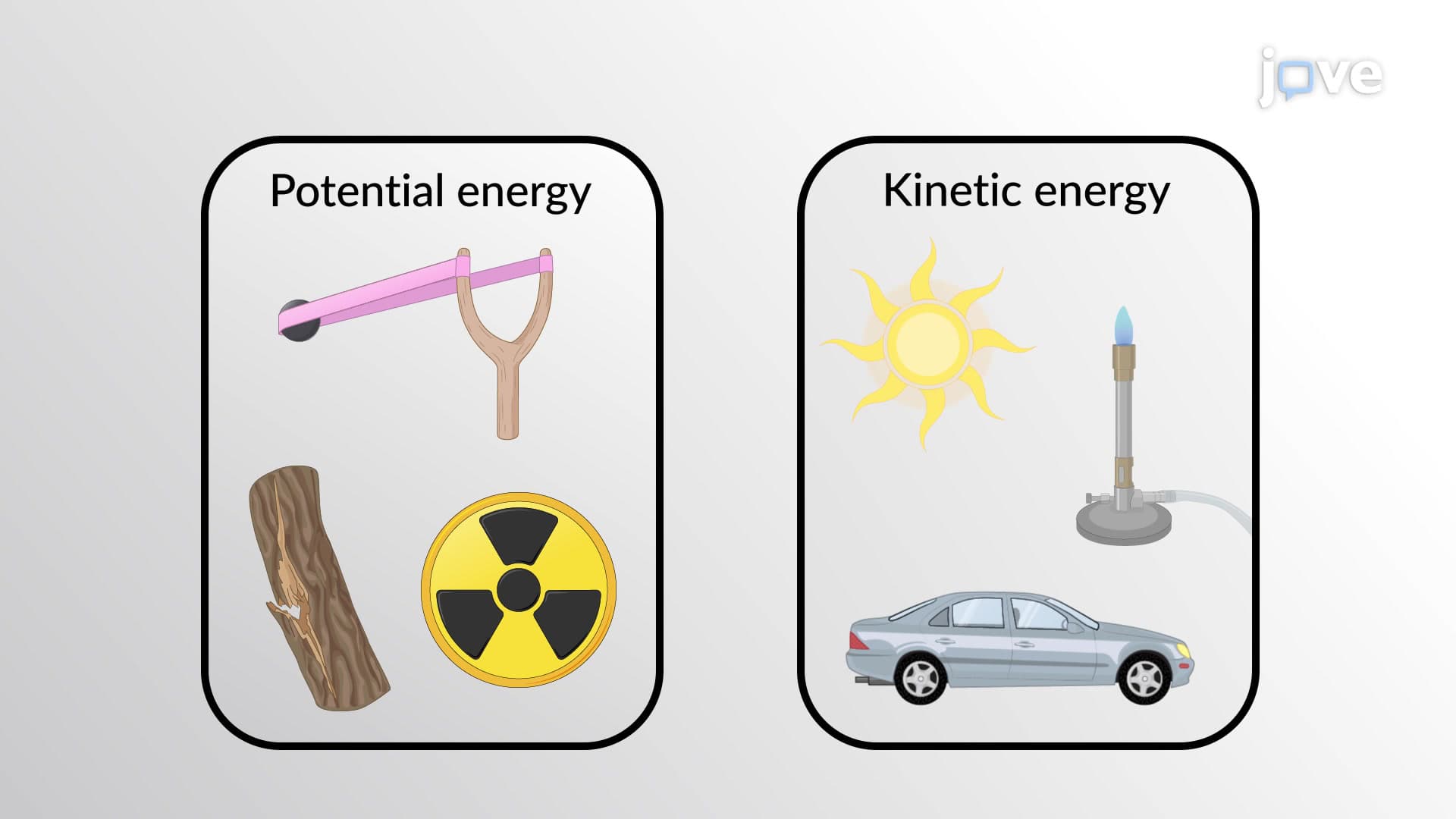
- Identify the two main categories of energy: potential energy and kinetic energy
- Analyze how potential energy relates to an object's position, composition, or condition
- Compare stored energy versus energy in motion through practical examples
- Recognize kinetic energy as the energy associated with moving objects
- Apply energy transformation principles to real-world scenarios
- Evaluate energy conservation in everyday situations
- Explore the relationship between energy types and their interconversion
Understanding What is Energy: The Foundation of Physics
Energy serves as one of the most fundamental concepts in physics, chemistry, and engineering. The energy definition goes beyond simple memorization-it represents the universal currency of change in our physical world. Whether you're preparing for AP Physics, taking college-level chemistry, or studying for the MCAT, mastering this energy concept forms the foundation for understanding thermodynamics, mechanics, and countless other scientific principles.
Potential Energy: The Power of Position
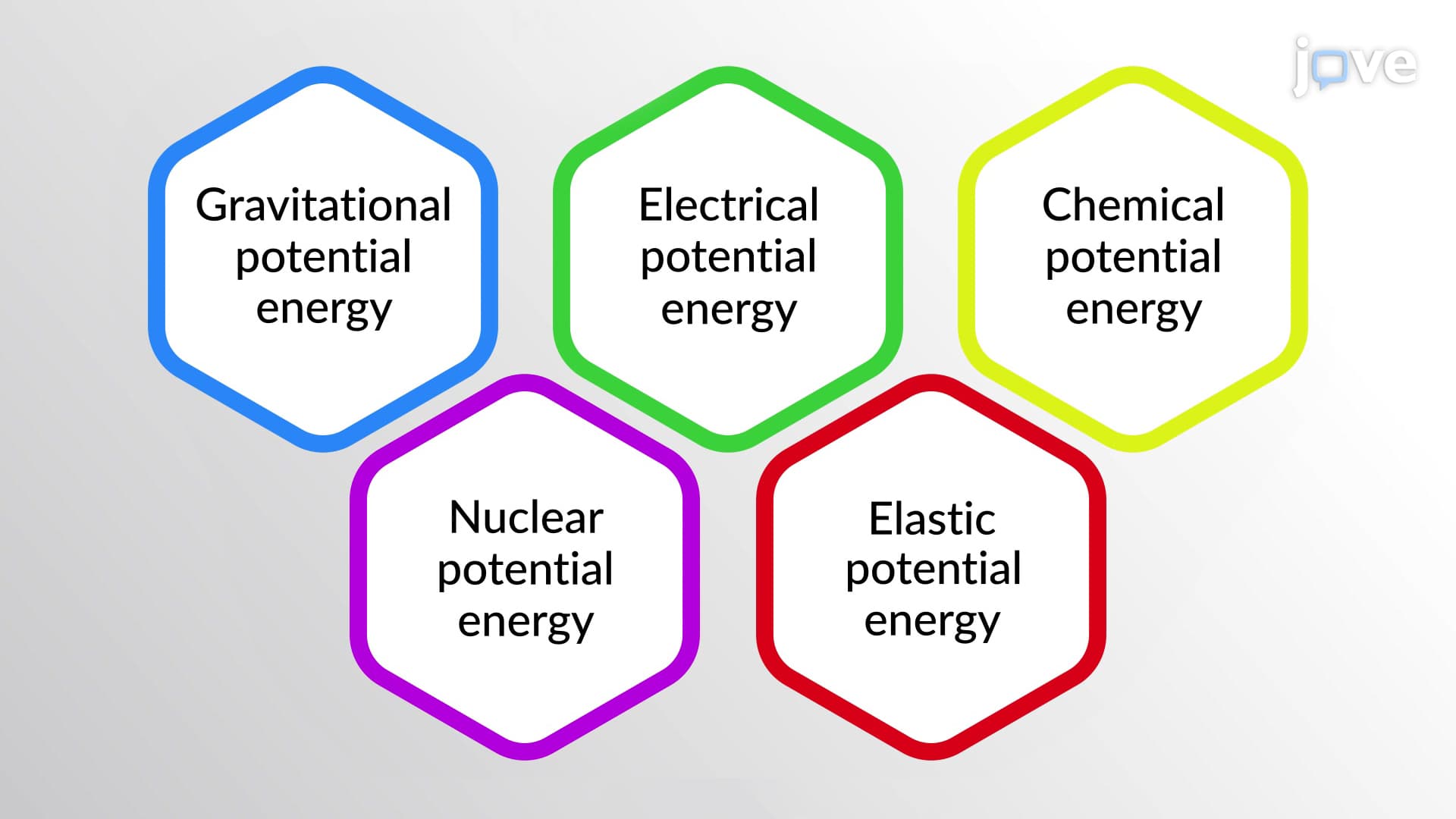
Potential energy represents stored energy that objects possess due to their position or condition. This energy overview wouldn't be complete without exploring gravitational potential energy, which increases with height. When students drop a basketball from the top bleachers at Madison Square Garden, that ball possesses significant gravitational potential energy. Chemical potential energy stored in gasoline powers millions of American vehicles daily, while elastic potential energy in a compressed spring mechanism drives countless mechanical devices.
The mathematical relationship for gravitational potential energy follows the equation PE = mgh, where mass (m), gravitational acceleration (g), and height (h) determine the stored energy amount. This principle explains why hydroelectric dams like the Hoover Dam generate massive amounts of electricity-water at elevation contains tremendous potential energy.
Kinetic Energy: Energy in Motion
Kinetic energy manifests whenever objects move, from electrons orbiting atomic nuclei to freight trains crossing the continental United States. This energy basics principle follows the relationship KE = (1/2)mv², demonstrating that kinetic energy increases exponentially with velocity. A baseball pitched at 100 mph during a Yankees game contains far more kinetic energy than the same ball thrown at 50 mph.
Understanding energy in detail requires recognizing that kinetic energy takes multiple forms. Translational kinetic energy involves linear motion, rotational kinetic energy relates to spinning objects, and vibrational kinetic energy occurs at the molecular level. These concepts appear frequently on standardized tests and college examinations.
Energy Transformation and Conservation
The most powerful aspect of this energy study guide involves understanding energy transformation. Energy cannot be created or destroyed-only converted between forms. When a student jumps on a trampoline, their gravitational potential energy converts to kinetic energy during the fall, then to elastic potential energy as the trampoline deforms, and back to kinetic energy during the upward bounce.
This principle governs everything from nuclear power plants generating electricity across America to the metabolic processes converting food into usable energy in human cells. Students preparing for AP Physics or college physics courses must master these transformation principles to succeed in problem-solving scenarios.
Frequently Asked Questions
Energy is the ability to do work or cause change in the physical world. It exists in two main forms: potential energy (stored energy based on position or condition) and kinetic energy (energy of motion). Think of it as nature's universal currency for making things happen.
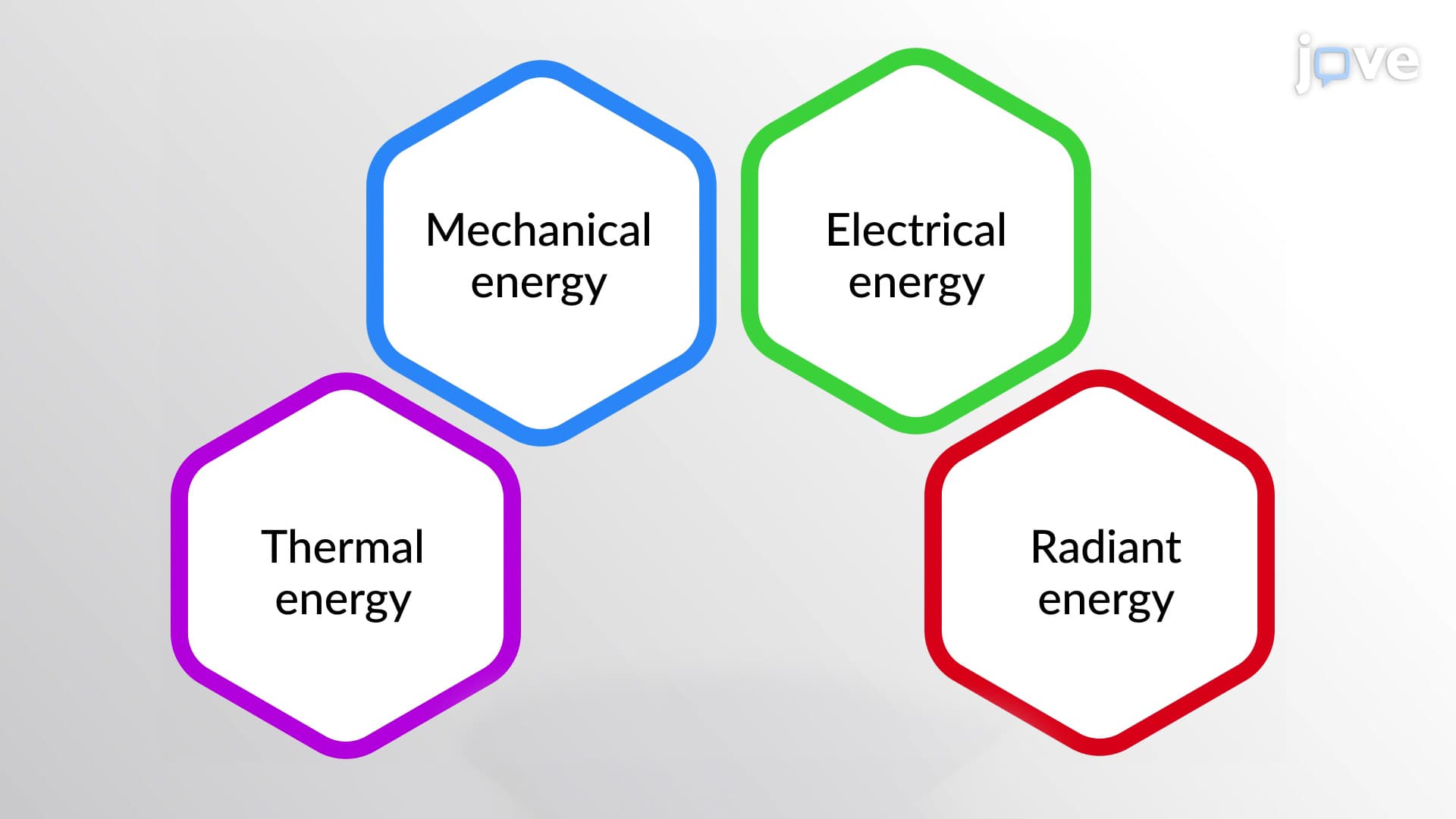
For AP Physics, energy encompasses mechanical energy (potential + kinetic), thermal energy, electromagnetic energy, and nuclear energy. Students must understand energy conservation laws, calculate potential and kinetic energy using specific formulas, and analyze energy transformations in complex systems. This concept appears in approximately 25% of AP Physics exam questions.
The MCAT extensively tests energy concepts in physics and chemistry sections, including thermodynamics, biochemical energy pathways, and electromagnetic energy. Students encounter questions about ATP energy storage, enzyme activation energy, and energy changes in chemical reactions. Mastering energy principles is crucial for achieving competitive MCAT scores.
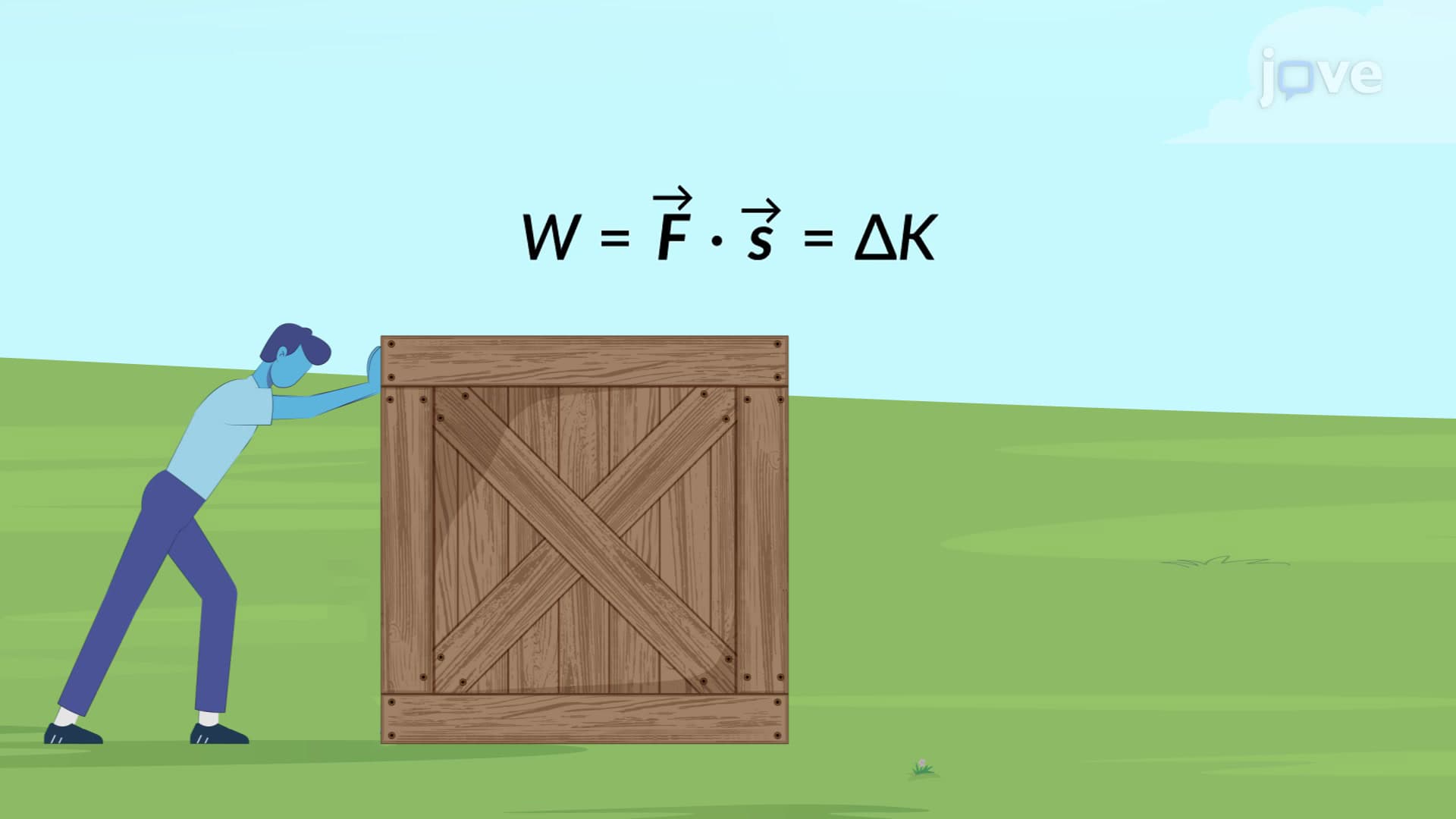
College physics exams typically include energy conservation problems, kinetic and potential energy calculations, work-energy theorem applications, and energy transformation scenarios. Students often solve roller coaster problems, pendulum motion analysis, and collision energy calculations. Practice with real-world examples improves exam performance significantly.
Energy governs countless daily activities: your car's gasoline converting to kinetic energy for transportation, solar panels on California homes converting sunlight to electrical energy, and your smartphone battery storing chemical potential energy. Understanding energy helps explain everything from household electricity bills to renewable energy initiatives across American communities.
Energy concepts are highly accessible when approached systematically with real-world examples. Most students successfully grasp basic energy principles by connecting them to familiar experiences like sports, amusement parks, and household activities. Starting with concrete examples before moving to abstract mathematical relationships ensures comprehension success.
Create concept maps linking potential and kinetic energy to specific examples, practice energy transformation problems daily, and use dimensional analysis to check calculations. Focus on understanding the physical meaning behind equations rather than memorizing formulas. Working through past exam problems builds pattern recognition for test success.
Advanced energy topics include thermodynamics, electromagnetic energy, nuclear binding energy, and quantum mechanical energy levels. Students can explore energy applications in engineering, renewable energy technologies, and biochemical energy pathways. These concepts prepare students for advanced physics, chemistry, and engineering coursework.
Related Micro-courses

12 Concepts

19 Concepts

14 Concepts