Loading subject page…


174,403 views


Video Summary: What Is Kinetic Energy I
Ever wonder why a baseball thrown at 95 mph can shatter a window while the same ball rolling at 5 mph barely makes a sound? The answer lies in kinetic energy i, the energy objects possess simply by moving. A Ford F-150 traveling at highway speeds carries enormous kinetic energy-enough to power a small home for hours if we could harness it completely. This fundamental physics concept explains everything from car crashes to roller coaster thrills, making it essential for understanding motion in our daily lives. Watch the full video on JoVE Coach to master this concept with expert-led visuals and step-by-step explanations.
Kinetic energy i represents one of the most intuitive yet mathematically precise concepts in physics. When any object moves-whether it's a sprinting athlete, a speeding Tesla, or a spinning wind turbine blade-it possesses kinetic energy. This energy exists purely due to motion and forms the cornerstone of mechanical energy systems studied throughout high school physics and college engineering courses.
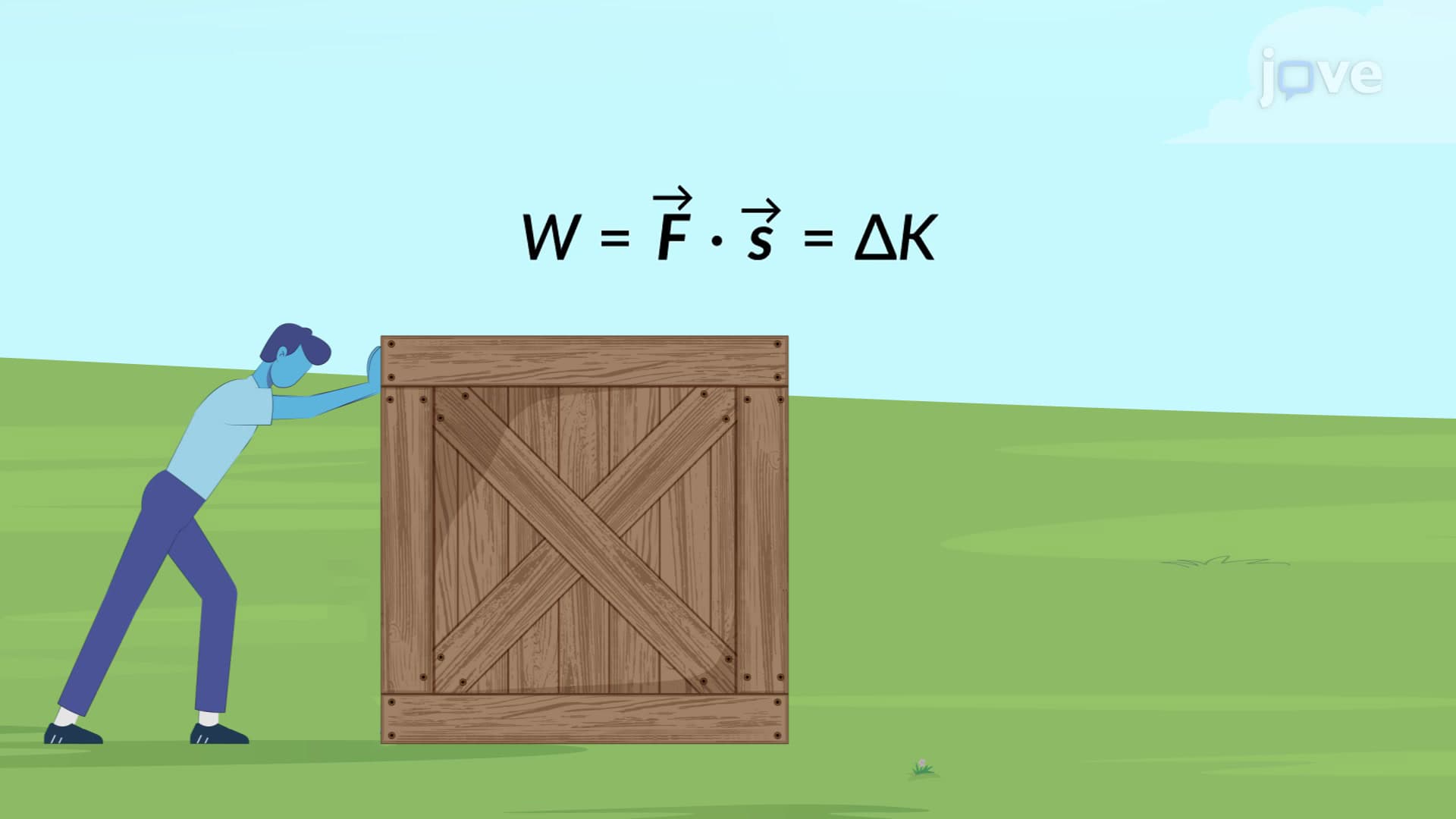
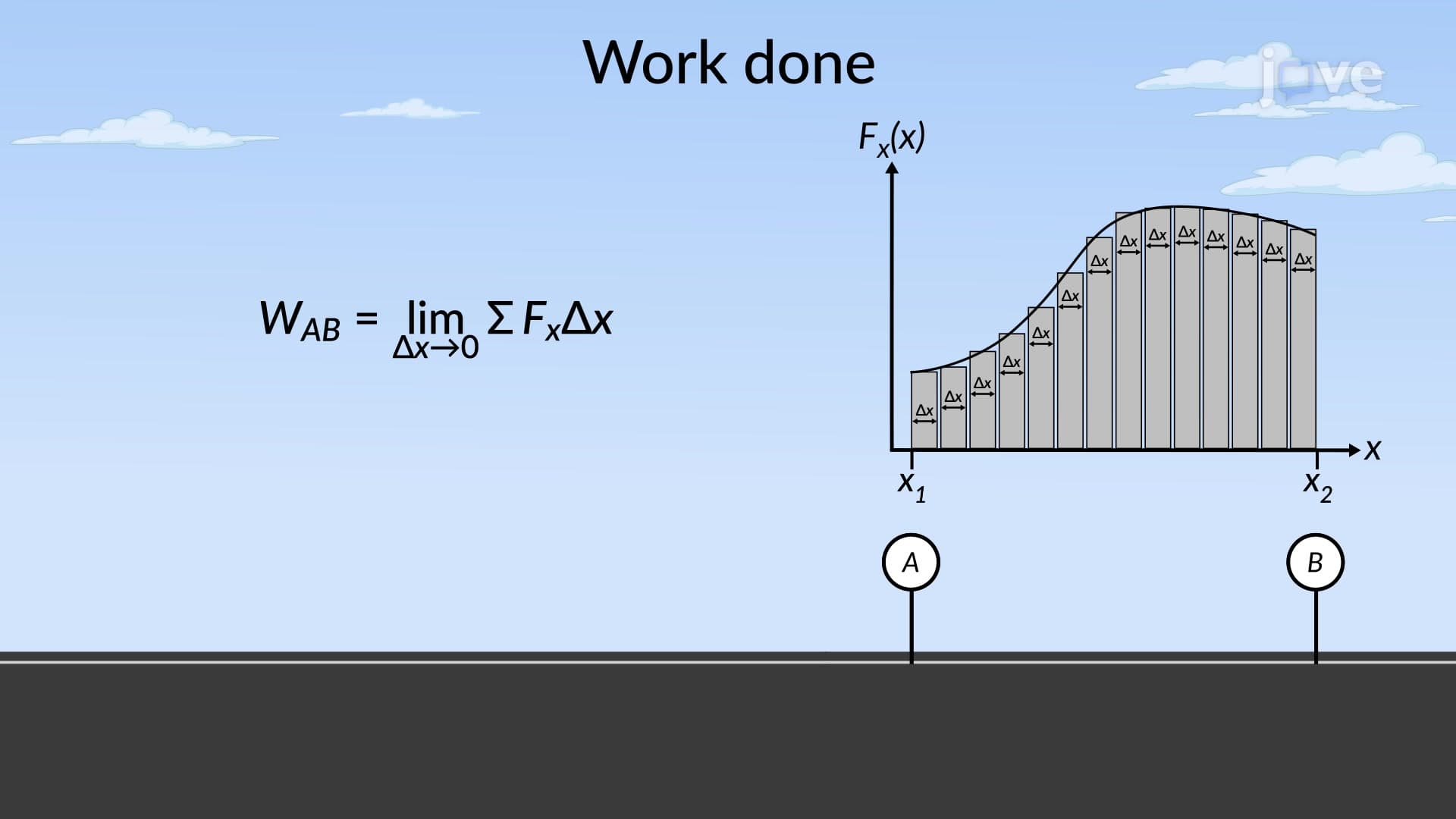
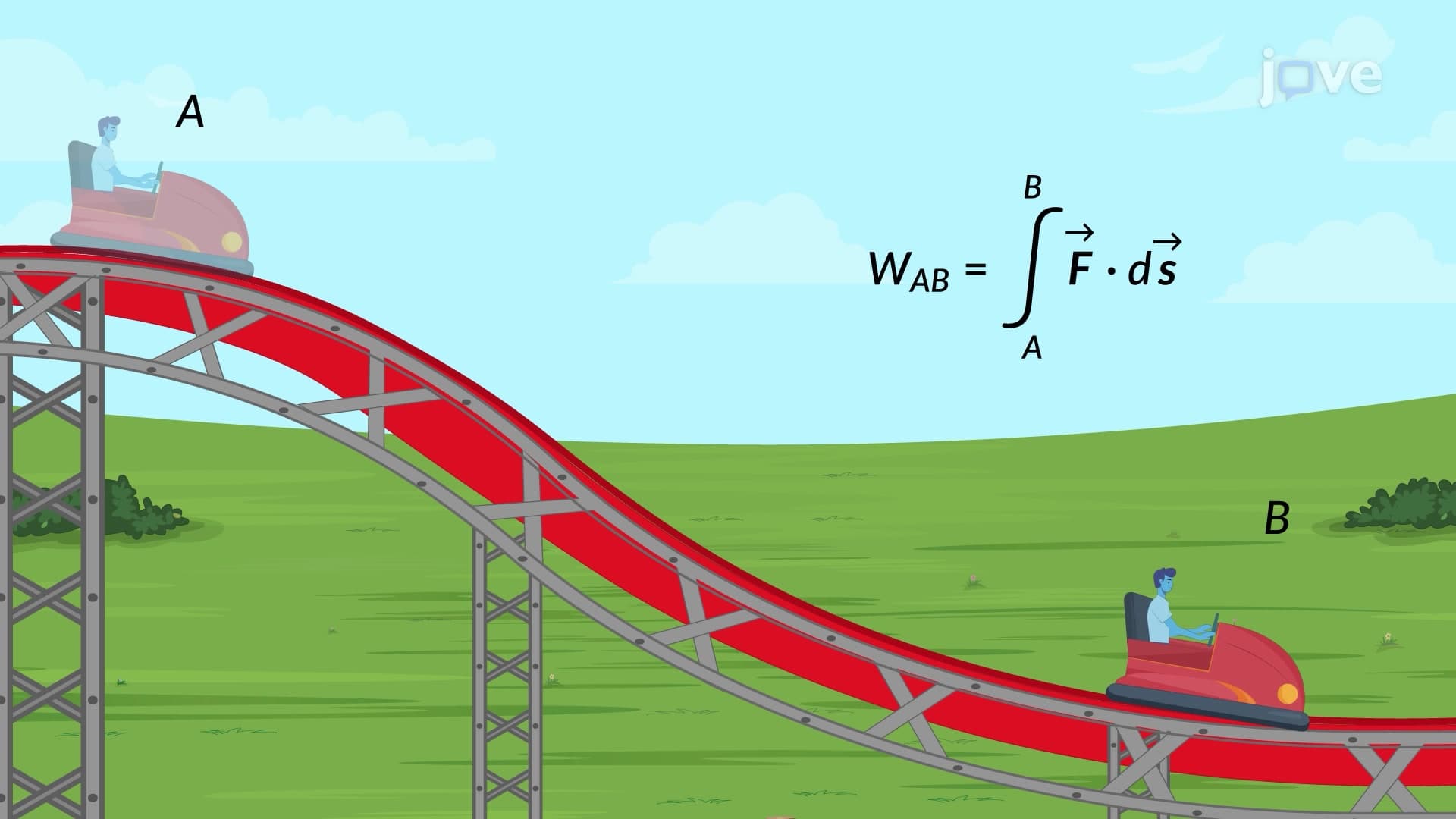
The mathematical definition, KE = ½mv², reveals profound insights about our physical world. The factor of one-half emerges from calculus-based derivations involving work and displacement, while the velocity-squared term creates the dramatic energy increases we observe in real situations. This relationship appears consistently on AP Physics exams and SAT Subject Tests, making mastery essential for academic success.
The kinetic energy i concept demonstrates fascinating relationships between mass and velocity. Consider two identical Chevrolet Silverados: one empty (6,000 lbs) and one fully loaded (10,000 lbs). At 60 mph, the loaded truck possesses significantly more kinetic energy-explaining why heavier vehicles require longer stopping distances and cause more damage in collisions.
Velocity's squared relationship creates even more dramatic effects. When a NASCAR driver accelerates from 100 to 200 mph, the car's kinetic energy doesn't merely double-it quadruples. This explains why high-speed crashes are exponentially more dangerous and why speed limits exist on highways. College physics students often struggle with this counter-intuitive relationship until they work through numerical examples.
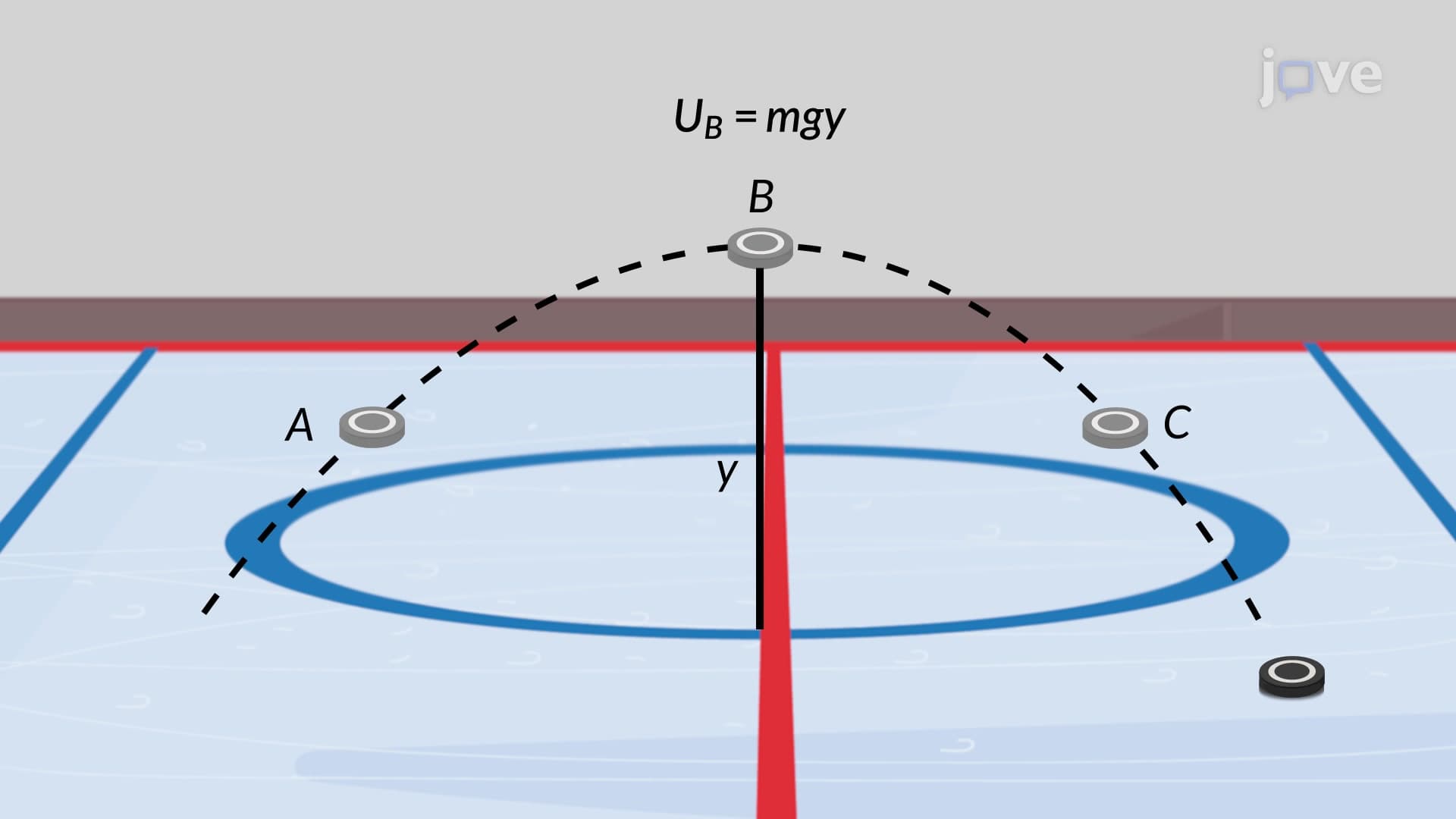
Unlike velocity, kinetic energy i is a scalar quantity, meaning it has no directional component. Whether a hockey puck moves north, south, or diagonally across the ice at 30 mph, its kinetic energy remains identical. This property simplifies energy calculations in complex systems and appears frequently in MCAT physics passages.
The always-positive nature of kinetic energy makes physical sense-negative mass doesn't exist in everyday experience, and velocity squared always yields positive results. This characteristic becomes crucial when analyzing energy conservation in pendulums, roller coasters, and other mechanical systems studied in introductory physics courses.
Engineering applications of kinetic energy i basics span countless industries. Wind turbines convert air's kinetic energy into electricity, while automotive engineers design crumple zones to absorb kinetic energy during crashes. Understanding these principles helps students excel in AP Physics problems involving energy transformations and conservation laws.
Related Micro-courses