Loading…
Loading video…

15,481 views

Did you know that COVID-19 rapid tests can miss up to 20% of actual infections? Understanding sensitivity specificity and predicted value is crucial for interpreting any medical test result correctly. These statistical measures determine how accurately diagnostic tests identify disease presence or absence in patients. For instance, when the FDA evaluates new screening tests for conditions like diabetes or cancer, they rely heavily on these metrics to ensure public safety. Sensitivity Specificity And Predicted Value Explained provides the foundation for evidence-based healthcare decisions. Watch the full video on JoVE Coach to master this concept with expert-led visuals and step-by-step explanations.
Diagnostic testing forms the backbone of modern medicine, and sensitivity specificity and predicted value serve as the gold standard metrics for evaluating test performance. These statistical measures help clinicians, researchers, and patients understand how reliable a diagnostic tool truly is. While the concept might seem complex initially, mastering these fundamentals is essential for anyone pursuing healthcare, biostatistics, or related fields.
Sensitivity measures a test's ability to correctly identify patients who actually have the disease—essentially the "true positive rate." Calculated as TP/(TP+FN), where TP represents true positives and FN represents false negatives, sensitivity answers the critical question: "If someone has the disease, what's the probability the test will detect it?"
For example, mammography screening for breast cancer has approximately 85% sensitivity, meaning it correctly identifies 85 out of 100 women who actually have breast cancer. The remaining 15% represent false negatives—concerning because these patients might delay necessary treatment. High sensitivity is particularly crucial for life-threatening conditions where missing a diagnosis could prove fatal.
Specificity evaluates a test's accuracy in identifying healthy individuals—the "true negative rate." Using the formula TN/(TN+FP), where TN represents true negatives and FP represents false positives, specificity determines how well a test avoids incorrectly labeling healthy people as diseased.
Consider PSA testing for prostate cancer, which has roughly 90% specificity. This means that among 100 men without prostate cancer, the test correctly identifies 90 as disease-free, while 10 receive false positive results. False positives can lead to unnecessary anxiety, additional testing, and potentially harmful procedures, making high specificity equally important in clinical practice.
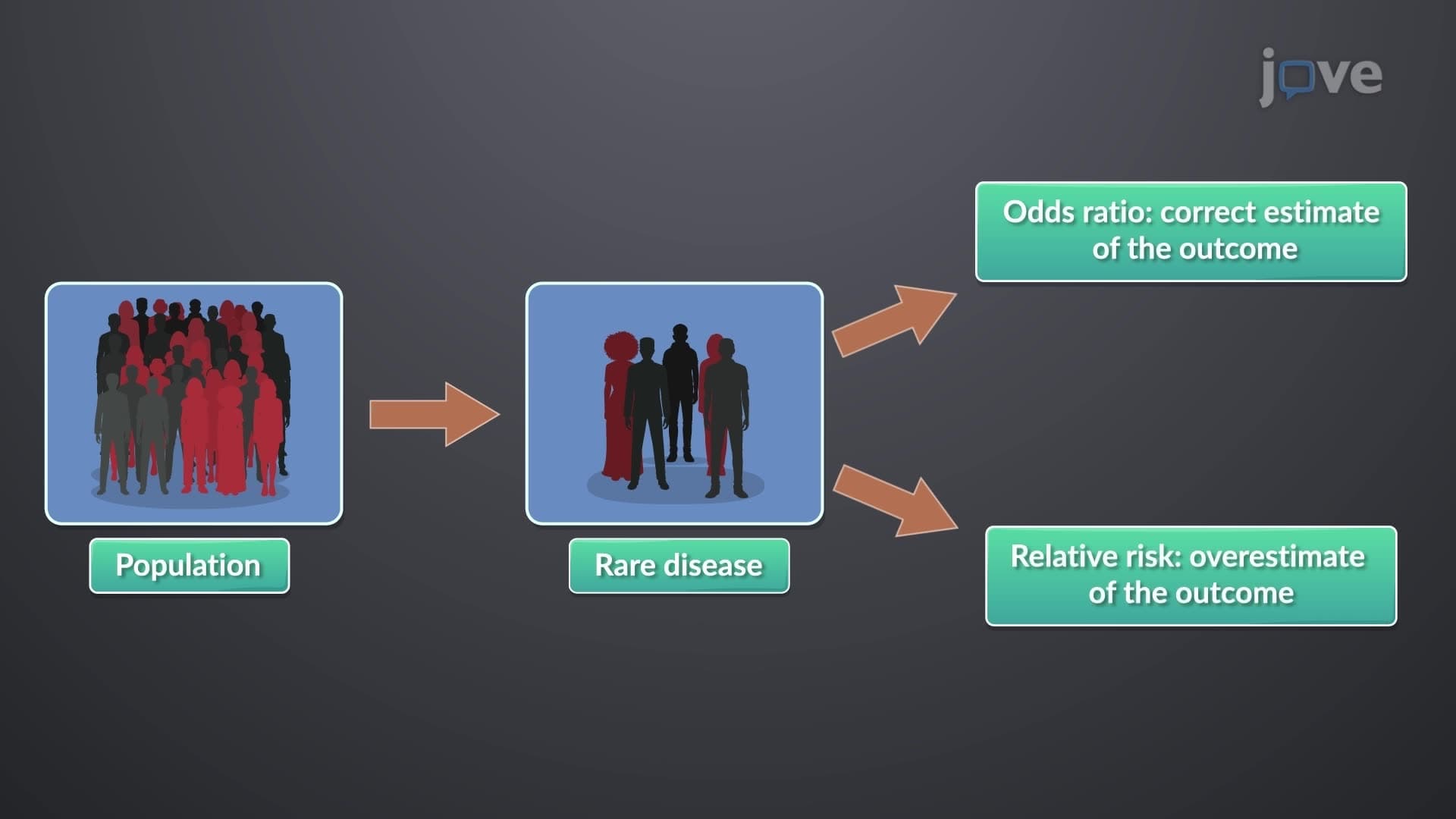
Positive predicted value (PPV) and negative predicted value (NPV) address the practical question patients ask: "Given my test result, what's the likelihood I actually have (or don't have) the disease?" Unlike sensitivity and specificity, predicted values depend heavily on disease prevalence in the tested population.
PPV, calculated as TP/(TP+FP), becomes especially relevant when interpreting positive screening results. In populations with low disease prevalence, even highly specific tests can produce numerous false positives, dramatically reducing PPV. This principle explains why routine screening recommendations vary by age group—mammograms begin at age 50 when breast cancer prevalence increases, improving the test's positive predicted value.
Students preparing for the MCAT, AP Statistics, or college biostatistics courses should focus on understanding how prevalence affects predicted values, as this relationship frequently appears in exam scenarios involving public health screening programs.
Frequently Asked Questions
These are statistical measures that evaluate diagnostic test accuracy. Sensitivity measures how well a test detects disease when present (true positive rate), specificity measures how well it identifies healthy individuals (true negative rate), and predicted values determine the probability of having or not having disease given your test result. Together, they help healthcare providers interpret test results accurately and make informed clinical decisions.
MCAT questions often present 2x2 tables with test results and ask you to calculate these metrics or interpret their clinical significance. You'll need to identify true positives, false positives, true negatives, and false negatives, then apply the appropriate formulas. Practice with scenarios involving different disease prevalences, as this affects predicted values significantly and appears frequently in passages.
AP Statistics focuses on the mathematical relationship between these concepts rather than clinical interpretation. Expect questions about conditional probability, where sensitivity and specificity represent fixed test characteristics, while predicted values change based on population prevalence. You'll likely encounter problems requiring Bayes' theorem applications in medical screening contexts.
Higher disease prevalence dramatically improves positive predicted value, even with identical sensitivity and specificity. For example, COVID-19 testing during peak outbreaks had higher PPV than during low-transmission periods, despite using the same tests. This explains why screening recommendations target high-risk populations—it maximizes the likelihood that positive results represent true disease cases rather than false alarms.
No advanced mathematics is required—just basic fraction and percentage calculations. The key is understanding the logical relationships between test results and disease status. Most introductory biostatistics, epidemiology, and health sciences courses teach these concepts at the foundational level, focusing more on interpretation than complex calculations.
Use memory aids like "SeNsitivity = SeN out" (true positives out of all diseased) and "SPecificity = SP out" (true negatives out of all healthy). Practice with 2x2 tables frequently, and remember that sensitivity focuses on the diseased column while specificity focuses on the healthy column. Creating your own practice problems with familiar diseases reinforces the pattern recognition needed for timed exams.
Radiology, pathology, emergency medicine, and preventive medicine professionals use these concepts daily when interpreting diagnostic tests. Public health specialists apply them when designing screening programs, while clinical researchers need them for study design and data interpretation. Understanding these measures also proves valuable for informed patient communication about test limitations and result interpretation.
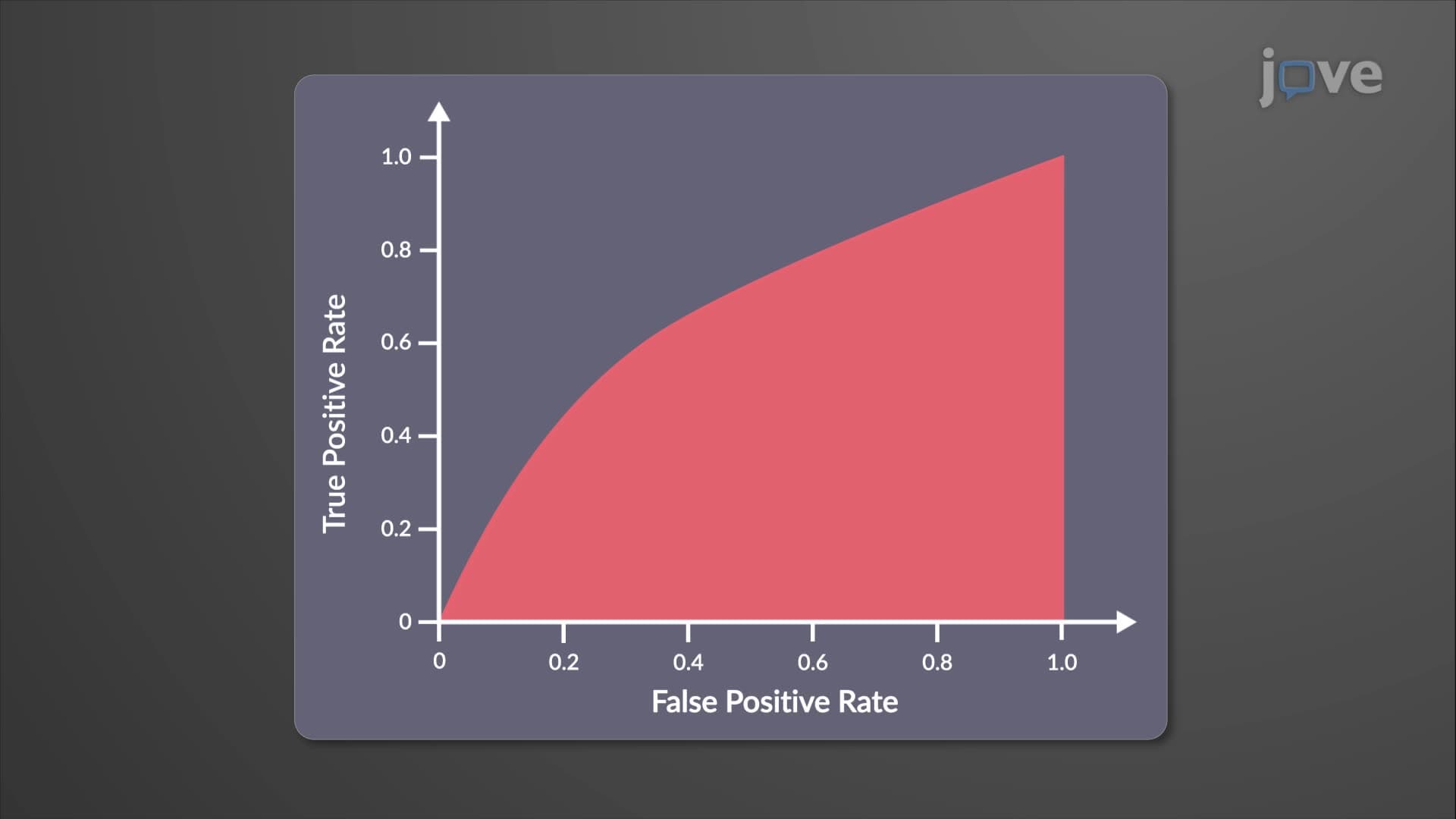
These concepts connect directly to Type I and Type II errors in hypothesis testing, conditional probability in statistics courses, and Bayes' theorem applications. They also relate to receiver operating characteristic (ROC) curves in advanced statistics, making them foundational knowledge for students planning careers in data science, biostatistics, or research methodology.
Related Micro-courses
Related Subjects
 Physics 33 micro-courses›
 Math Fundamentals 11 micro-courses›