Loading subject page…

- Statistics
- Biostatistics
- Steps in Outbreak Investigation
Micro-course: Biostatistics
15,501 views
Learn key concepts and earn your certificate.








Steps in Outbreak Investigation

00:00
01:18
Video Summary: What Is Steps in Outbreak Investigation
When 500 students at a Pennsylvania high school suddenly fell ill with food poisoning in 2019, health officials immediately launched steps in outbreak investigation to identify the source and prevent further spread. Steps in outbreak investigation provide a systematic framework that epidemiologists follow to detect, analyze, and control disease outbreaks in communities. These critical procedures helped trace the Pennsylvania outbreak to contaminated lettuce served in the cafeteria. Watch the full video on JoVE Coach to master this concept with expert-led visuals and step-by-step explanations.
- Understand the systematic approach of steps in outbreak investigation and how epidemiologists apply this framework to control disease spread in communities
- Identify the key phases of outbreak investigation, from initial detection through case confirmation and source identification
- Analyze how predictive analytics and statistical models support outbreak investigation processes and early intervention strategies
- Recognize the role of epidemiological models like SIR in predicting disease transmission patterns during outbreak investigations
- Apply statistical tools such as basic reproduction numbers and growth rates to assess outbreak severity and progression
- Evaluate how real-time data collection and analysis inform public health decision-making during active outbreaks
- Compare different data sources used in outbreak investigations, including clinical records, laboratory results, and social media analytics
- Explore how machine learning and regression models enhance traditional outbreak investigation methods for more accurate predictions
Understanding Steps in Outbreak Investigation Framework
Steps in outbreak investigation represent the gold standard methodology that public health professionals use to systematically identify, analyze, and control disease outbreaks. This evidence-based approach ensures that health departments can respond quickly and effectively when disease cases unexpectedly exceed normal levels in specific populations or geographic areas. The framework has evolved significantly since the 1950s, incorporating advanced statistical methods and digital tools that modern epidemiologists rely on daily.
Core Components of Modern Outbreak Investigation
The investigation process begins with outbreak detection and verification, where epidemiologists confirm that reported cases truly represent an unusual occurrence. This critical first step prevents unnecessary panic while ensuring genuine threats receive immediate attention. Following verification, investigators develop case definitions-precise criteria that determine which individuals qualify as confirmed, probable, or suspected cases. These definitions must be specific enough to capture true cases while remaining broad enough to avoid missing related illnesses.
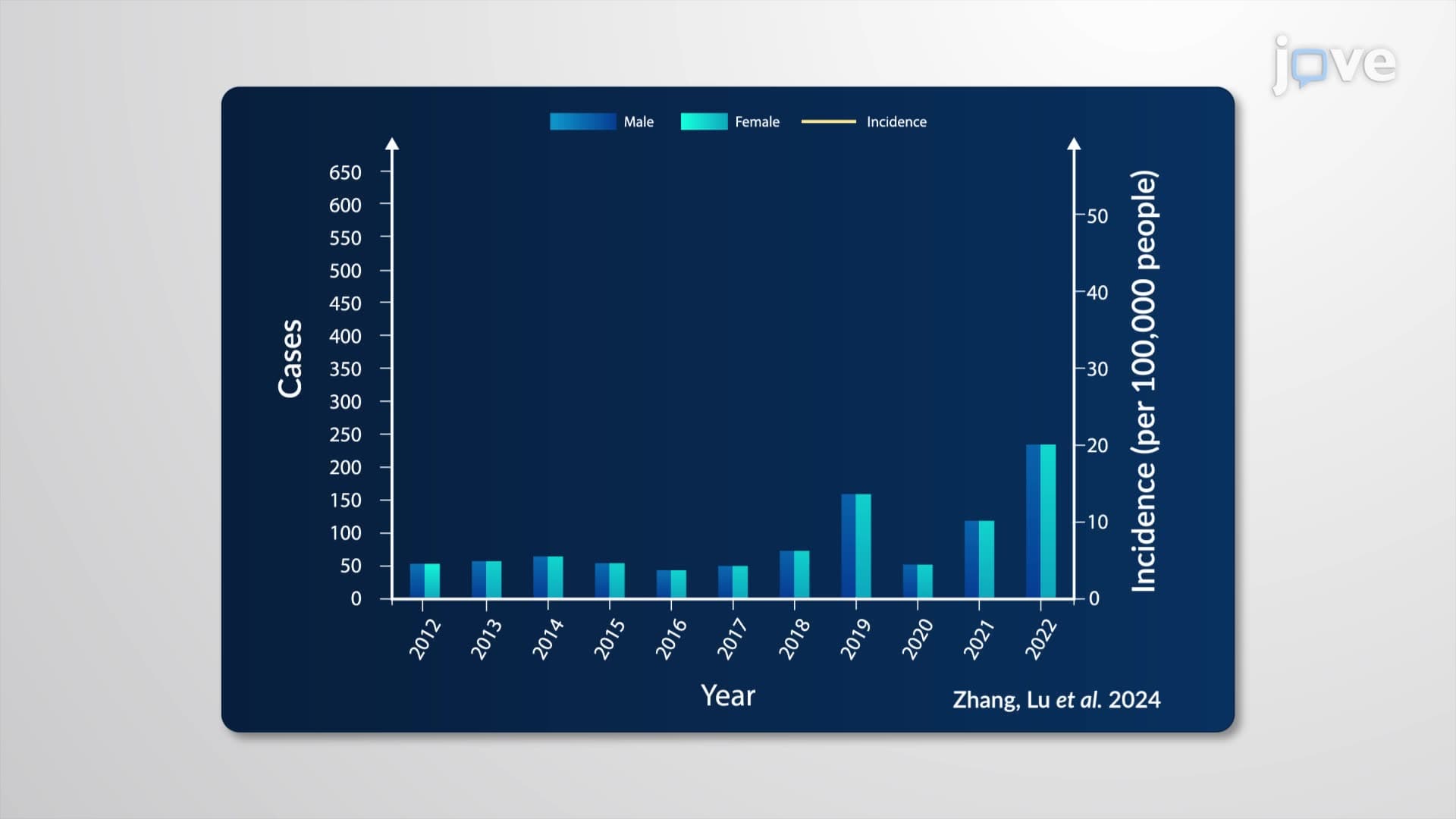
Data collection and analysis form the backbone of effective outbreak investigations. Epidemiologists gather information through detailed questionnaires, laboratory testing, and environmental assessments. They create epidemic curves (epi curves) that visualize the outbreak's progression over time, helping identify whether the outbreak stems from a common source, person-to-person transmission, or mixed patterns. Advanced statistical software like SAS and R enable investigators to process complex datasets and identify subtle patterns that might otherwise go unnoticed.
Statistical Modeling and Predictive Analytics
Modern outbreak investigations increasingly rely on sophisticated statistical models to predict disease spread and evaluate intervention effectiveness. The basic reproduction number (R0) serves as a crucial metric, indicating how many secondary infections each primary case generates. When R0 exceeds 1.0, the outbreak will likely continue spreading without intervention. Machine learning algorithms analyze diverse data sources-from hospital admission records to social media posts-to detect outbreak signals earlier than traditional surveillance methods.
Epidemiological models like SIR (Susceptible-Infected-Recovered) help investigators understand transmission dynamics and predict how interventions might affect outbreak trajectories. These models proved invaluable during recent outbreaks, including the 2014 Ebola epidemic and the COVID-19 pandemic, where accurate predictions guided resource allocation and policy decisions.
Practical Applications in Public Health Practice
Students preparing for AP Biology, college epidemiology courses, or health science programs should understand how outbreak investigation principles apply in real-world scenarios. The 2018 romaine lettuce E. coli outbreak demonstrated these steps in action: CDC investigators used traceback methods and whole genome sequencing to link cases across 36 states, ultimately identifying contaminated lettuce from Arizona as the source. This investigation showcased how modern technology enhances traditional epidemiological methods, enabling faster source identification and more targeted interventions.
Frequently Asked Questions
Steps in outbreak investigation is a systematic methodology that epidemiologists use to detect, analyze, and control disease outbreaks in communities. This structured approach ensures rapid identification of outbreak sources, prevents further disease transmission, and protects public health. The framework has successfully contained countless outbreaks, from foodborne illnesses in school cafeterias to respiratory disease clusters in nursing homes.
The MCAT frequently tests outbreak investigation concepts within epidemiology and public health passages, particularly focusing on study design and statistical interpretation. AP Biology exams may include questions about disease transmission patterns, population dynamics, and ecological relationships in disease spread. Students should understand basic reproduction numbers, epidemic curves, and how environmental factors influence outbreak patterns.
Focus on understanding basic reproduction numbers (R0), attack rates, and epidemic curve interpretation for most college exams. Advanced courses may require knowledge of SIR models, confidence intervals for outbreak detection, and regression analysis for risk factor identification. Practice calculating incidence rates and interpreting statistical significance in outbreak contexts, as these frequently appear on midterm and final examinations.
During foodborne illness investigations, epidemiologists interview patients about foods consumed, collect biological samples for laboratory analysis, and inspect food preparation facilities. The 2019 McDonald's salad outbreak exemplifies this process: investigators used purchase records and ingredient tracing to identify contaminated lettuce, leading to nationwide product recalls and restaurant closures until the source was eliminated.
Basic algebra and introductory statistics provide sufficient foundation for understanding core outbreak investigation principles. Students should be comfortable with percentages, ratios, and simple probability concepts. While advanced epidemiological research requires sophisticated statistical knowledge, introductory courses focus on conceptual understanding rather than complex mathematical calculations.
Create timeline diagrams showing investigation steps from detection through control measures, and practice interpreting epidemic curves from real outbreak examples. Use case studies like the 2008 salmonella outbreak linked to peanut products to understand how investigators apply theoretical concepts in practice. Focus on understanding the logical flow between investigation steps rather than memorizing isolated facts.
Outbreak investigation builds directly on study design principles, biostatistics, and infectious disease epidemiology concepts. Students should explore surveillance systems, which detect outbreaks before investigation begins, and environmental health topics that address exposure assessment. Advanced students may investigate molecular epidemiology methods that use genetic sequencing to track pathogen transmission patterns.
The CDC, state health departments, and local public health agencies employ outbreak investigators as epidemic intelligence service officers and field epidemiologists. Hospital infection control specialists apply similar principles in healthcare settings, while federal agencies like the FDA use outbreak investigation methods for food safety monitoring. Academic institutions and consulting firms also hire epidemiologists with outbreak investigation expertise for research and policy development.
Related Micro-courses


