Loading subject page…

15,502 views

Video Summary: What are Principles of Disease Surveillance
Did you know the CDC tracks over 120 notifiable diseases across all 50 states in real-time? The principles of disease surveillance form the foundation of how public health officials detect, monitor, and respond to health threats in our communities. From tracking COVID-19 outbreaks to monitoring seasonal flu patterns, these systematic data collection methods helped the CDC coordinate responses during the 2020 pandemic. Understanding what are principles of disease surveillance reveals how health departments transform raw data into life-saving public health actions. Watch the full video on JoVE Coach to master this concept with expert-led visuals and step-by-step explanations.
The principles of disease surveillance represent the systematic approach that transforms scattered health information into actionable intelligence for protecting communities. These principles guide how the Centers for Disease Control and Prevention (CDC), state health departments, and local agencies monitor everything from foodborne illnesses to chronic disease trends across American populations.
At its core, disease surveillance operates on the principle that comprehensive, timely, and accurate data collection enables early detection of health threats and guides appropriate responses. This systematic approach proved crucial during recent public health emergencies, including the COVID-19 pandemic, where surveillance data informed everything from school closure decisions to vaccine distribution strategies.
Effective surveillance systems must achieve population-based coverage, meaning they capture health events across entire communities rather than just hospital patients or specific demographic groups. The types of principles of disease surveillance include this comprehensive approach because disease patterns often emerge at the community level before appearing in clinical settings.
For example, the CDC's National Notifiable Diseases Surveillance System (NNDSS) requires healthcare providers and laboratories across all states to report specific conditions, ensuring no geographic blind spots exist. This comprehensive coverage proved essential during the 2014-2016 Zika virus outbreak, when surveillance data revealed transmission patterns across southern states before widespread clinical recognition occurred.
Data comprehensiveness extends beyond just counting cases-it includes demographic information, risk factors, geographic distribution, and temporal trends. This breadth enables public health officials to identify vulnerable populations, predict future spread, and target interventions effectively.
The principle of timeliness ensures surveillance data reaches decision-makers rapidly enough to enable effective responses. Different health threats require different reporting timelines: foodborne outbreaks need immediate reporting (within 24 hours), while chronic disease surveillance may operate on monthly or quarterly cycles.
High-quality data represents another fundamental principle, requiring accuracy, reliability, and validity. However, surveillance systems must balance quality with speed-waiting for perfect data often means missing opportunities for intervention. The CDC's approach during COVID-19 demonstrated this balance, using preliminary data for immediate responses while continuously refining data quality for long-term analysis.
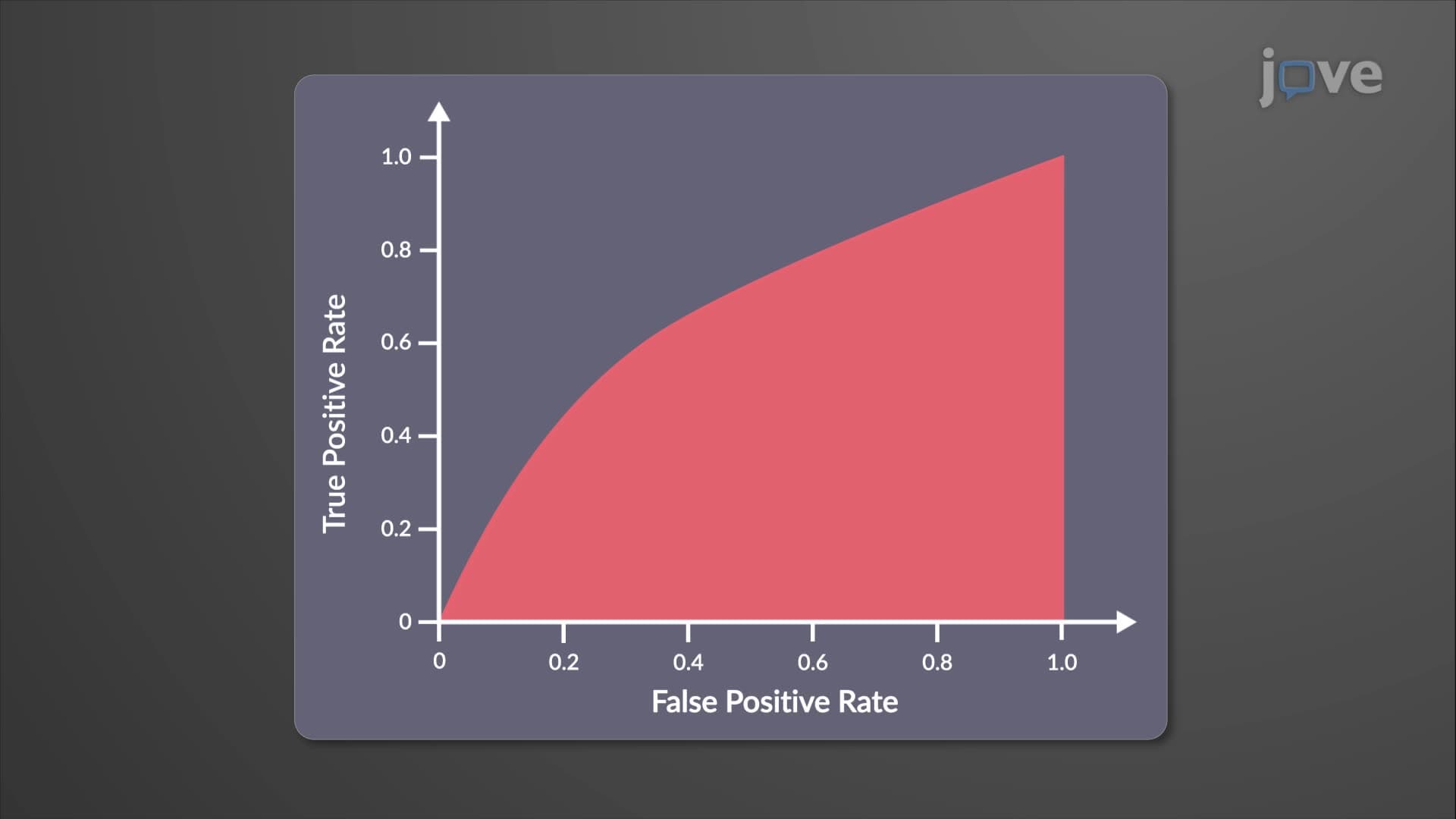
Surveillance systems must optimize sensitivity (detecting true disease events) while maintaining specificity (avoiding false alarms). High sensitivity ensures no outbreaks go undetected, but excessive sensitivity can overwhelm response capacity with false positives. The principle of balanced detection helps systems like the CDC's BioSense Platform monitor emergency department visits for unusual patterns without triggering unnecessary investigations.
Integration with existing health systems amplifies surveillance effectiveness by connecting clinical data, laboratory results, and community health information. This integrated approach enables comprehensive analysis across different health domains, supporting both immediate outbreak responses and long-term public health planning. Students preparing for MCAT public health sections or AP Biology exams should understand how these principles work together to create robust disease monitoring systems that protect community health.
Related Micro-courses