Loading subject page…


15,502 views


Video Summary: Bradford Hill Criteria for Causality Principles and Application Ii
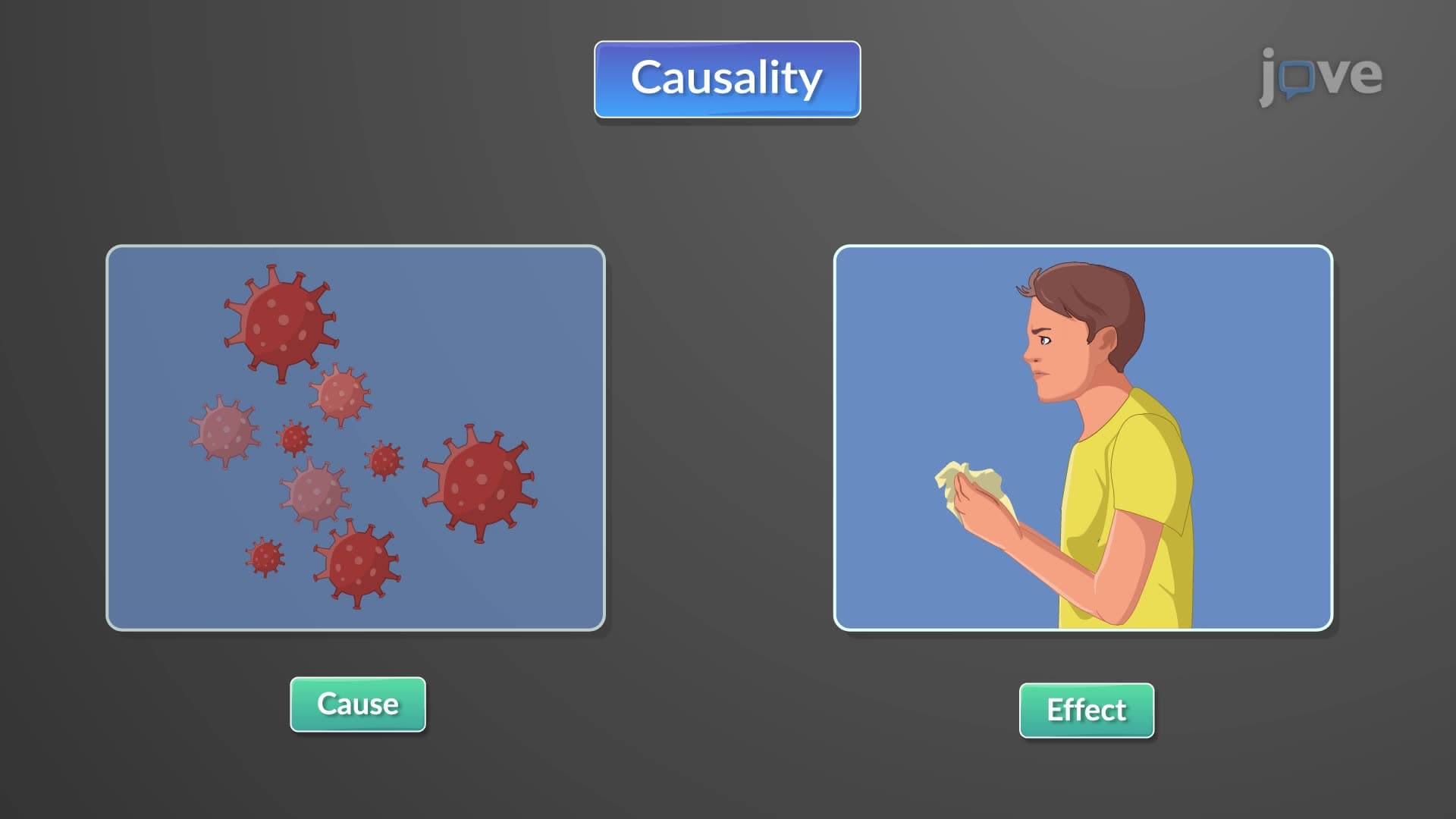
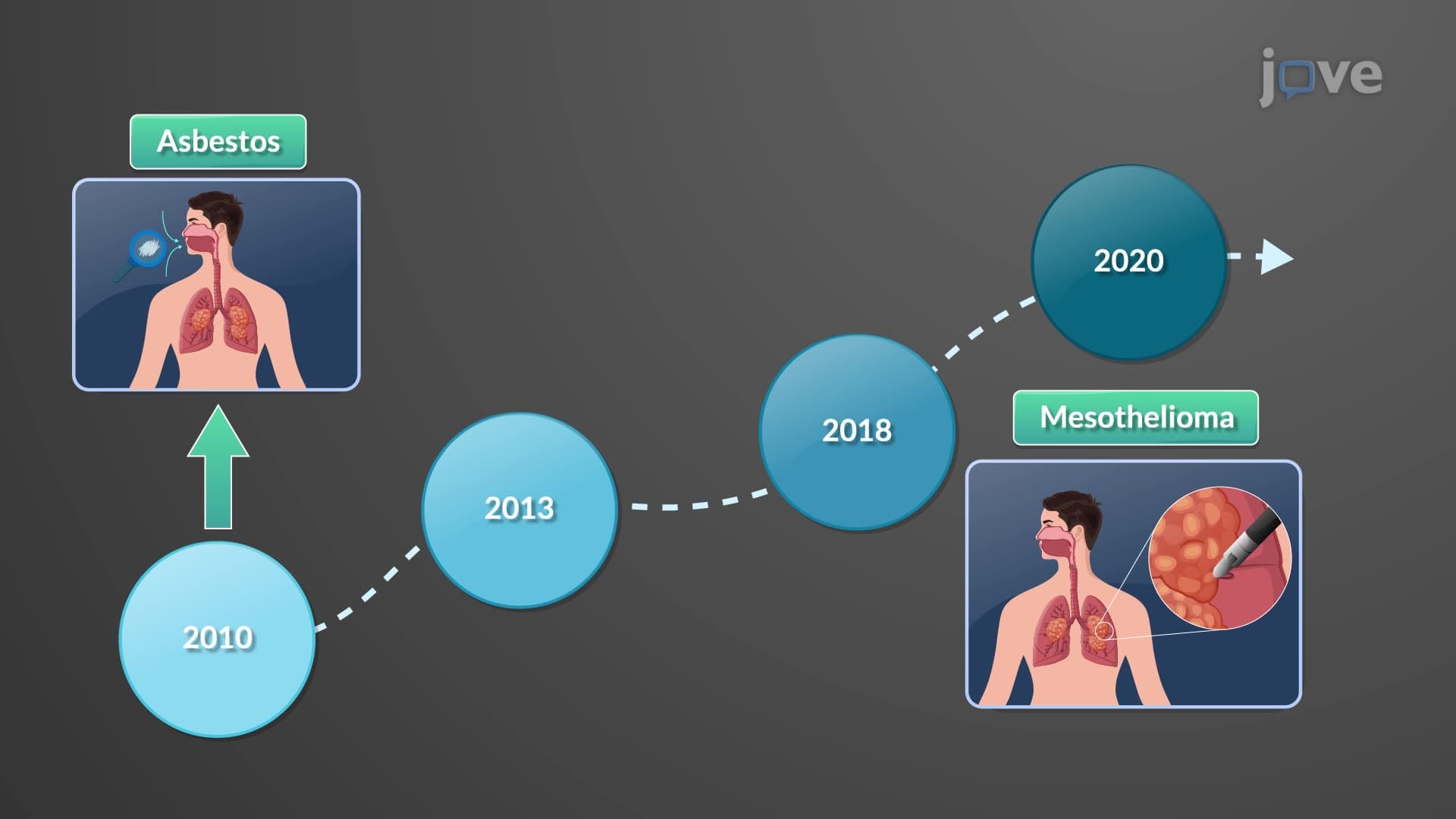
Why do some workplace exposures cause disease while others don't, and how do epidemiologists determine which environmental factors truly cause harm? The Bradford Hill criteria for causality: principles and application II provide essential tools for establishing causal relationships in public health research. These five remaining criteria-biological gradient, plausibility, coherence, experiment, and analogy-help researchers determine whether associations represent genuine cause-and-effect relationships, such as the established link between asbestos exposure levels in US construction sites and mesothelioma risk. Watch the full video on JoVE Coach to master this concept with expert-led visuals and step-by-step explanations.
The second set of Bradford Hill criteria builds upon foundational epidemiological principles to provide robust frameworks for establishing causation. These five criteria-biological gradient, plausibility, coherence, experiment, and analogy-represent sophisticated tools that public health professionals, environmental scientists, and medical researchers use daily to distinguish true causal relationships from mere statistical associations.
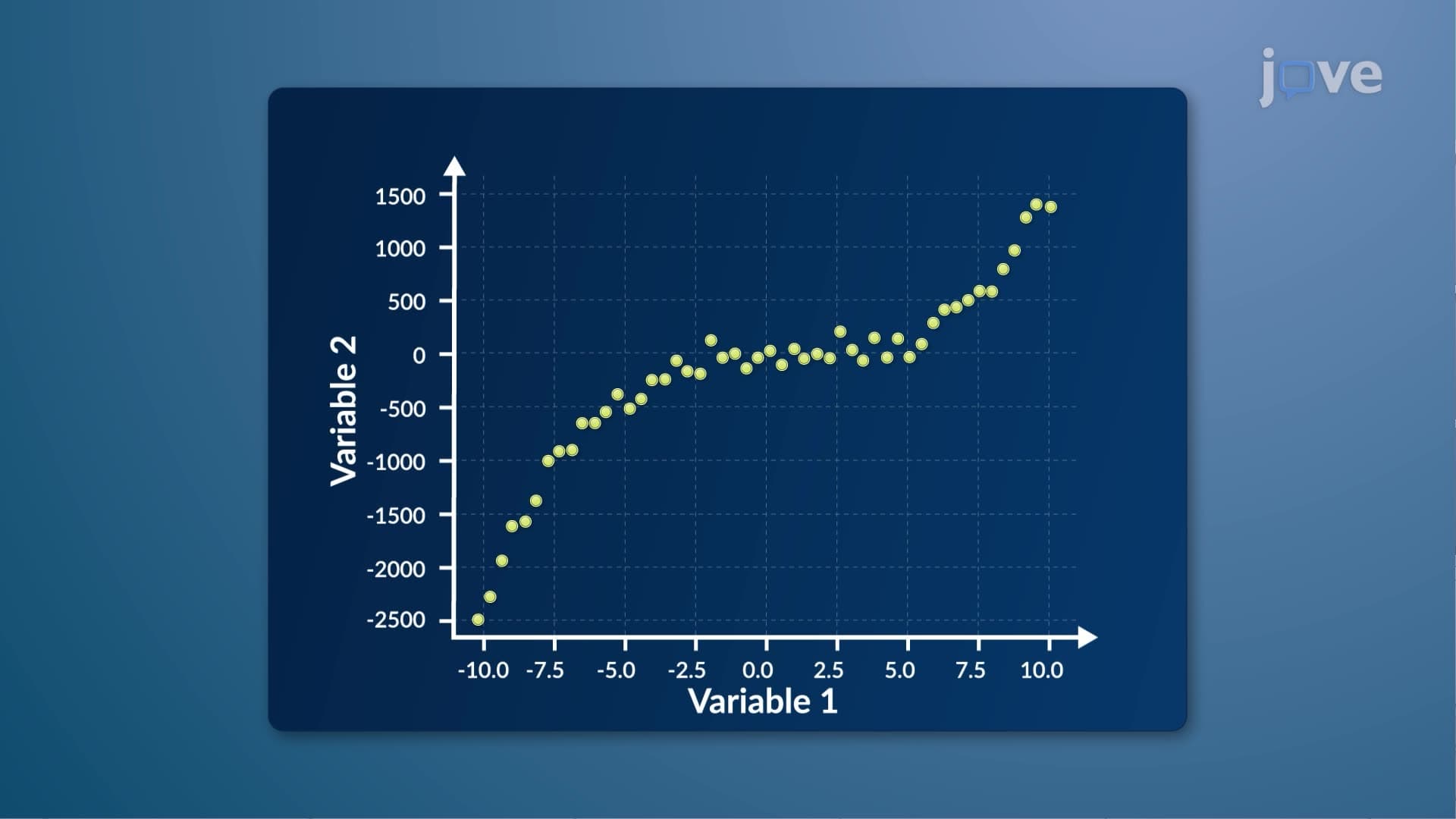
The biological gradient criterion, commonly known as dose-response relationship, forms a cornerstone of causal inference. This principle states that increasing levels of exposure should generally produce proportional increases in disease risk or severity. In occupational health studies conducted by the National Institute for Occupational Safety and Health (NIOSH), researchers consistently observe this pattern. For example, coal miners with longer underground exposure durations show progressively higher rates of pneumoconiosis, while radiologic technicians demonstrate increased cancer risks correlating with cumulative radiation exposure measured in millisieverts.
This criterion proves particularly valuable in MCAT preparation and AP Environmental Science coursework, where students must interpret epidemiological data. However, biological gradients aren't always linear-some substances exhibit threshold effects or plateau responses that still support causality.
Biological plausibility requires that proposed causal mechanisms align with established scientific knowledge. The carcinogenic effects of benzene in petroleum workers demonstrate plausibility because laboratory studies show benzene's ability to damage DNA and disrupt cellular repair mechanisms. Similarly, the teratogenic effects of alcohol during pregnancy satisfy plausibility criteria based on understanding of fetal development and alcohol's molecular effects.
Coherence extends this concept by requiring that causal interpretations don't contradict known disease patterns, natural history, or biological understanding. When evaluating whether cell phone radiation causes brain tumors, researchers examine coherence by comparing proposed mechanisms with established knowledge of electromagnetic radiation physics and cellular biology.
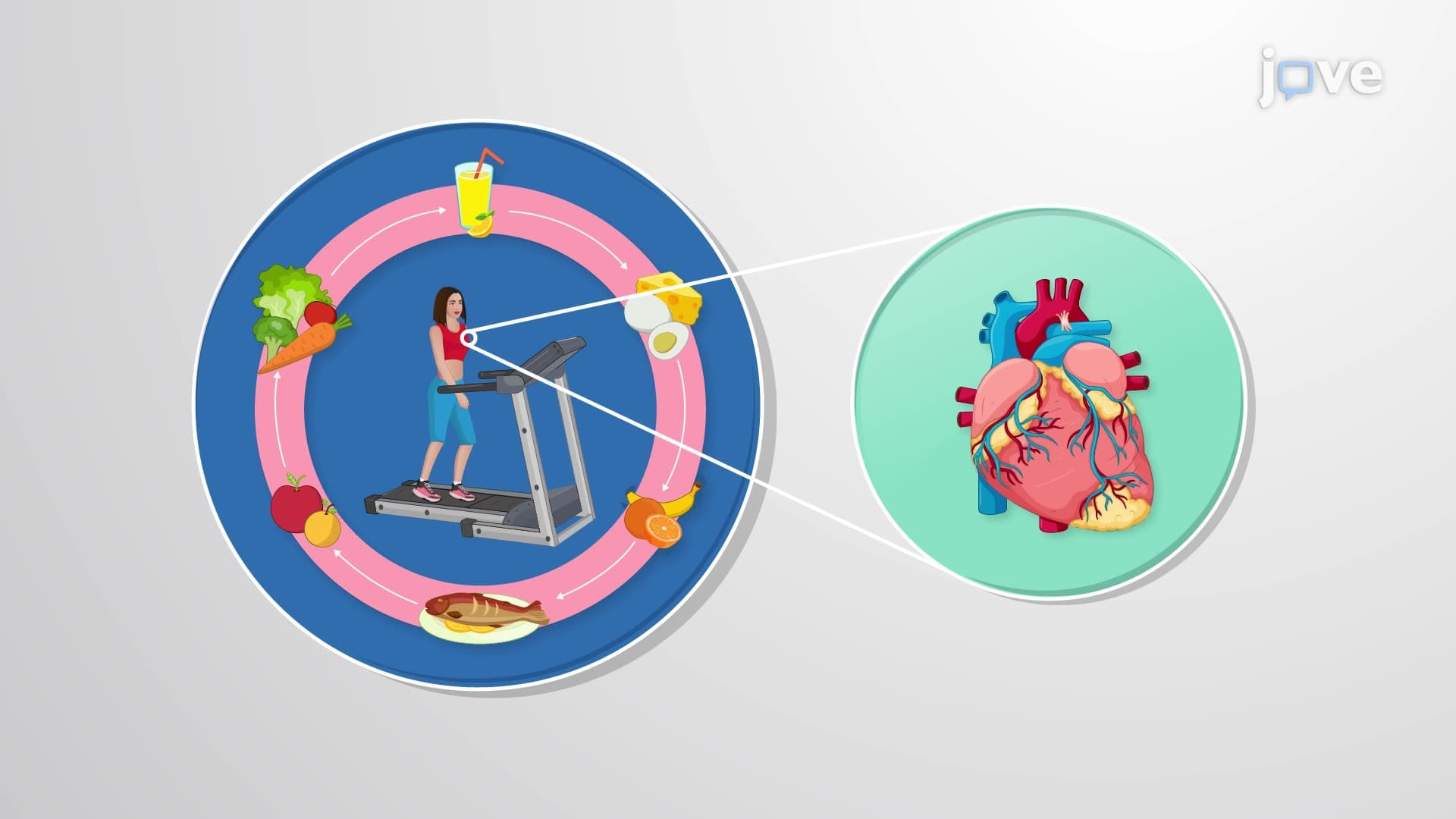
The experimental criterion represents the gold standard for causal proof, though ethical constraints often limit its application in human studies. Instead, researchers rely on natural experiments, intervention studies, and carefully designed clinical trials. The Framingham Heart Study exemplifies how long-term observational studies with experimental components strengthen causal arguments about cardiovascular disease risk factors.
Analogical reasoning allows researchers to apply established causal relationships to evaluate new exposures. The thalidomide tragedy of the 1960s created a powerful analogy for evaluating teratogenic potential in other pharmaceutical compounds, leading to enhanced FDA drug approval processes still used today.
Related Micro-courses