Loading video…


 12 Concepts
 53.7K views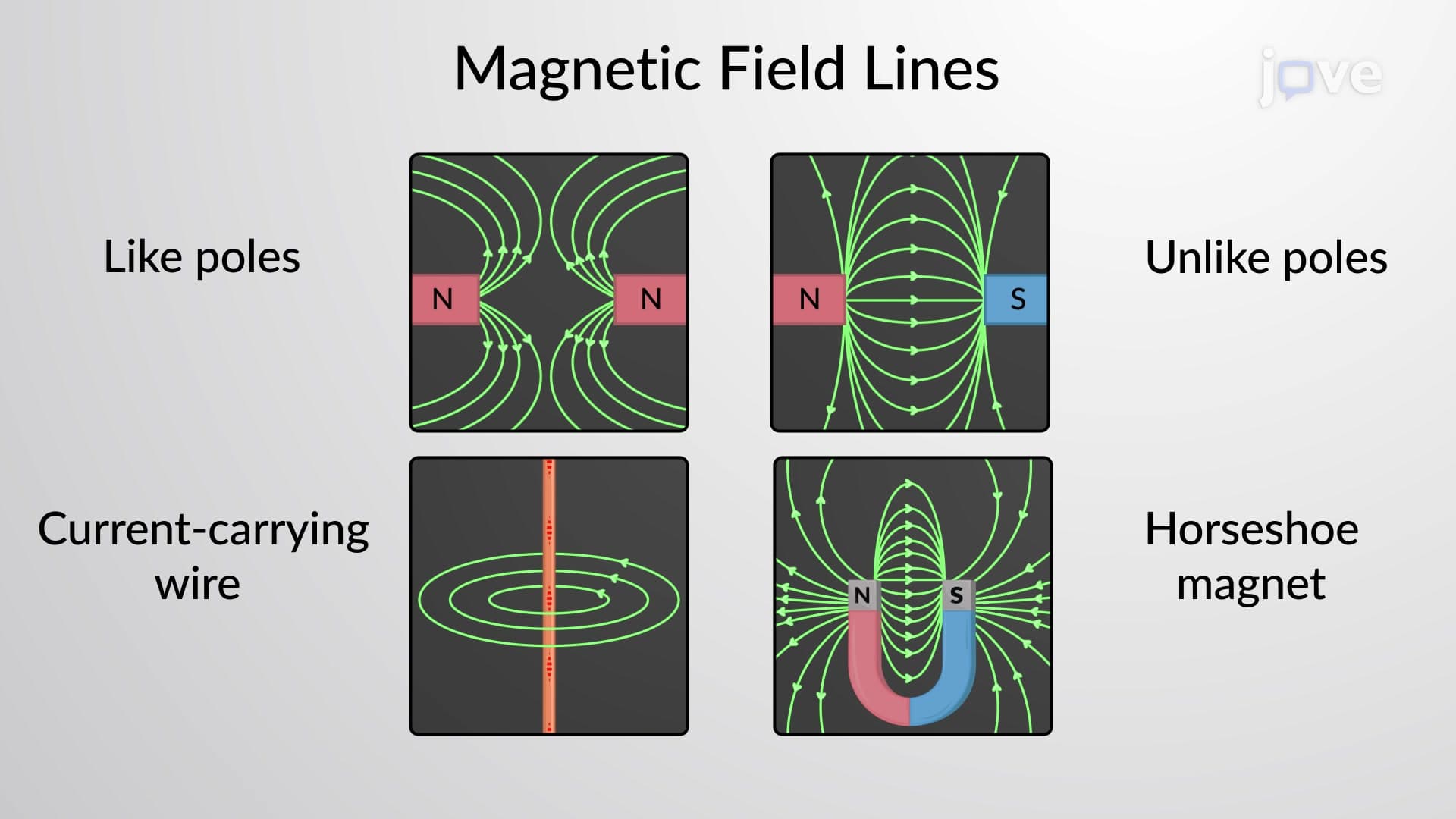

Video Summary: What Is Magnetic Field Lines
Ever wonder how your smartphone's compass knows which way is north, or how MRI machines at hospitals like Johns Hopkins create detailed body images? Magnetic field lines provide the invisible roadmap that makes these technologies possible. These imaginary lines reveal the strength and direction of magnetic forces, appearing as patterns when iron filings align around magnets or when compass needles point toward magnetic north. Watch the full video on JoVE Coach to master this concept with expert-led visuals and step-by-step explanations.
Magnetic field lines serve as a powerful visualization tool that transforms invisible magnetic forces into comprehensible patterns. These imaginary lines map out the three-dimensional structure of magnetic fields, showing both the direction and relative strength of magnetic forces at every point in space. Think of them as highways that magnetic objects would naturally follow-just like how iron filings spontaneously align when sprinkled around a magnet.
The magnetic field lines definition encompasses several critical properties that make them invaluable for physics analysis. First, these lines always originate from north poles and terminate at south poles, creating a consistent directional flow. This direction matches exactly where a compass needle's north end would point if placed at any location along the line. Second, magnetic field lines invariably form closed loops-they never have true endpoints, as they continue through the magnet's interior from south pole back to north pole.
A crucial characteristic involves line density and field strength. Where magnetic field lines cluster tightly together (like near magnetic poles), the magnetic force is strongest. Conversely, widely spaced lines indicate weaker magnetic fields. This relationship proves essential for solving AP Physics problems and understanding real-world applications like magnetic levitation trains used in transportation research at universities like MIT.
The non-intersection rule represents a fundamental principle in electromagnetic theory. If two magnetic field lines crossed at a point, it would imply that a compass placed there could simultaneously point in two different directions-a physical impossibility. This constraint ensures that magnetic field maps remain logically consistent and mathematically sound, a concept frequently tested on college physics exams and MCAT preparation.
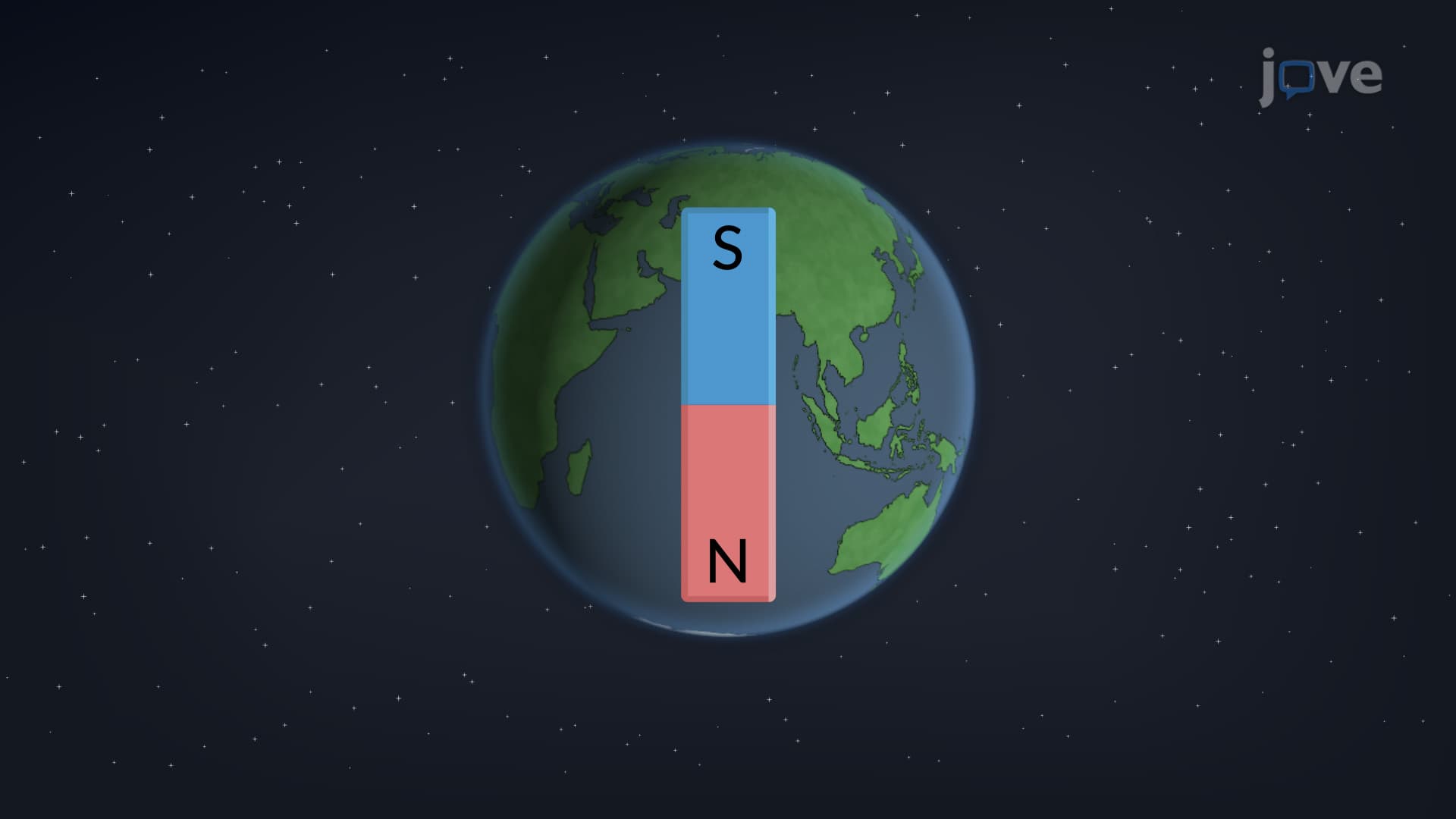
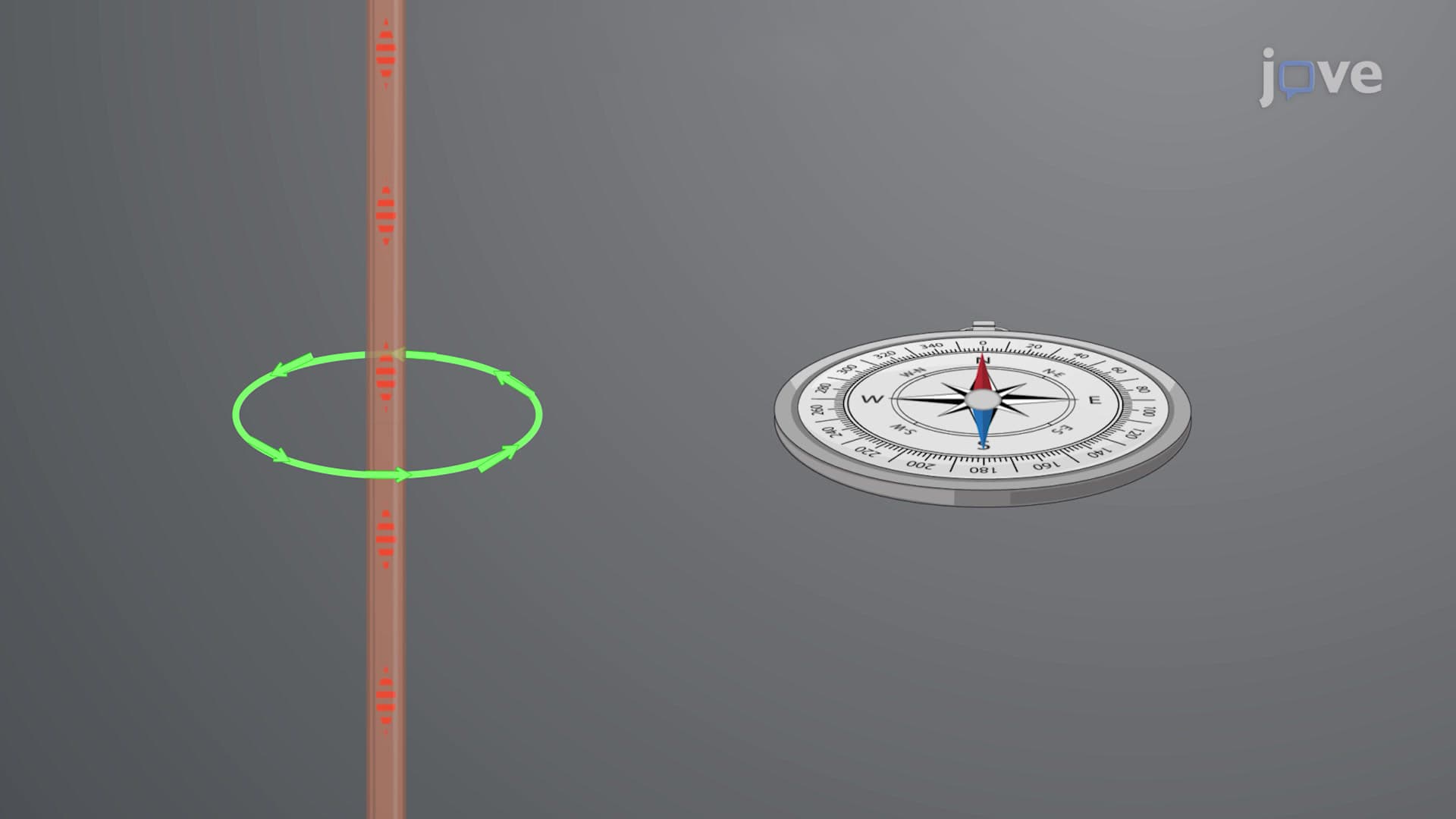
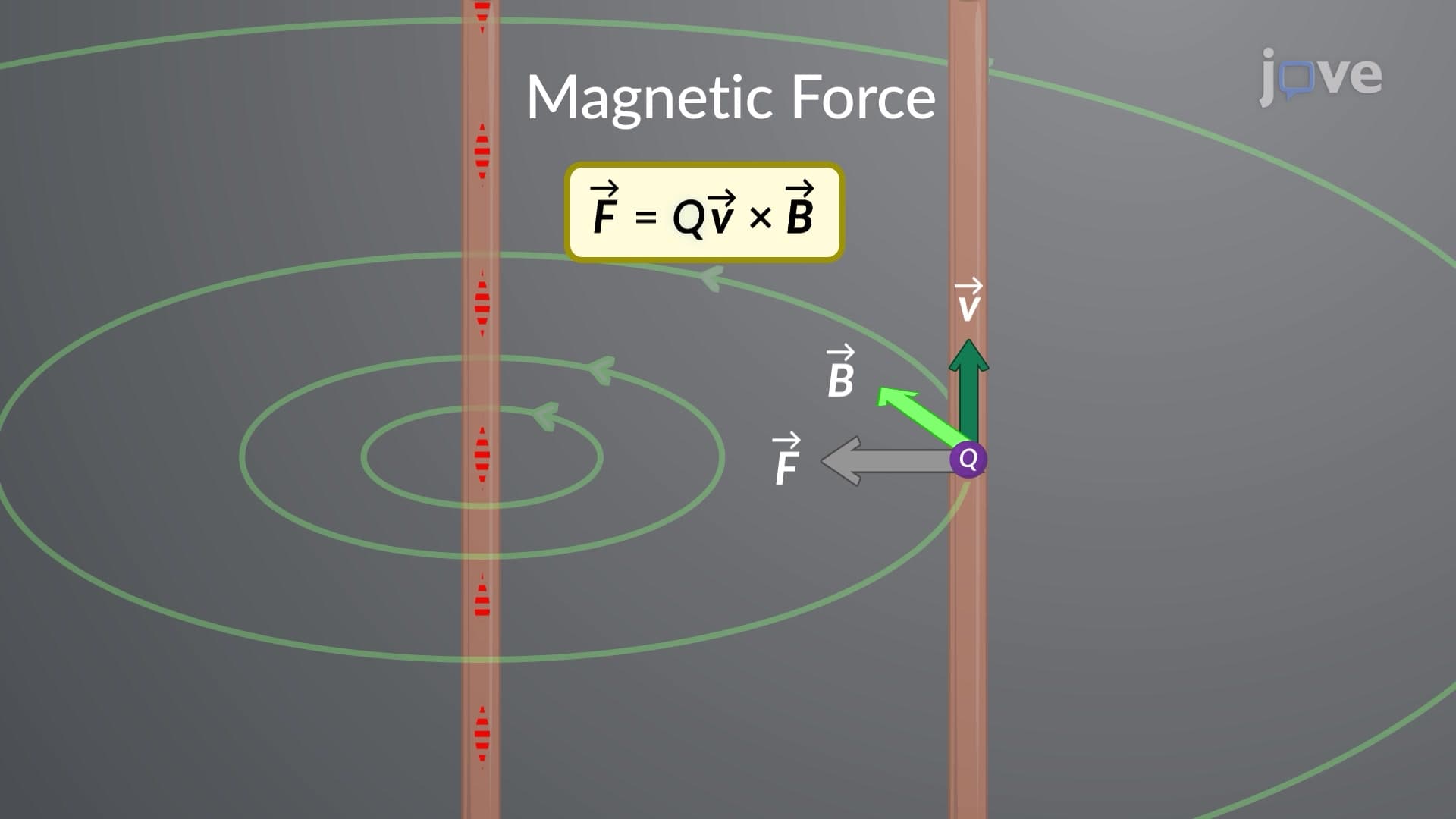
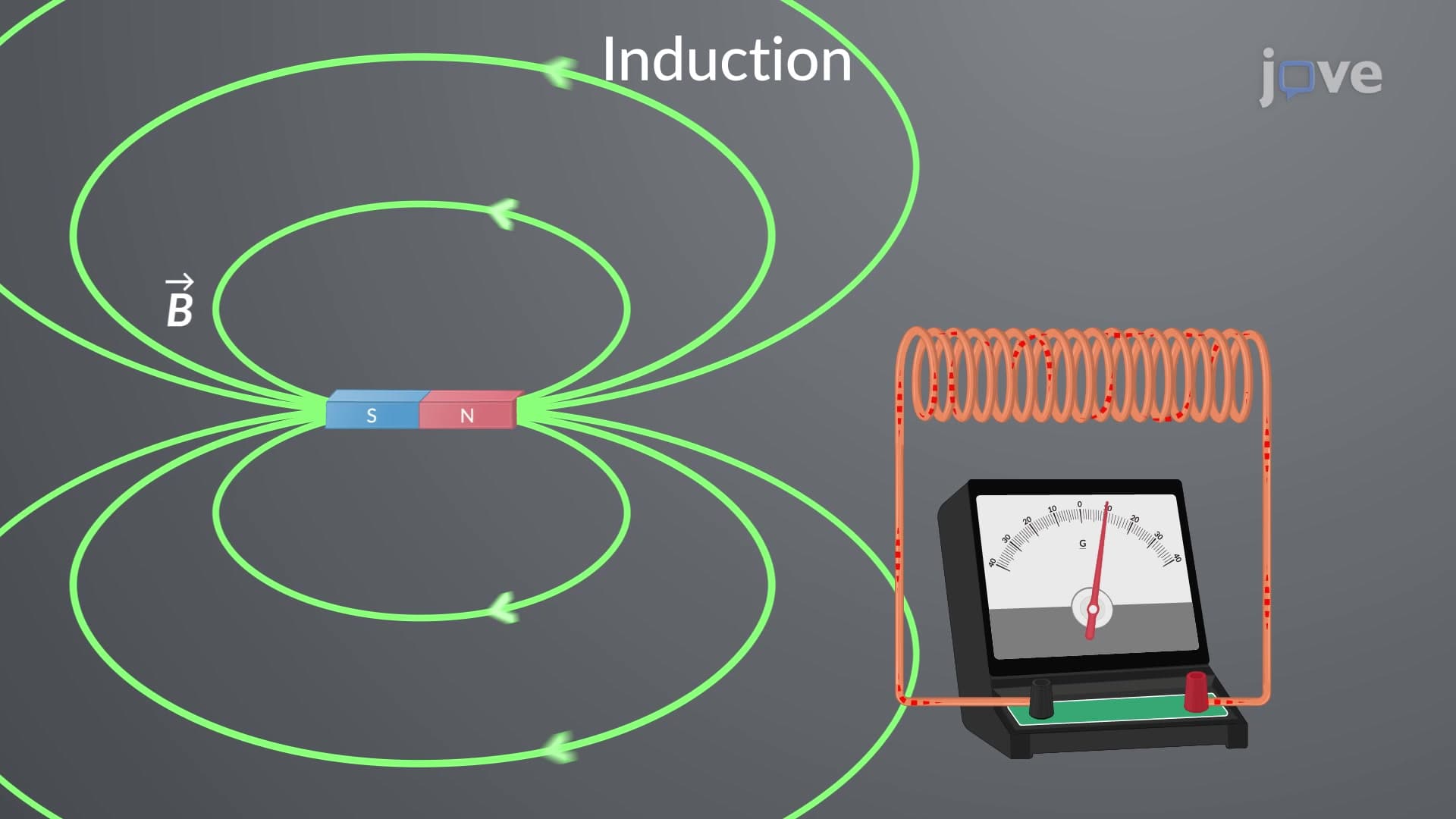
Different magnetic configurations produce distinctive field line patterns that appear regularly in academic settings and professional applications. Bar magnets create the classic pattern with lines arcing from north to south poles, while horseshoe magnets concentrate field lines between their poles for maximum strength. Current-carrying wires generate circular field line patterns, fundamental to understanding electric motors in Tesla vehicles manufactured in US factories. These patterns help explain everything from Earth's magnetic field protection against solar radiation to the precise magnetic resonance imaging used in American hospitals for medical diagnostics.
Related Micro-courses