Loading video…


 12 Concepts
 53.7K views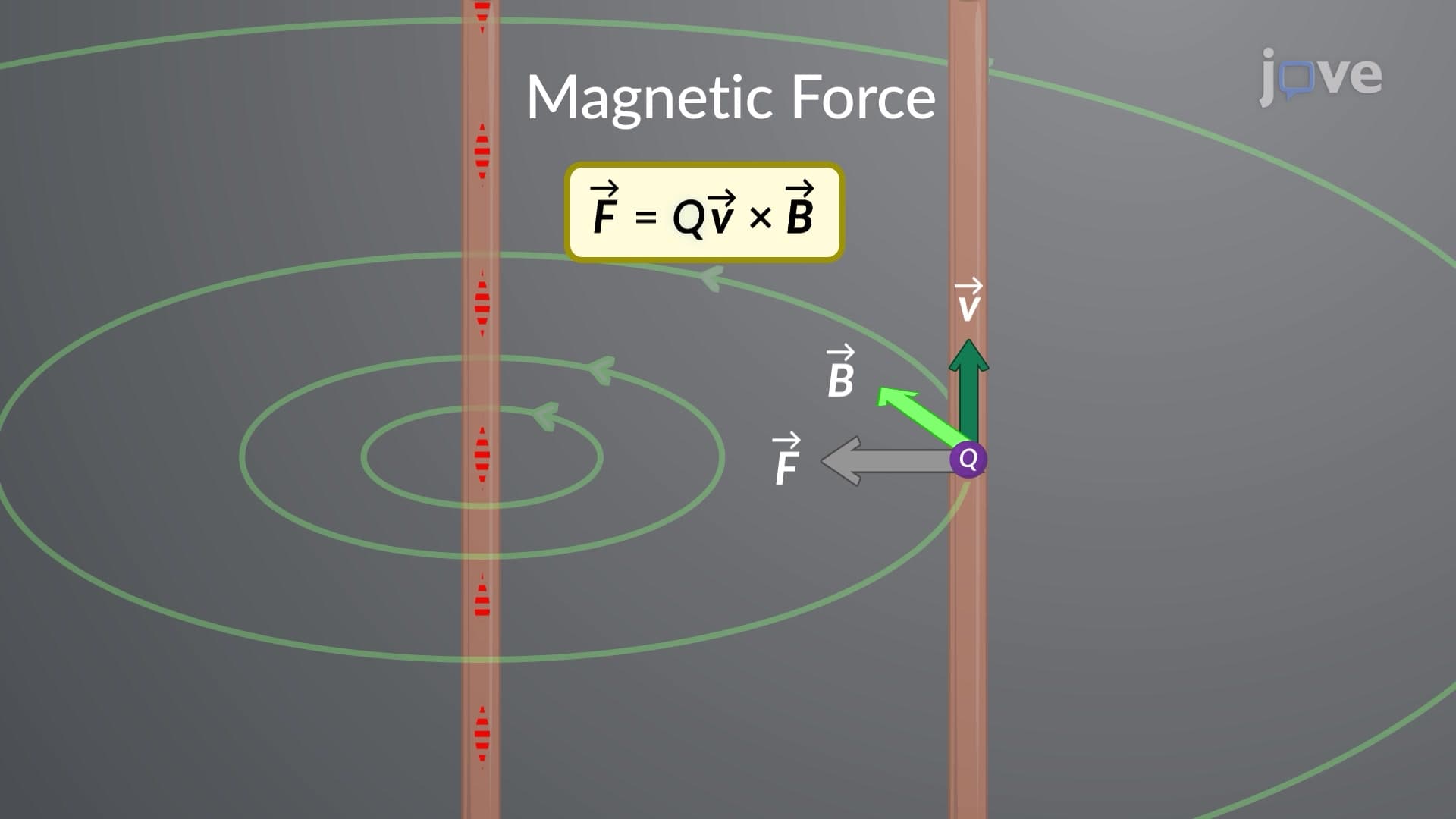

Video Summary: What Is Magnetic Force
Ever wonder why MRI machines at US hospitals can pull metal objects across rooms with invisible power? Magnetic force creates this phenomenon when electric currents generate magnetic fields that interact with charged particles and magnetic materials. Unlike electric forces that act between charged objects, magnetic forces emerge from moving charges and current-carrying wires, following precise directional rules like the right-hand rule. Watch the full video on JoVE Coach to master this concept with expert-led visuals and step-by-step explanations.
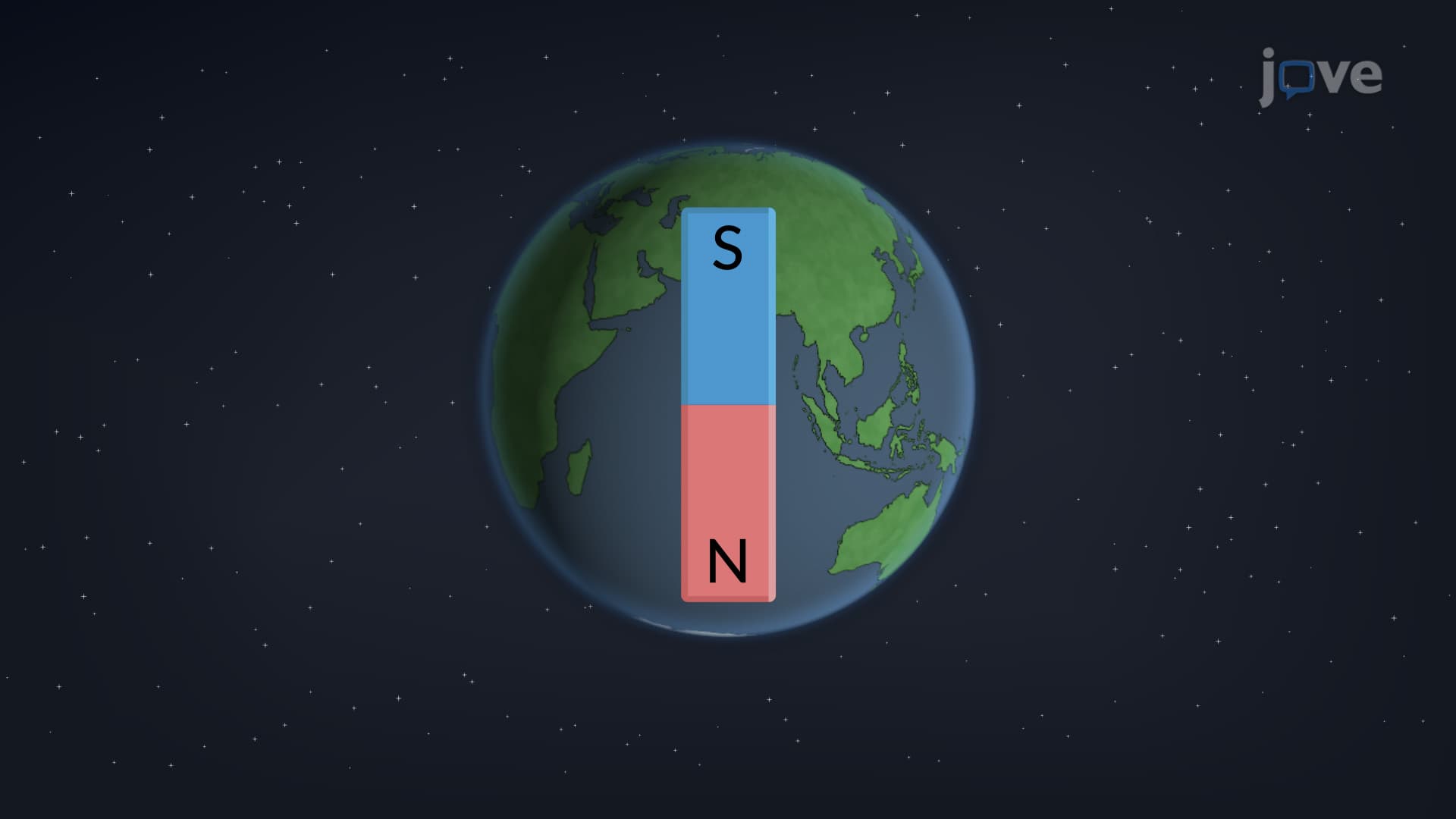
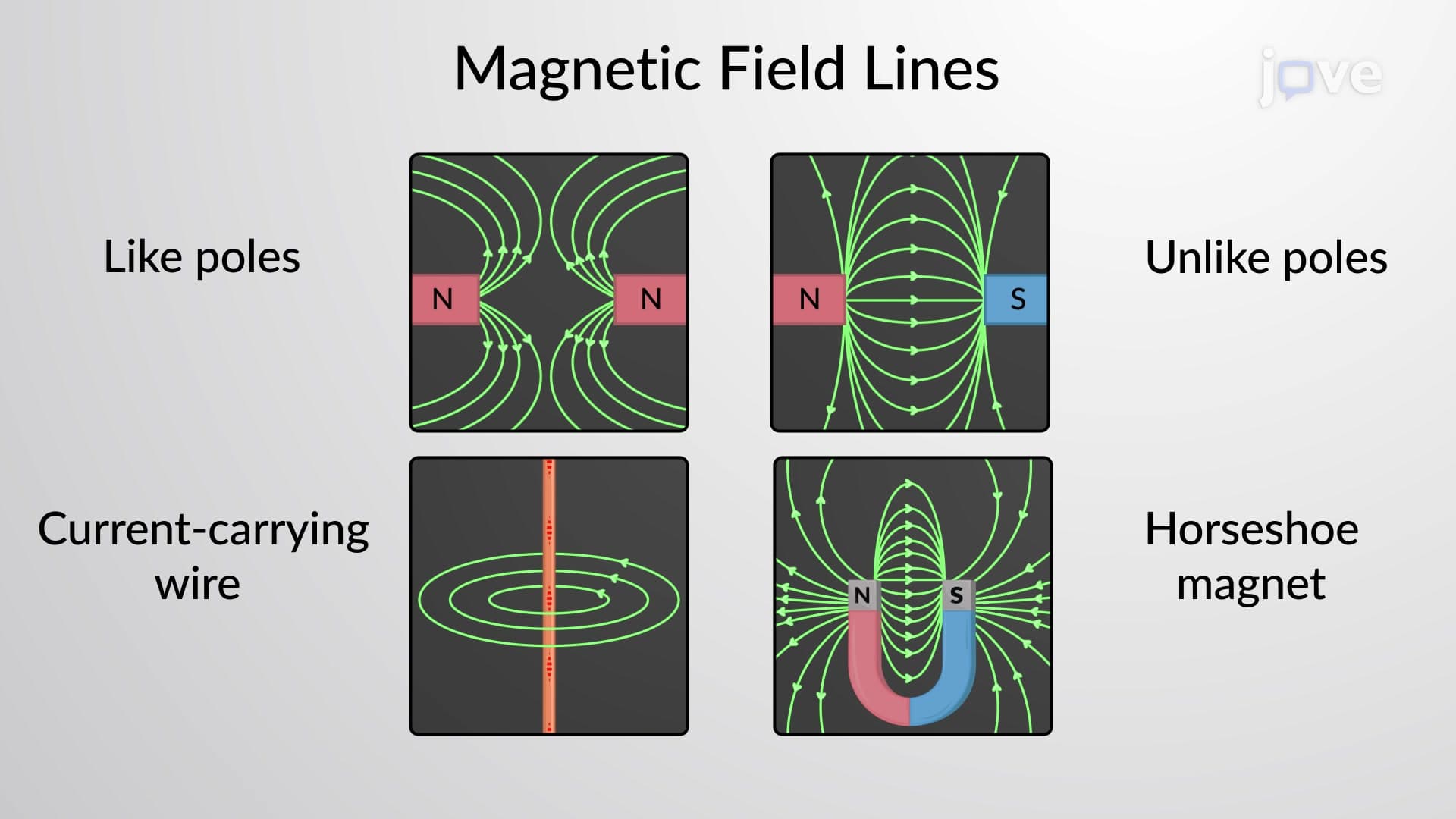
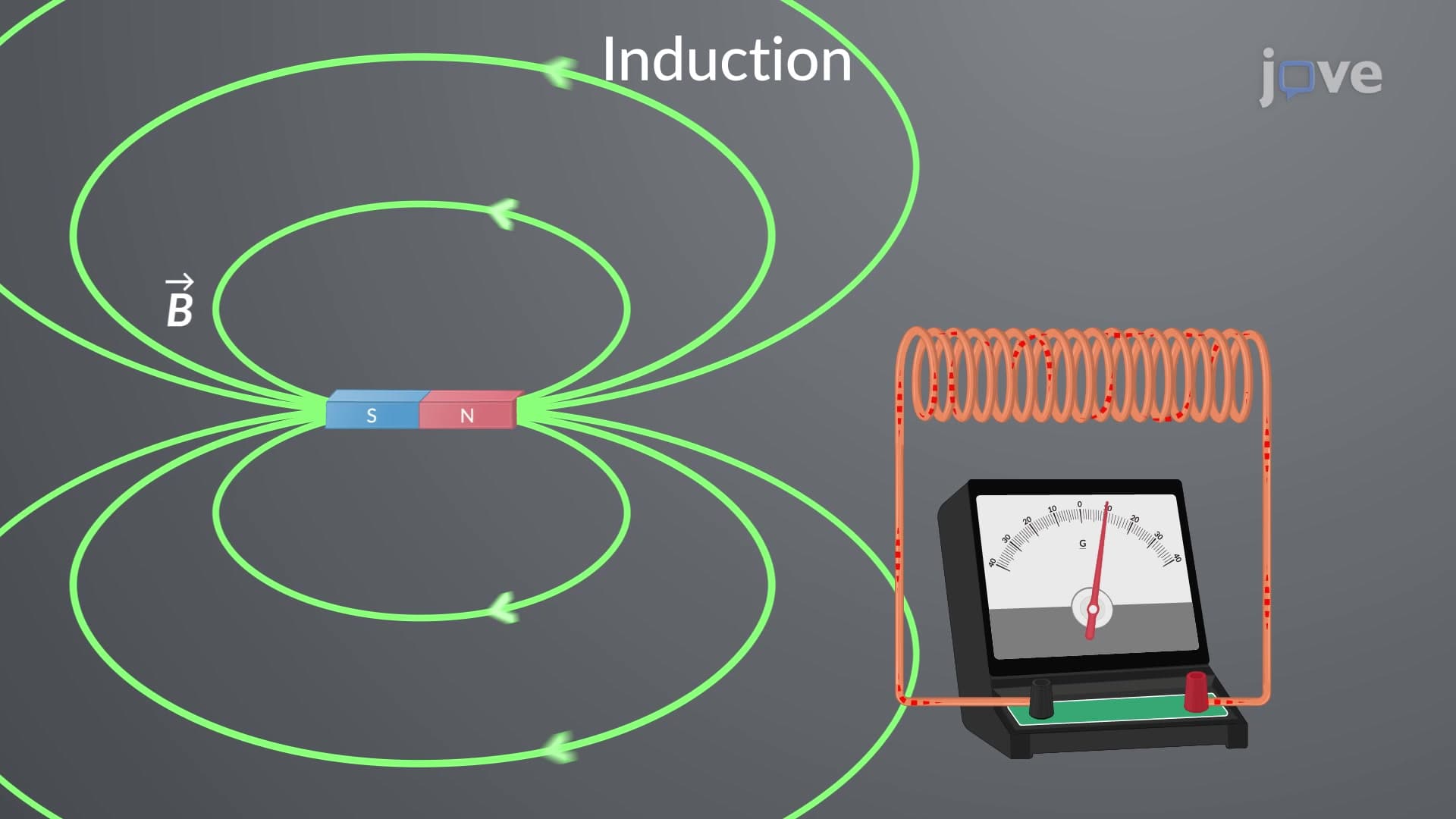
Magnetic force represents one of nature's fundamental interactions, distinct from gravitational, electric, and nuclear forces. Unlike electric forces that act between any charged objects regardless of motion, magnetic forces specifically arise from moving electric charges or changing magnetic fields. This force becomes evident when current flows through conductors, creating magnetic fields that can influence other current-carrying wires, moving charges, or magnetic materials.
The discovery of magnetic force revolutionized our understanding of electromagnetism, leading to technologies from electric motors in Tesla vehicles to the superconducting magnets in American research facilities like Fermilab.
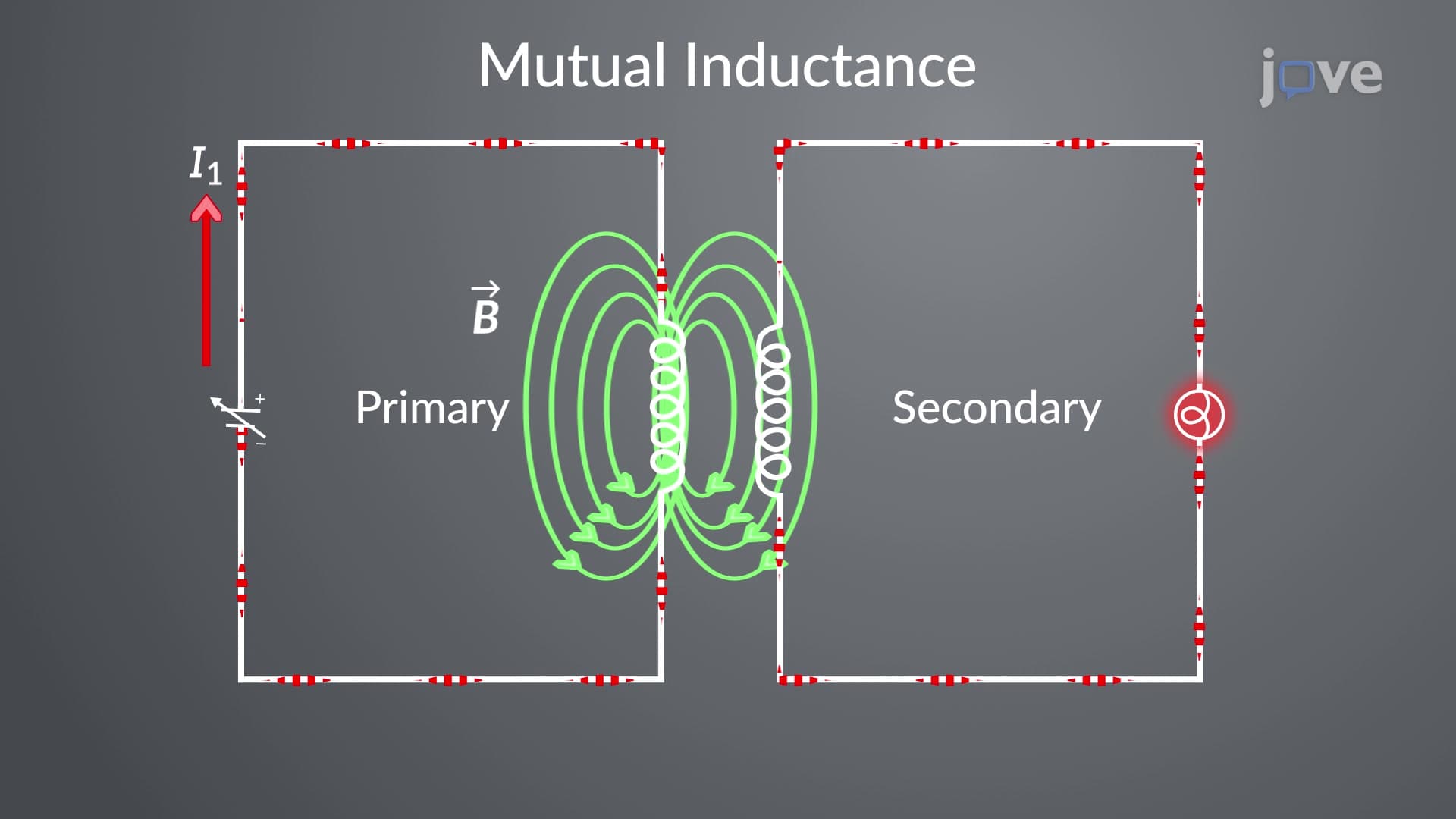
When electric current flows through parallel wires, magnetic forces create predictable attraction or repulsion patterns. Wires carrying current in the same direction attract each other, while wires with opposite current directions repel. This principle operates in electrical distribution systems across US power grids, where engineers must account for magnetic forces between high-current transmission lines.
The force magnitude depends on current strength, wire separation distance, and wire length, following the relationship F = (μ₀I₁I₂L)/(2πr), where μ₀ represents the permeability of free space. Students preparing for AP Physics exams frequently encounter problems calculating these forces in parallel conductor configurations.
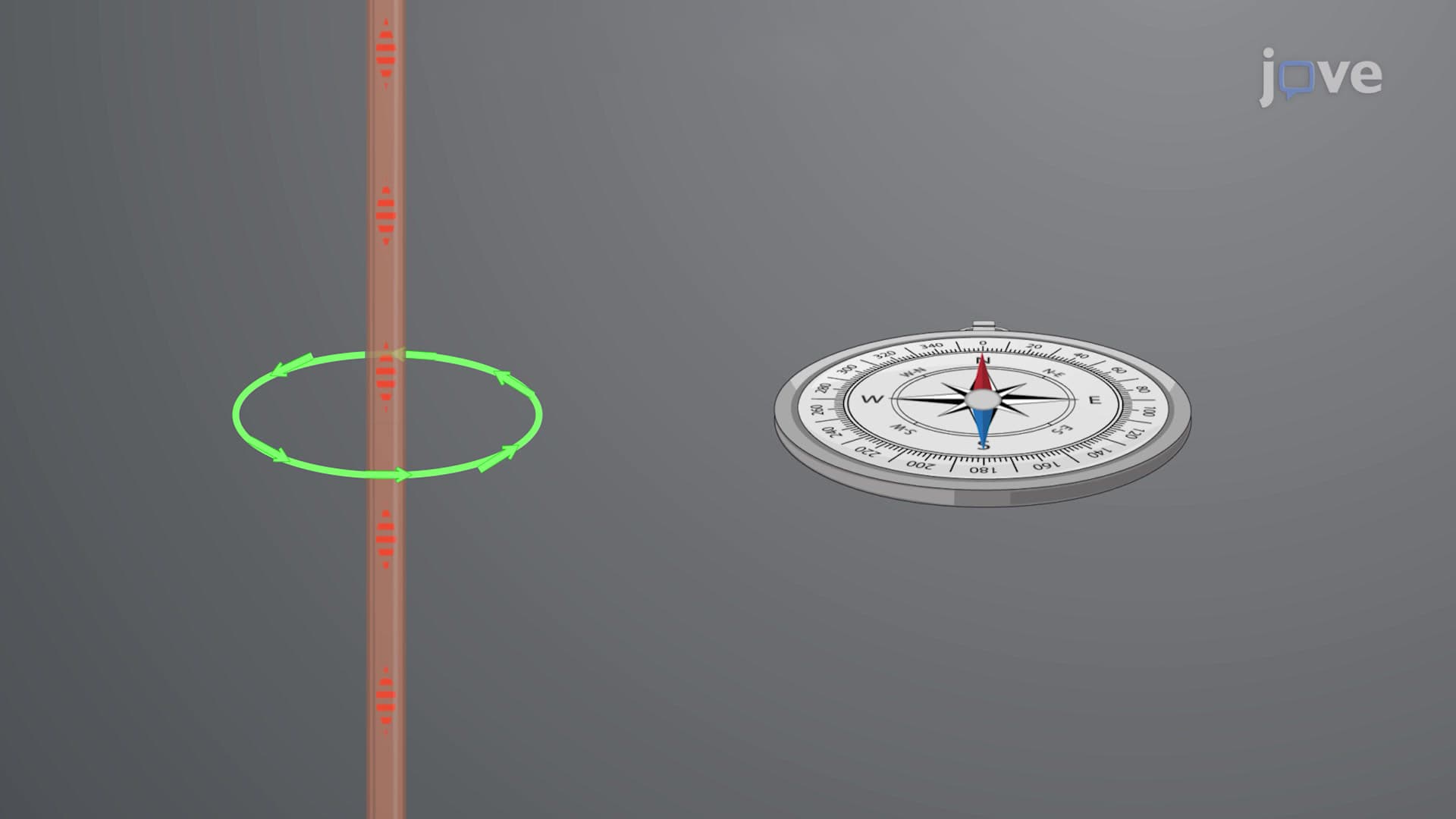
Determining magnetic field direction around current-carrying conductors requires the right-hand rule technique. Point your thumb in the current direction, and your curved fingers indicate the magnetic field's circular path. This rule proves essential for solving MCAT physics problems and college-level electromagnetic theory courses.
For a vertical wire carrying upward current, the magnetic field circles the wire horizontally. When combined with the Lorentz force law, this creates predictable force directions on nearby moving charges or current-carrying conductors.
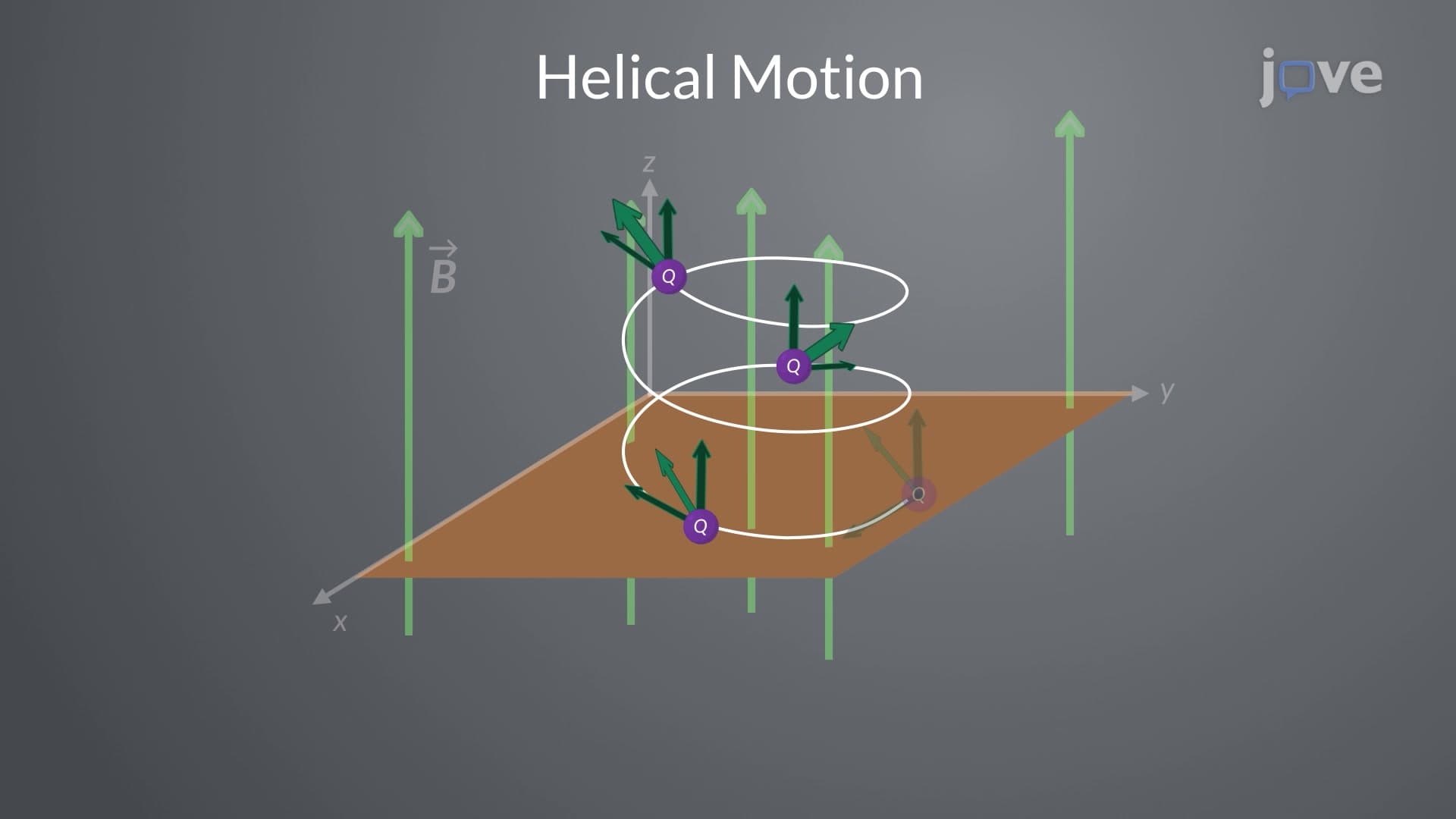
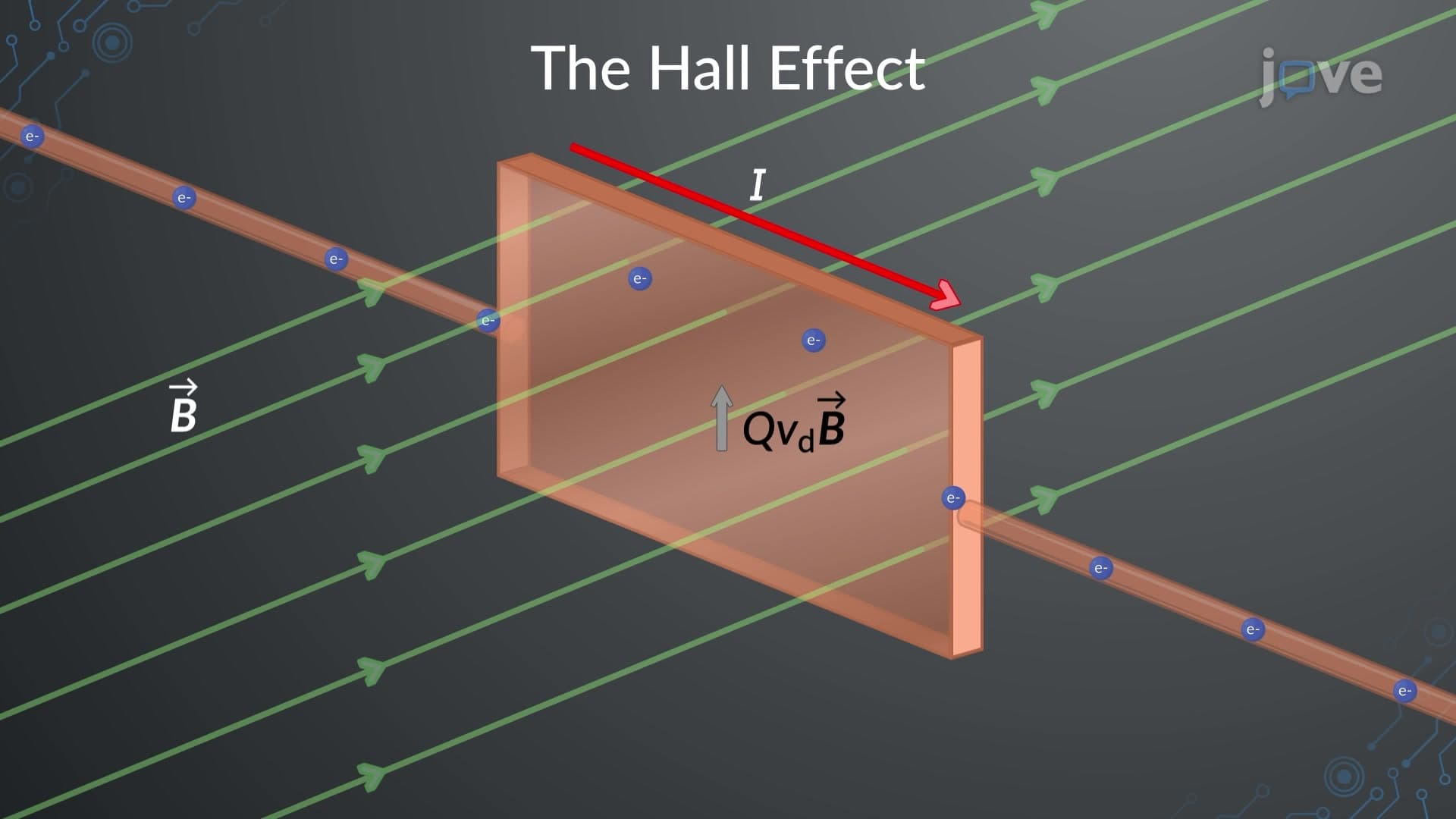
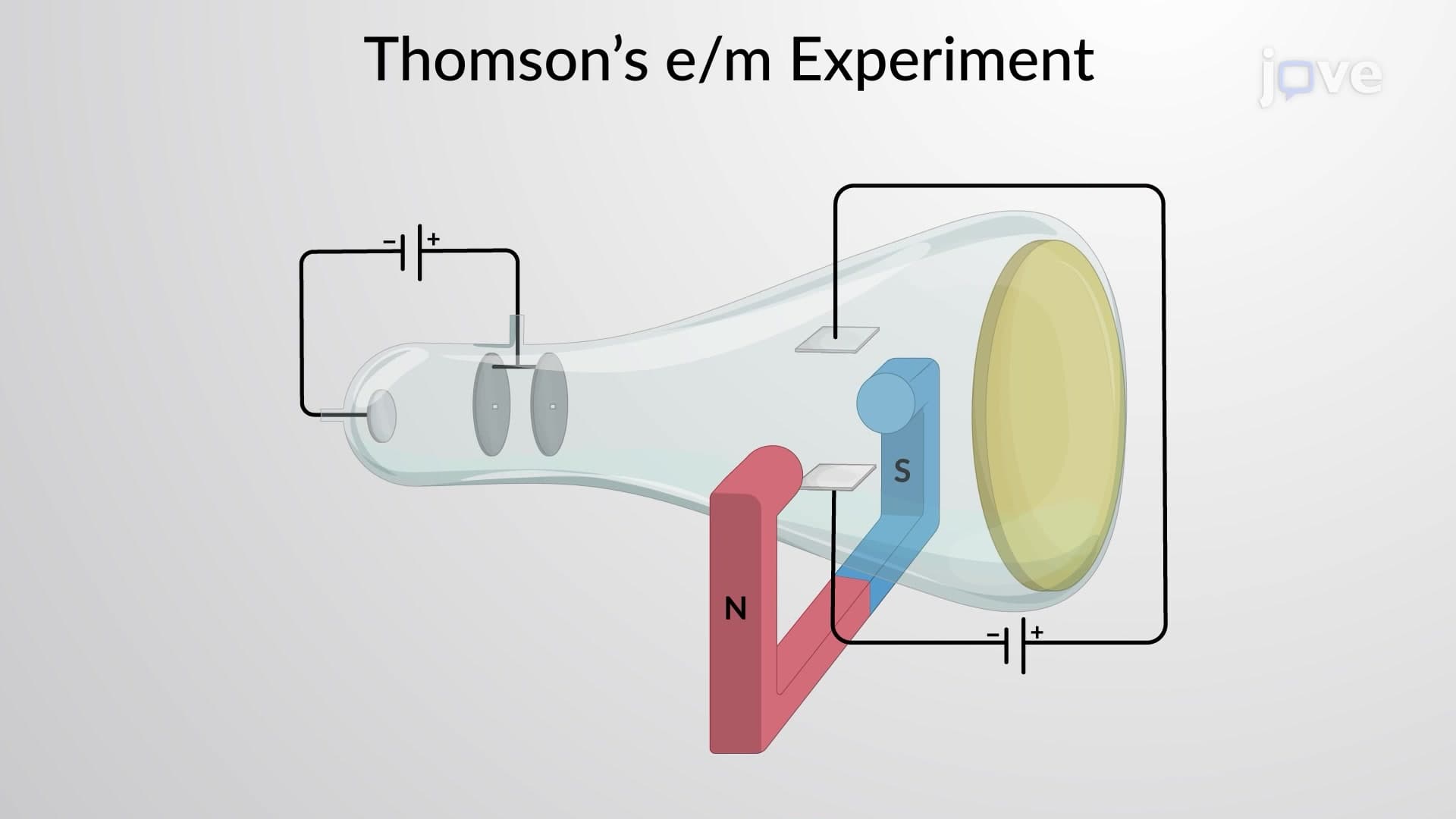
The Lorentz force equation F = Q(v × B) describes how magnetic fields affect moving charged particles. This cross-product relationship means force direction depends on both velocity and magnetic field orientations, requiring three-dimensional thinking skills that challenge many students initially.
In practical applications, this principle enables particle accelerators at US national laboratories to guide high-energy particles along precise paths, and allows medical cyclotrons to produce radioactive isotopes for cancer treatment in American hospitals.
Related Micro-courses