Loading video…


 12 Concepts
 53.7K views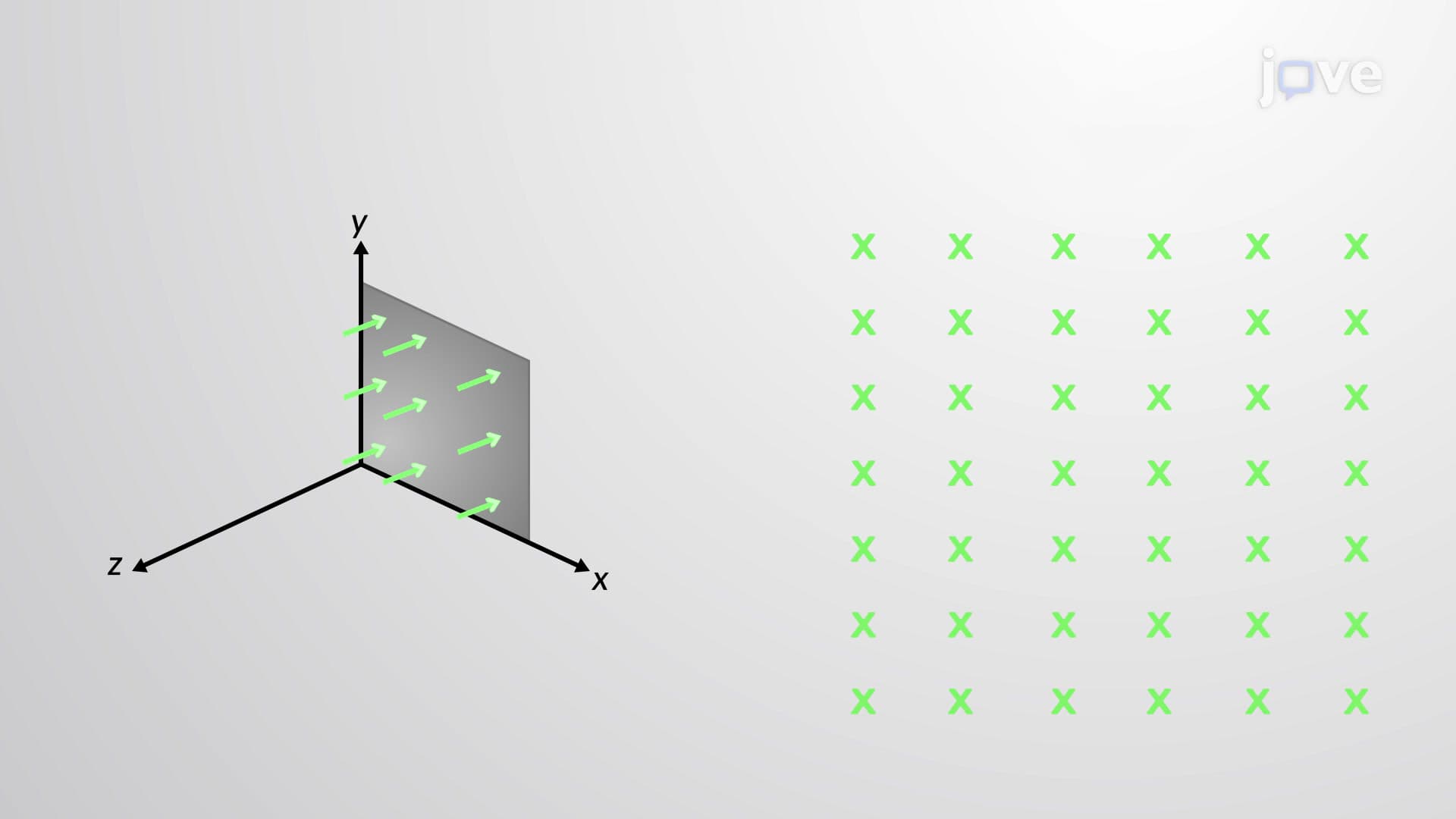

Video Summary: Magnetic Force on a Current Explained
Ever wondered why power lines hum or how electric motors generate motion? The magnetic force on a current creates these everyday phenomena when electric current flows through conductors in magnetic fields. Consider the magnetic levitation trains being tested in the US-they rely on precisely controlled magnetic forces acting on current-carrying conductors to achieve frictionless motion. This fundamental physics concept explains how current-carrying wires experience forces in magnetic fields, from the right-hand rule to calculating actual force magnitudes. Watch the full video on JoVE Coach to master this concept with expert-led visuals and step-by-step explanations.
When electric current flows through a conductor placed in a magnetic field, the moving charges experience a magnetic force that translates into a force on the entire conductor. This phenomenon underlies countless technologies from MRI machines at Johns Hopkins Hospital to the electric motors in Tesla vehicles manufactured in California.
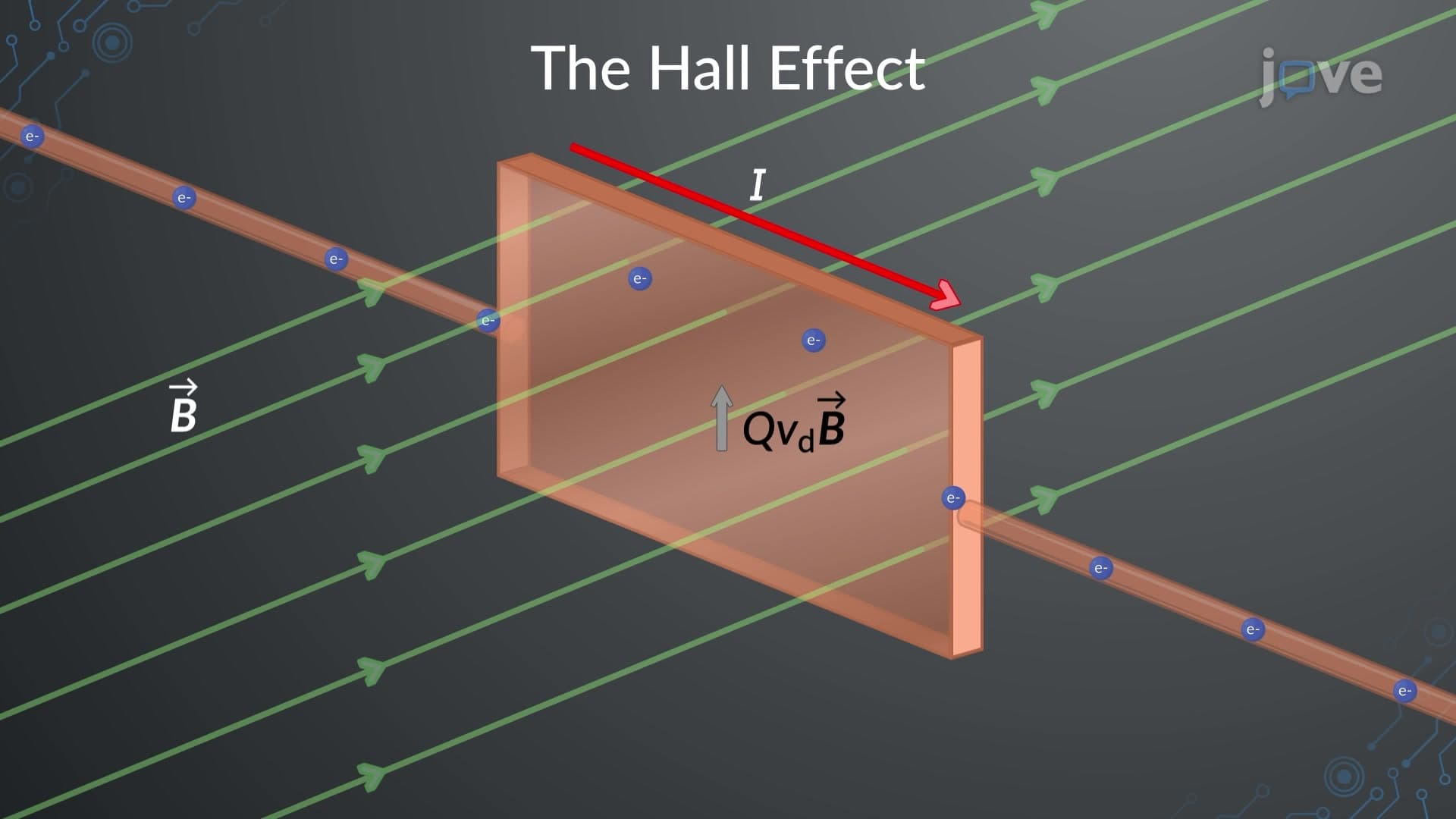
The magnetic force arises because current represents moving electric charges, and moving charges always experience forces in magnetic fields. In a typical copper wire, billions of electrons drift slowly (about 0.1 mm/s) while the current effect travels at nearly the speed of light.
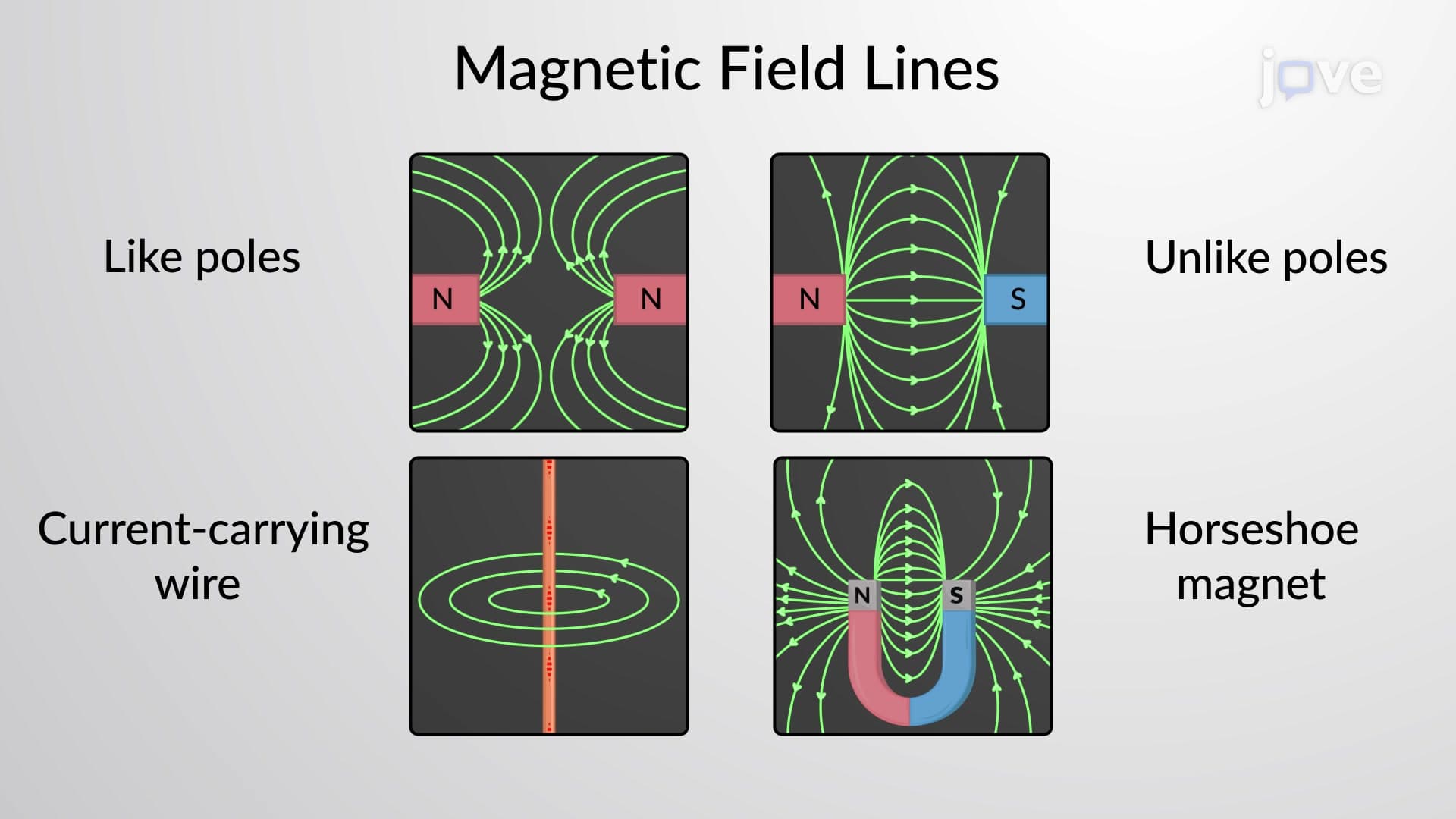
Determining magnetic field direction around current-carrying conductors requires the right-hand rule: point your thumb in the current direction, and your curled fingers show the magnetic field lines. These concentric circular field lines explain why compass needles deflect near power lines.
For field notation, dots (•) represent magnetic fields pointing out of the page, while crosses (×) indicate fields pointing into the page. This convention appears frequently on AP Physics exams and college assessments, making visualization crucial for problem-solving success.
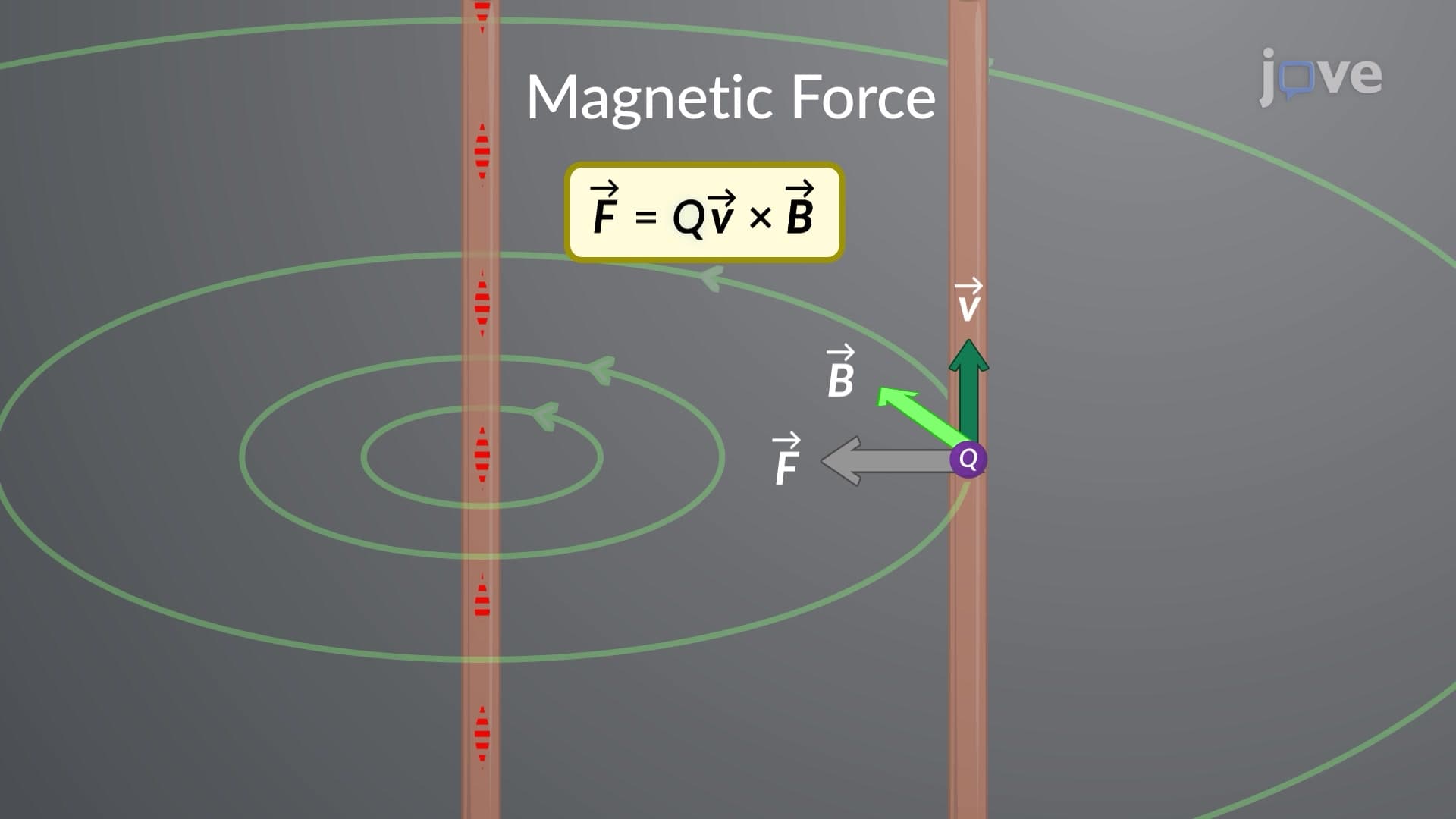
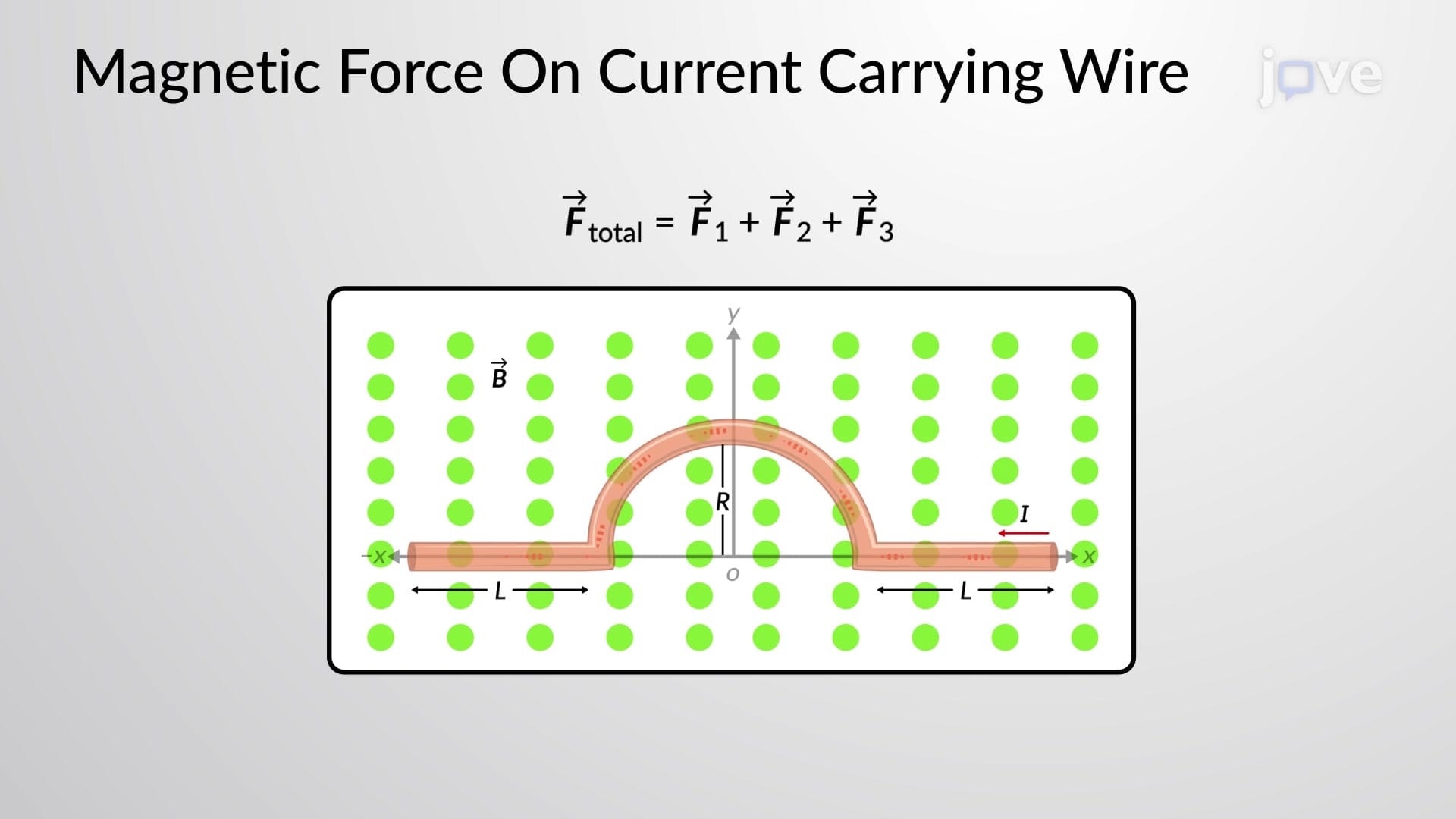
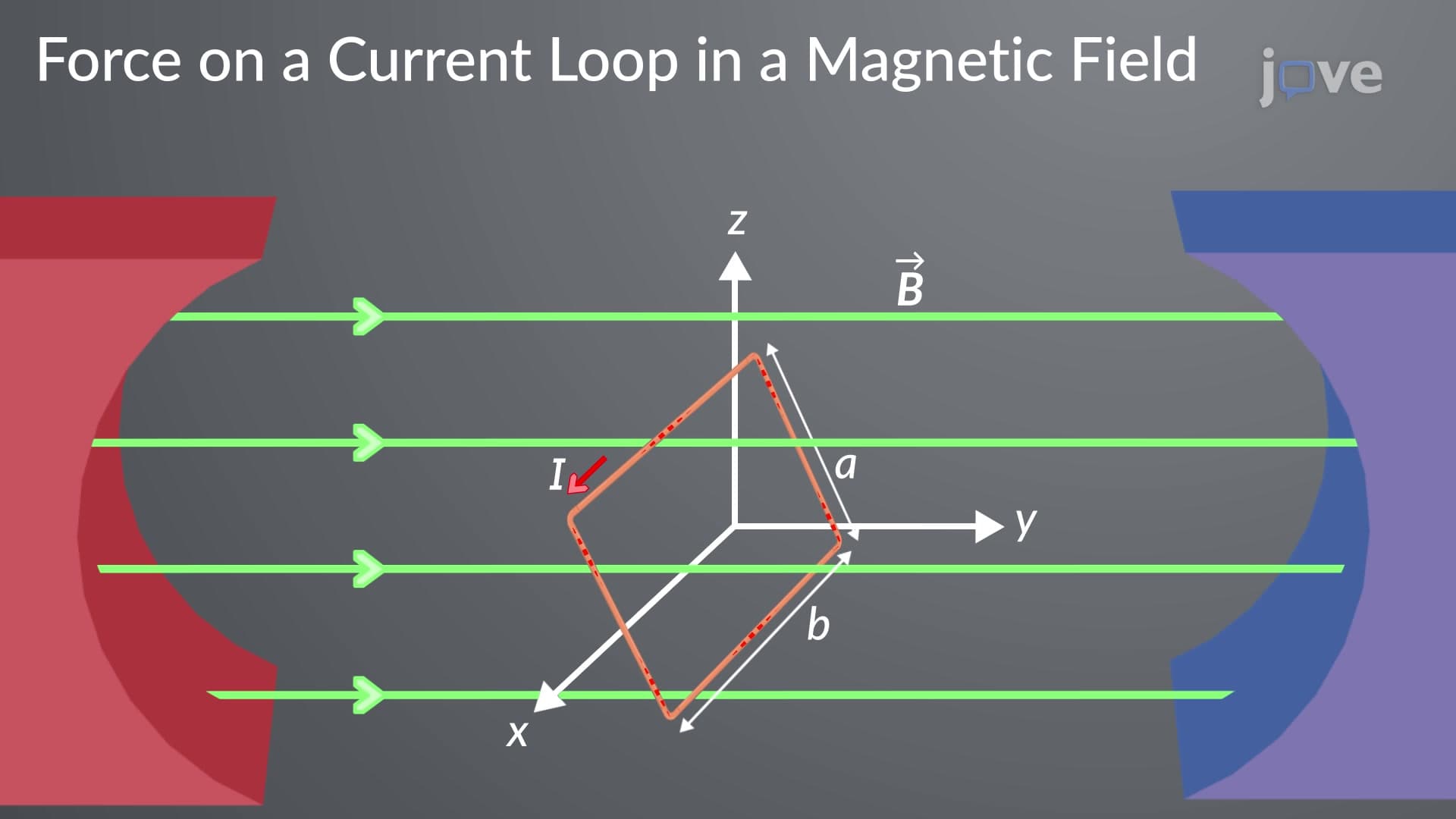
The total magnetic force on a current-carrying conductor equals F = I × L × B × sin(θ), where I represents current, L is conductor length, B is magnetic field strength, and θ is the angle between current and field directions. Maximum force occurs when current and field are perpendicular (θ = 90°).
This equation emerges from analyzing individual charge motion. If n represents charge density and A is cross-sectional area, then nAL gives the total number of charges in length L. Each charge q moving with drift velocity v experiences force qvB, leading to the bulk current relationship.
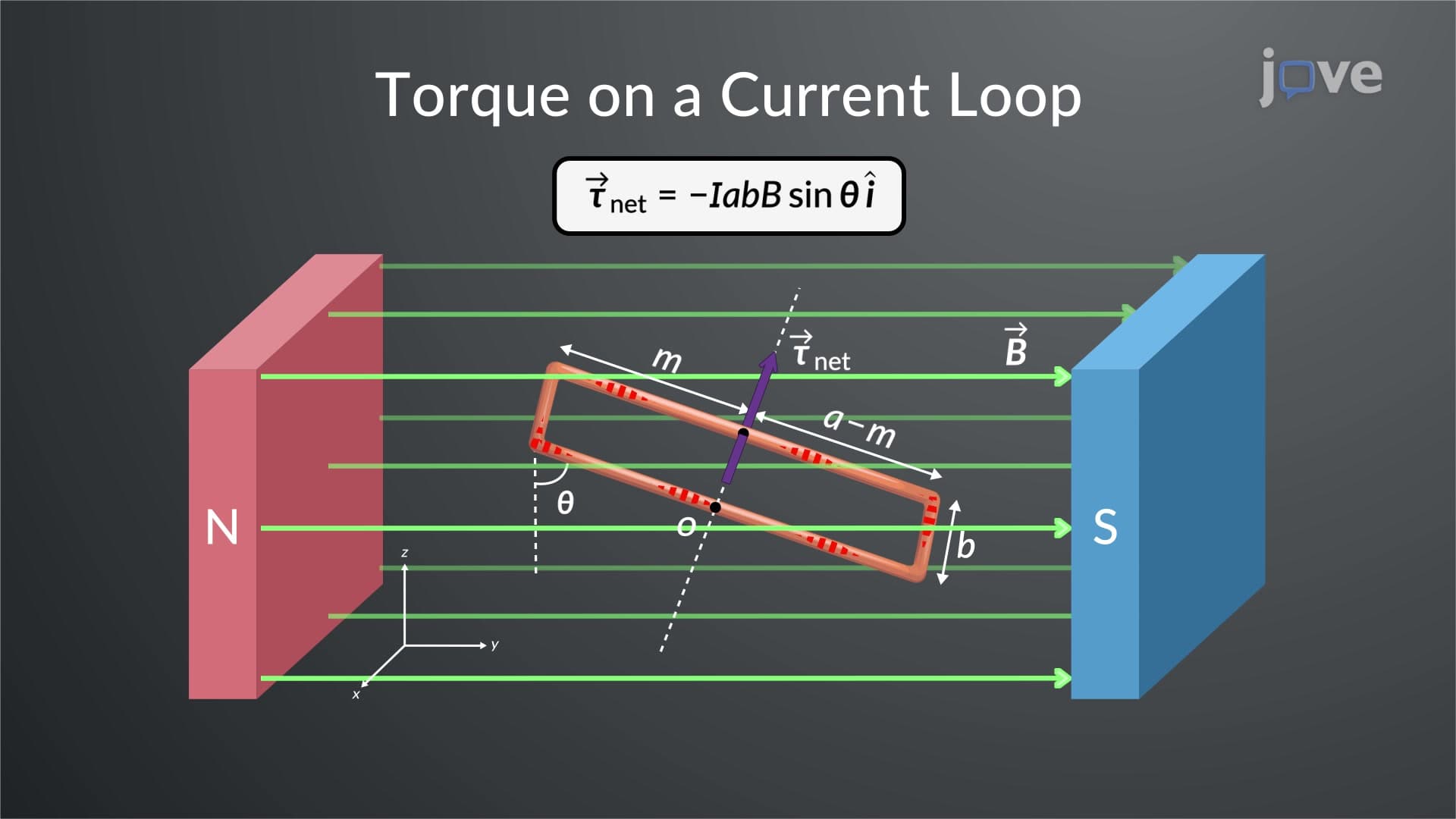
Electric motors in everything from car starters to industrial equipment rely on magnetic forces on current to generate rotation. The principle appears in MCAT physics sections, AP Physics C examinations, and undergraduate physics courses nationwide.
Students preparing for college physics exams should practice vector analysis, as magnetic force problems often involve three-dimensional thinking. The concept connects directly to electromagnetic induction, making it foundational for advanced studies in electrical engineering programs at institutions like MIT or Stanford.
Related Micro-courses