Loading subject page…

2,139 views

Video Summary: Asset Classification and Its Management Explained
Asset classification and its management basics become critical knowledge the moment you're responsible for a budget, a facility, or a team that depends on physical and intangible resources to deliver results. Understanding asset classification and its management helps managers make smarter decisions about what to maintain, replace, or invest in, directly affecting team performance and cost control. Watch the full video on JoVE Coach to master this concept with expert-led visuals and step-by-step explanations.
You've just taken over a team responsible for a production line, a service operation, or a field-based function. Within weeks, a critical piece of equipment breaks down, an inventory shortage disrupts delivery timelines, and you realize no one has a clear picture of what resources the team owns, what condition they're in, or how they're being tracked. This is not a rare scenario, it's one of the most common operational blind spots for managers stepping into leadership roles. Understanding asset classification and its management is how you close that gap.
Most managers are trained to lead people, not resources. Asset management tends to feel like a finance or facilities function, until a breakdown stalls your team's output or an audit reveals missing equipment worth thousands. The problem is structural: without a classification system, assets are reactive rather than strategic. You replace things when they fail instead of planning for their lifecycle. The primary goal of asset management is not just maintenance, it's ensuring every resource actively supports business performance.
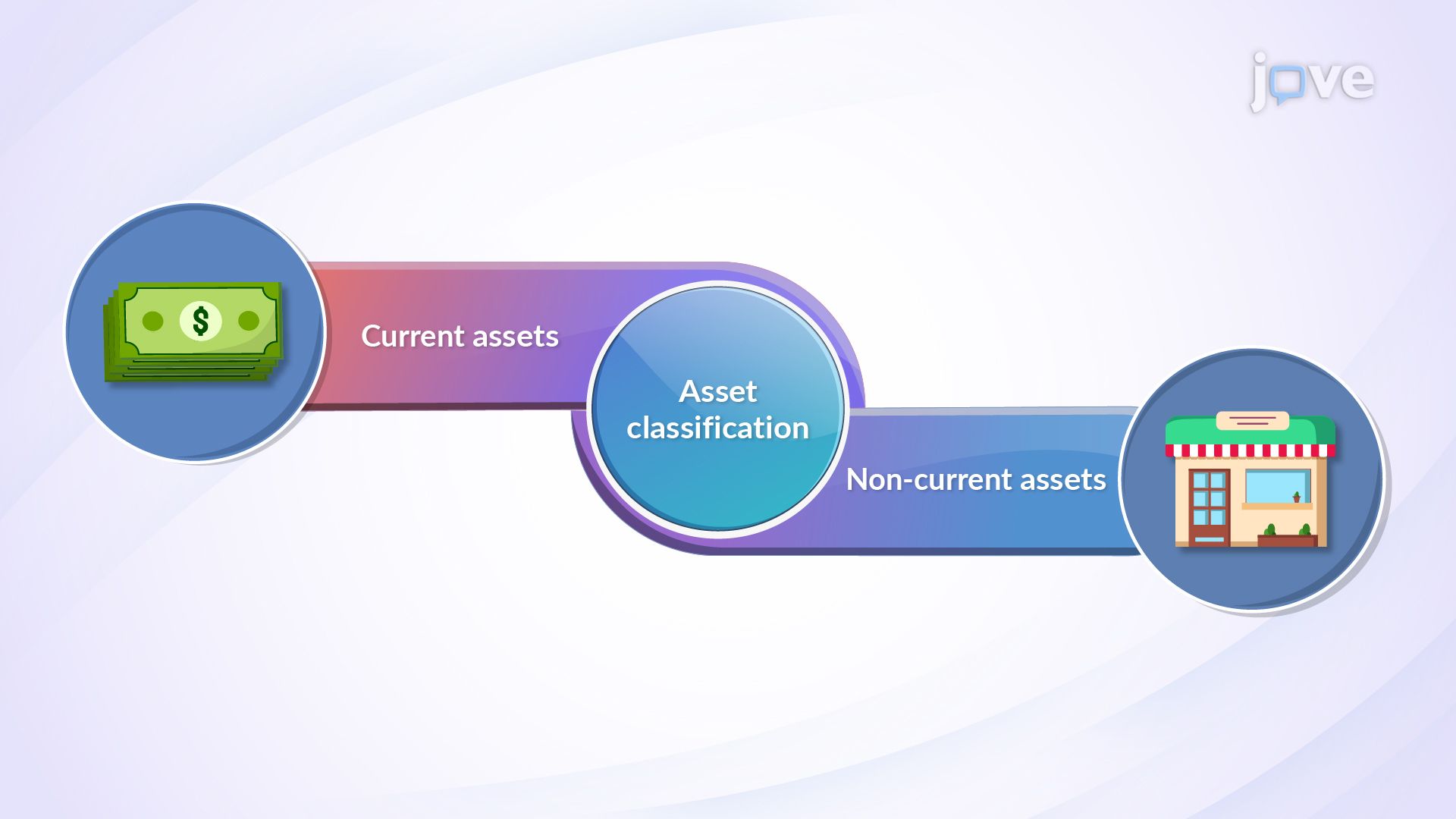
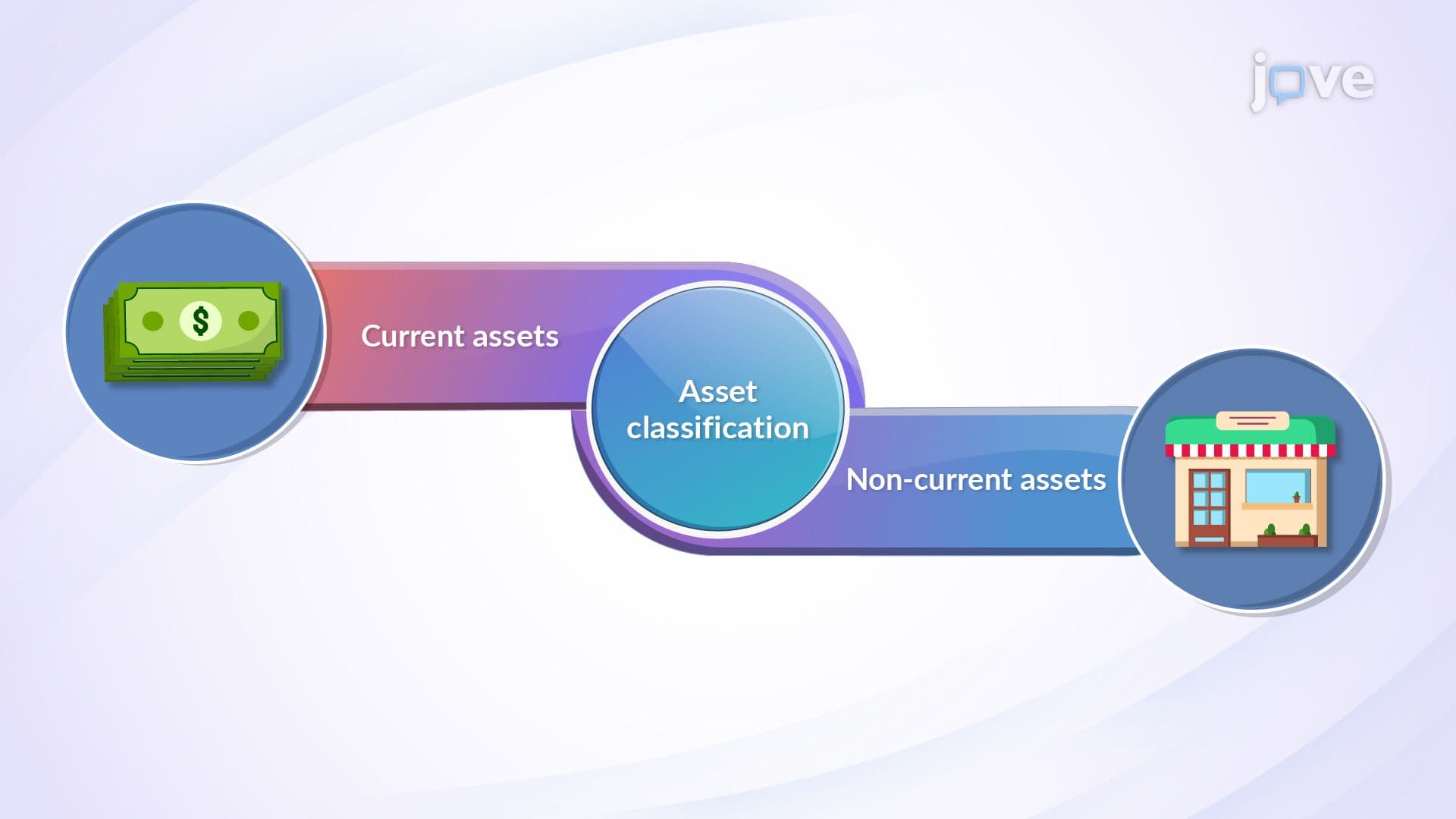
Start with a two-axis classification model. The first axis is liquidity: current assets (cash, raw materials, receivables) that convert to value within a year versus non-current or fixed assets (machinery, vehicles, buildings) that serve long-term functions. The second axis is nature: tangible assets you can physically manage versus intangible assets, patents, software, brand equity, proprietary data, that require governance and protection frameworks.
Once classified, apply the Asset Lifecycle Framework to each category:
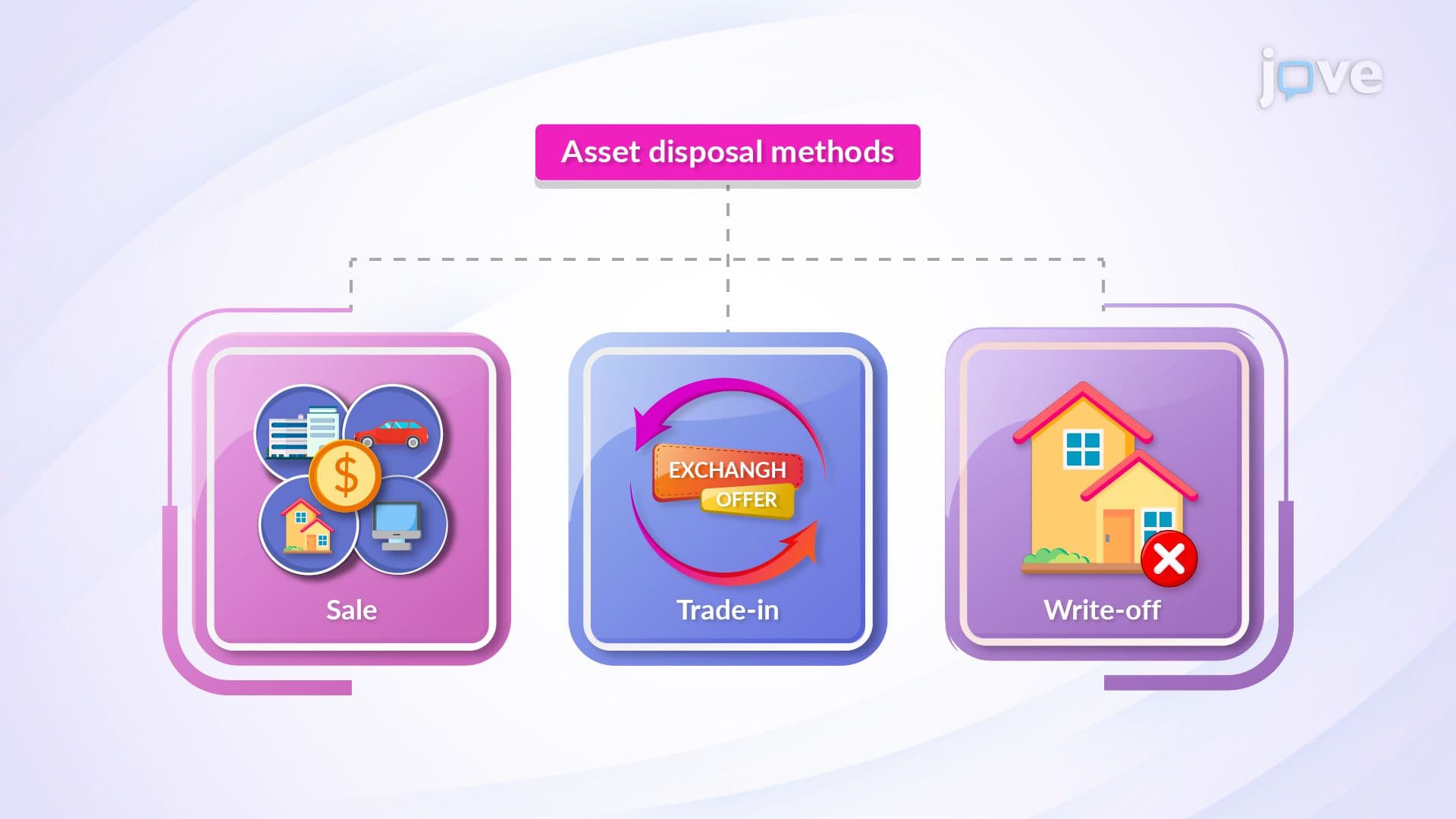
1. Acquisition, What do we need, and what's the ROI on this asset? 2. Deployment, Is this asset being used at optimal capacity? 3. Maintenance, What's the maintenance scheduling cadence to prevent failure? 4. Disposal or Renewal, When does depreciation make replacement more cost-effective than repair?
For non-current tangible assets, the choice of depreciation method, straight-line for predictable wear, reducing balance for assets that lose value faster early in their lifecycle, directly affects how you budget for replacement. If your team uses heavy equipment or specialized tools, aligning depreciation timelines with budget cycles prevents the kind of financial surprises that erode leadership credibility.
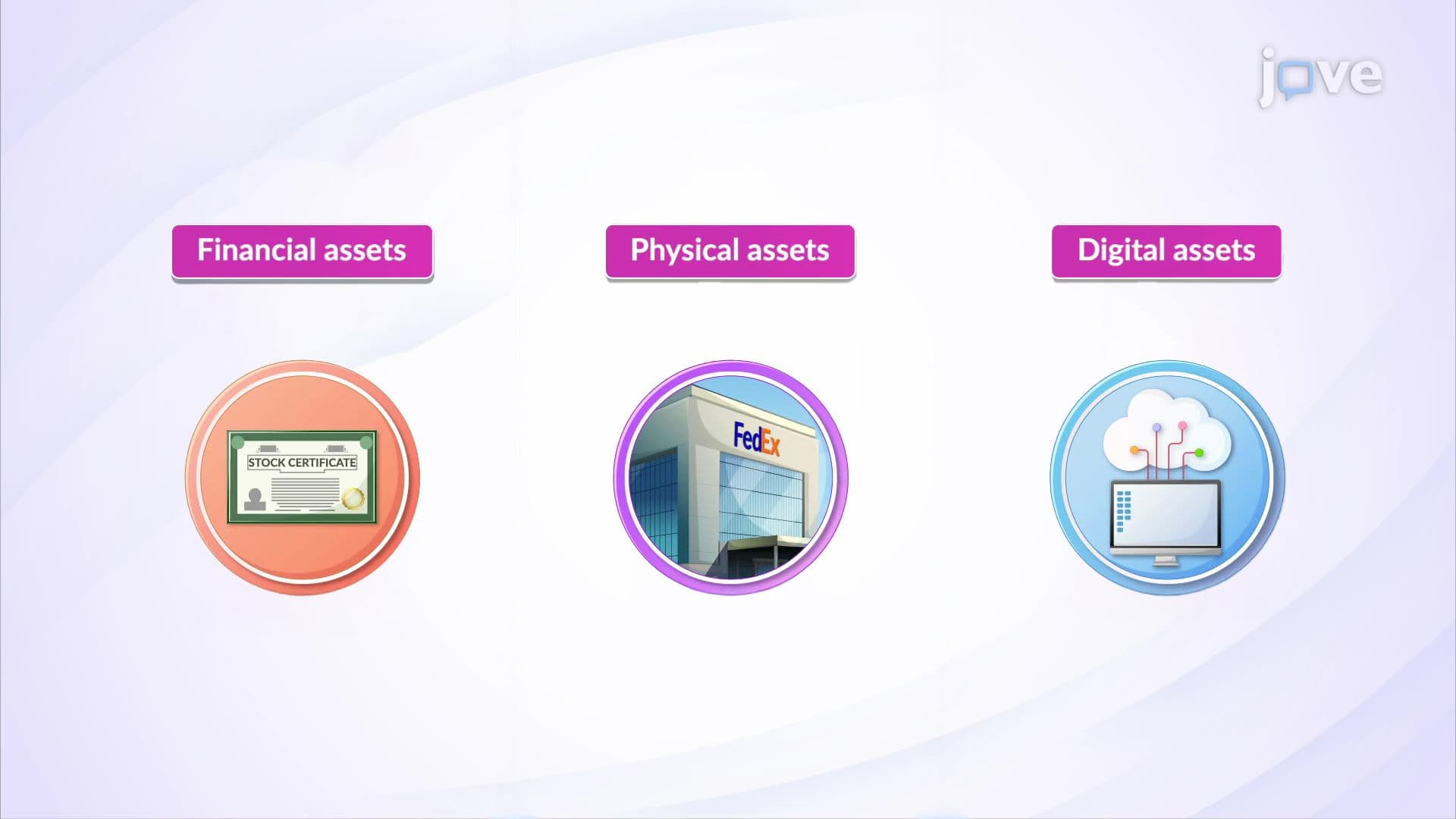
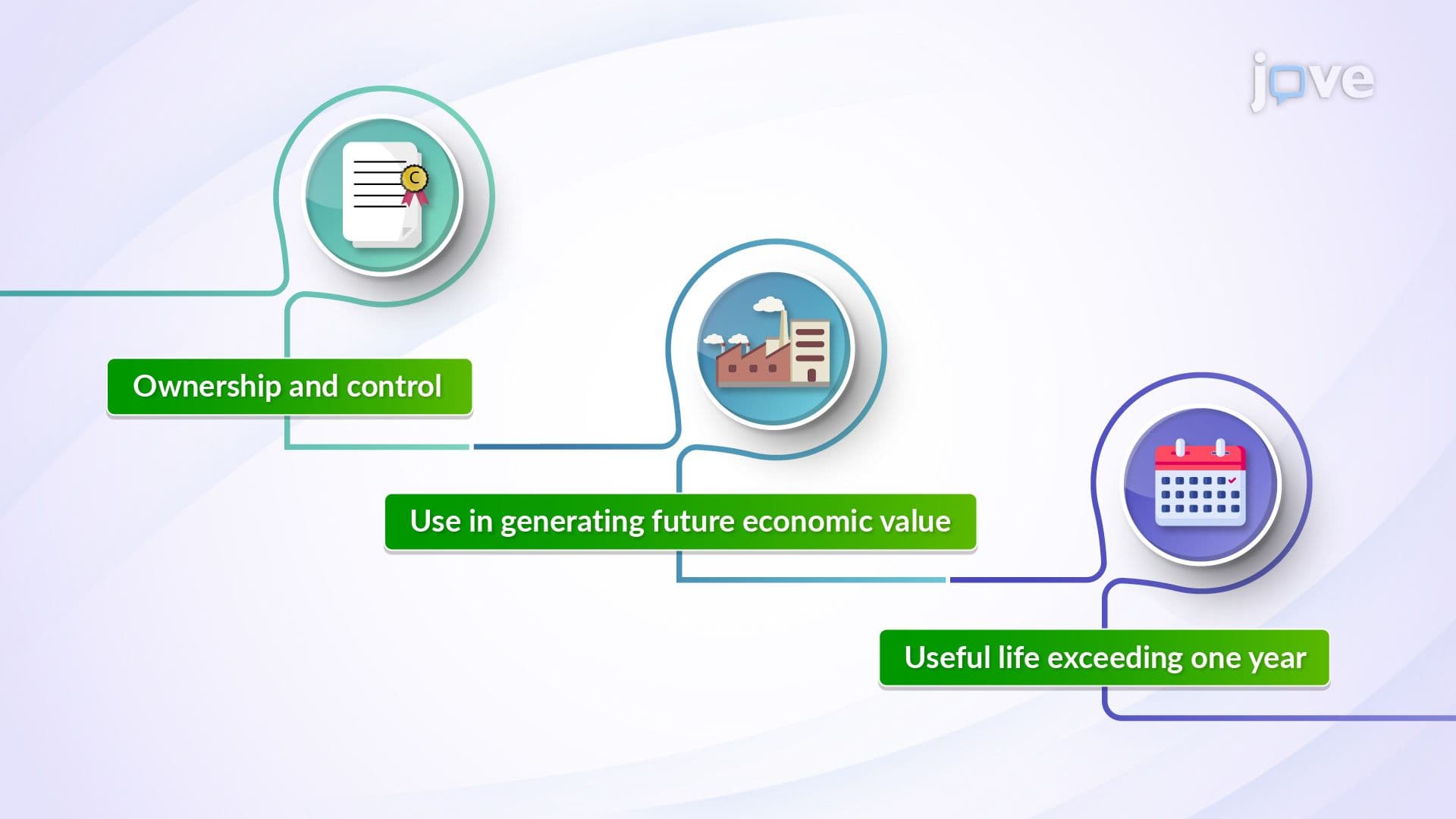
In your next team or departmental review, run a simple asset audit. List every resource your team depends on, physical tools, software systems, vehicles, intellectual property, and apply the classification categories. Flag anything that lacks a maintenance schedule, has no designated owner, or is undocumented in a central asset registry.
Use the asset turnover ratio (revenue generated relative to total assets deployed) as a conversation tool with senior leadership to demonstrate how efficiently your team converts resources into output. A declining ratio signals underutilized or aging assets; an improving one validates your management of operational resources.
Managers who can speak this language in cross-functional meetings, alongside finance, operations, and procurement, build credibility that extends well beyond their immediate team. Asset classification and its management isn't an administrative task. It's a leadership discipline.
Related Micro-courses