Loading video…

 7 Concepts
 2.1K views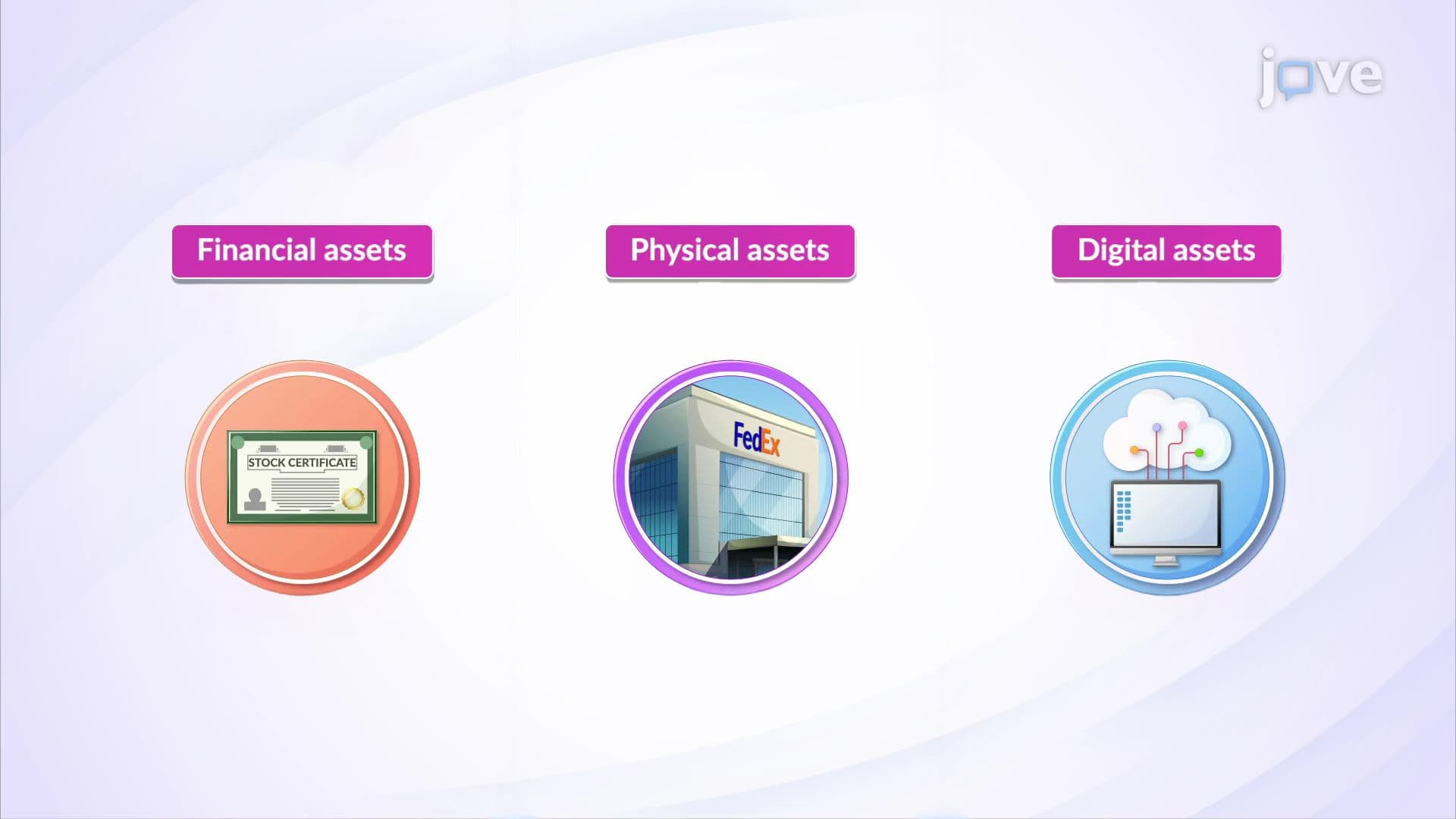

Video Summary: What Is Asset Management
Asset management basics often get overlooked by managers who focus on people and projects but neglect the physical, financial, and digital resources their teams depend on daily. Understanding asset management, how to track, maintain, and optimize everything a business owns, directly affects operational efficiency, cost control, and strategic outcomes. Mismanaged assets quietly drain budgets and stall growth. Watch the full video on JoVE Coach to master this concept with expert-led visuals and step-by-step explanations.
Most managers encounter asset management for the first time when something breaks. A critical piece of equipment fails mid-project. A software license expires without warning. A vehicle or device reaches end-of-life with no replacement plan in place. The disruption feels sudden, but in most cases, it was entirely predictable. Asset management is the discipline that prevents these moments, and it belongs as much to operational and team managers as it does to finance departments.
Asset management is commonly perceived as a back-office or finance function. In practice, however, the managers closest to the work, those running operations, logistics, facilities, IT, or field teams, have the most direct visibility into how assets are performing day to day. When managers disengage from asset oversight, they create a gap: finance tracks costs on paper while the operational reality on the ground deteriorates unnoticed.
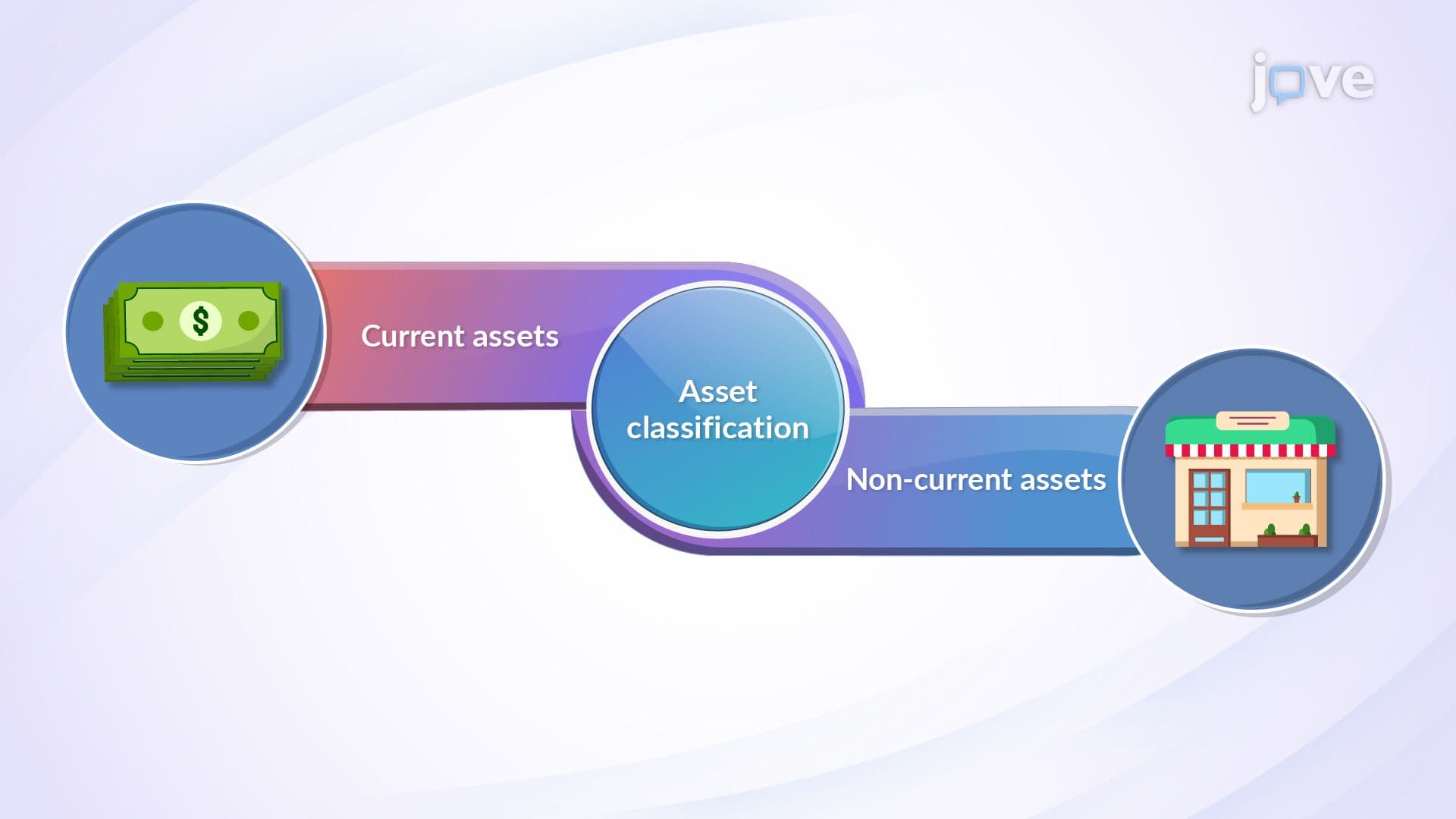
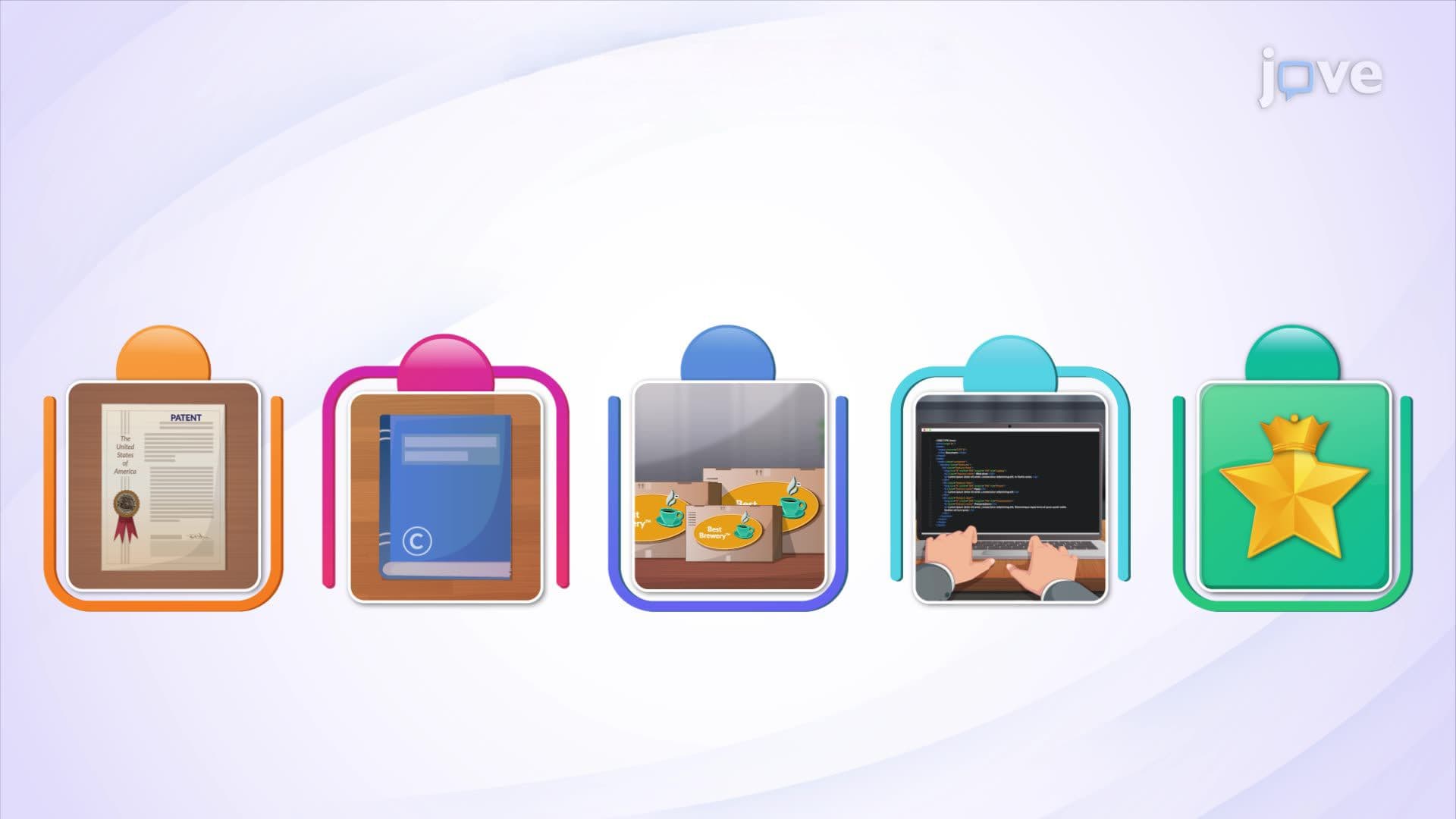
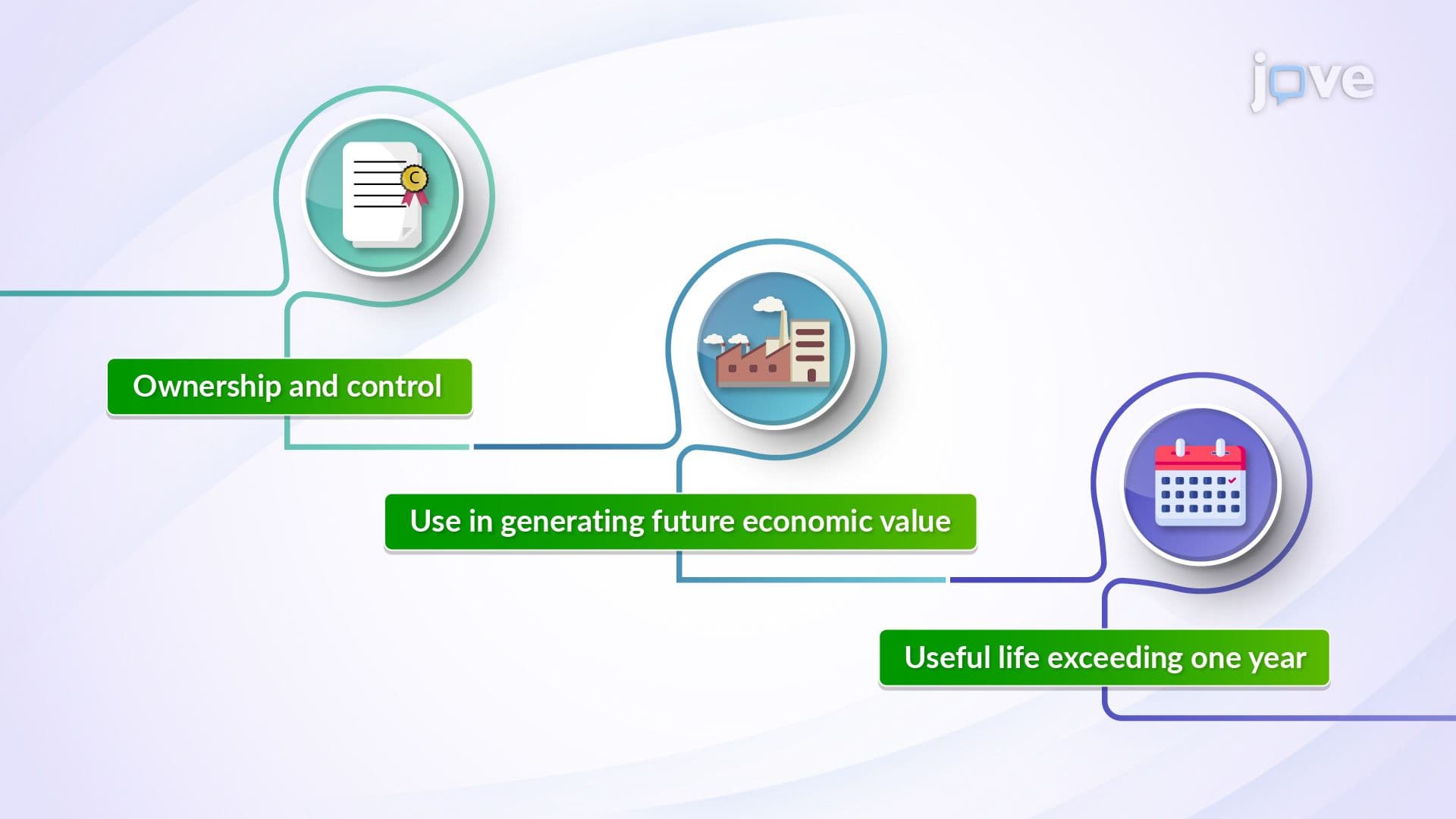
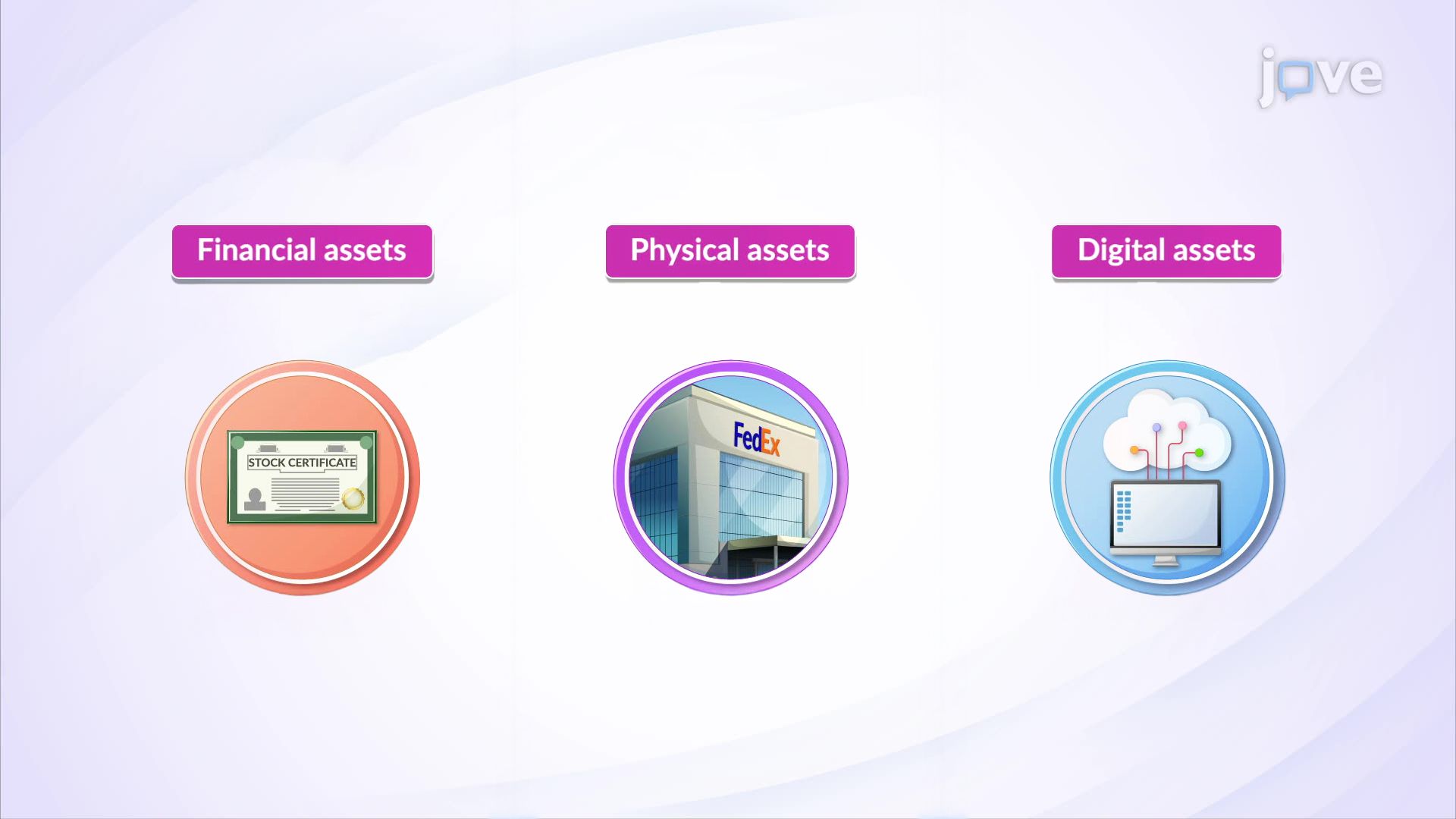
The core categories of assets a manager may be responsible for include:
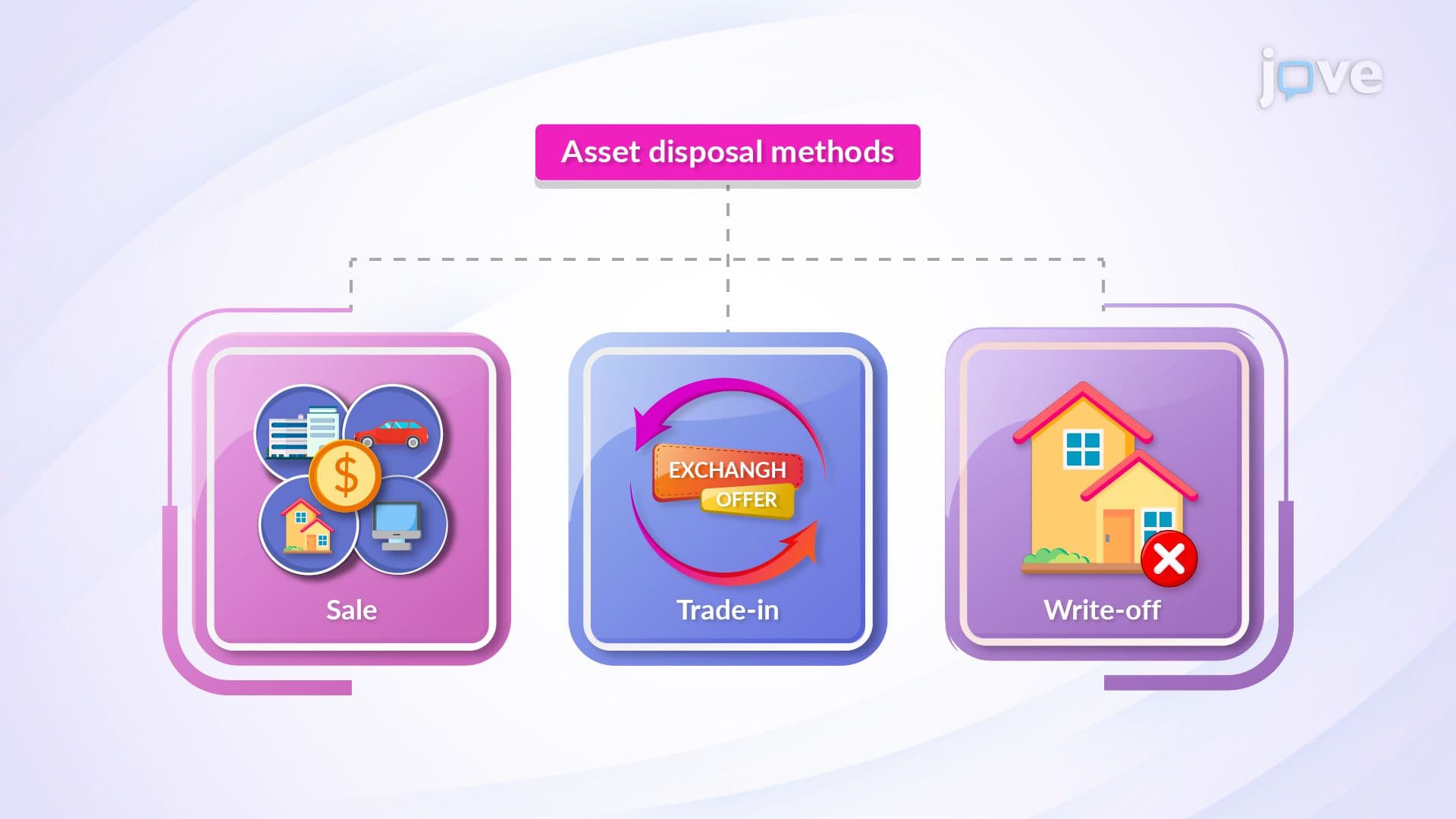
Each category follows an asset lifecycle: acquisition, deployment, maintenance, and disposal. A manager who understands where each asset sits in that lifecycle can anticipate costs, prevent failures, and make smarter resource decisions.
A practical starting point is adopting a four-stage Asset Lifecycle Framework within your team's scope of responsibility:
1. Acquire, Justify the investment with projected ROI on assets. Before requesting a new resource, calculate the expected output versus cost over its useful life. 2. Deploy, Ensure assets are assigned purposefully, not just distributed. Map asset use to specific workflows and team roles. 3. Maintain, Build a maintenance scheduling cadence. For physical assets, this means proactive servicing before failure. For digital assets, this means license audits, security updates, and performance reviews. 4. Dispose, Use depreciation methods (straight-line or reducing balance, depending on your finance team's approach) to know when an asset's cost of upkeep exceeds its operational value.
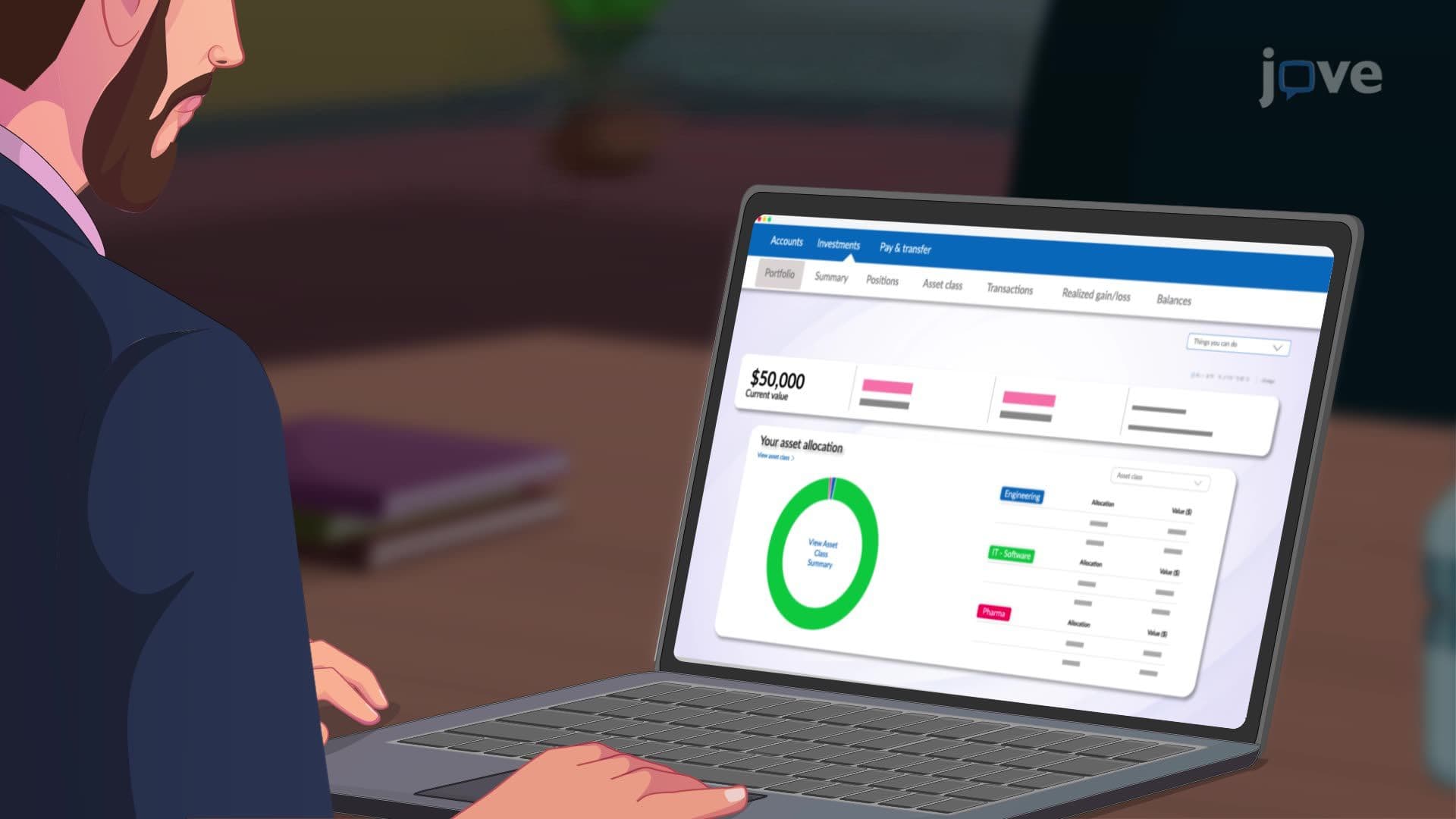
Supporting this framework is an asset registry, a centralized log that captures asset type, acquisition date, current condition, assigned owner, maintenance history, and expected replacement date. Even a well-maintained spreadsheet serves this function for smaller teams. Larger organizations often use dedicated asset management systems that integrate with ERP or CMMS platforms.
Start with a simple audit. In your next operational review, ask: *What assets does my team depend on to deliver results? When were they last serviced or reviewed? Do we know their remaining useful life?*
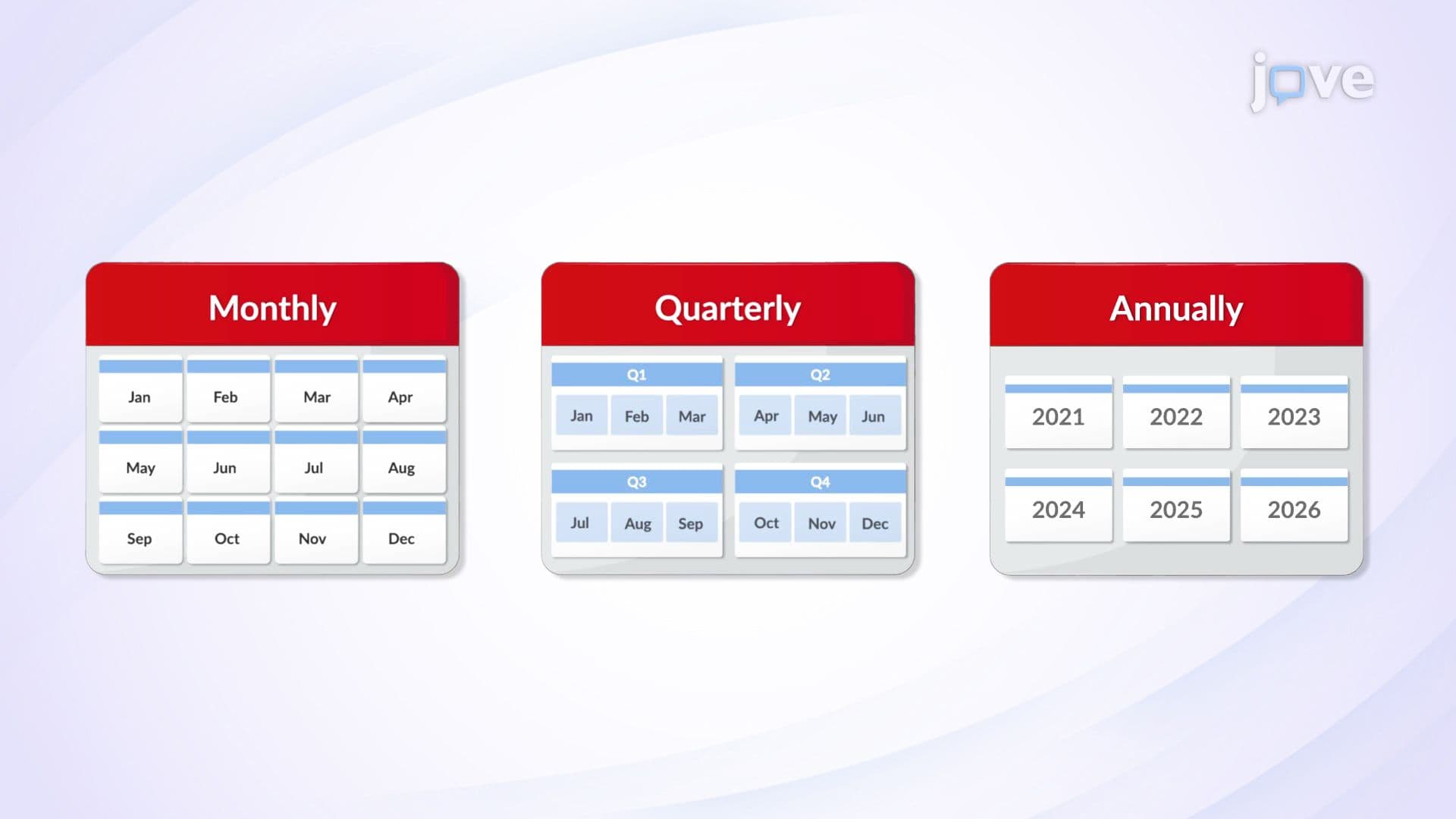
From there, build a lightweight asset tracking habit into your team's existing rhythms, monthly check-ins on asset condition, quarterly reviews of maintenance schedules, and annual lifecycle assessments tied to budget planning cycles.
When advocating upward for asset investment or replacement, use the asset turnover ratio (revenue generated divided by total asset value) as a conversation anchor with finance stakeholders. It translates operational need into financial language, which is the register that drives budget decisions.
Finally, connect asset health to team performance. When critical resources are unreliable, team productivity suffers, morale drops, and delivery timelines slip. Framing asset management as a people leadership issue, not just a logistics one, is often what moves it from the back burner to the agenda.
Related Micro-courses