Loading video…

 7 Concepts
 2.1K views

Video Summary: What Is Periodic Inventory System
Managing operational costs without sacrificing oversight is a constant tension for managers running lean teams or small business units. The periodic inventory system offers a structured, cost-effective approach to tracking stock by relying on scheduled physical counts rather than real-time updates, a practical solution covered in detail in this periodic inventory system basics breakdown. Watch the full video on JoVE Coach to master this concept with expert-led visuals and step-by-step explanations.
Imagine you're overseeing operations for a mid-sized retail unit. At the end of each month, your team spends two days counting every item on the floor and in storage. It's organized, it's familiar, but halfway through a quarter, a spike in shrinkage goes unnoticed because your records won't reflect reality until the next count. That's the periodic inventory system in practice: powerful in its simplicity, but demanding in its discipline.
The periodic inventory system updates inventory records only after a scheduled physical count, not in real time. Between counts, purchases are logged in a dedicated purchases account and sales in a sales account, but the inventory balance itself doesn't move. This lag is manageable in low-volume environments but creates blind spots in fast-moving operations.
Many managers adopt the periodic system because it's cheaper and easier to implement than a perpetual tracking system. That's a sound decision, if your team size, product volume, and loss-risk profile justify it. The mistake is treating it as "set and forget." Without active oversight between counts, losses from spoilage, theft, or recording errors accumulate silently, surfacing only when the count reveals a gap.
To manage a periodic inventory system effectively, apply a three-phase discipline:
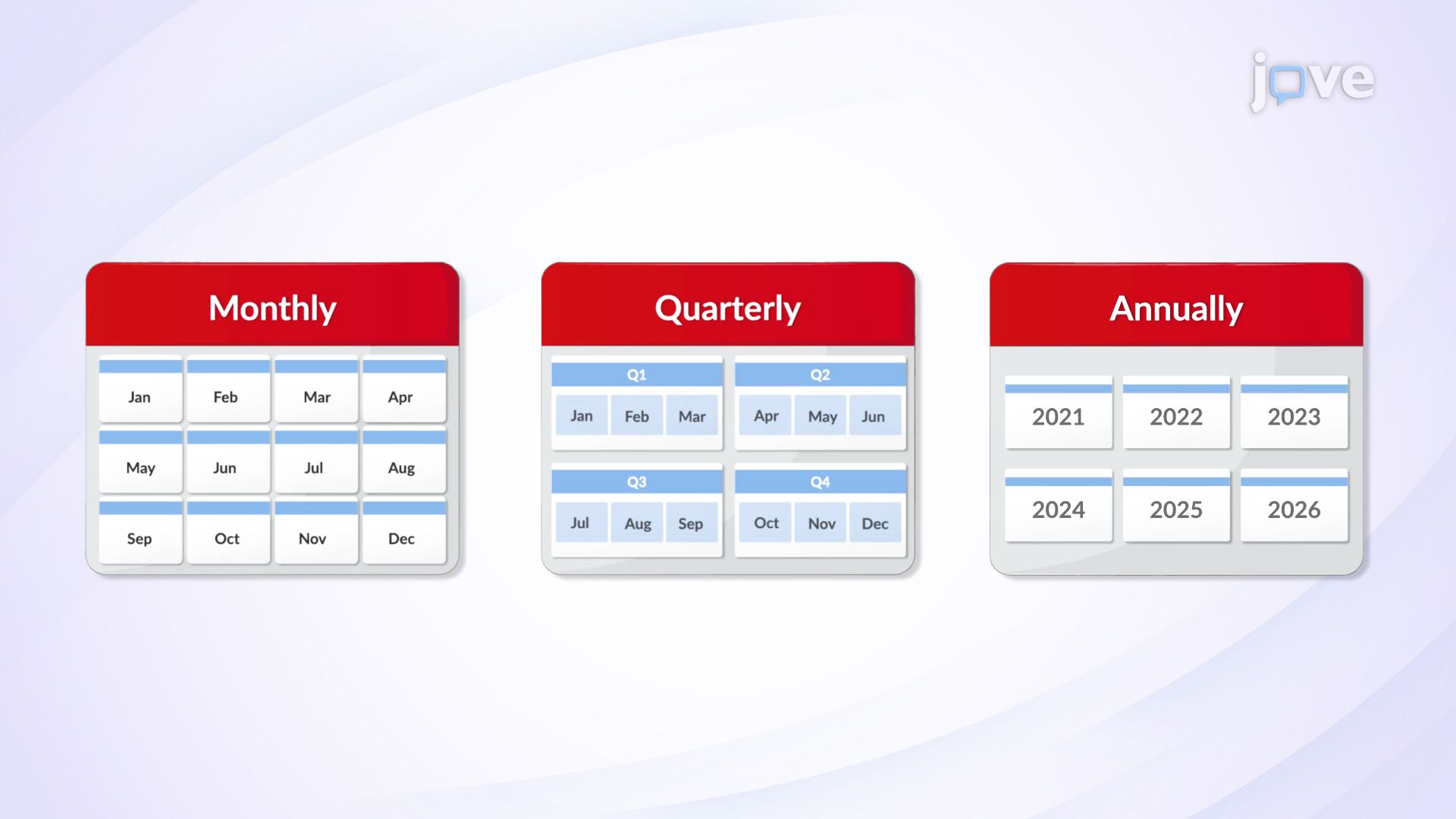
1. Count, Define your count frequency based on operational risk. High-spoilage environments may require monthly counts; stable, low-turnover stock may allow quarterly or annual cycles. Assign clear ownership: who counts, who verifies, and who signs off.
2. Control, Between counts, establish interim controls. Require purchase approvals above set thresholds, log all returns and write-offs immediately, and set a mid-period "pulse check", a spot audit on high-value or high-risk items. This is where the RACI model earns its value: Responsible (the counter), Accountable (the manager), Consulted (finance), Informed (senior leadership).
3. Correct, After each count, conduct a structured debrief. Compare expected inventory against actual. Calculate cost of goods sold using the formula: Opening Inventory + Purchases − Closing Inventory = COGS. Any significant variance triggers a root-cause conversation, not a blame session, but a systems review.
Mistake 1: Treating the count as an administrative task rather than a leadership moment. The physical count is when your team sees whether their daily habits match the numbers. Use it as a feedback loop, brief your team beforehand on what you're looking for and debrief afterward on what the data tells you.
Mistake 2: Failing to escalate the right signals. If your count reveals consistent discrepancies quarter over quarter, that's a system signal, not a one-time error. Build a simple trend tracker and bring it to your next operational review. Pattern recognition is a core management skill.
Mistake 3: Assuming simplicity means no process. The periodic system is simple in design, not in execution. Document your count procedures, standardize your purchase recording, and train new team members on the process during onboarding, not after their first count goes wrong.
For managers stepping into oversight of inventory-heavy functions for the first time, the periodic system is an excellent entry point, provided you pair its simplicity with disciplined interim controls and a habit of asking what the data isn't yet showing you.
Related Micro-courses