Loading subject page…


13,712 views


Video Summary: What Is Accounting
Accounting basics often get overlooked by managers until a budget review exposes a gap they can't explain. Understanding what is accounting, and how financial data is recorded, summarized, and reported, equips managers to read financial statements, track team costs, and speak credibly in strategic conversations. Watch the full video on JoVE Coach to master this concept with expert-led visuals and step-by-step explanations.
Picture this: you're in a quarterly business review and your finance partner references an unfavorable variance on the P&L. Your peers nod. You're unsure whether the issue sits in your cost center. This is a moment that plays out in organizations every day, not because managers lack intelligence, but because accounting basics were never framed as a leadership skill. They should be.
Most managers in non-finance roles treat accounting as someone else's job. That instinct is understandable but costly. When you don't understand how financial transactions are recorded and what drives the numbers on a report, you're dependent on others to interpret reality for you. That dependency limits your ability to advocate for your team's resources, justify headcount, or make a credible case for investment.
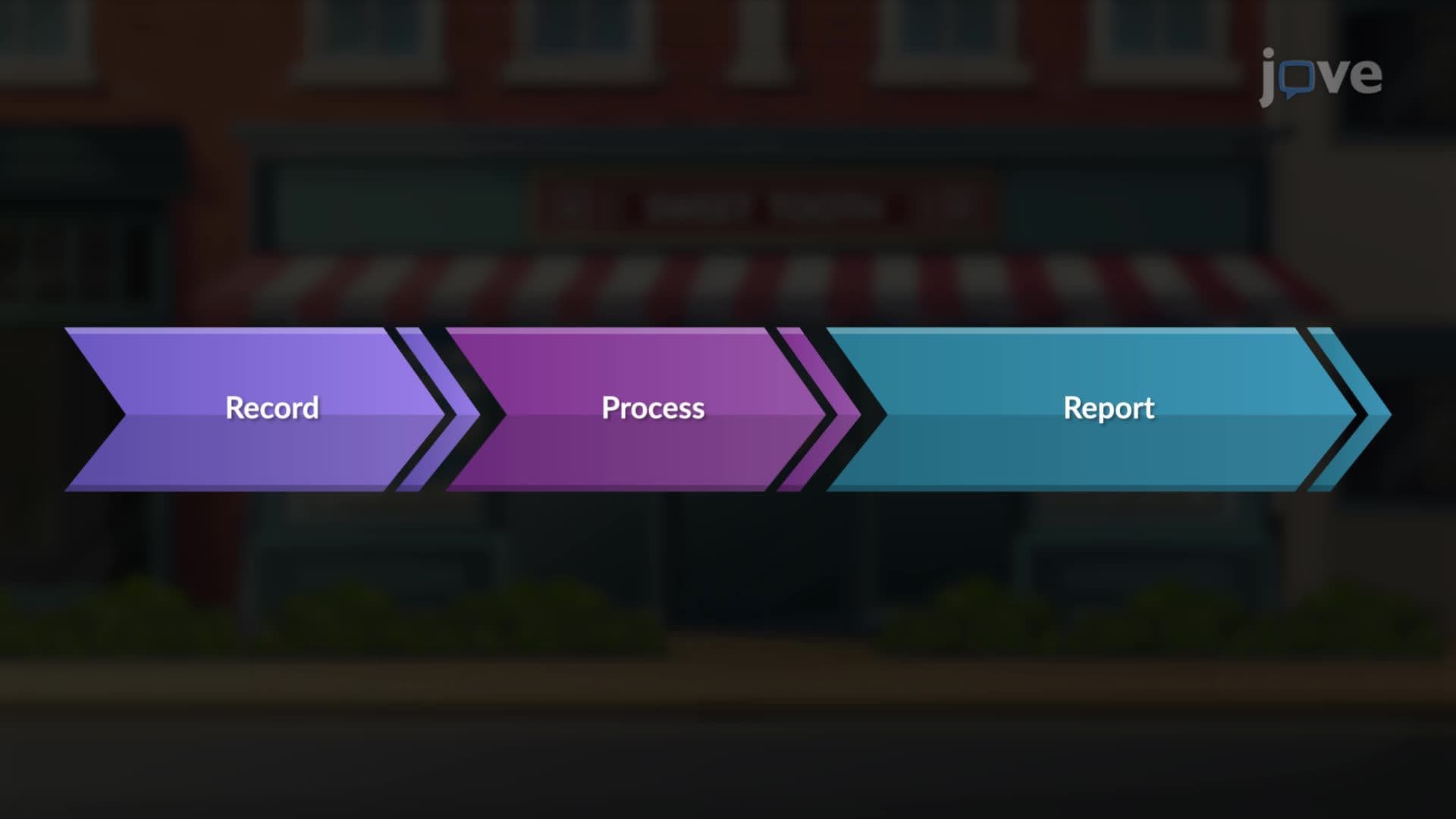
Accounting is the systematic process of recording, summarizing, analyzing, and reporting financial transactions. For managers, the practical implication is straightforward: every decision your team makes, hiring a contractor, running a project, purchasing tools, appears somewhere in a financial statement. Understanding that chain of cause and effect is a core management competency, not a finance specialization.
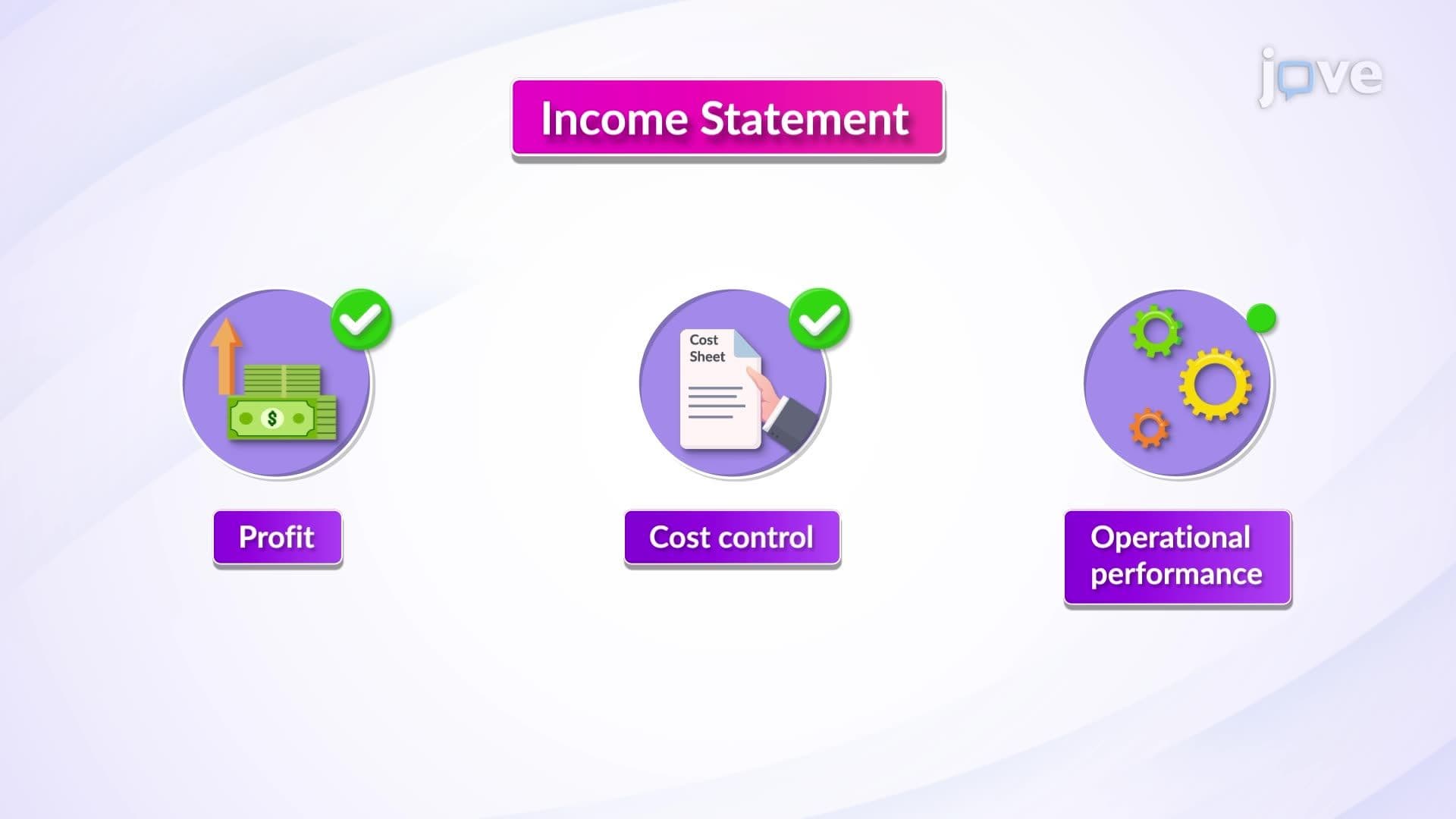
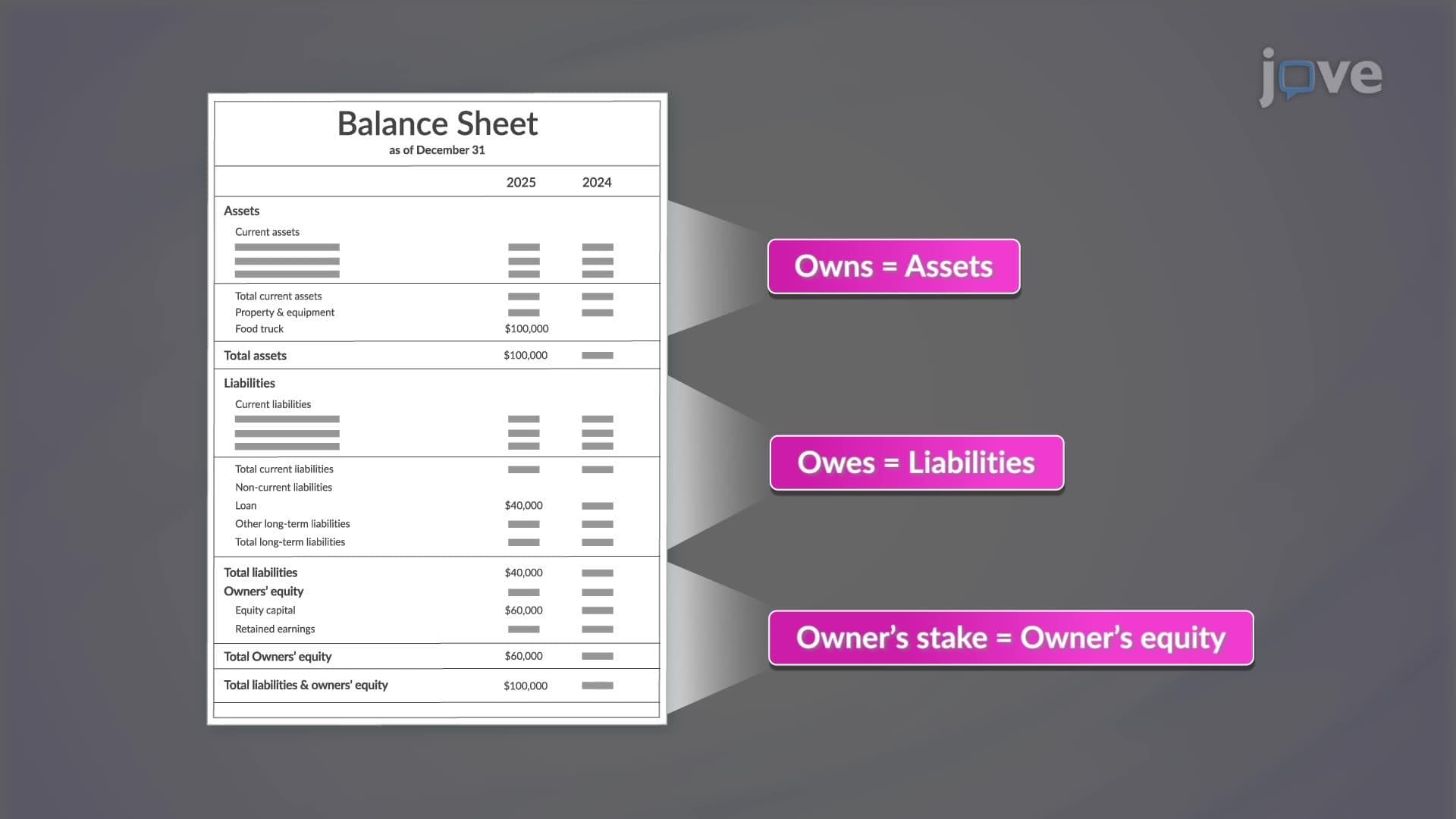
The income statement shows revenues against expenses over a defined period, it tells you whether the business (or your cost center) is generating more than it spends. The balance sheet captures assets and liabilities at a point in time, giving you a snapshot of financial position. The cash flow statement tracks actual cash movement, which matters because profit on paper doesn't always mean cash is available.
A practical framework here is the DuPont Analysis mindset, breaking profitability down into its operational drivers. Even without running the full formula, managers who ask "where is value being created or eroded in our workflow?" are applying the same logic. Pair this with basic cost categorization, fixed versus variable costs, direct versus indirect expenses, and you have a working lens for managing your team's financial footprint.
Start small and specific. In your next budget planning cycle, map your team's activities to one of the three financial statements. Ask: does this expense appear on the income statement as an operational cost? Does this equipment purchase affect the balance sheet? Does this delayed payment affect cash flow?
Use the RACI model when preparing financial inputs for leadership reviews, clarify who is Responsible for tracking costs, who is Accountable for staying within budget, who needs to be Consulted on variances, and who needs to be Informed. This turns abstract accounting compliance into a concrete team accountability structure.
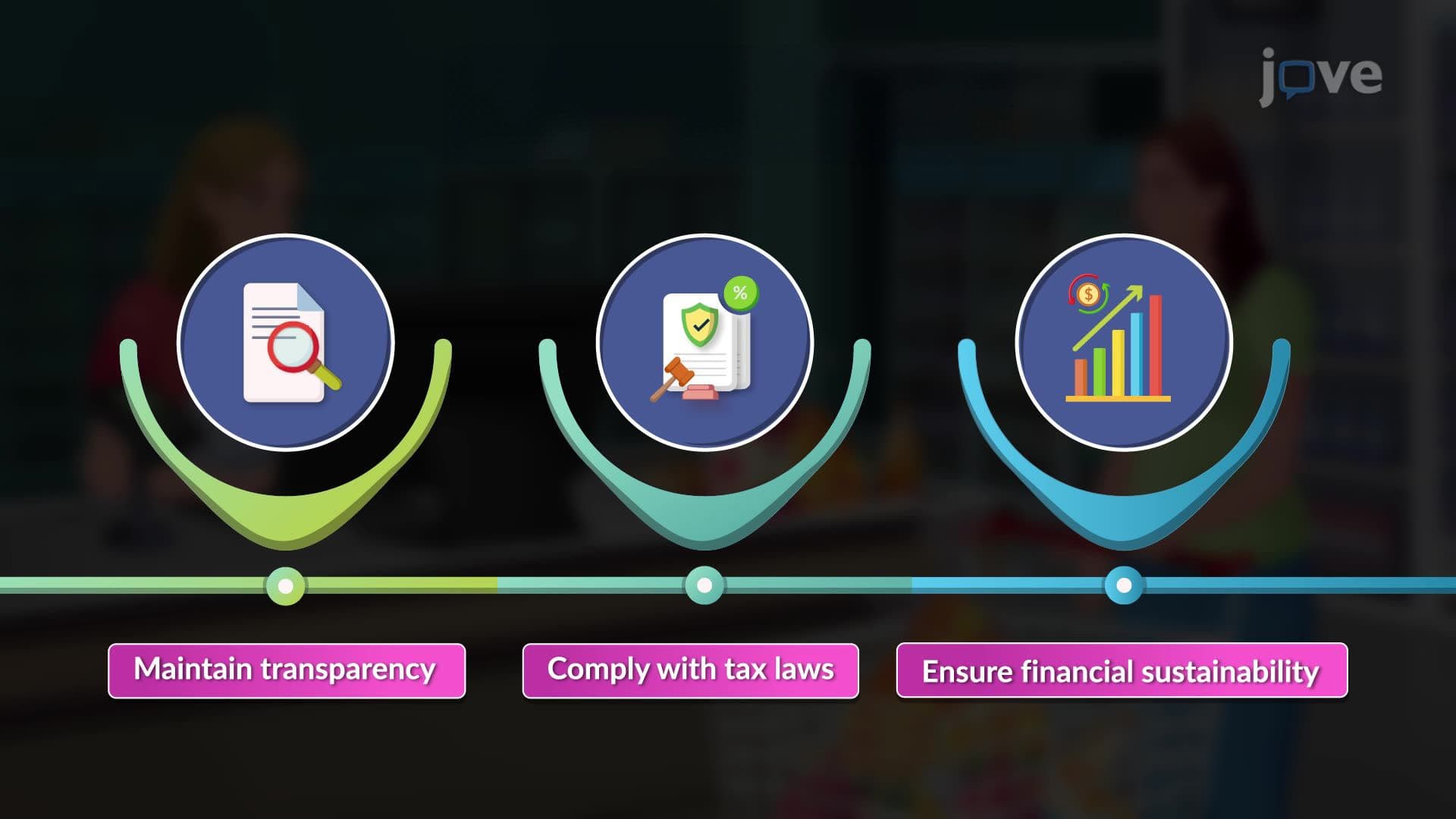
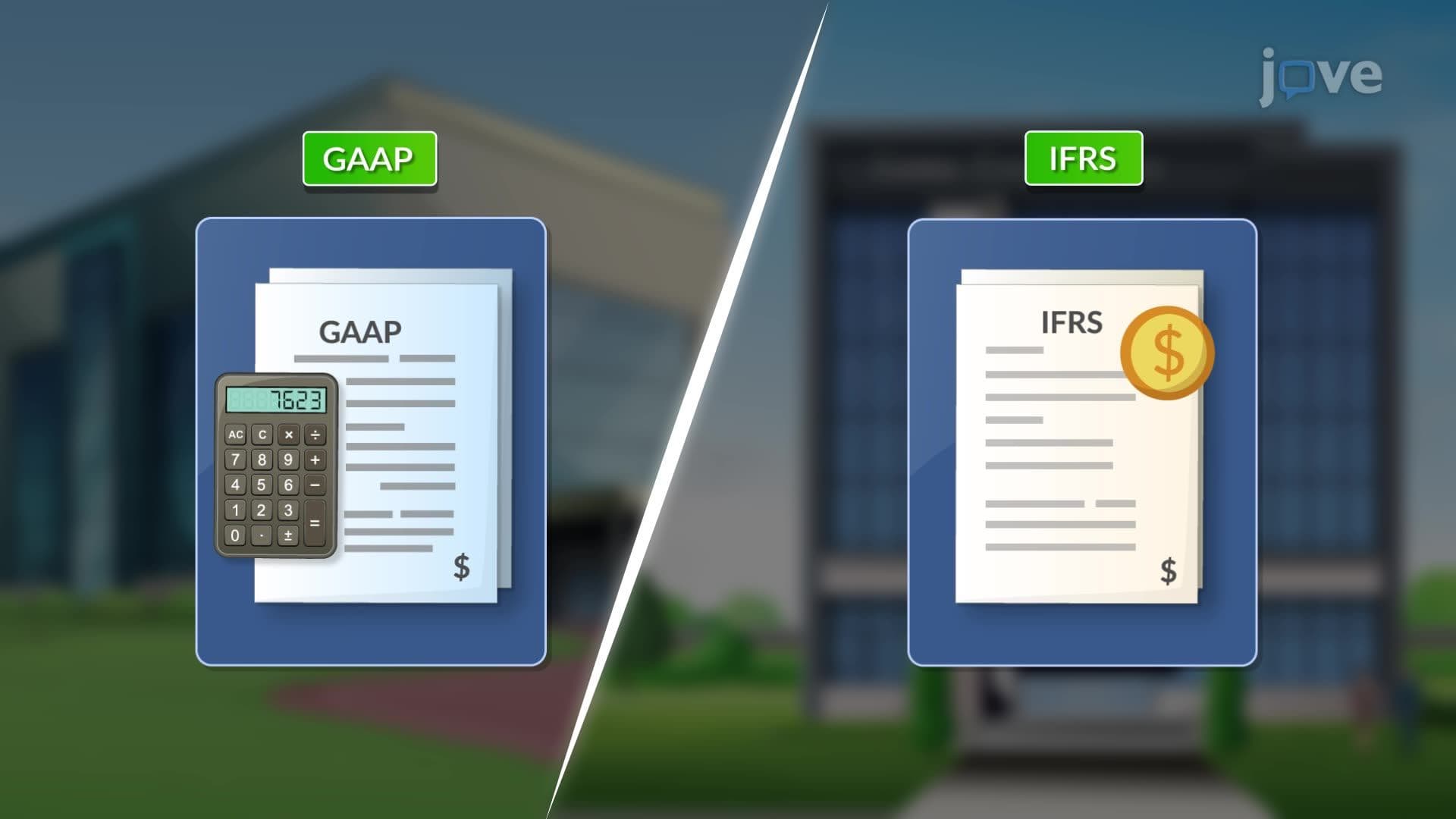
Finally, align your team's financial reporting habits with the basic accounting principles underlying GAAP, consistency, accuracy, and transparency. Even in teams far removed from the finance function, these principles apply to how you document project costs, justify resource requests, and build the kind of stakeholder trust that accelerates your career.
Related Micro-courses