Loading video…


 23 Concepts
 13.7K views

Video Summary: What are Users of Accounting Data
Users of accounting data basics matter more than most managers realize, especially when budget justifications, hiring requests, or resource decisions require you to speak the language of finance. Understanding what are users of accounting data helps you interpret financial reports with confidence and engage creditors, investors, and leadership stakeholders more effectively. Watch the full video on JoVE Coach to master this concept with expert-led visuals and step-by-step explanations.
Picture this: your department has just delivered a strong quarter. You want to hire two additional team members, upgrade a key software tool, and expand into a new market segment. You put together a compelling operational case, but in the budget meeting, the CFO pushes back immediately. Why? Because your proposal didn't speak to the financial data that decision-makers actually rely on. Understanding who uses accounting data, and what they're looking for, is the difference between a request that gets approved and one that stalls indefinitely.
Accounting data isn't just for the finance department. Every time a manager submits a budget variance report, reviews headcount costs, or participates in a quarterly business review, they are functioning as an internal user of accounting data. The challenge is that most managers treat financial reports as outputs they receive rather than inputs they actively interpret and act on.
The RACI framework is useful here. In most organizations, Finance *owns* the accounting data, they're Responsible and Accountable. But managers are *Consulted* and *Informed*, which means their effectiveness depends directly on how well they read, question, and apply that data. Managers who understand the stakeholder landscape around financial reports move faster and communicate more persuasively across the organization.
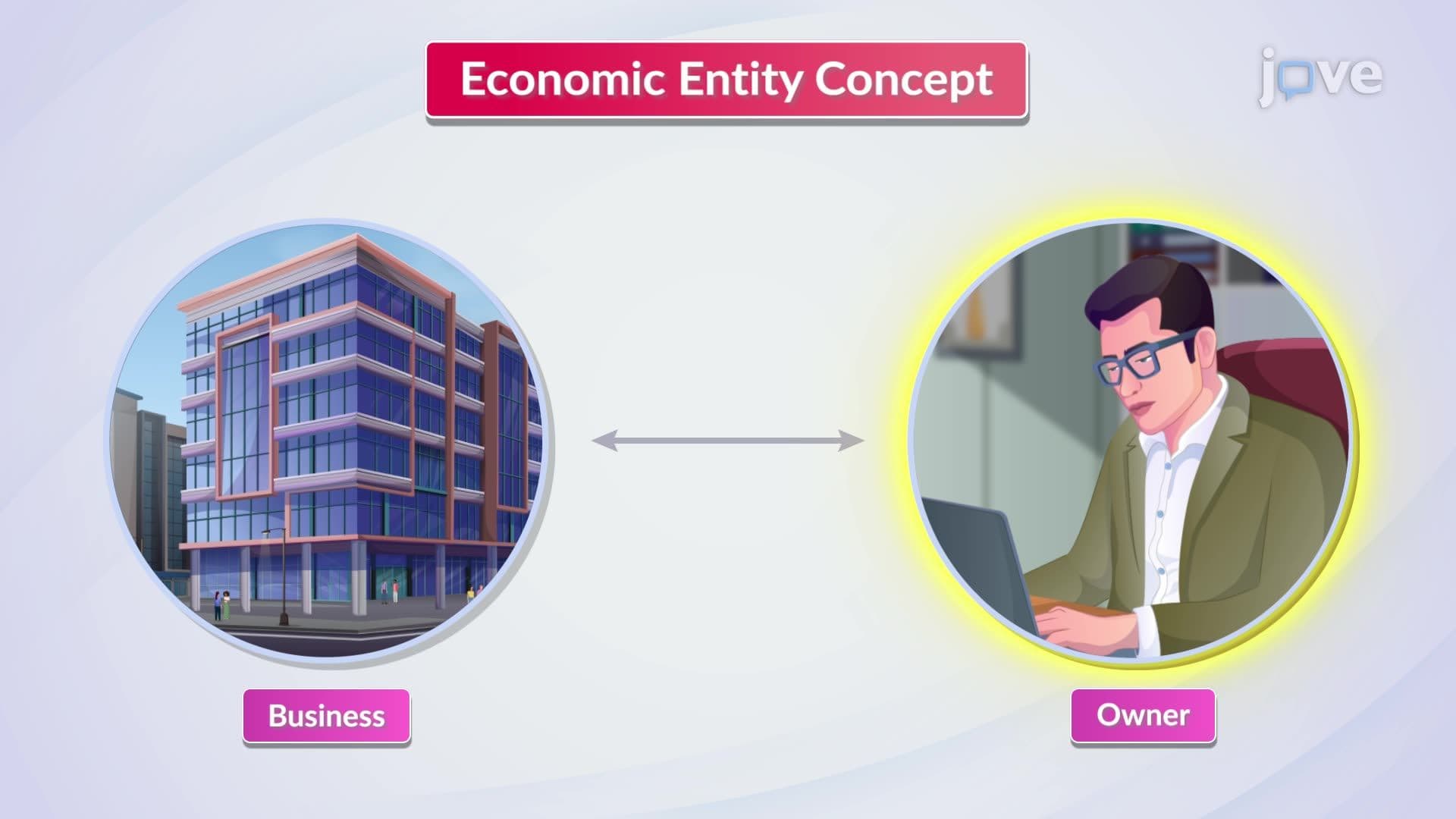
Think of accounting data users in two concentric circles. The inner circle, internal users, includes you as a manager, your peers, your direct reports, and executive leadership. Each group uses financial data differently:
The outer circle, external users, includes investors evaluating return potential, banks and lenders assessing creditworthiness before approving financing, and suppliers determining whether to extend favorable payment terms. These users apply structured financial analysis frameworks, ratio analysis, cash flow modeling, and trend benchmarking, before making high-stakes decisions.
As a manager, recognizing this dual structure helps you understand *why* certain financial disclosures are prepared the way they are, and *what* your organization is signaling to the outside world through its reporting.
Start with a simple habit: before your next budget discussion or resource request, ask yourself, *who will read this, and what decision are they trying to make?* This shifts your framing from "here's what my team needs" to "here's what the data says about the return on this investment."
Apply the Situation-Behavior-Impact (SBI) model, commonly used in feedback, to financial storytelling: describe the current financial *situation* your department is operating in, identify the specific *behaviors* or investments you're recommending, and quantify the *impact* in terms finance and leadership stakeholders can evaluate. This bridges the gap between operational management and financial communication, making you a more effective advocate for your team and a more trusted voice in senior conversations.
Related Micro-courses