Loading subject page…


13,712 views


Video Summary: International Financial Reporting Standards Ifrs Explained
International financial reporting standards (IFRS) basics become critical the moment you oversee budgets, evaluate vendor bids, or present financial performance to global stakeholders. Without a shared accounting language, comparing business units or international partners becomes guesswork. Understanding International Financial Reporting Standards (IFRS) explained gives you the fluency to read cross-border financials with confidence. Watch the full video on JoVE Coach to master this concept with expert-led visuals and step-by-step explanations.
Picture this: you are a regional manager overseeing operations across three countries. Your finance team hands you performance reports from each location, but the numbers don't line up in a way that makes intuitive sense. Revenue is categorized differently. Profit margins seem inconsistent. You spend more time questioning the methodology than actually making decisions. This is exactly the problem International Financial Reporting Standards (IFRS) were designed to solve, and understanding them makes you a sharper, more credible manager.
Most managers outside of finance assume numbers are numbers, objective and universal. They aren't. Different countries and organizations have historically used different accounting rules, which means the same business transaction can be recorded in meaningfully different ways. When you sit in a quarterly business review comparing performance across international markets, you may be looking at figures prepared under entirely different frameworks without realizing it. The result is flawed comparison, misallocated resources, and decisions built on shaky ground.
IFRS functions as a single global rulebook for how companies record, report, and present financial information. Developed by the International Accounting Standards Board (IASB), it governs how items like revenue, expenses, assets, and liabilities are defined and disclosed. Think of it like a RACI model for financial reporting, it clarifies who reports what, under what definition, and in what format, so that everyone reading the output is working from the same reference point.
In practical terms, IFRS ensures that when you see "revenue" on a report from a business unit in one country and another in a different country, both figures reflect the same underlying accounting treatment. That comparability is not a technical footnote, it is the foundation of sound financial decision-making at the management level.
Over 140 countries have adopted IFRS, including major economies across Europe, Asia-Pacific, and Latin America. If your organization operates internationally or is seeking investment from global capital markets, IFRS-compliant reporting is often a baseline expectation, not an optional upgrade.
You do not need to be an accountant to use IFRS knowledge effectively. Here is a practical approach for your next financial review or budget conversation:
1. Ask the right framing question first: Before comparing financial figures across teams or markets, confirm whether all reports are prepared under the same accounting standard. A simple "Are these figures IFRS-compliant?" reframes the entire conversation.
2. Use IFRS as a benchmark for consistency: If you manage a team that produces financial reporting, even internal dashboards, apply the IFRS principle of comparability. Are similar transactions being recorded similarly over time? Inconsistency is a red flag worth flagging.
3. Connect IFRS to the 70-20-10 principle: Seventy percent of financial literacy as a manager comes from doing, reading real reports, asking finance partners questions, and stress-testing numbers. Use your IFRS knowledge as the foundation for those conversations, not a replacement for them.
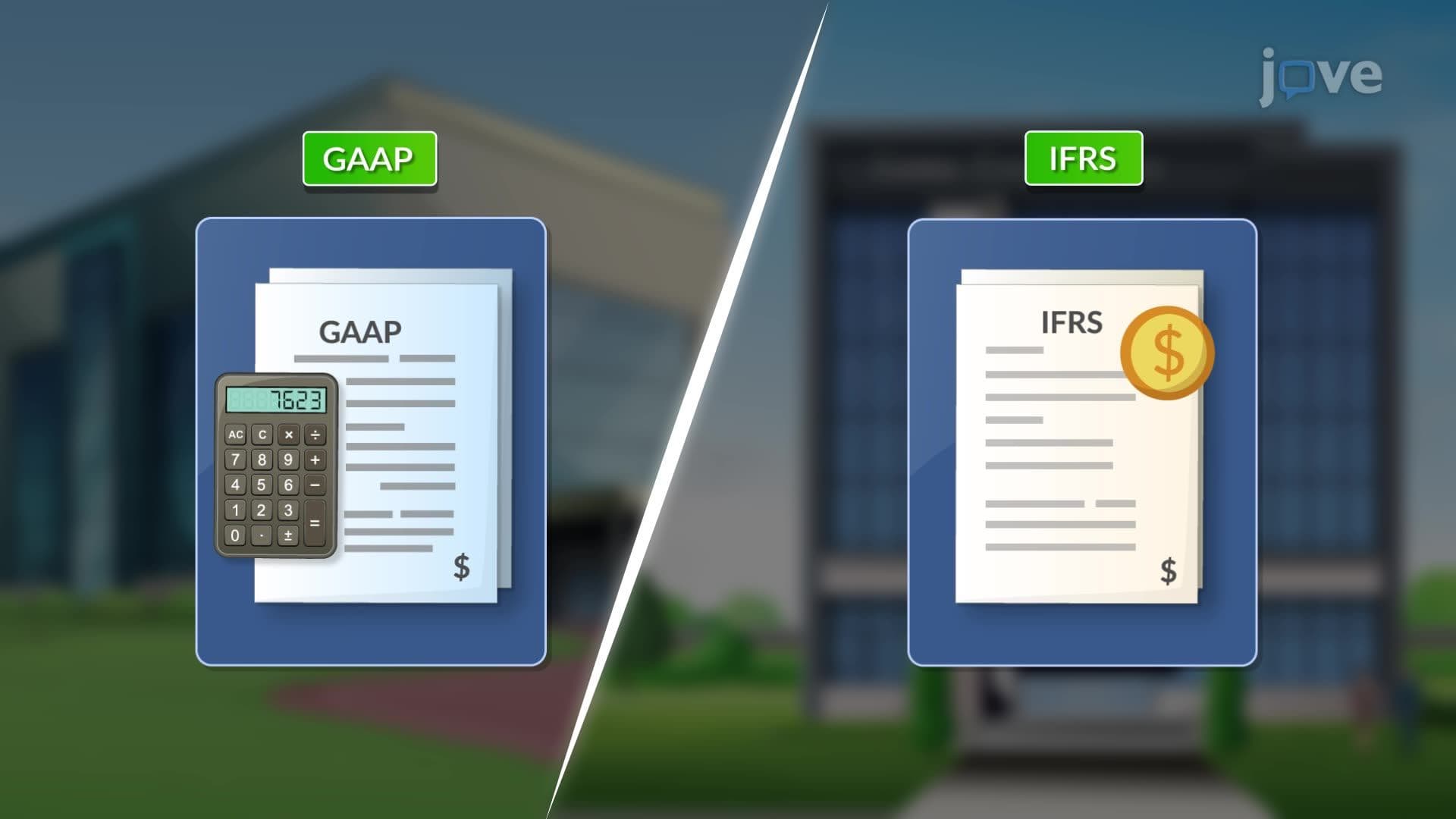
The most frequent mistake is assuming IFRS and other frameworks like US GAAP are interchangeable. They are not. Significant differences exist in areas like revenue recognition and lease accounting. Treating a GAAP-prepared report as if it were IFRS-compliant, or vice versa, can lead to materially wrong conclusions about profitability or financial health.
A second mistake is delegating all financial interpretation to your finance business partner without developing any personal fluency. While partnering with finance is essential, managers who understand IFRS basics ask better questions, catch discrepancies earlier, and communicate financial results more accurately to their own teams. That fluency is a leadership differentiator, not a technical luxury.
Related Micro-courses