Loading video…

 23 Concepts
 13.7K views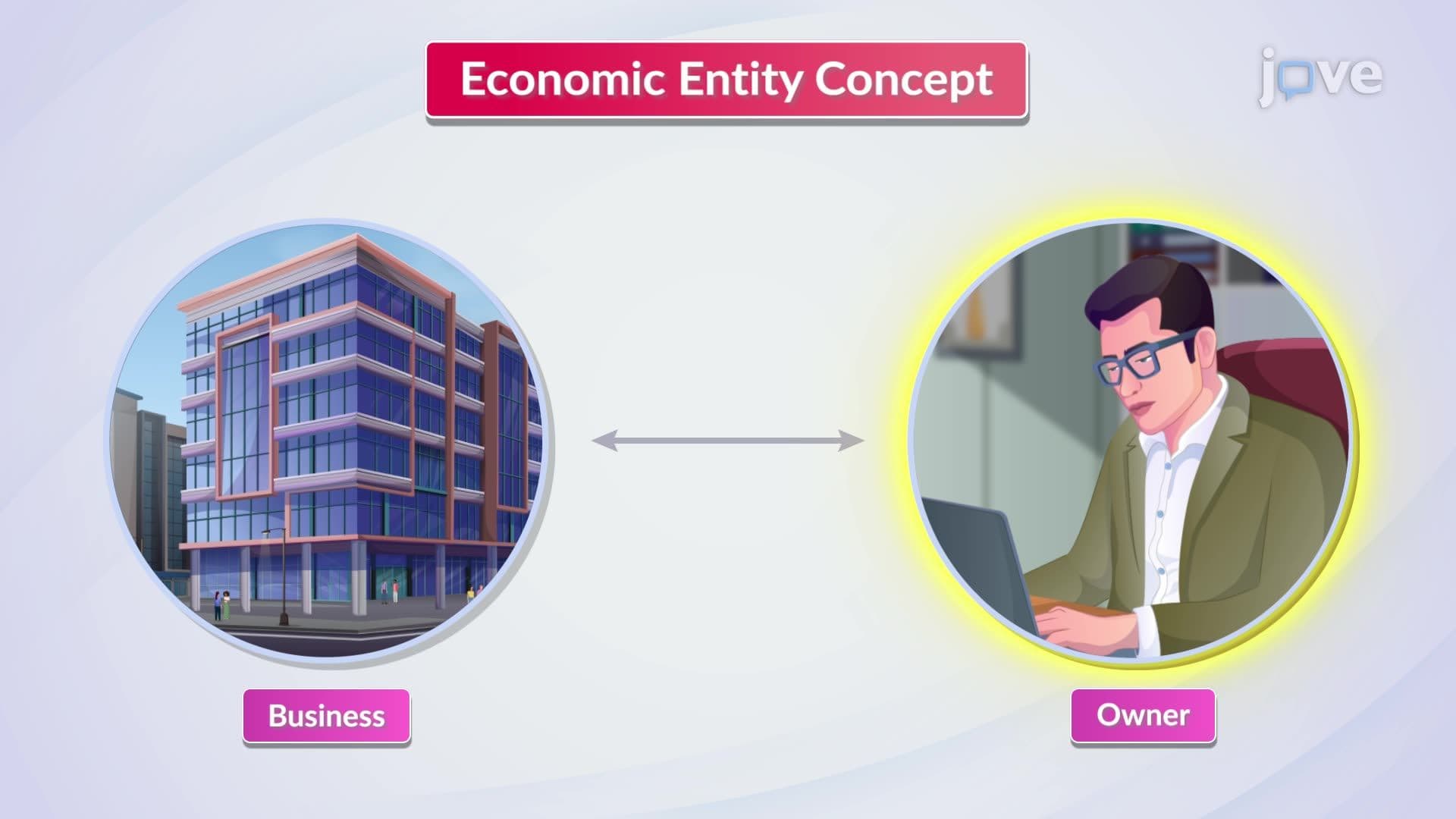

Video Summary: What Is Economic Entity Concept
The economic entity concept is a foundational principle every manager overseeing business finances must understand, blurring the line between personal and business expenses creates audit risks, tax complications, and erodes financial credibility. Mastering economic entity concept basics helps managers protect operational integrity and ensure transparent reporting. Watch the full video on JoVE Coach to master this concept with expert-led visuals and step-by-step explanations.
Picture this: a manager at a growing business charges a personal weekend purchase to the company account, not out of malice, but out of convenience and unclear boundaries. By the time the finance team flags it during a quarterly review, the damage is already done: audit complications, strained trust with leadership, and a messy paper trail to untangle. This scenario plays out more often than most organizations admit, and it almost always traces back to one failure, not understanding or enforcing the economic entity concept.
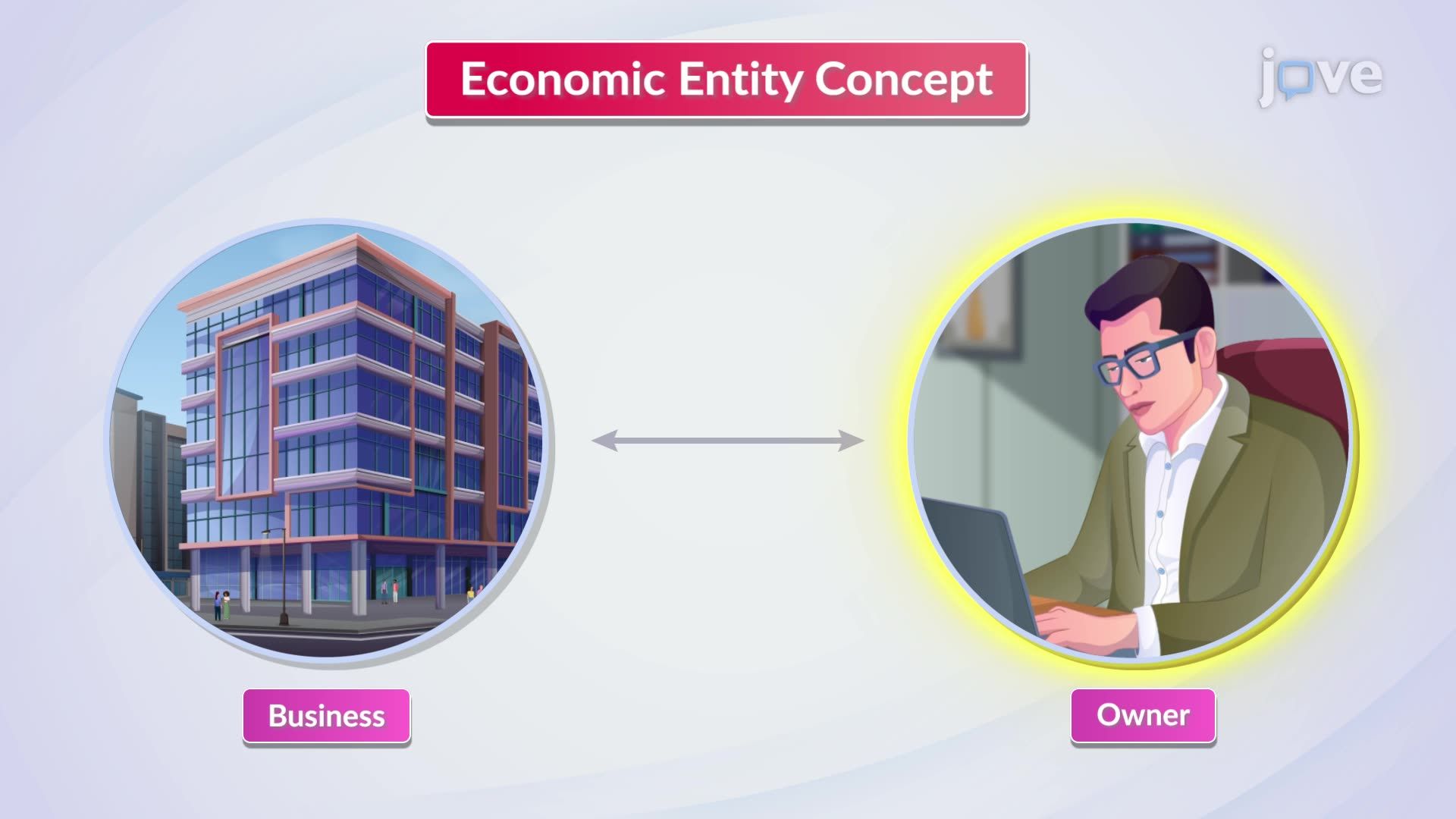
The economic entity concept is one of the core pillars of GAAP principles. It establishes that a business is a financially independent unit, completely separate from the personal finances of its owners, founders, or any individual associated with it. Every transaction recorded in the business's books must relate exclusively to business activity. This isn't just an accounting technicality, it directly affects how reliable your financial statements are, how smoothly audits proceed, and how credible your organization appears to investors, lenders, and regulators.
For managers who oversee budgets, approve expenses, or manage operational spending, this concept is operational, not theoretical. When you approve a reimbursement, sign off on a vendor payment, or review a departmental budget line, you are either upholding or eroding this principle.
The most frequent failure isn't intentional fraud, it's a lack of clear governance. Common breakdowns include:
A useful framework here is the RACI model applied to financial oversight. Clearly defining who is *Responsible* for expense submission, who is *Accountable* for approval, who is *Consulted* during budget reviews, and who is *Informed* of spending variances eliminates the ambiguity that allows entity boundaries to blur.
Apply a simple three-question test before approving any expense or financial entry:
1. Does this transaction serve a legitimate business purpose? 2. Is it documented and traceable to a business activity? 3. Would it withstand scrutiny in an external audit?
If the answer to any of these is uncertain, the transaction needs further review before it's recorded. This mirrors the principle behind double-entry bookkeeping, every entry must have a corresponding, verifiable counterpart that reflects business reality.
Additionally, managers should build this discipline into onboarding. When a new team member joins, explicitly walk them through the organization's expense policy, how it connects to financial accounting fundamentals like the economic entity concept, and what the consequences of misclassification are. Embedding this into standard operating procedure prevents issues before they start.
Long-term compliance with the economic entity concept isn't a one-time training, it's a management behavior. Schedule periodic expense reviews with your team. Use quarterly financial check-ins to reinforce boundaries, catch anomalies early, and celebrate accurate reporting as a professional standard. When teams understand *why* the separation matters, not just that it's a rule, they internalize it as a marker of organizational professionalism, not a bureaucratic hurdle.
Related Micro-courses