Loading video…


 23 Concepts
 13.7K views

Video Summary: Generally Accepted Accounting Principles Gaap Explained
Generally Accepted Accounting Principles (GAAP) basics become essential when managers are held accountable for budget decisions, financial reporting conversations, or cross-functional projects tied to company performance. Understanding Generally Accepted Accounting Principles (GAAP) helps you interpret financial statements confidently, ask sharper questions in leadership reviews, and earn credibility with finance stakeholders. Watch the full video on JoVE Coach to master this concept with expert-led visuals and step-by-step explanations.
Picture this: you are sitting in a quarterly business review, and the finance director references a variance in the balance sheet. Your peers from other departments nod along. You are not sure whether the number represents a risk or a routine adjustment, and you are not confident enough to ask. This is exactly the gap that understanding Generally Accepted Accounting Principles (GAAP) closes for working managers.
GAAP is not just an accounting department concern. As a manager, your credibility in financial conversations, and your ability to advocate for your team, depends on knowing what these standards mean and why they exist.
Many managers assume that financial reporting is someone else's job. And technically, the preparation is. But interpreting, questioning, and acting on financial data? That falls squarely in your lane.
GAAP exists to ensure that every organization preparing financial statements does so using the same rules, covering how revenue is recognized, how assets are recorded, and how liabilities are disclosed. When you understand these rules, you stop reading financial reports passively and start engaging with them strategically.
The four foundational characteristics of GAAP, relevance, reliability, consistency, and comparability, are not abstract concepts. They are the lens through which every financial decision in your organization is evaluated. A budget that lacks consistency across reporting periods, for example, will raise red flags with finance leaders even if the numbers look healthy on the surface.
Think of GAAP through the lens of the MECE framework (Mutually Exclusive, Collectively Exhaustive), a tool commonly used in structured thinking and management consulting. Just as MECE helps you break down complex problems without overlap or gaps, GAAP requires that financial information be complete, non-duplicative, and consistently categorized.
Here is how each GAAP characteristic maps to a practical management behavior:
You do not need to be a financial expert to use GAAP principles effectively. You need to be fluent enough to participate, challenge, and decide.
Before your next financial review, budget meeting, or resource planning conversation, run through this practical checklist:
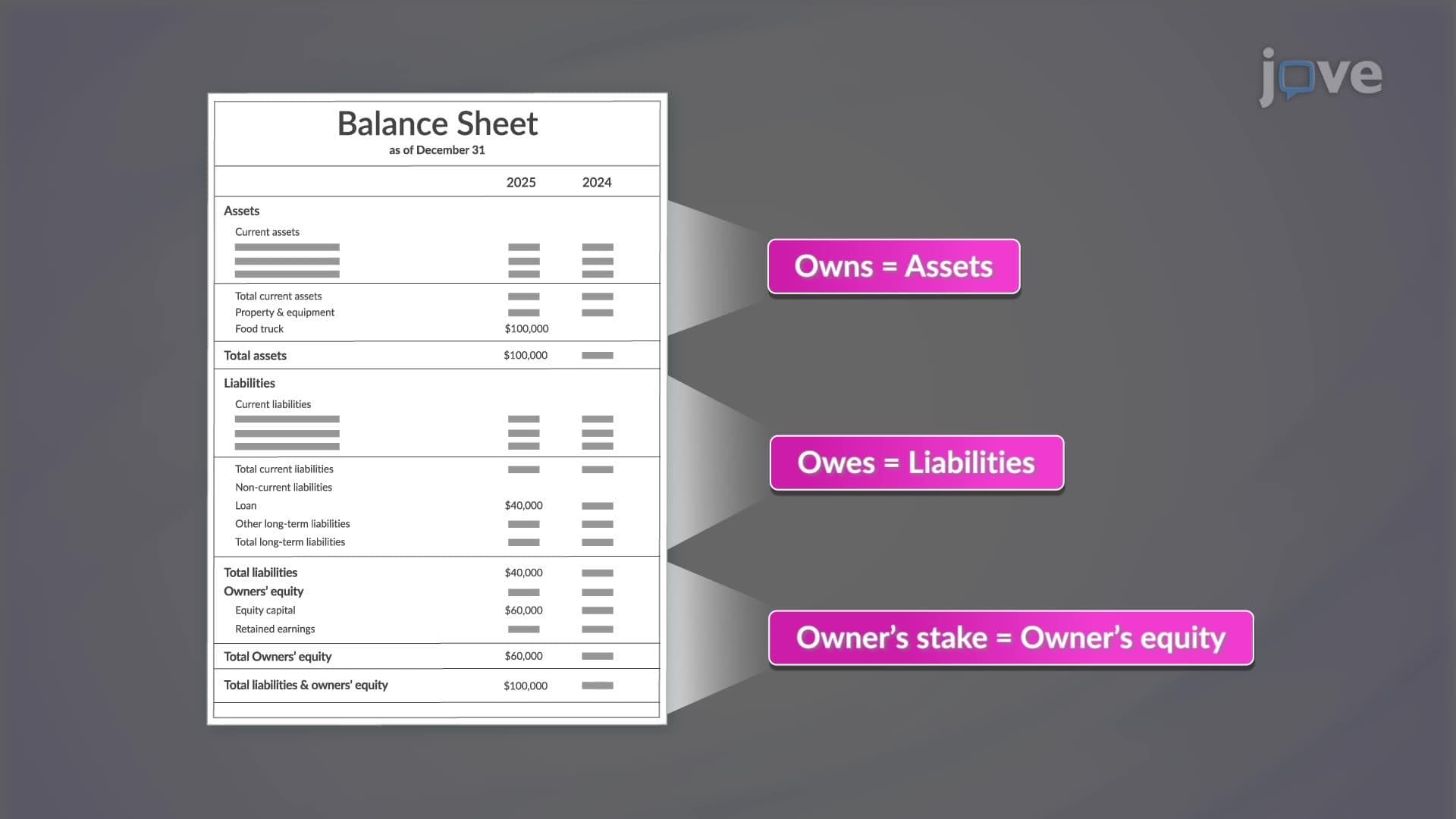
1. Know what's on the balance sheet, assets, liabilities, and equity. Understand what your team's cost centers contribute to each. 2. Ask about consistency, if a number looks different from last quarter, ask whether the reporting methodology changed before assuming performance shifted. 3. Use comparability as a tool, when making a case for additional headcount or investment, use standardized financial data to benchmark against comparable periods or functions. 4. Check for relevance, strip out noise. Focus on the two or three financial indicators that genuinely measure your team's contribution to business outcomes.
The most common mistake managers make is treating financial fluency as optional until a crisis forces their hand. By then, the credibility damage is already done.
A second mistake is relying entirely on finance partners to interpret data without developing your own reading ability. Finance teams translate numbers, but the business judgment about what to do with them belongs to you.
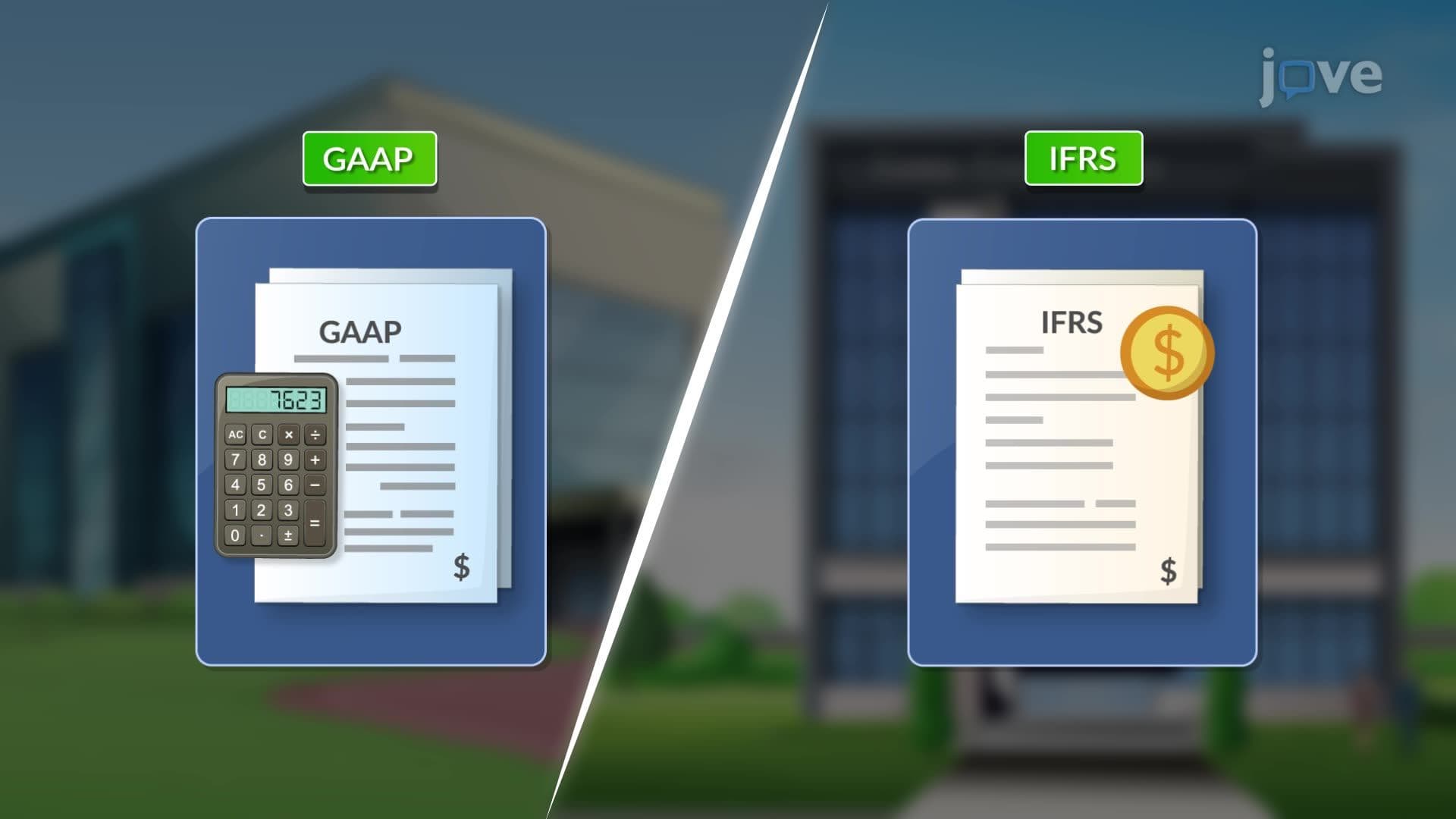
Finally, avoid conflating different reporting frameworks. GAAP applies specifically to the formal preparation and presentation of financial statements for public accountability. It is distinct from internal management accounting, which has more flexibility. Knowing the difference helps you ask the right questions in the right context.
Related Micro-courses