Loading concepts…


23 Concepts
21 Concepts
16 Concepts
20 Concepts
17 Concepts
14 Concepts
11 Concepts
7 Concepts
9 Concepts
 21 Concepts
 7.4K Views
 Popular topics












Recording financial transactions is a foundational skill every manager needs to make confident, informed decisions. When financial data is inaccurate or poorly organized, budget conversations stall, resource requests lose credibility, and leadership trust erodes. This JoVE Coach micro-course equips working managers with the accounting fluency to interpret records, catch errors early, and communicate financial performance with clarity and authority.
1. The Accounting Process and the Role of Accounts
The accounting process is the structured workflow businesses use to capture, classify, and communicate financial activity. For a working manager, understanding this process means knowing where financial data originates and how it flows through your organization before reaching a report. Every transaction is first identified as an economic event, then classified into one of five account types, assets, liabilities, equity, revenues, or expenses. A department head reviewing monthly cost summaries, for instance, needs to understand which account category each line item belongs to and why it appears where it does on a financial statement.
2. Debits, Credits, and the Double-Entry Accounting System
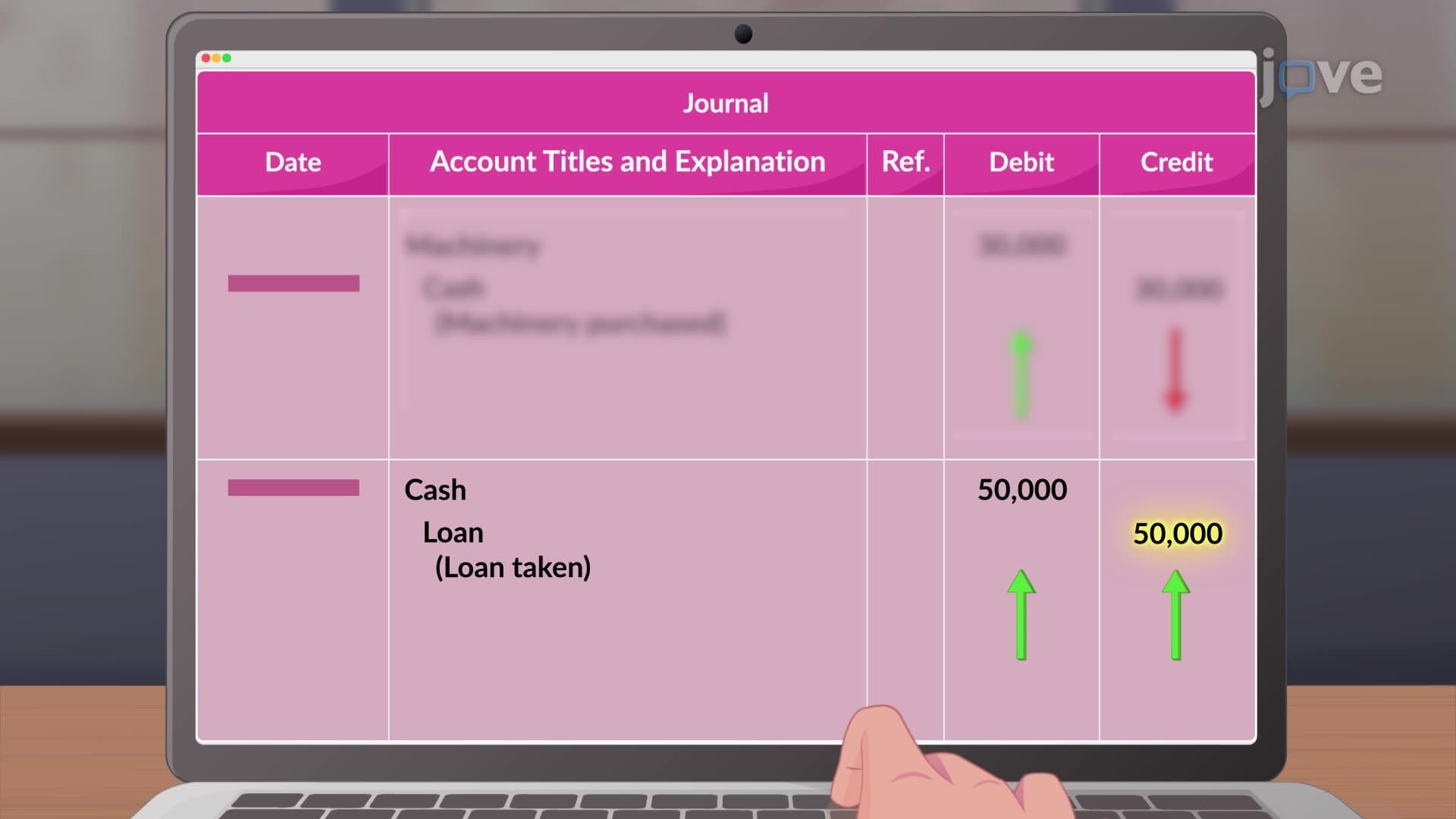
Every financial transaction affects at least two accounts, one is debited and one is credited, and the total of both sides must always balance. This double-entry principle is the backbone of reliable financial reporting. For a manager, understanding this means recognizing that no transaction exists in isolation: purchasing equipment reduces cash but increases assets, and recording revenue increases both income and equity. When a team lead questions why a budget line moved unexpectedly, knowing how debits and credits interact allows them to trace the root cause quickly rather than waiting for a finance team explanation.
3. Debit and Credit Effects on Assets, Liabilities, and Owner's Equity
Debits increase assets and decrease liabilities, while credits do the opposite. Owner's equity grows through credits, from revenue or capital contributions, and shrinks through debits such as withdrawals or expenses. For managers with budget authority, this framework explains how financial decisions ripple across the balance sheet. A manager approving a department loan or a significant equipment purchase is directly affecting asset and liability accounts. Recognizing these effects allows leadership to anticipate how operational decisions translate into financial position changes that will appear in the next reporting period.
4. Debit and Credit Effects on Revenues and Expenses
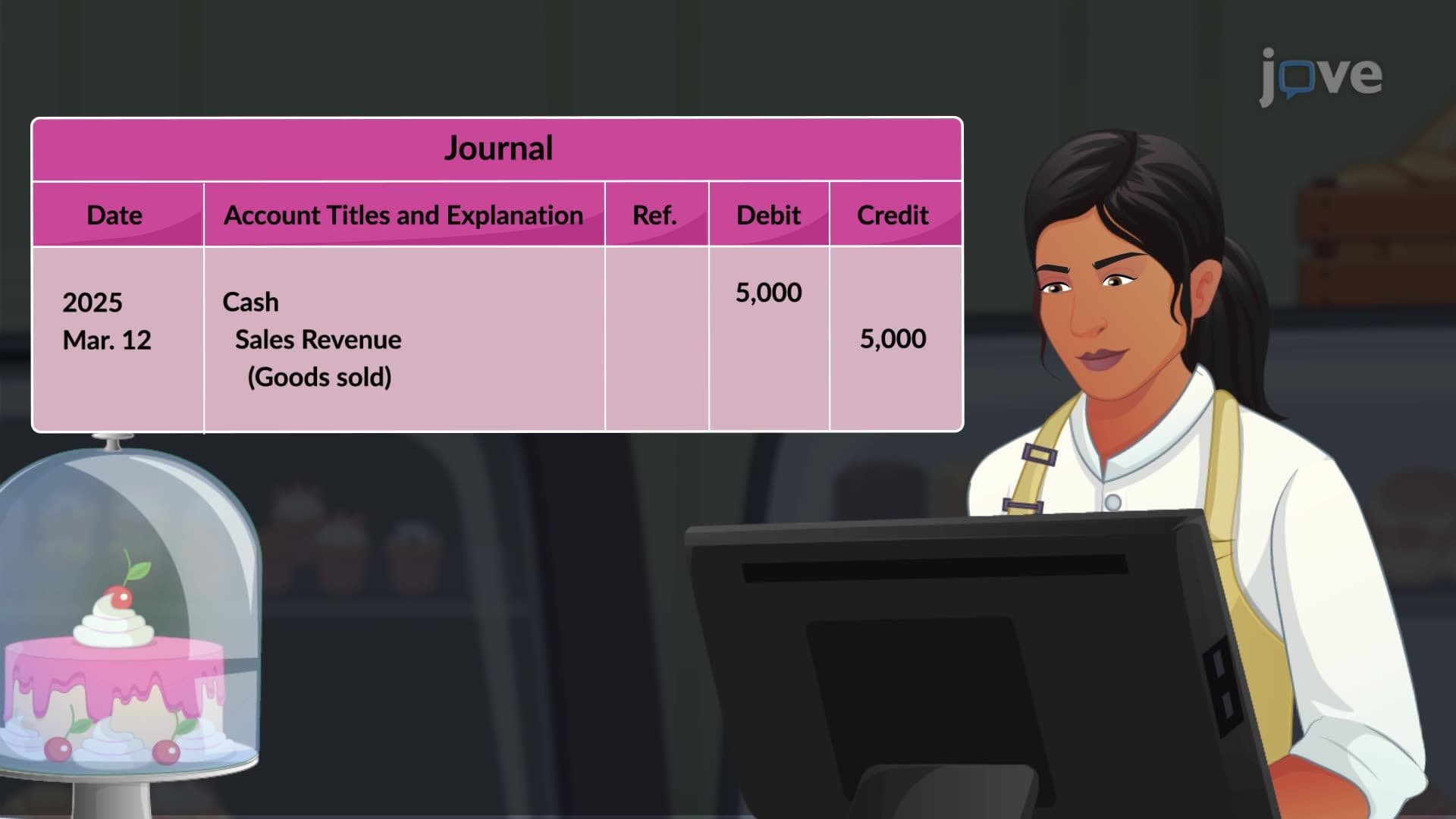
Revenues carry a normal credit balance because they increase equity, while expenses carry a normal debit balance because they reduce it. For a manager tracking departmental profitability, this distinction is practical and immediate. When a service is delivered and revenue is recognized, it flows as a credit into the revenue account and a debit to cash or receivables. When the team incurs operating costs, utilities, salaries, or supplies, those appear as expense debits. Understanding this helps managers read income statements with greater precision and have more productive conversations with their finance counterparts during performance reviews.
5. Capital Expenditure vs. Revenue Expenditure
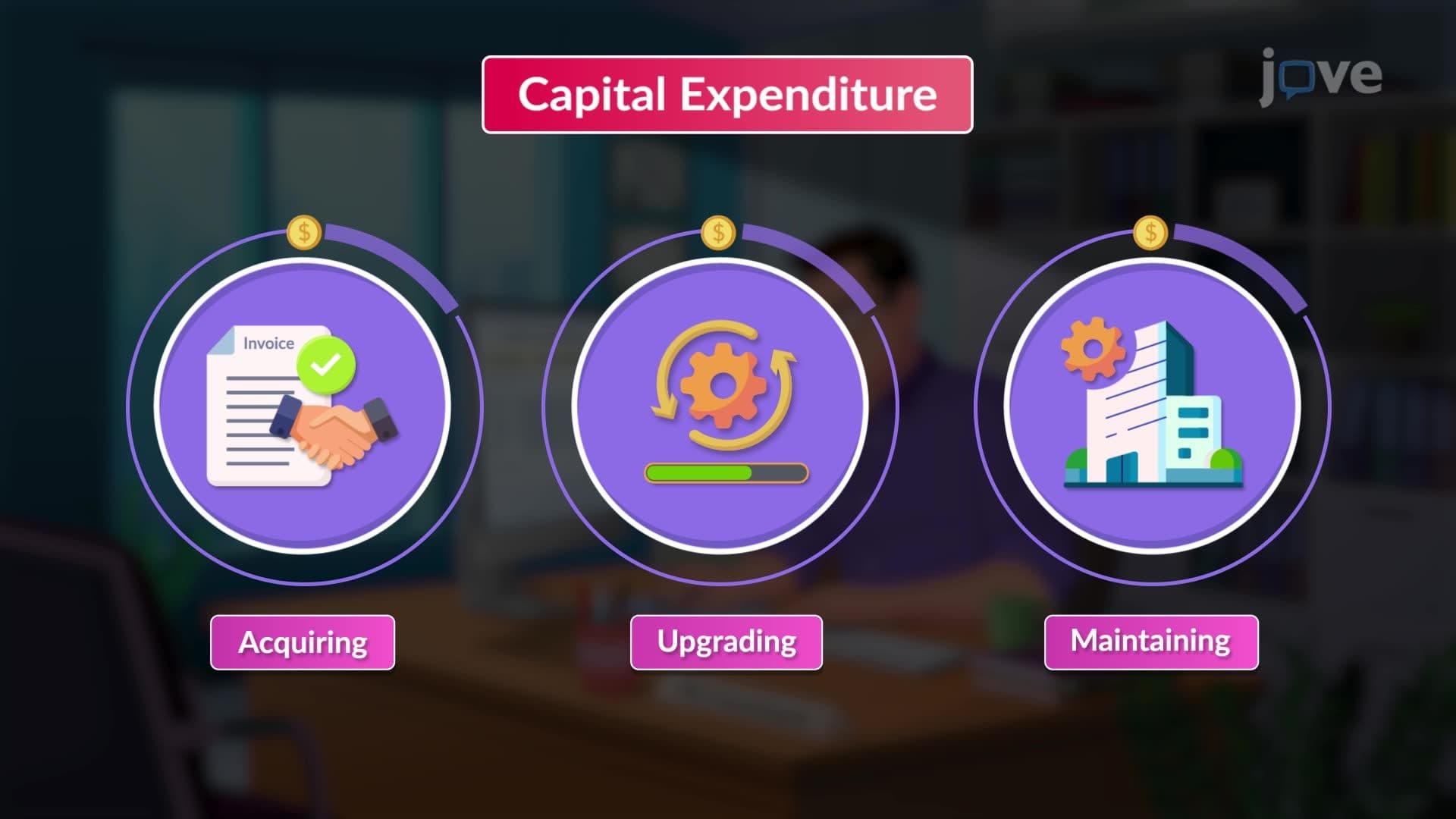
Capital expenditure covers spending on long-term assets, equipment, infrastructure, or technology, that generate value over multiple years and are recorded on the balance sheet, with cost spread through annual depreciation. Revenue expenditure covers routine operating costs that are fully expensed in the current period. For a manager, the distinction matters when building a business case. A request to purchase new team workstations is a capital expenditure; a request to repair existing ones is revenue expenditure. Misclassifying these in budget submissions leads to reporting errors and misaligned expectations between operations and finance leadership.
6. The Journal, Journalizing, and Source Documents
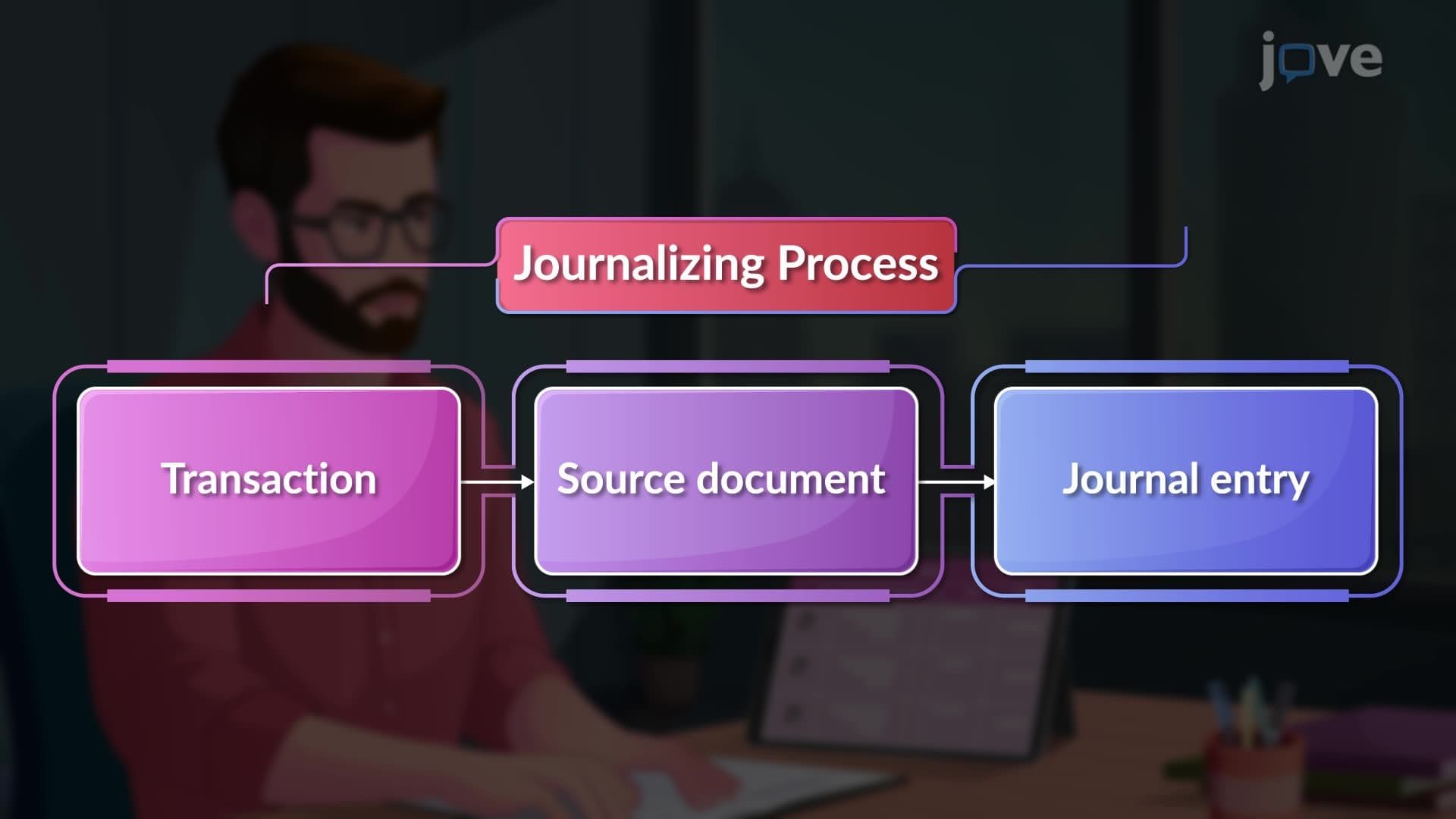
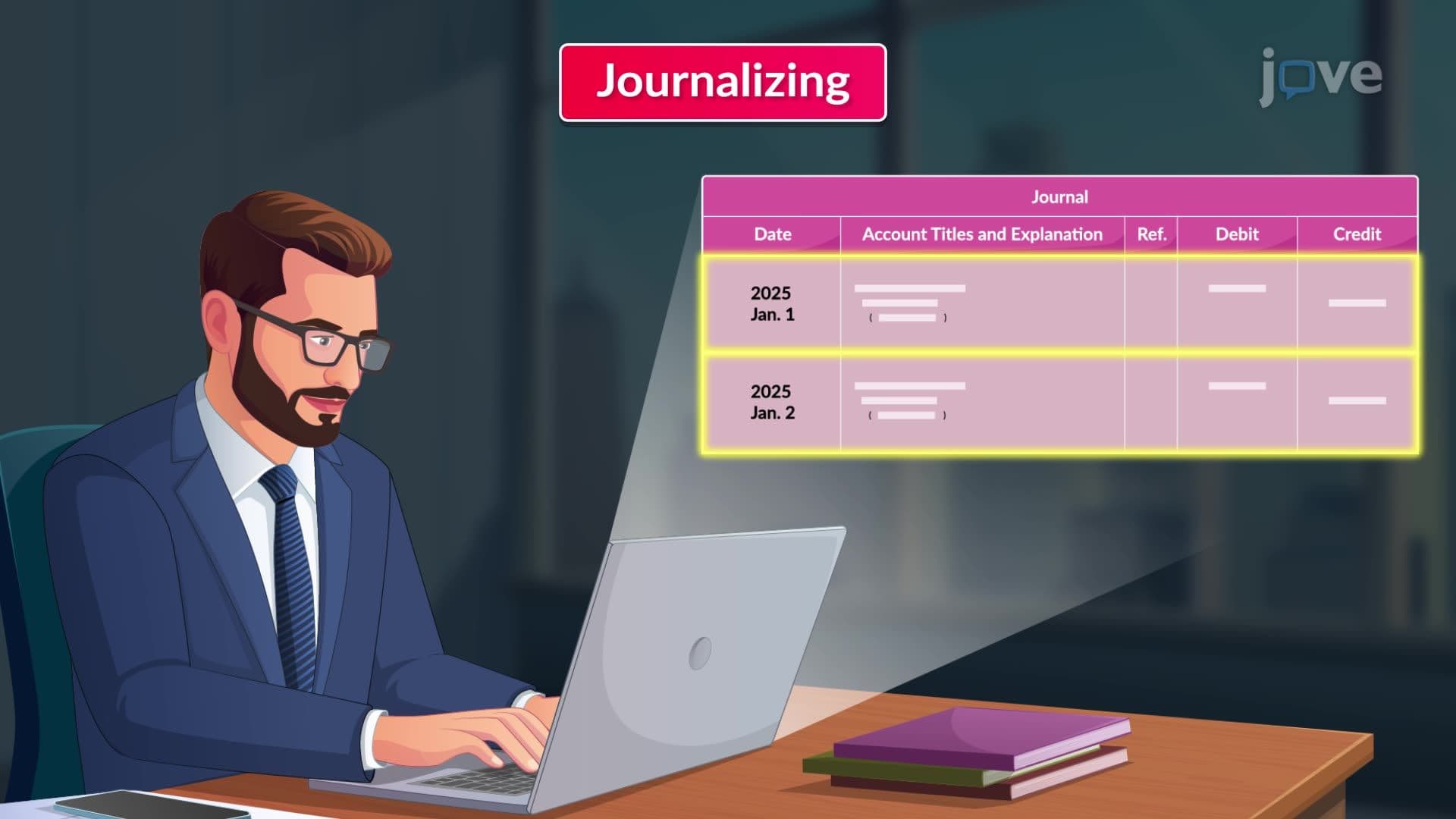
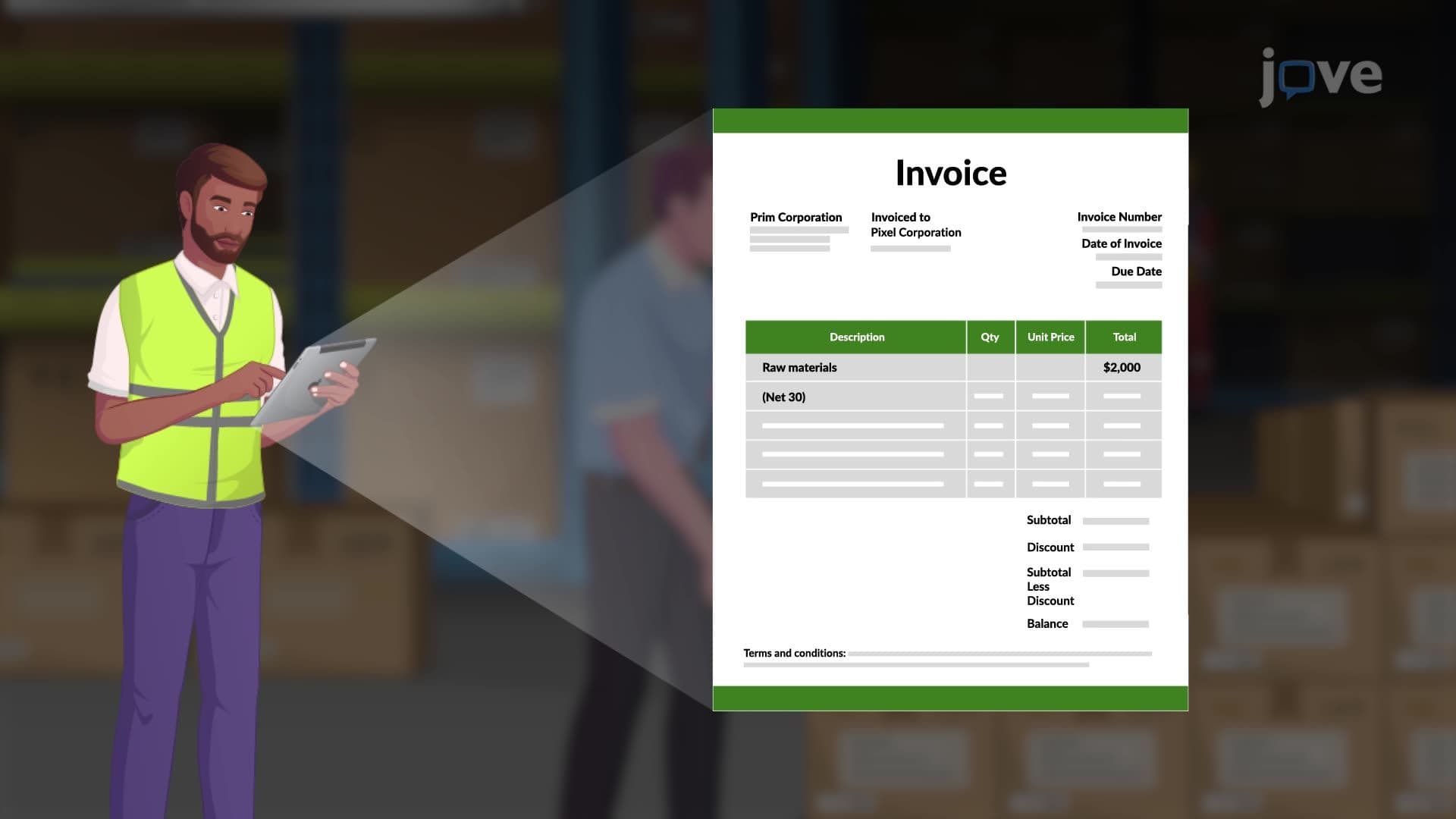
The journal is the first place a financial transaction is formally recorded, in chronological order and supported by source documents such as invoices, receipts, or bank statements. Journalizing, the act of entering these transactions, requires identifying affected accounts, applying debit and credit rules, and noting a brief description. For a manager overseeing a team that handles purchase orders or expense claims, understanding journalizing means appreciating why documentation discipline matters. A missing invoice doesn't just delay payment, it creates a gap in the accounting record that can undermine the integrity of period-end financial reporting.
7. The Ledger and Posting
Once transactions are journalized, they are posted to the ledger, a structured collection of individual accounts that maintains a running balance for each category, such as cash, rent, or salaries. Posting transfers the journal entry details into the relevant accounts, ensuring financial data is both organized and traceable. For a mid-level manager reviewing departmental spending, the ledger is what makes it possible to see the full history of a specific account at a glance. Understanding how posting works helps managers ask smarter questions during financial reviews and identify whether reported figures reflect all recorded activity for the period.
8. The Recording Process in Practice
The recording process ties together source documents, journalizing, and ledger posting into a reliable, repeatable workflow. Every transaction begins with evidence, moves into the journal, and is then transferred to the ledger, creating the foundation for a trial balance and, ultimately, financial statements. For a manager responsible for departmental budgets, understanding this end-to-end flow clarifies why finance teams request timely submission of expense records and purchase approvals. Delays or gaps in the recording process don't just create administrative problems, they can distort the financial picture that leadership uses to make resourcing and investment decisions.
9. The Trial Balance
A trial balance is a summary of all ledger account balances at a specific point in time, used to confirm that total debits equal total credits. It serves as a checkpoint before financial statements are prepared, surfacing mathematical errors or missing entries that need correction. For a manager who reviews monthly financial summaries, understanding the trial balance means knowing that a balanced report doesn't automatically mean an accurate one, errors can still occur when transactions are posted to the wrong account or omitted entirely. This awareness helps managers ask more probing questions when figures don't align with operational reality.
10. Recording Under GAAP and IFRS
GAAP and IFRS are the two dominant frameworks governing how organizations record and report financial transactions. A key practical difference lies in inventory valuation: GAAP does not allow reversal of inventory write-downs, while IFRS permits reversal up to the original cost if market value recovers. For managers in multinational organizations or those working across regional finance teams, these differences affect how the same transaction is recorded and reported depending on which framework applies. Awareness of both frameworks helps managers engage more confidently with finance colleagues and avoid misinterpreting reported figures that stem from different accounting standards.
11. Adjusting Entries: Prepaid Expenses and Unearned Revenues
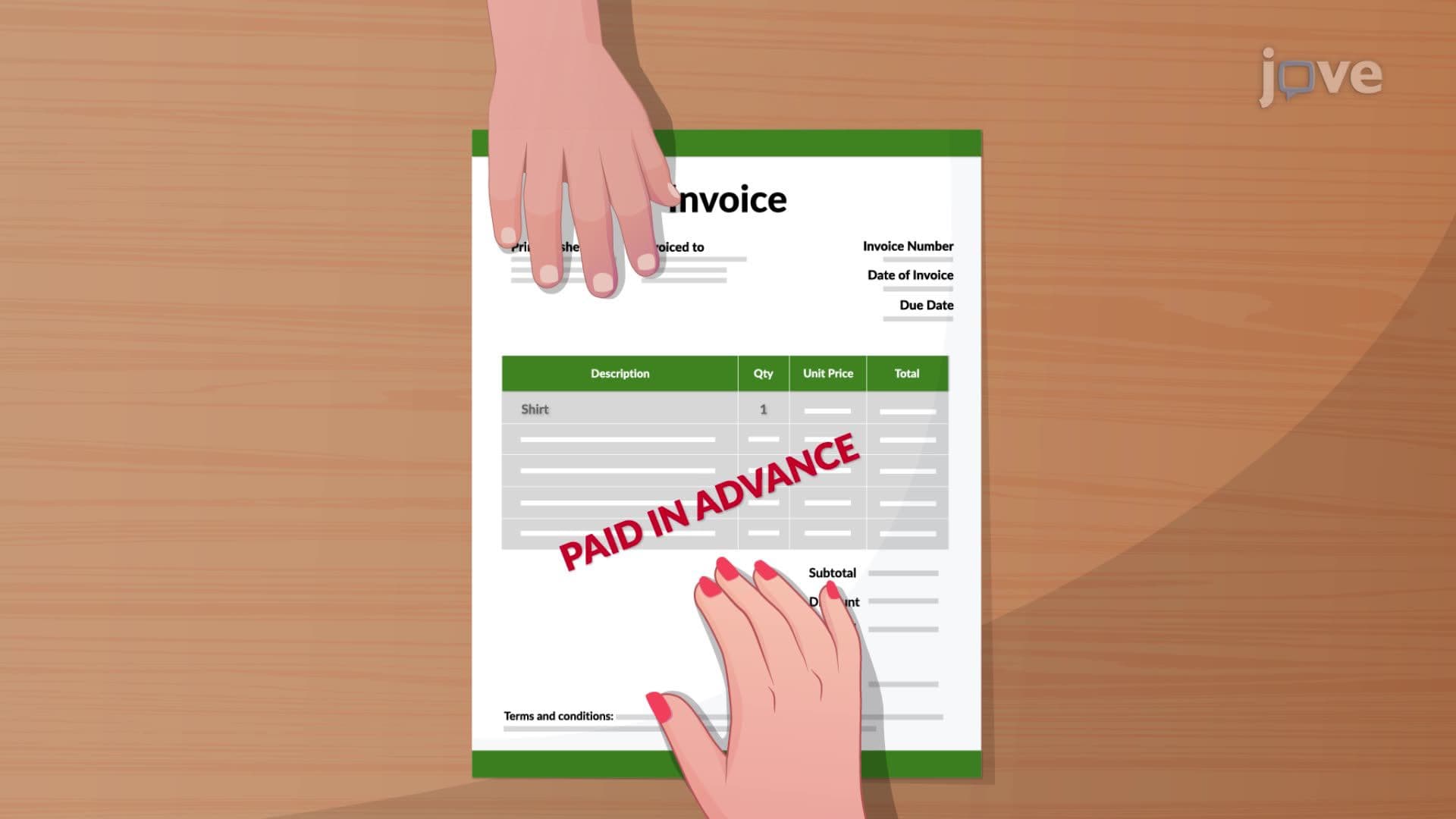
Adjusting entries are made at the end of an accounting period to ensure financial statements accurately reflect what was earned and what was consumed. Prepaid expenses, such as insurance or rent paid in advance, begin as assets and are gradually converted to expenses as the benefit is used. Unearned revenues represent cash received before a service is delivered and remain liabilities until the obligation is fulfilled. For a manager overseeing service delivery or subscription-based operations, these concepts explain why revenue figures on a report may not match cash received, and why that distinction matters for accurate performance assessment.
12. Adjusting Entries: Accrued Revenues and Accrued Expenses
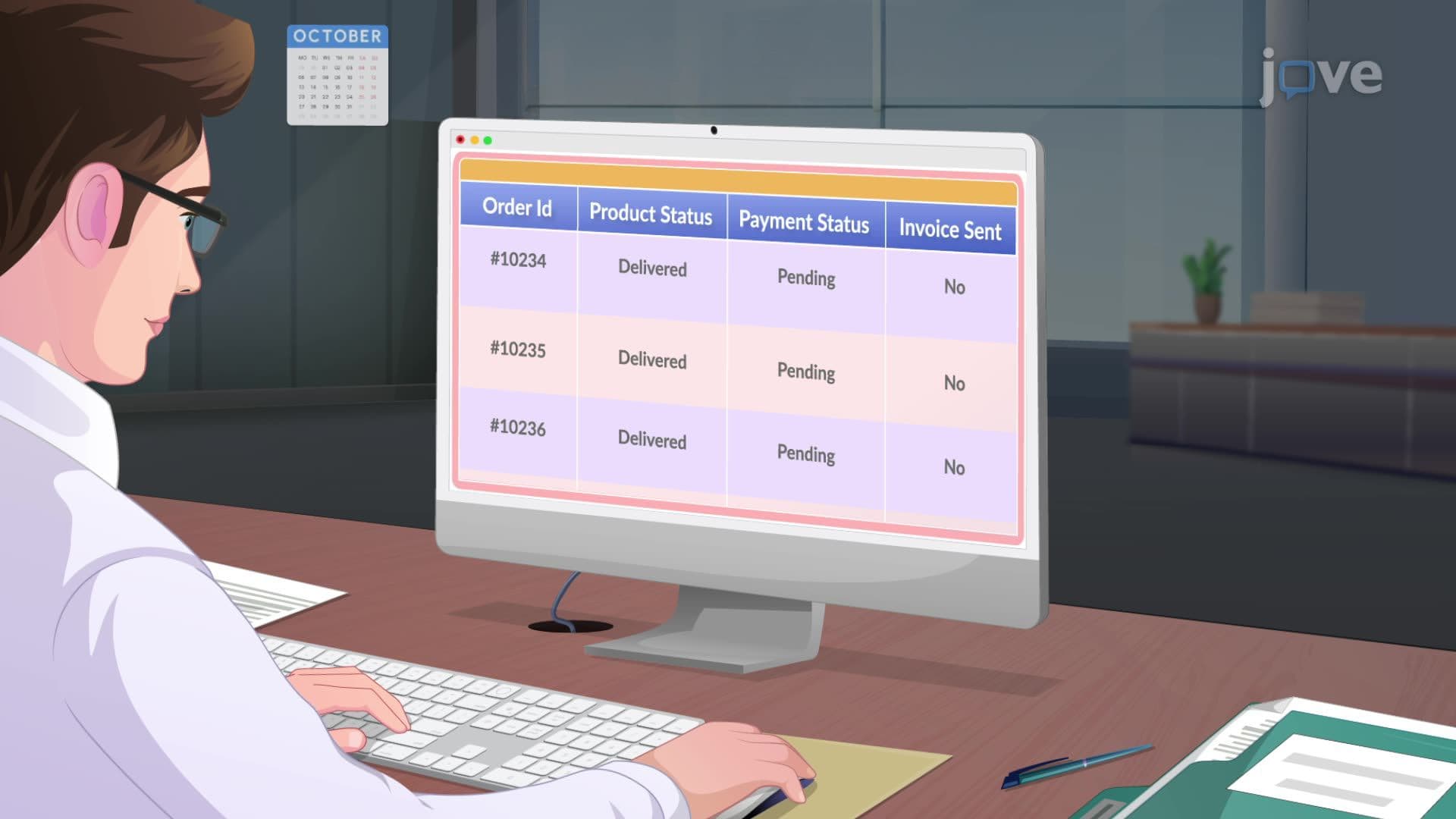
Accrued revenues are earnings recognized before cash is received or an invoice is issued, while accrued expenses are costs incurred but not yet paid by period end. Both require adjusting entries to align the financial statements with the actual economic activity of the period. A manager leading a professional services team, for example, may have delivered work in one quarter but not yet billed the client, accrued revenue entries ensure that output is reflected in the correct period. Similarly, if payroll falls just after month-end, accrued expense entries capture the true cost of that period's labor, preventing understated expenses and overstated profits.