Loading subject page…

7,374 views

Video Summary: What Is the Ledger
The ledger basics matter more than most managers realize, especially when you're accountable for budget decisions, cost approvals, or departmental reporting. Understanding what is the ledger means knowing where financial clarity actually lives: in the organized record of every transaction your business makes. This concept gives managers the financial fluency to ask better questions and make confident decisions. Watch the full video on JoVE Coach to master this concept with expert-led visuals and step-by-step explanations.
Picture this: your finance team sends over the monthly report, and you're sitting across from your director trying to explain a cost variance. You know the team spent the money, but you can't articulate where it shows up, which account it hit, or why the numbers don't match your own mental model. That's not a finance problem. That's a leadership fluency problem, and the ledger is exactly where that gap lives.
The general ledger is often dismissed as a back-office concern, something accountants manage while operational leaders focus on output and people. That's a costly assumption. The ledger is the organized master record of every financial transaction in a business, sorted by account: cash, revenue, rent, payroll, and more. Each account maintains a running balance that reflects real activity over time.
When managers don't understand this structure, they ask the wrong questions in budget reviews, misread variance reports, and struggle to connect their team's decisions to financial outcomes. The ledger isn't just a bookkeeping tool, it's the source of truth for every financial statement your organization produces.
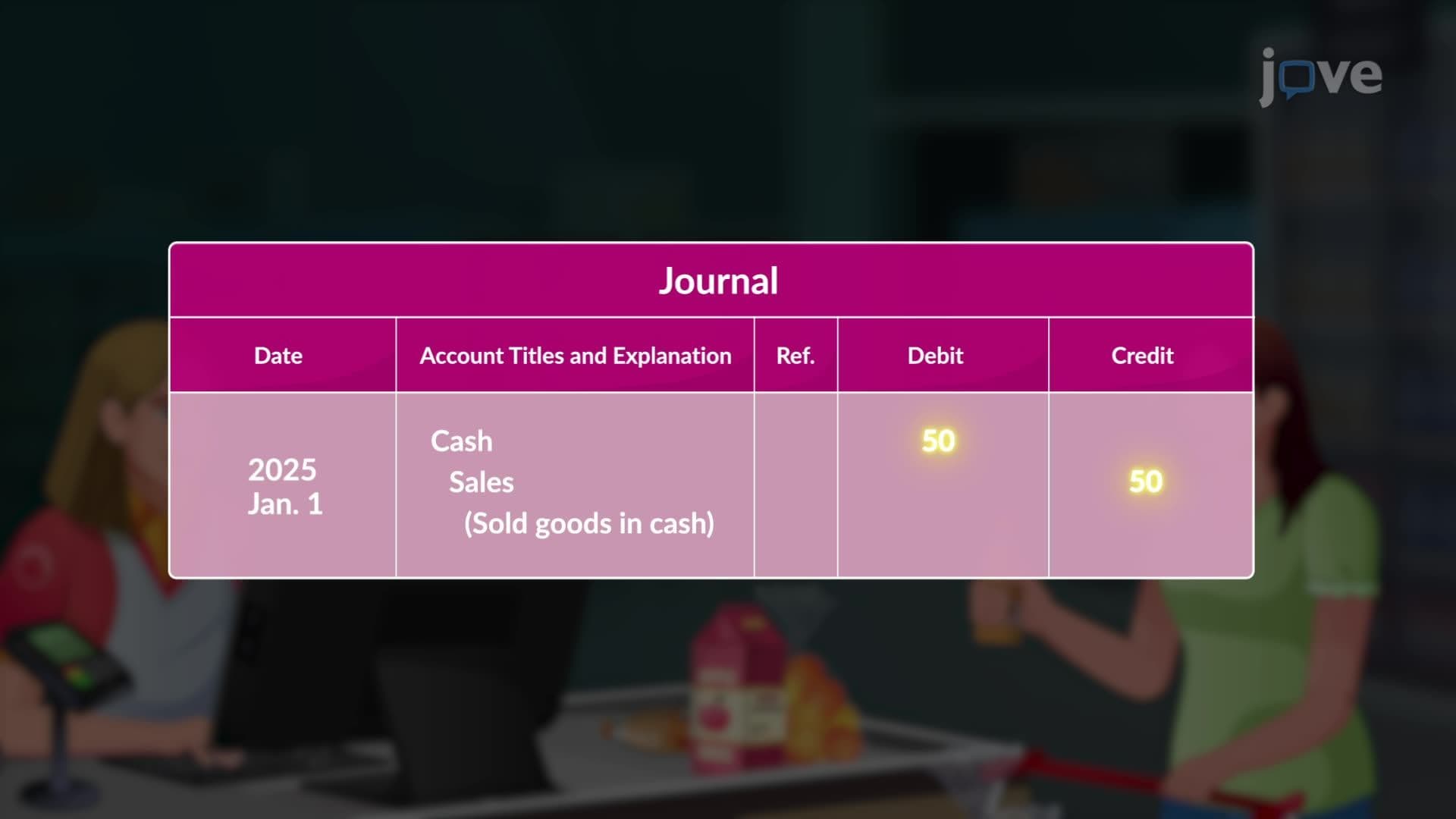
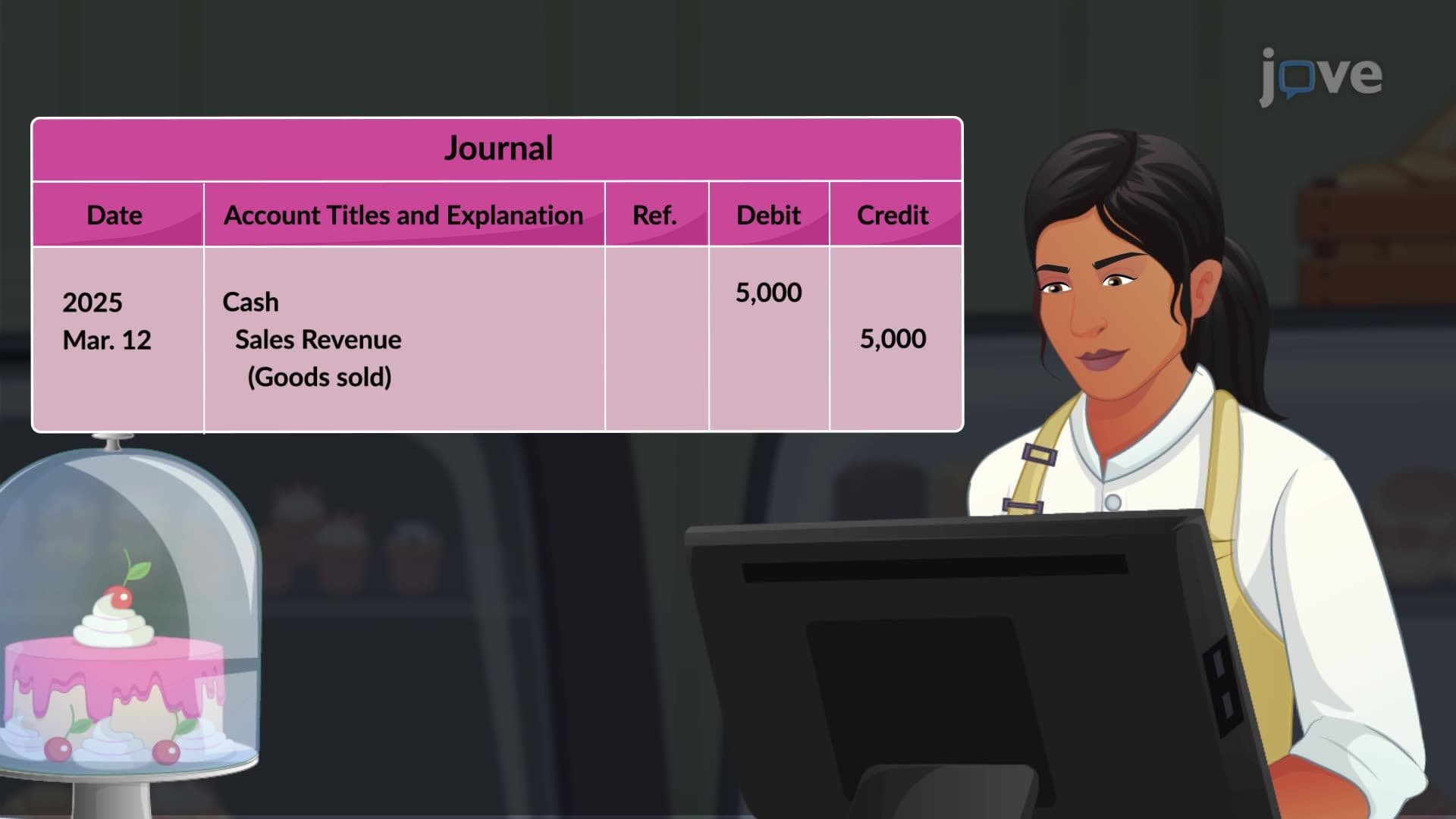
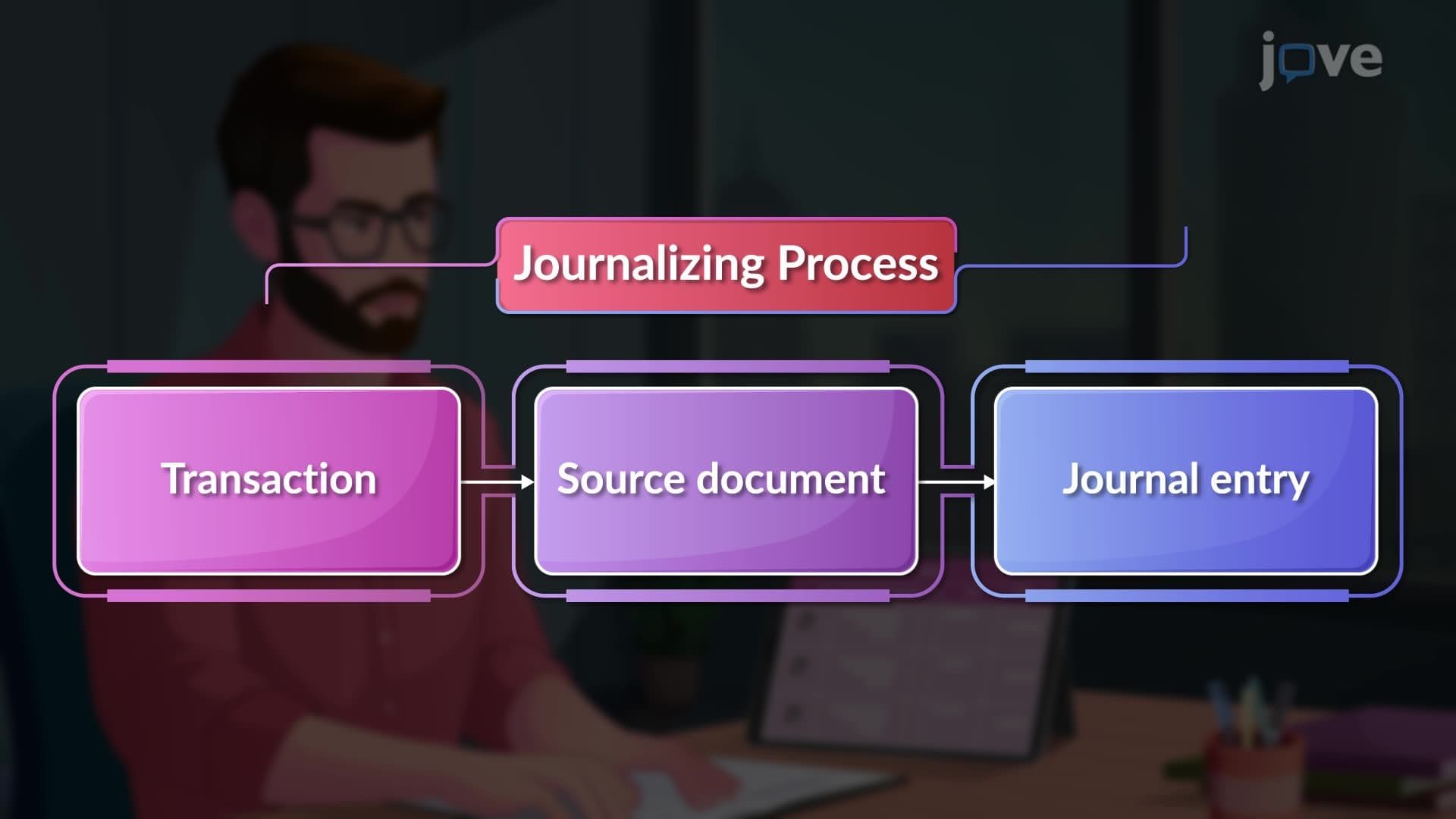
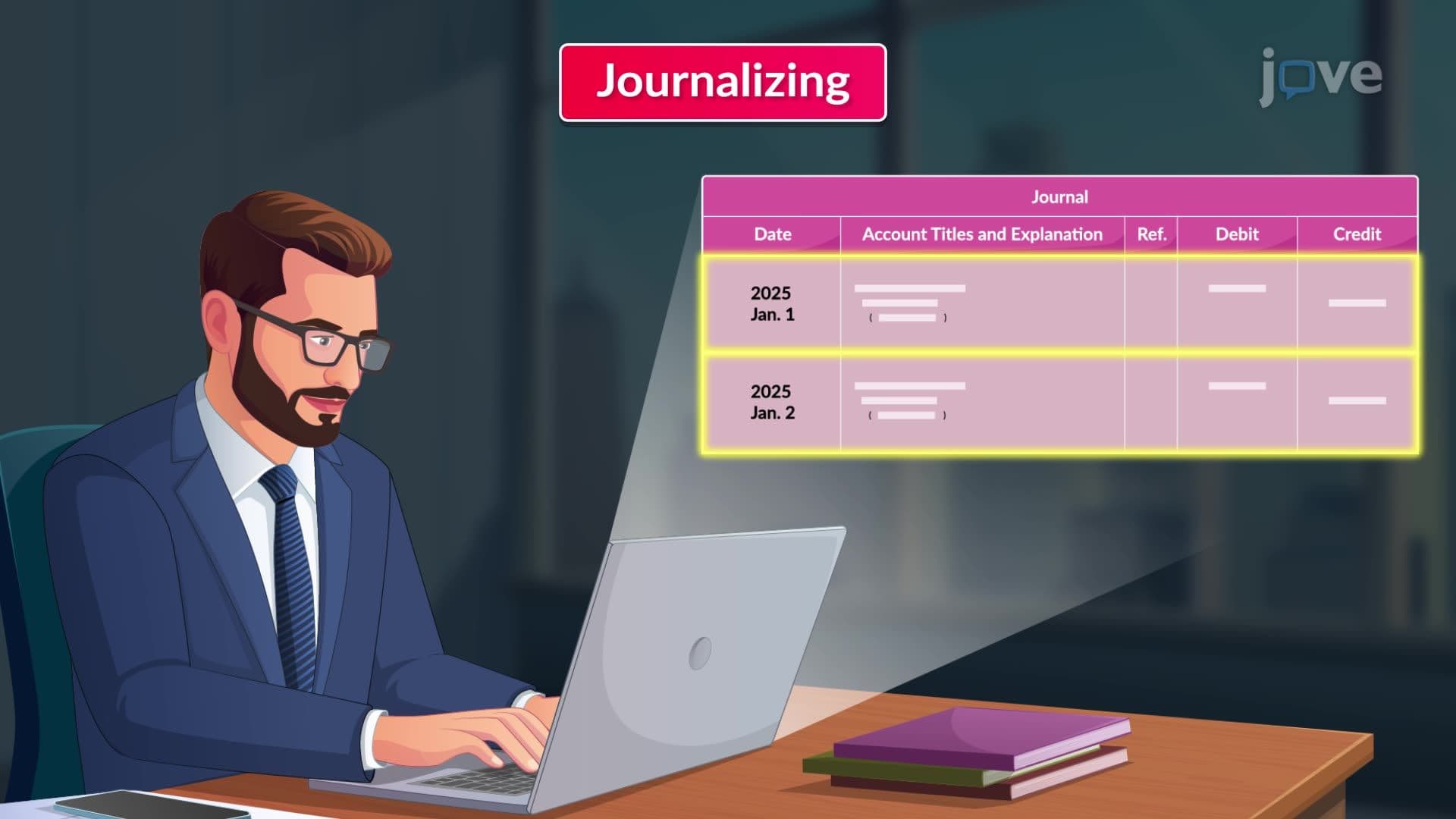
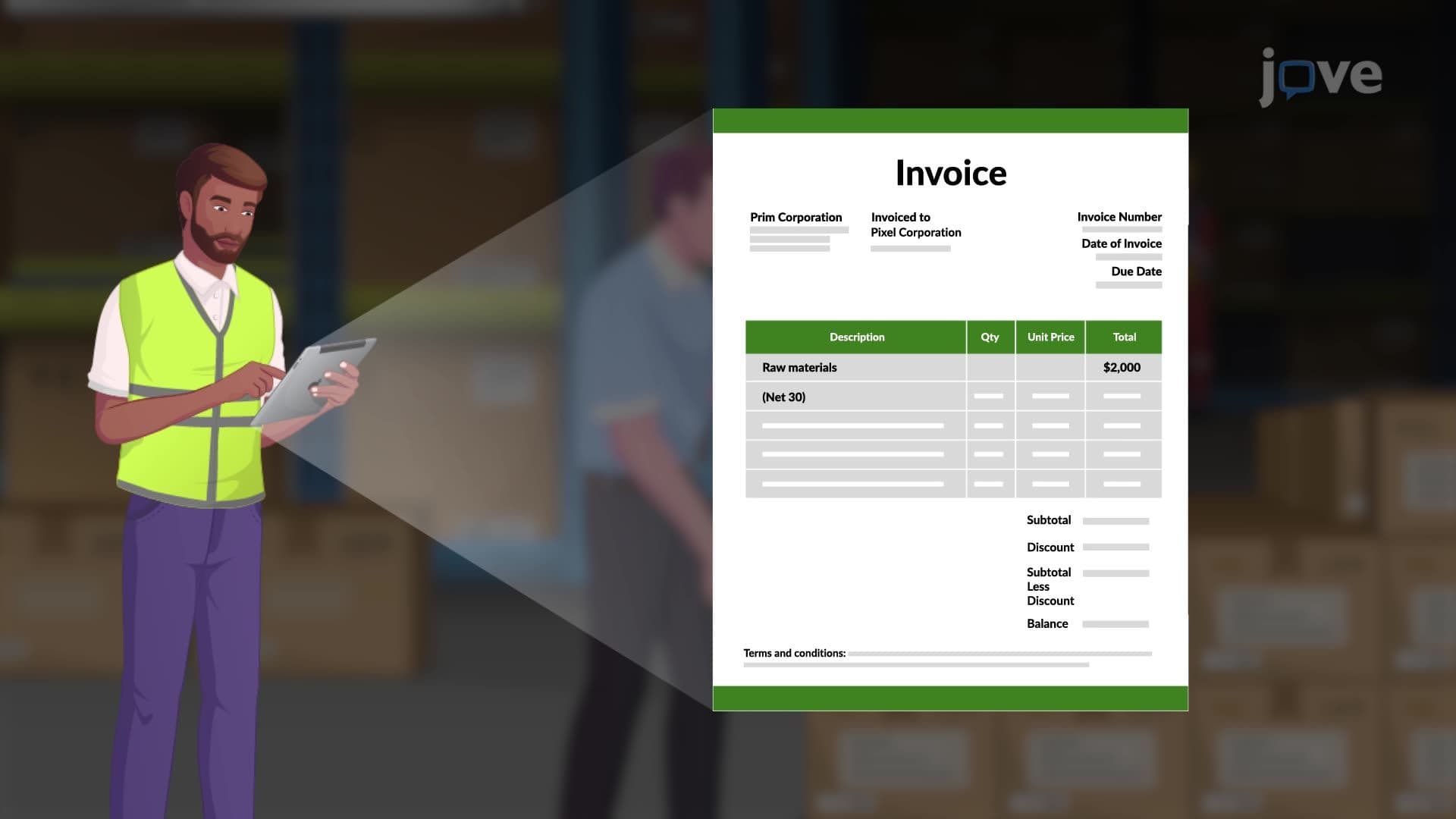
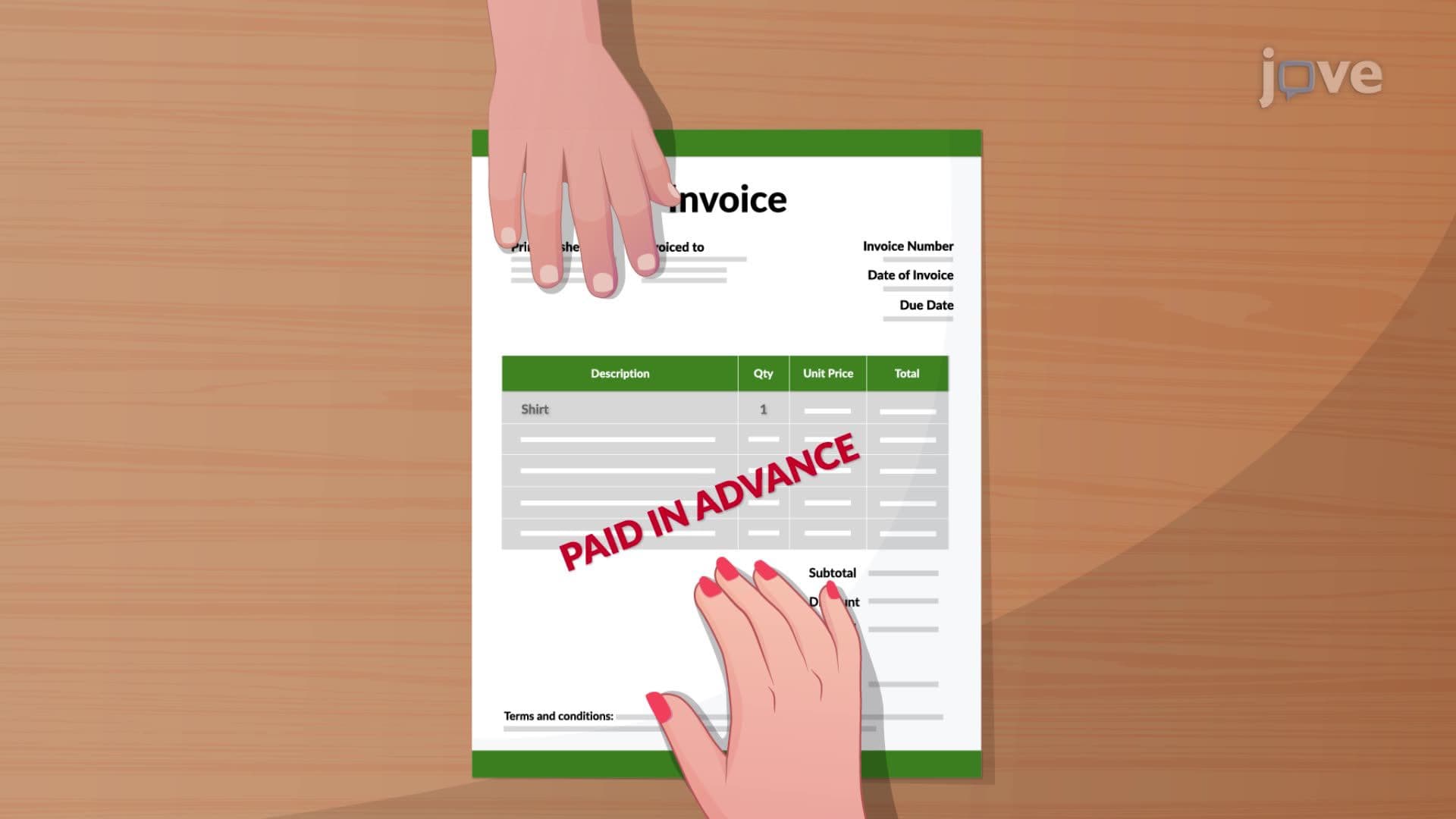
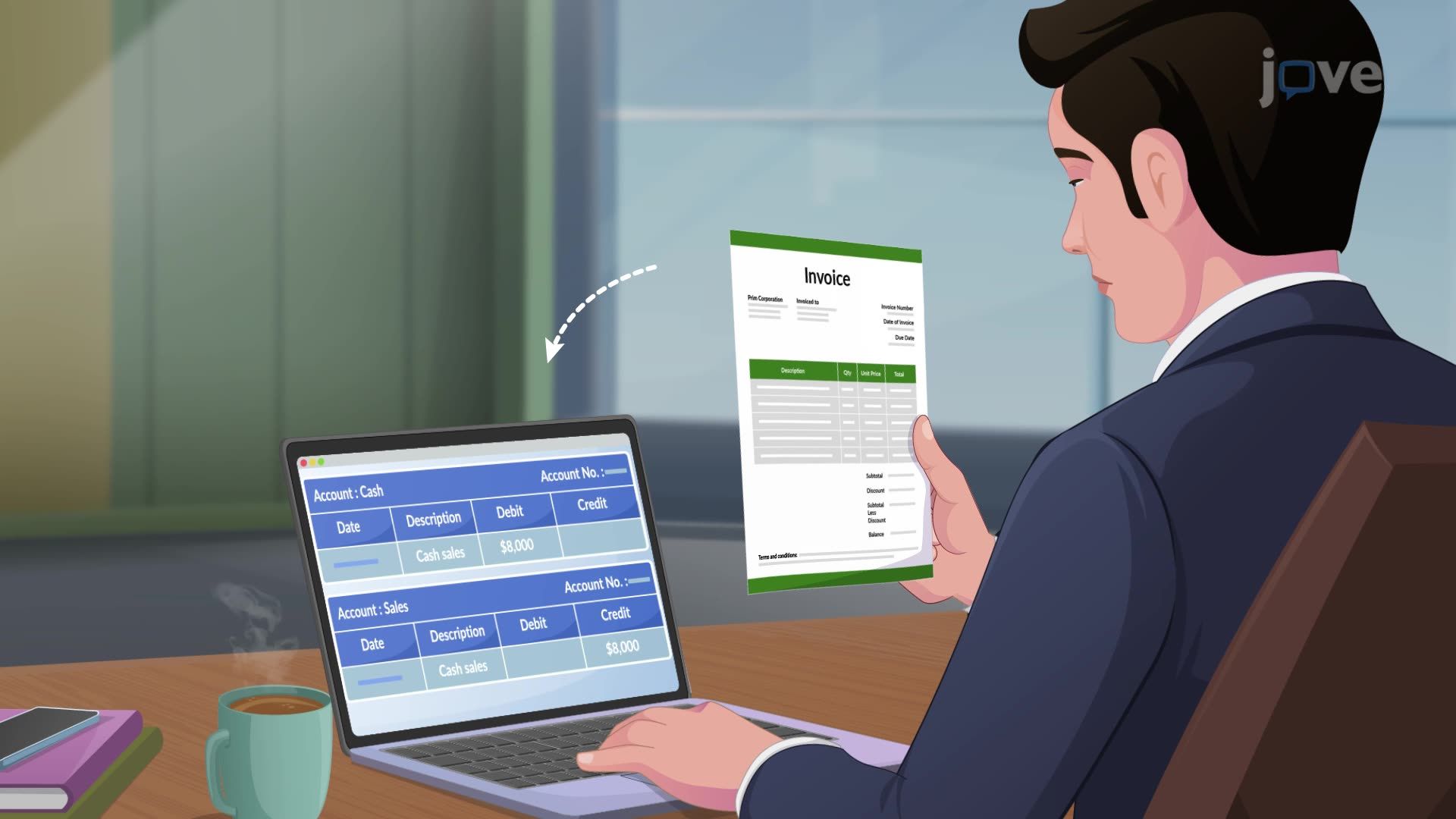
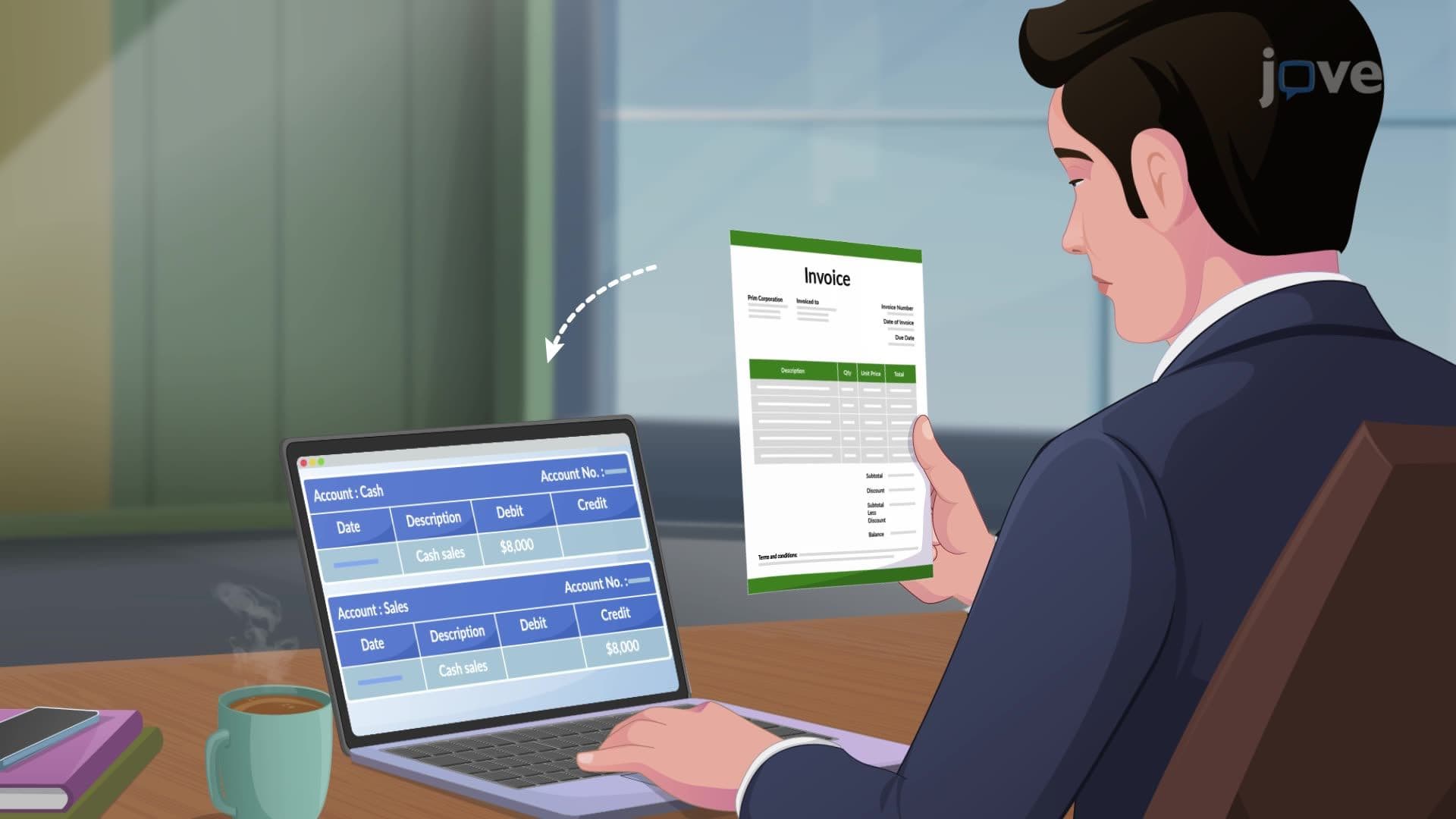
Understanding the ledger means understanding its place in the accounting cycle. Transactions begin at the source, an invoice, a payment, a service delivered. Those transactions are first captured in a journal (chronological order, raw entry). They are then *posted* to the ledger, where each affected account is updated accordingly.
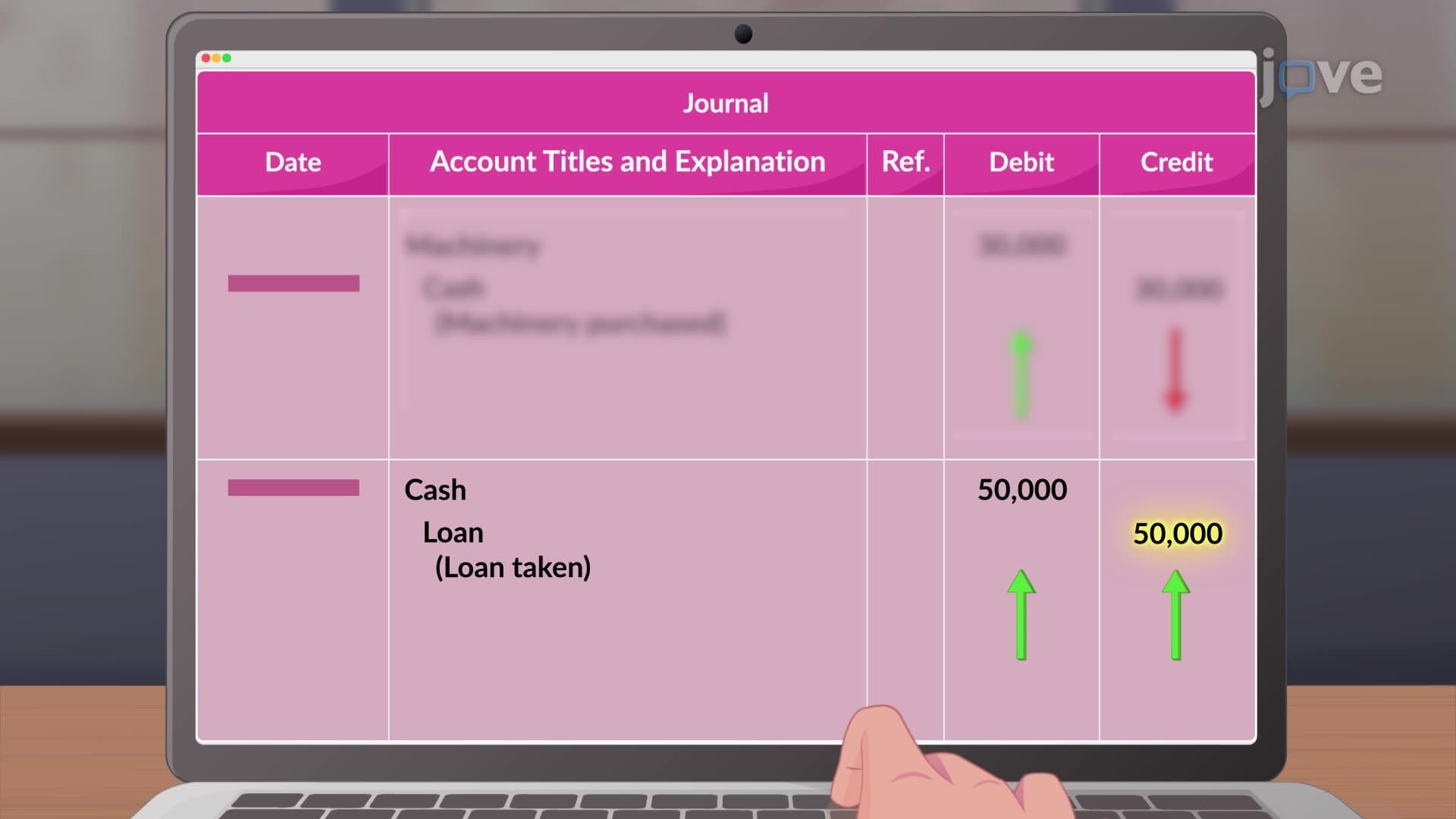
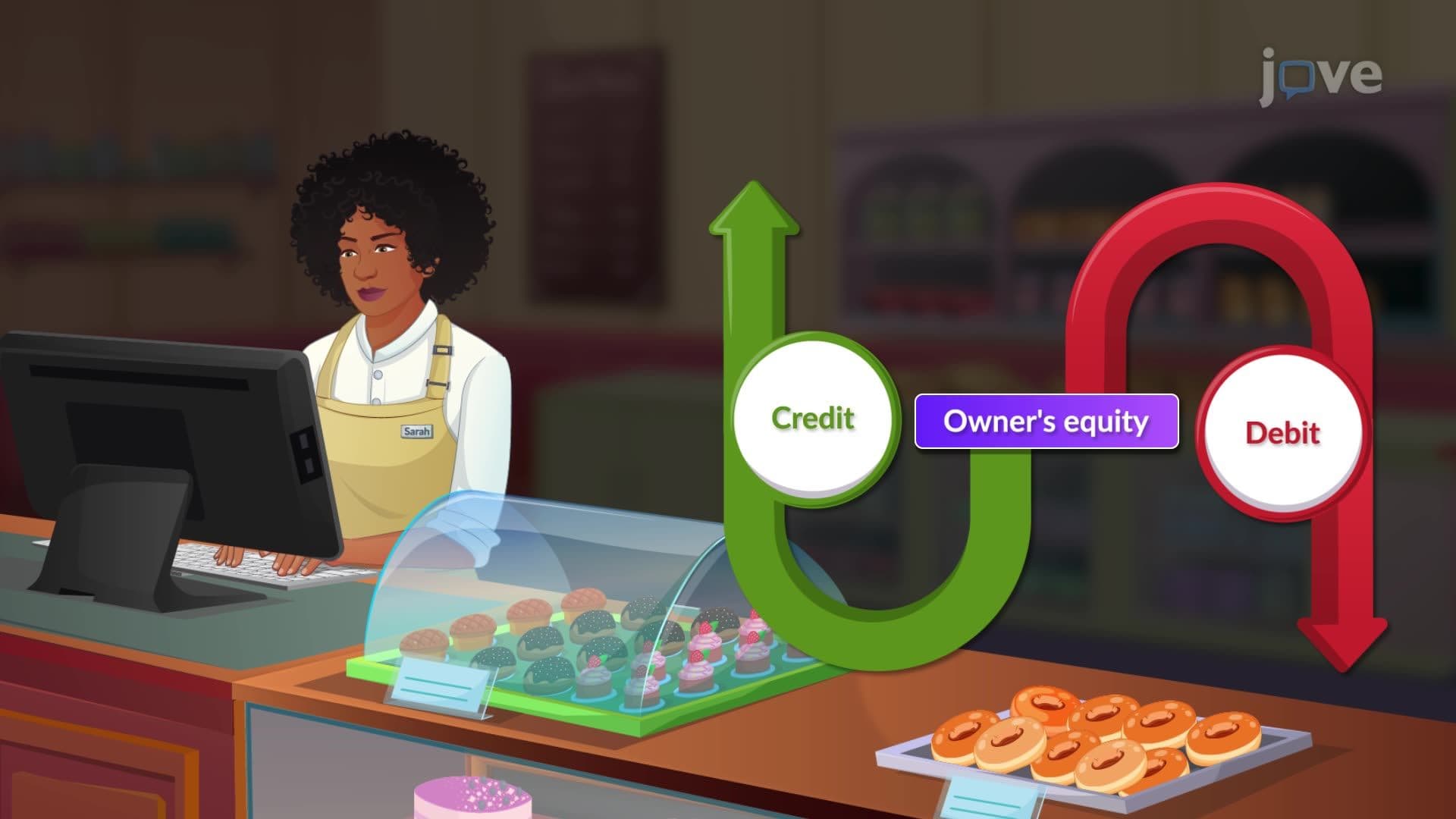
Here's where double entry accounting becomes critical: every transaction affects at least two accounts. A service revenue transaction, for example, increases both a cash account and a revenue account simultaneously. This dual-entry discipline, debits and credits, is what keeps financial records balanced and auditable. Managers who grasp this logic can immediately interrogate a ledger entry and ask: "What did this transaction offset? Where did that cost land?"
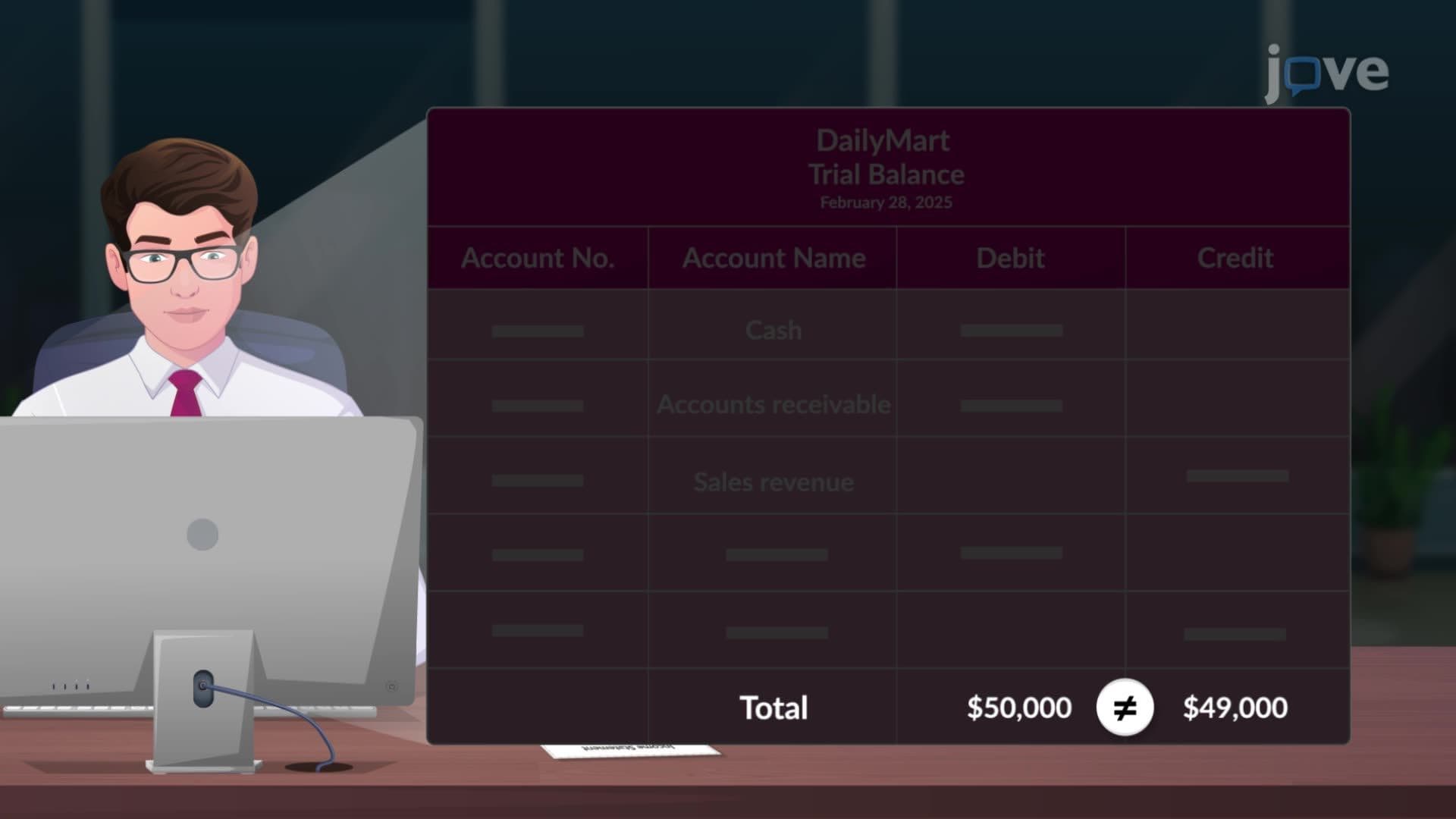
Think of the ledger as a dashboard, not unlike the performance metrics you track for your team. Just as you might monitor headcount, output rates, and project completion side by side, the ledger holds each financial "metric" in its own account, updated continuously, ready to roll up into trial balance preparation and eventually into financial statements.
You don't need to become an accountant, but you do need to show up as a financially literate leader. Here's how to apply ledger thinking practically:
1. Know your accounts. Identify the three to five ledger accounts most relevant to your team: typically payroll, operating expenses, and any revenue lines you influence. Ask your finance partner to walk you through them.
2. Read running balances, not just totals. A single month's number tells you little. The running balance tells you trajectory, and the ledger is built to show you exactly that.
3. Connect decisions to entries. When your team approves a vendor contract, renews a subscription, or delivers a billable project, ask yourself: which accounts does this touch? That habit alone builds financial credibility with senior stakeholders.
4. Ask better questions in reviews. Instead of "Why are we over budget?" try "Which account is showing the variance, and what journal entries drove it?" That's the language of financial leadership, and it starts with understanding the ledger.
The most common error managers make is treating financial literacy as binary, either you're an accountant or you're not. The ledger doesn't require accounting expertise to be useful. It requires curiosity and a willingness to learn the vocabulary. Equally, avoid the trap of waiting for summarized reports when source-level data is available. The ledger exists precisely to give you account-level visibility, use it.
Related Micro-courses