Loading video…

 21 Concepts
 7.4K views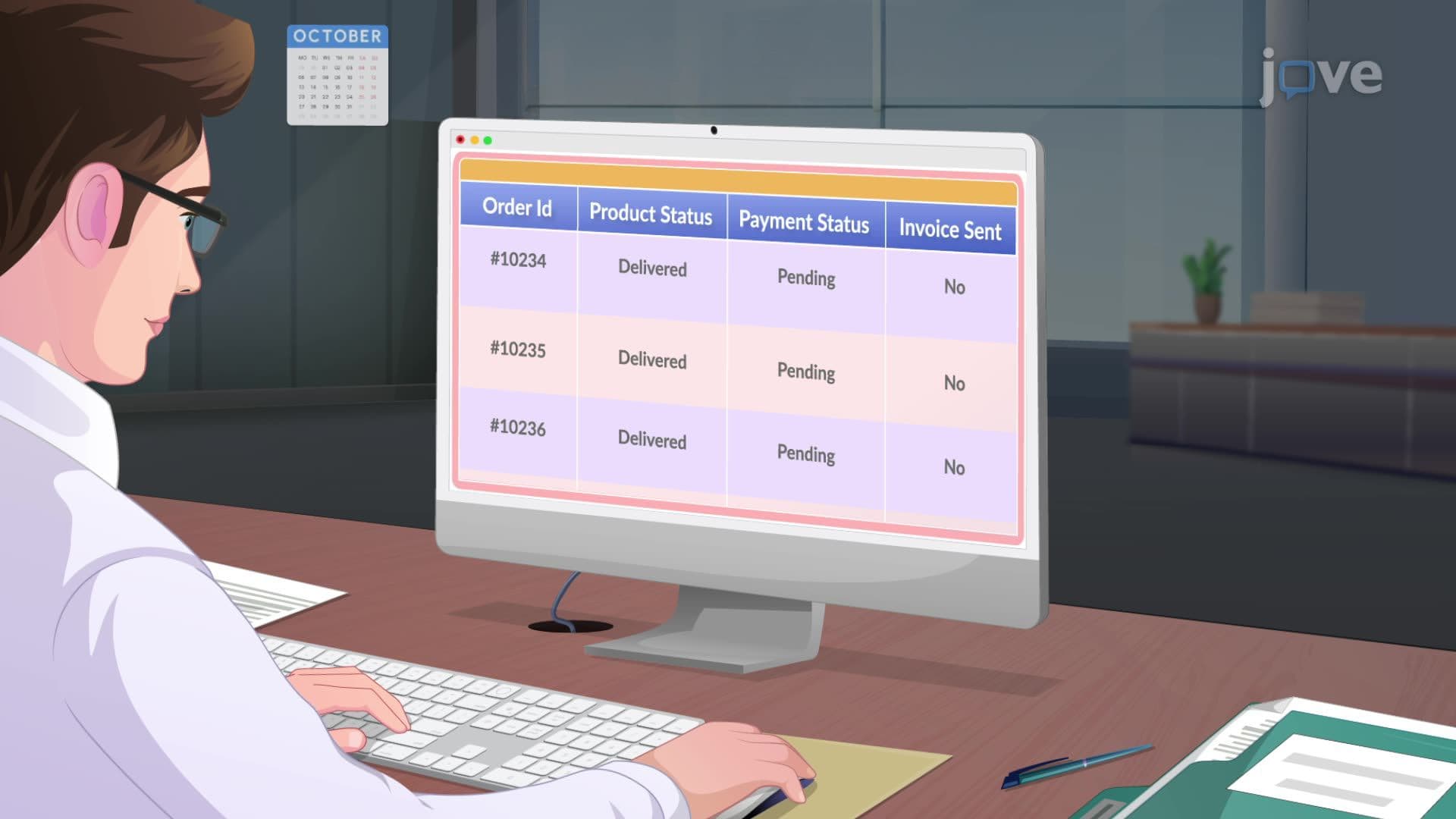

Video Summary: What are Accrued Revenues
Accrued revenues basics trips up even experienced managers reviewing financial reports, revenue appears lower than expected, yet the team delivered real work. Understanding accrued revenues helps you read financial statements accurately and challenge numbers with confidence. When earned income isn't yet billed, it still counts. Watch the full video on JoVE Coach to master this concept with expert-led visuals and step-by-step explanations.
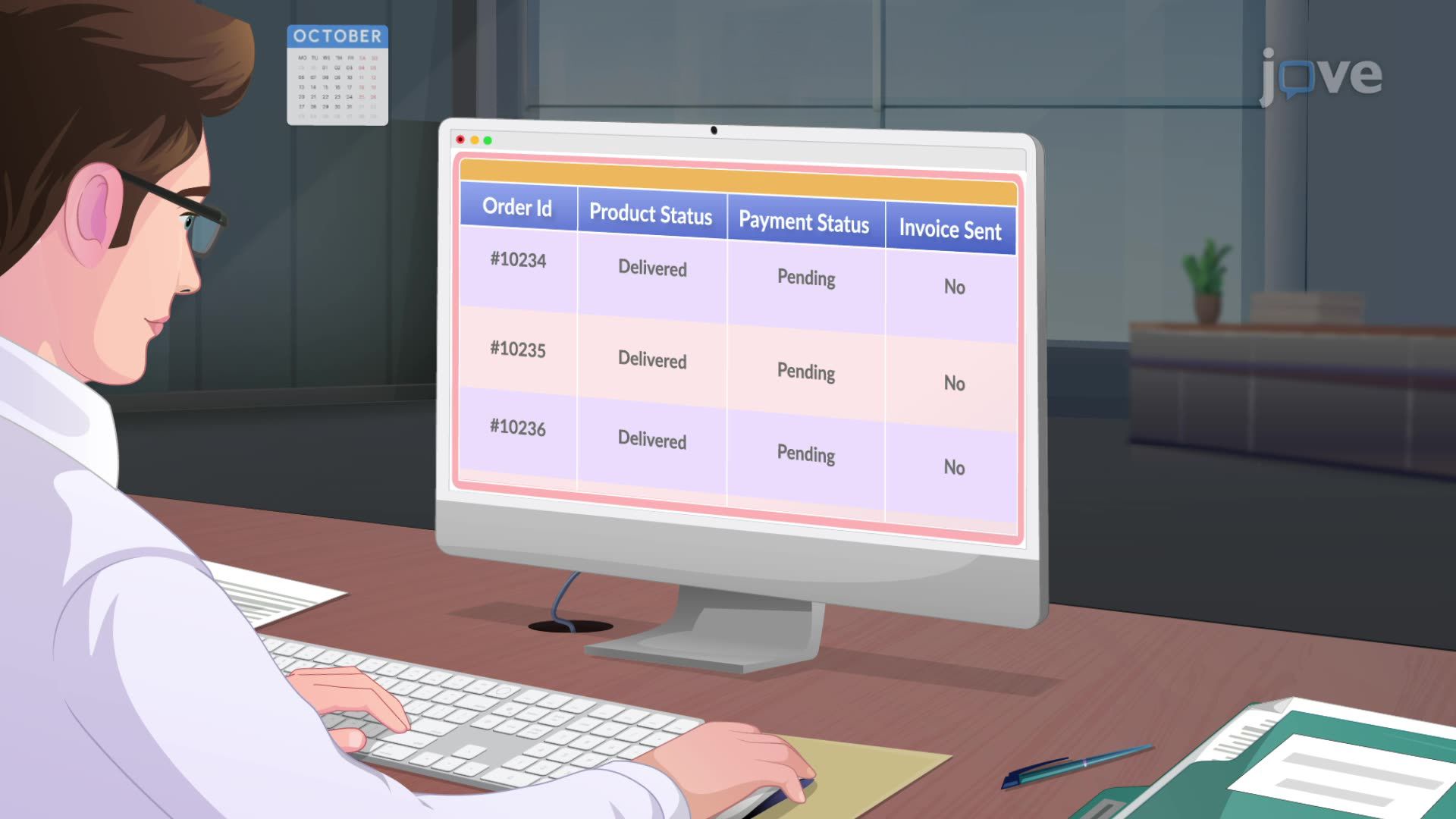
Picture this: your team wraps up three months of intensive client work before the fiscal year closes. The deliverables are complete, the client is satisfied, but no invoice has gone out yet. When you review the annual financial summary, that revenue is missing. Your team's output looks invisible on paper. This is exactly the problem accrued revenues are designed to solve, and understanding it makes you a sharper, more credible manager in any financial conversation.
Most managers are comfortable tracking what's invoiced or what's been paid. The challenge is recognizing income that exists in a financial grey zone, work that's done, value that's delivered, but not yet captured in a billing cycle. This gap creates a distorted view of team performance and organizational profitability. When you only read cash-in figures, you're managing with incomplete information. The accrual basis of accounting corrects this by recording revenue when it is earned, not when cash changes hands, giving you a more honest view of where your business actually stands at any point in time.
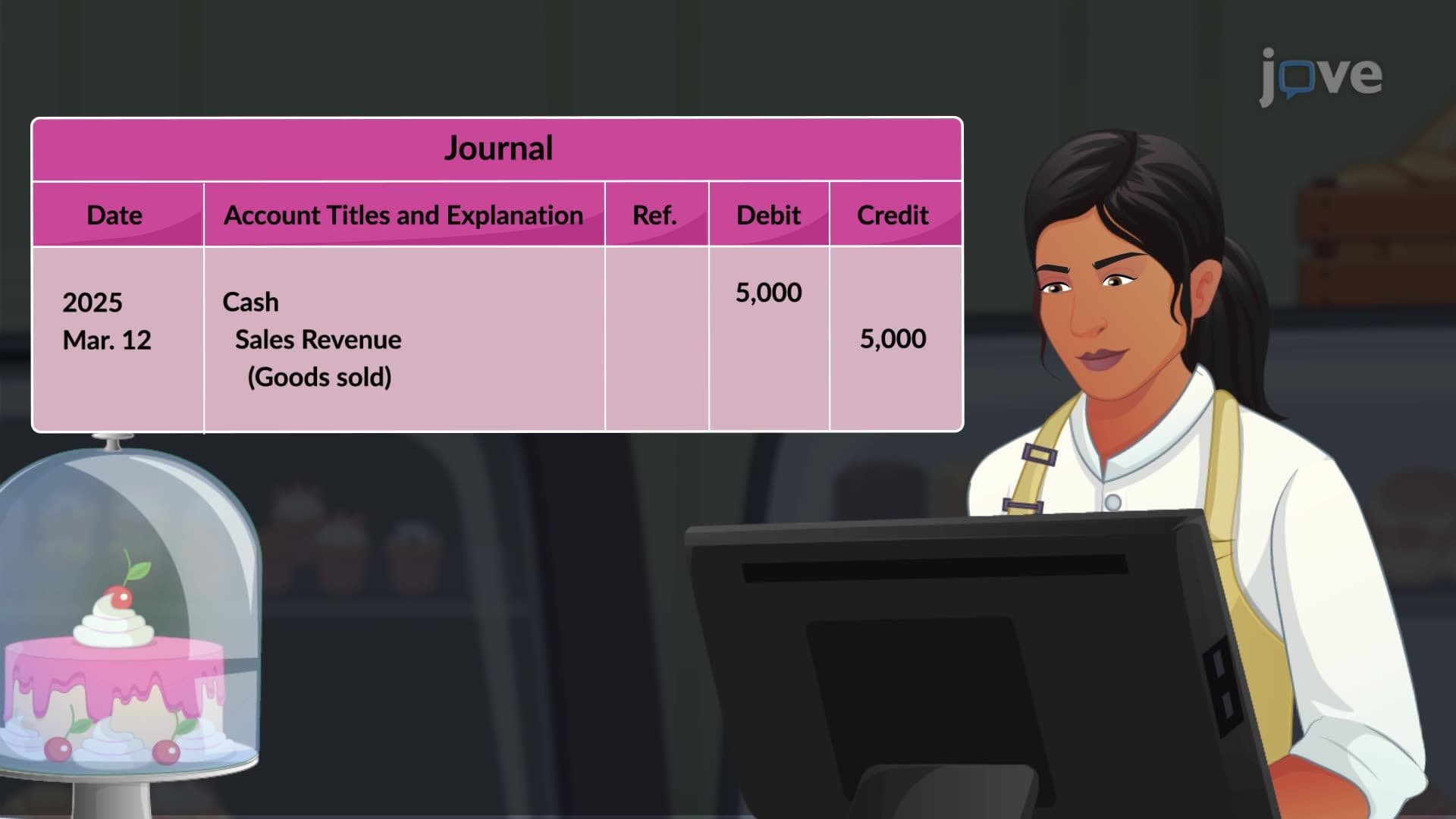
The principle behind accrued revenues is closely tied to the matching principle in accounting, a foundational concept that pairs revenue with the period in which the work was actually performed. As a manager, you can apply this thinking practically: when your team completes a significant deliverable near a reporting deadline, flag it immediately to your finance partner. Don't assume the accounting team knows what your team finished. A simple internal protocol, a delivery confirmation sent to finance at period-end, ensures that earned revenue gets recorded through an adjusting journal entry before the books close. This is a small operational habit with meaningful financial impact.
The most frequent mistake managers make is treating accrued revenues as a finance-only concern. In reality, the data that triggers an adjusting journal entry often lives with the operational team, completion records, service logs, delivery confirmations. If your team doesn't communicate clearly with finance about what was delivered and when, revenue gets deferred to the next period, skewing profitability metrics, budget variance reports, and even performance assessments. A second common mistake is confusing accrued revenue with accounts receivable. Accrued revenue is unbilled, no invoice has been sent yet. Accounts receivable is billed but unpaid. Knowing the distinction helps you ask smarter questions in financial reviews and avoid misreading your organization's true earning position.
Related Micro-courses