Loading video…


 21 Concepts
 7.4K views

Video Summary: What Is the Double Entry Accounting System
The double-entry accounting system basics are essential for managers who approve budgets, sign off on expenses, or interpret financial reports, yet many struggle to explain why every transaction affects more than one account. Understanding what is the double-entry accounting system helps you read financial statements with confidence and ask sharper questions during budget reviews. Watch the full video on JoVE Coach to master this concept with expert-led visuals and step-by-step explanations.
Picture this: your team just purchased a new set of laptops for remote employees. The procurement manager submits the paperwork, the expense is approved, and the finance team records the transaction. But when you review the monthly budget summary, you notice the cash balance dropped, yet total assets look unchanged. If that seems confusing rather than logical, you are not alone. Many managers outside of finance struggle to connect the dots between spending money and what it means on paper. That is exactly where the double-entry accounting system becomes a practical tool, not just an accounting formality.
Most managers are trained to think in outcomes: revenue generated, costs reduced, headcount managed. Financial recording feels like someone else's job. The problem surfaces during budget reviews, audit conversations, or when a finance partner asks you to justify a line-item discrepancy. Without understanding that every financial event has two sides, a debit and a credit, it is difficult to follow the logic of a general ledger or challenge a number you suspect is wrong. The gap is not intelligence; it is context. The double-entry system provides that context.
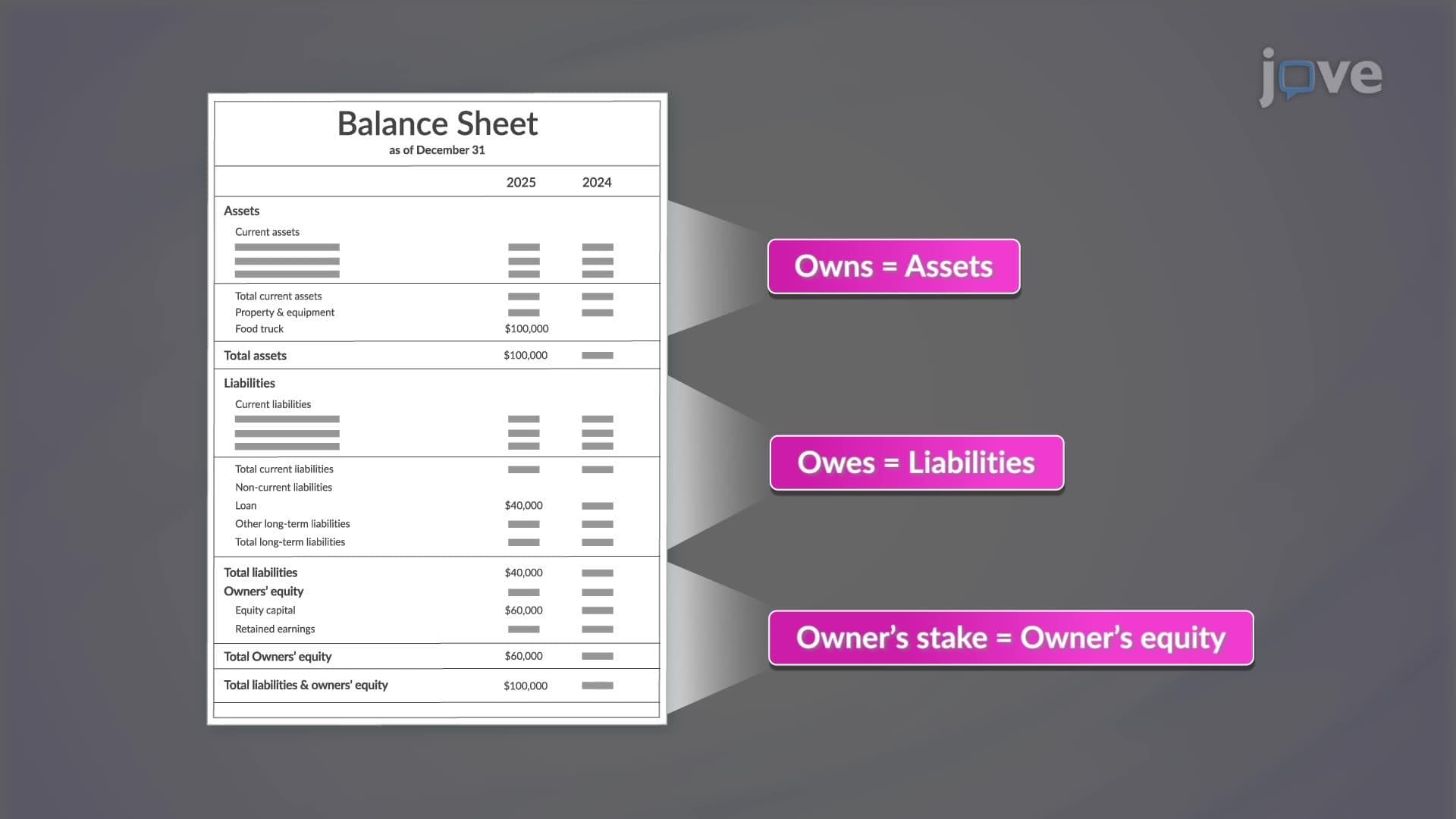
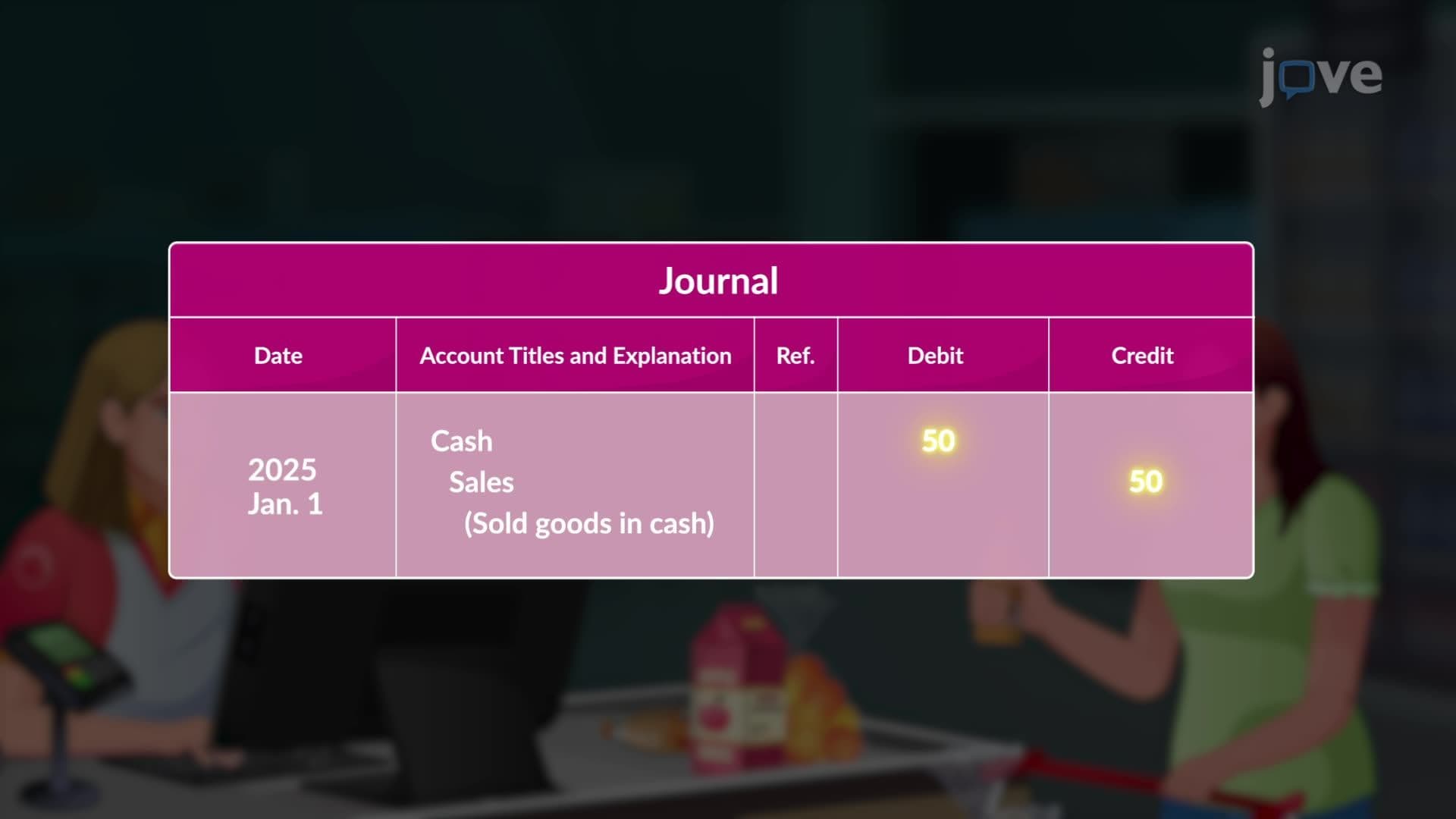
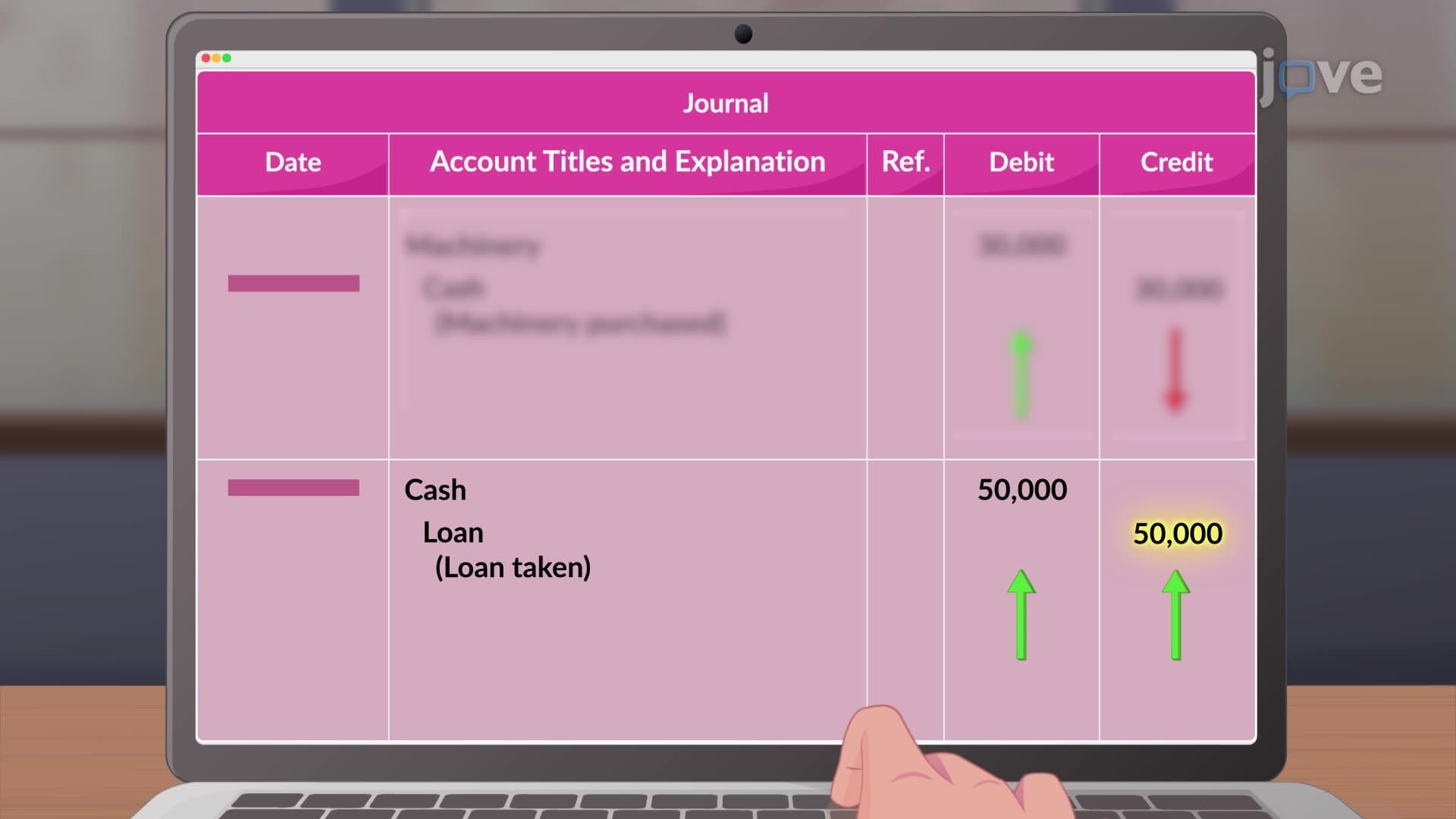
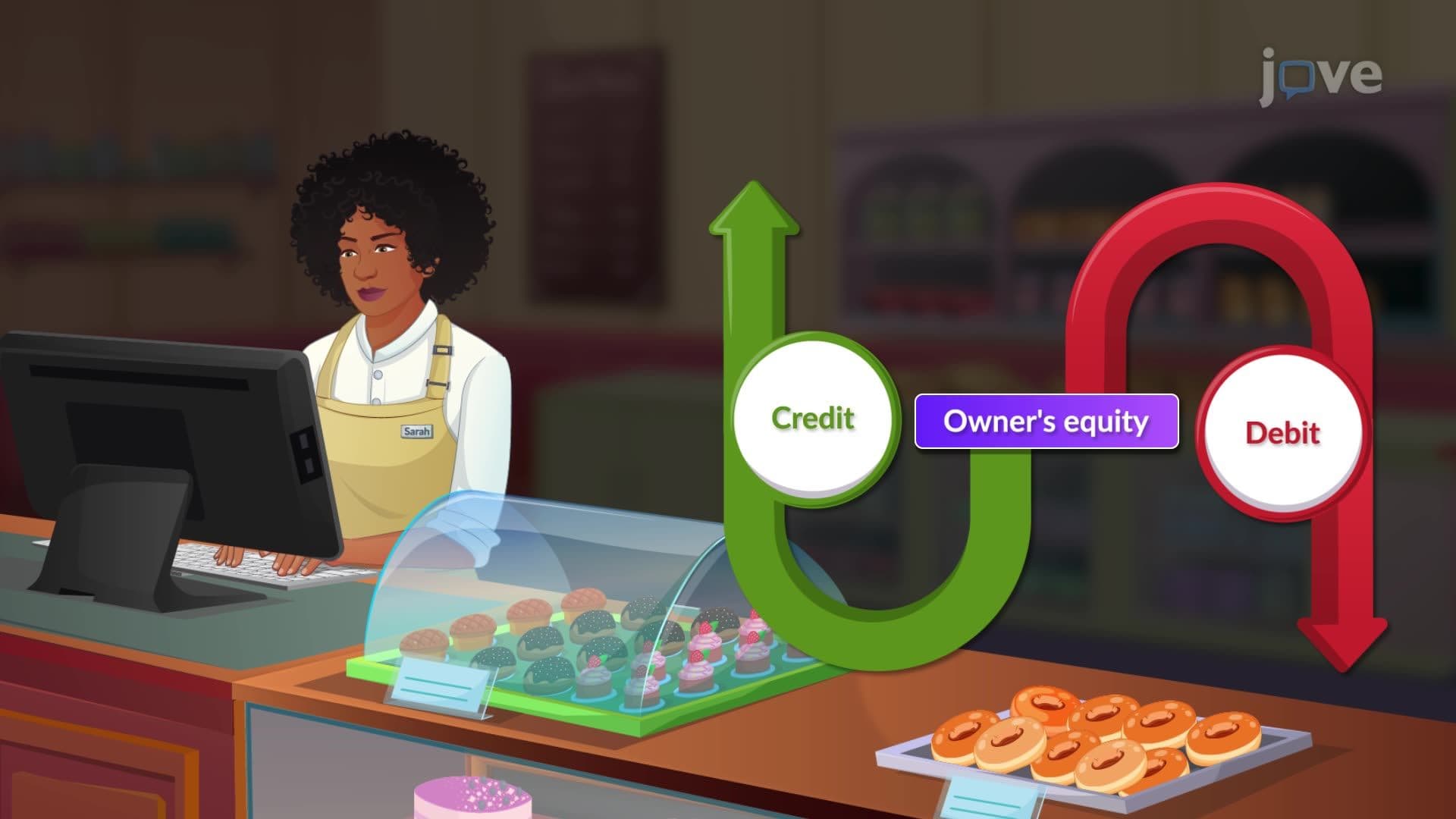
At the heart of double-entry accounting is a deceptively simple principle: Assets = Liabilities + Equity. Every transaction your organization records must keep this equation in balance. When your team purchases equipment using company funds, the equipment account increases (debit) and the cash account decreases (credit), by the exact same amount. Total assets remain unchanged. The books stay balanced.
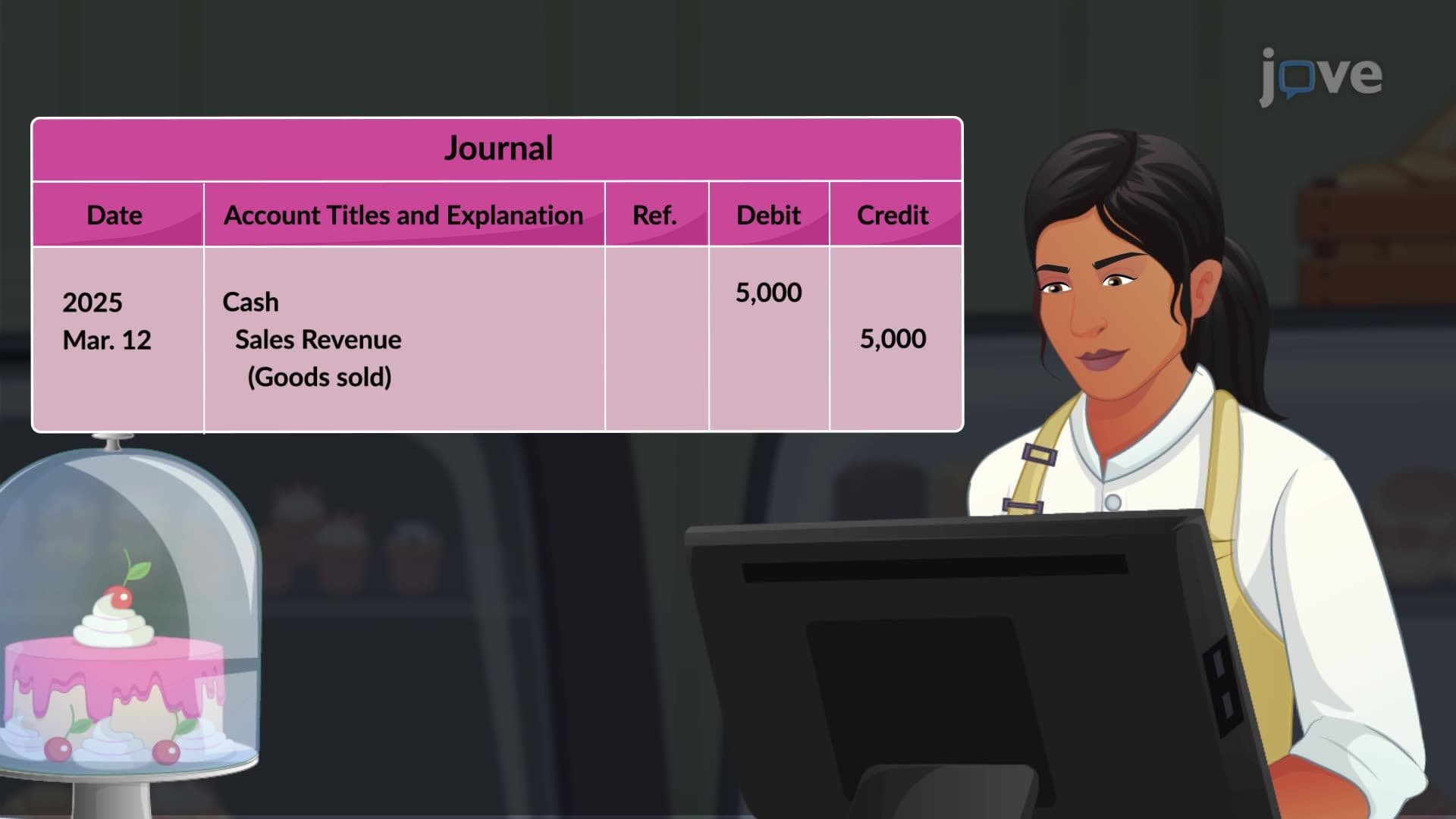
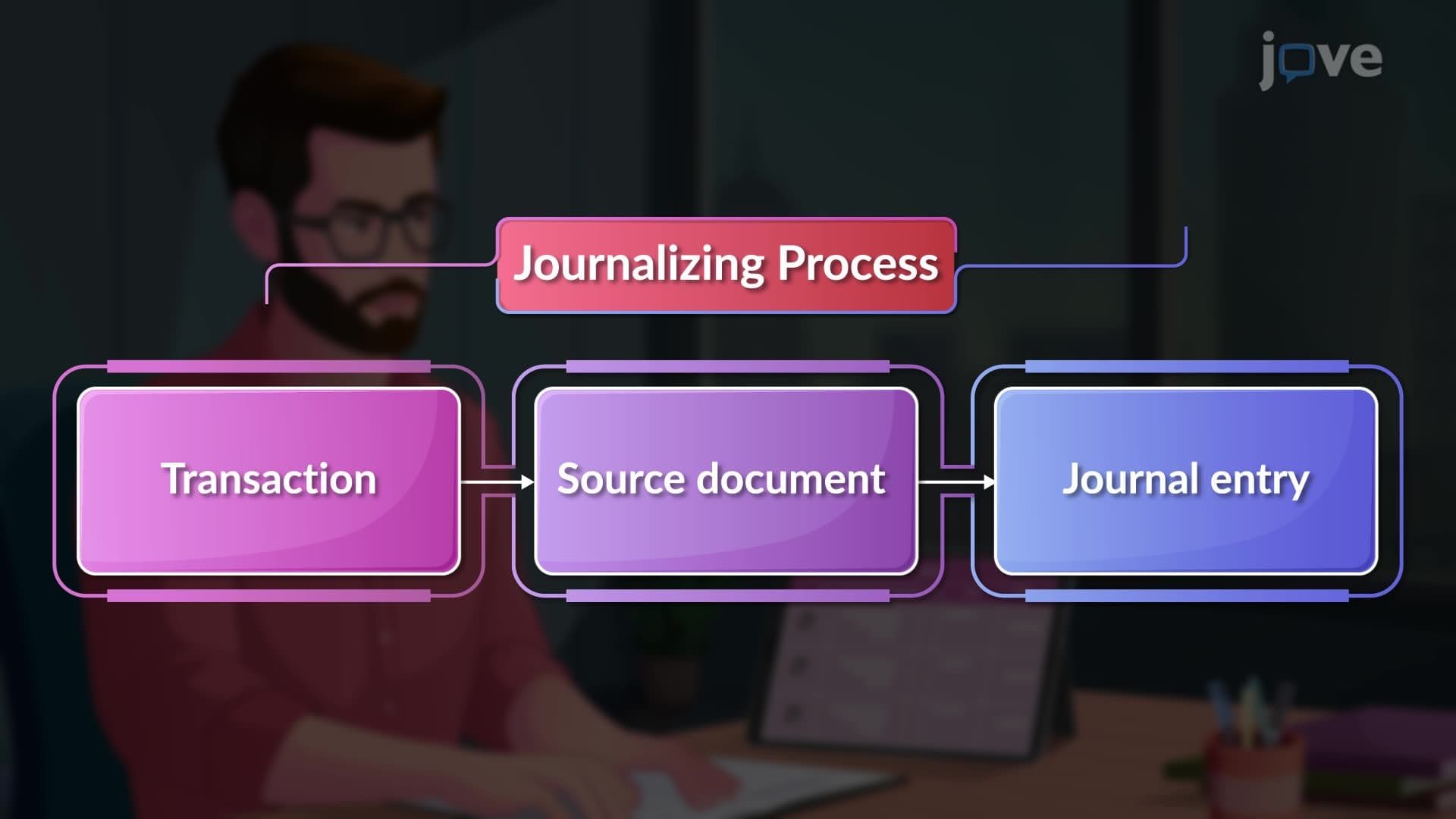
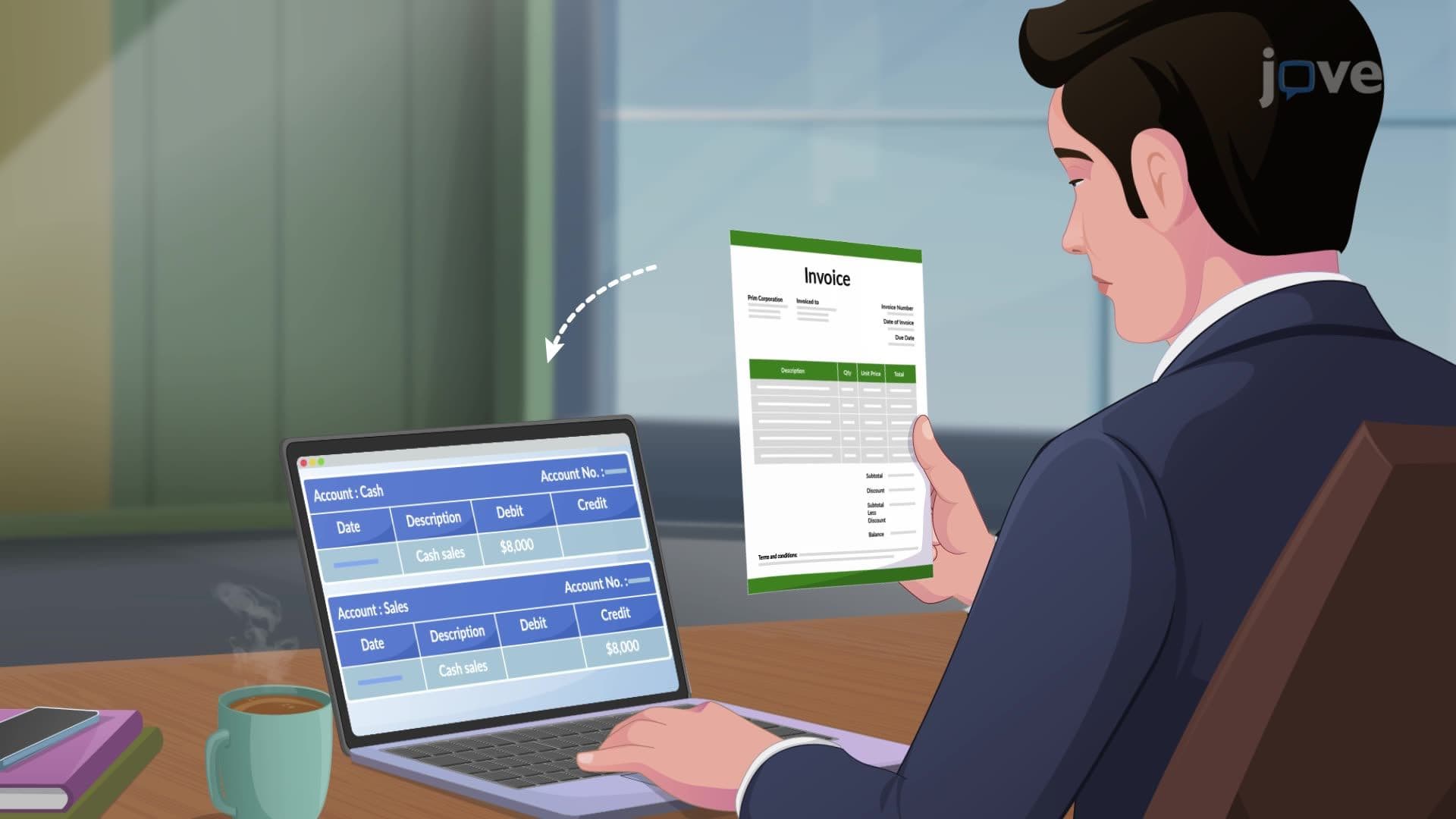
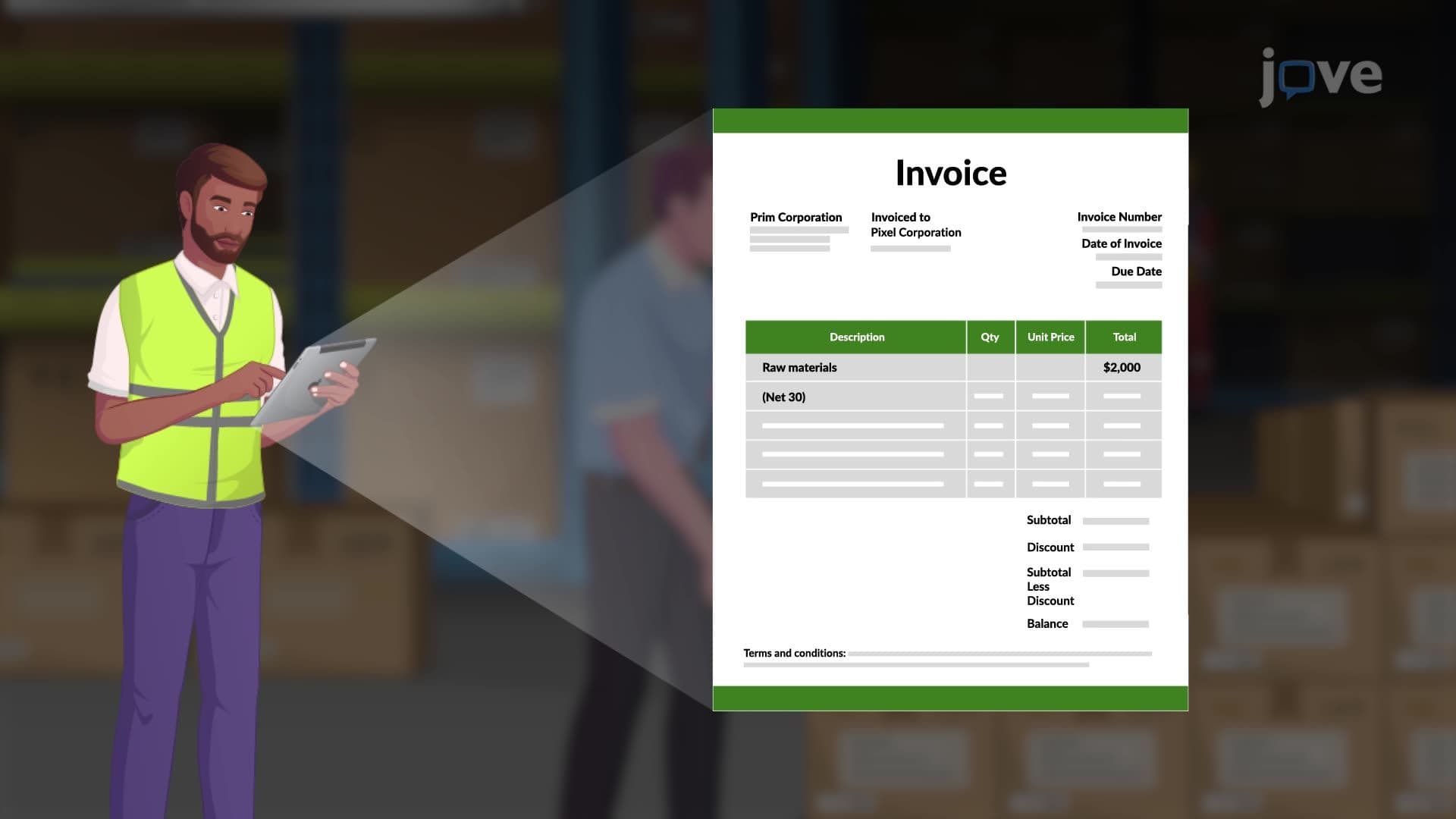
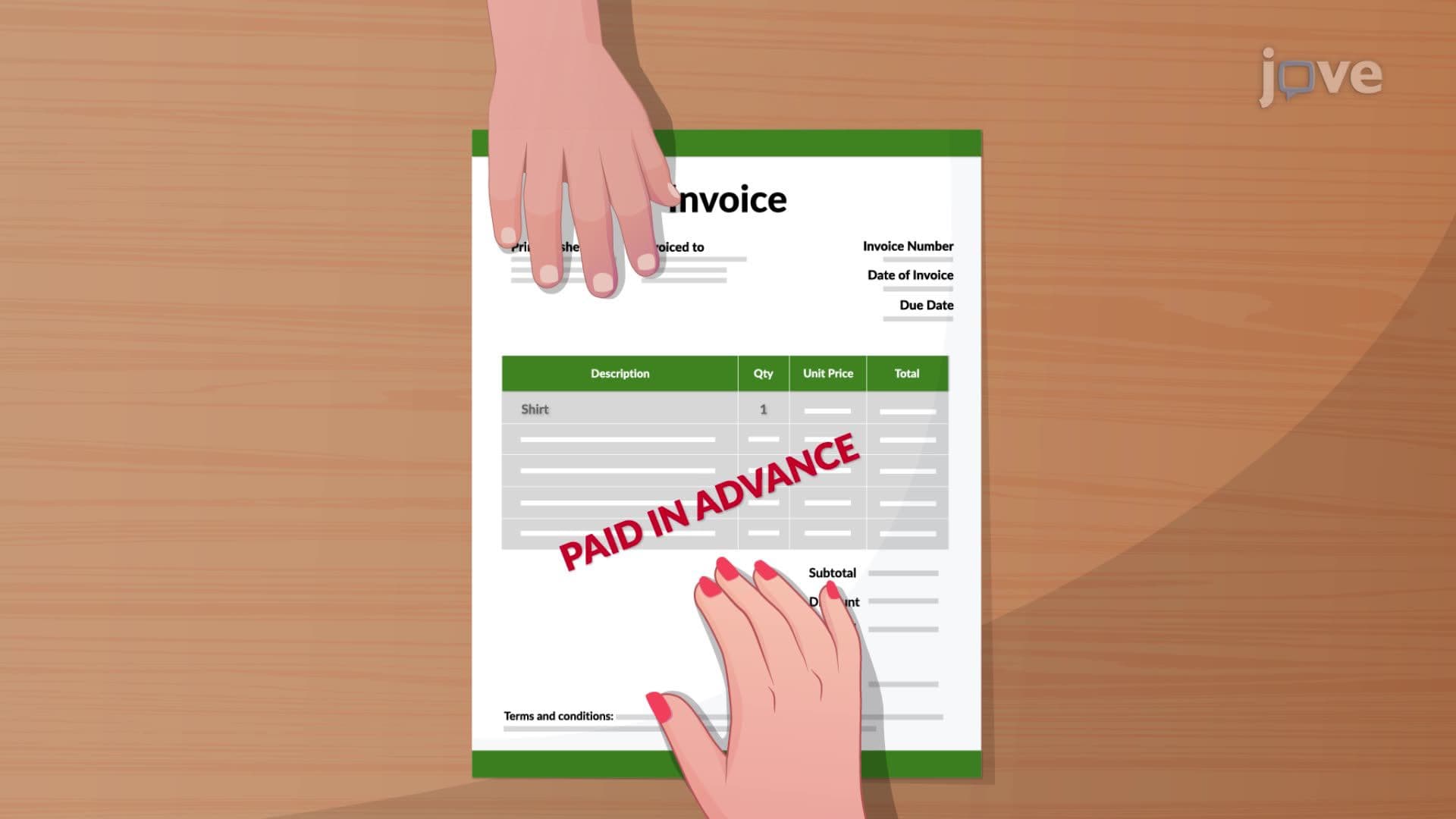
Think of it like a RACI model applied to money: every transaction has a clear owner on both sides. Debits and credits are not value judgments, "good" or "bad", they are directional signals that tell you where value is coming from and where it is going. Source documents such as invoices, purchase orders, and receipts feed these journal entries, which then flow into the general ledger, ultimately shaping the trial balance preparation and financial statements your leadership team relies on.
For non-finance managers, a practical application is the T-account mental model: draw a T, put debits on the left and credits on the right, and map any transaction across both sides before approving it. This quick discipline helps you verify that what you are authorizing makes financial sense before it reaches accounting.
Start by requesting a simplified general ledger summary for your cost center. Look for transactions where the debit and credit entries do not intuitively match, for example, a credit to an asset account without a corresponding debit explanation. Ask your finance partner to walk you through the journal entries behind any line item that surprises you.
During quarterly planning, use your understanding of the accounting cycle to ask better questions: "If we prepay this vendor, how does that show up as an asset versus an expense?" or "When we return equipment, how is that reversal recorded?" These are not accountant questions, they are leadership questions that signal financial maturity. Managers who understand the difference between a journal and a ledger, and who can interpret how debits and credits interact, consistently earn more trust from senior finance stakeholders and make faster, more confident resource decisions.
The most frequent error non-finance managers make is treating financial statements as static scorecards rather than dynamic records. Every number reflects a series of double-entry decisions. A second common mistake is assuming that a decrease in cash always signals a problem, it may simply mean an asset of equal value was acquired. Finally, avoid delegating all financial literacy to your finance partner. Understanding the basics of double-entry accounting does not make you an accountant; it makes you a more credible, accountable leader.
Related Micro-courses