Loading video…

 21 Concepts
 7.4K views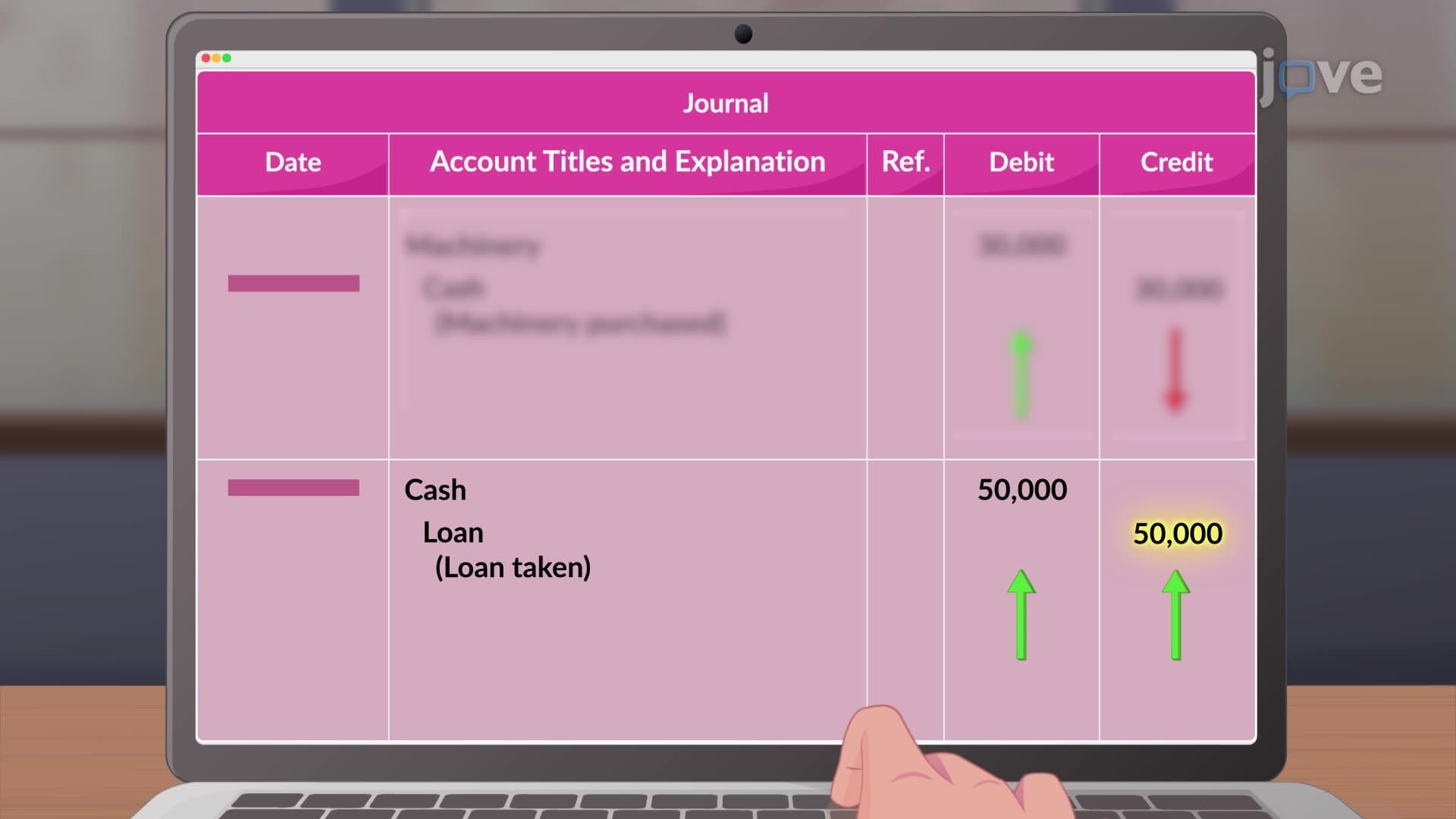

Video Summary: Debit and Credit Effects for Assets and Liabilities Explained
Debit and credit effects for assets and liabilities basics trip up even experienced managers who suddenly own a budget or sign off on financial reports. Understanding how debits increase assets while credits reduce them, and how the reverse applies to liabilities, sharpens your financial decision-making fast. Misreading these movements leads to costly approval errors. Watch the full video on JoVE Coach to master this concept with expert-led visuals and step-by-step explanations.
Picture this: you're a operations manager reviewing a monthly financial summary before a leadership meeting. The report shows a significant drop in the cash balance alongside a new equipment line item. Your instinct says something looks wrong, but you can't articulate why, and you don't want to appear uninformed in the room. This is the exact moment where understanding debit and credit effects for assets and liabilities becomes a practical leadership skill, not an accounting technicality.
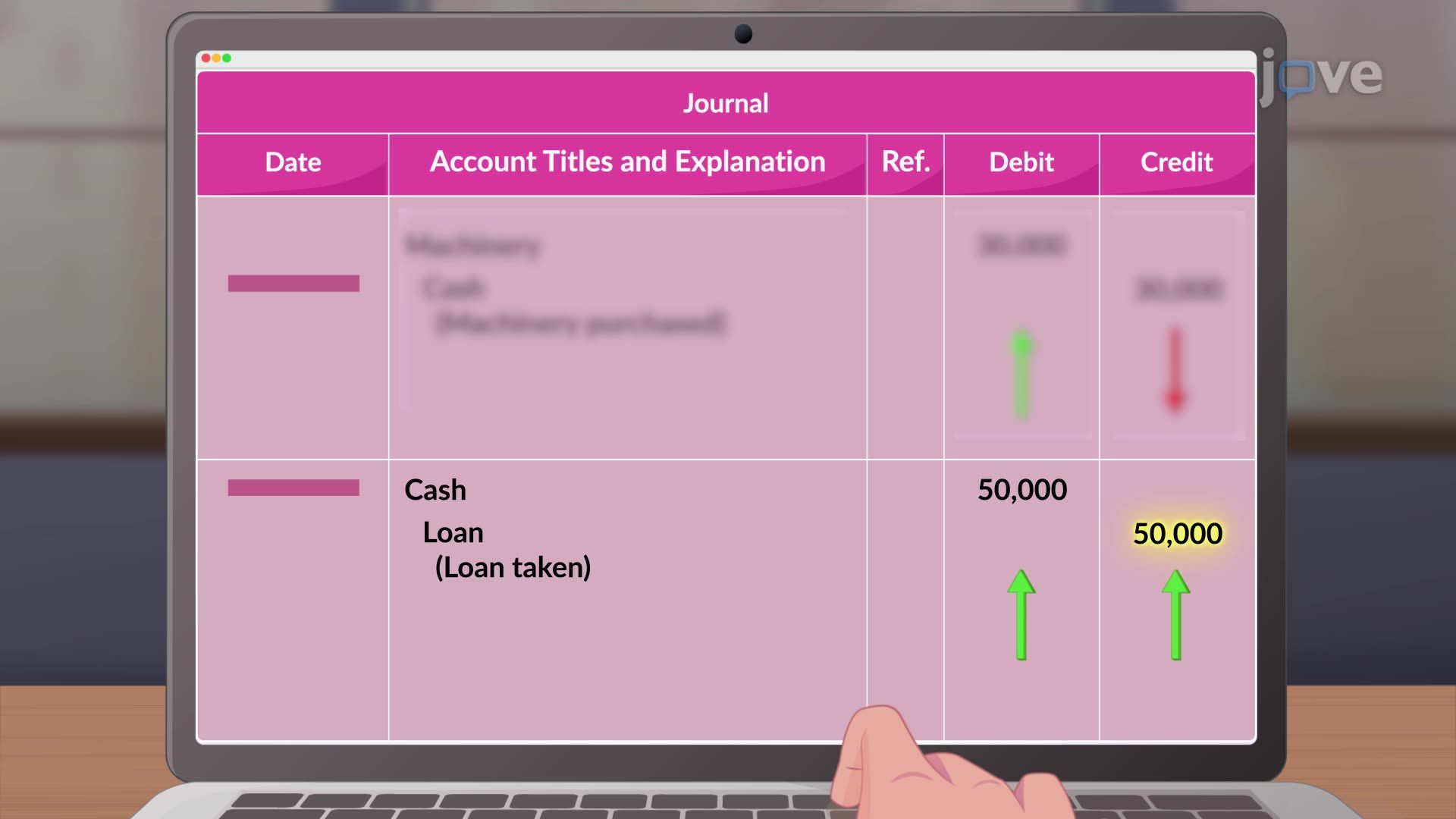
Most managers outside of finance were never taught to think in terms of dual-entry logic. They see a number go up or down and react to the surface, without understanding the underlying mechanism. The result is misdiagnosis: confusing a healthy loan drawdown (cash increases, liability increases) with financial distress, or misreading an equipment purchase (asset increases, cash decreases) as a loss.
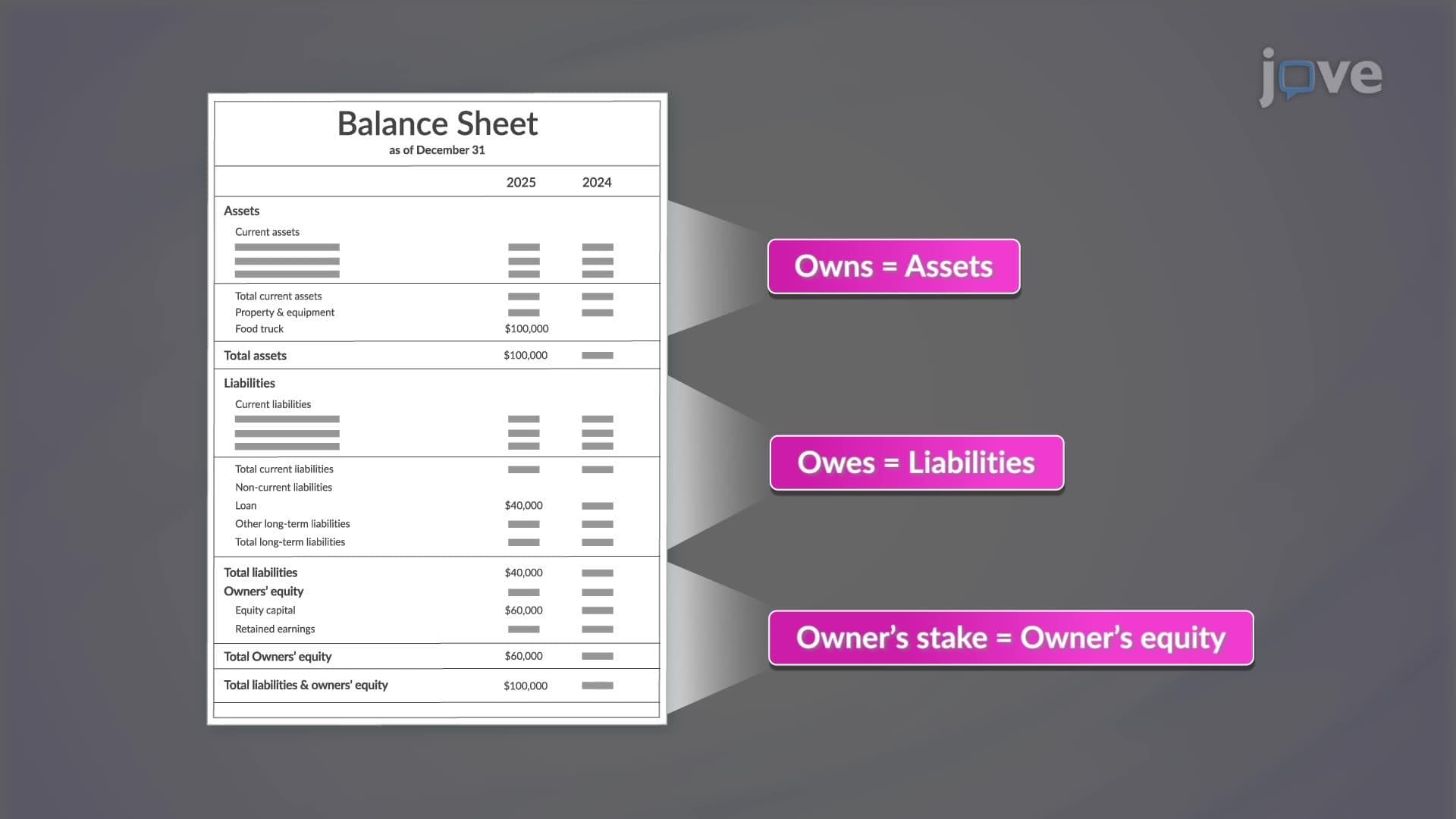
The foundational rule is straightforward: debits increase asset balances and decrease liability balances. Credits do the opposite, they decrease assets and increase liabilities. Every transaction touches at least two accounts, always keeping the accounting equation in balance: Assets = Liabilities + Equity.
A practical tool used by experienced finance business partners and sharp general managers alike is the T-Account model, a simple visual that splits each account into debit (left) and credit (right) sides.
Apply it in three steps during any financial review:
1. Identify the accounts involved, Is the transaction touching an asset (cash, equipment, receivables) or a liability (loan, payable, accrued expense)? 2. Apply the direction rule, For assets: debit = increase, credit = decrease. For liabilities: credit = increase, debit = decrease. 3. Confirm the balance, Both sides of the entry must equal each other. If they don't, something is misclassified.
For example, when a team purchases equipment using company cash, the equipment account (asset) is debited, it goes up. The cash account (asset) is credited, it goes down. The books stay balanced, and neither account has "disappeared." Understanding this helps you validate reports, not just accept them.
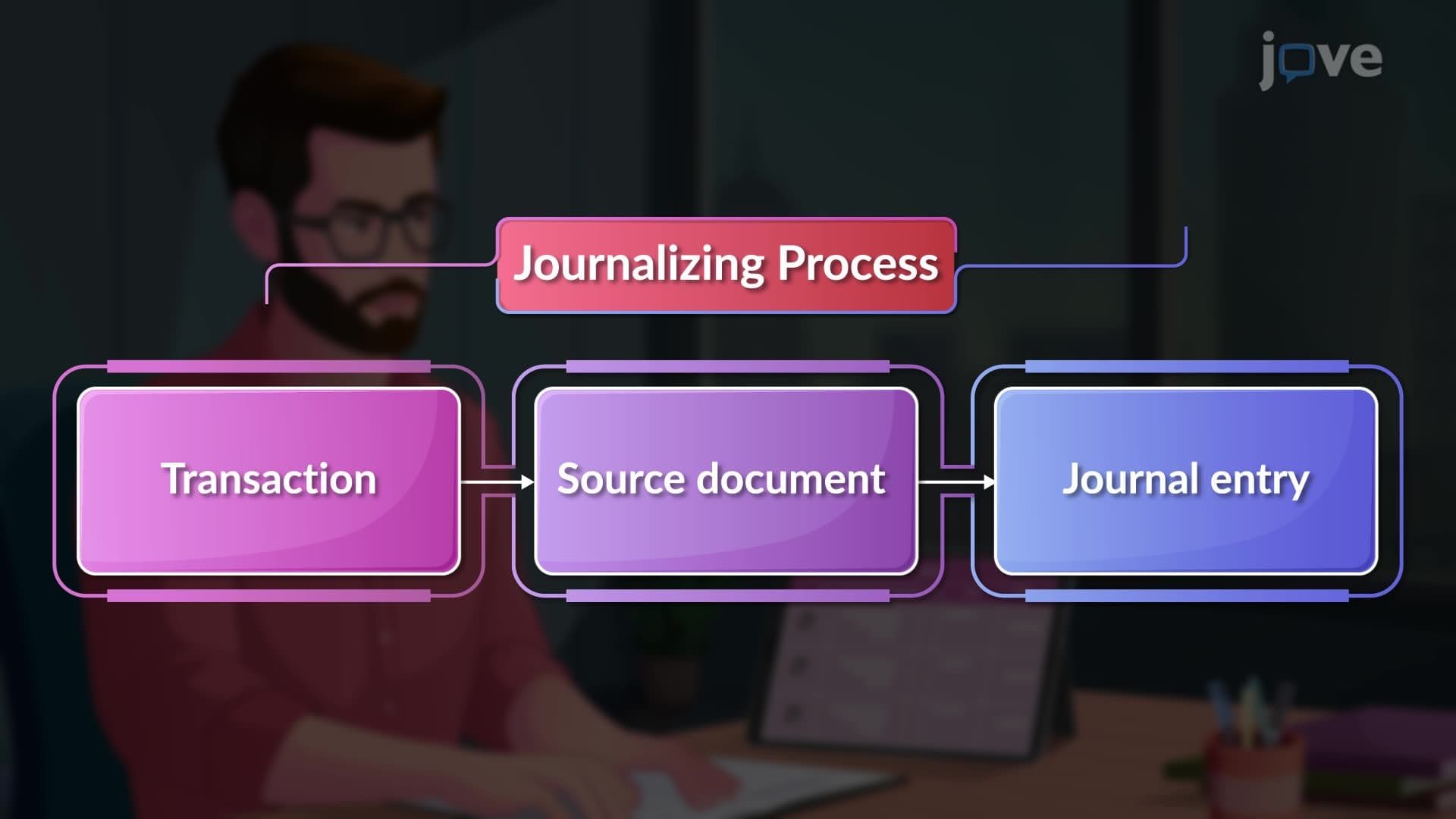
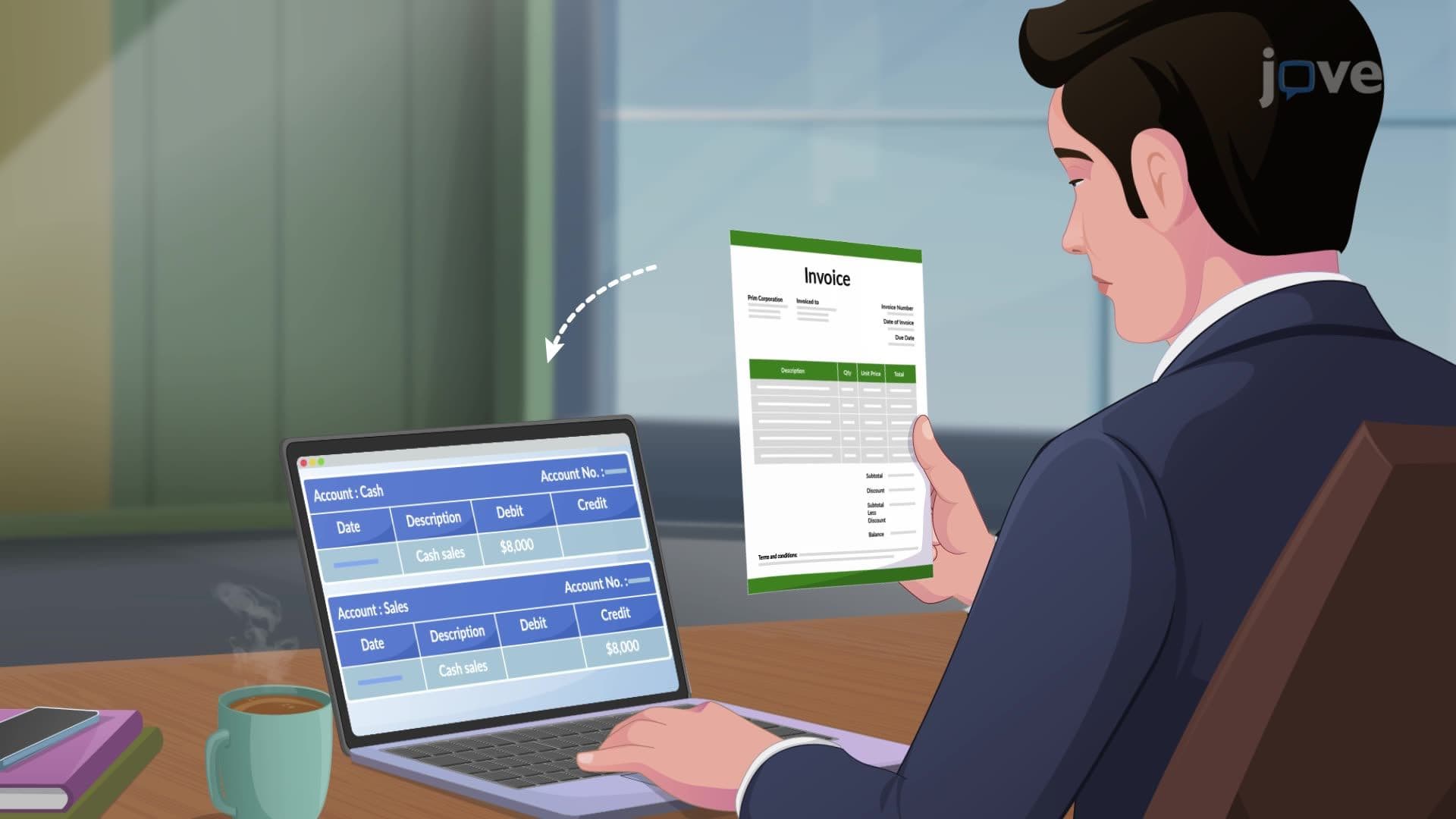
This pairs naturally with source document verification, a discipline where managers cross-check entries against purchase orders, invoices, or loan agreements before signing off on financial statements.
When you're reviewing a budget report, P&L summary, or balance sheet in your next leadership meeting, use these three practical questions as your anchor:
Managers who build this habit reduce their dependence on finance teams for basic interpretation, accelerate month-end reviews, and communicate with far greater credibility in cross-functional settings. Over time, this fluency becomes a career differentiator, separating managers who can lead business decisions from those who can only manage headcount.
Related Micro-courses