Loading video…

 21 Concepts
 7.4K views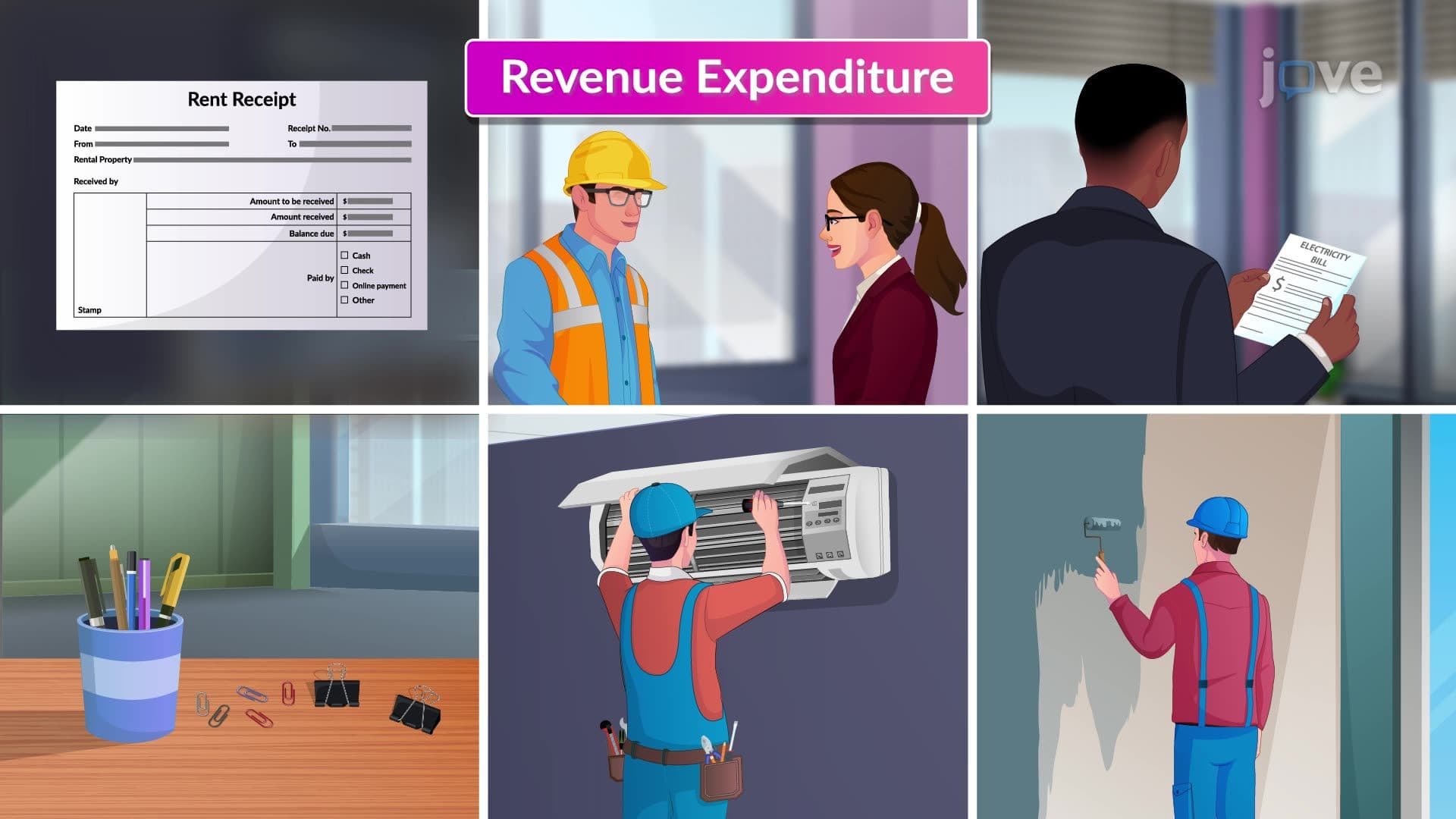

Video Summary: What Is Revenue Expenditure
Revenue expenditure basics trip up even experienced managers when budgets tighten and every line item gets scrutinized. Understanding revenue expenditure, the recurring operational costs that keep a business running day-to-day, helps you defend your team's spending, forecast accurately, and make faster budget decisions. Misclassifying these costs creates real downstream problems in financial reporting. Watch the full video on JoVE Coach to master this concept with expert-led visuals and step-by-step explanations.
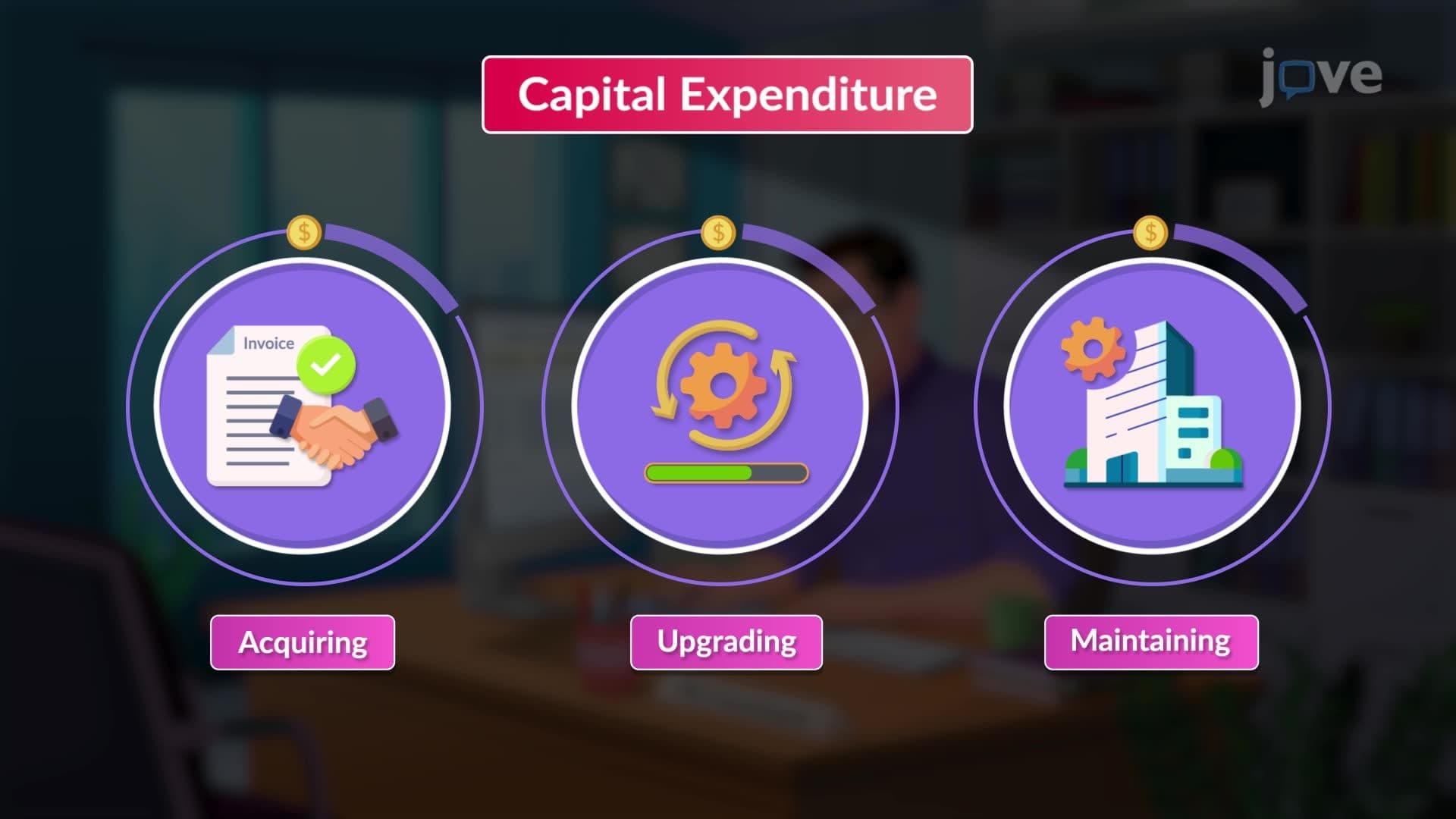
Picture this: your team just submitted three separate purchase requests, one to renew annual software licenses, one to fix a malfunctioning HVAC unit in your office floor, and one to overhaul the entire building's infrastructure. All three involve spending money. But only one of them, the infrastructure overhaul, belongs in a different financial category entirely. The first two are revenue expenditures. If you've ever sat in a budget meeting unsure of why certain costs hit the income statement immediately while others get spread across years, this distinction is exactly what you need to understand.
Most managers who struggle with expenditure classification aren't careless, they're simply working with a mental model built for operations, not finance. The common mistake is treating any large expense as a capital item and any small expense as operational. Cost size alone doesn't determine classification. What matters is whether the spending generates a long-term asset or simply maintains current operational capacity.
A repair that restores a piece of equipment to its original working condition is a revenue expenditure. A modification that meaningfully extends that equipment's useful life or increases its output? That crosses into capital territory. Managers who internalize this distinction stop second-guessing finance teams and start contributing more credibly to budget planning.
Use a simple two-question filter before approving or submitting any expense:
1. Does this spending create or acquire something that will provide value beyond this financial year? 2. Does it extend the useful life of an existing asset, or does it simply restore or maintain current function?
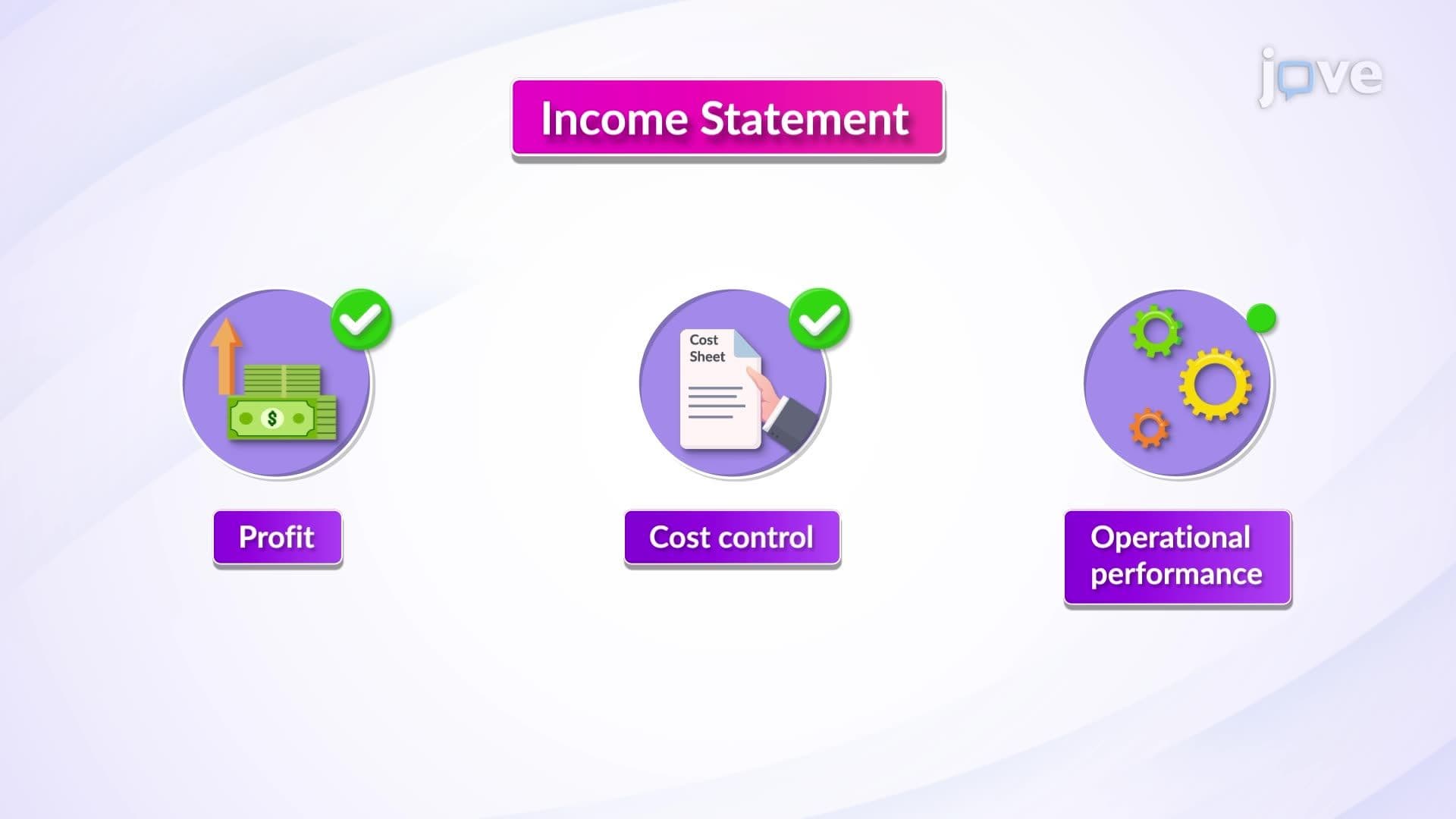
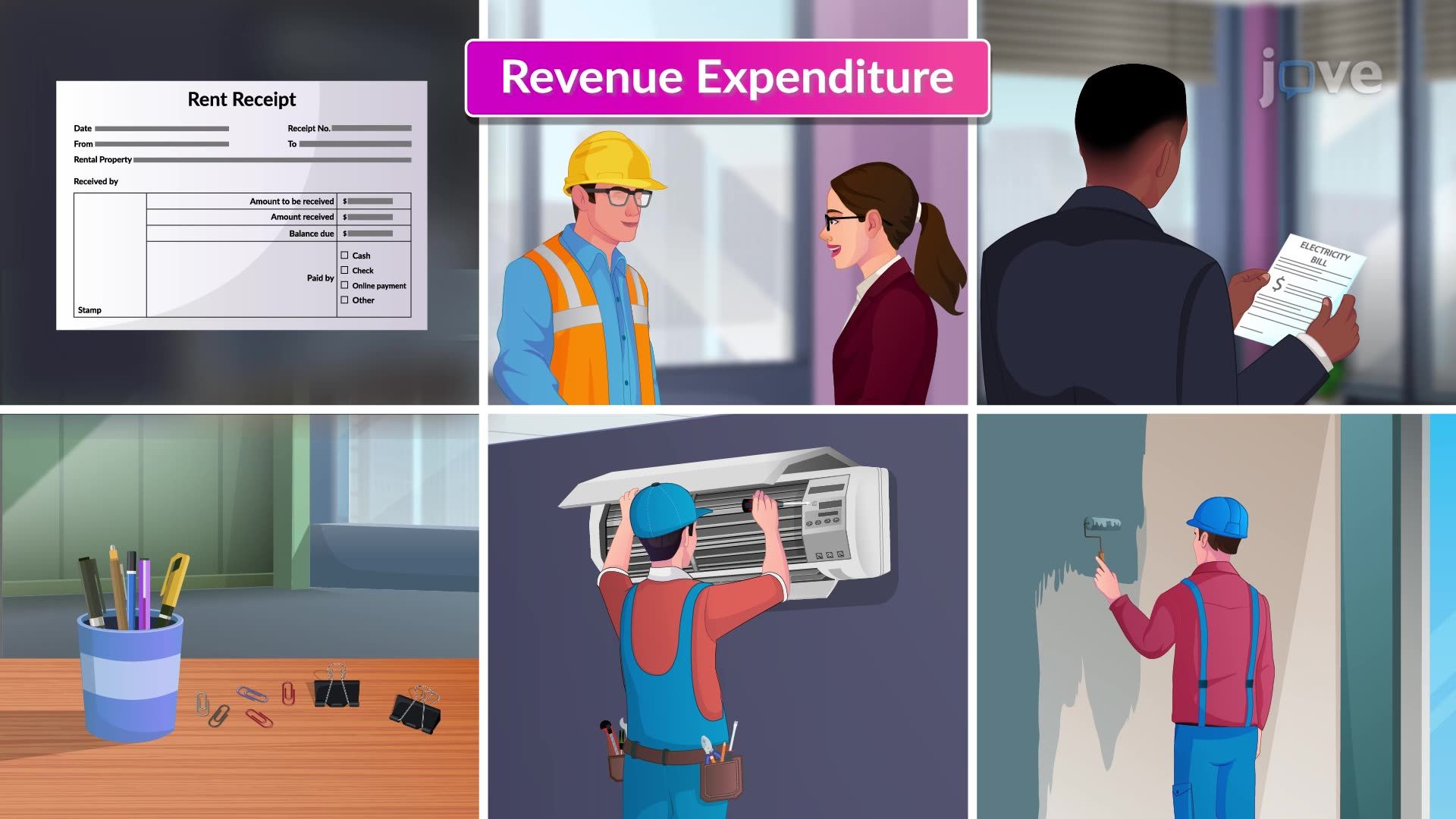
If both answers are "no," you're looking at a revenue expenditure. This maps closely to how accounting standards distinguish between maintenance-type costs (expensed immediately) and improvement-type costs (capitalized). In practice, this means wages, rent, utility bills, consumable supplies, and routine repairs all belong on the income statement in the period they're incurred, reducing profit directly and providing a clear read on operating efficiency.
For managers overseeing cross-functional budgets, consider applying a RACI-style ownership model to expenditure classification: designate who is Responsible for categorizing each spend request, who Approves it, who needs to be Consulted (typically your finance business partner), and who is Informed. This prevents classification errors from reaching month-end reporting.
When reviewing your team's budget, create a habit of separating expenditure items into two buckets: sustaining costs (revenue expenditures) and growth or investment costs (capital expenditures). Review the sustaining costs first, these are your operational baseline. Ask whether each one is genuinely necessary to maintain current performance levels or whether it can be deferred or eliminated.
This habit directly improves two leadership behaviors: cost discipline and financial credibility. Managers who understand how their spending decisions affect the income statement earn greater autonomy from senior leadership over time. They're trusted with larger budgets because they've demonstrated they understand consequences, not just amounts. If you manage a team that handles any procurement, facilities, or vendor relationships, building this knowledge into your team's standard operating procedure creates fewer surprises at quarter-end and stronger relationships with your finance partners.
Related Micro-courses