Loading subject page…

7,374 views

Video Summary: What Is the Recording Process
The recording process basics matter far more to managers than most realize, financial blind spots often start with poorly structured transaction records, not spreadsheet errors. Understanding the recording process gives you the foundation to interpret financial reports your team produces, spot discrepancies early, and hold informed conversations with your finance counterparts. Watch the full video on JoVE Coach to master this concept with expert-led visuals and step-by-step explanations.
Imagine you're a manager reviewing monthly financials and something doesn't add up. A supplier payment appears to be missing, an account balance looks inflated, and no one on your team can immediately trace where the discrepancy started. This is one of the most common and costly breakdowns in operationally responsible management, and it almost always traces back to a weak or inconsistent recording process. Understanding how financial transactions move from a source document through to the general ledger is not just an accounting function; it's a management accountability issue.
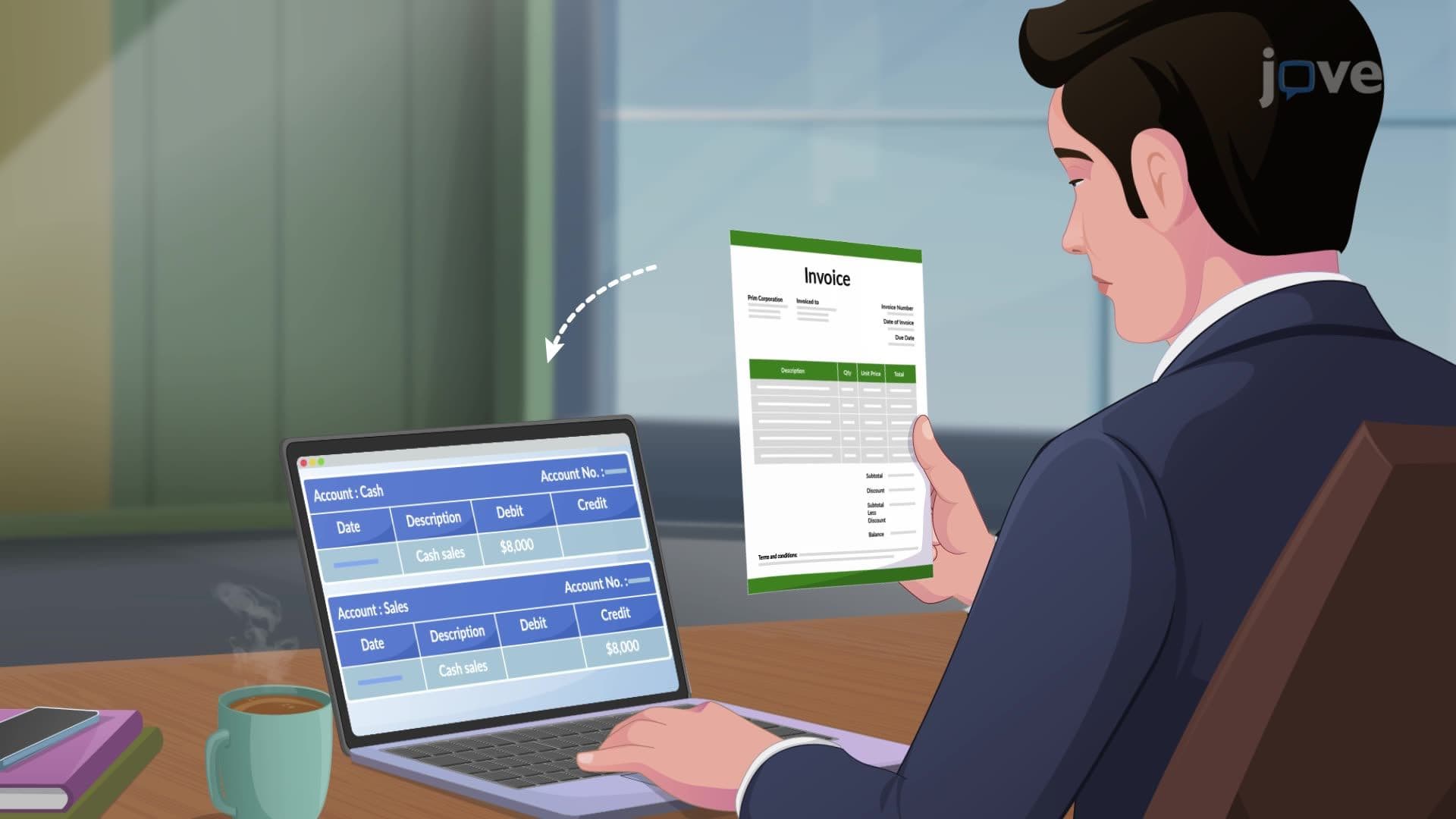
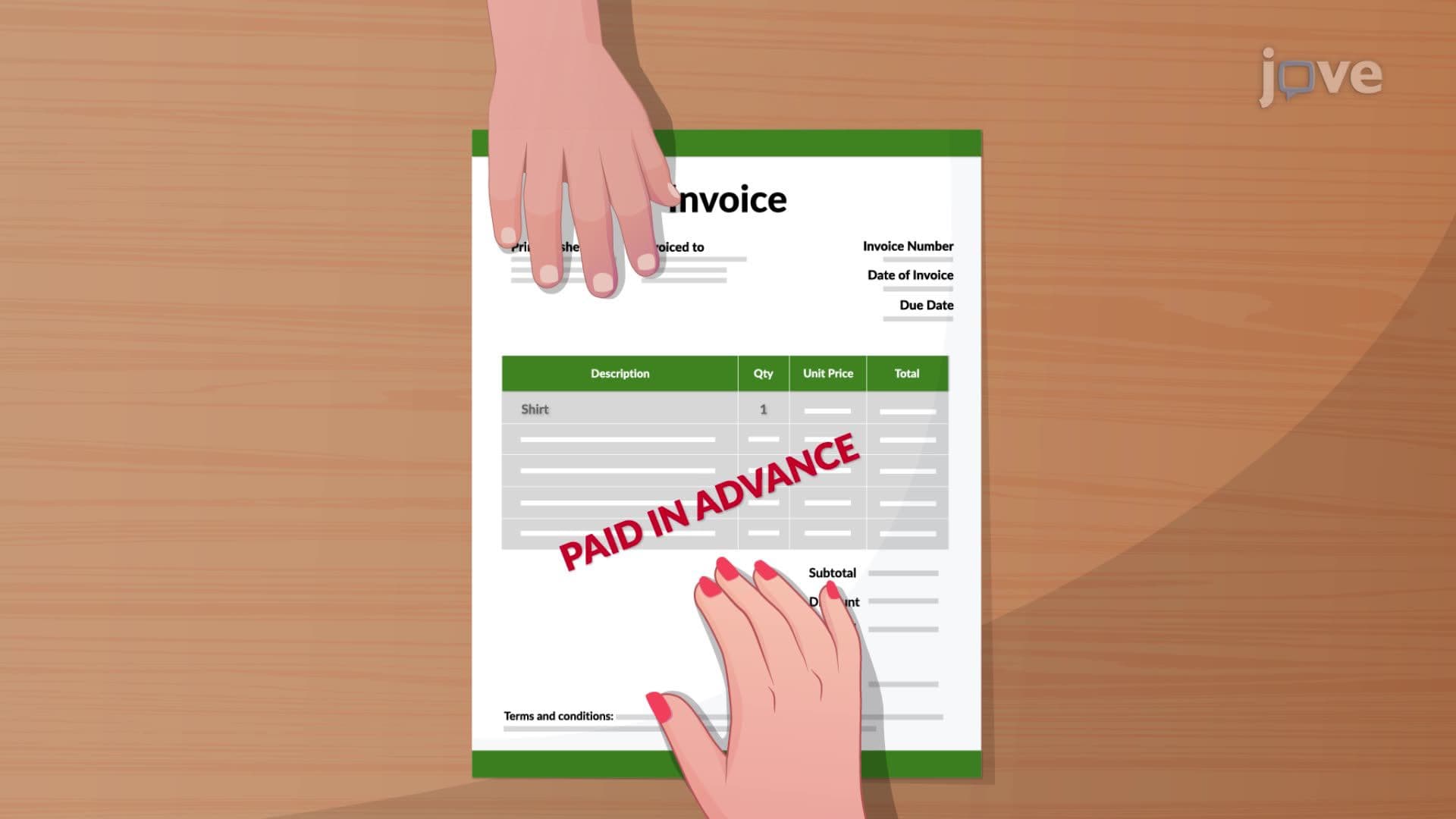
Most managers in non-finance roles treat the recording process as someone else's job. That assumption is where oversight gaps form. When a purchase is made, a contract is signed, or a service is rendered, a paper or digital trail must begin immediately. The source document, an invoice, receipt, purchase order, or contract, is not administrative noise. It is legal and financial evidence.
The problem is that many managers either don't enforce documentation standards on their teams or don't understand what happens after a document is filed. Without that understanding, you cannot meaningfully review outputs, challenge errors, or support your finance team when discrepancies arise.
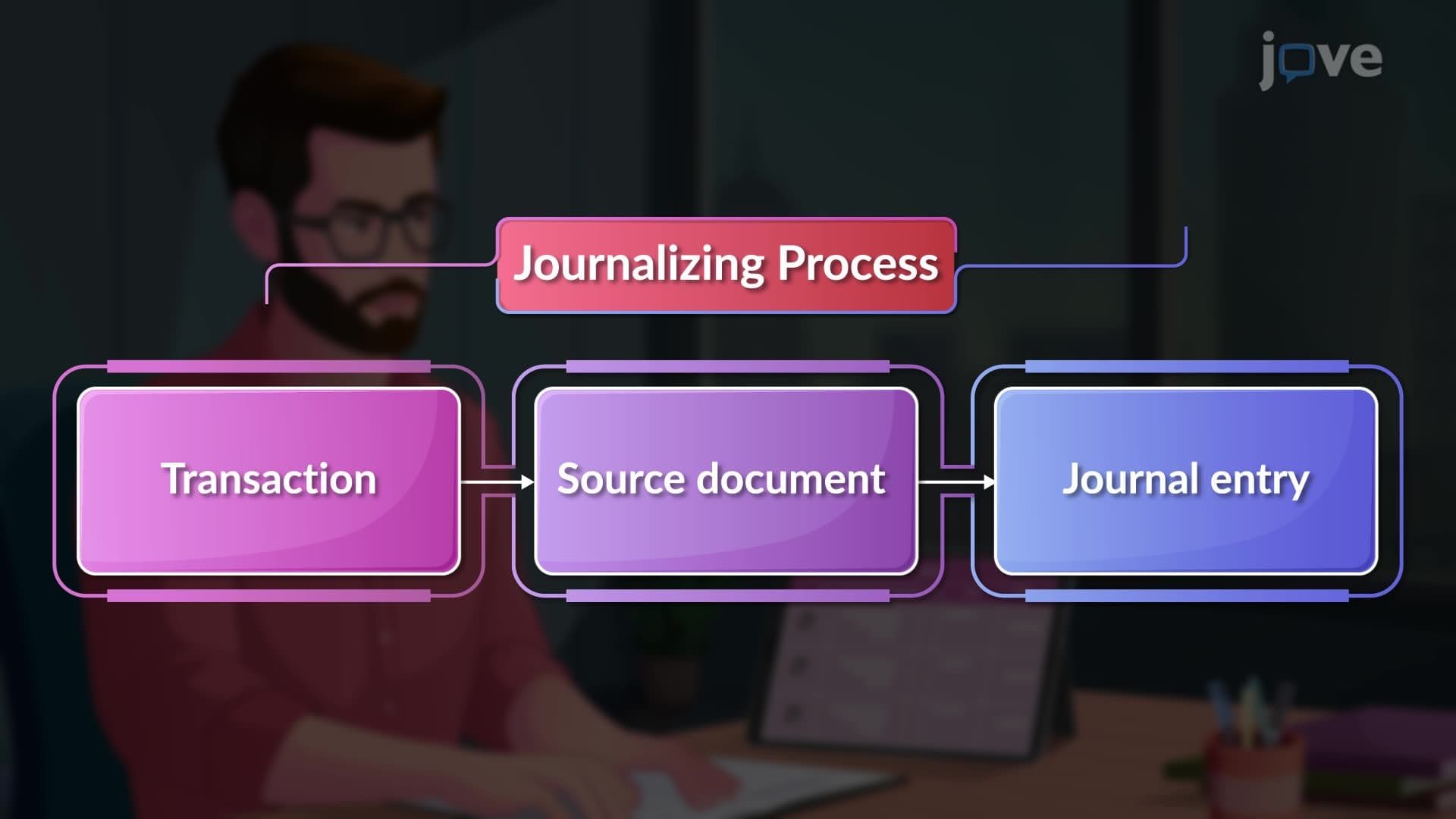
The recording process follows a clear, repeatable sequence that managers can use as a mental model for financial oversight:
1. Source Document → Evidence Capture. Every transaction starts with a document that verifies what happened, when, and for how much. Managers should ensure their teams never initiate a transaction without one.
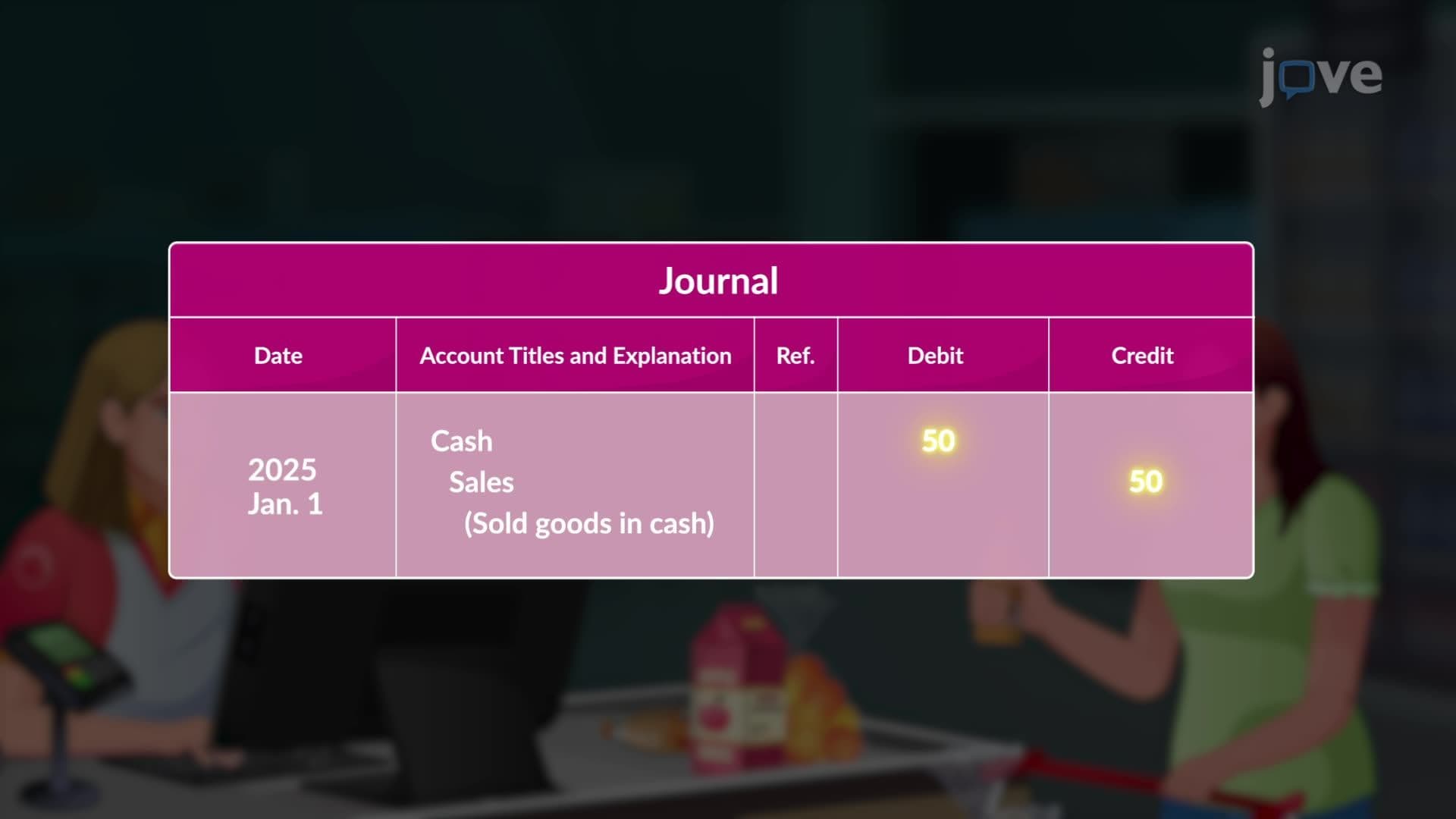
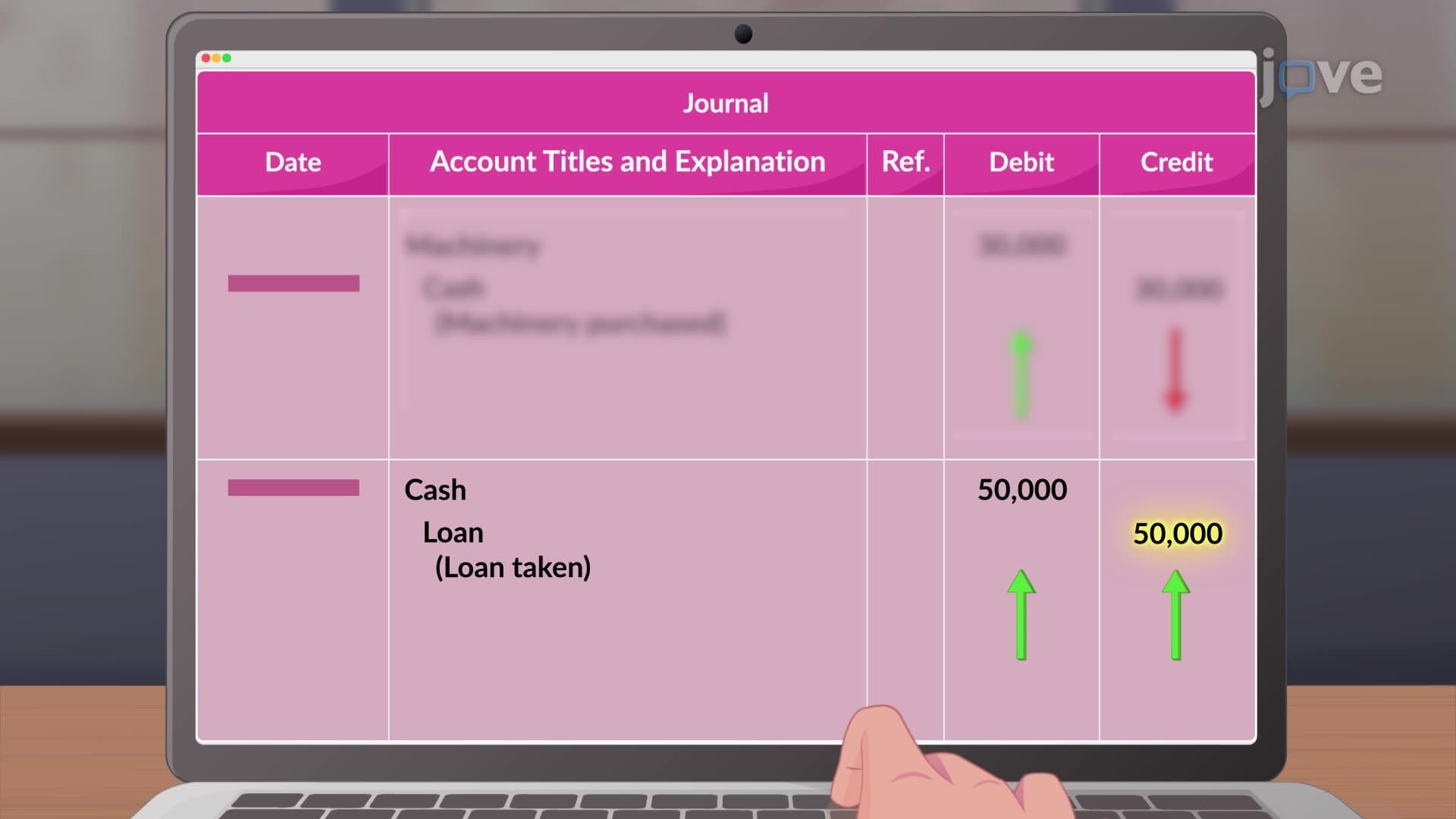
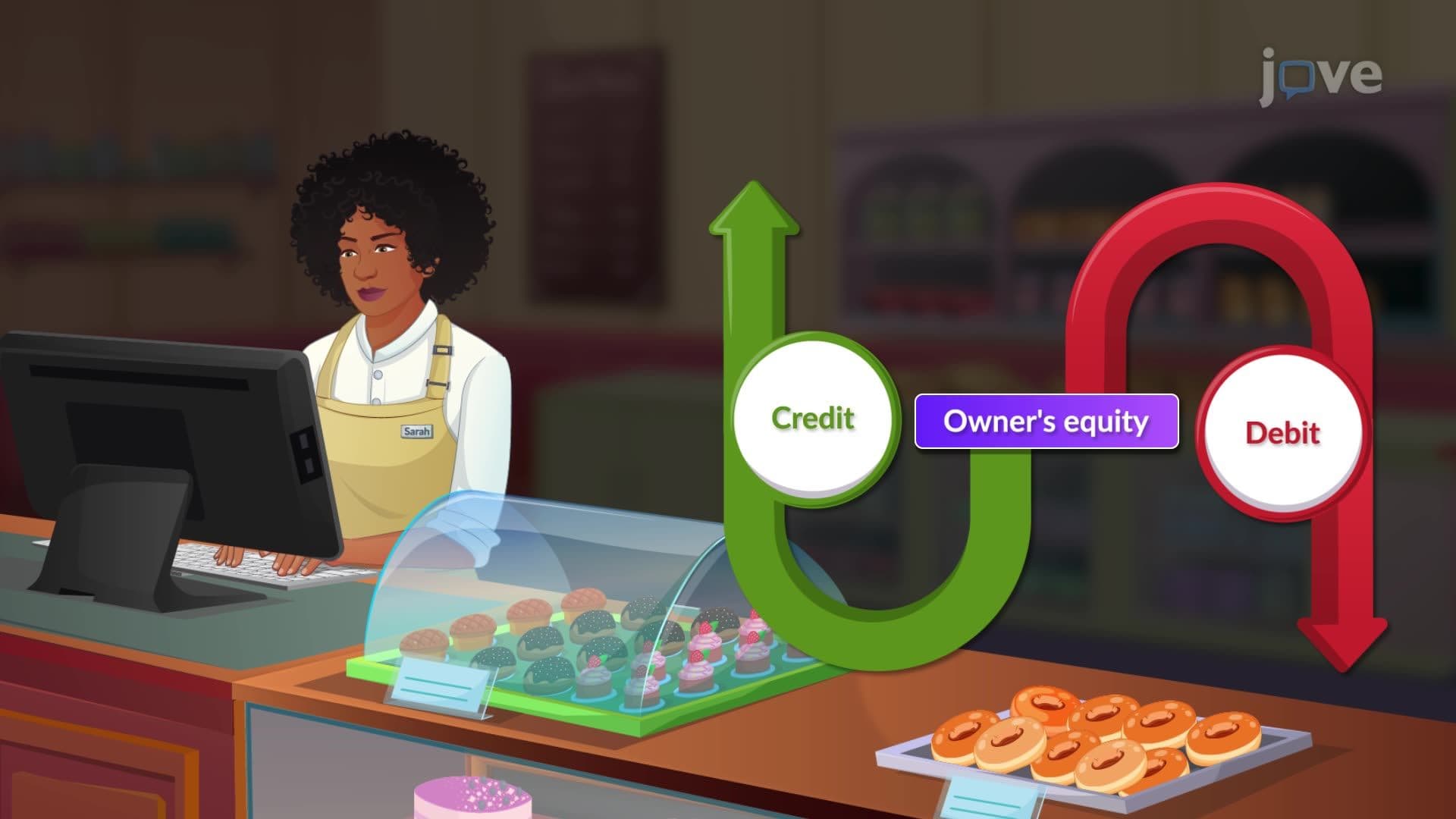
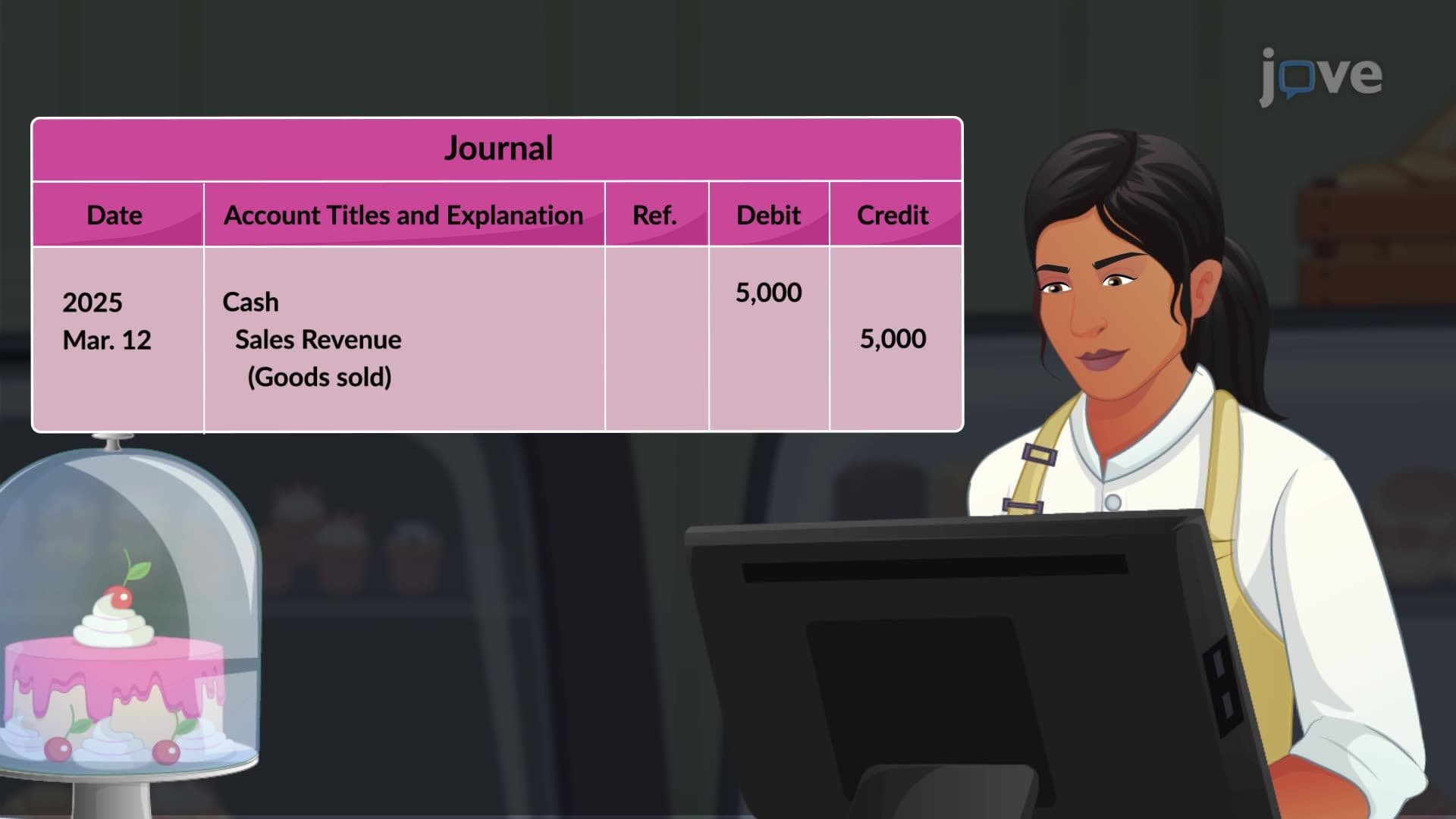
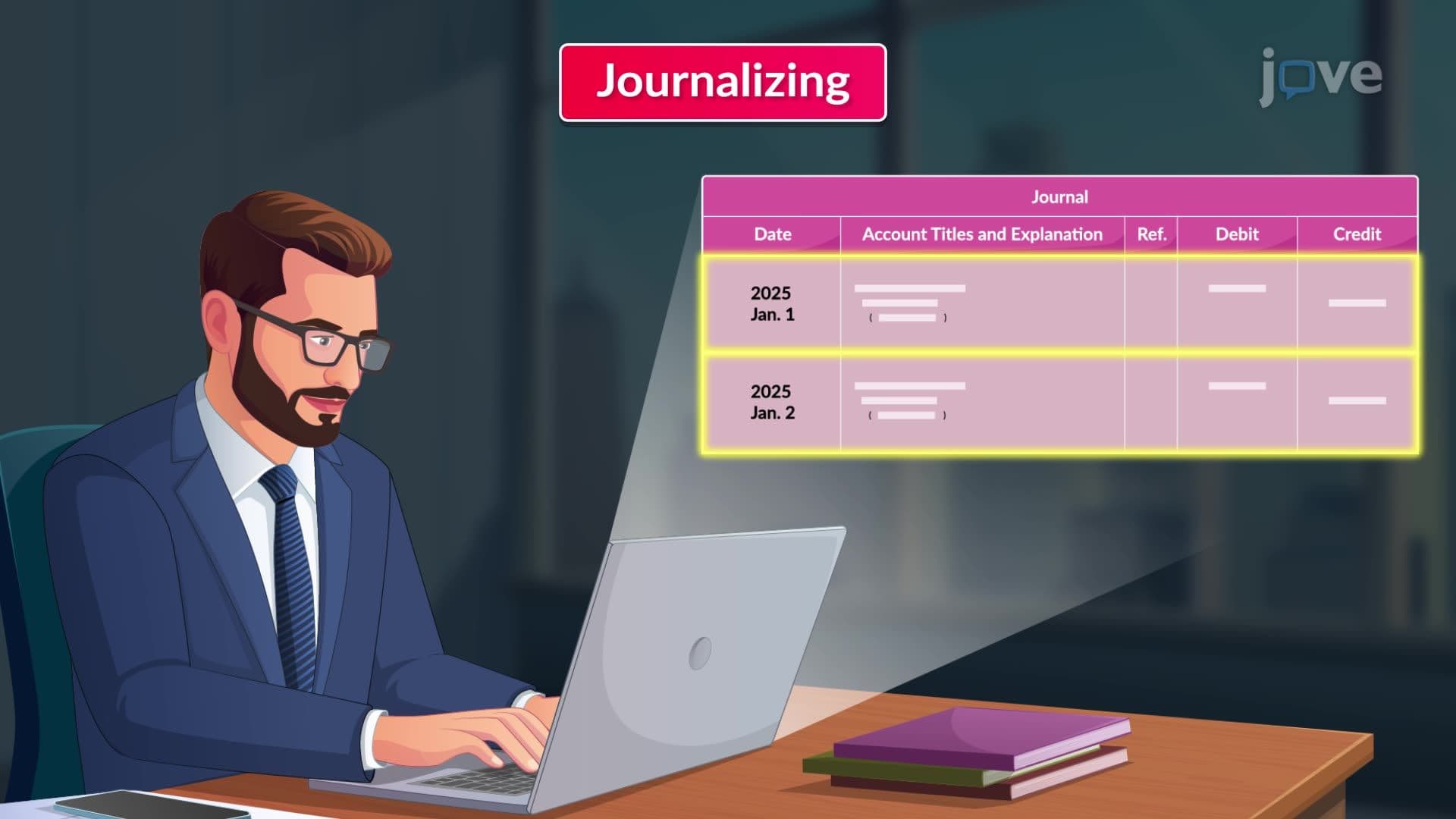
2. Journal Entry → Journalizing. The transaction is formally recorded using double entry accounting: one account is debited, another is credited for the same amount. This dual-entry logic is the financial system's built-in error check. If debits don't equal credits, something is wrong, and that signal is immediate.
3. Ledger Posting → Account Tracking. Journal entries are transferred to the general ledger, where each account accumulates its running balance. The ledger is the single source of truth that feeds directly into trial balance preparation and, ultimately, your financial statements.
Think of this as a financial RACI in practice: someone is Responsible for capturing the document, someone is Accountable for the journal entry, and the ledger is the system of record that makes everything Consultable and Informed.
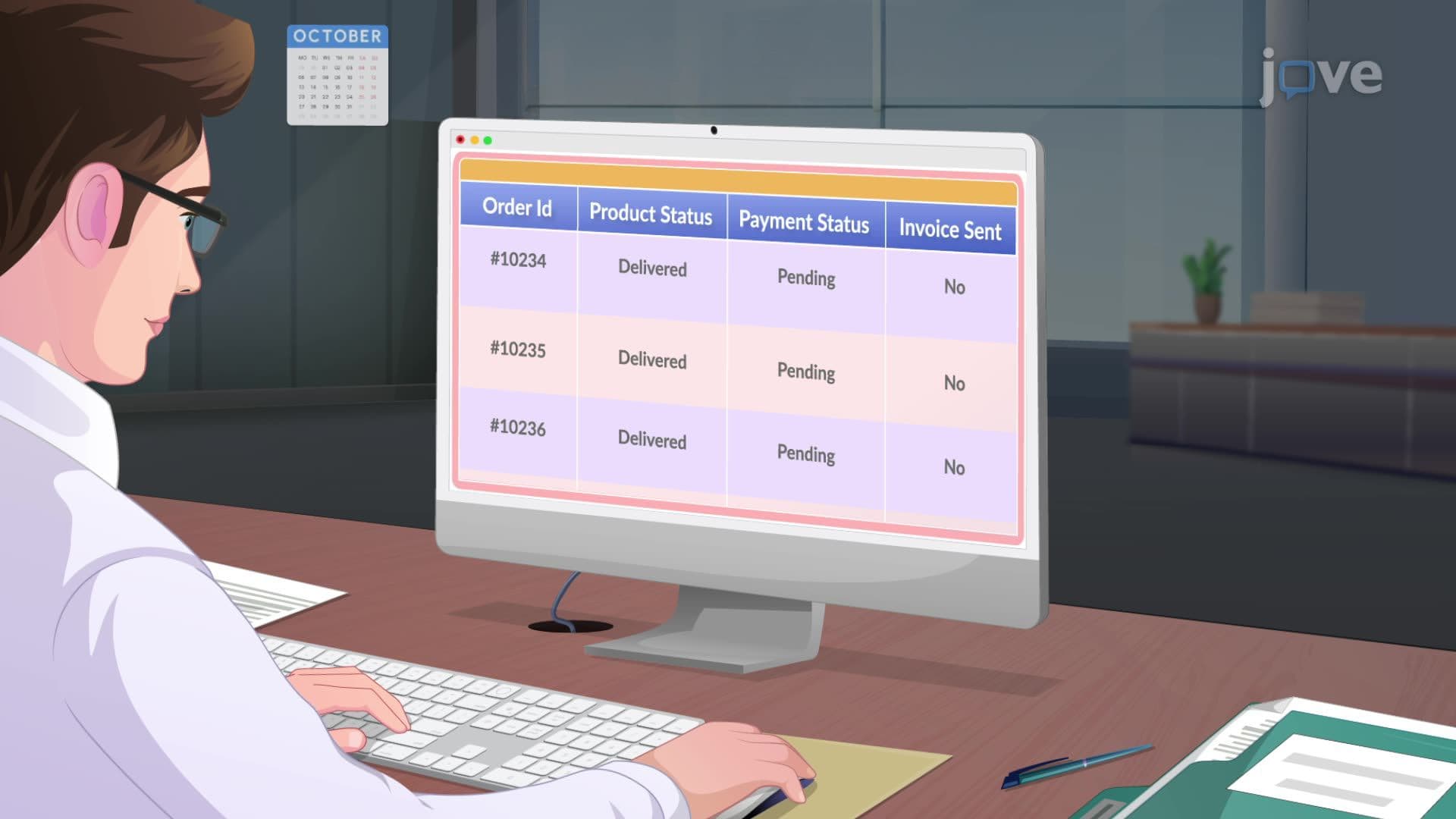
Use the three-step flow as an audit checklist in team reviews. Ask: Does every recent transaction have an attached source document? Were journal entries recorded in the correct period? Have all entries been posted to the ledger before month-end close?
These aren't accountant-level questions, they're manager-level accountability checks. If your team handles purchasing, expense approvals, vendor payments, or budget tracking, you are already responsible for the integrity of this process. Building a simple review rhythm, even a 15-minute weekly check, dramatically reduces the risk of errors compounding into reporting problems that surface only at quarter-end, when they're hardest to fix.
Related Micro-courses