Loading concepts…


23 Concepts
21 Concepts
16 Concepts
20 Concepts
17 Concepts
14 Concepts
11 Concepts
7 Concepts
9 Concepts
 20 Concepts
 7.1K Views
 Popular topics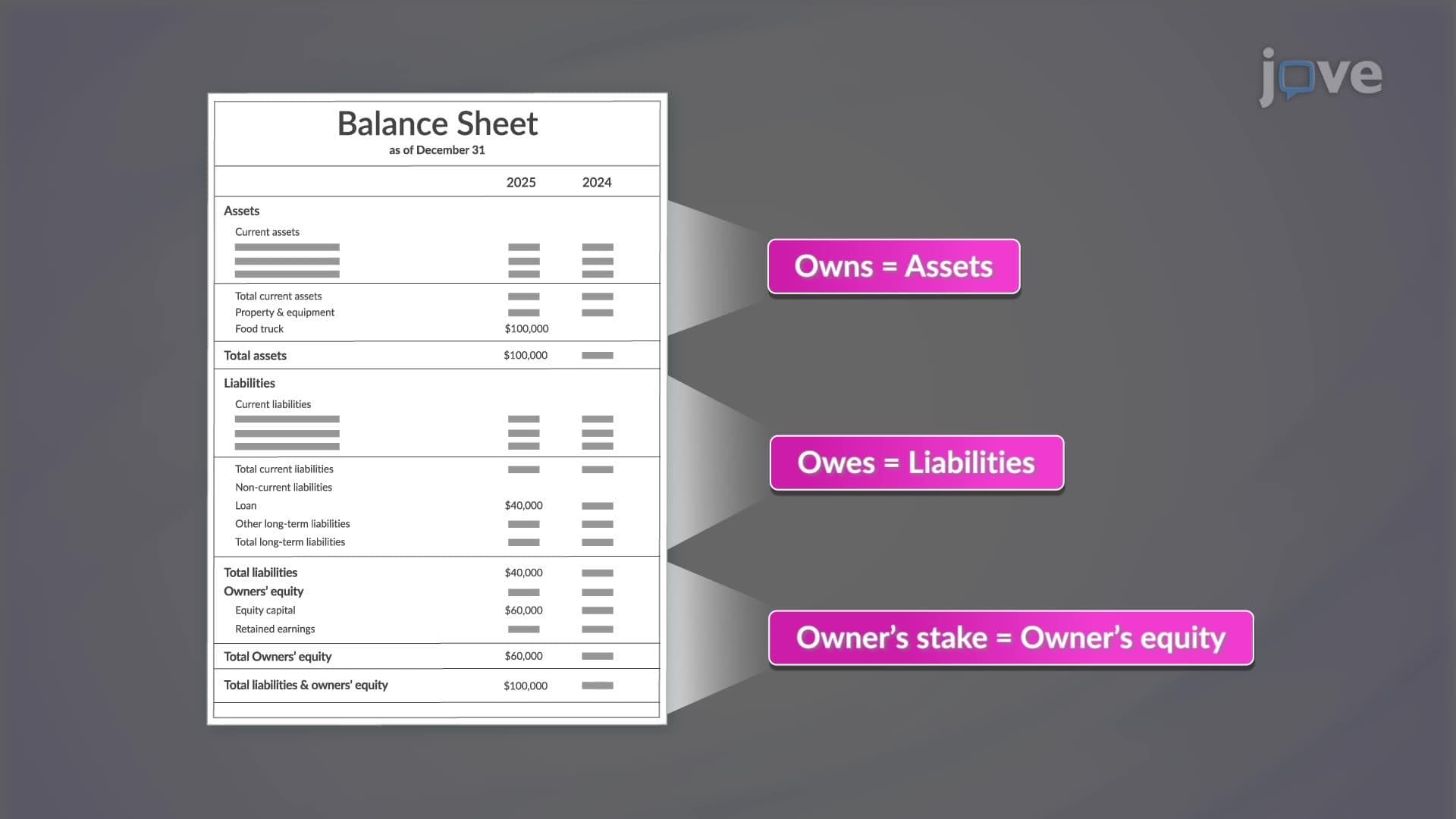





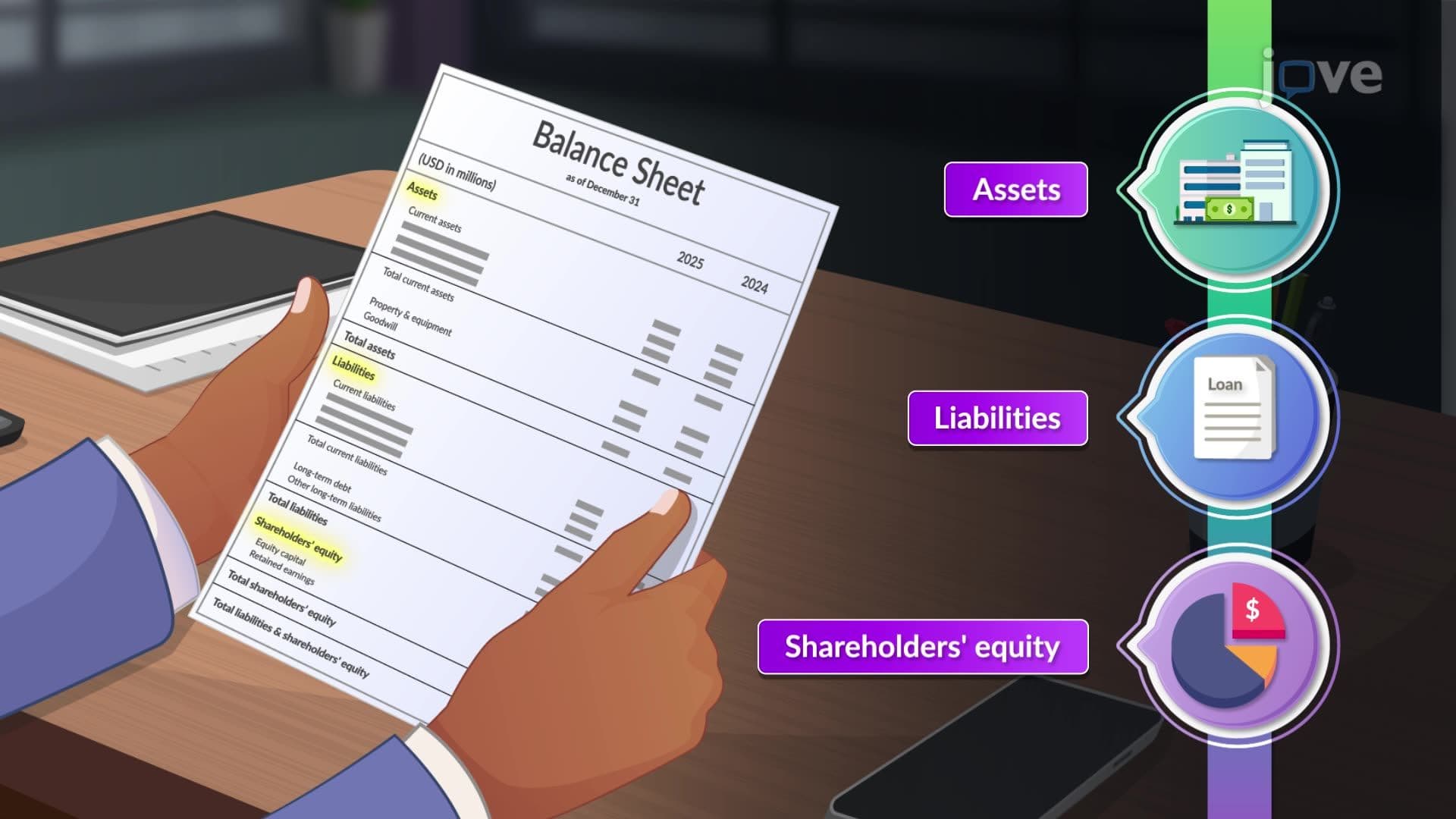


Balance sheet preparation is a core financial literacy skill every manager needs to lead with credibility. When you can read and interpret your organization's financial position, assets, liabilities, and equity, you make faster, better-informed decisions under pressure. This JoVE Coach micro-course builds that practical fluency, helping managers move from financial uncertainty to confident, data-driven leadership.
1. Introduction to the Balance Sheet and Its Core Structure
The balance sheet is a financial snapshot of an organization at a specific point in time, capturing what it owns, what it owes, and the residual value belonging to its owners. For managers, understanding this structure is foundational. It anchors the accounting equation: assets equal liabilities plus equity. When a team lead reviews a departmental budget proposal, knowing whether resources are funded by debt or owner investment shapes how aggressively to plan. A balance sheet that doesn't balance signals an error, a critical red flag in any financial review.
2. Assets: Current and Non-Current
Assets represent everything an organization owns that generates future economic value, organized by liquidity, how quickly they can be converted to cash. Current assets, such as cash, receivables, and inventory, convert within a year. Non-current assets, property, equipment, patents, provide longer-term value. A manager overseeing operations needs to understand this split: high current assets signal short-term flexibility, while strong non-current assets reflect long-term investment capacity. Reviewing asset composition helps leaders assess whether their organization is positioned for stability or exposed to liquidity risk.
3. Cash, Cash Equivalents, and Receivables
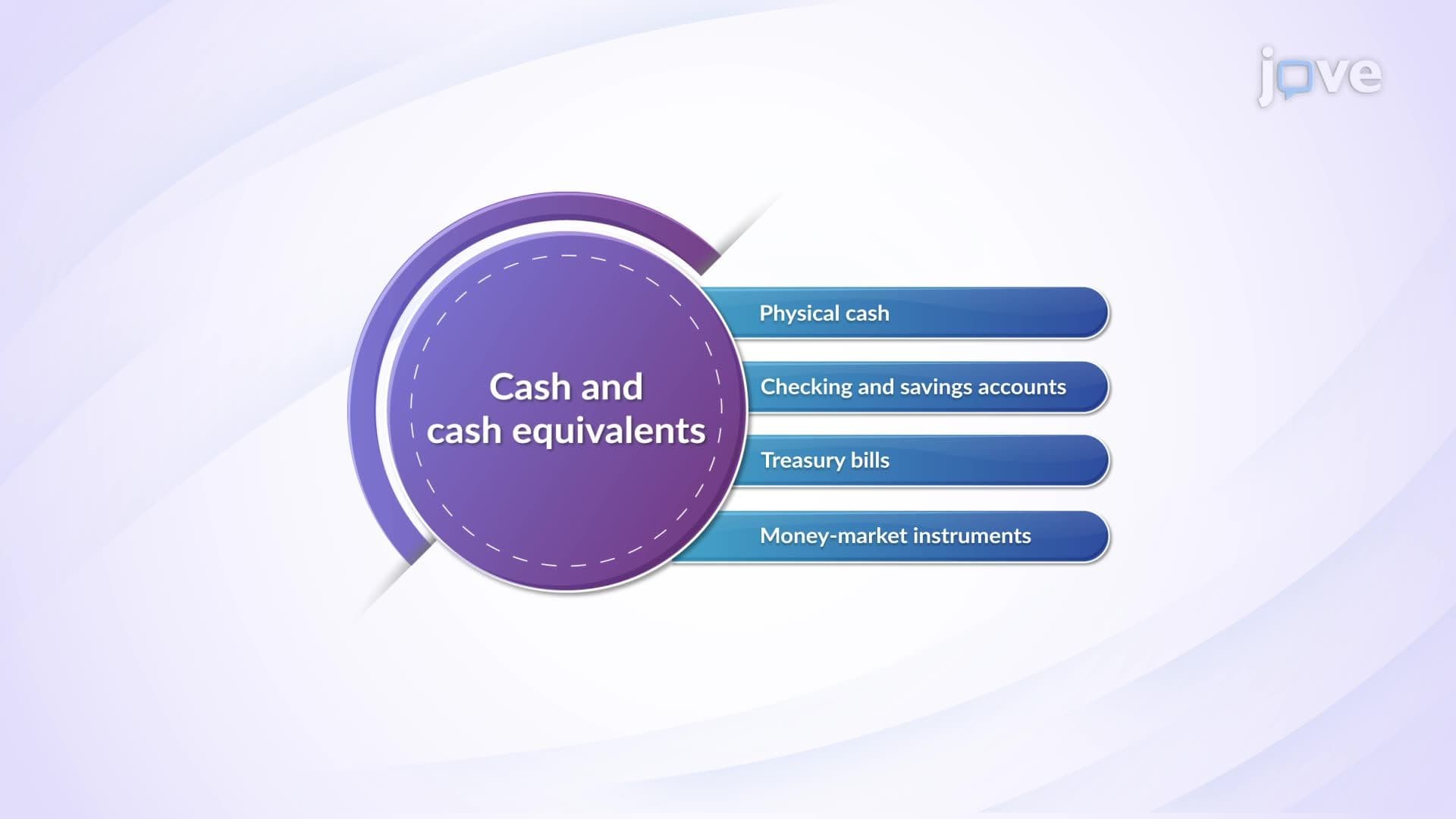
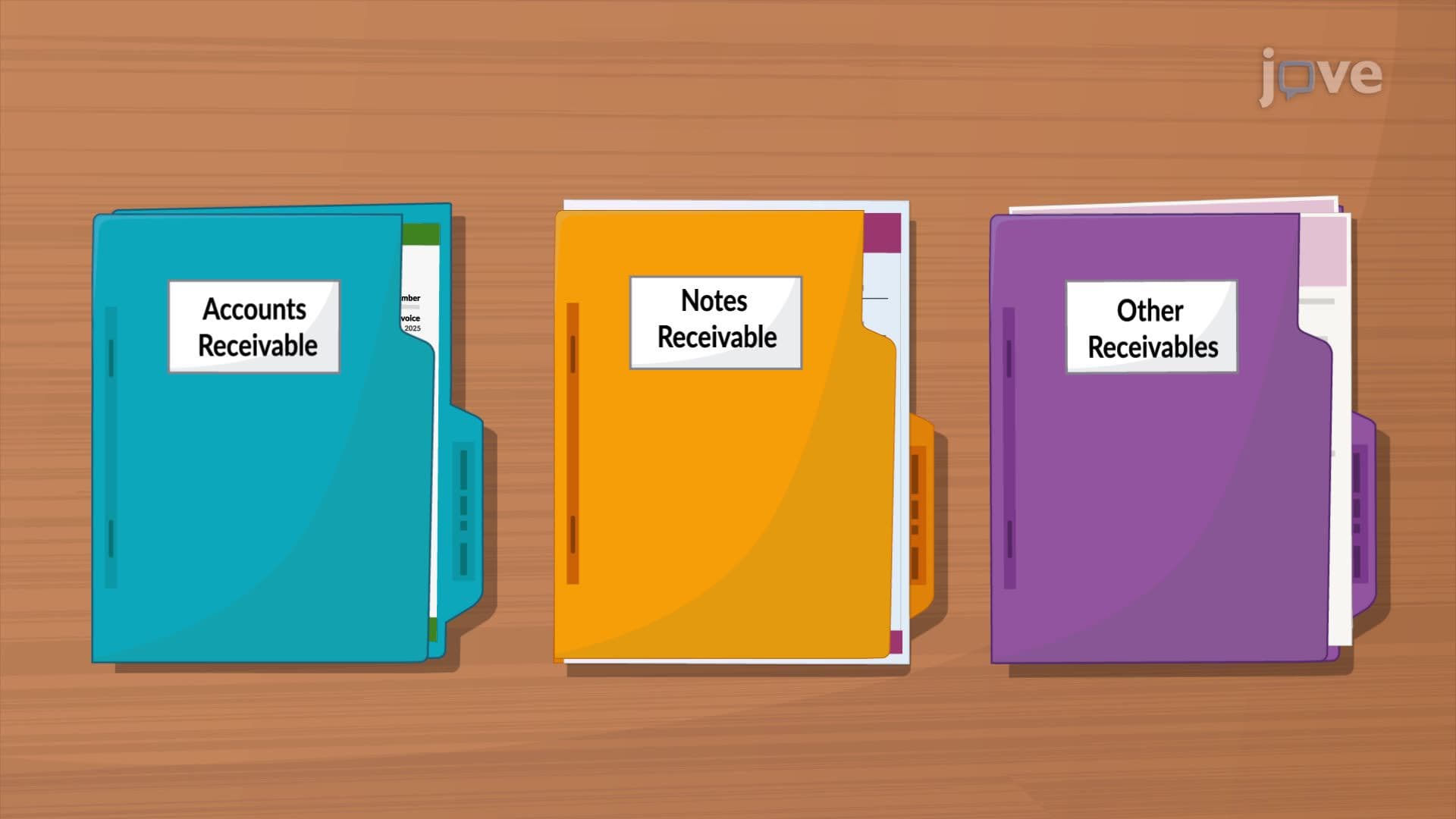
Cash and cash equivalents are an organization's most liquid resources, including bank balances and short-term instruments maturing within ninety days. Receivables represent money owed by customers for goods or services already delivered. Together, these items define a business's immediate financial flexibility. A manager planning a team expansion or procurement cycle needs to know whether cash flow supports near-term commitments. Receivables that remain uncollected too long become a warning sign, indicating collection issues that can constrain operational agility and tighten available working capital.
4. Inventory Valuation and Its Financial Impact
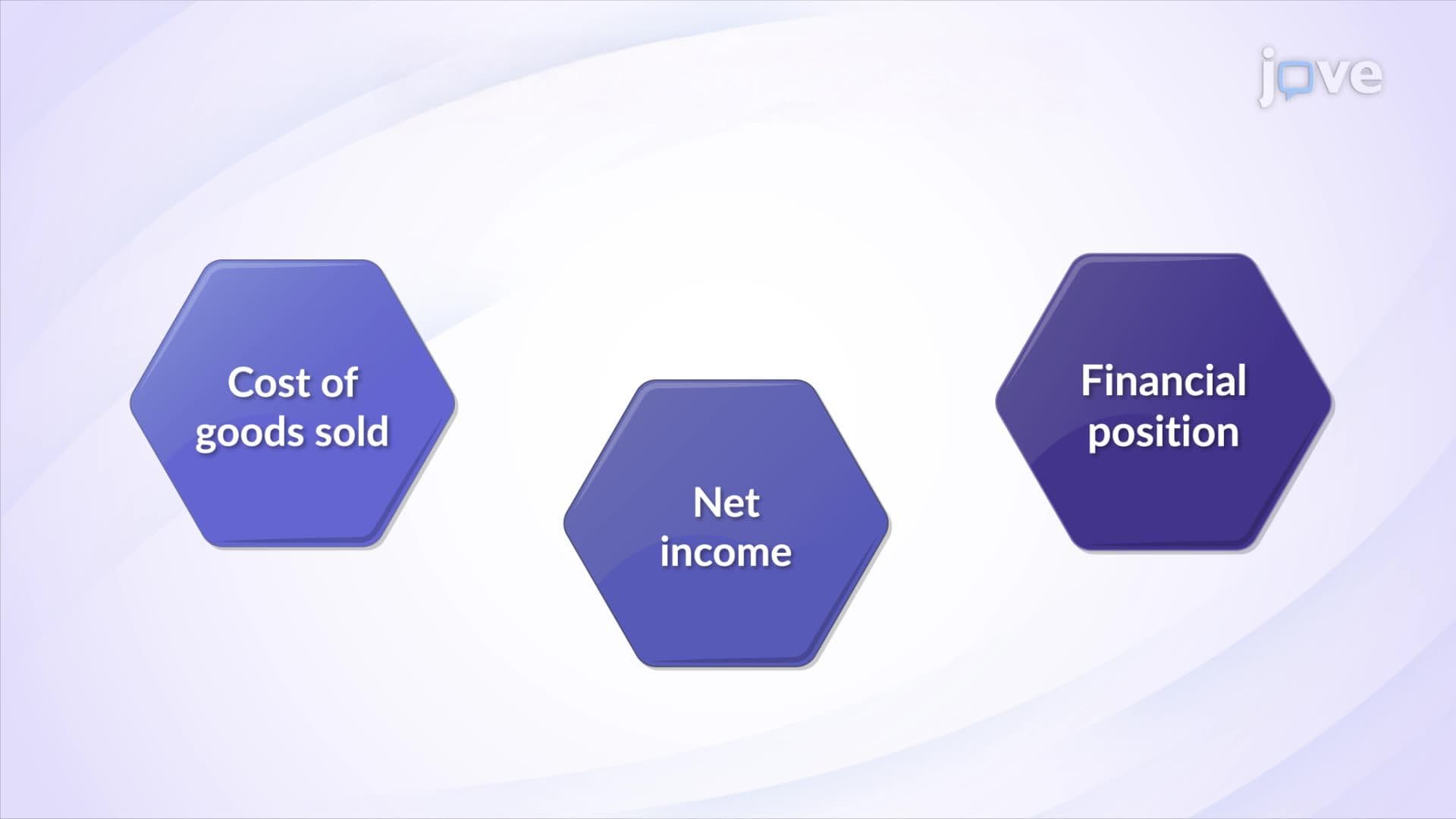
How an organization values its inventory, using FIFO, LIFO, or weighted average, directly affects reported profit and asset values. FIFO typically produces higher net income in rising-cost environments, while LIFO results in lower income but a smaller inventory balance. Weighted average smooths the effect across periods. For a manager reviewing performance against financial targets, understanding which method is in use prevents misreading profitability trends. It also matters when benchmarking against competitors who may use different methods, context is essential for accurate operational and strategic conclusions.
5. Property, Plant, Equipment, and Intangible Assets
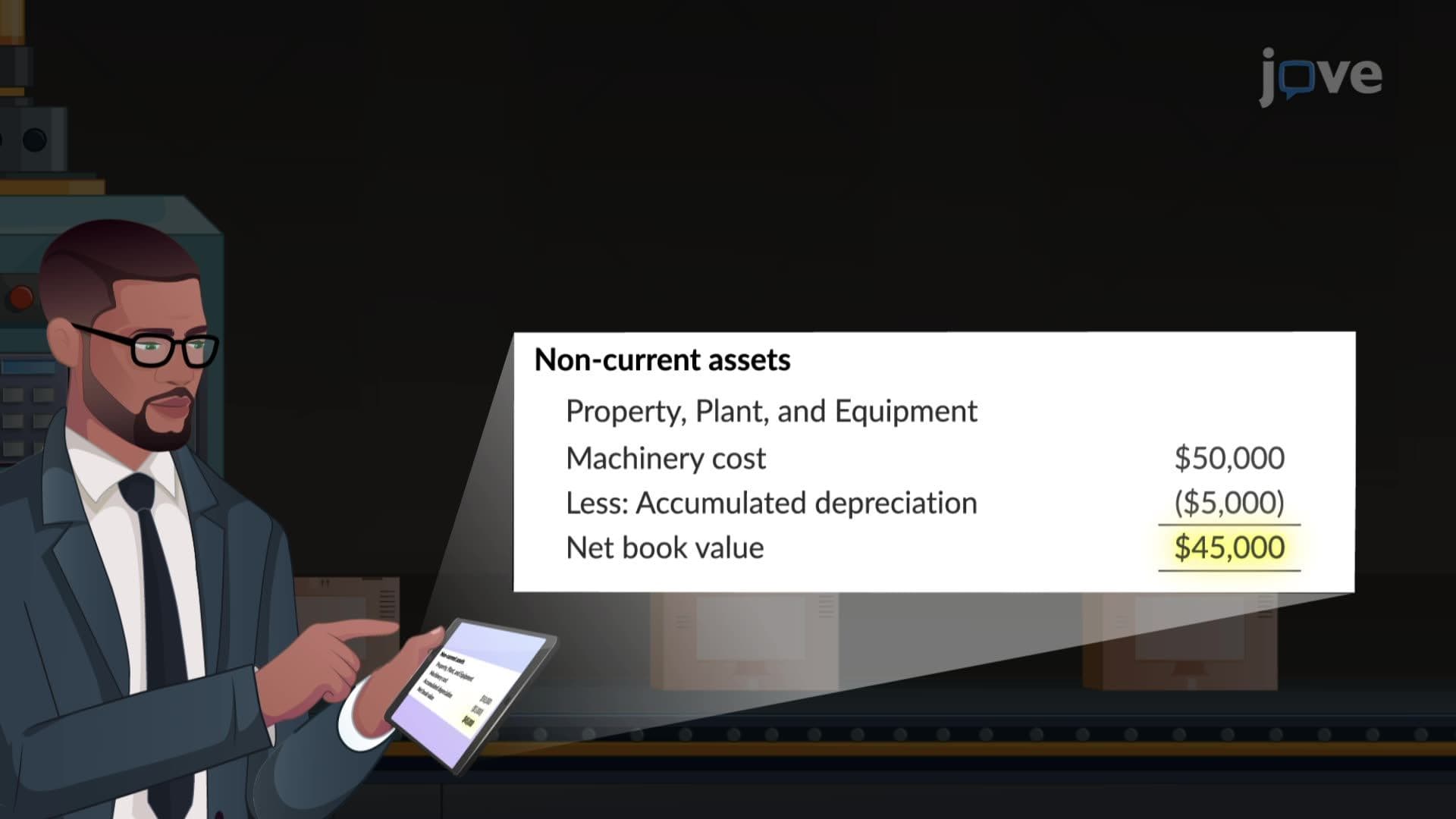
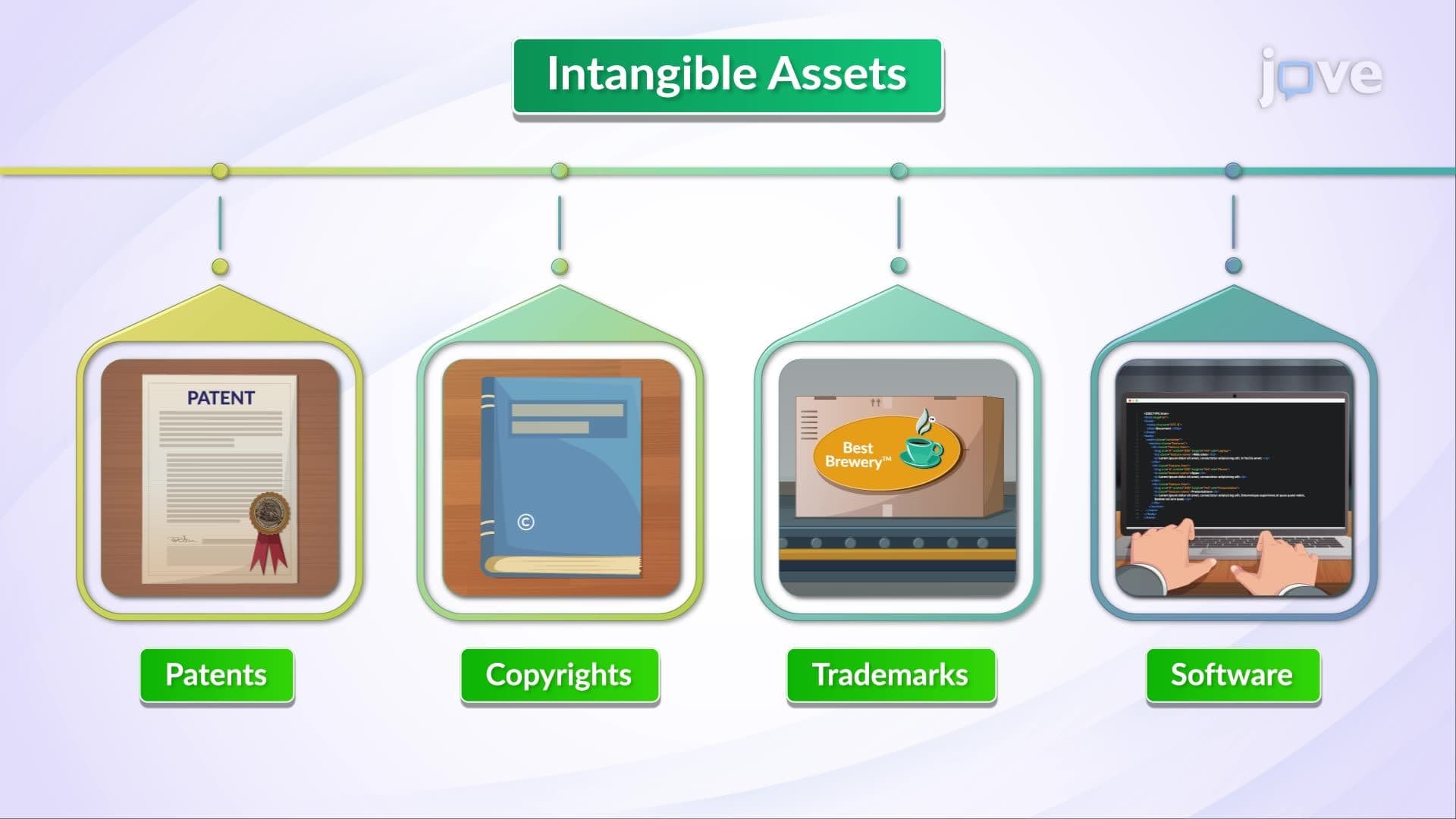
Long-term physical assets, machinery, buildings, vehicles, are recorded at purchase cost and depreciated over time to reflect wear. Land is the exception; it retains value and is never depreciated. Intangible assets, patents, trademarks, software, add value without physical form and are amortized over their useful life if purchased externally. Internally developed intangibles generally don't appear on the balance sheet. A manager evaluating capital expenditure proposals or technology investments benefits from understanding how these assets are recorded, how their value declines, and how they contribute to operational output over time.
6. Goodwill
Goodwill arises when an organization acquires another for more than the fair value of its net assets. It reflects intangible value, brand reputation, customer loyalty, an experienced workforce, that doesn't appear as individual line items but carries real strategic worth. Under US accounting standards, goodwill is not amortized by public companies but must be tested annually for impairment. If business performance deteriorates post-acquisition, goodwill may be written down, signaling strategic underperformance. Managers involved in mergers, integrations, or post-acquisition team transitions should understand what goodwill represents and why its impairment matters.
7. Liabilities: Current, Non-Current, and Contingent
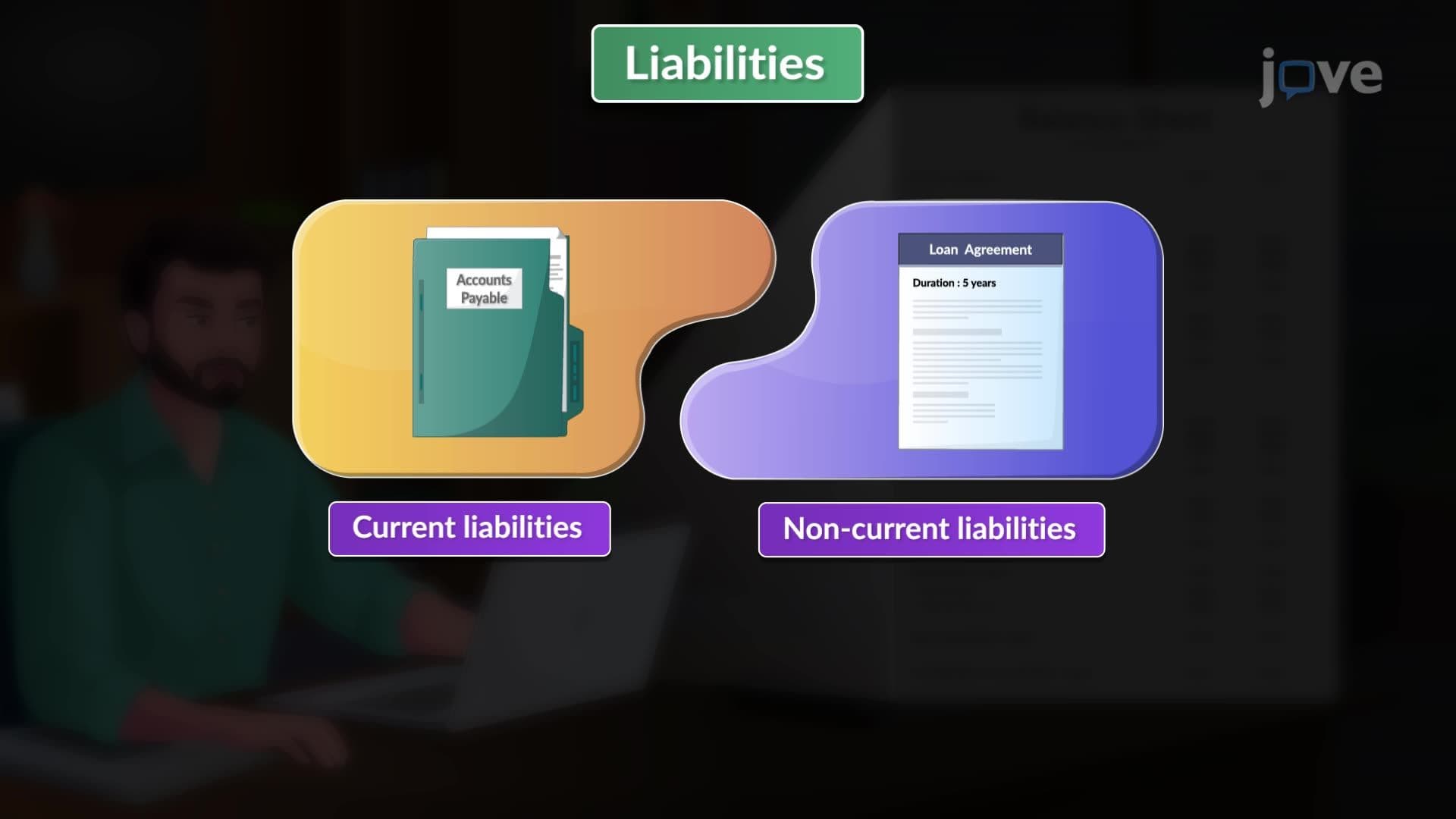
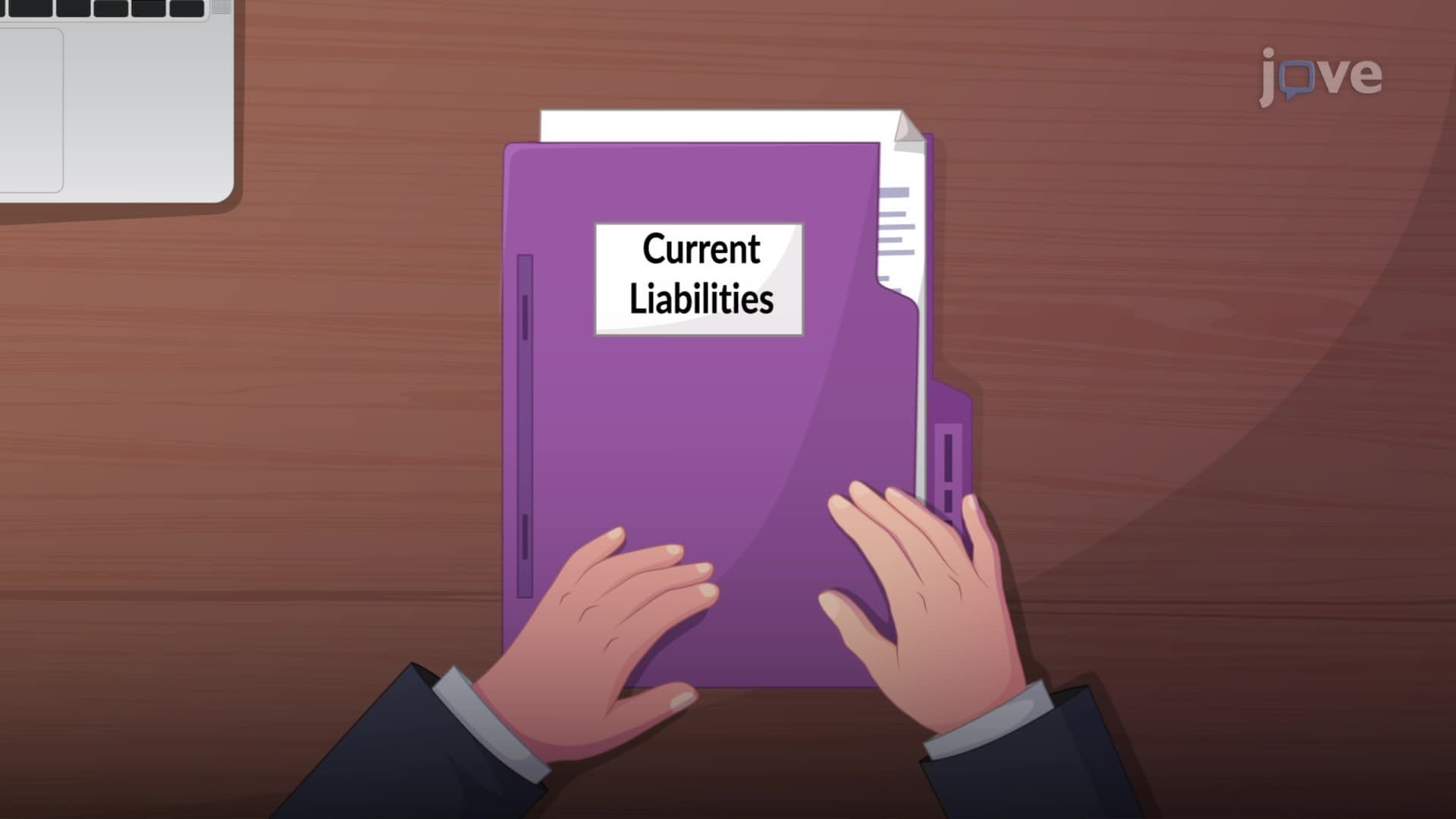
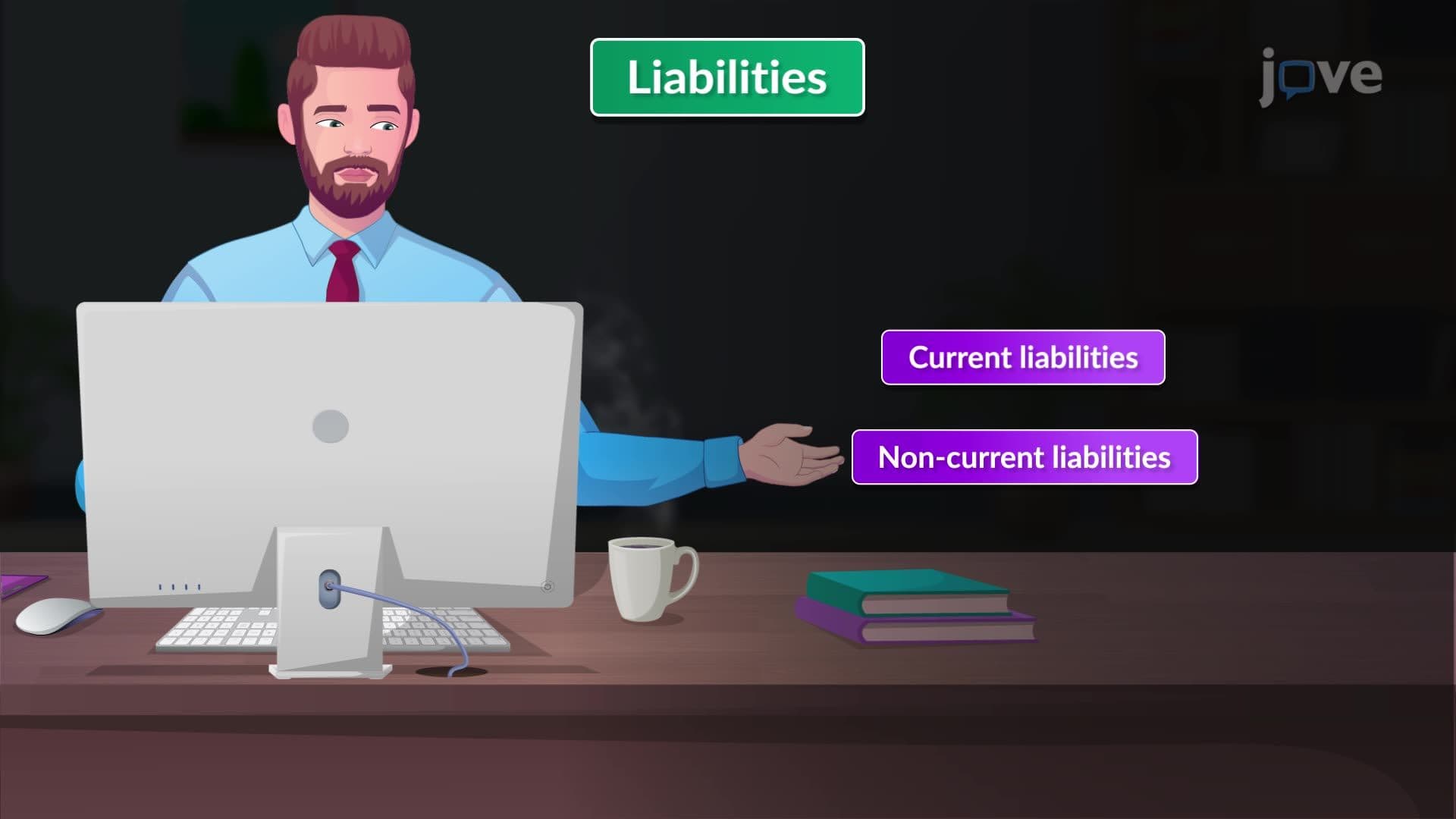
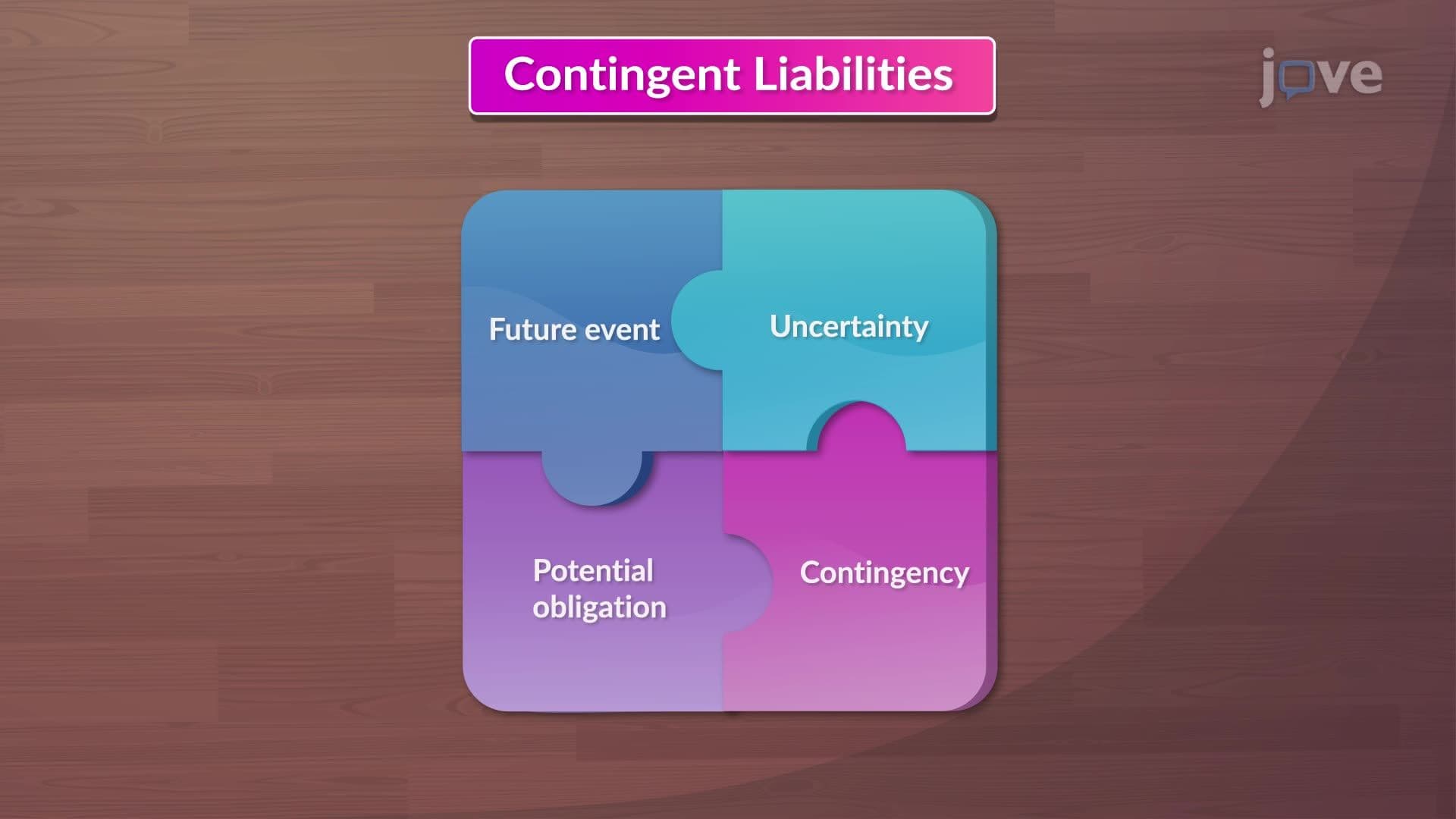
Liabilities represent what an organization owes to external parties, classified by timing. Current liabilities, accounts payable, short-term loans, accrued salaries, taxes, are due within a year and tied to daily operations. Non-current liabilities include long-term debt and lease obligations that support strategic investments. Contingent liabilities, such as pending litigation or warranty claims, are potential obligations disclosed in financial notes rather than recorded unless probable and measurable. A manager who understands these distinctions can better interpret why a business may be constrained on spending, hiring, or expansion, even when revenues appear healthy.
8. Payables and Short-Term Financial Obligations
Payables are amounts owed to suppliers and creditors for goods or services already received but not yet paid. The most common form is accounts payable, but this category also includes wages payable and taxes payable. These obligations are current liabilities that reflect the short-term financial commitments embedded in daily operations. A manager responsible for procurement, vendor relationships, or departmental spending should understand that payables are not free money, they are short-term obligations that must be managed carefully to protect liquidity, maintain supplier trust, and sustain smooth operational continuity.
9. Shareholders' Equity, Retained Earnings, Treasury Stock, and Dividends
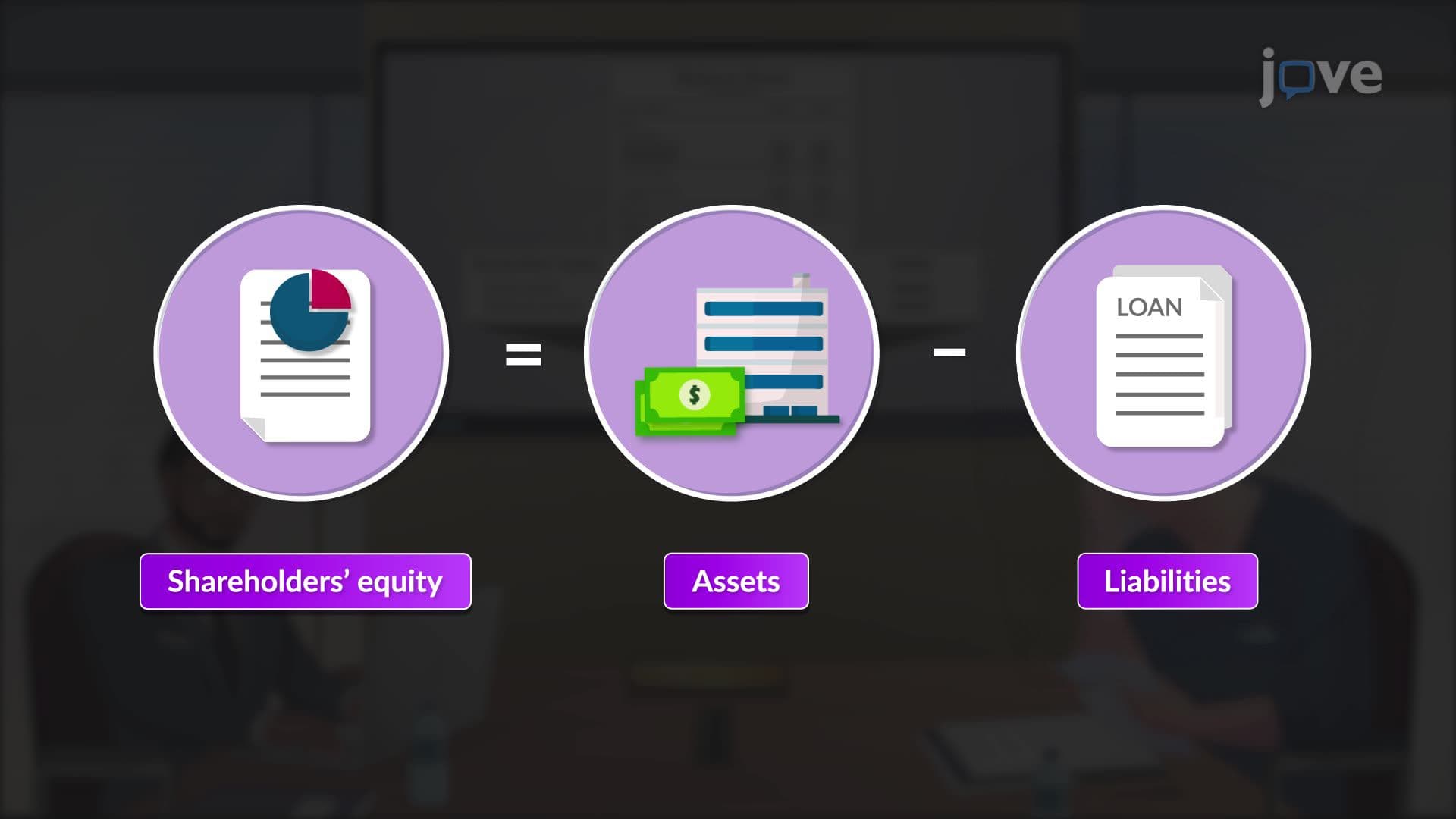
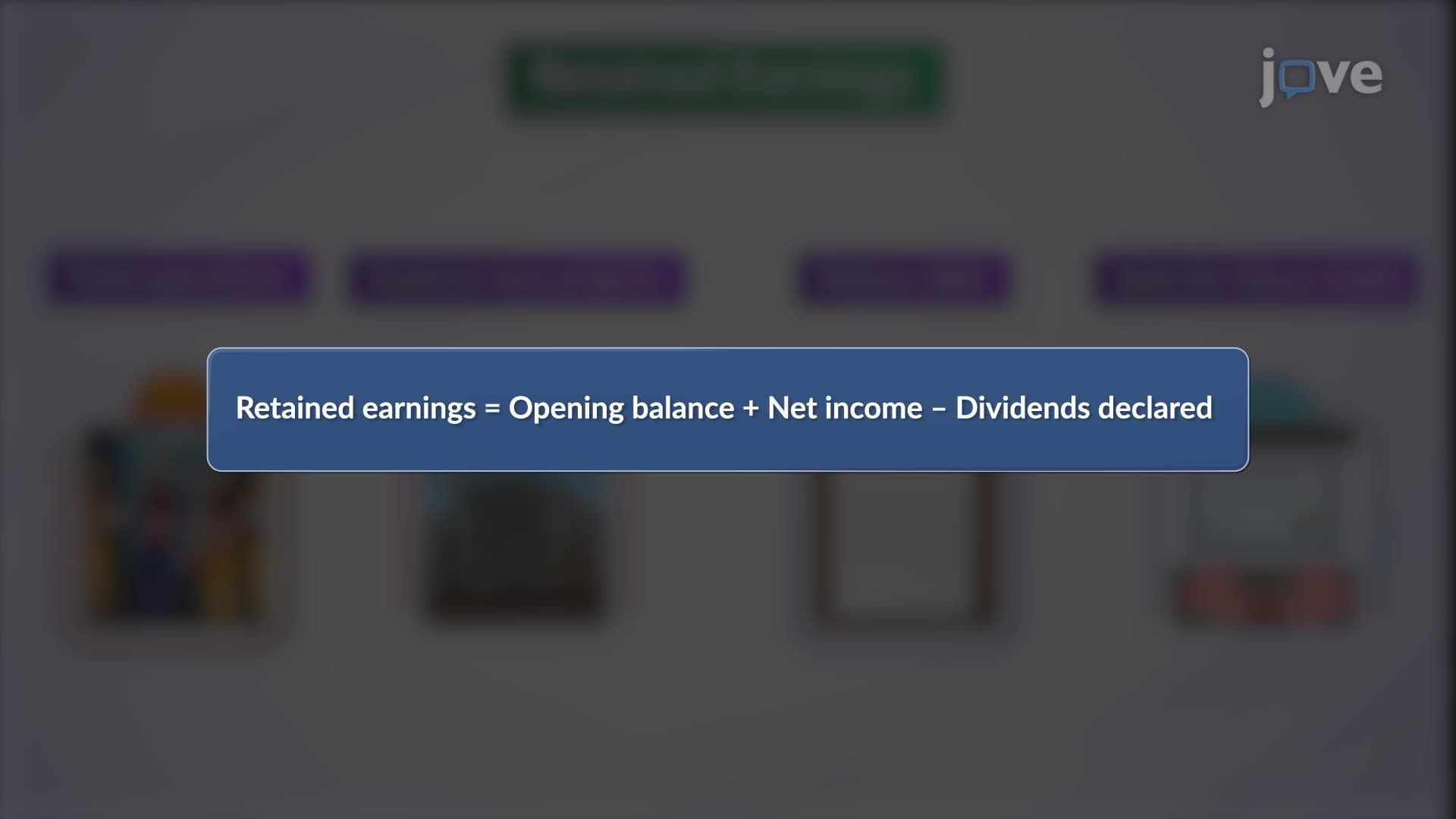
Shareholders' equity is the net value belonging to owners after all liabilities are subtracted from total assets. It includes contributed capital, funds invested by shareholders, and retained earnings, which are accumulated profits kept in the business rather than distributed. Retained earnings fund growth, reduce debt, or build reserves. Treasury stock represents shares repurchased by the company, reducing outstanding shares and affecting voting rights and dividends. Dividends distribute profits to shareholders, reducing both retained earnings and cash. For managers, understanding equity signals organizational financial health, ownership structure, and priorities around reinvestment versus shareholder returns.
10. Year-over-Year Comparison and Industry-Specific Balance Sheets
Comparing balance sheets across two consecutive periods reveals trends in asset growth, debt accumulation, and equity shifts, enabling more informed decisions. Percentage changes on each line item highlight momentum or concern. Equally important, balance sheets look structurally different across industries: service businesses carry minimal inventory but high receivables; retail businesses hold significant inventory; manufacturing businesses show substantial investment in machinery and multi-stage inventory. A manager evaluating financial reports must account for industry context, comparing a service organization's balance sheet against manufacturing benchmarks produces misleading conclusions and undermines strategic planning.
11. Creating a Complete Balance Sheet
Building a complete balance sheet requires accurately capturing all assets, current and non-current, and all liabilities and equity on the same reporting date. Total assets must equal total liabilities plus shareholders' equity. This is not just an accounting exercise: it is the discipline of ensuring every resource the business holds is fully accounted for and properly funded. A manager walking through this process, even once, develops a lasting ability to scrutinize financial statements, ask sharper questions in leadership meetings, and make recommendations that are grounded in the actual financial reality of the organization.