Loading video…

 20 Concepts
 7.1K views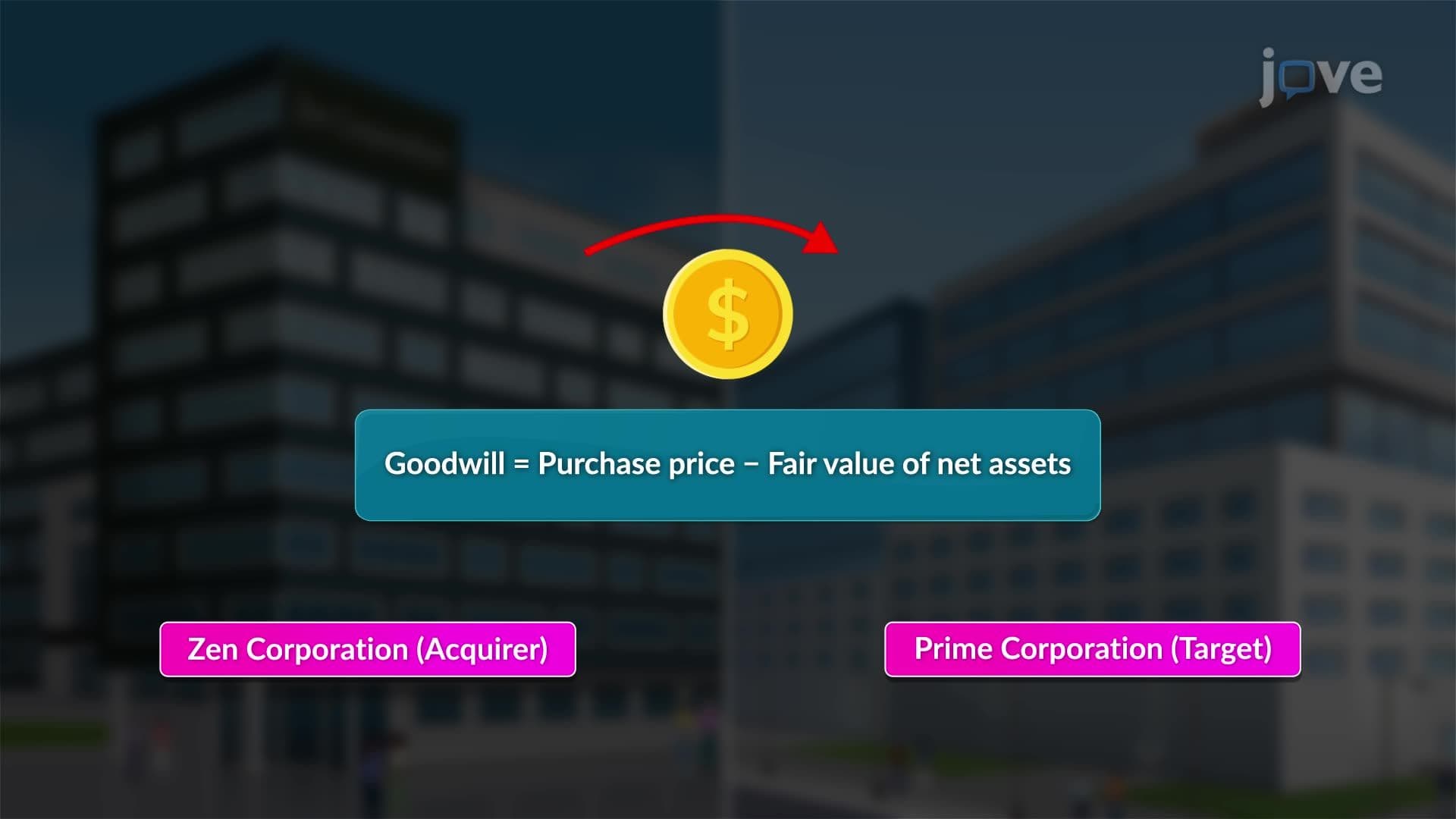

Video Summary: What Is Goodwill
Goodwill basics trip up even experienced managers when they're reviewing acquisition proposals or interpreting board-level financials. Understanding what is goodwill, and why it appears on a balance sheet, helps you ask sharper questions in leadership meetings and evaluate business decisions with real confidence. It's the intangible value a company carries beyond its hard assets. Watch the full video on JoVE Coach to master this concept with expert-led visuals and step-by-step explanations.
You're sitting in a senior leadership meeting and your organization has just announced the acquisition of another business. The price tag is significantly higher than what the target company's physical and financial assets appear to be worth on paper. Someone in the room asks why the deal costs so much more than the numbers suggest. If you can't answer that question clearly, or even follow the conversation, you're at a visibility disadvantage in rooms where strategic decisions get made. That's exactly where understanding goodwill changes your effectiveness as a leader.
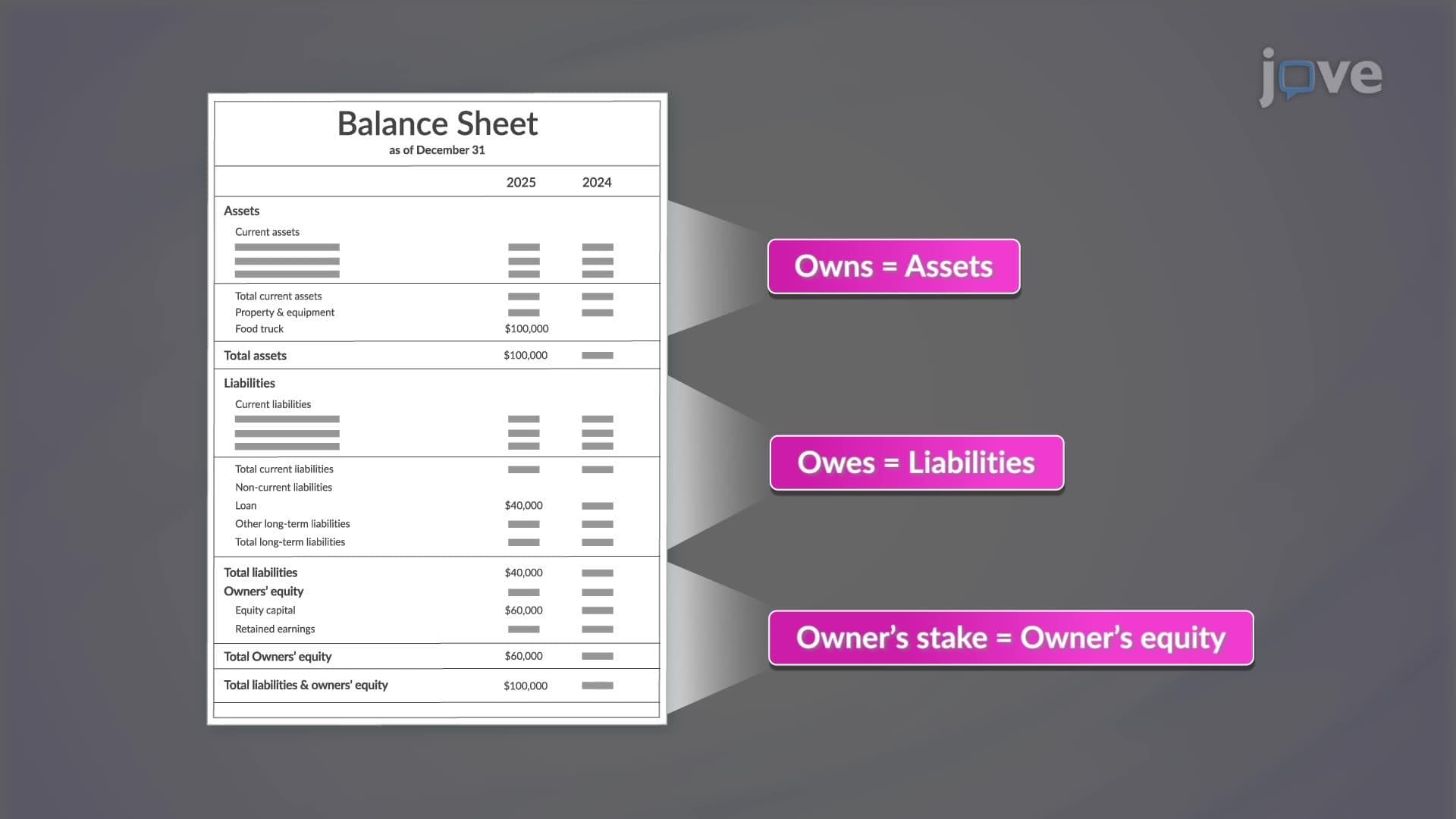
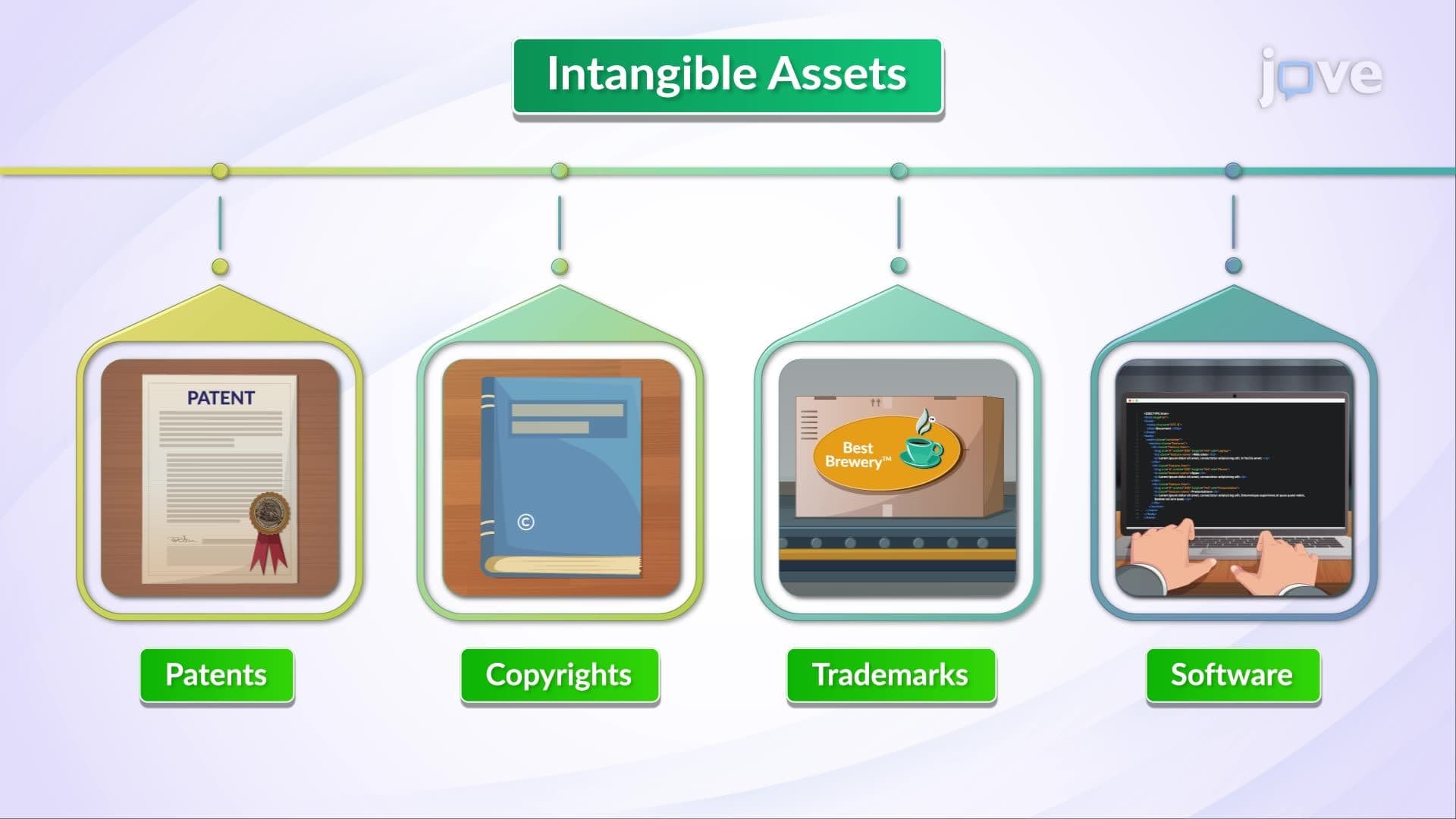
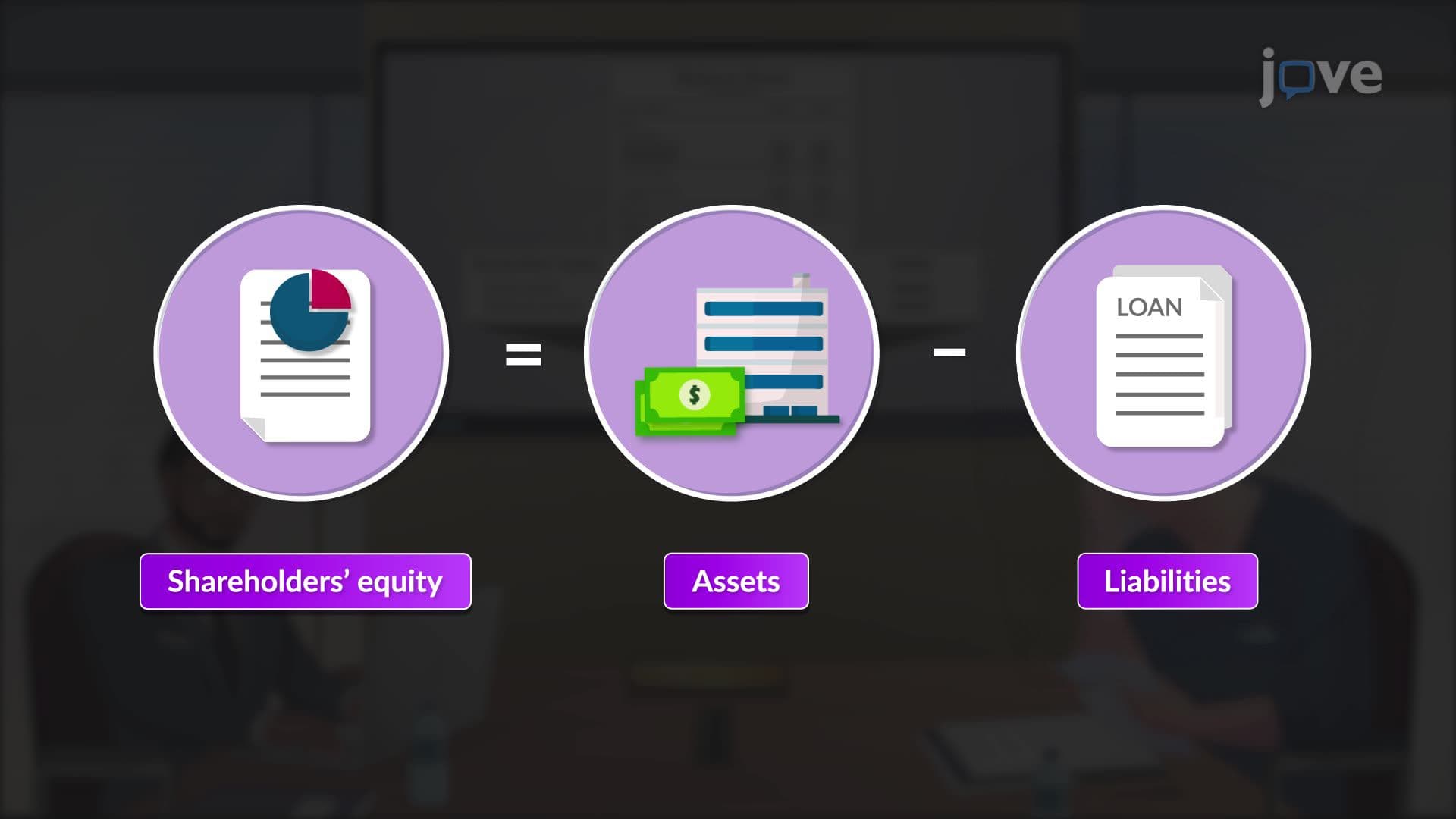
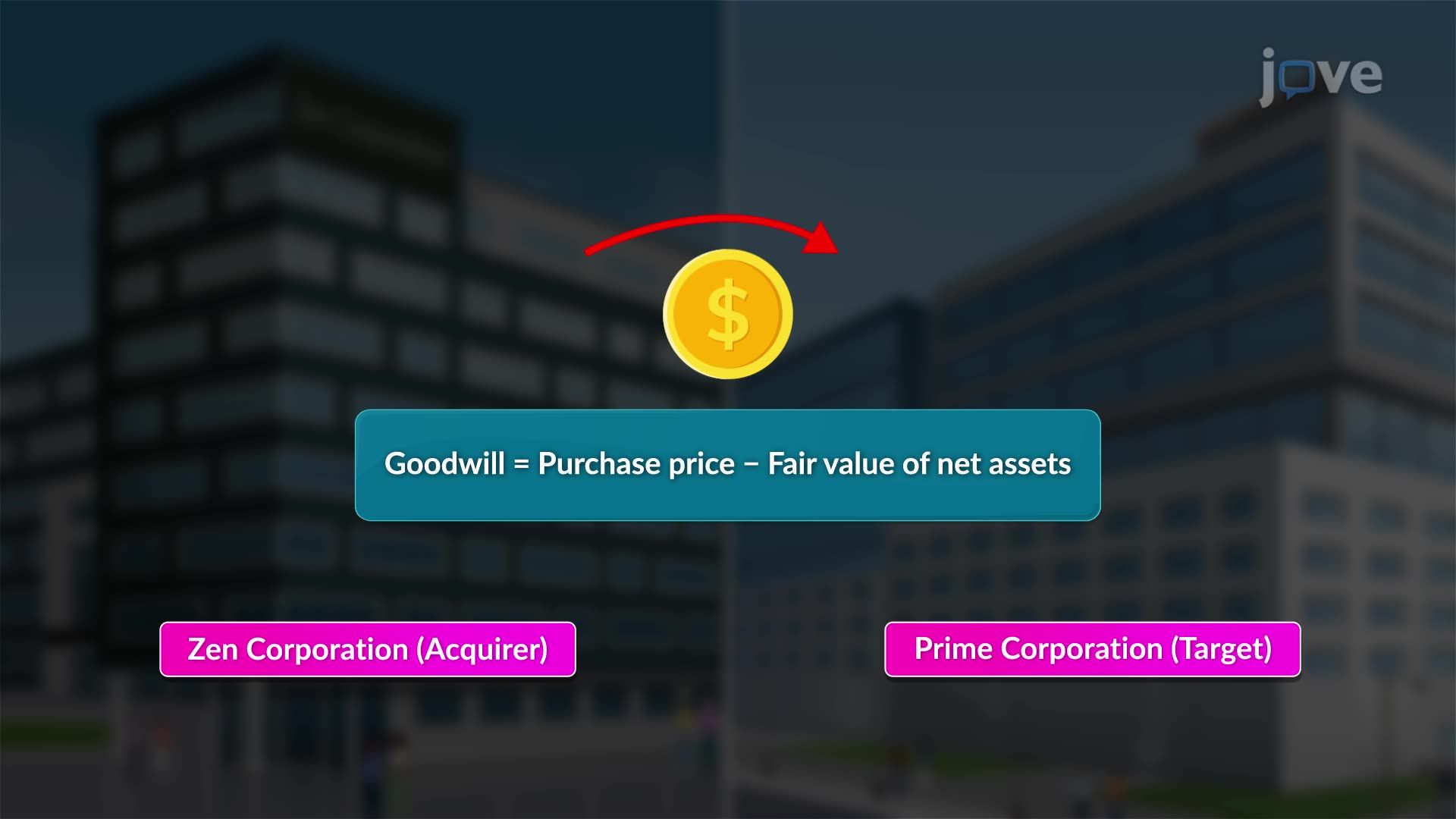
Goodwill is the financial recognition of something every experienced manager already knows intuitively: some of the most valuable things in a business can't be counted in a spreadsheet. When one company acquires another and pays more than the fair value of its net assets, calculated as total assets minus total liabilities, the excess is recorded on the balance sheet as goodwill. It captures the premium paid for intangible strengths: a loyal customer base, a hard-to-replicate brand reputation, institutional knowledge, or a high-performing workforce that would take years to rebuild from scratch.
For managers, this reframes goodwill from a dry accounting term into something operationally meaningful. The team culture you're building, the trust your department has with clients, the talent retention rate on your team, these are exactly the kinds of factors that drive goodwill premiums in acquisition scenarios.
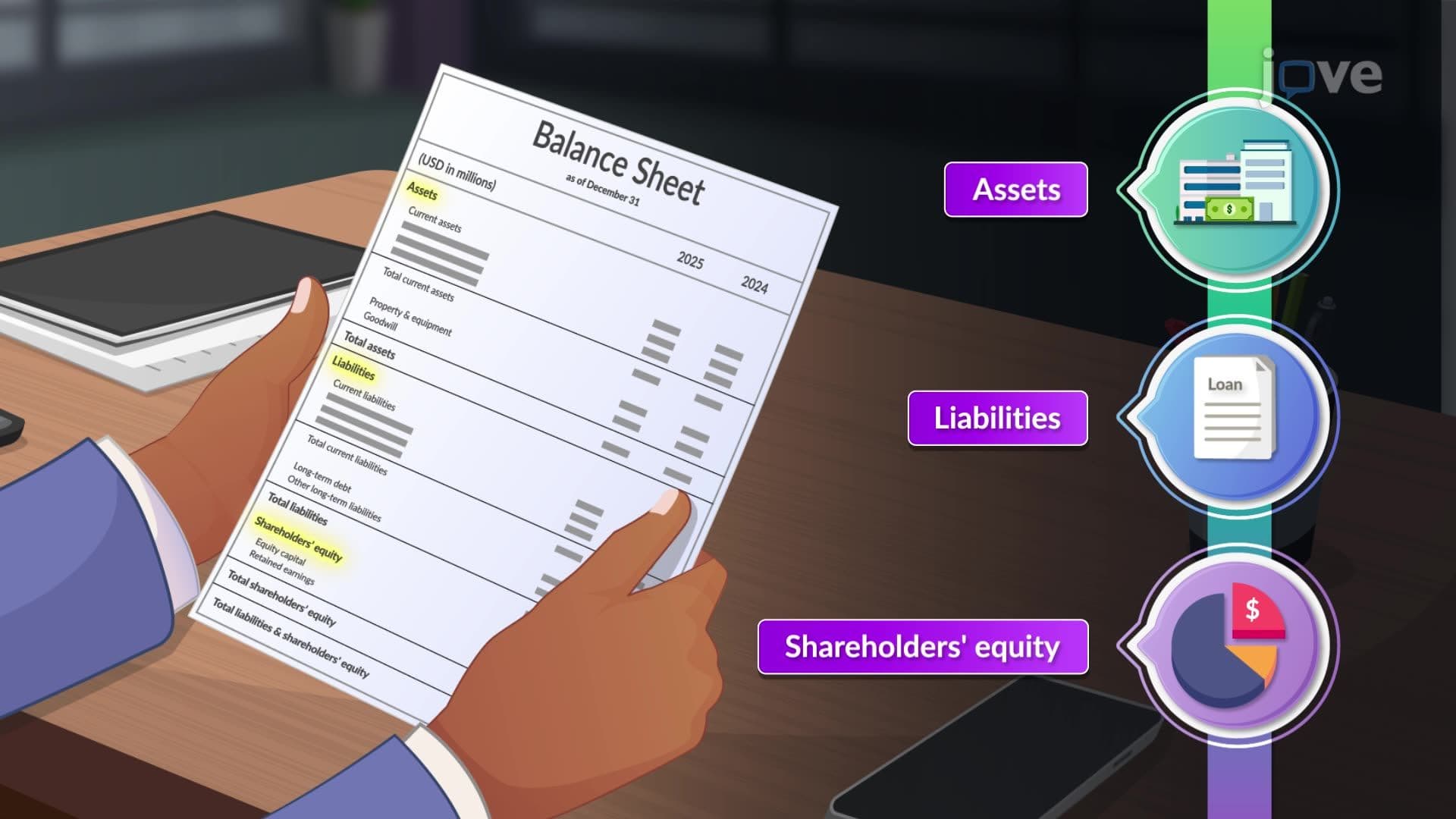
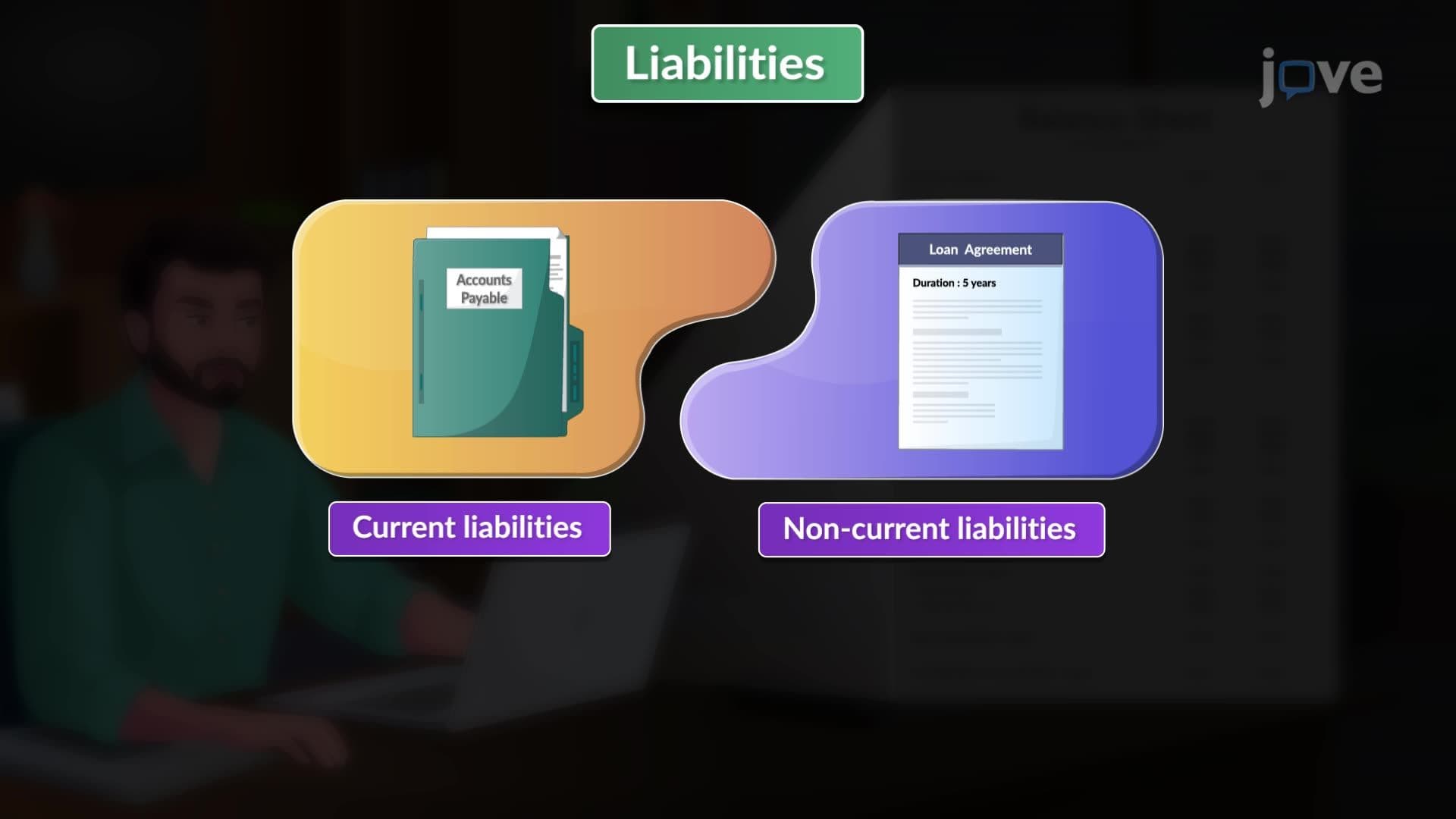
Goodwill sits under long-term assets on the balance sheet. Unlike physical equipment or receivables, it doesn't depreciate on a fixed schedule. However, it must be tested for impairment at least annually, meaning if the underlying business value drops due to poor performance, leadership failures, or market shifts, the goodwill figure must be written down. This is called a goodwill impairment charge, and it signals to investors and boards that something has fundamentally deteriorated in the acquired business.
For managers overseeing integrated teams post-acquisition, this has direct implications. A decline in customer satisfaction, key talent attrition, or reputational damage can all contribute to impairment triggers. Managing these factors well isn't just good people leadership, it directly protects a recognized financial asset.
Use a simple framework to keep goodwill grounded when leading financial discussions with your team or cross-functional stakeholders:
1. Identify the intangibles, Ask: what does this business have that isn't captured in its balance sheet components? Customer relationships? Proprietary processes? Brand trust? 2. Connect to performance signals, Goodwill impairment is often a lagging indicator of problems a good manager would have spotted earlier: rising churn, declining engagement, weakening client retention. 3. Translate to your team's scope, Even if you're not in finance, your team contributes to or erodes goodwill every day through service quality, collaboration, and execution.
The most common mistake is treating goodwill as exclusively a finance team concern. In practice, managers who understand it can flag business risks earlier, make stronger cases for investment in talent and culture, and contribute more meaningfully to strategic conversations. A second mistake is confusing goodwill with general brand value, goodwill is a specific, calculated figure tied to an acquisition event, not a general measure of how well-liked a company is. Keeping this distinction sharp will help you avoid imprecise language in senior-level discussions and demonstrate the financial acumen that accelerates leadership credibility.
Related Micro-courses