Loading video…

 20 Concepts
 7.1K views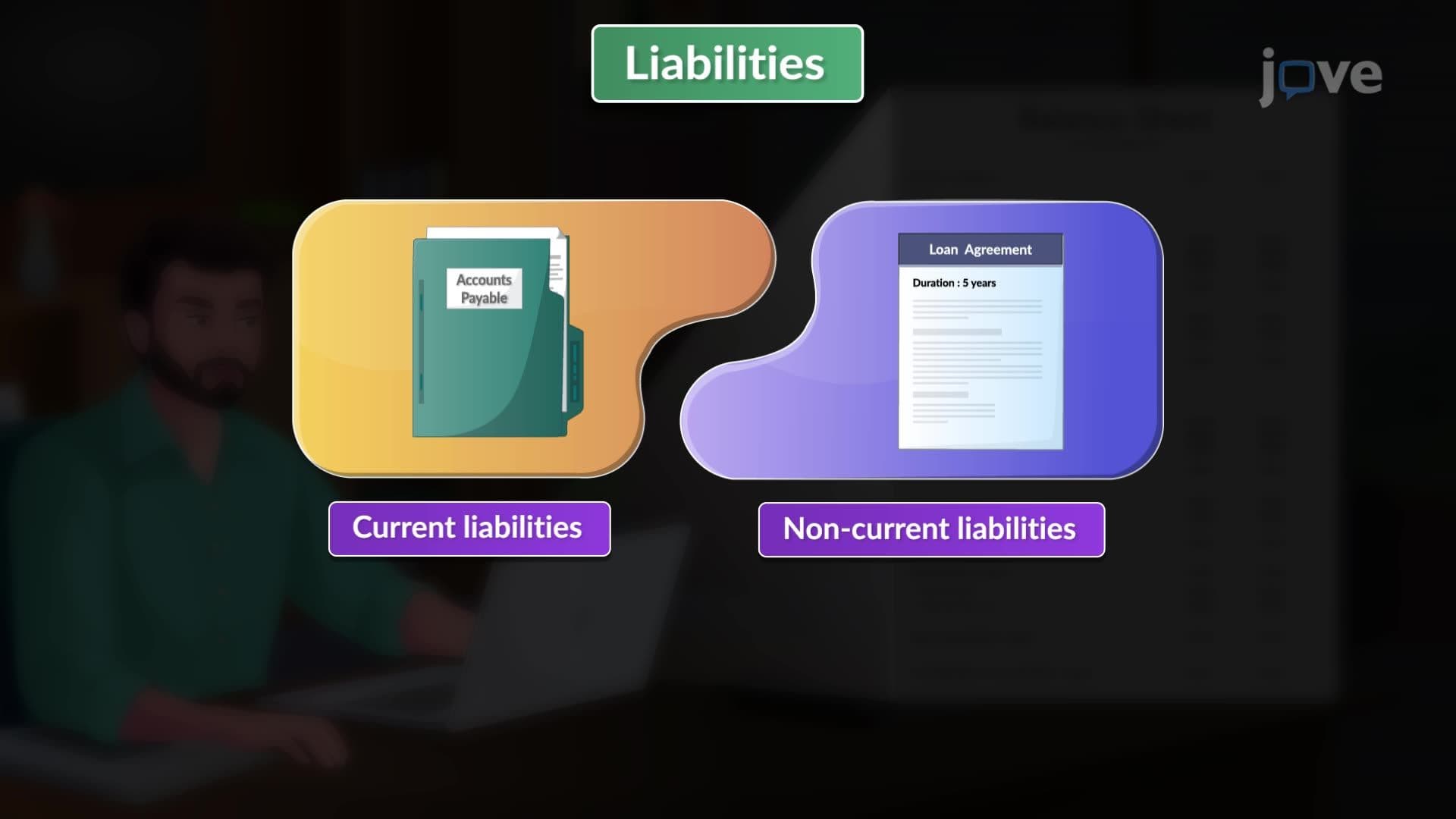

Video Summary: Liabilities and Shareholders Equity in Creating a Complete Balance
Liabilities and shareholders' equity in creating a complete balance sheet is a critical financial literacy skill every manager needs when reviewing business performance or making resourcing decisions. Without it, you risk misreading your organization's financial health and making poorly informed operational calls. Understanding how liabilities and equity together fund total assets gives you the strategic clarity to lead with confidence. Watch the full video on JoVE Coach to master this concept with expert-led visuals and step-by-step explanations.
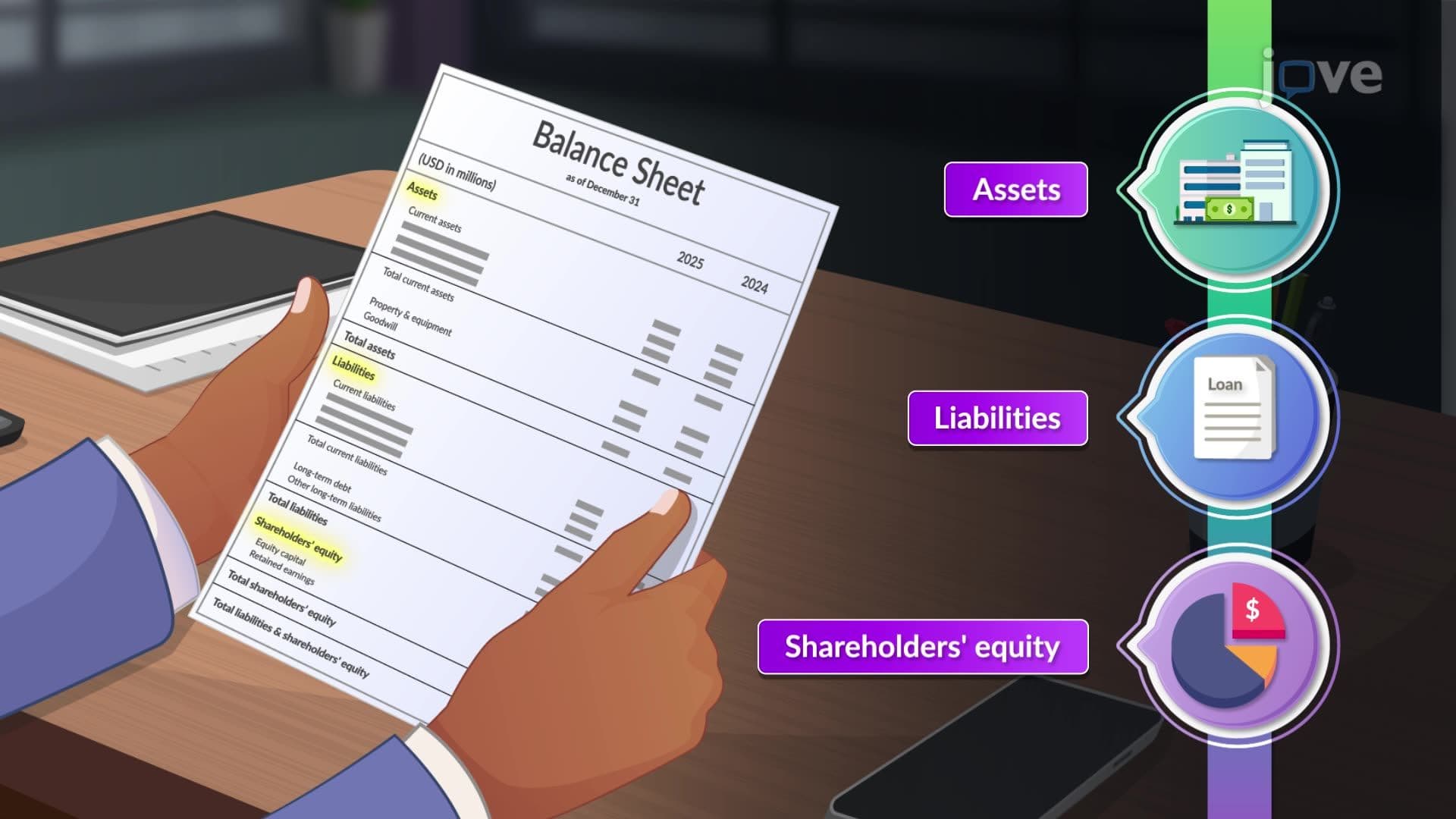
Picture this: you're sitting in a quarterly business review and the CFO pulls up the balance sheet. The assets column is clear enough, you can see the equipment, cash, and receivables your team works with daily. But the right side of the balance sheet? Liabilities and shareholders' equity? Most managers go quiet. They either gloss over it or defer entirely to finance. That silence has a cost. Managers who can't read the financing side of a balance sheet are effectively operating with half the map.
The challenge isn't intelligence, it's framing. Financial education typically teaches liabilities as a negative thing, something to be minimized or feared. But in management practice, liabilities and shareholders' equity together represent *how the business is funded*. A long-term bank loan isn't just debt; it's a strategic choice to finance growth without diluting ownership. Retained earnings aren't just leftover profit; they signal how much value the business has reinvested in itself over time. When managers reframe liabilities and equity as financing sources rather than problems, the balance sheet suddenly becomes a strategic document rather than an accounting formality.
Use the Financing Structure Lens to read the right side of any balance sheet in three steps:
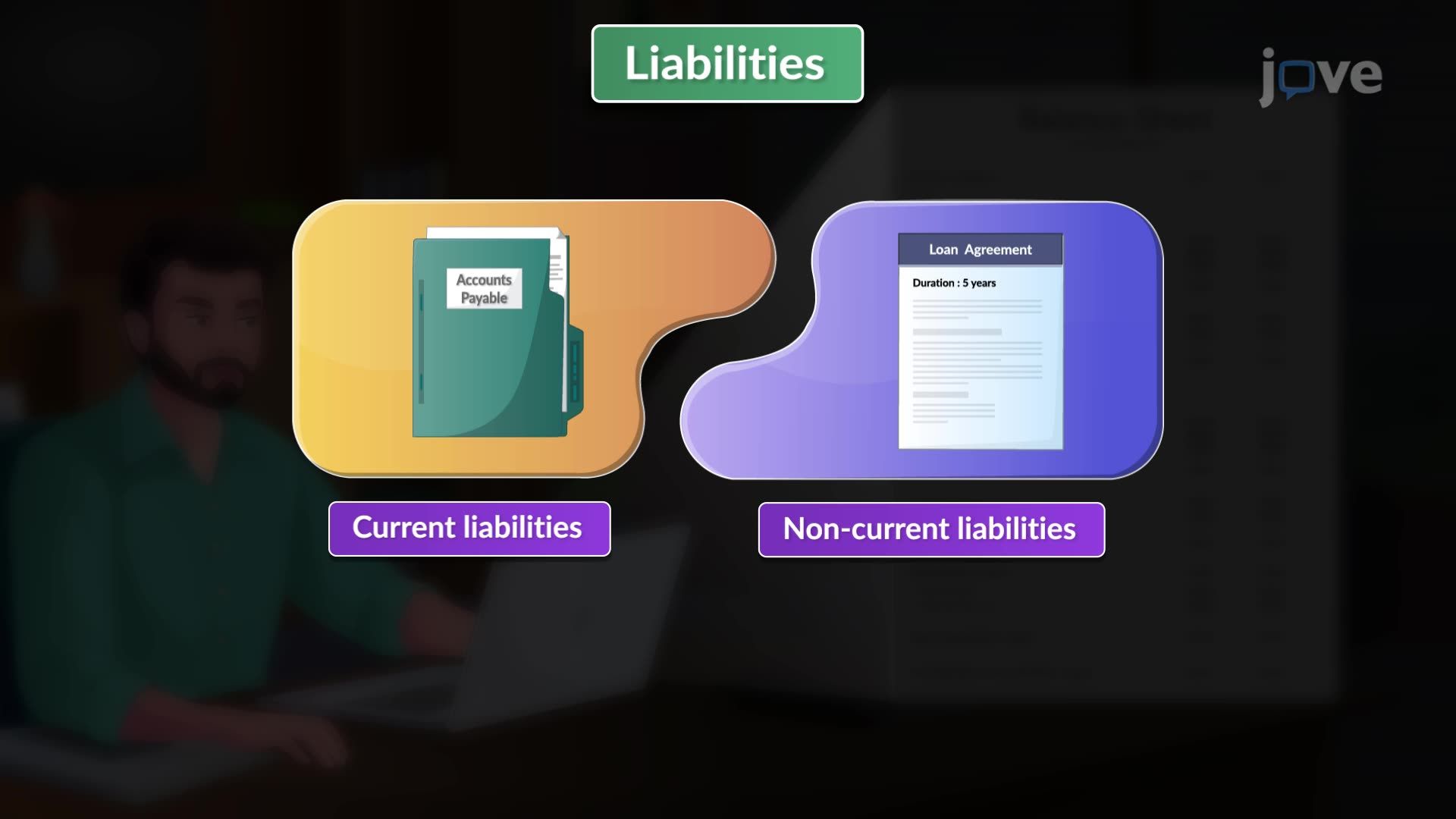
1. Separate short-term from long-term obligations. Current liabilities, those due within twelve months, directly affect operational liquidity. If current liabilities are high relative to current assets, your organization may face short-term cash pressure. This matters when you're planning headcount, approving expenditures, or requesting additional resources. Liquidity ratios like the current ratio (Current Assets ÷ Current Liabilities) give you an instant snapshot of this tension.
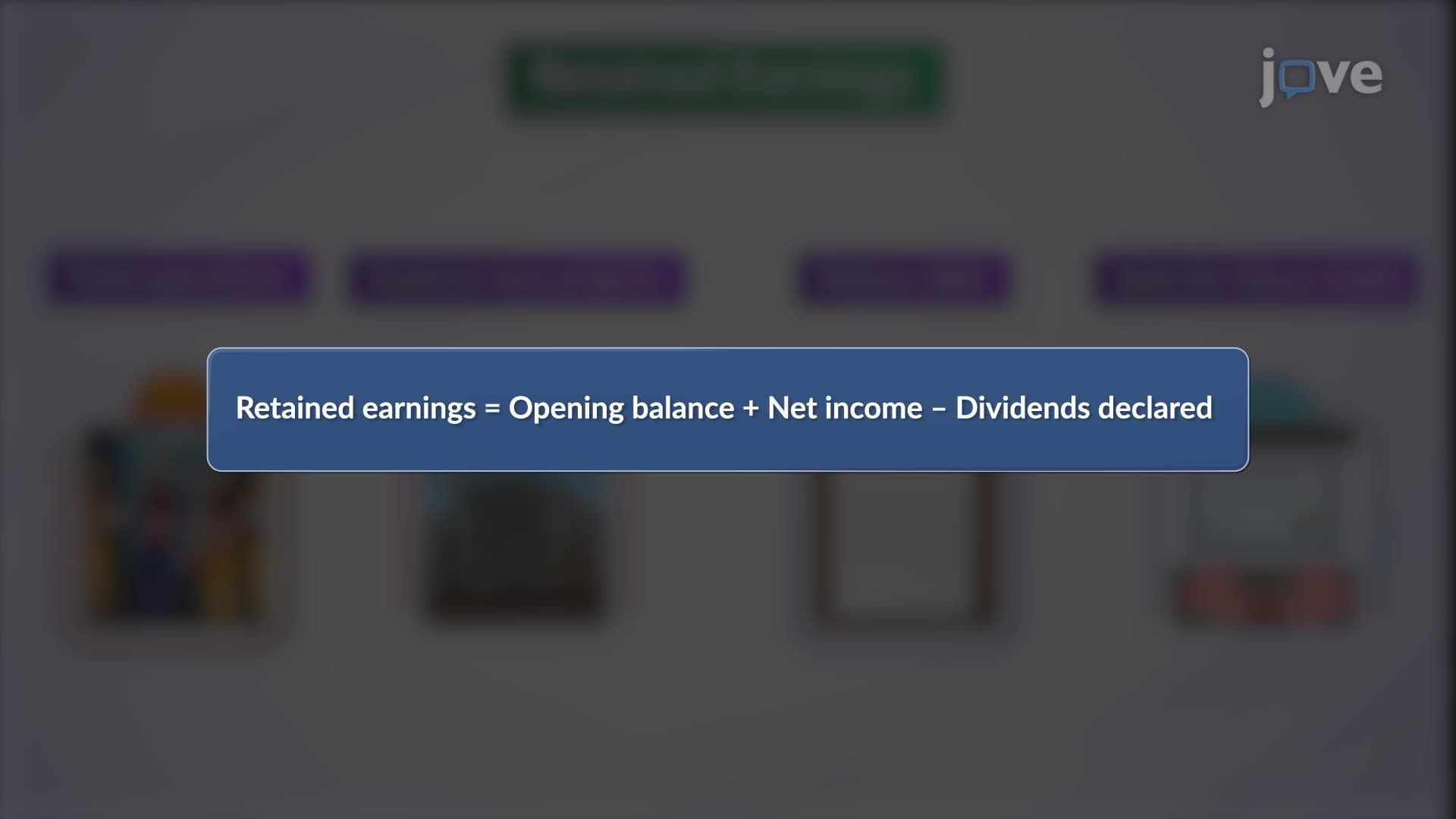
2. Assess the equity position. Shareholders' equity, particularly retained earnings, tells you how much cumulative profit has been kept in the business. A growing retained earnings figure over successive accounting periods signals financial health and management confidence. A declining figure warrants questions: Is the business distributing more than it earns? Is it absorbing losses?
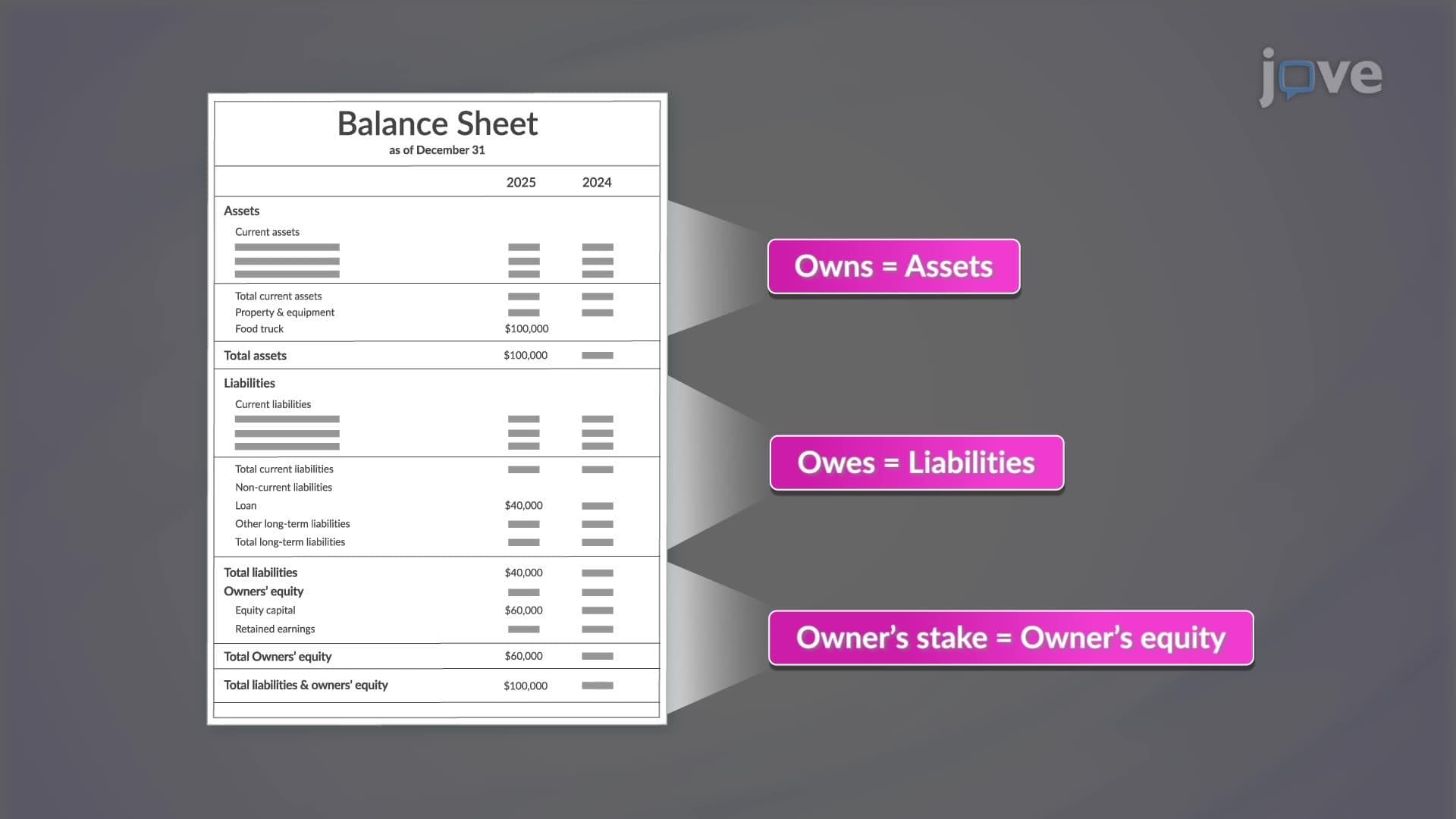
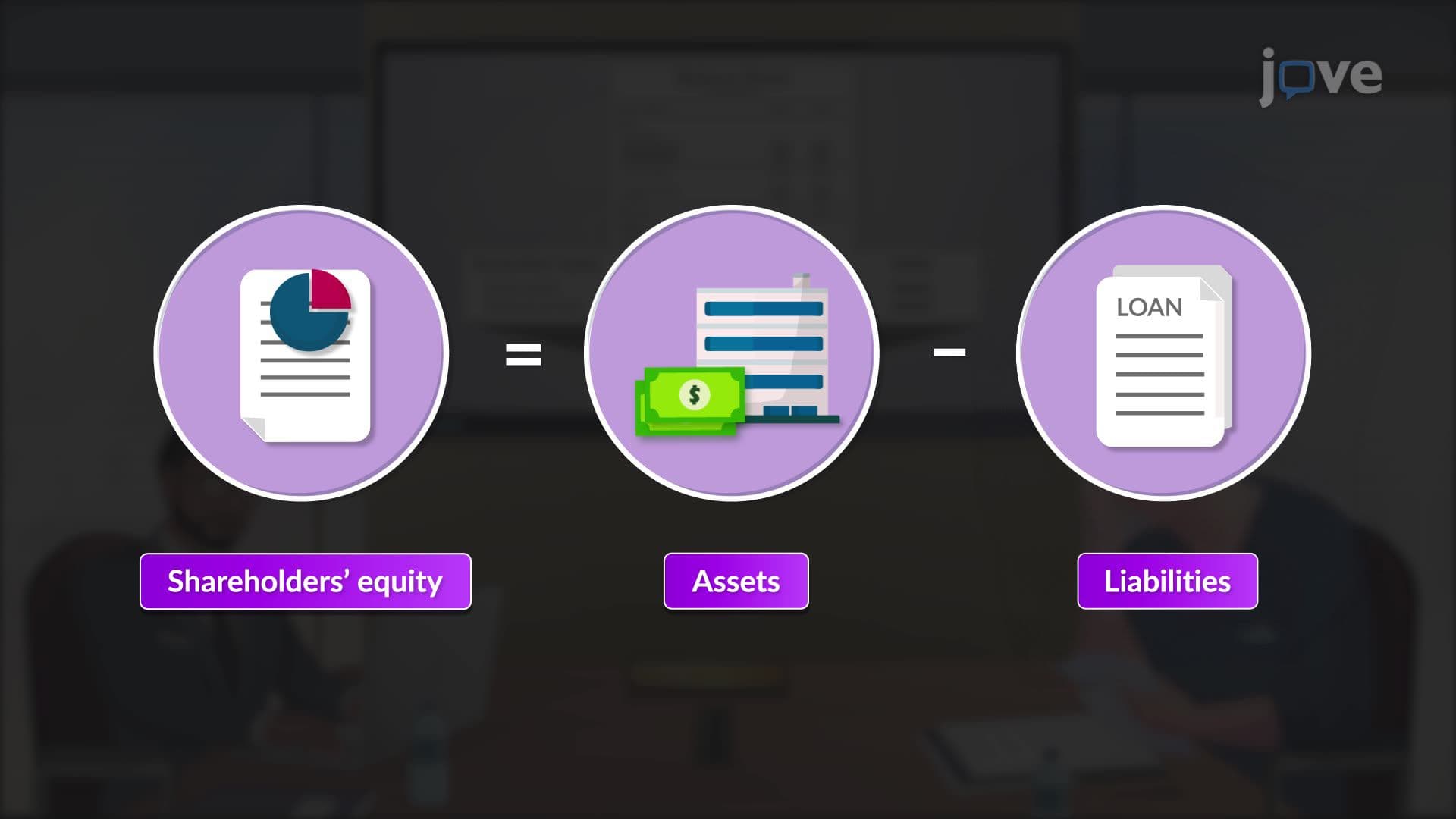
3. Confirm the balance. The accounting equation, Assets = Liabilities + Equity, must hold. If it doesn't, something in the trial balance hasn't been correctly reconciled. As a manager, spotting this discrepancy early in a financial review prevents larger misalignments from compounding.
You don't need to be an accountant to use this framework effectively. Before your next budget review or strategic planning session, pull your organization's most recent balance sheet and ask three questions: What are our largest current liabilities, and how do they affect operational flexibility this quarter? What does our equity position tell us about reinvestment capacity? And does the balance sheet balance, meaning, are total assets fully accounted for by liabilities and equity combined?
These questions position you as a financially literate leader, not just a functional manager. They also protect you from a common trap: approving team investments or headcount additions without understanding whether the business is financially positioned to support them. Pairing this balance sheet literacy with scenario-based thinking, essentially asking "what happens to our equity if this liability grows by 20%?", brings the sensitivity analysis mindset that senior leaders use routinely into your everyday toolkit.
The managers who advance fastest aren't necessarily the most technically skilled. They're the ones who can connect operational decisions to financial reality, and the balance sheet is the clearest place that reality is recorded.
Related Micro-courses