Loading video…


 20 Concepts
 7.1K views

Video Summary: Assets in Creating a Complete Balance Sheet
Assets in creating a complete balance sheet is a critical skill many managers overlook until financial reviews expose gaps in their understanding. When you can't read a balance sheet with confidence, budget conversations, resource requests, and stakeholder reporting all suffer. Understanding how current and non-current assets are classified and totaled sharpens your financial credibility as a leader. Watch the full video on JoVE Coach to master this concept with expert-led visuals and step-by-step explanations.
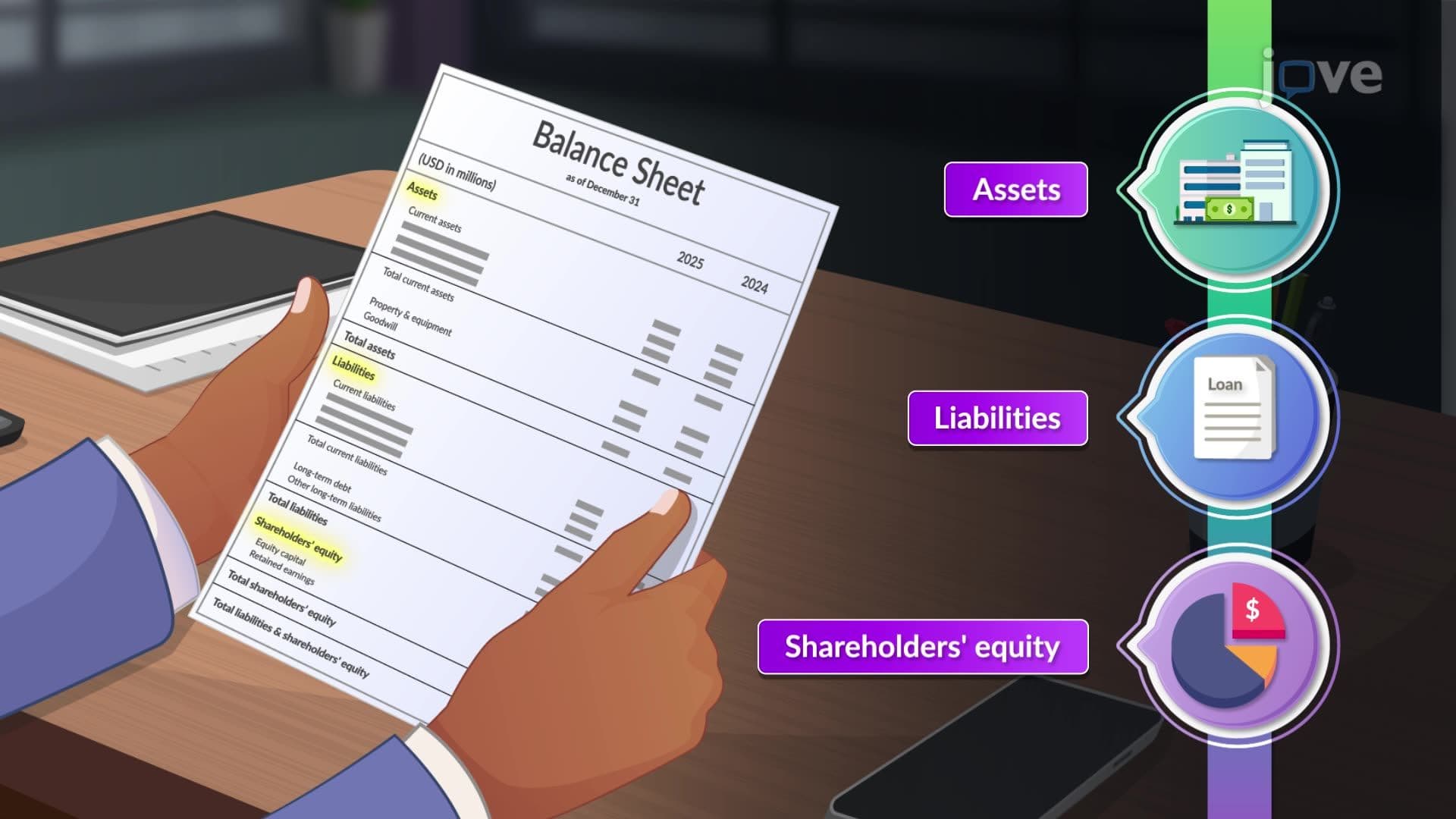
Picture this: you're sitting in a quarterly business review, and the CFO is walking through the company's financial position. The balance sheet appears on screen. Your peers nod confidently. You recognize some numbers but aren't entirely sure how the assets section was constructed or what the totals actually mean for your team's budget. This gap, common among managers promoted from technical or operational roles, is exactly what understanding assets in creating a complete balance sheet is designed to close.
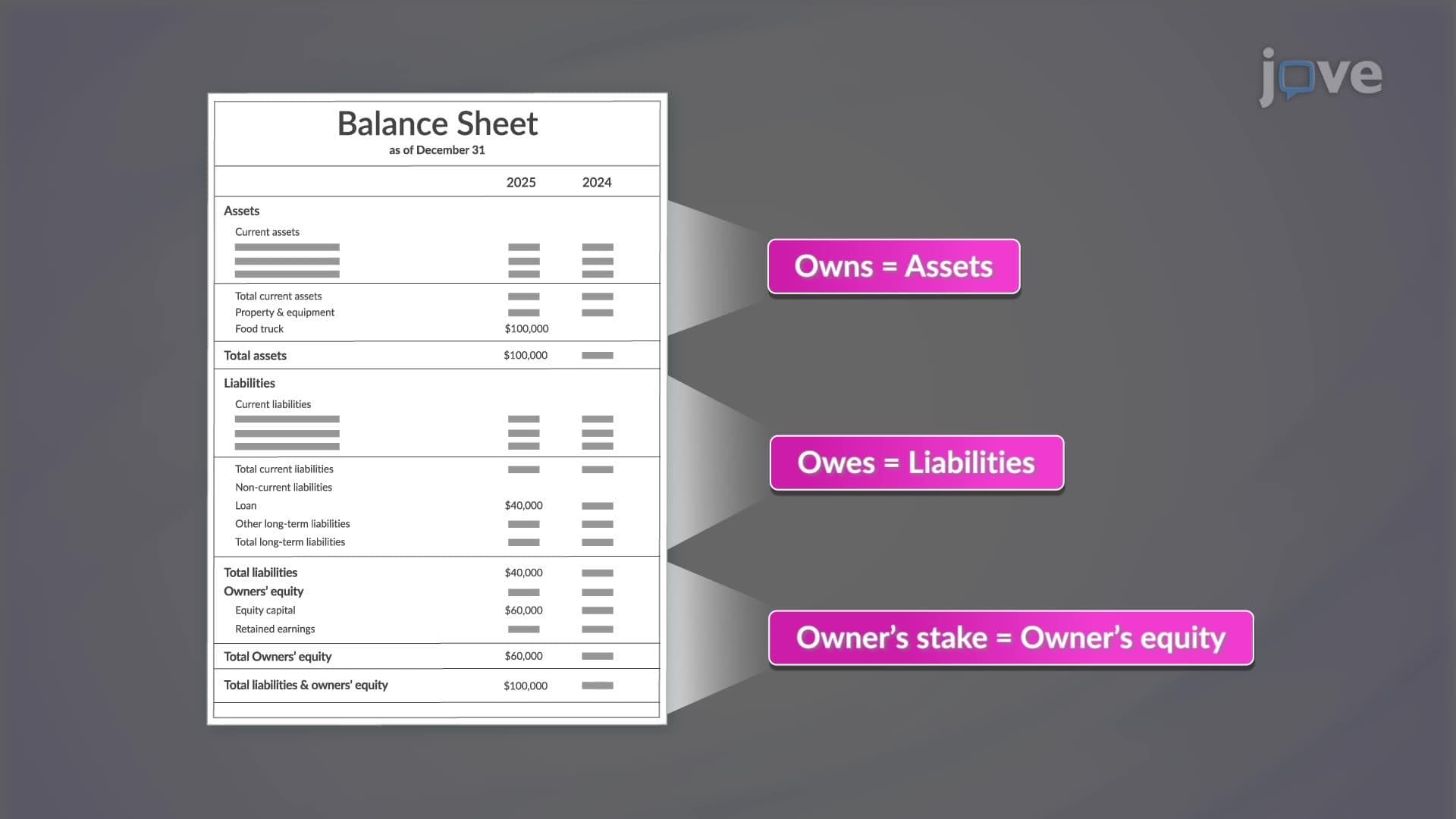
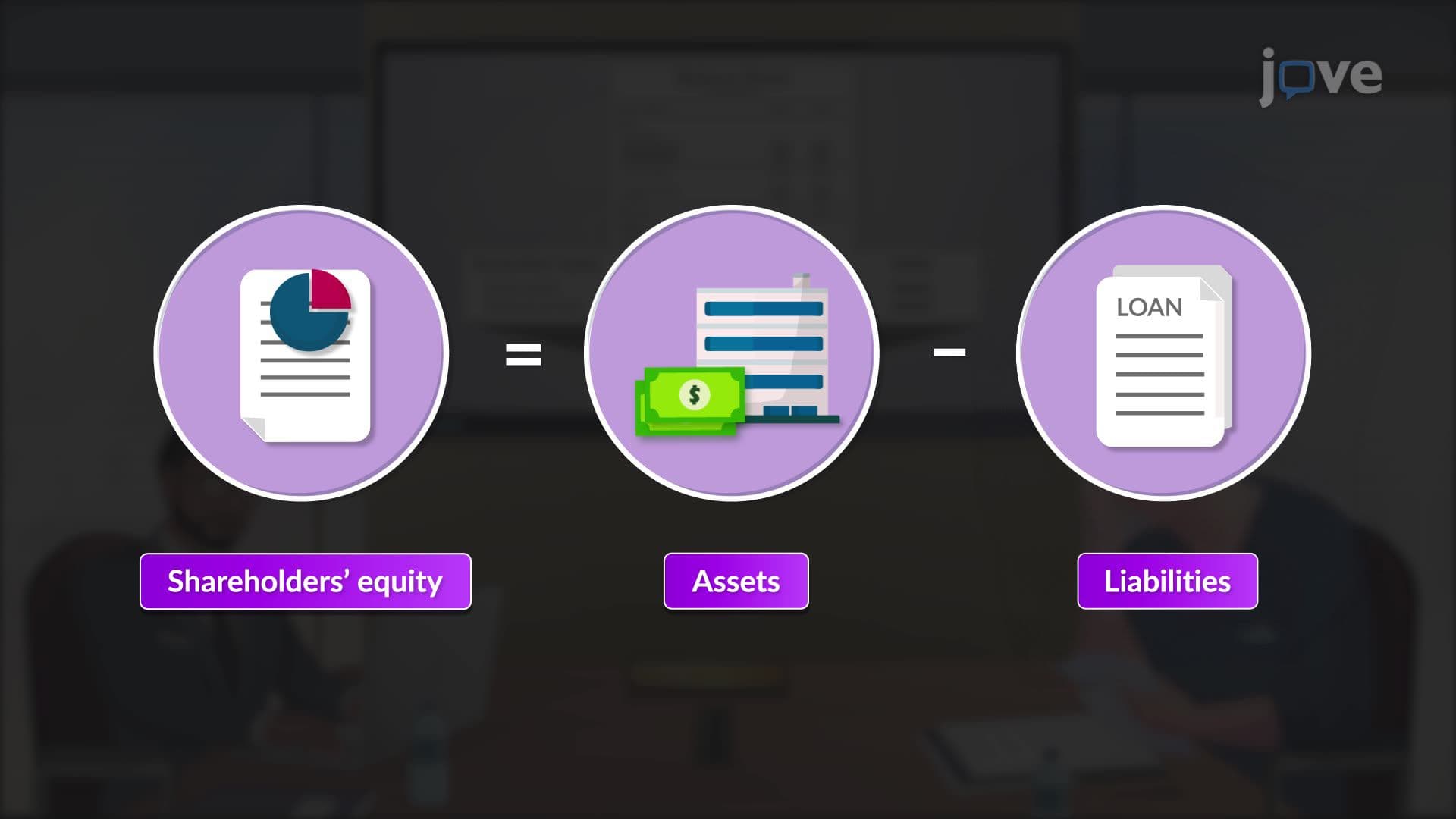
Most managers were never explicitly taught how a balance sheet is built. They're familiar with P&L statements because those connect directly to revenue targets and expenses they control day-to-day. But balance sheets are reported at a point in time, not over a period, and their logic, assets = liabilities + equity, feels abstract until you break it down into components. The assets side, in particular, requires you to understand *sequence*: current assets come first because they're closest to cash, followed by non-current assets that lock in long-term value.
A practical way to internalize balance sheet asset structure is the Liquidity-First Framework used across financial reporting standards globally. It works in two tiers:
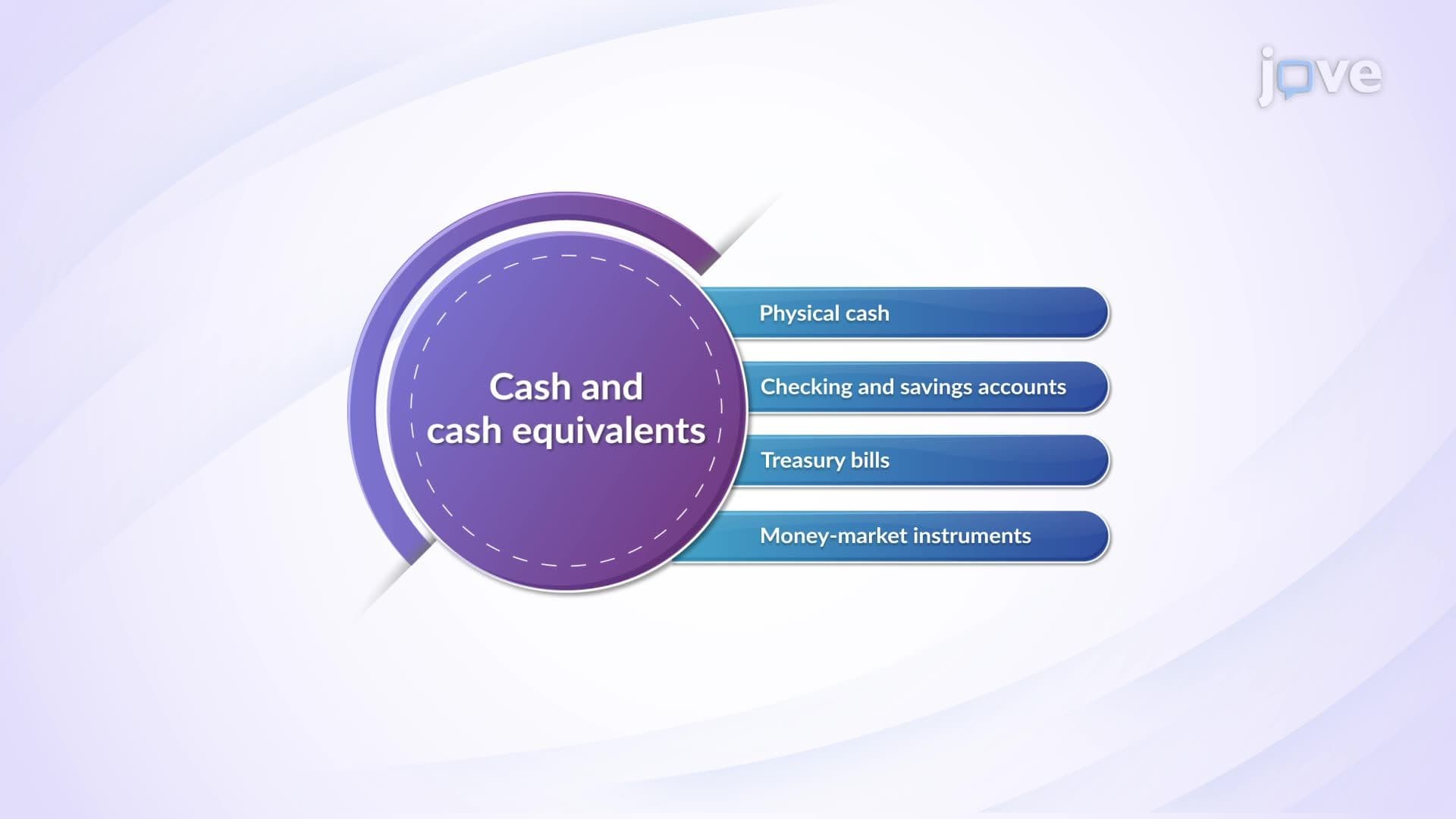
Tier 1, Current Assets (converted to cash within 12 months):
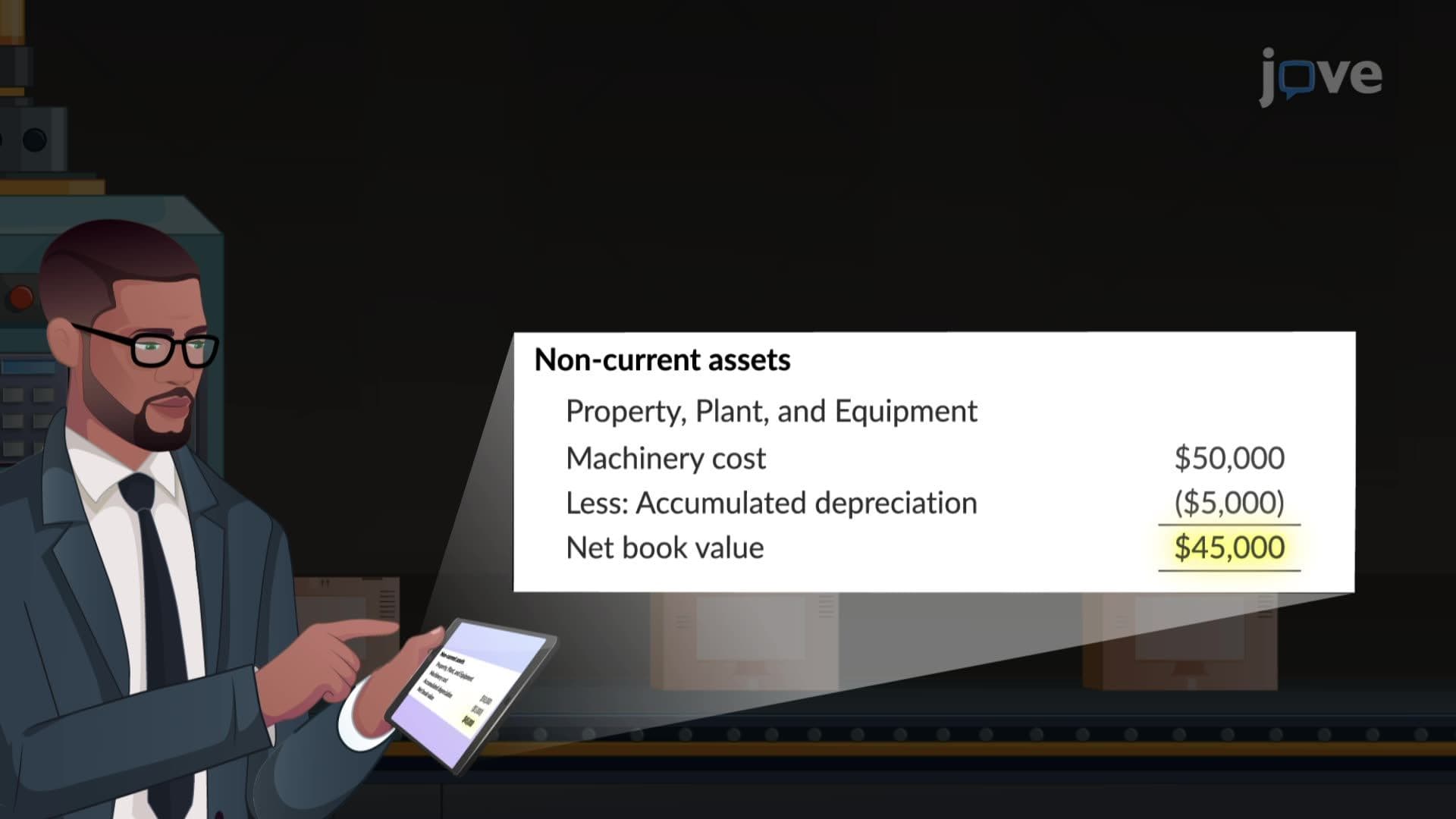
Tier 2, Non-Current Assets (held for long-term value):
When these two tiers are totaled, they produce Total Assets, the foundational number that anchors the entire balance sheet. In practice, this framework helps managers understand *why* a department holding large inventory but low cash might face liquidity pressure, even if the total asset number looks healthy.
You don't need to prepare the balance sheet yourself to use this knowledge. Here's how to apply it immediately:
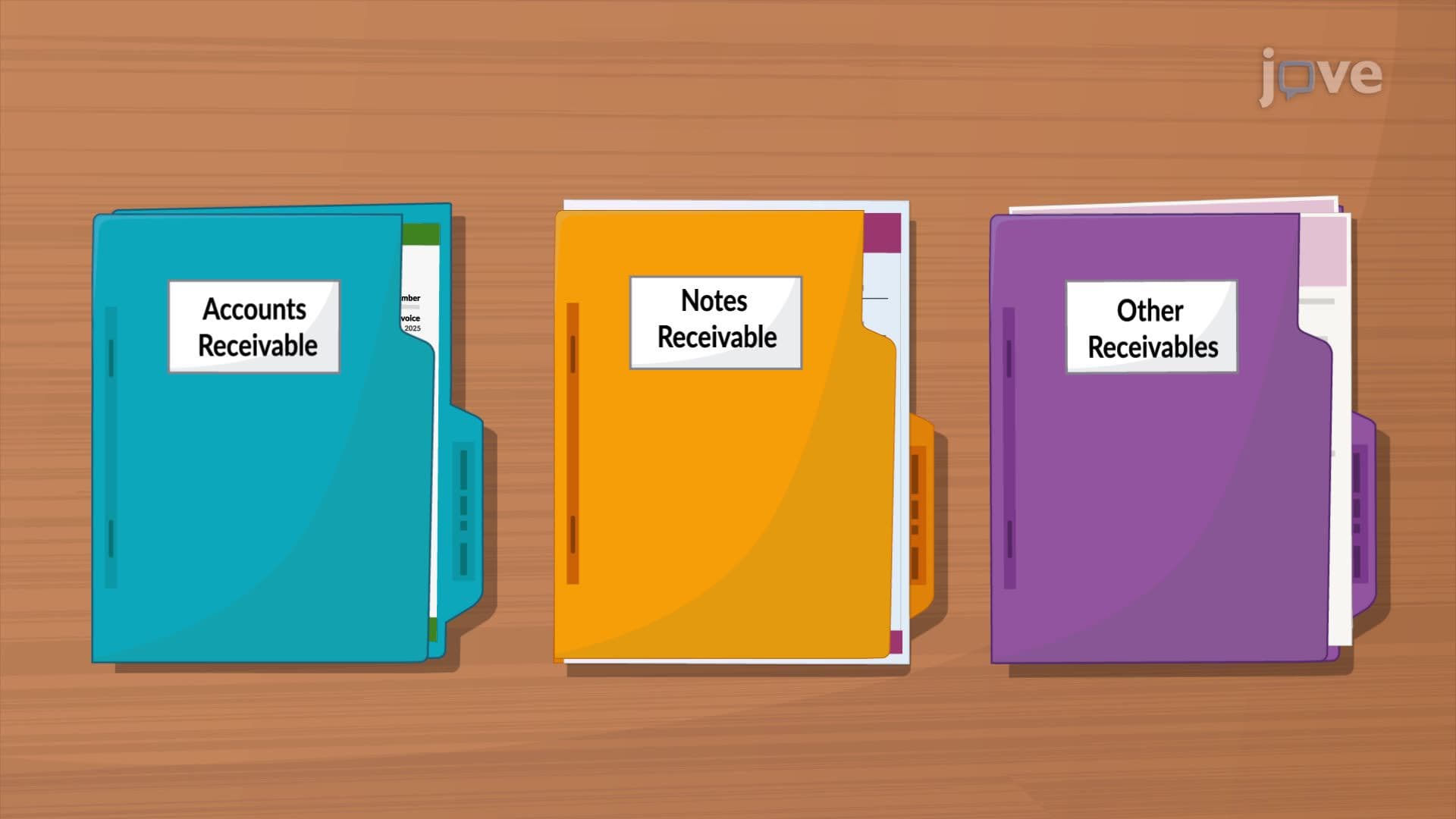
1. Before a budget meeting, review the current assets line. High receivables with slow collection indicates cash flow risk, relevant if your team depends on timely resource releases. 2. During a resource request, reference non-current assets your department manages (equipment, licensed software). Framing requests against existing asset values demonstrates financial awareness and strengthens your case. 3. In a skip-level or stakeholder review, use the trial balance period, the accounting cycle cutoff, to ask informed questions: "Are these figures as of quarter-end?" This signals you understand reporting timelines, not just headline numbers.
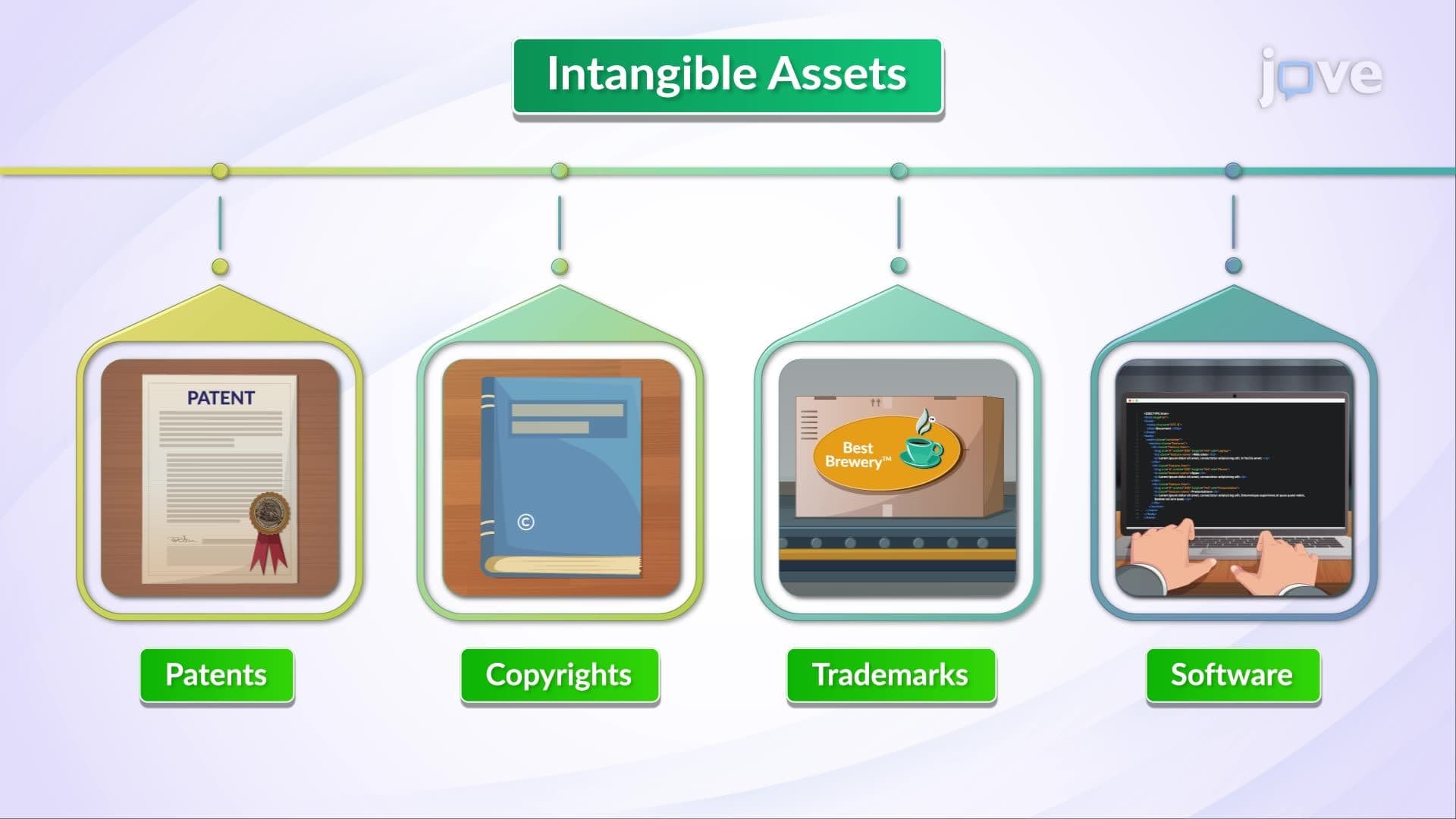
The most frequent mistake managers make is conflating profit with assets. A team can be highly profitable in a given period and still show weak asset health if receivables are delayed or inventory is overvalued. A second mistake is ignoring intangible assets, brand value, proprietary processes, and intellectual property often sit here and can represent significant organizational strength that doesn't show up in operational KPIs. Understanding these distinctions positions you to ask sharper questions, make stronger decisions, and engage finance partners as a genuine peer rather than an outsider waiting to be briefed.
Related Micro-courses