Loading video…


 20 Concepts
 7.1K views

Video Summary: What are Cash and Cash Equivalents
Cash and cash equivalents basics directly shape how managers read financial health signals and make confident resource decisions. Understanding what is cash and cash equivalents helps you interpret balance sheets, anticipate budget constraints, and respond to sudden operational demands without second-guessing finance teams. Managers who lack this fluency often misread liquidity risk until it becomes a team-level problem. Watch the full video on JoVE Coach to master this concept with expert-led visuals and step-by-step explanations.
Picture this: your organization's finance team flags a liquidity concern during a planning meeting. Numbers appear on a balance sheet, and your peers in the room are nodding confidently while you're quietly unsure whether the figure being discussed includes short-term investments or only the money sitting in operating accounts. This knowledge gap, common among managers promoted from technical or functional roles, can quietly undermine your credibility at the leadership table. Understanding cash and cash equivalents is not an accounting exercise. It is a core leadership literacy skill.
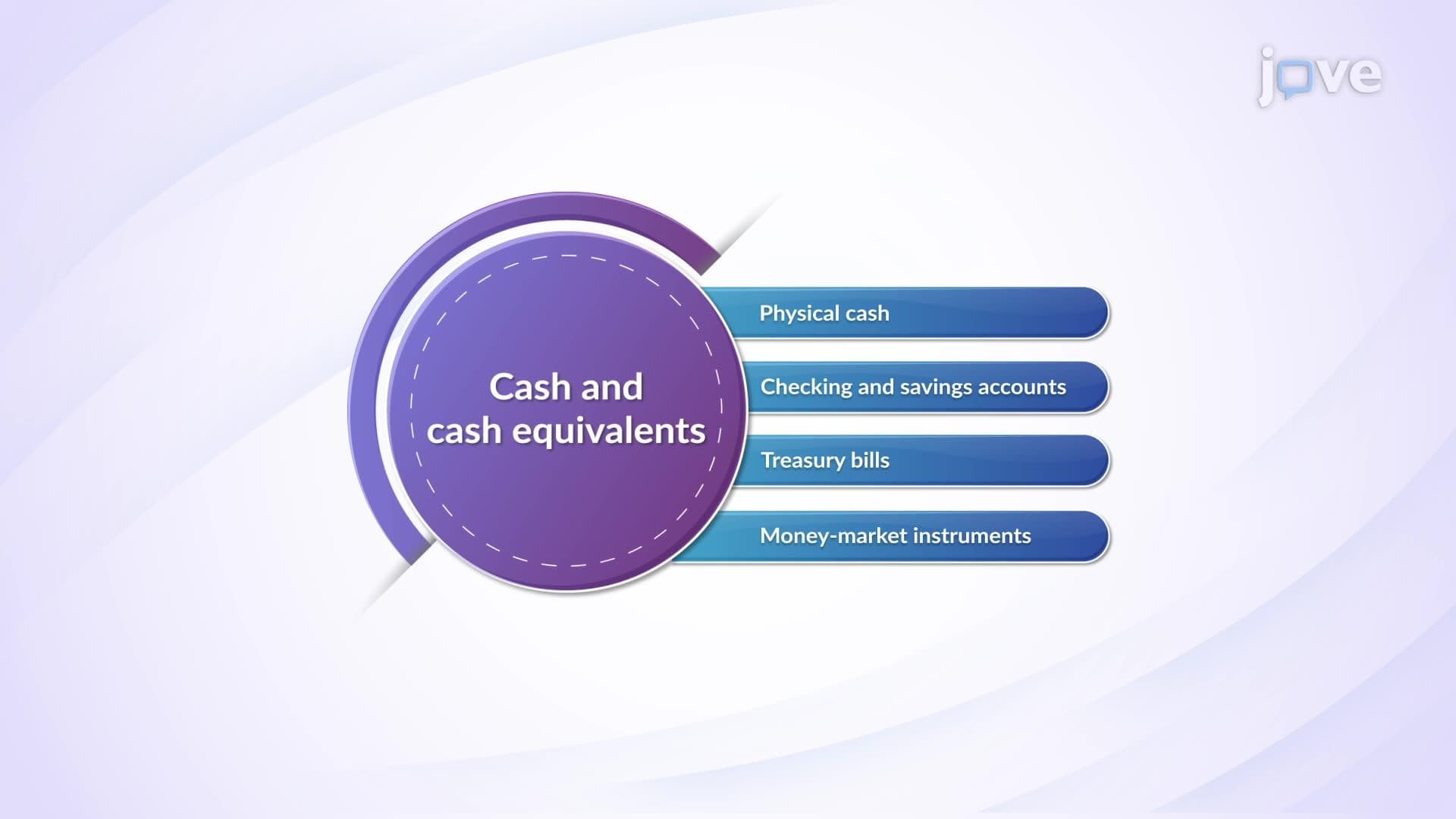
Most managers default to looking at revenue or headcount data when assessing organizational health, bypassing liquidity indicators entirely. The challenge is that cash on a balance sheet is not a single, simple number. It combines physical currency, bank account balances, and short-term investments that can be converted to cash almost immediately, typically within ninety days, with negligible risk of loss. When managers conflate these with longer-term investments, they misjudge how much financial flexibility their teams and projects actually have. This misreading often surfaces during moments of rapid change: a product pivot, a sudden hiring freeze, or an unexpected operational cost.
A practical way to apply this is through a two-filter test for any asset on your balance sheet. First, ask: Can this be converted to cash quickly, with minimal loss in value? Second, ask: Does it mature within ninety days? If the answer to both is yes, it qualifies as a cash equivalent. Common instruments that pass this test include short-term government securities, commercial paper, and certificates of deposit with imminent maturity dates. An instrument maturing in twelve months fails the second filter regardless of how safe it appears, it is categorized differently and does not contribute to short-term liquidity calculations.
This matters when you are reviewing liquidity ratios, particularly the current ratio (current assets divided by current liabilities) and the quick ratio, which strips out less liquid assets to reveal genuine short-term financial strength. Managers who understand these ratios can interpret the financial position of their department or business unit more accurately and advocate more effectively during resource allocation conversations.
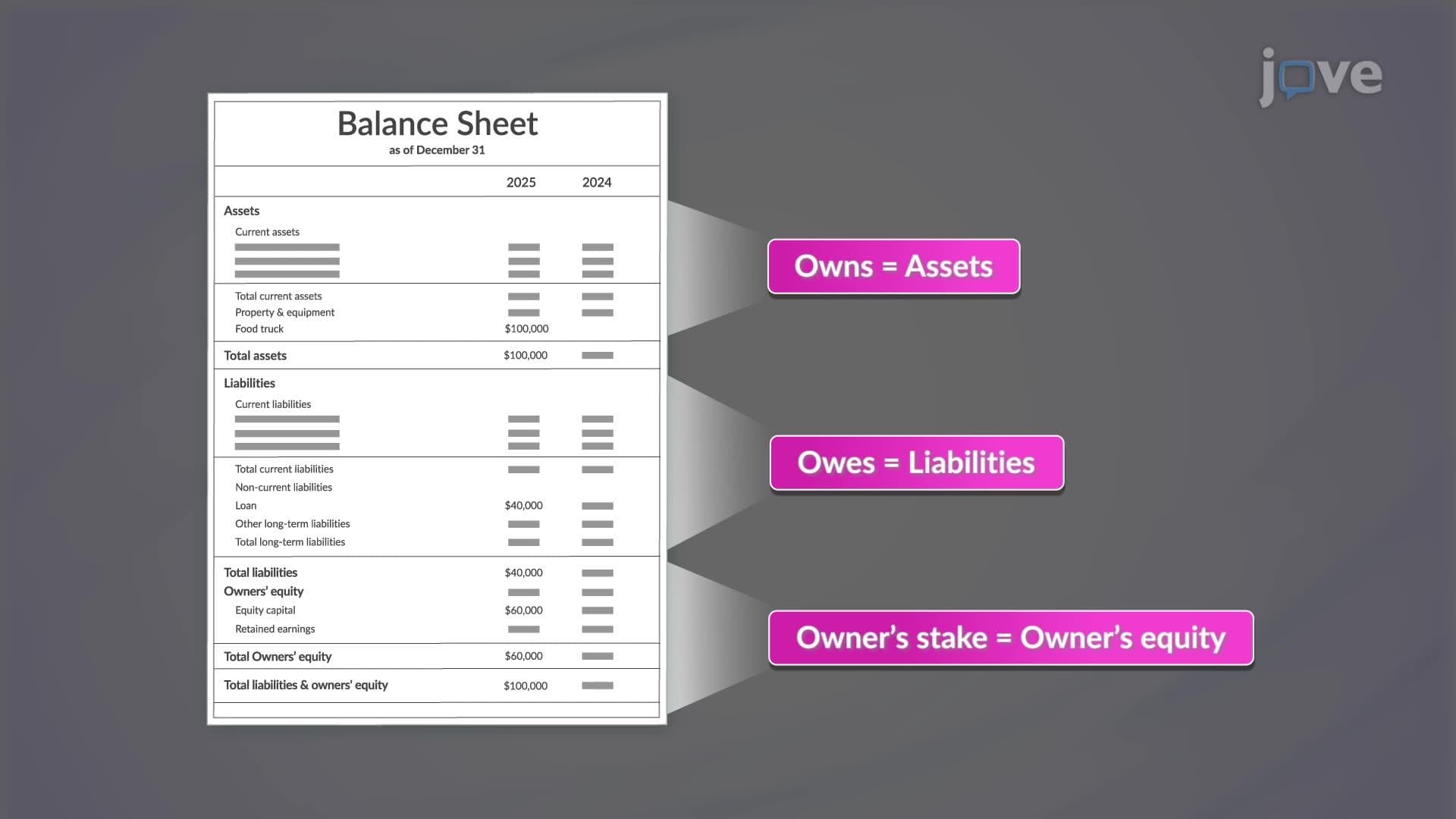
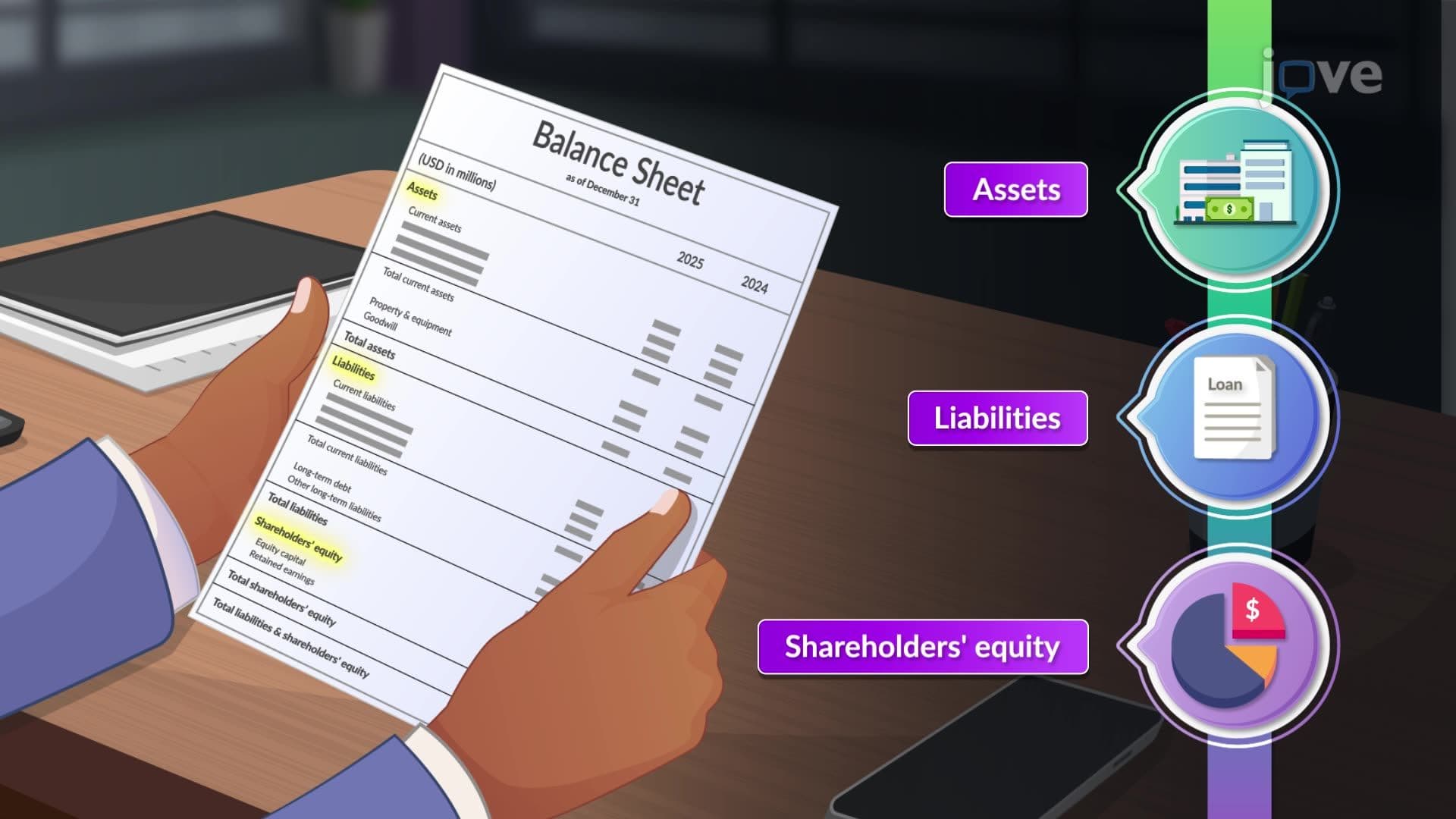
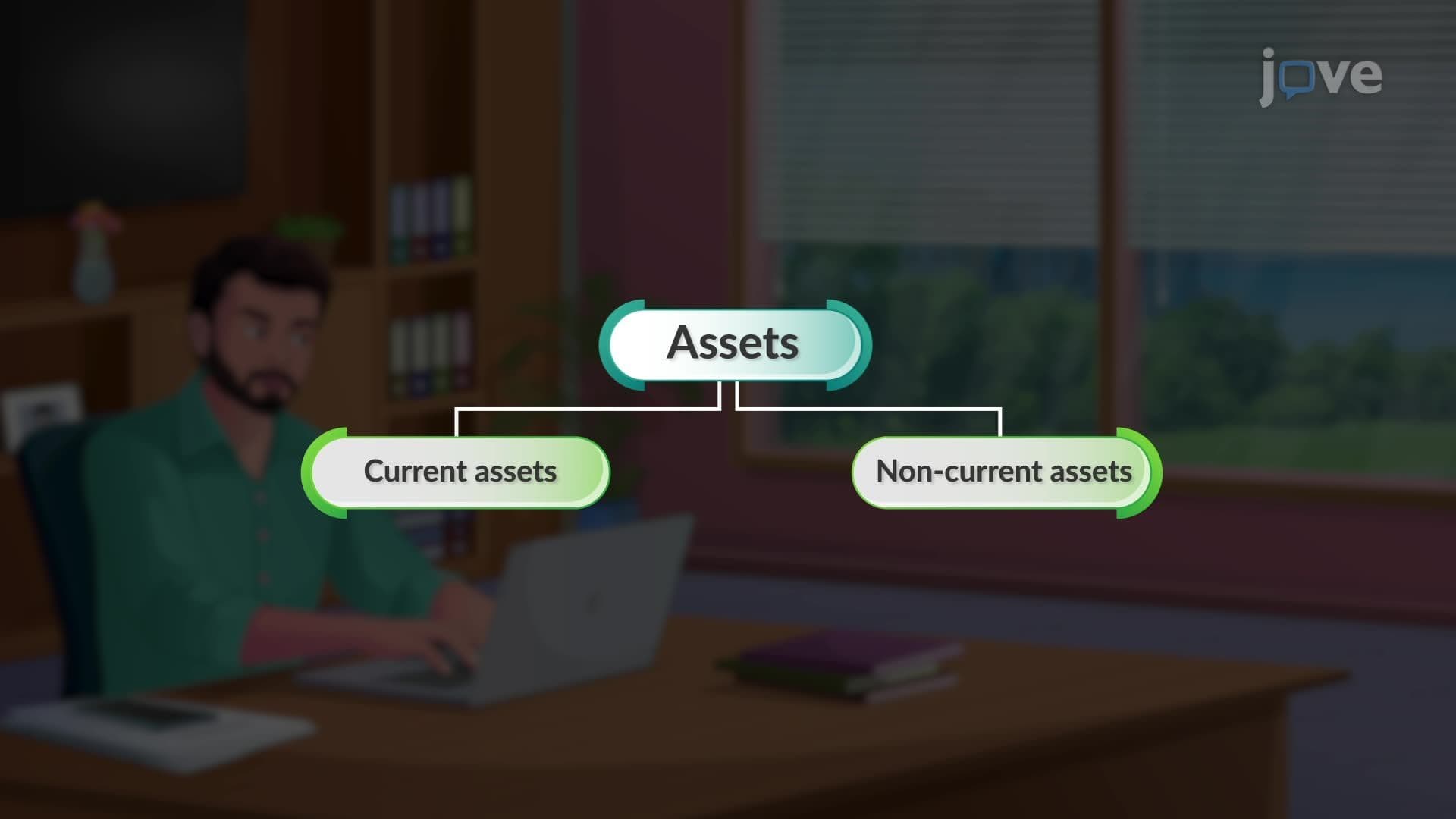
When reviewing a balance sheet during a planning cycle or leadership meeting, locate the current assets section, cash and cash equivalents will appear first, reflecting their highest degree of liquidity. Use this as your starting reference point for three practical questions:
1. How much immediate liquidity does the organization actually have?, This tells you how much buffer exists against short-term obligations. 2. What proportion of current assets is tied to near-maturing instruments versus actual cash?, This reveals whether the liquidity is stable or time-sensitive. 3. How has this figure changed across accounting periods?, Trends matter more than snapshots.
Pairing this reading with a basic understanding of the accounting period in which these figures are reported helps you avoid comparing mismatched data, a common error in cross-departmental reporting discussions.
The most frequent mistake is treating all current assets as equally liquid. Just because something appears under current assets on the balance sheet does not mean it is immediately accessible. Inventory, for example, requires a sale before it becomes cash. A second mistake is ignoring the maturity threshold. Managers sometimes assume any investment in low-risk government instruments qualifies as a cash equivalent, but duration matters. A one-year Treasury bill is categorically different from a thirty-day one, despite being issued by the same institution. Build the habit of asking your finance partner about maturity dates, not just asset categories.
Related Micro-courses