Loading video…

 20 Concepts
 7.1K views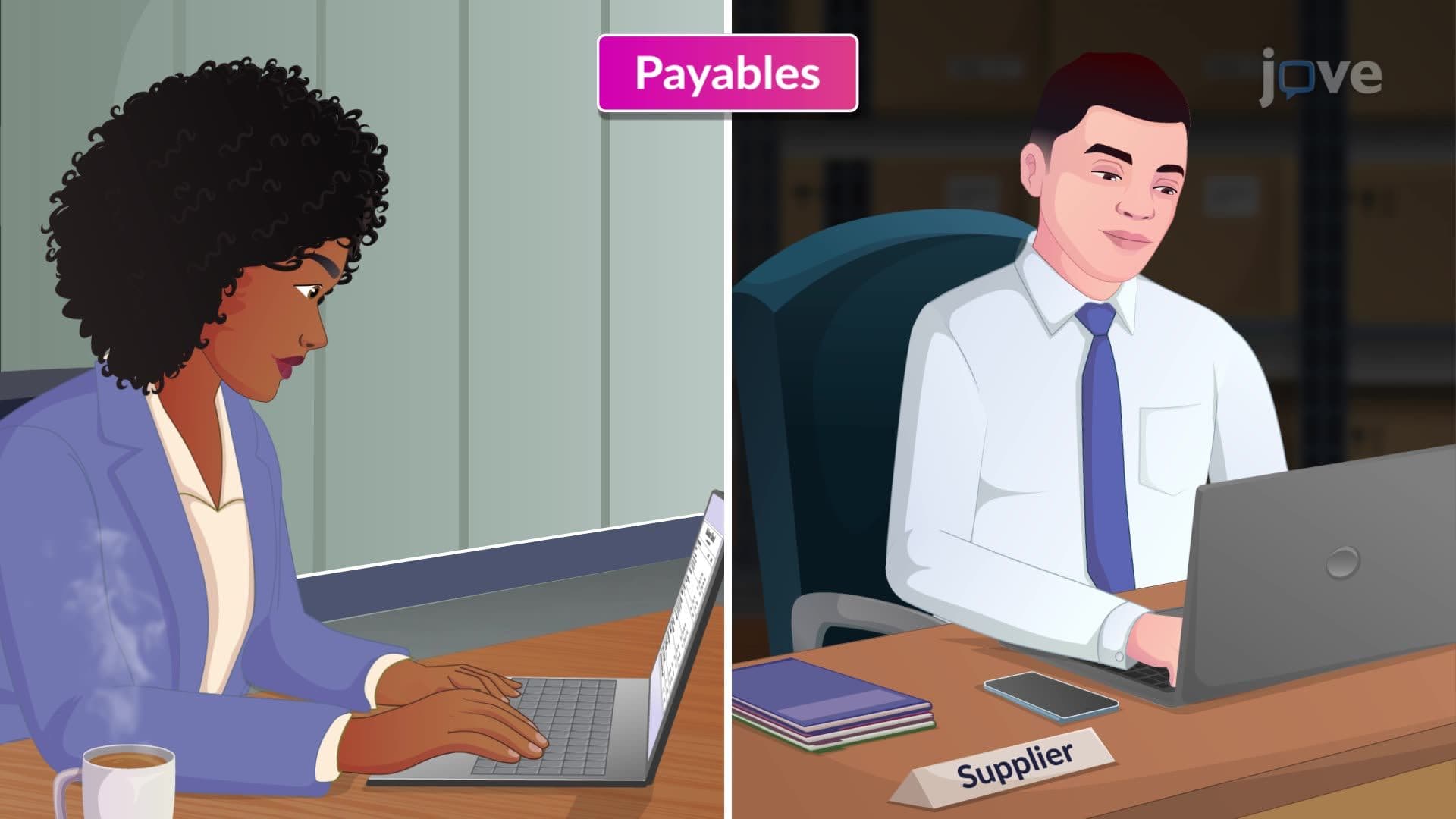

Video Summary: What are Payables
Payables basics trip up more managers than most care to admit, especially when budget conversations, vendor negotiations, or cash flow reviews land on your desk without warning. Understanding what are payables means knowing exactly what your organization owes, to whom, and when. This knowledge sharpens your financial credibility in leadership discussions. Watch the full video on JoVE Coach to master this concept with expert-led visuals and step-by-step explanations.
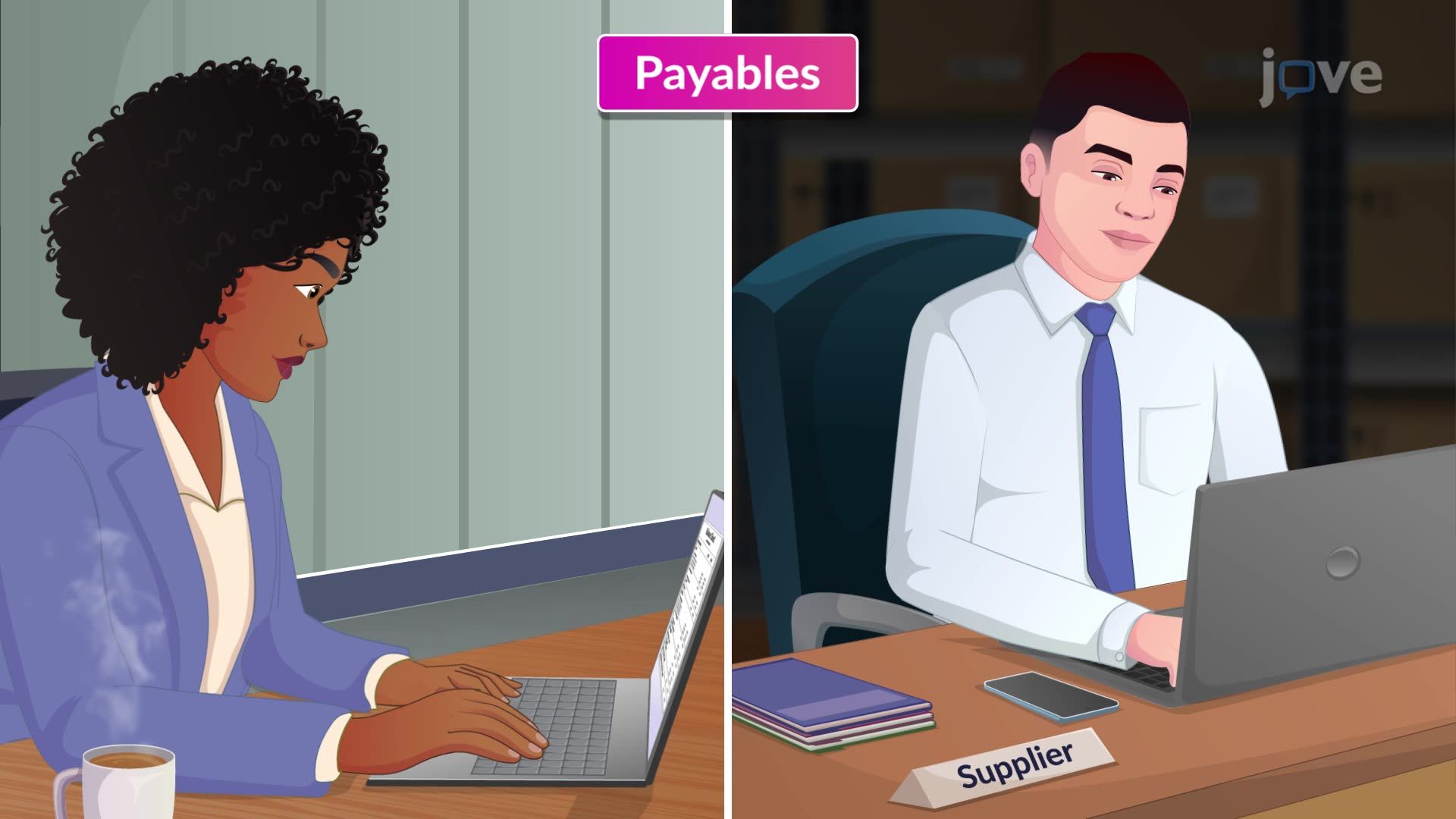
Picture this: your operations team just onboarded a new supplier. Inventory arrives, the team signs off, but payment isn't due for 30 days. In that window, your organization is holding an obligation, real money it owes but hasn't yet paid. That obligation is a payable. For managers outside the finance function, this might seem like accounting detail. In practice, it directly affects your team's budget, your vendor relationships, and your organization's short-term financial credibility.
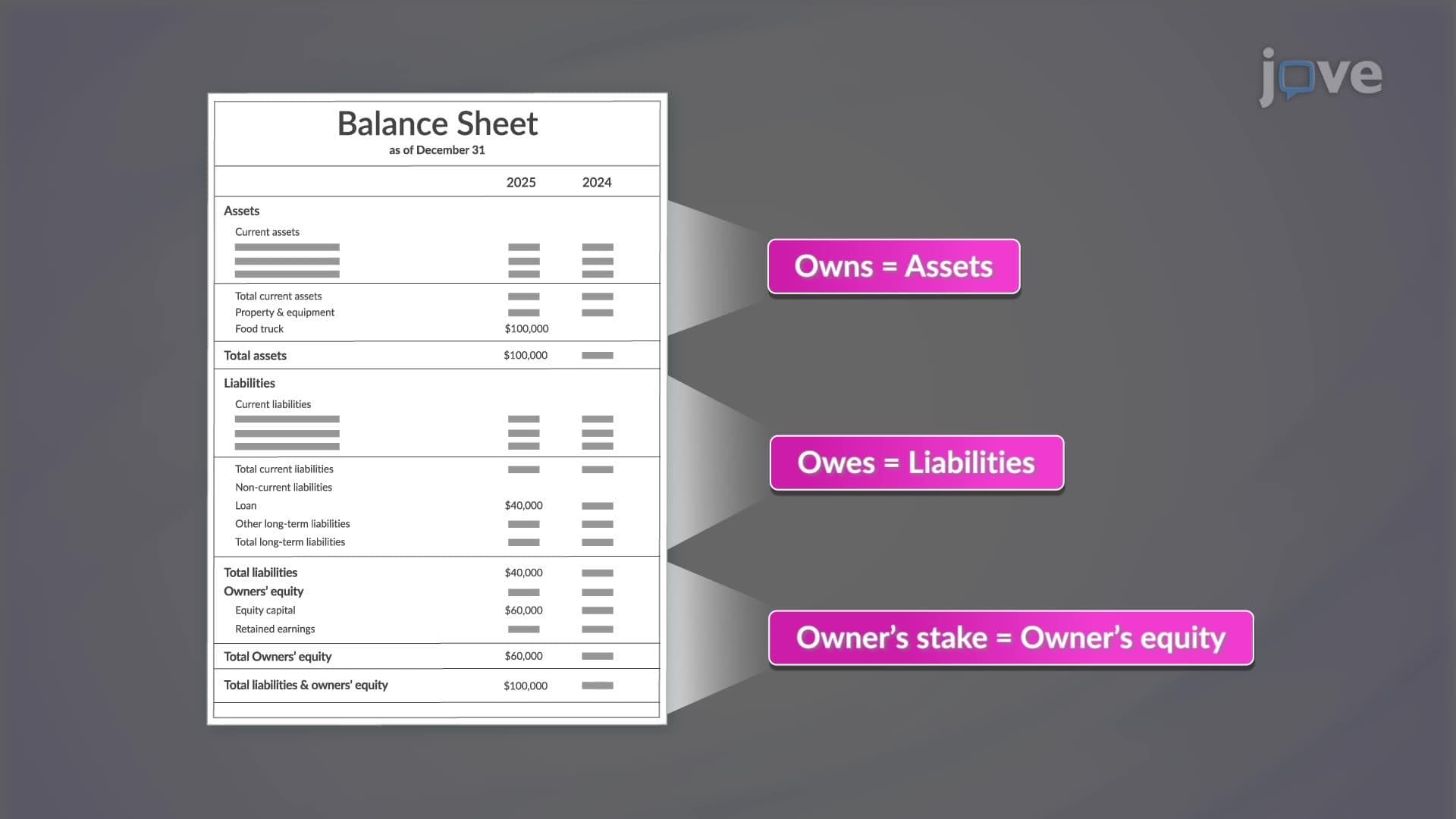
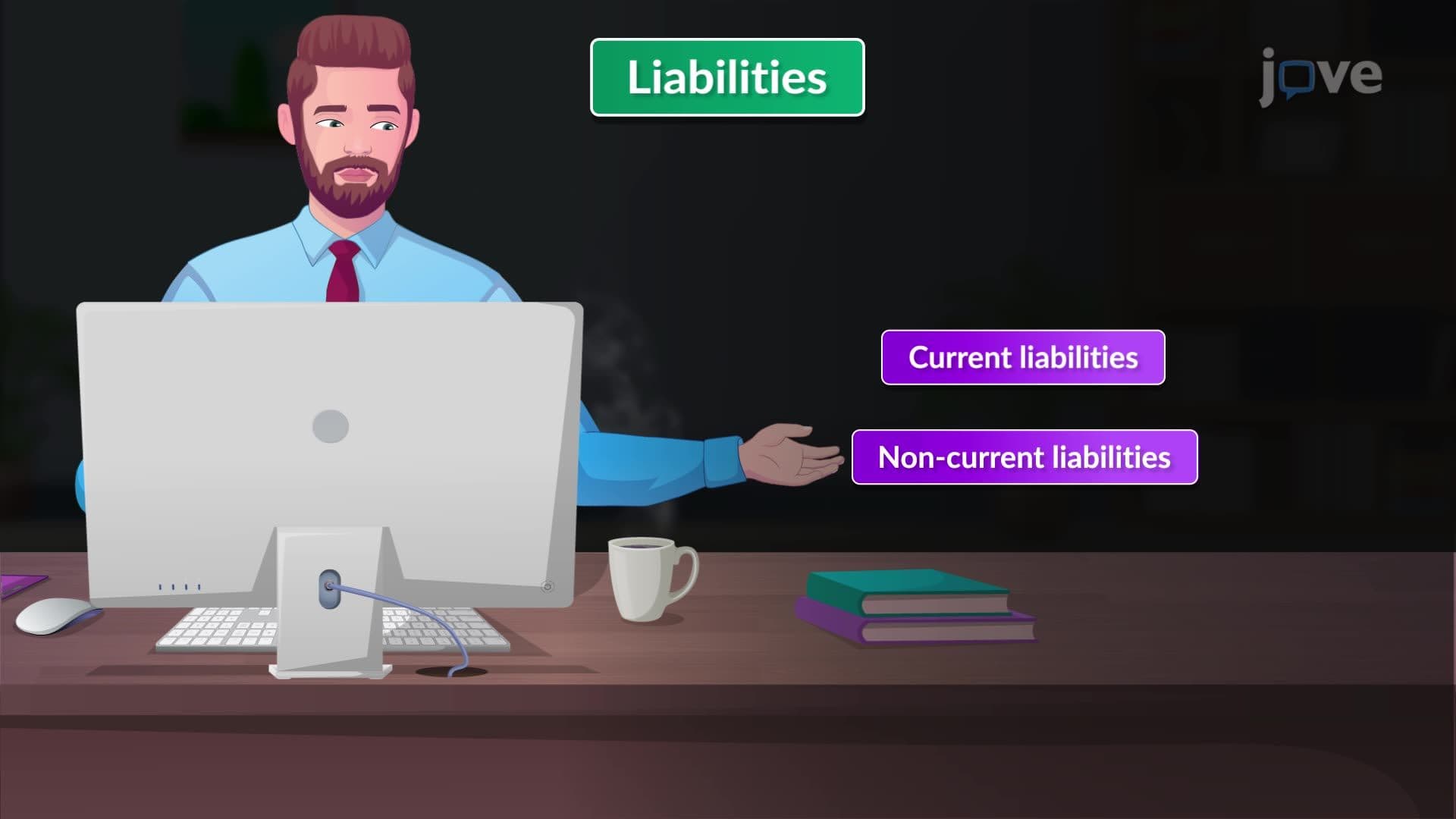
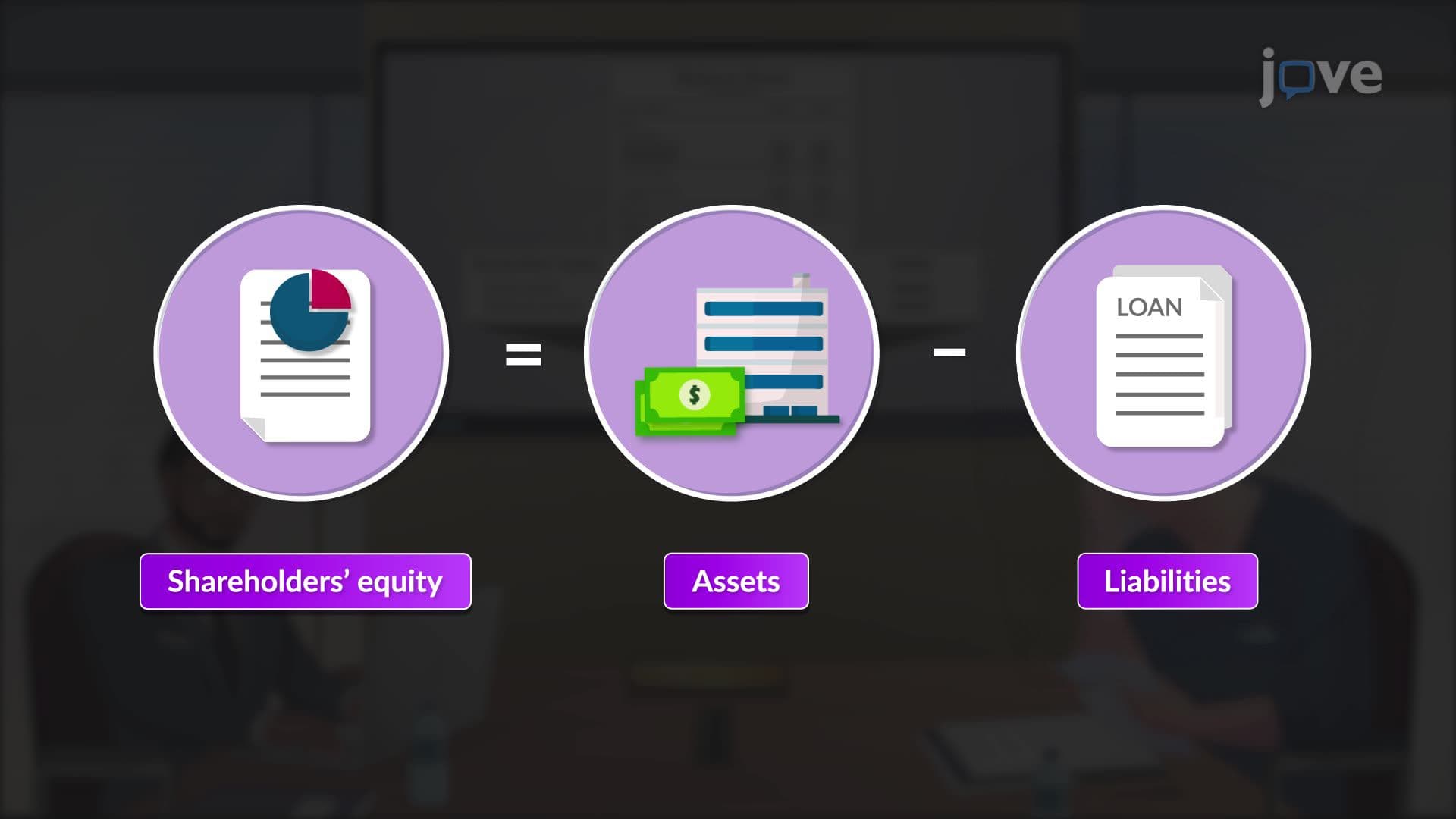
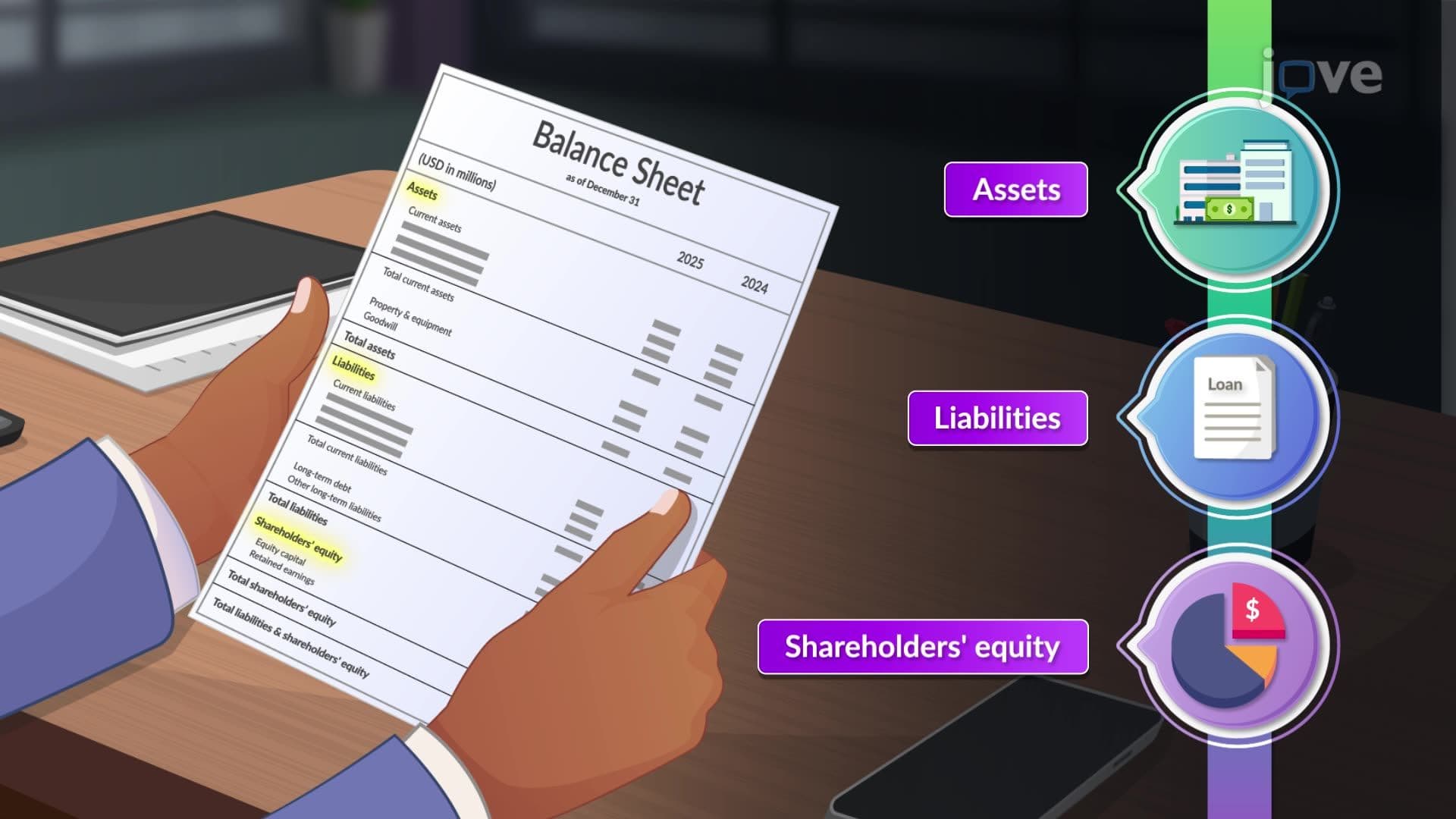
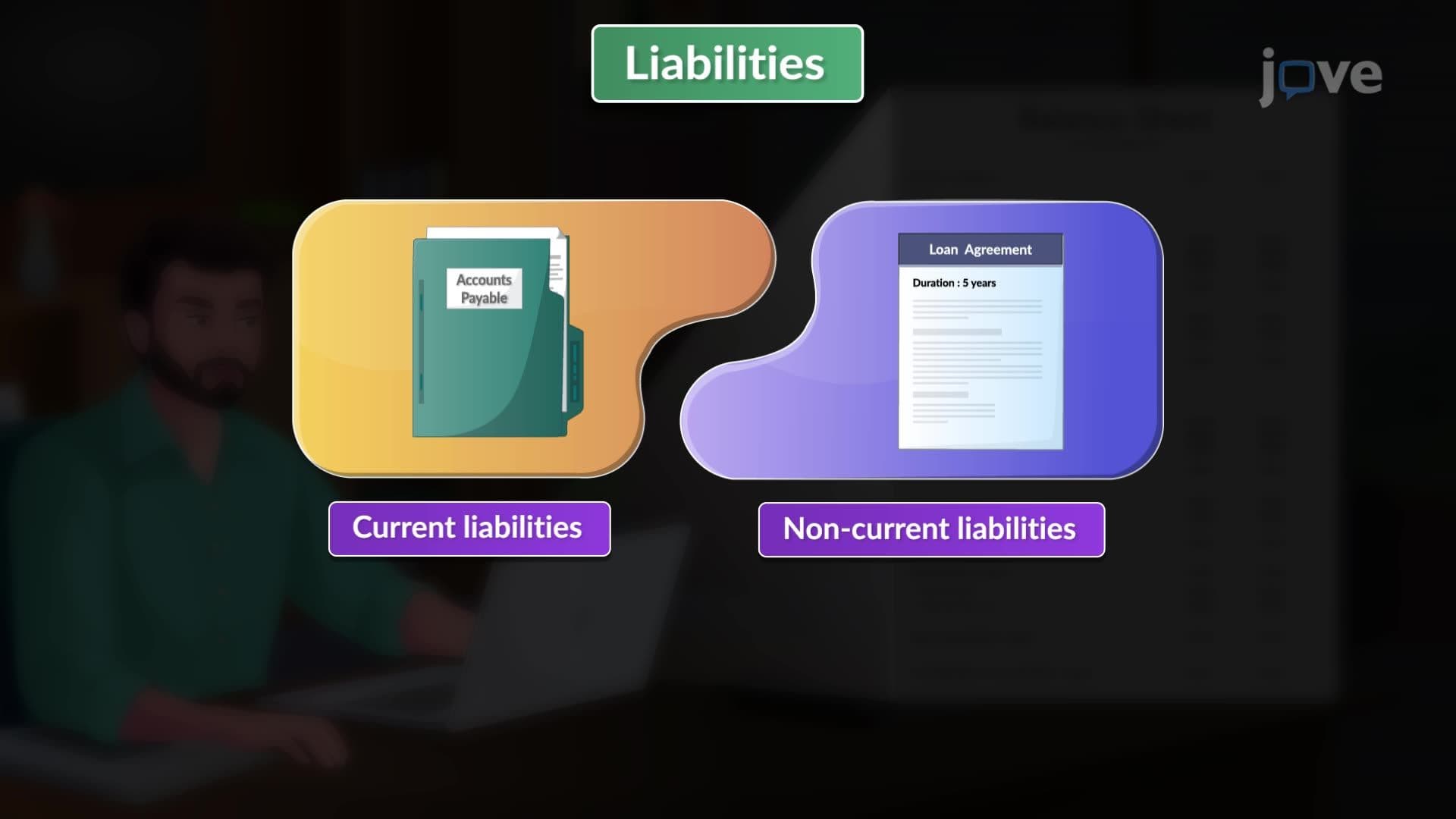
Most managers focus on revenue, headcount, and project delivery. Payables sit quietly in the background, until they don't. A supplier relationship strains because an invoice aged past terms. A cash flow shortfall surprises the leadership team because no one tracked the cumulative obligations building up across departments. When you understand that payables are recorded as current liabilities on the balance sheet, you start recognizing them as active financial commitments, not passive paperwork. The balance sheet equation, Assets = Liabilities + Equity, only holds when every payable is accounted for correctly. Managers who grasp this can flag issues before they escalate.
You don't need to be a financial controller to apply payables thinking. Use a simple three-column mental model: Who is owed? How much? By when?
Mapping your team's activities to these categories gives you a working view of your operational liabilities. In budget reviews, this becomes the foundation for liquidity ratio conversations, specifically, whether the organization has enough short-term assets to cover short-term obligations. The current ratio (current assets ÷ current liabilities) is a standard liquidity check that directly includes payables. As a manager, knowing this ratio helps you advocate for resources intelligently.
When your next quarterly review or budget meeting arrives, don't just track spend, track obligations. Ask your finance partner to walk you through the payables aging report: which vendor invoices are current, which are approaching terms, and which are overdue. Use the trial balance as a reference point, it shows where payables sit relative to other balance sheet components at any given point in the accounting period.
If your role involves approving purchases or managing supplier contracts, build a simple internal checkpoint: before committing to any goods or services, confirm the payment terms align with your team's cash availability. This is practical liquidity management, not finance theory. Leaders who operate this way build a reputation for financial discipline that accelerates both team performance and their own career trajectory.
Related Micro-courses