Loading video…


 20 Concepts
 7.1K views

Video Summary: What are Treasury Stock and Dividends
Treasury stock and dividends basics are financial concepts every manager with budget, equity, or stakeholder responsibilities needs to understand. When your organization repurchases shares or distributes dividends, these decisions directly reshape shareholder value, retained earnings, and how investors read your company's financial health. Grasping treasury stock and dividends explained means you can contribute to strategic financial conversations with confidence. Watch the full video on JoVE Coach to master this concept with expert-led visuals and step-by-step explanations.
Imagine you're sitting in a senior leadership meeting and the CFO announces the company is initiating a share buyback program while simultaneously reducing the quarterly dividend. The room nods. You need to understand not just *what* was said, but *why it matters* and what it means for your team's financial targets, headcount decisions, and stakeholder reporting. That's exactly where treasury stock and dividends explained becomes a practical leadership tool, not just an accounting concept.
Most managers assume treasury stock and dividends are the exclusive domain of the finance or investor relations function. That assumption costs you influence. When a company repurchases its own shares, those shares are removed from circulation and reclassified as treasury stock. They no longer carry voting rights or dividend entitlements. This reduces the total share count, which can increase earnings per share, a metric that frequently drives executive compensation, investment appetite, and board-level decisions. As a manager, understanding this means you can interpret why leadership is making certain capital allocation choices and how those choices cascade into operating budgets and team resources.
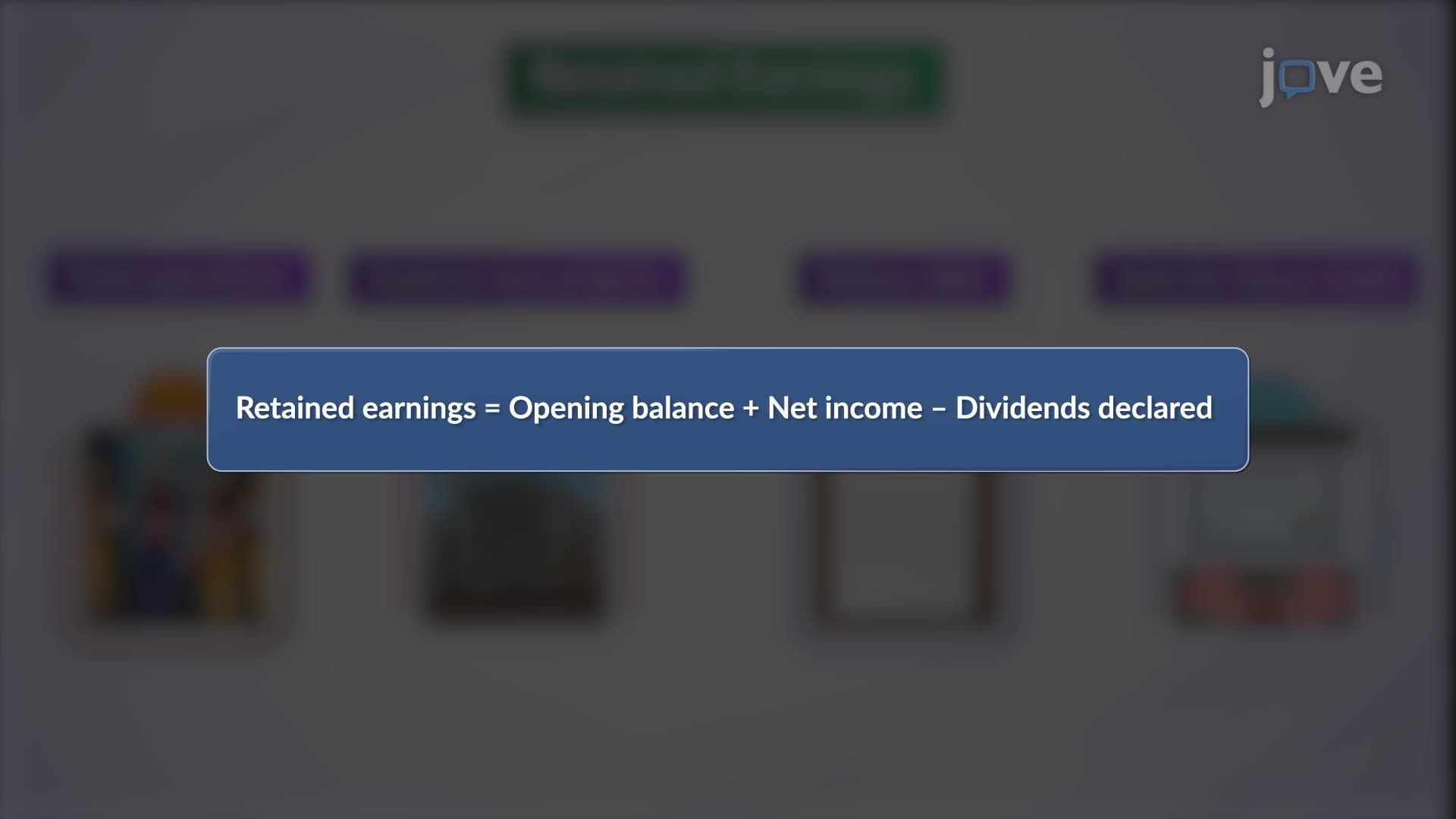
Dividends, on the other hand, are direct cash distributions to shareholders. They draw down retained earnings and reduce the organization's cash balance simultaneously, two of the most watched balance sheet components in any financial review. When you understand this mechanism, you can participate meaningfully in conversations about why growth investment may be constrained in a high-dividend environment.
Use a three-lens framework to evaluate any treasury stock or dividend decision you encounter in leadership reporting:
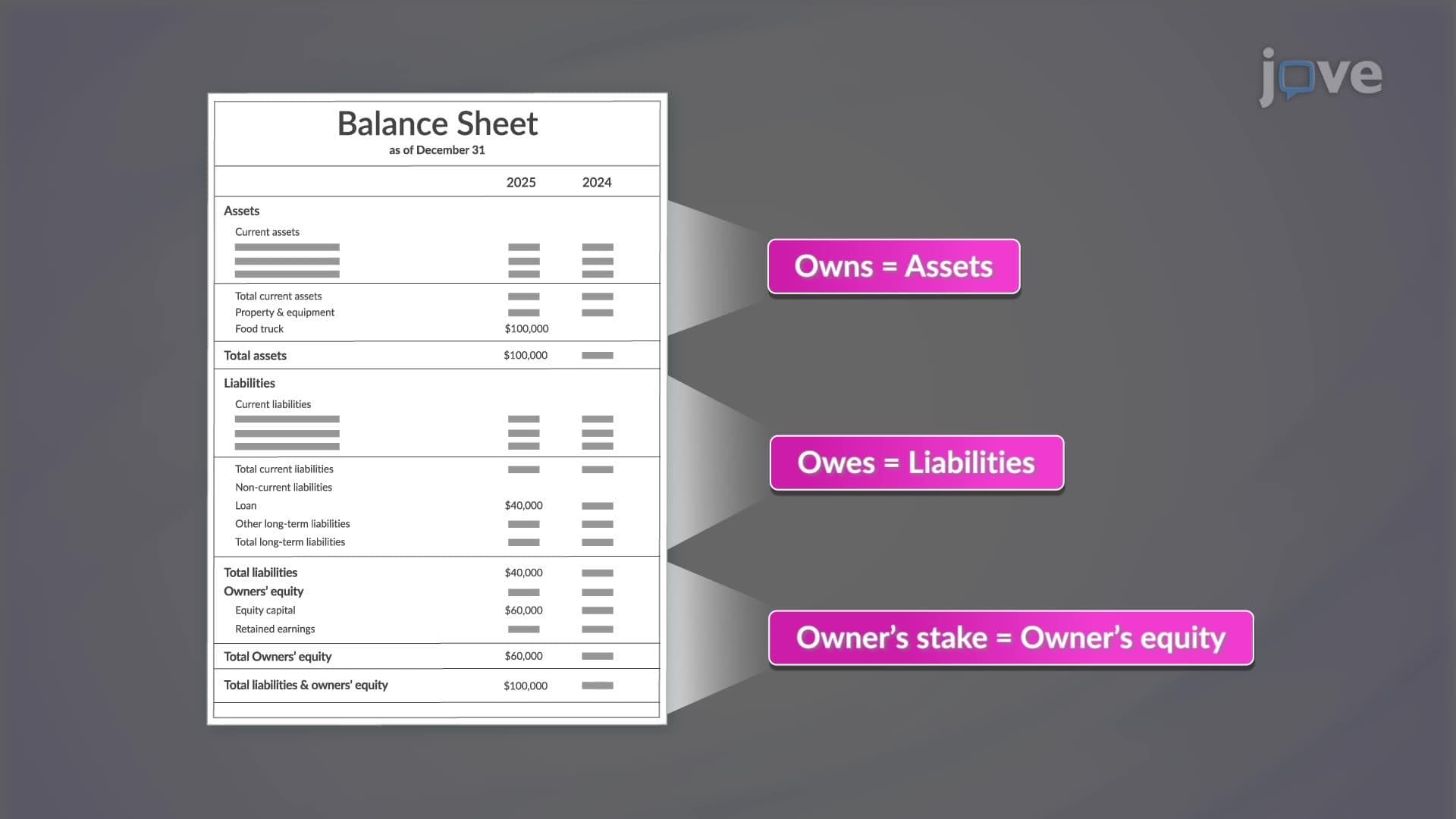
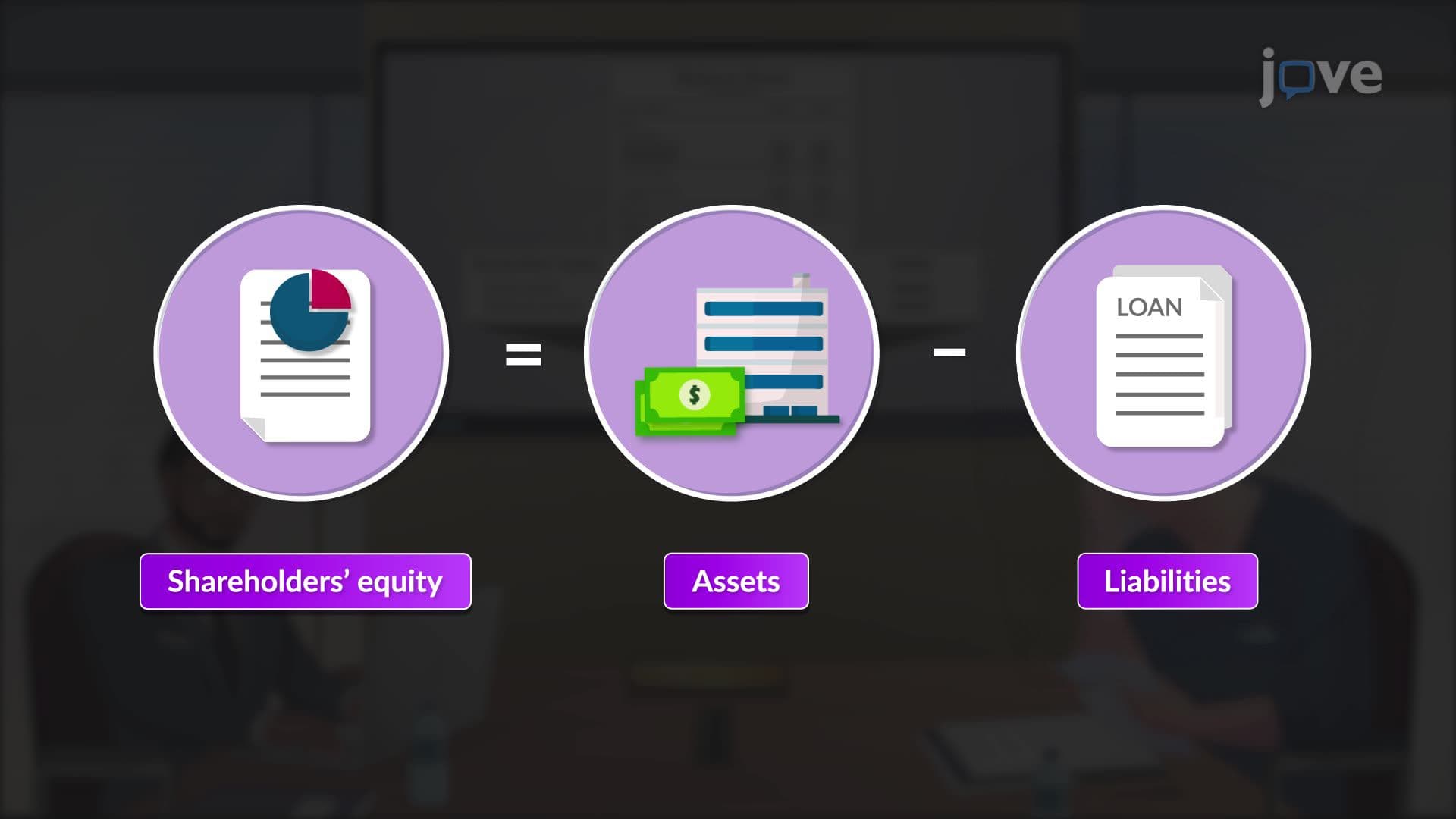
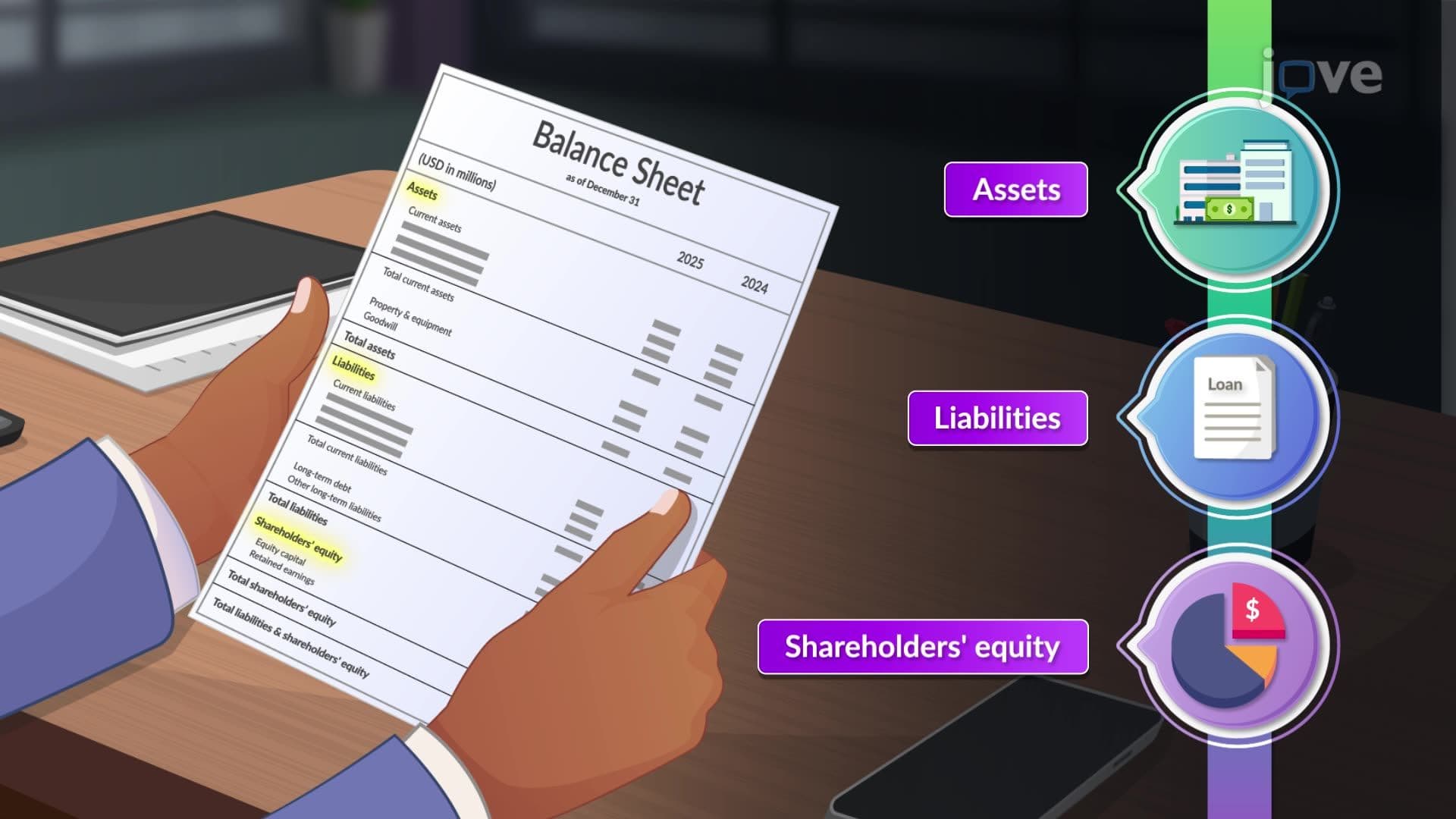
1. Balance Sheet Lens, Ask: How does this action affect assets, liabilities, and equity? A share buyback reduces cash (an asset) and reduces equity simultaneously. A dividend declaration reduces retained earnings (equity) and cash. Both affect assets liabilities equity relationships and will appear in the trial balance for that accounting period.
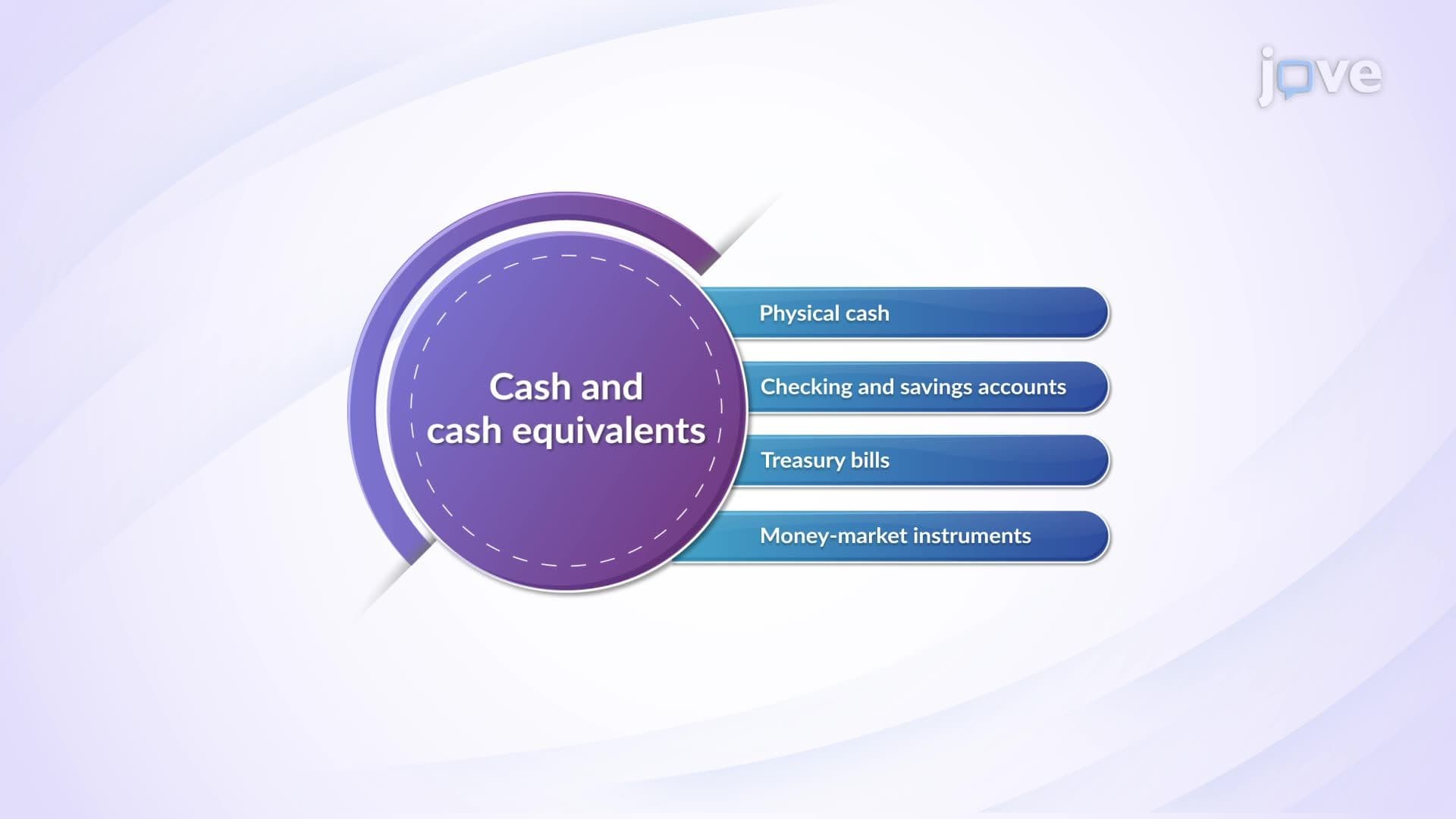
2. Liquidity Lens, Assess the impact on liquidity ratios. Heavy dividend payouts or aggressive buybacks can tighten cash reserves. As a manager responsible for departmental budgets, understanding liquidity constraints helps you anticipate funding approvals and resource allocation timelines.
3. Investor Perception Lens, Consider the signaling effect. Companies typically buy back shares when leadership believes the stock is undervalued. Dividends signal financial maturity and stability. Knowing this helps you frame organizational messaging accurately when your team asks why certain financial decisions are being made.
The most frequent error is treating these concepts as static accounting entries rather than dynamic signals of organizational health. A second common mistake is conflating dividends with profit, a company can pay dividends while carrying debt, and a profitable company may choose not to pay dividends at all, preferring to reinvest.
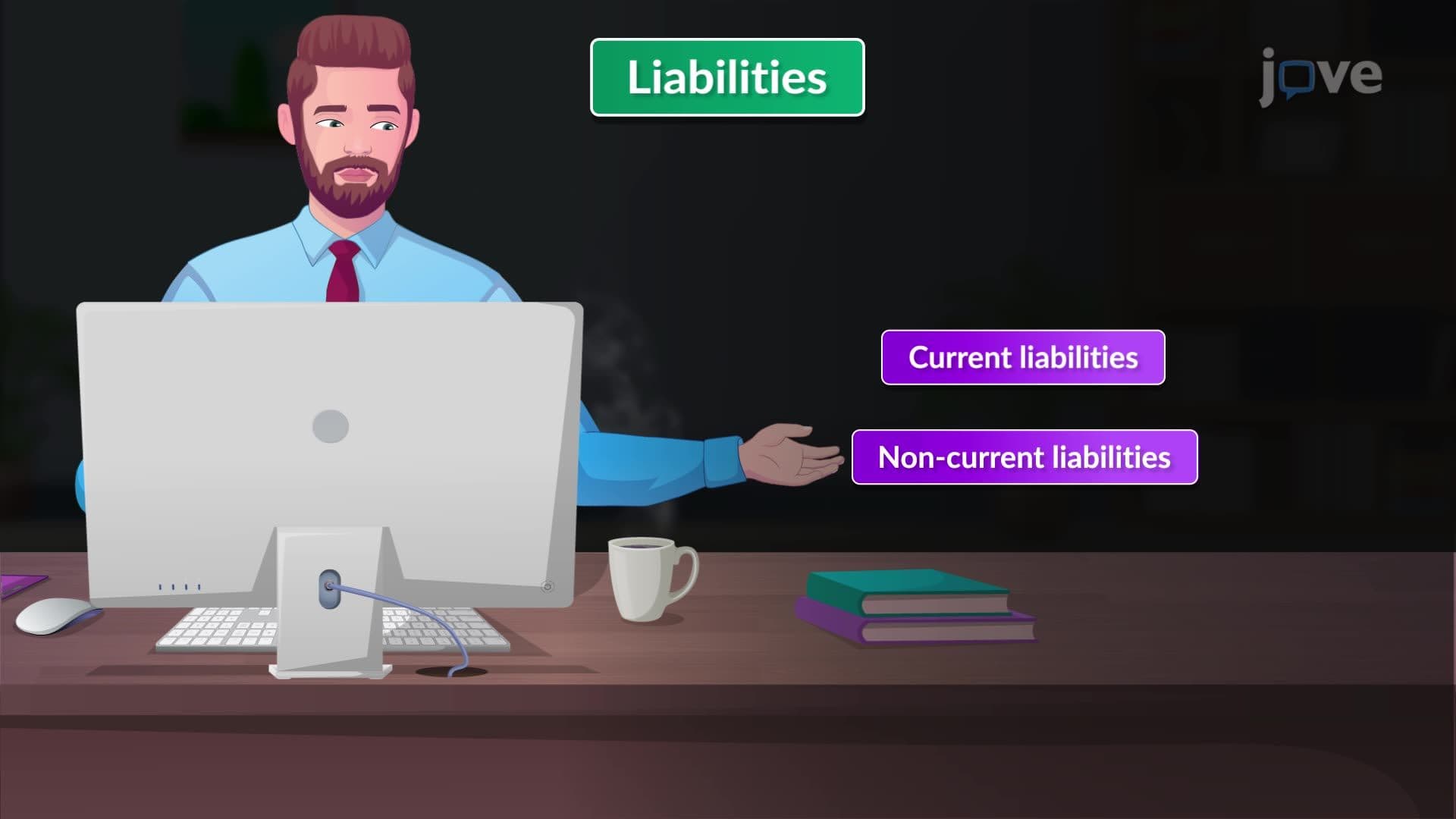
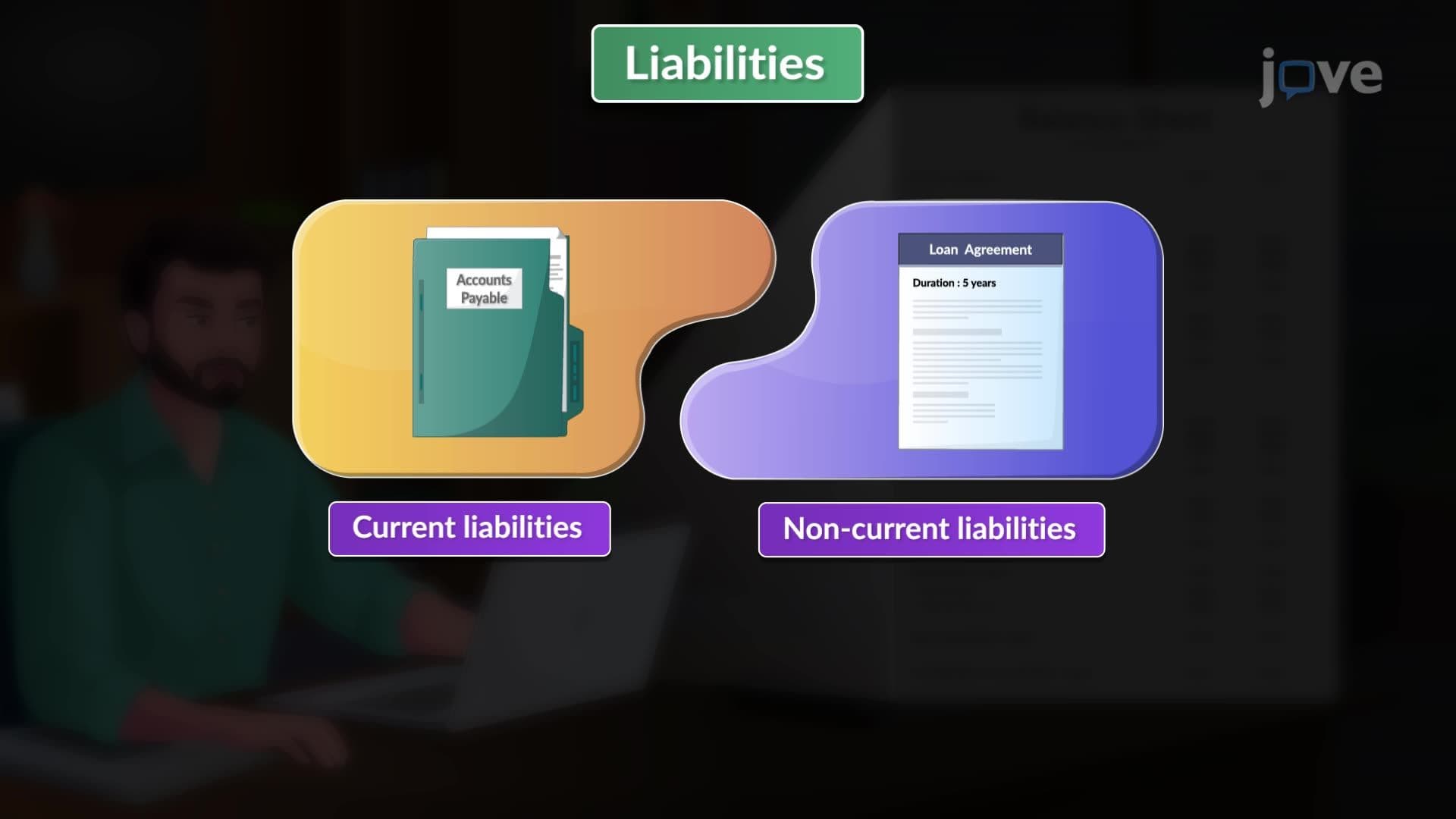
A third mistake: managers often overlook the *timing* dimension. Dividends are declared in one accounting period and paid in another. This timing gap appears on the balance sheet as a dividend payable, a liability. If you're reviewing financial statements and see this line item spike, it's a signal, not an anomaly.
Apply a habit borrowed from the 70-20-10 model of learning: spend 70% of your financial acumen development in real reporting contexts, attending budget reviews, reading quarterly statements, rather than relying purely on structured explanations. The remaining 30% gives you the framework to make sense of what you're seeing.
Related Micro-courses