Loading video…


 20 Concepts
 7.1K views

Video Summary: Assets in the Balance Sheet Explained
Assets in the balance sheet basics trip up even experienced managers when they need to assess organizational health or justify resource requests to finance. Understanding assets in the balance sheet helps you read financial reports with confidence and make smarter decisions about budgets, headcount, and investment priorities. Knowing what your organization owns, and how liquid those assets are, directly sharpens your credibility with senior leadership. Watch the full video on JoVE Coach to master this concept with expert-led visuals and step-by-step explanations.
Picture this: your organization's finance team shares a quarterly balance sheet in a leadership meeting, and your peers start asking sharp questions about liquidity ratios and asset allocation. You're nodding along, but you're not fully certain what the numbers are telling you. This gap, between holding a management title and holding genuine financial literacy, is more common than most leaders admit. Understanding assets in the balance sheet is one of the fastest ways to close it.
Most managers are promoted for functional expertise, not financial acumen. The result is a leadership layer that can run a strong team meeting but struggles to interpret the numbers that govern organizational decisions. Balance sheet components like current assets, non-current assets, and intangible assets can feel like accounting territory, not management territory. That perception is the problem. Every resource allocation decision, headcount request, and budget conversation is rooted in what the organization owns and how accessible those assets are.
The core issue is that financial documents are rarely taught in the context of management application. Managers see a balance sheet and look for their department's budget line, missing the broader story the document tells about organizational capacity, risk exposure, and investment direction.
Think of assets in two practical management lenses: operational liquidity and strategic depth.
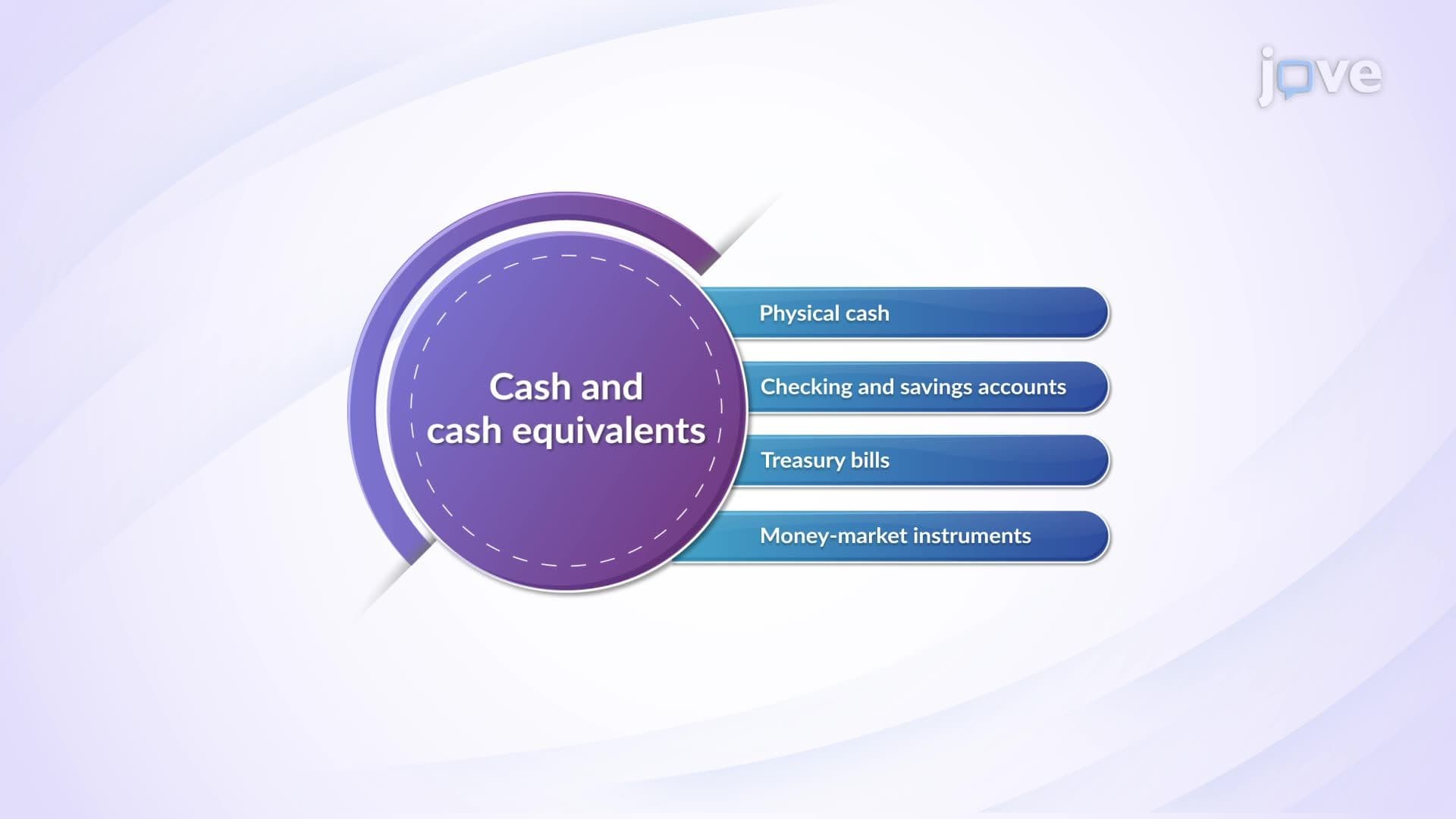
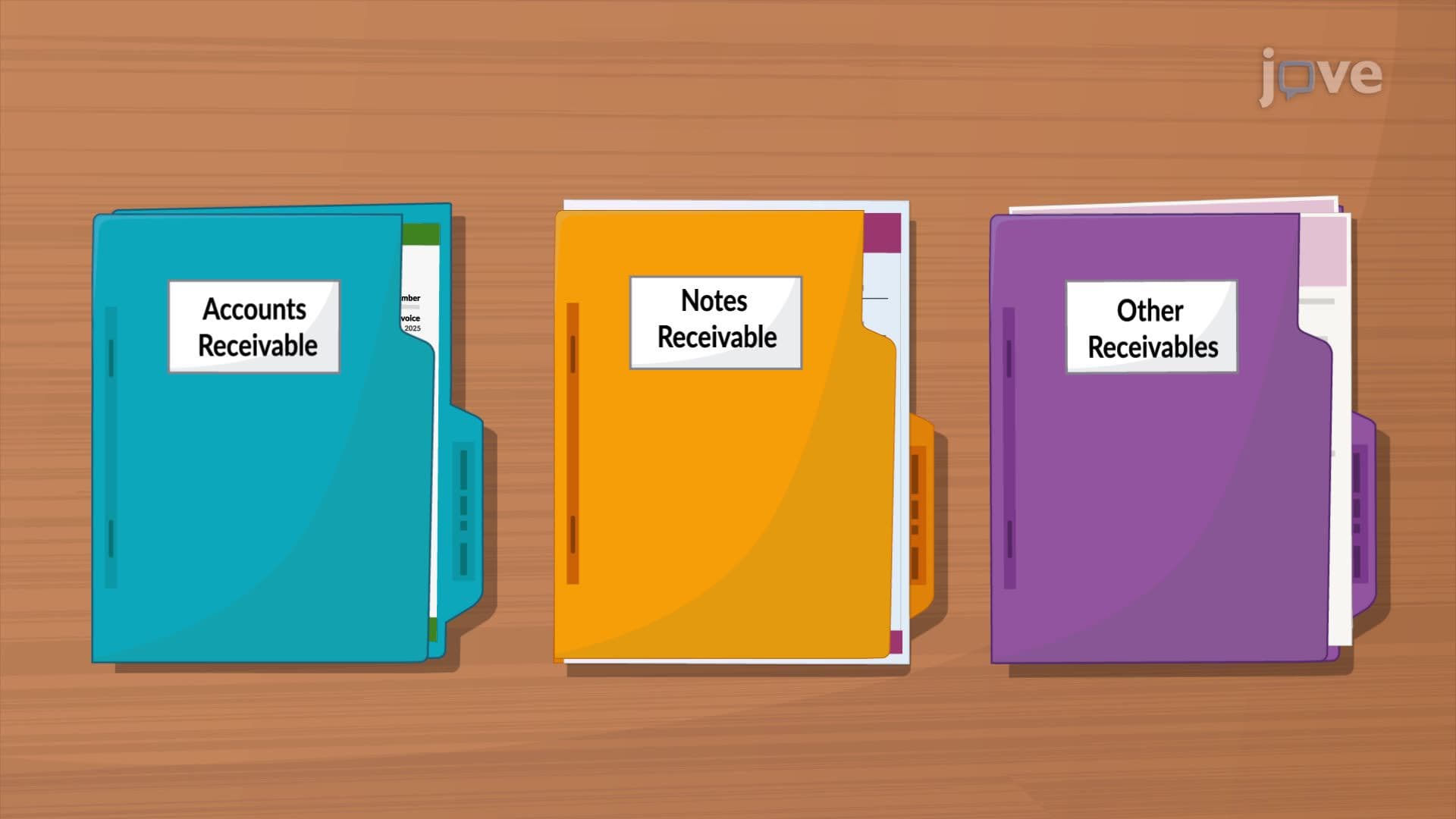
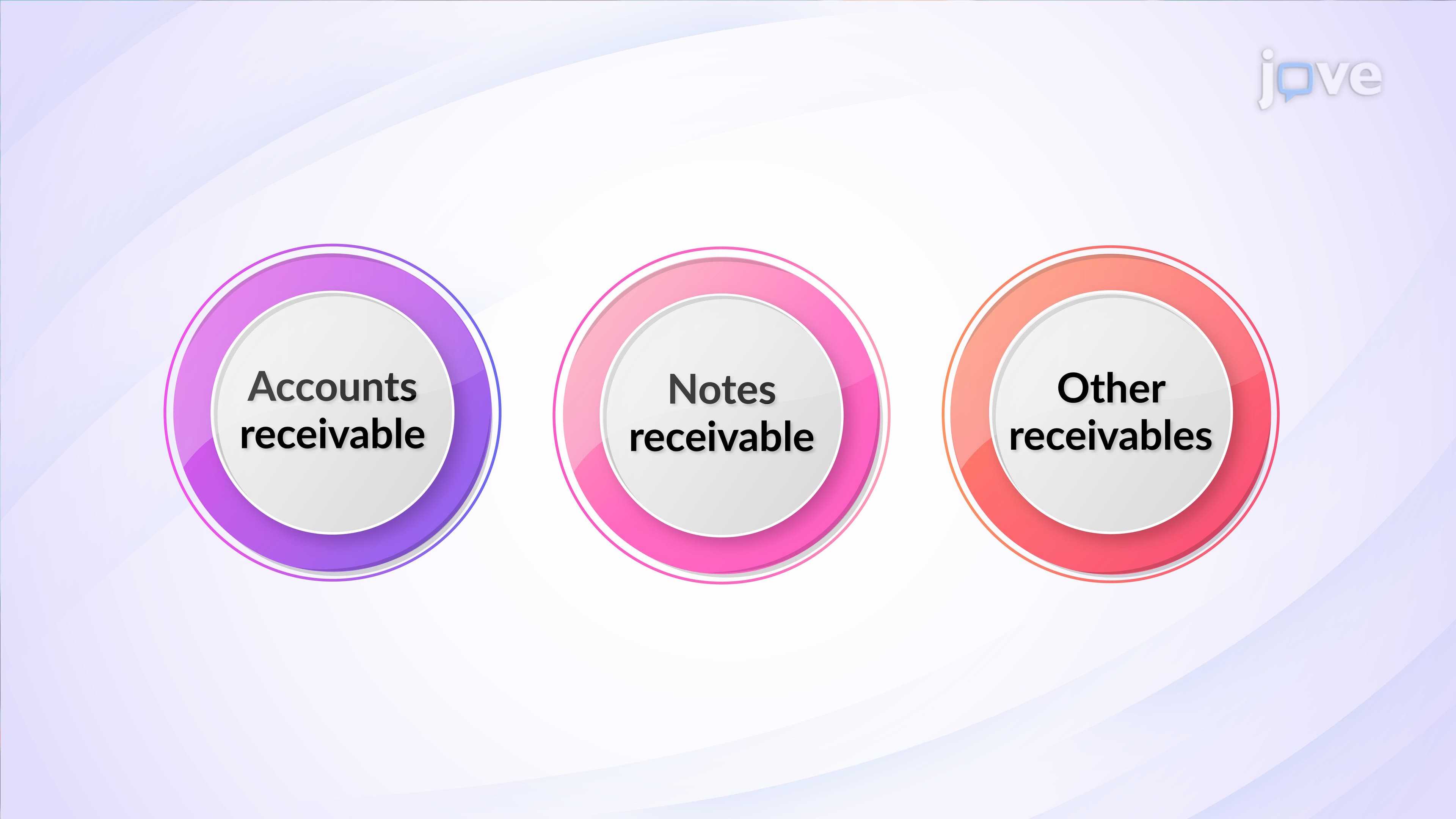
Operational liquidity maps to current assets, cash, accounts receivable, and inventory. These represent the organization's ability to function in the near term. As a manager, this quadrant tells you whether resources are available now. If current assets are tight, that's your signal that new spend approvals will face resistance, team headcount additions may stall, and finance will prioritize cash preservation over growth.
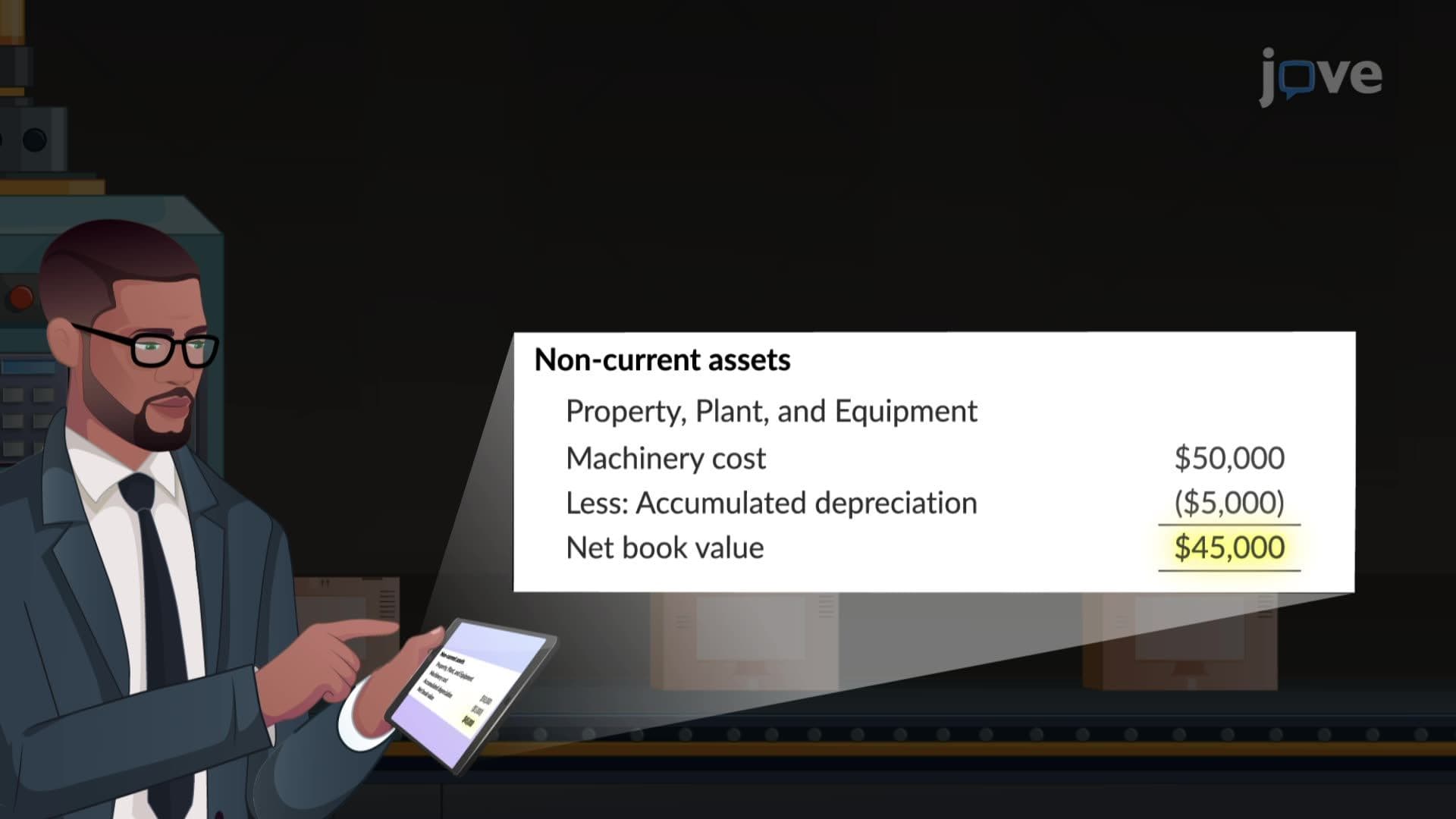
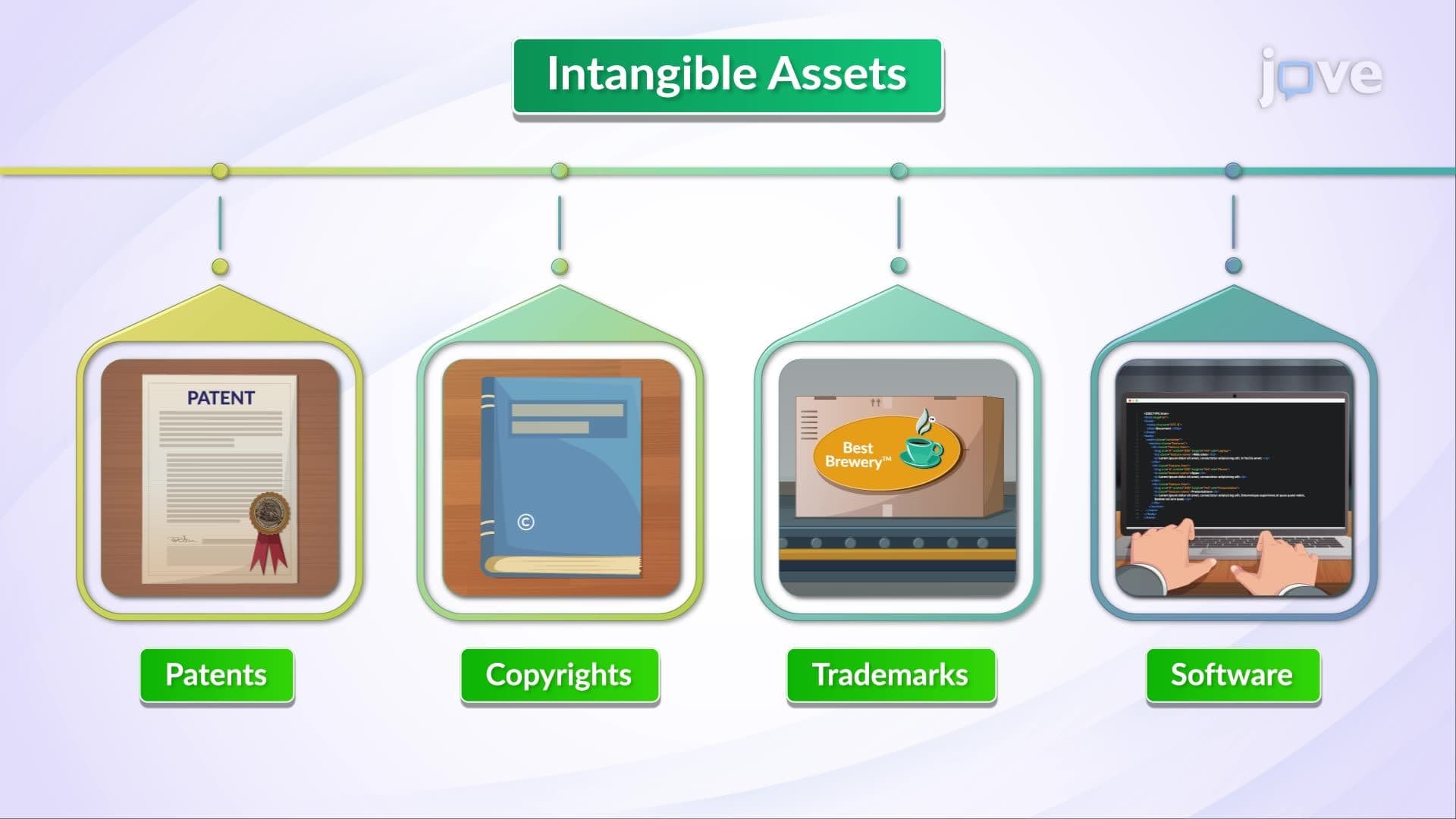
Strategic depth maps to non-current assets, property, long-term investments, and intangible assets like patents, brand value, or proprietary systems. This quadrant tells you where leadership has placed long-term bets. If your organization holds significant intangible assets, that signals a knowledge or IP-driven business model, meaning talent, innovation capacity, and process ownership are likely high priorities for senior leadership.
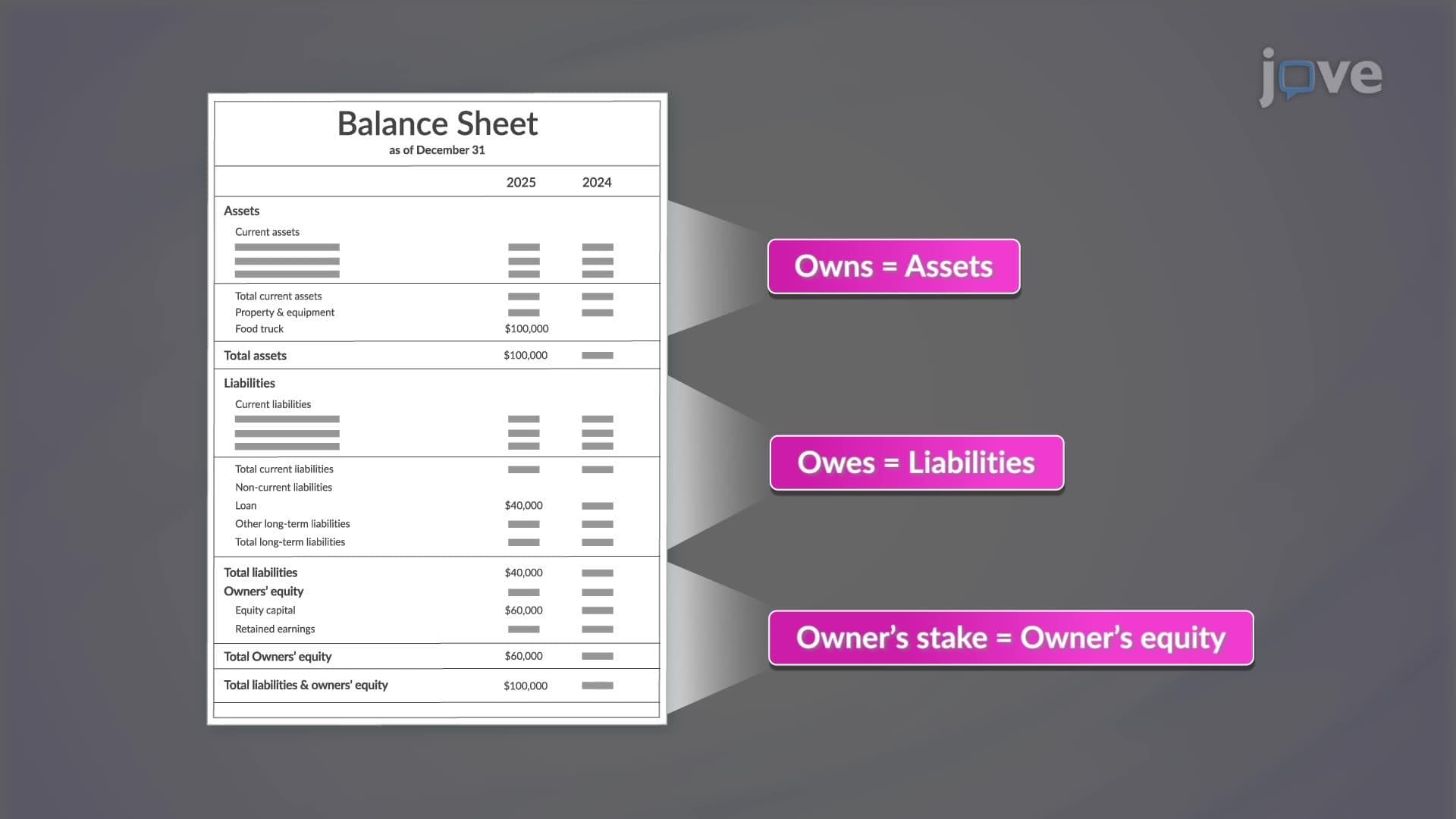
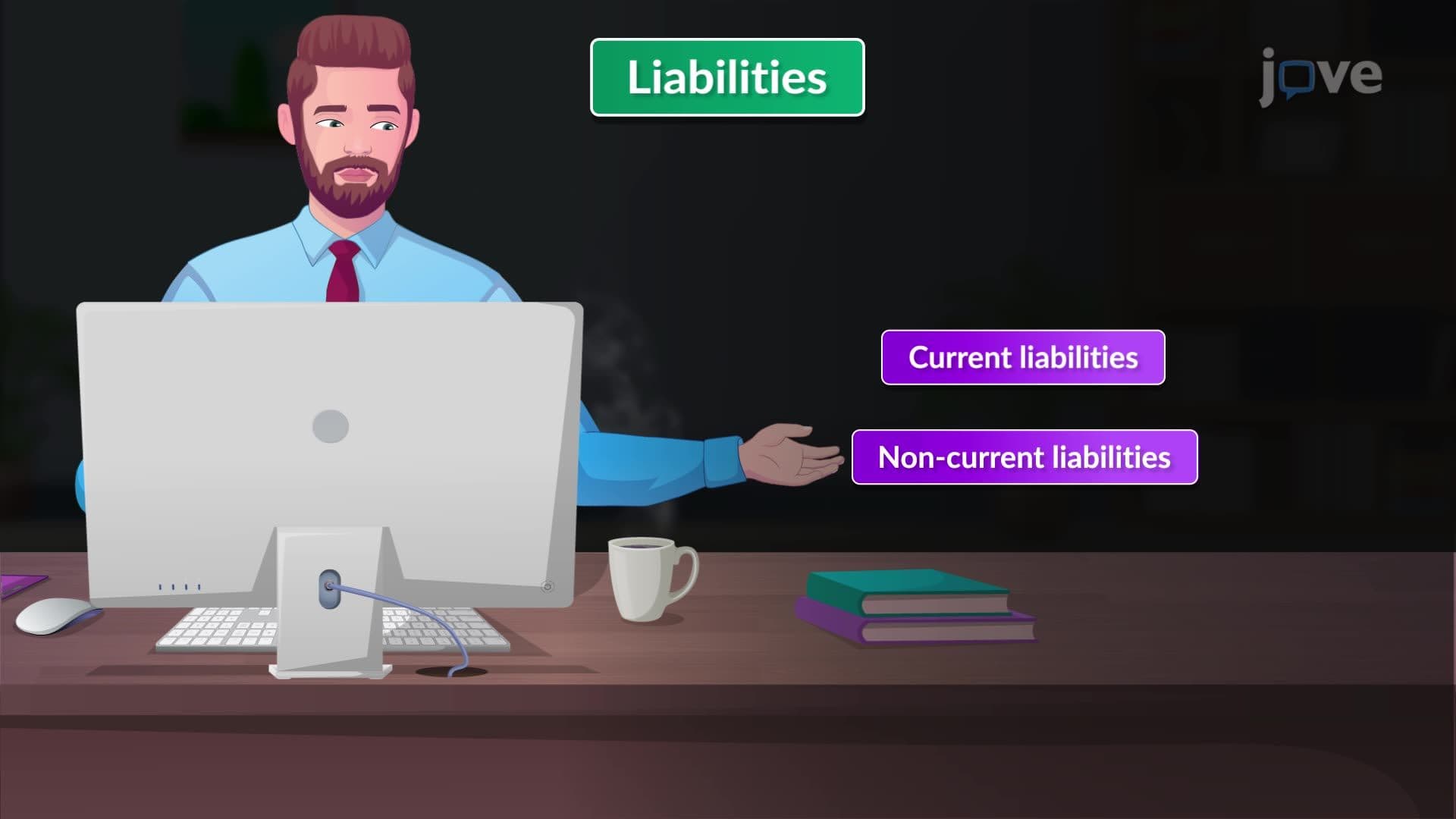
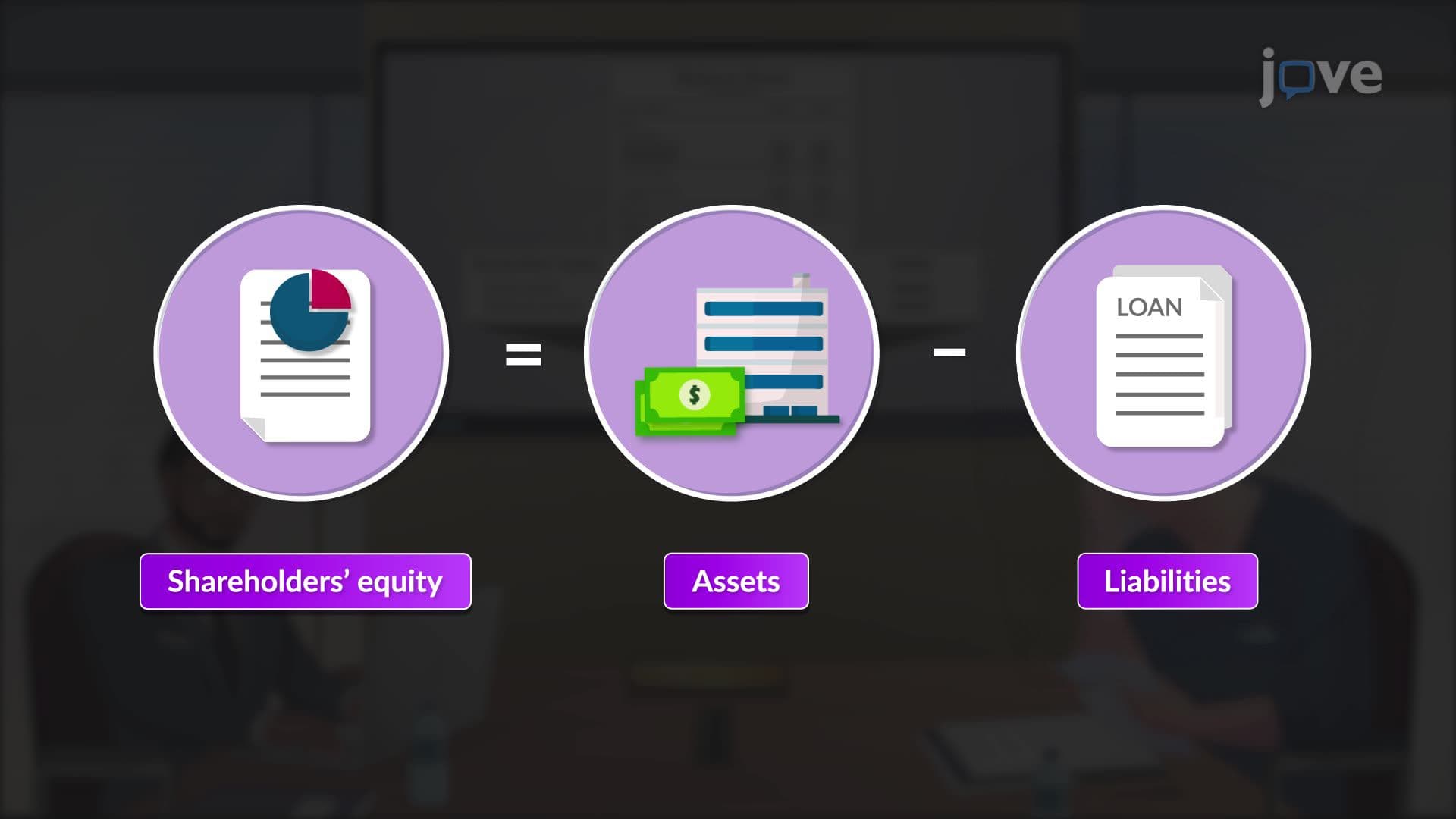
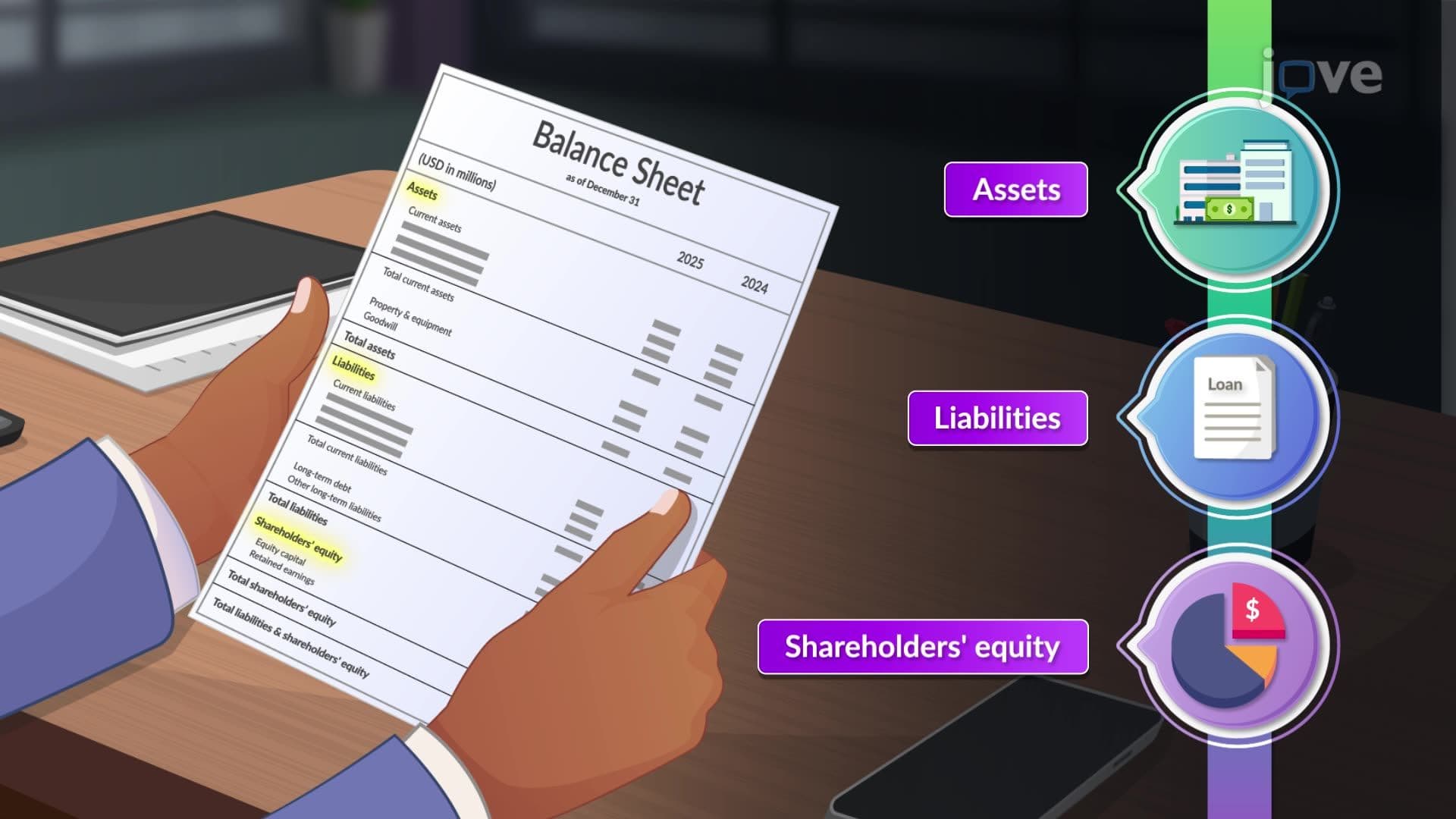
Apply the assets-liabilities-equity relationship as a quick mental model: a healthy balance sheet means assets are well-funded without excessive debt. When you understand this, you can contextualize why finance might push back on a capital request even when revenue looks strong, because the asset side of the equation may already be stretched.
When you next attend a financial review or budget planning session, bring three questions anchored in this framework:
1. "What is our current asset coverage ratio this period?", This asks about short-term liquidity and signals financial sophistication. 2. "How have our non-current assets shifted over the last two accounting periods?", This surfaces strategic investment trends and positions you as someone thinking beyond the immediate quarter. 3. "Where do intangible assets sit as a percentage of total assets?", In knowledge-driven teams, this question opens powerful conversations about how leadership values intellectual capital.
You don't need to become an accountant. You need to speak the language well enough to advocate for your team, challenge poor resource decisions with evidence, and earn a seat in conversations that shape organizational direction.
The most frequent error is treating the balance sheet as a snapshot to be handed back to finance. It's actually a diagnostic tool. Managers who reference asset data in 1:1s, for example, explaining to a team lead why a new tooling budget was declined, demonstrate transparency and build team trust. Those who avoid the numbers inadvertently signal that financial decisions are made above them, not with them.
A second mistake is conflating high asset values with organizational health. A business can hold significant non-current assets, real estate, legacy equipment, while running dangerously low on current assets. Liquidity ratios exist precisely to catch this distinction. As a manager, learning to read both sides of that equation makes you a far more effective voice in leadership discussions.
Related Micro-courses