Loading subject page…


5,288 views


Video Summary: What Is the Cash Flow Statement
Understanding the cash flow statement basics is non-negotiable for managers who approve budgets, justify headcount requests, or defend resource allocation to leadership. The cash flow statement reveals whether a business actually has money to operate, separate from what profit figures suggest. Misreading it leads to poor decisions at exactly the wrong moment. Watch the full video on JoVE Coach to master this concept with expert-led visuals and step-by-step explanations.
Picture this: your department just delivered its most profitable quarter on paper. Leadership is pleased. Yet two weeks later, your finance partner flags that the business is struggling to cover payroll on time. How is that possible? This disconnect, profit on the income statement, cash crisis in operations, is exactly what the cash flow statement is designed to expose. For managers, understanding this document isn't an accounting exercise. It's a leadership competency.
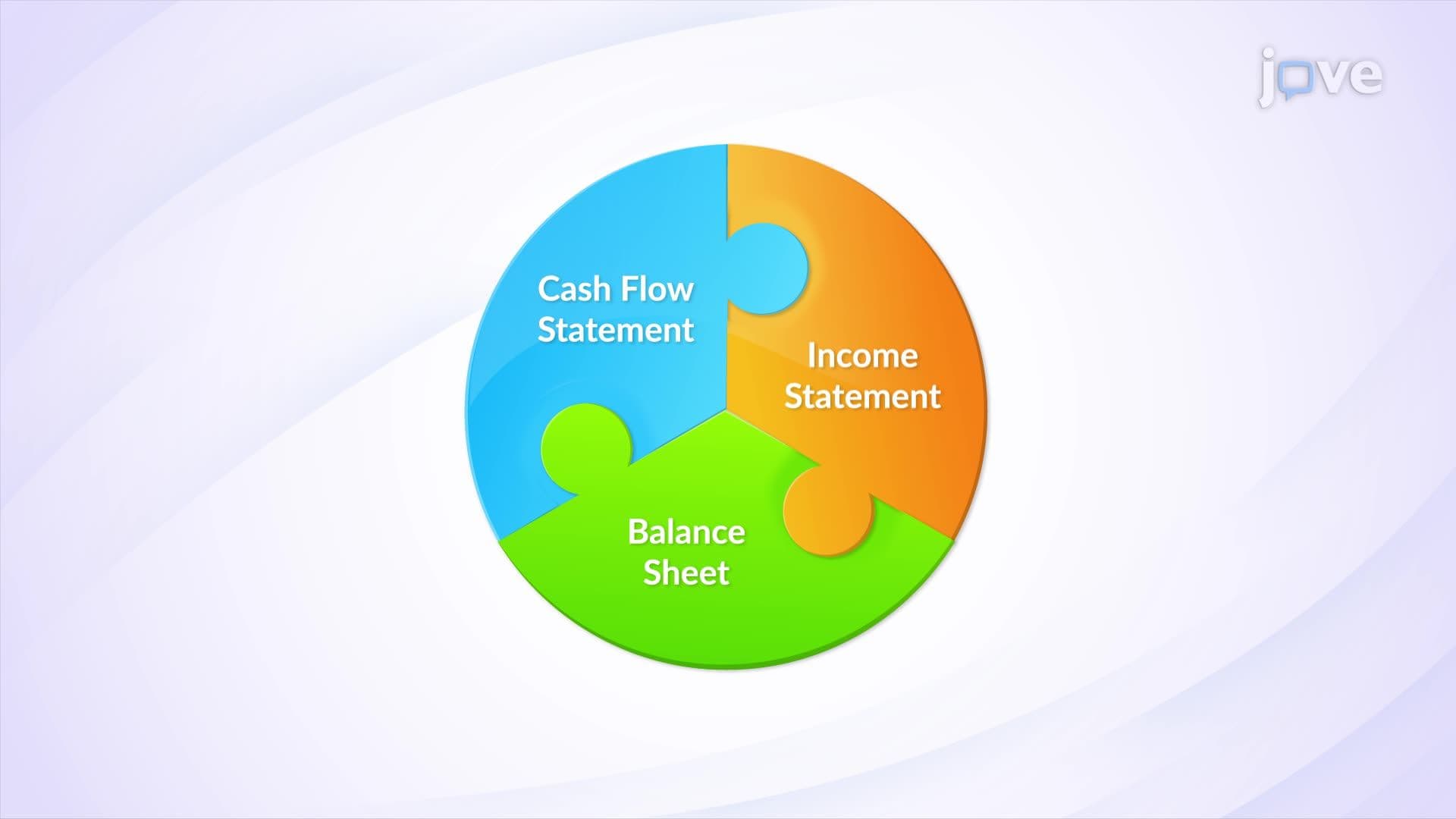
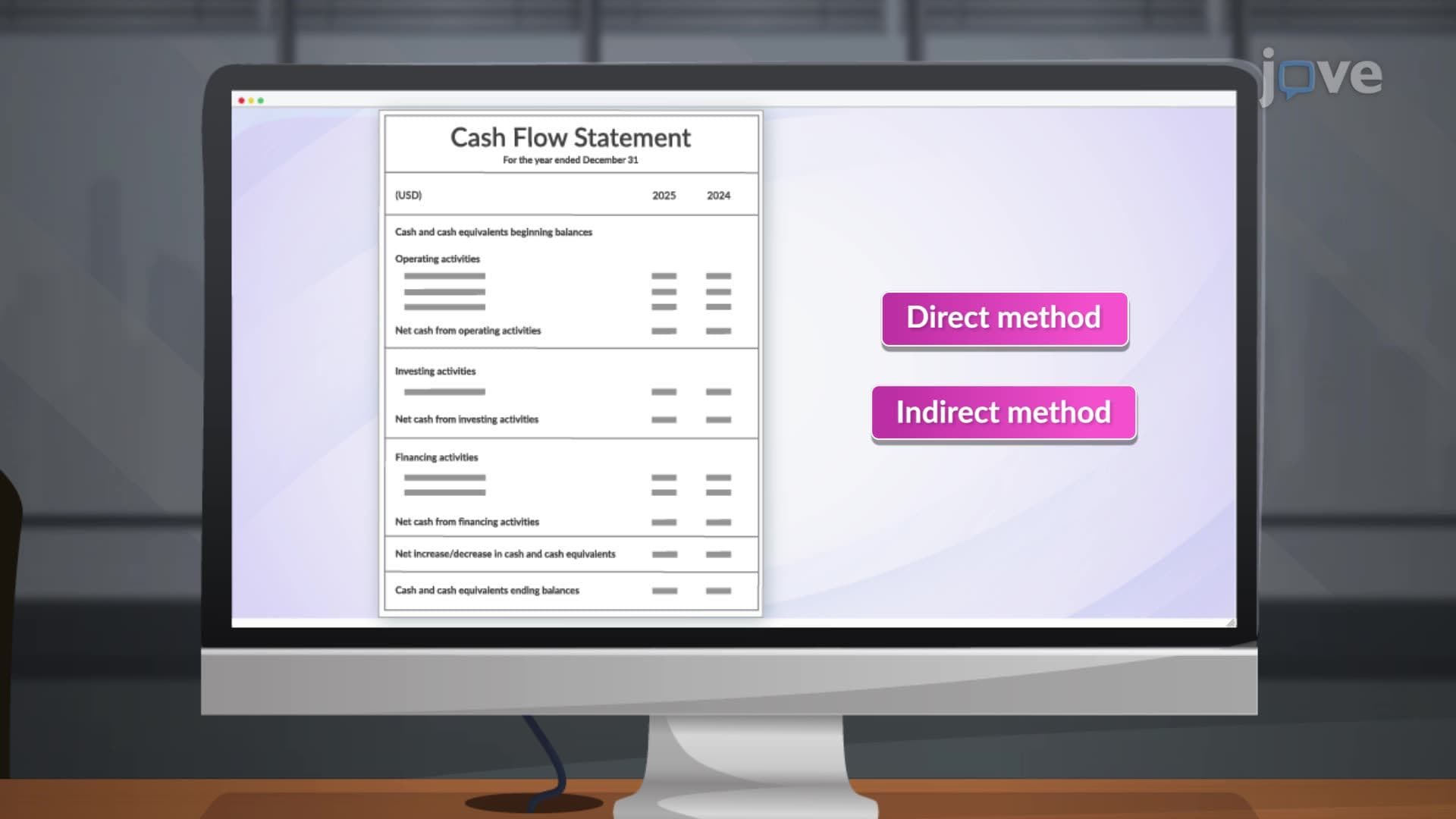
The single most common mistake managers make is treating profit as a proxy for cash. It isn't. A business can book revenue it hasn't collected, carry inventory it hasn't sold, and depreciate assets that cost nothing this period, all of which inflate profit while draining or withholding actual cash. The cash flow statement cuts through this noise. It shows real money moving in real time, organized across three distinct activities: operating, investing, and financing. When a manager learns to read these three sections together, they stop being surprised by budget freezes, hiring holds, or capital denials that seem to come out of nowhere.
Think of the cash flow statement as a three-lens diagnostic tool.
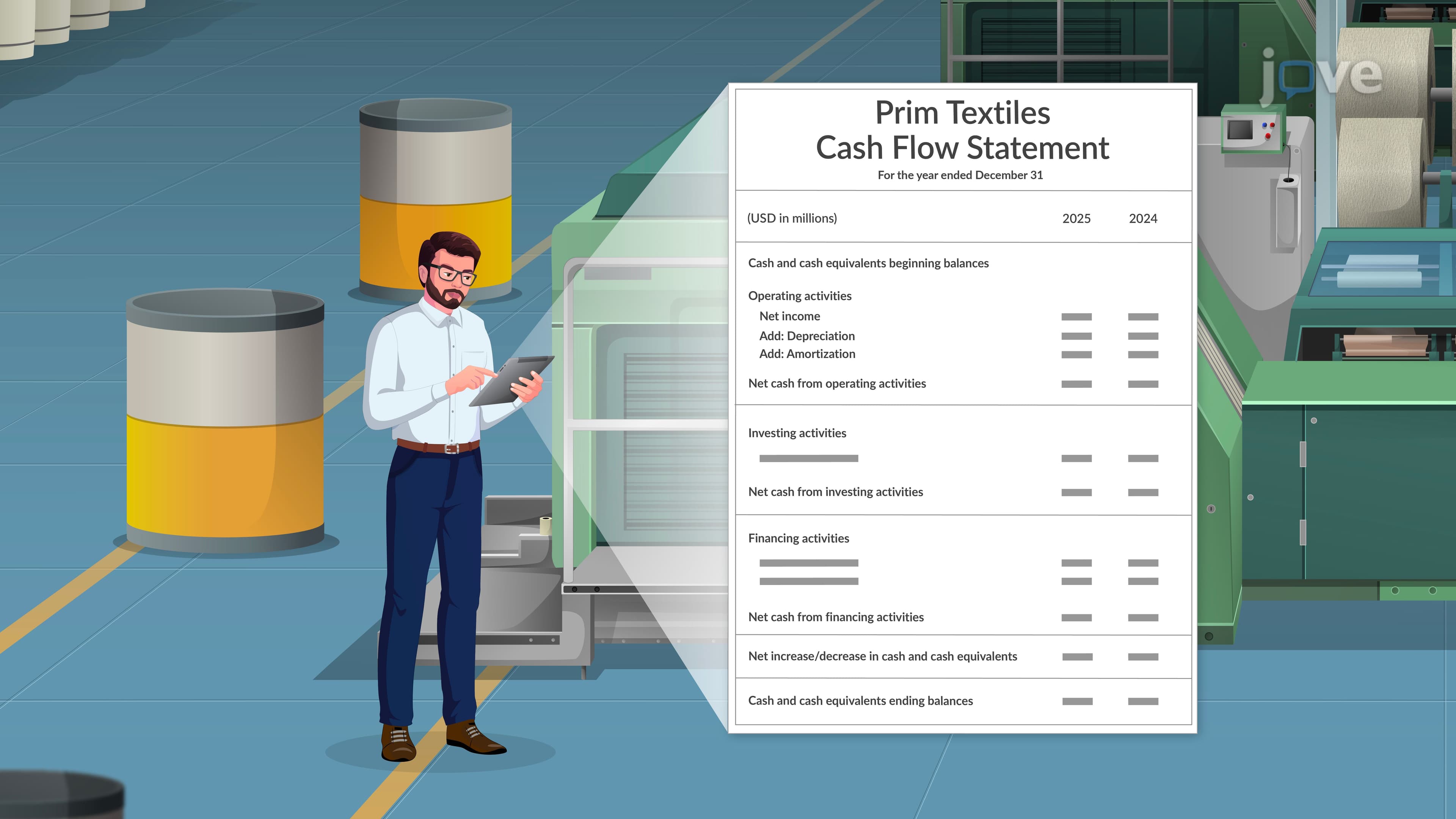
Operating activities reflect the cash your core business generates, sales collected, suppliers paid, salaries disbursed. This is the most important section for day-to-day managers. Sustained negative operating cash flow is a red flag regardless of profit figures. When reviewing this section, apply a simple signal test: Is the business funding itself through its own operations, or is it dependent on external sources to survive?
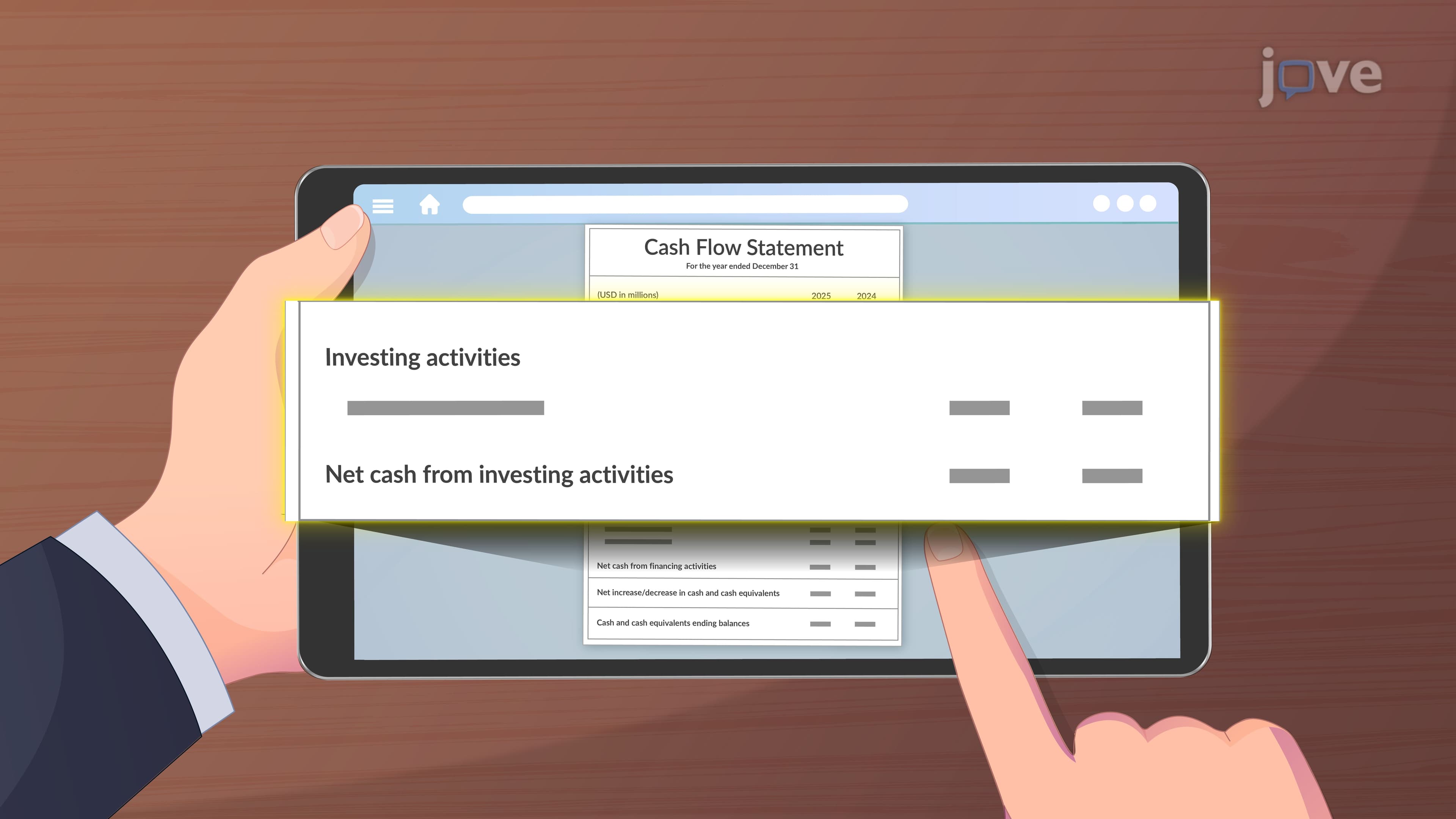
Investing activities capture cash spent on long-term assets, new equipment, technology infrastructure, facility upgrades. A large outflow here isn't necessarily alarming; it often signals intentional growth investment. The key managerial question is: does the operating section generate enough cash to support this spending without creating fragility?
Financing activities show how the business raises and repays capital, loans taken, equity raised, dividends paid. Managers leading cost centers or project teams rarely control this section, but understanding it explains why leadership may tighten budgets even when operations are performing.
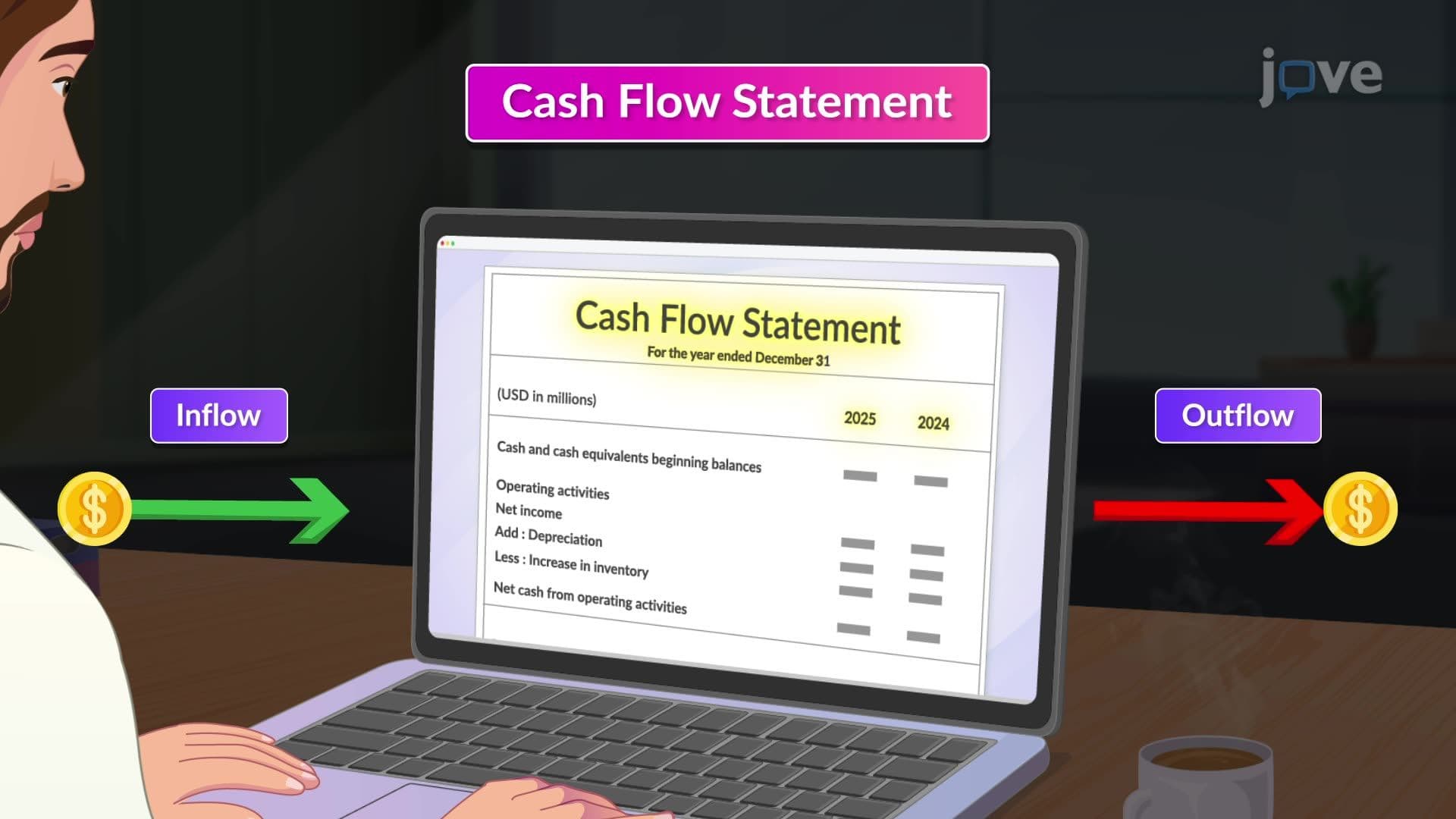
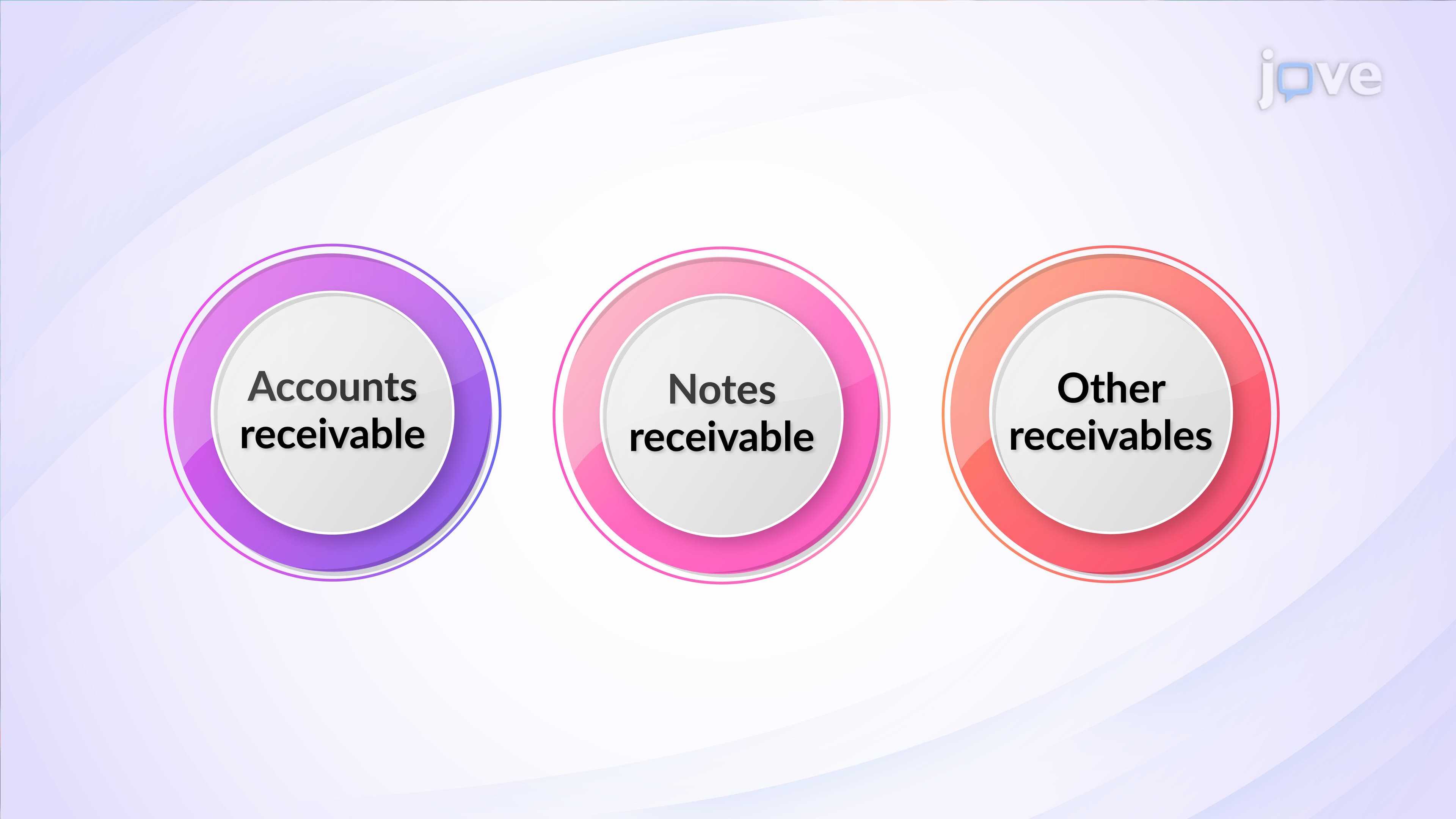
A practical method used in finance is the indirect method of cash flow preparation, it starts with net income and adjusts for non-cash items (like depreciation and amortization) and working capital changes (like shifts in accounts receivable or inventory). Understanding this conversion, how net income becomes cash flow from operations, helps managers interpret the numbers rather than just accept them.
When you're preparing for a budget review, a headcount request, or a capital investment proposal, bring operating cash flow into your narrative, not just projected revenue or cost savings. Leaders who frame proposals through a cash lens signal financial maturity and earn faster buy-in from finance and executive stakeholders. Use a simple structure: state what the investment costs (investing activities), explain how operations will fund it over time (operating activities), and clarify whether any external financing is required (financing activities). This three-part framing transforms a spending request into a credible business case.
Related Micro-courses