Loading video…


 17 Concepts
 5.3K views

Video Summary: What Is Adjustment for Non Cash Items
Adjustment for non-cash items catches many managers off guard when reviewing financial reports, profit looks strong, but cash is tight. Understanding adjustment for non-cash items basics helps you read beyond net income to see what cash is actually available for decisions. Non-cash expenses like depreciation inflate profit without touching your bank balance. Watch the full video on JoVE Coach to master this concept with expert-led visuals and step-by-step explanations.
Imagine your quarterly review shows strong net income, the team hit targets, leadership is pleased. But three weeks later, finance flags a cash shortfall. No funds are available for a contractor your team urgently needs. Nothing went wrong operationally. The issue is that profitability and cash availability are not the same thing, and understanding the adjustment for non-cash items explained in financial reporting is what bridges that gap for working managers.
Net income is calculated under accrual accounting, meaning it includes revenues earned and expenses incurred, regardless of whether cash has actually moved. Non-cash expenses, particularly depreciation and amortization, reduce reported profit without reducing your bank balance by a single cent. Unrealized gains or losses work the same way: they appear on the income statement but involve no physical transaction.
This creates a genuine leadership blind spot. Managers who rely solely on profit figures to assess business health are missing a critical dimension, actual liquidity. If you're making headcount decisions, approving spend, or forecasting capacity, understanding operating cash flow gives you far sharper visibility into what the business can actually do right now.
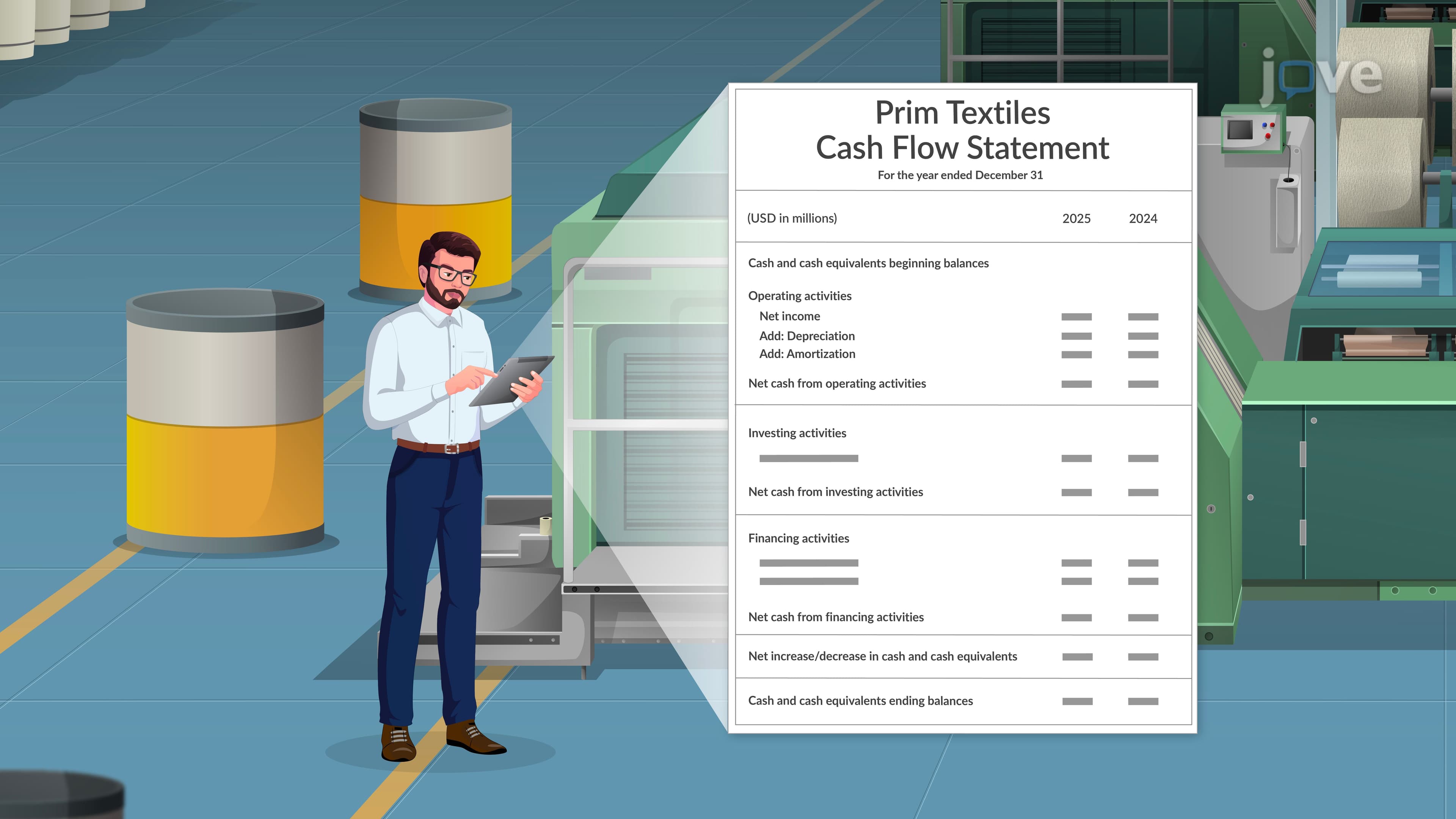
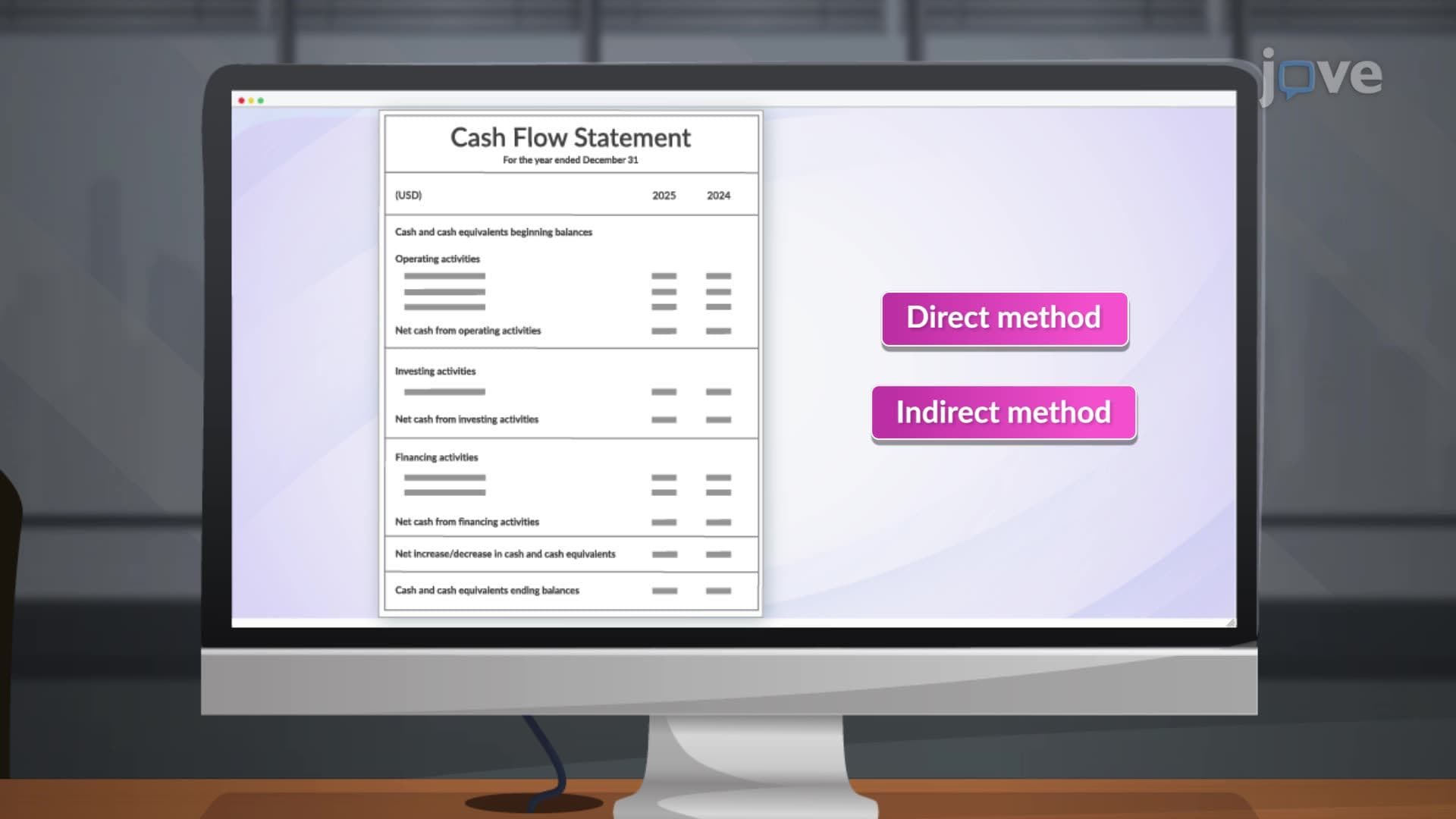
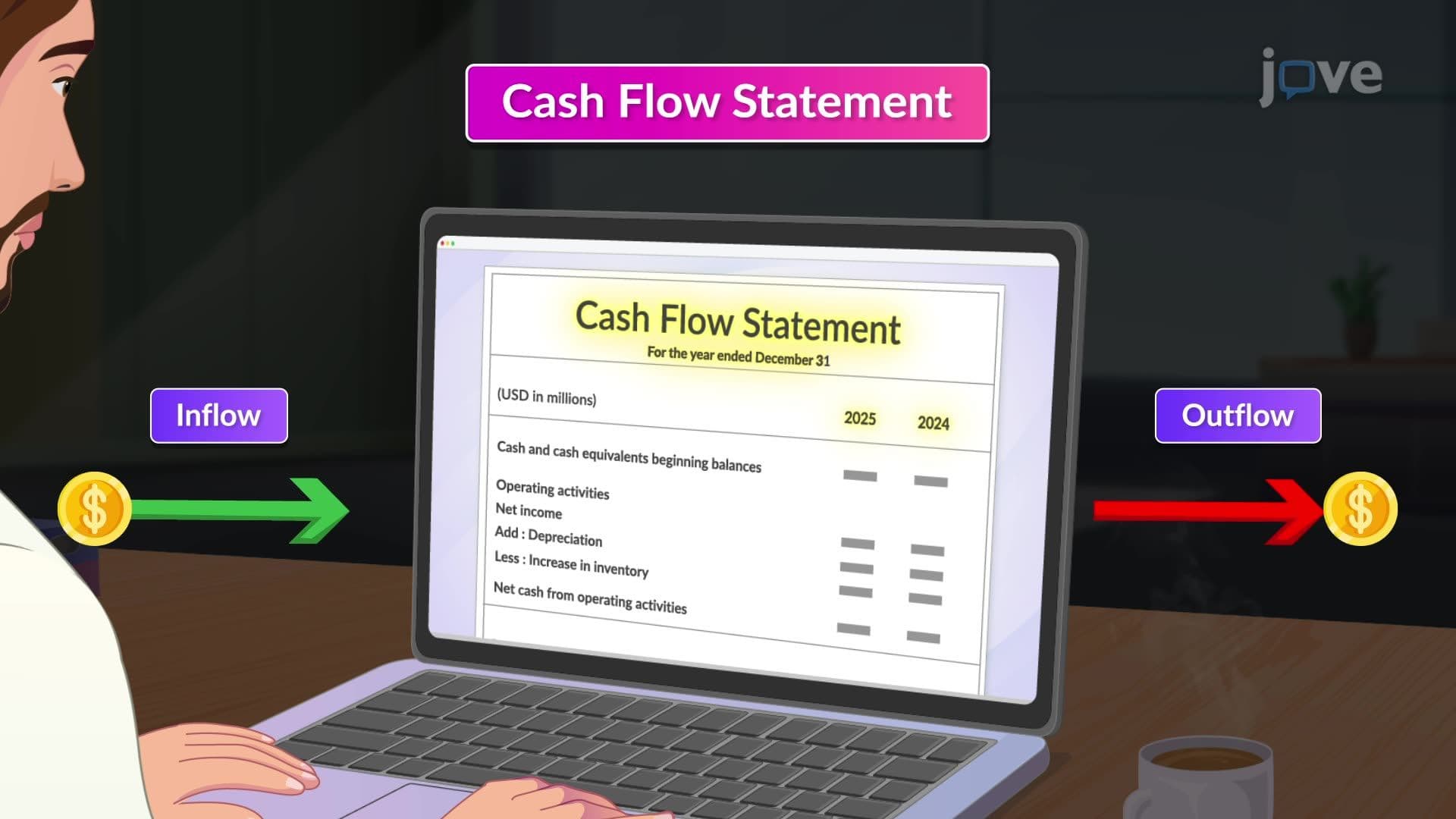
The indirect method is the most widely used approach to preparing the operating activities section of a cash flow statement. It starts with net income, what accounting says you earned, and then works backward, adjusting for items that affected profit but not cash.
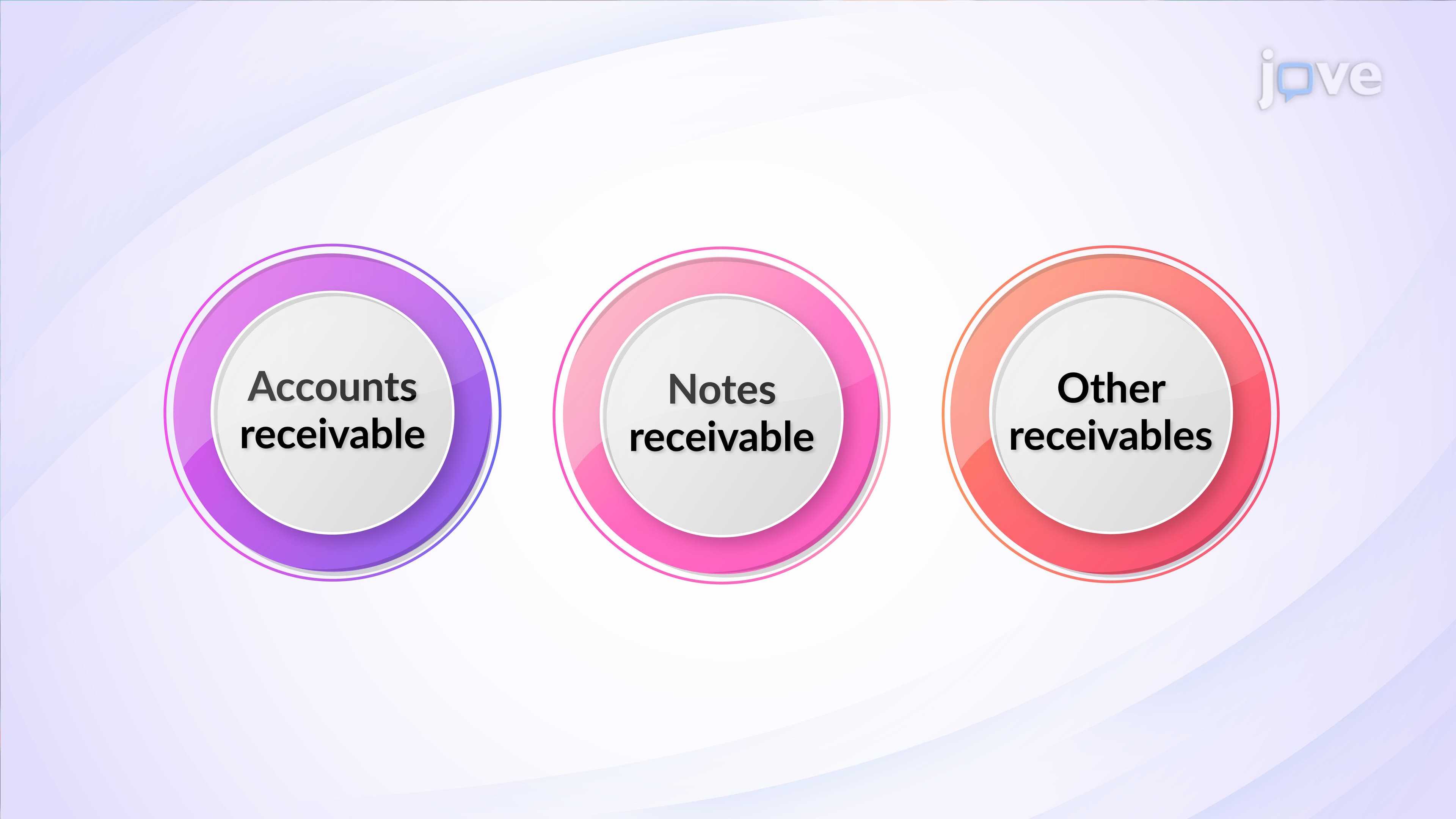
The adjustment process works in two steps: 1. Add back non-cash expenses, depreciation, amortization, and similar charges reduced net income but involved no cash outflow, so they are reversed 2. Adjust for working capital changes, changes in receivables, payables, and inventory also affect cash differently from how they affect profit
Using the video's example: a business with $50,000 net income that includes $5,000 in depreciation will show $55,000 in operating cash flow, because that $5,000 was never actually spent. The $50,000 figure understated the cash position.
As a manager, you don't need to build this statement yourself. But when you're sitting in a financial review, you need to know why the operating cash flow line is higher or lower than the profit line, and whether that gap is explained by non-cash adjustments or something more concerning.
When reviewing financial reports with your team or finance partners, adopt a simple diagnostic habit: always ask for both net income and net cash flow from operating activities together. If they diverge significantly, ask specifically about non-cash items and working capital changes.
In planning discussions, use the distinction to make more grounded arguments. For example, if leadership is hesitant to approve a resource request because "profit is tight," cash flow data adjusted for non-cash items may show the business is actually generating sufficient operating cash. Conversely, a team reporting strong profits but deteriorating operating cash flow may signal a real constraint that warrants closer scrutiny.
This is the kind of financial fluency that distinguishes managers who lead with confidence from those who wait for someone else to interpret the numbers for them.
The most frequent mistake is treating net income as a proxy for cash. This leads to approval decisions, hiring plans, or investment timelines that don't reflect actual cash availability. A related error is assuming that if cash flow is higher than net income, something has gone wrong, when often it simply reflects non-cash expenses being added back correctly.
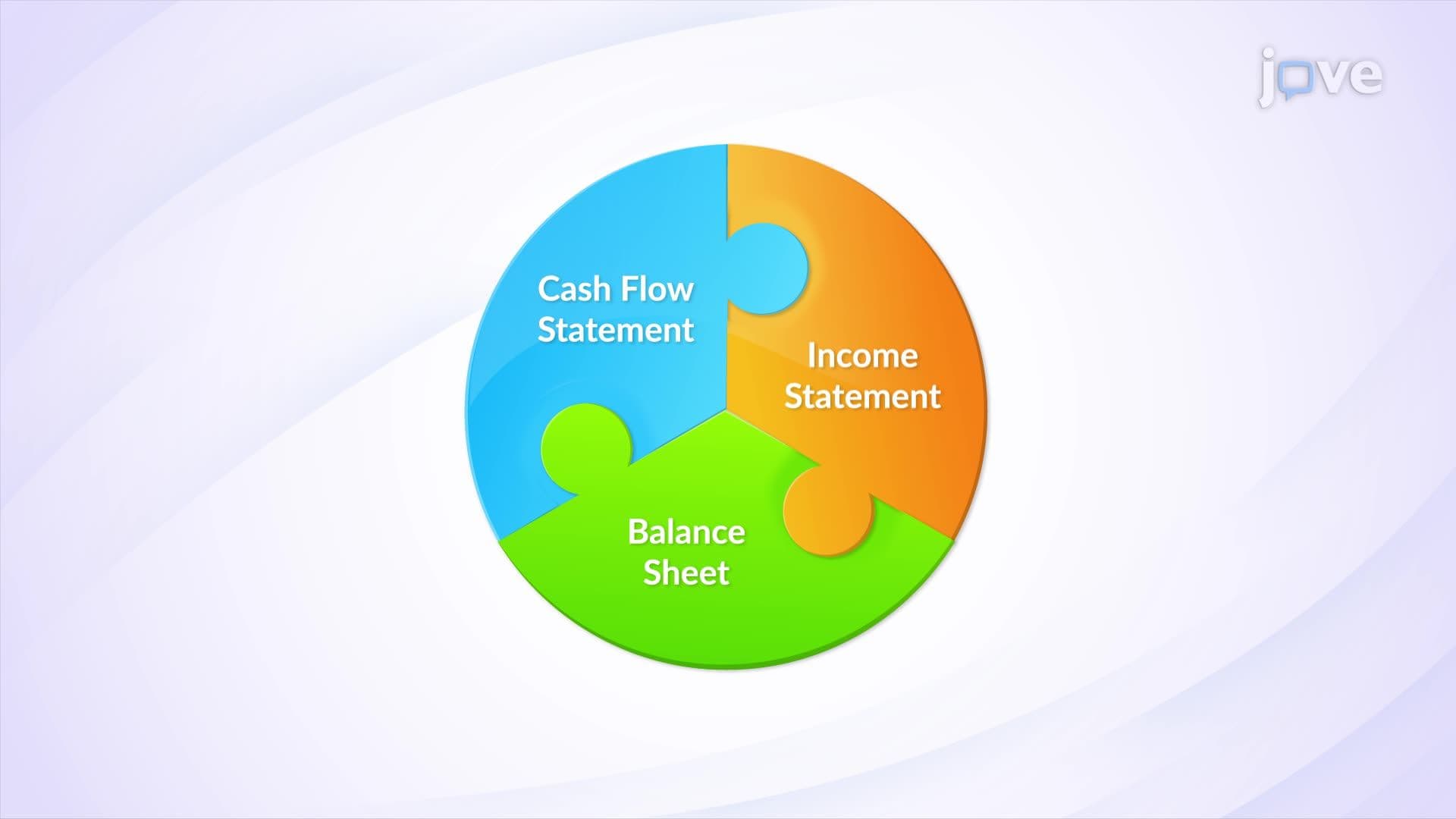
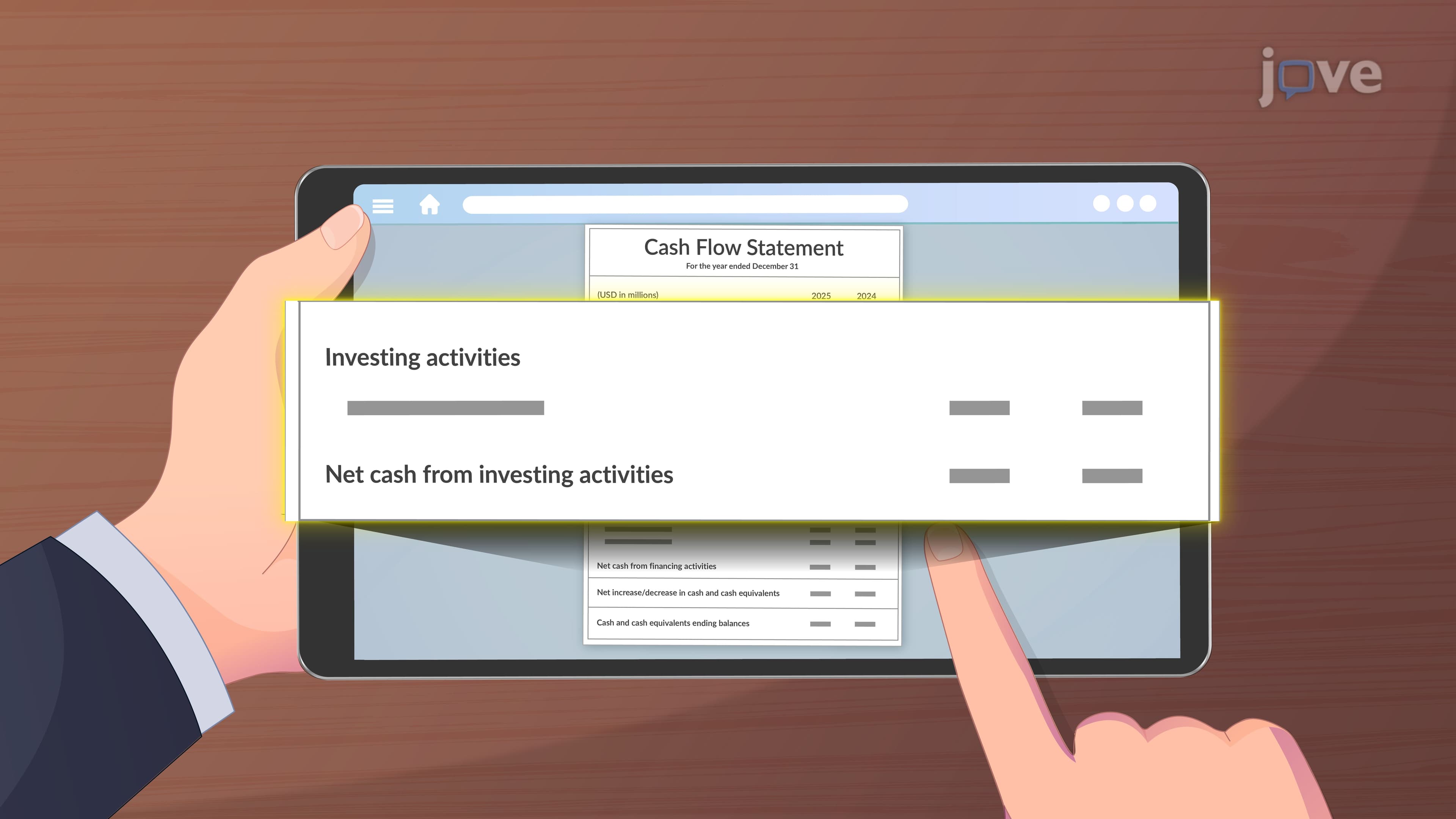
Another gap is failing to distinguish between operating, investing, and financing activities on the cash flow statement. The adjustment for non-cash items is specific to the operating section. Mixing signals from all three sections without context produces confusion, not clarity. Build the habit of reading each section separately before drawing conclusions.
Related Micro-courses