Loading video…


 17 Concepts
 5.3K views

Video Summary: Analysis of Changes in Working Capital
Analysis of changes in working capital is a critical skill for managers who need to connect operational decisions to actual cash movement, not just reported profit. When your team's daily activities affect receivables, inventory, or payables, cash flow shifts in ways that income statements won't show. Understanding this gap prevents costly liquidity surprises. Watch the full video on JoVE Coach to master this concept with expert-led visuals and step-by-step explanations.
Picture this: your operations team reports a strong quarter. Revenue is up, the pipeline looks healthy, and your income statement reflects solid growth. Yet finance flags a cash crunch. Payroll is tight. A supplier is asking for early payment. What went wrong? Nothing, and everything. This is the classic disconnect between profit and cash, and understanding the analysis of changes in working capital is what separates financially aware managers from those who are perpetually surprised by liquidity problems.
Working capital, the difference between current assets and current liabilities, is constantly in motion. Every time your team extends credit to a customer, purchases inventory, or delays a supplier payment, cash moves in ways that profit figures simply don't capture.
The core logic is counterintuitive at first: when current assets increase (say, accounts receivable rises because customers haven't paid yet), cash actually decreases. Conversely, when current liabilities increase (say, you delay paying a vendor), the company retains cash longer, a cash inflow. Most managers default to reading profit as a proxy for financial health. Working capital analysis corrects that assumption with precision.
A practical tool for managers is to think in terms of a Working Capital Cash Flow Map, a simple directional grid:
| Change | Cash Effect | |---|---| | Current assets increase | Cash decreases (outflow) | | Current assets decrease | Cash increases (inflow) | | Current liabilities increase | Cash increases (inflow) | | Current liabilities decrease | Cash decreases (outflow) |
Apply this during monthly operational reviews. When your receivables team reports a spike in outstanding invoices, you can immediately flag this as a cash outflow event, even if revenue looks strong. When procurement accelerates inventory purchases ahead of season, that's cash tied up. When vendor payment terms are extended, that's a temporary cash preservation strategy.
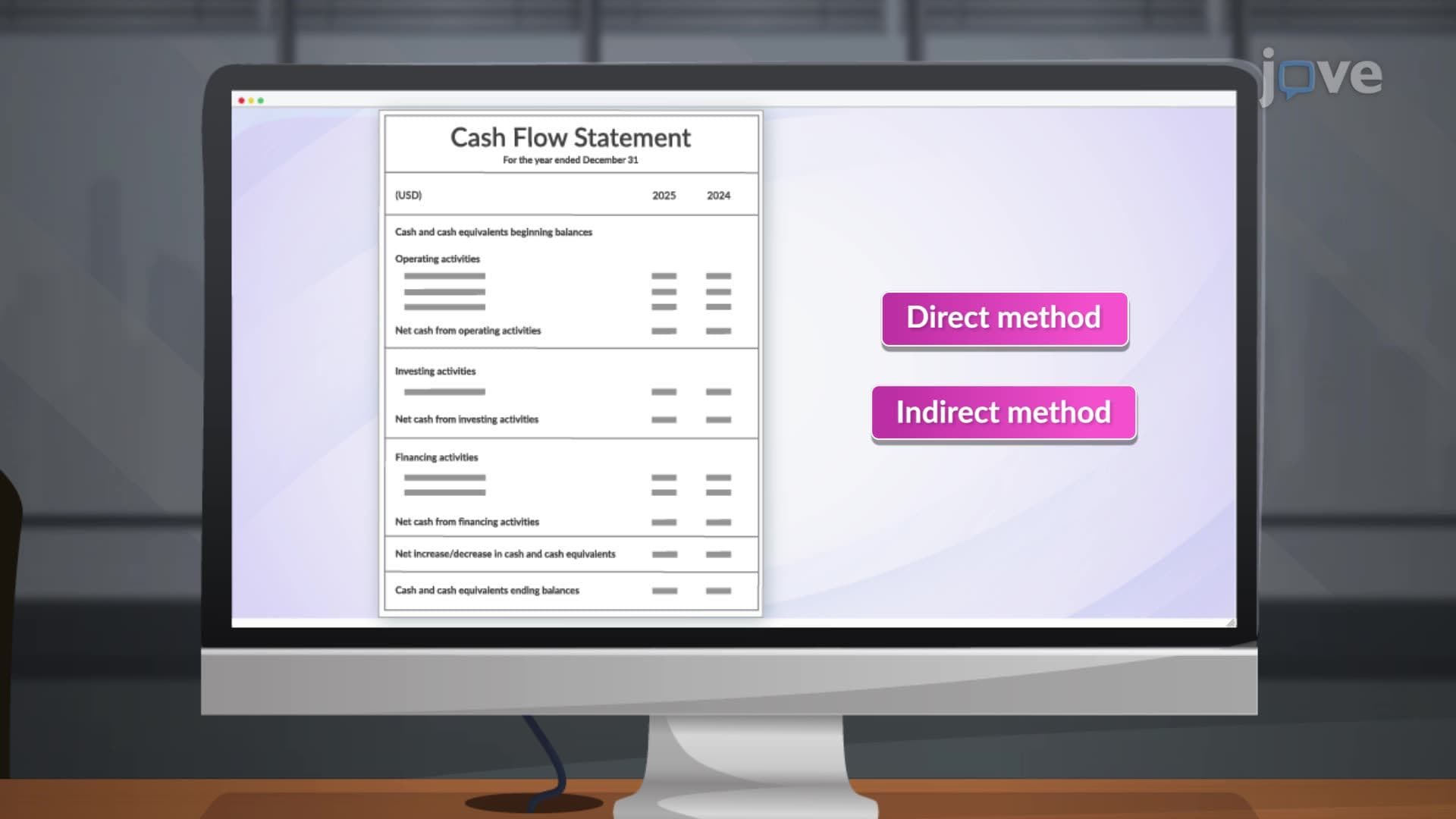
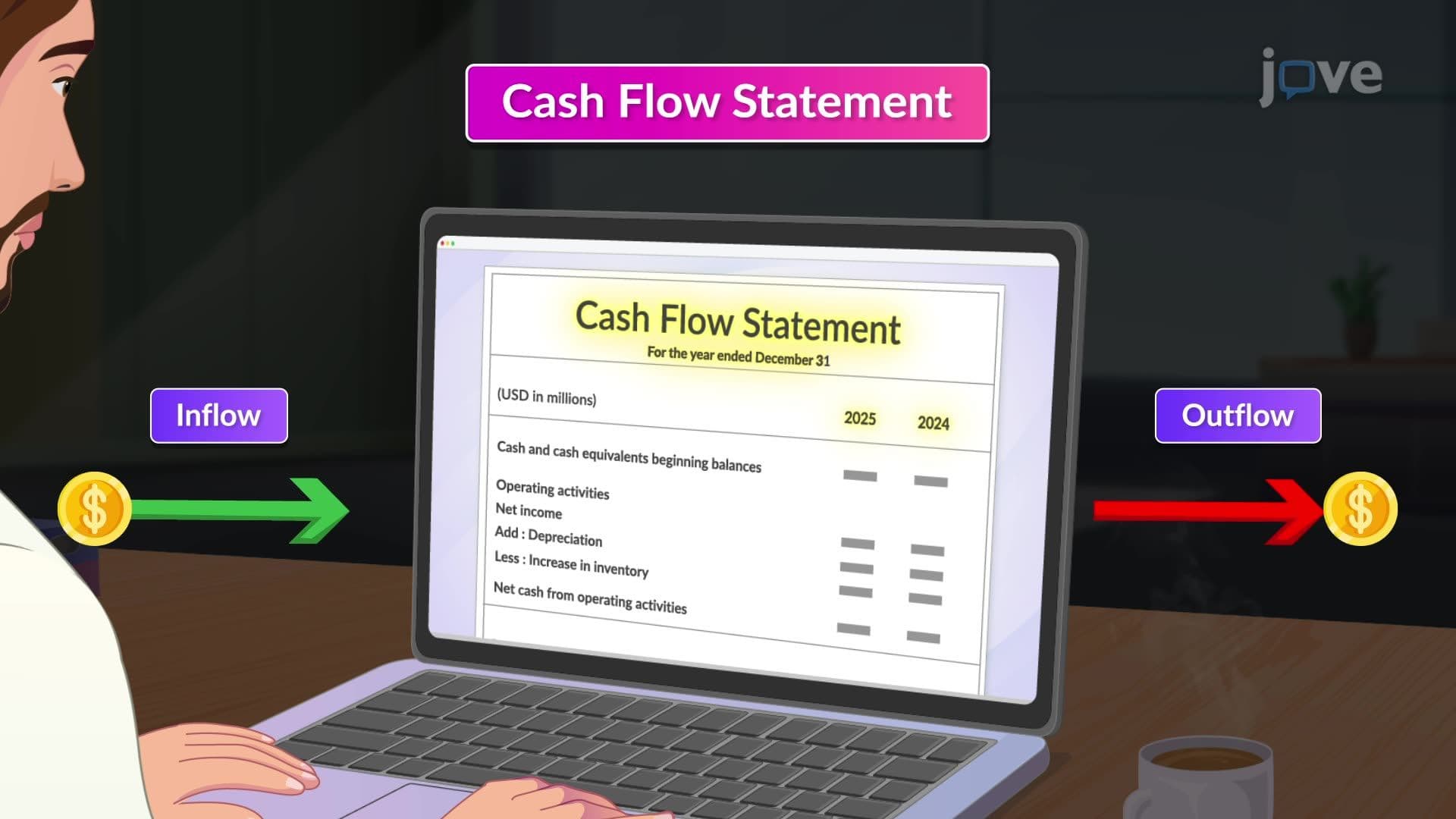
This framework pairs naturally with the indirect method of cash flow reporting, where net income is adjusted for non-cash items (like depreciation) and working capital changes to arrive at actual operating cash flow. Managers who understand this reconciliation can have far more productive conversations with their finance partners.
Consider a scenario where you're leading a mid-quarter operations review. Inventory levels are up due to an anticipated demand spike. Customer collections have slowed. At the same time, a decision was made to pay a key supplier early to lock in a discount.
Running a quick working capital analysis reveals: the inventory increase is a cash outflow, the slower collections represent another cash outflow, and the early supplier payment reduces a current liability, also a cash outflow. Three simultaneous cash drains, none of which appear as losses on the income statement.
Using this analysis, you can reframe the discussion: *"We're not losing money, but we are consuming cash faster than we're generating it from operations. What's our plan to accelerate collections before the next cycle?"* That's the kind of financially grounded leadership question that earns credibility with senior stakeholders and finance leadership alike.
Treating profit as cash. Net income includes accruals, deferrals, and non-cash items. It is not cash. Managers who conflate the two are perpetually caught off guard.
Ignoring the timing of transactions. Working capital changes are fundamentally about timing, when cash comes in versus when obligations are recognized. A sale booked this month may not convert to cash for 45 days.
Overlooking the cumulative effect. Individual working capital changes may seem small. A $5,000 rise in receivables, a $2,000 inventory decrease, and a $3,000 increase in payables may net to zero cash impact, as the transcript example illustrates, but the pattern over multiple periods tells a more important story about operational efficiency and liquidity management discipline.
Related Micro-courses