Loading video…

 17 Concepts
 5.3K views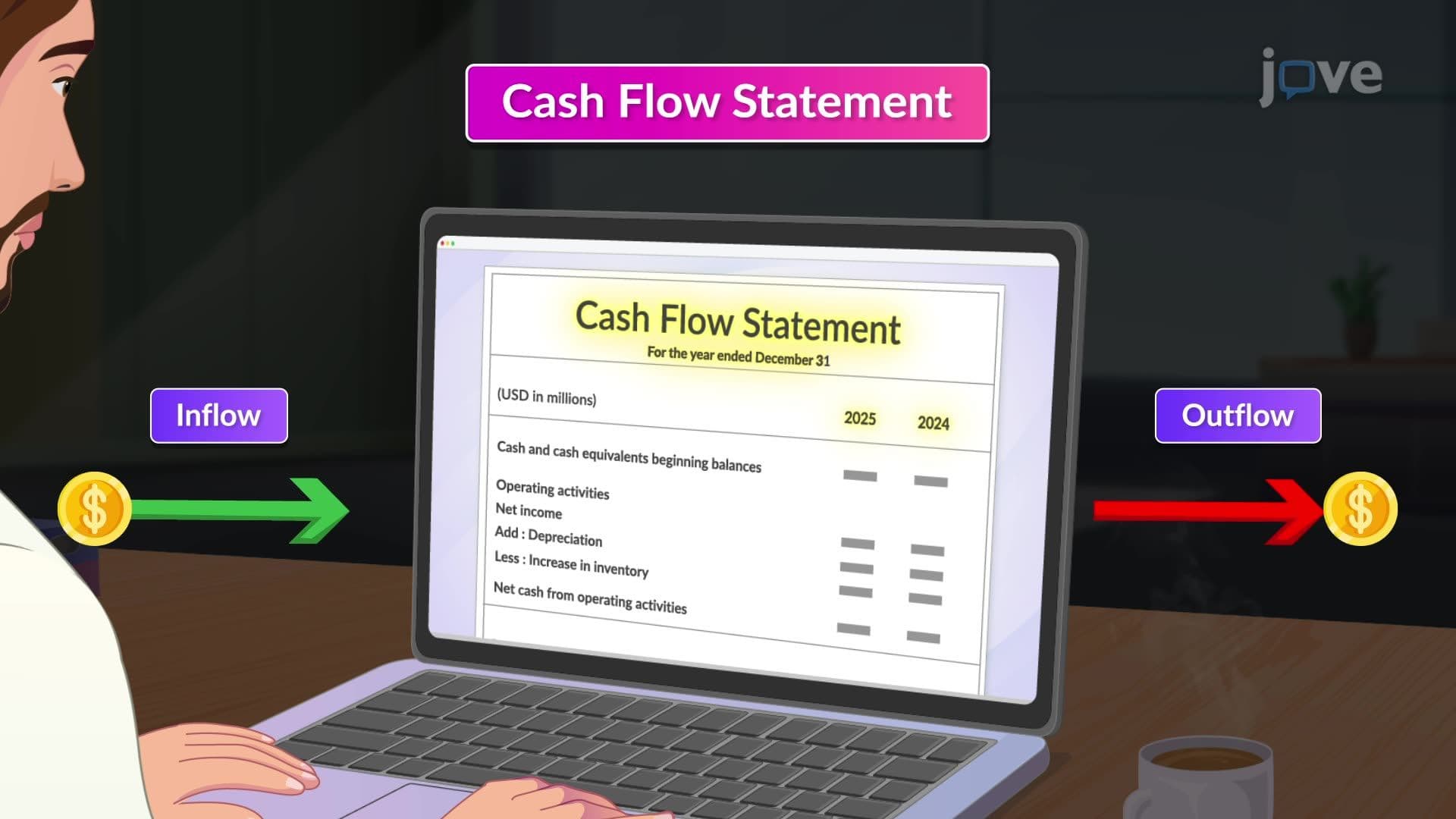

Video Summary: Preparation of Cash Flow Statement
Preparation of cash flow statement basics trips up many managers when they're asked to justify budget decisions or explain why a profitable quarter still left the team short on resources. Understanding how cash actually moves, across operating, investing, and financing activities, gives you the clarity to lead financial conversations with confidence. Watch the full video on JoVE Coach to master this concept with expert-led visuals and step-by-step explanations.
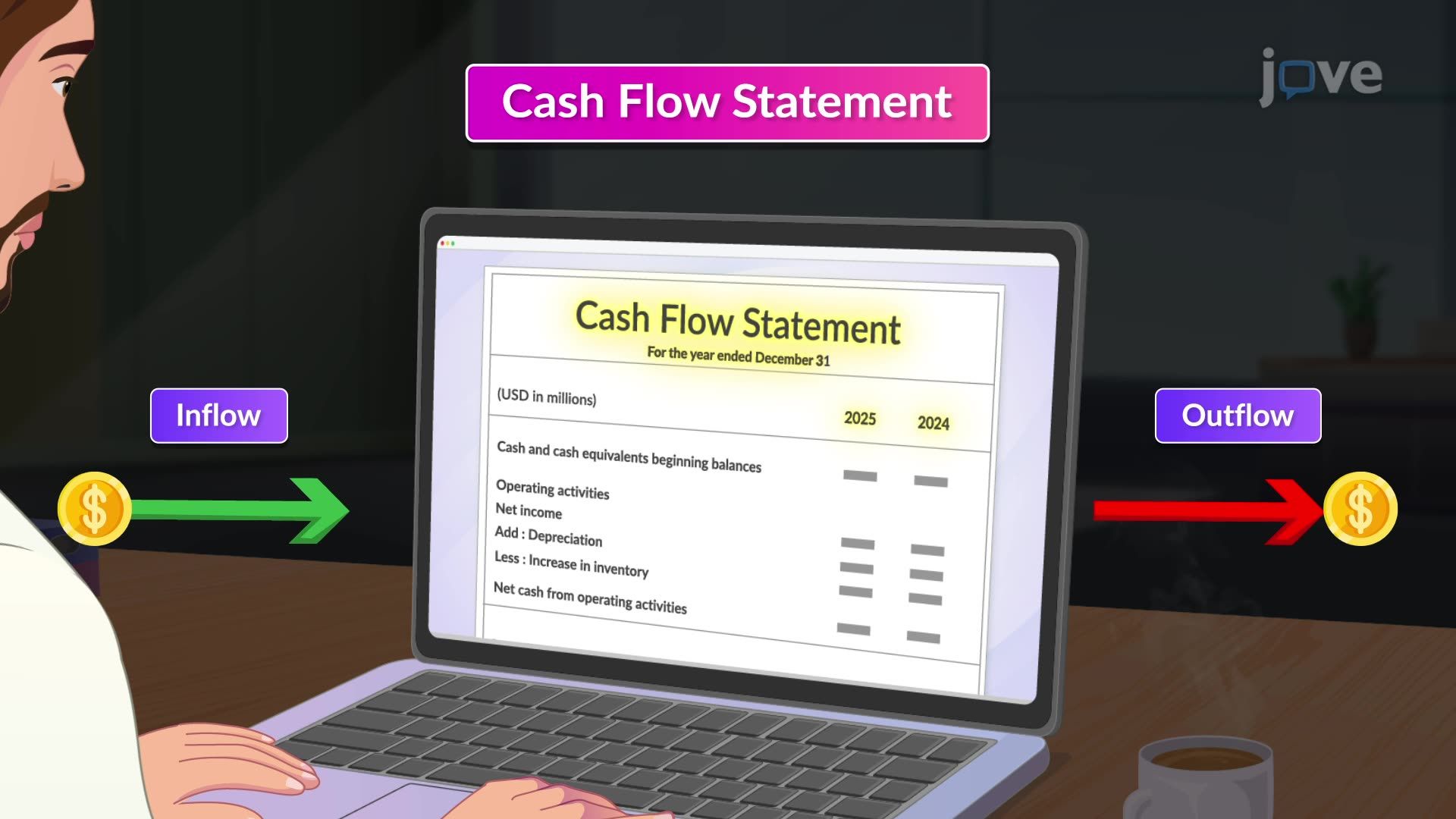
You've just wrapped a strong quarter. Net income is up, the leadership team is pleased, and then Finance tells you there's a cash shortfall. Your team can't get the equipment they requested. To a new manager, this feels contradictory. To a financially fluent manager, it's explainable in minutes. That's exactly the gap the preparation of cash flow statement addresses: the difference between what a business *earns* and what it actually *has*.
Most managers are comfortable with profit and loss figures because they're visible in performance reviews and team scorecards. Cash flow, however, tells a different story, and it's often the truer one. A business can post strong net income while simultaneously burning through cash due to inventory build-up, capital investments, or slow receivables collection.
The core issue is that net income is an *accounting* figure. It includes non-cash items like depreciation, expenses that reduce reported profit but don't actually take money out of the bank. When you prepare or review a cash flow statement, you're stripping away that accounting layer to see the real financial pulse of the operation. Managers who skip this step often make resource allocation decisions based on incomplete information.
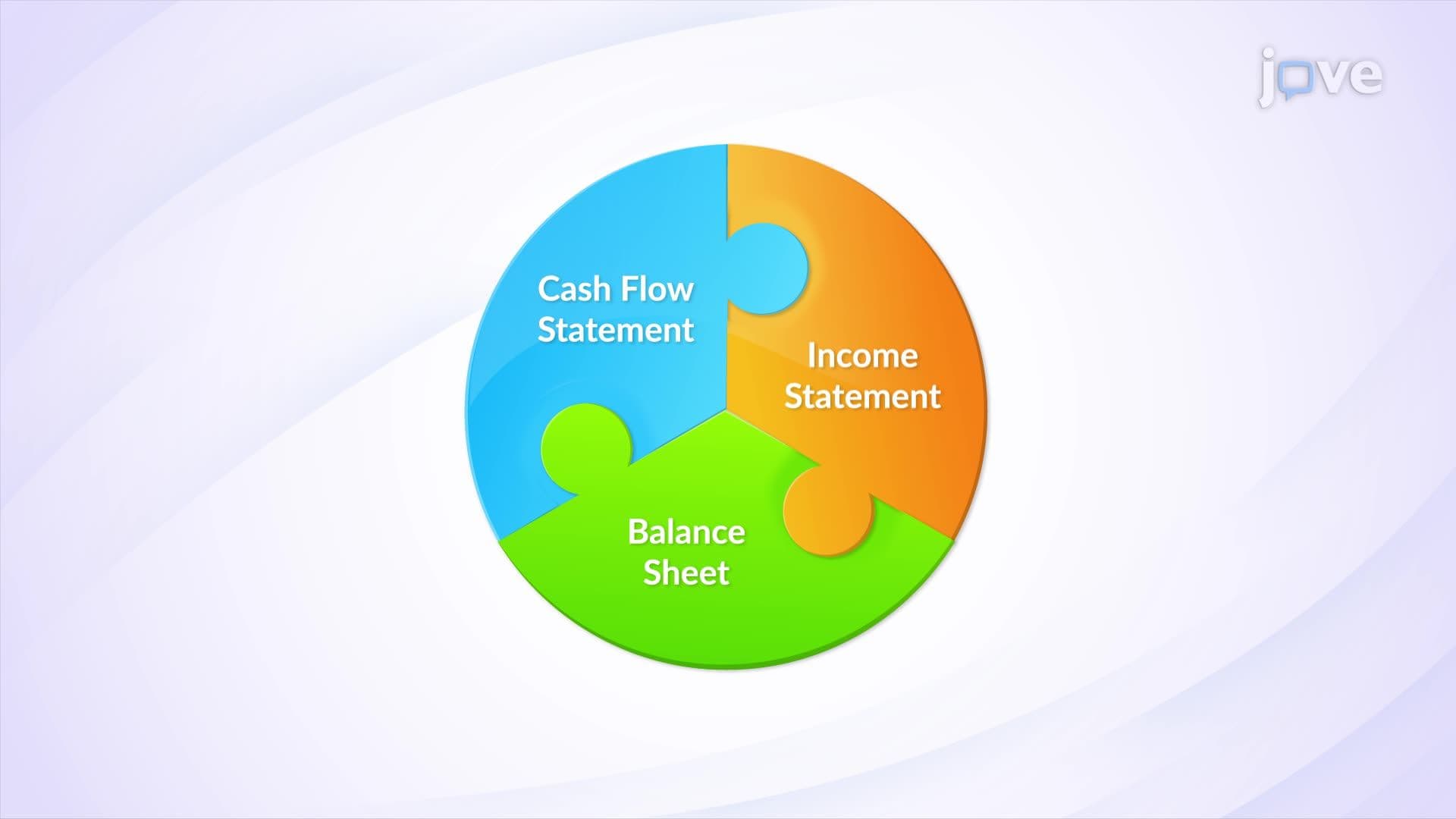
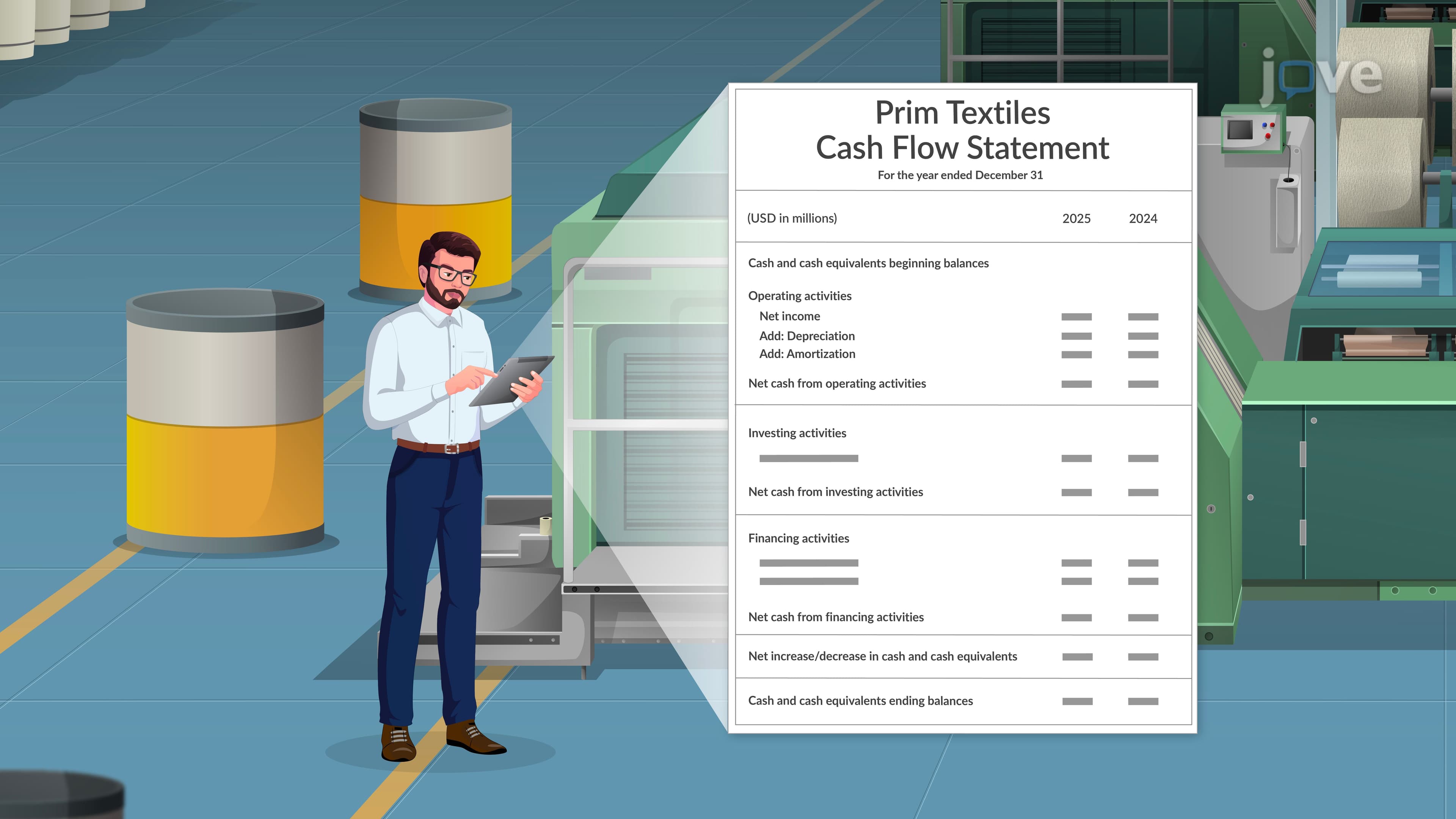
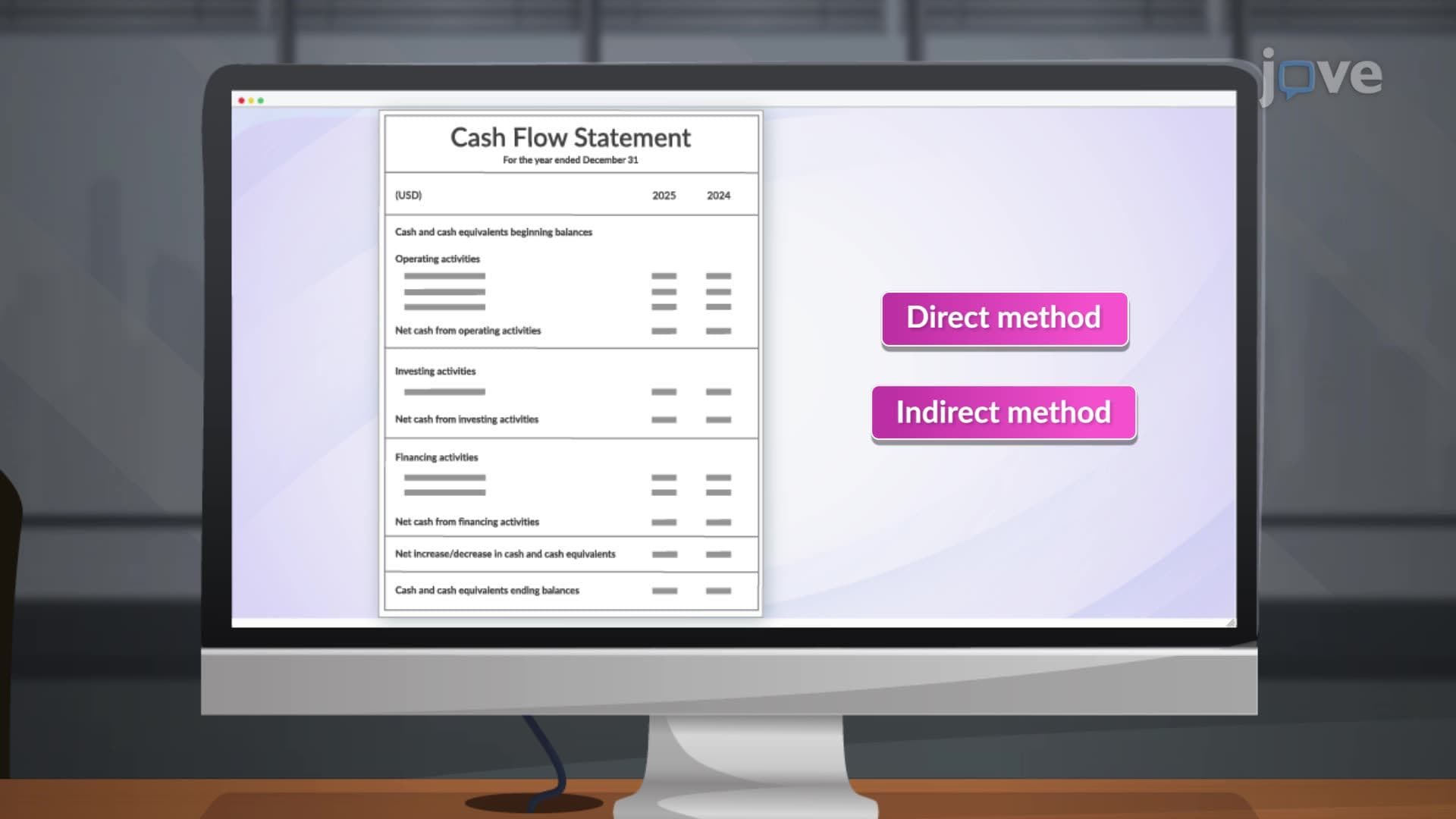
The preparation of cash flow statement is built around three distinct activity categories, and understanding each one changes how you interpret business performance:
1. Operating Activities, This is the engine. It reflects cash generated from core business operations. Using the indirect method (the most common approach), you start with net income, add back non-cash expenses like depreciation, and adjust for working capital changes. If inventory goes up, cash goes down, that stock hasn't been converted to revenue yet. If accounts receivable rises, you've earned the income but haven't collected the cash. These adjustments are where most managers lose the thread, but they're also where the most actionable insight lives.
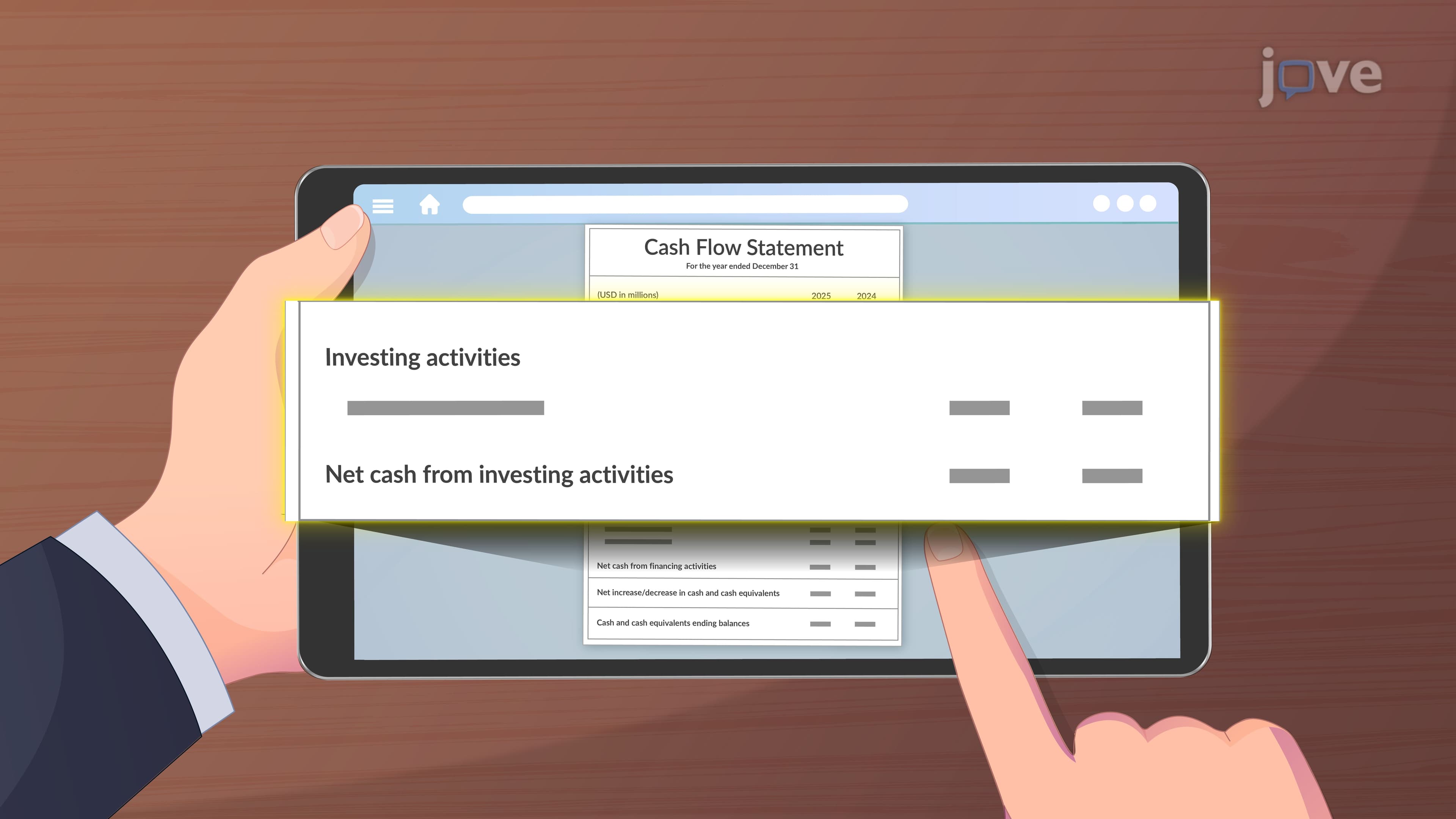
2. Investing Activities, Equipment purchases, technology investments, and asset acquisitions appear here as cash outflows. This is why a business can show strong operating cash flow and still reduce its net cash position, it's reinvesting in capacity. When your team requests a significant capital purchase, this is the section it will appear in, and understanding that helps you frame the business case accurately.
3. Financing Activities, Loans taken, dividends paid, equity raised, these transactions appear here. While less immediately relevant to day-to-day team management, they signal how the organization is funding its strategy.
The most practical application for managers isn't preparing the statement from scratch, it's *reading* it with enough literacy to ask the right questions and interpret the answers.
Before your next quarterly review or resource planning conversation, try this approach:
Use this as a pre-meeting checklist before any conversation involving budget approvals, headcount requests, or capital expenditure sign-offs. It positions you as a manager who thinks beyond the P&L, and that distinction accelerates leadership credibility faster than most other skills.
The most frequent error managers make is conflating profitability with liquidity. Profit is a measure of performance; cash is a measure of survival. A second common mistake is dismissing investing outflows as "just CapEx" without recognizing they directly constrain what's operationally available. Finally, managers often overlook working capital changes, treating inventory and receivables as passive balance sheet items rather than active cash drains. Building the habit of checking these three areas turns a dense financial document into a practical leadership tool.
Related Micro-courses