Loading video…


 17 Concepts
 5.3K views

Video Summary: Interpreting and Analyzing the Cash Flow Statement Explained
Interpreting and analyzing the cash flow statement is a critical skill managers often lack when making resourcing, hiring, or investment decisions for their teams. Without it, leaders misread financial health, confuse profit with liquidity, and miss early warning signs of organizational stress. This concept gives managers a clear framework for evaluating operational strength, growth investments, and financing risk. Watch the full video on JoVE Coach to master this concept with expert-led visuals and step-by-step explanations.
Picture this: you're presenting a business case to expand your team. Revenue is up, the profit figures look strong, and leadership seems aligned, yet the finance team pushes back. Why? Because the organization's cash position tells a different story. This is exactly where most managers get caught out. They lead with profit and miss liquidity entirely. Interpreting and analyzing the cash flow statement bridges that gap, giving you a sharper, more credible lens through which to view financial health.
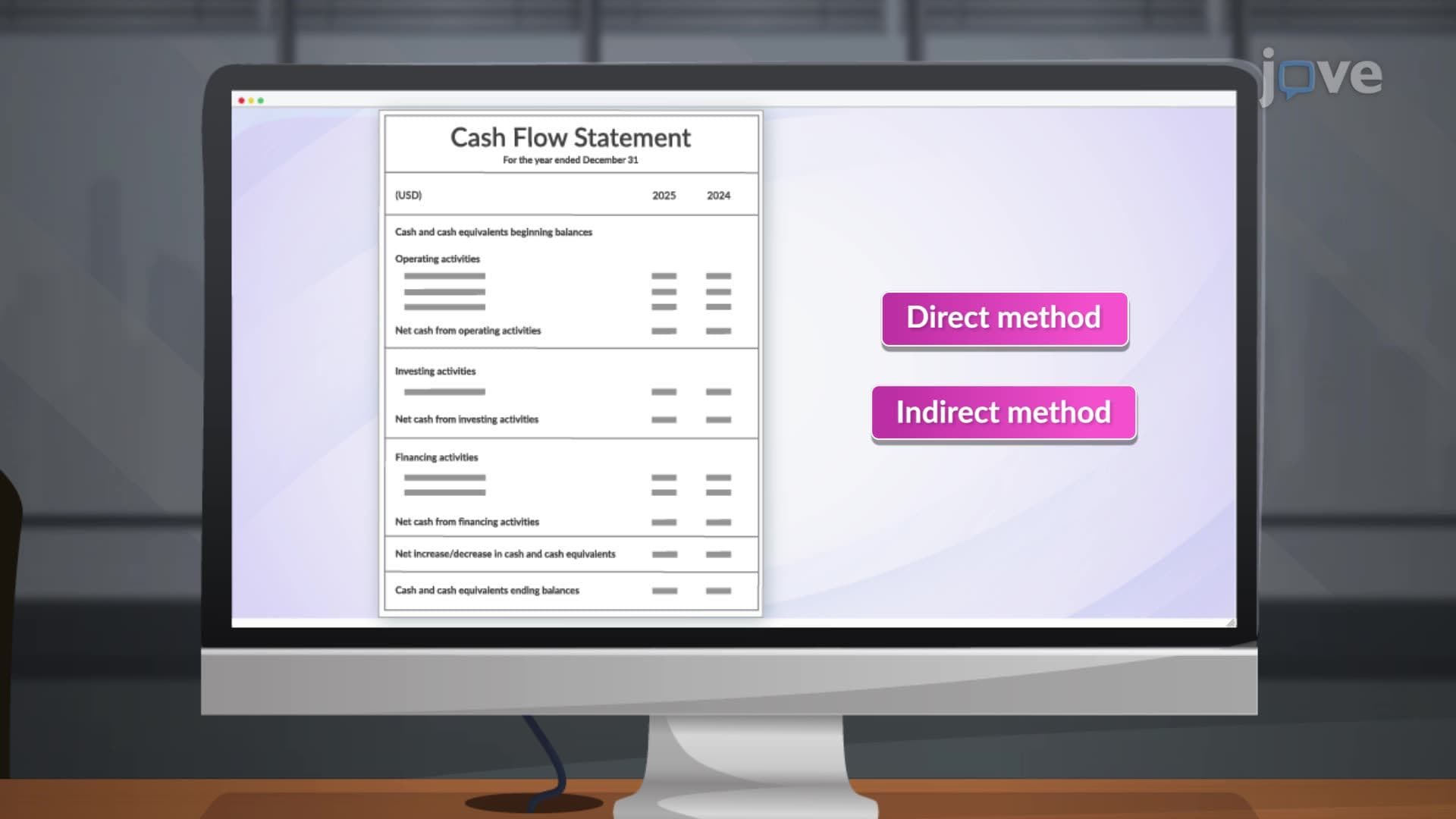
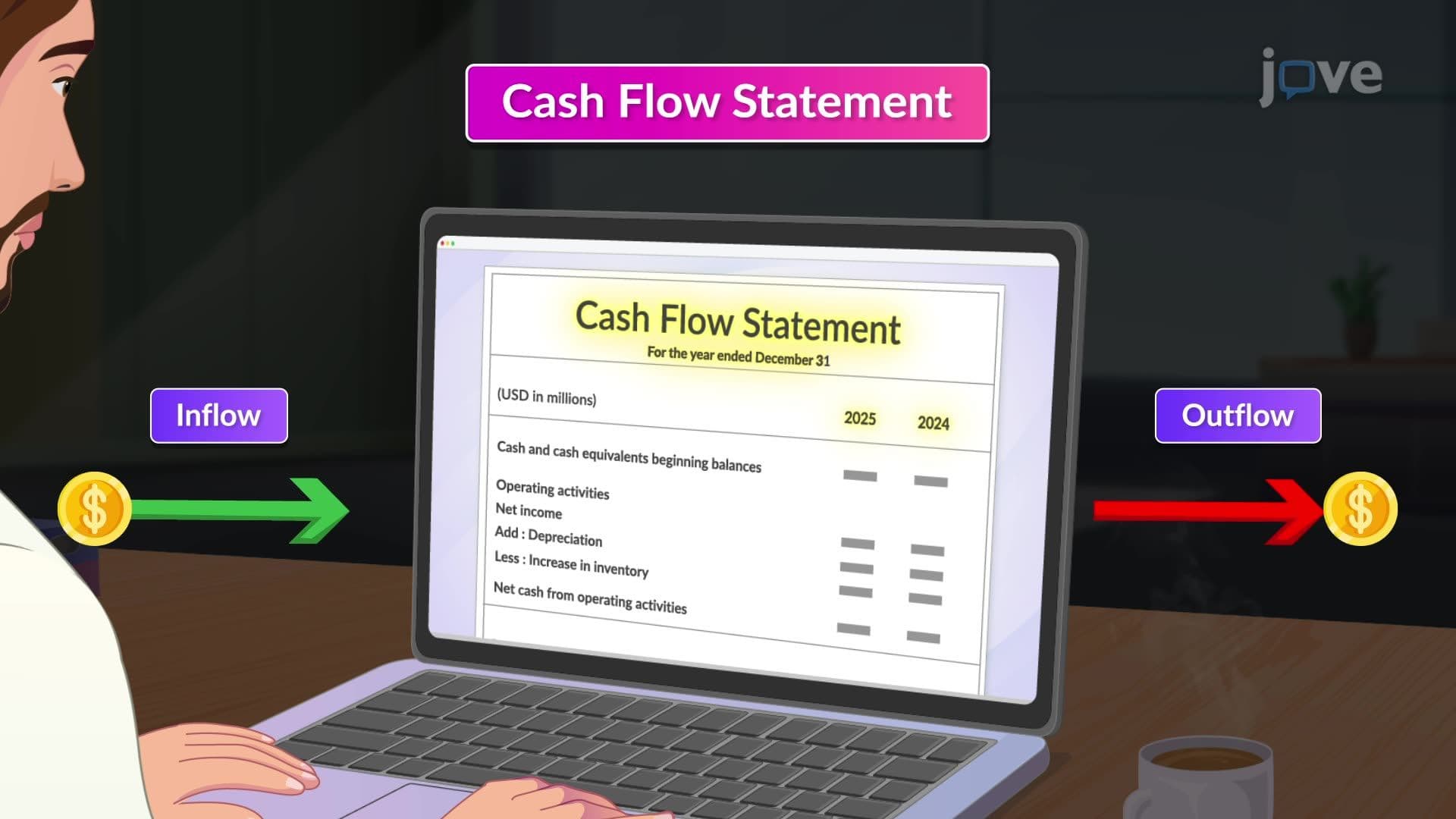
The most common mistake is equating profit with cash. A business can report strong earnings while simultaneously running out of cash, particularly when receivables are high, inventory is bloated, or debt repayments are aggressive. Managers who rely solely on the income statement miss the working capital changes that reveal whether operations are actually self-sustaining. Add to that the indirect method of cash flow reporting, which starts with net income and adjusts for non-cash expenses like depreciation, and the statement quickly becomes opaque without a framework to decode it.
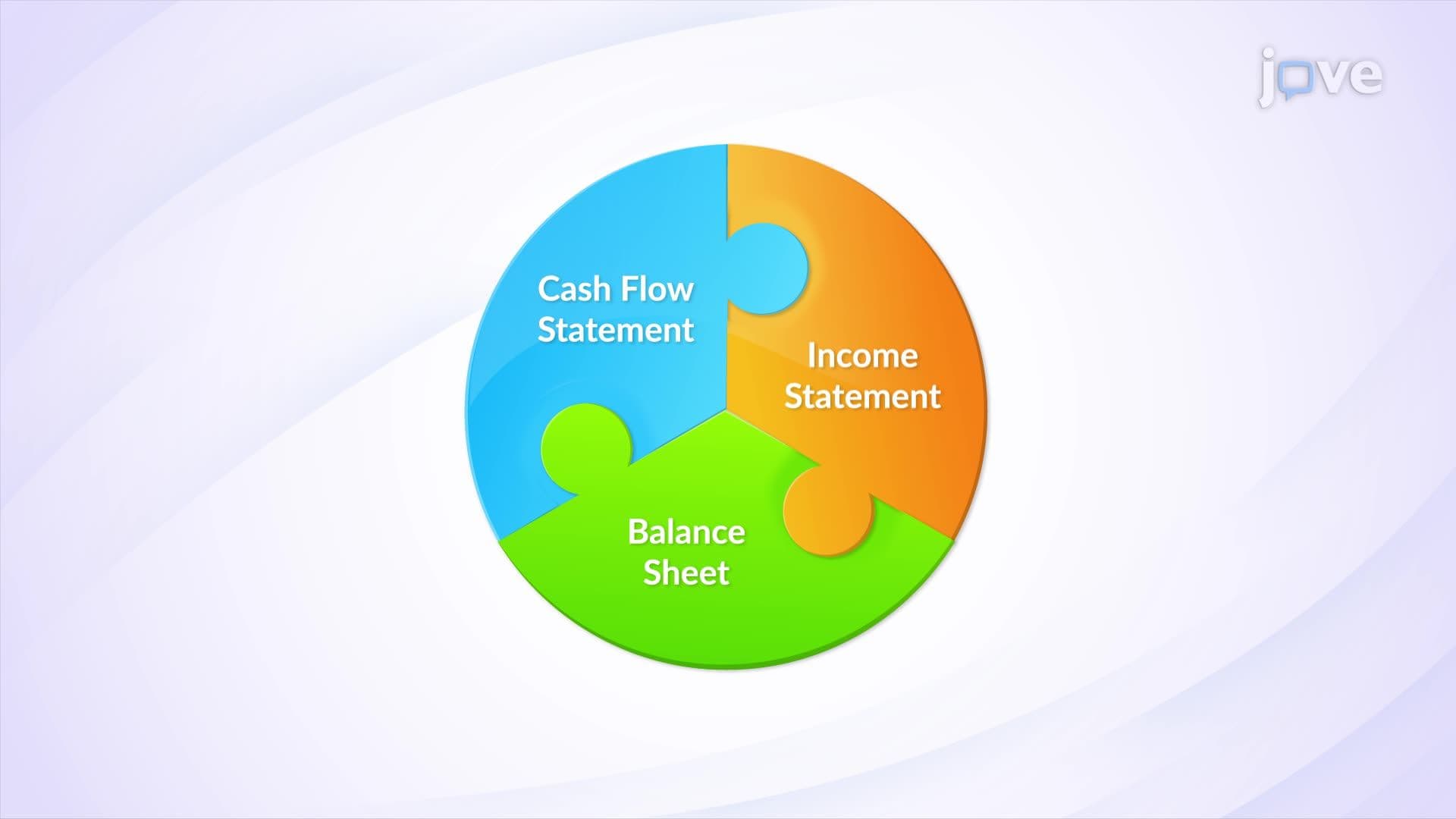
Think of the cash flow statement as three distinct levers, each telling you something specific.
Operating Activities reflect the engine of the business. Positive cash flow here means the core operation generates enough to cover day-to-day commitments, salaries, vendor payments, operational overhead. As a manager, this is your ground truth. If operations consistently burn cash, no amount of financing will fix a broken model.
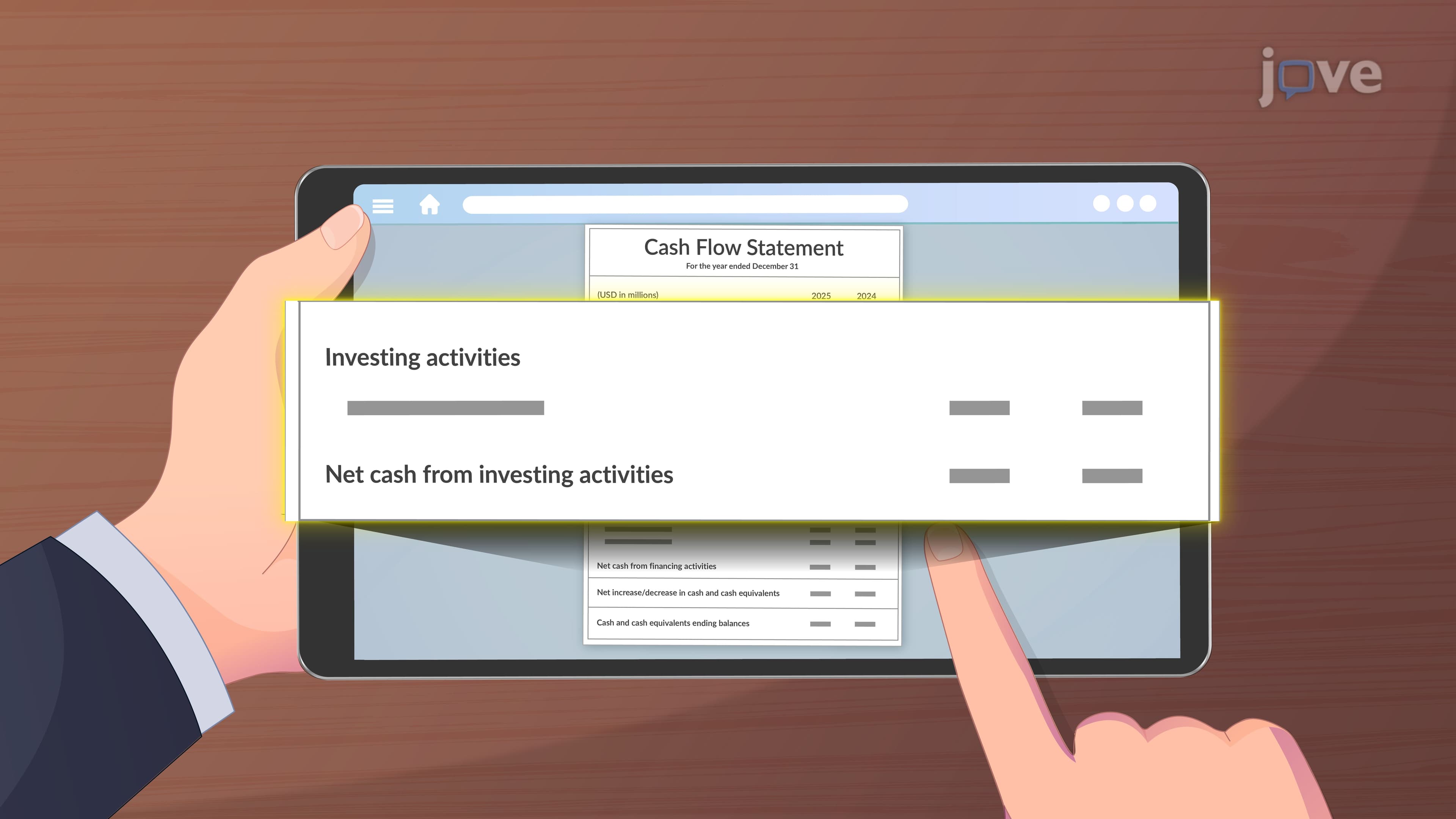
Investing Activities reflect where the organization is placing long-term bets, equipment, facilities, technology infrastructure. Negative cash flow here is not automatically a red flag. Apply the logic of the 70-20-10 investment model: if the majority of capital goes toward proven operations, with a meaningful portion toward growth and a smaller slice toward experimentation, negative investing cash flow often signals disciplined, strategic expansion.
Financing Activities show how the business funds itself, issuing shares, taking on debt, repaying loans, or distributing dividends. Frequent reliance on financing to cover operating shortfalls is a warning sign managers should escalate. It indicates the business isn't self-sustaining through operations, which directly threatens resource commitments including team budgets and headcount.
When preparing for a budget conversation or quarterly business review, use a simple three-question diagnostic:
1. Is operating cash flow positive, meaning the business earns more cash than it spends running itself? 2. Are investing outflows justified by a clear strategic rationale tied to long-term goals? 3. Is financing activity rising as a proportion of total cash inflows, and if so, why?
For example, if a business unit generates $40,000 from operations, spends $20,000 on capital equipment, and draws $10,000 from a credit facility, the net cash position improves by $30,000. Crucially, the $10,000 debt draw is minimal relative to operating generation, a healthy ratio that signals operational self-sufficiency with targeted leverage. Bring this lens to your next resource discussion and you'll ask sharper questions, build more credible proposals, and earn the trust of finance stakeholders faster.
Avoid presenting a business case built entirely on projected revenue. Finance teams will scrutinize cash conversion cycles and working capital changes, so should you. Don't treat a single period of negative investing cash flow as crisis. Context matters: one large capital investment timed to a strategic initiative looks very different from sustained investing outflows with no corresponding operational growth. Finally, resist the temptation to skip the financing section. Rising debt levels and share dilution have direct downstream consequences for the teams and projects you're accountable for.
Related Micro-courses